
Butterflies and Moths
Order Lepidoptera
The Butterflies and Moths (Order Lepidoptera) includes 11,813 species across 112 families and 2,787 genera in our directory.
About Butterflies and Moths
Lepidoptera includes approximately 180,000 described species of butterflies and moths. Moths outnumber butterflies roughly 10:1. The monarch butterfly's eastern population has declined by more than 80% since the mid-1990s, and the western population by over 95% since the 1980s. The IUCN lists the migratory monarch as Vulnerable.
Economic Impact
Lepidoptera are critical pollinators. In Europe, grassland butterfly species have declined by almost 50% since the early 1990s. In the UK, three-quarters of butterflies are in decline. In the U.S., five butterfly species have gone extinct since 1950, with 29 listed as endangered.
Ecological Role
Butterflies and moths are essential indicators of ecosystem health. As caterpillars, they are a primary food source for birds - a single nest of blue tit chicks requires ~10,000 caterpillars. Adult moths pollinate many night-blooming plants.
Families in Lepidoptera (112)
Species in Lepidoptera (11,813)
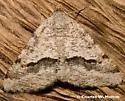
Mesquite Looper Moth - Hodges#6415
Rindgea cyda
Identification: Adult: forewing ground color white but largely obscured by extensive dark transverse streaks; PM line thick, black, sinuous, interrupted by yellowish-orange blob near costa; AM and median lines blackish, diffuse, almost straight; band
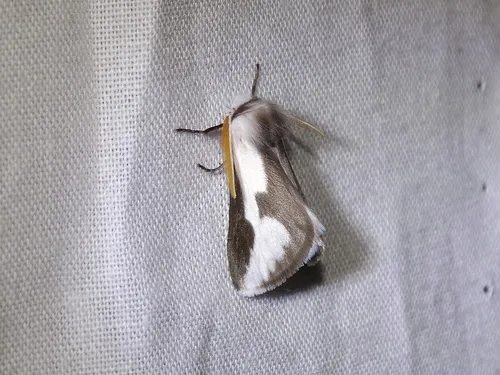
Mesquite Stinger Moth
Norape tener
Norape tener, the mesquite stinger moth is a moth of the family Megalopygidae. It was described by Herbert Druce in 1897. It is found in south-eastern Arizona, southern New Mexico and Mexico.
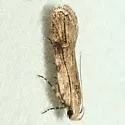
Mesquite Web Worm - Hodges#1916
Friseria cockerelli
Mesquite Web Worm - Hodges#1916 (Friseria cockerelli) is a species in the family Gelechiidae, commonly known as twirler moths, belonging to the order Lepidoptera (Butterflies and Moths). It is classified within the subfamily Gelechiinae, tribe Gelech
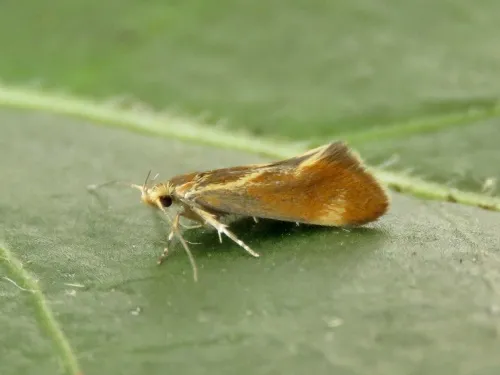
Metalampra italica
Metalampra italica
Wingspan about 12 to 14 mm. The adults are quite distinctive with a golden brown ground colour and paler markings. Metalampra cinnamomea which has so far not been recorded locally is similar, but has a darker ground colour in the forewing. Good suppo
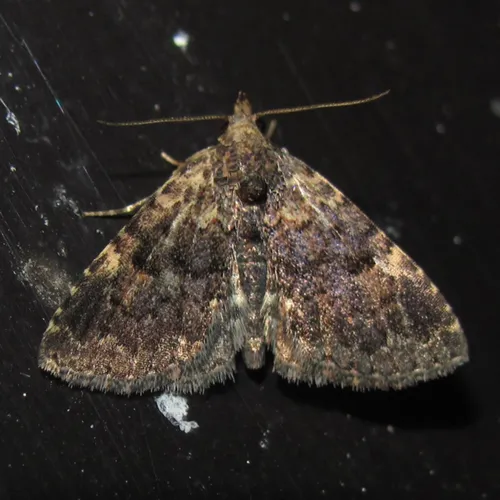
Metalectra miserulata - Hodges#8506
Metalectra miserulata
Identification: Specimen identified by DNA analysis (BOLD). ( 6 ) There are 4 narrowly separated BINs at BOLD for Metalectra miserulata indicating that this may be a complex with more than one species. - 2/8/2018
Metanema brunneilinearia - Hodges#6962
Metanema brunneilinearia
Ferris mentions with respect to possibly lumping brunneilinearia and inatomaria , "I don’t feel it appropriate to make the synonomy. DNA analysis (barcoding) could resolve this issue, but that is beyond the intent and scope of this article, which is
Metaponpneumata rogenhoferi - Hodges#9074
Metaponpneumata rogenhoferi
Identification: Adult: forewing brownish-gray with irregular, wavy AM and PM lines; reniform spot pale, notched or broadly V-shaped, with black outline; dark shading in median area, sometimes continuing beyond reniform spot; short apical dash continu
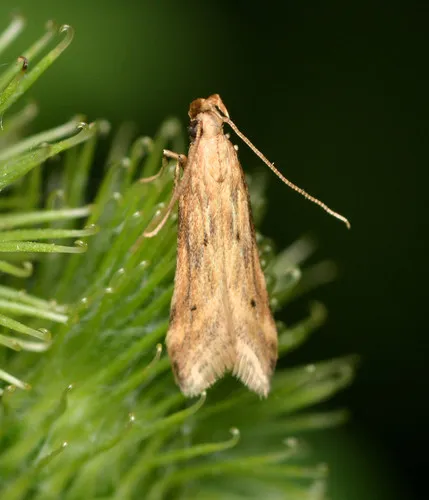
Metzneria lappella
Metzneria lappella
Wingspan 16 to 20 mm. Quite similar to other members of the group, but the light colouration and a dark line in the cilia are distinctive is this species. Various habitats, especially areas where the larval foodplant is present. The larvae feed on th
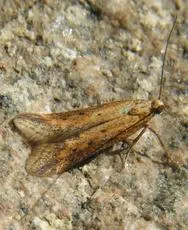
Metzneria metzneriella
Metzneria metzneriella
Wingspan 14 to19 mm. Orangey-brown wing has a row of dark dots and a pale fringe. The moths are on the wing between June and August. The larvae feed on the seeds of Common Knapweed or Saw-wort overwintering in the seedhead before pupating in late spr
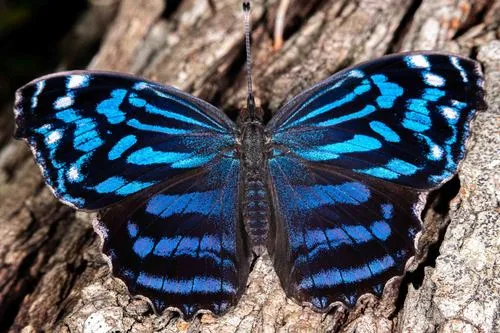
Mexican Bluewing - Hodges#4528
Myscelia ethusa
Identification: Upperwing pattern is unmistakeable, with parallel bands alternating black and brilliant iridescent blue, often fading to purple toward the posterior. Underwing pattern is cryptic, mottled in various shades of brown, blending in excell
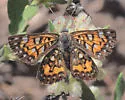
Mexican Metalmark - Hodges#4402.2
Apodemia mejicanus
Identification: Distinguished from A. mormo by more easterly and southerly distribution (but overlapping widely), and by the red/orange coloring which forms a band through the middle of the wings above and includes or replaces most of the white media
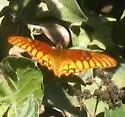
Mexican Silverspot - Hodges#4414
Dione moneta
Identification: Underwing pattern extremely similar to Gulf Fritillary, but with a more distinct red patch along the leading edge of the forewing. On the upperwings there is a very strong contrast between the darker inner sections and brighter outer
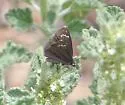
Mexican Sootywing - Hodges#3978
Pholisora mejicanus
Identification: This species is very similar to Common Sootywing (Pholisora catullus), except that the veins on the ventral hindwing are darker black than the ground color on the HW, which makes them stand out. Common sootywing lacks the contrasting
Mexican Umber Skipper
Lon vitellina
Identification: Nearly identical to Lon melane , however ranges do not overlap
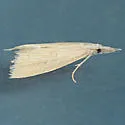
Mexican rice borer - Hodges#5493
Eoreuma loftini
Identification: Apex of fore wing acute; whitish straw-color, the veins light, edged on each side by a line of fine brown scales, which diffuse in the interspaces ; a small black discal dot ; a row of terminal black dots in the interspaces, connected
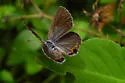
Miami Blue - Hodges#4358
Cyclargus thomasi
Identification: Dorsal, males are light blue with a thin black border, and usually with 2 plain black spots on the trailing HW edge. Females are blue, with a thick black border, and a black spot that's orange capped on the trailing HW edge. Ventral,
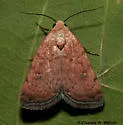
Micrathetis n. sp. - Hodges#9644.1
Micrathetis new-species
Identification: Specimen identified by DNA analysis:
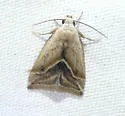
Micrathetis tecnion - Hodges#9646
Micrathetis tecnion
Micrathetis tecnion - Hodges#9646 (Micrathetis tecnion) is a species in the family Noctuidae, commonly known as owlet moths, belonging to the order Lepidoptera (Butterflies and Moths). It is classified within the subfamily Condicinae, tribe Condicini
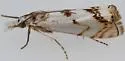
Microcrambus copelandi - Hodges#5418
Microcrambus copelandi
Microcrambus copelandi - Hodges#5418 (Microcrambus copelandi) is a species in the family Crambidae, commonly known as crambid snout moths, belonging to the order Lepidoptera (Butterflies and Moths). It is classified within the subfamily Crambinae, tr
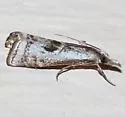
Microcrambus croesus - Hodges#5426
Microcrambus croesus
Identification: The FWs are mostly silvery white with a dark brown curved patch on the dorsum, dark brown along the costal margin, and an oblique dark streak off the costa in the postmedian area. The subterminal line consists of a pair of (usually)
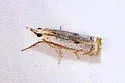
Microcrambus polingi - Hodges#5421
Microcrambus polingi
Identification: Adult : Ground color dull whitish, almost always heavily dusted with dark scales. PM and ST lines dark and infuscated, often obscured by dark dusting and clouding. Terminal line, thin, dark and distinct. Kearfott's Mexican specimens w
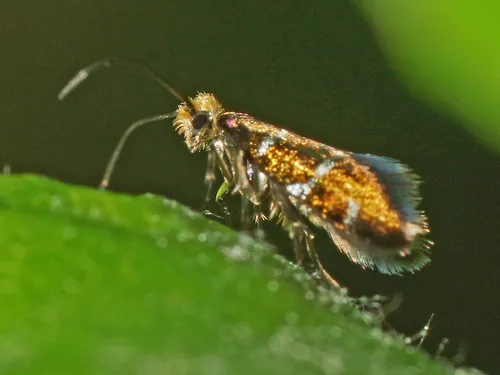
Micropterix aruncella
Micropterix aruncella
This is a tiny species with a wingspan of around 6 or 7 mm and, in common with other similar species, has metallic forewings. The members of the genus Micropterix are unusual in that the adults have fully functional mouthparts, unlike most other moth
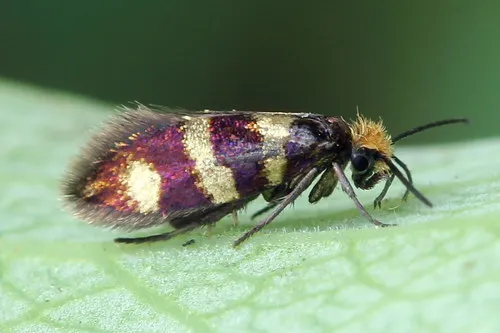
Micropterix aureatella
Micropterix aureatella
Wingspan 9 to 11 mm. A rather attractive little moth, in common with other similar species, has metallic purplish forewings. There are two whitish cross bands and a large pale spot towards the end of the wing. The adults are among those moths with wo
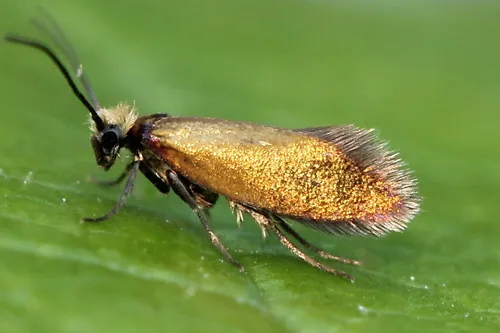
Micropterix calthella
Micropterix calthella
Another tiny species, with a wingspan of around 8 to 10mm, this moth has metallic bronzy forewings, with purplish tinges in places. Like other Micropterix species, it has a tuft of hairs on the head and like other members of the family, this species
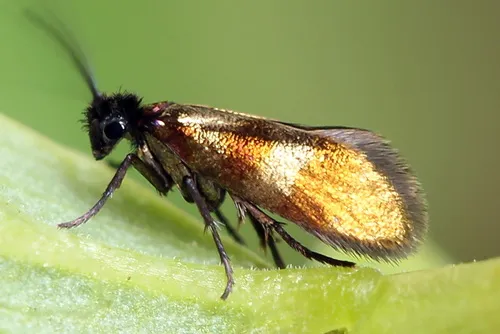
Micropterix mansuetella
Micropterix mansuetella
Wingspan about 10 mm. It is similar to M. tunbergella , but less distinctly marked and easily distinguished by its black head. It occurs in damp habitats, often in the company of other Micropterix species, feeding on the pollen of a range of flowers.
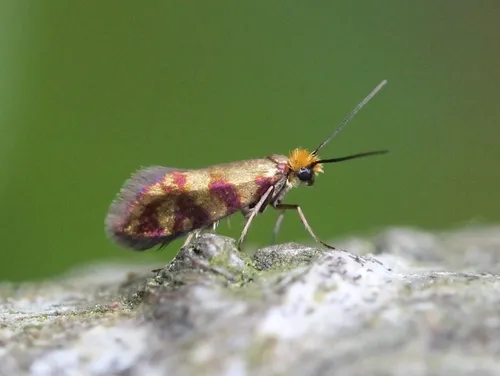
Micropterix tunbergella
Micropterix tunbergella
Wingspan 8 to11 mm. An attractive little moth, with purplish markings on a metallic golden ground colour and orange-tufted head. Adults are on wing from May to July and fly during the day. Like others in the genus, the life history of the early stage
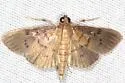
Microthyris lelex - Hodges#5264.1
Microthyris lelex
Identification: Description by Hayden & Dickel can be found at link in citations below.
Microthyris prolongalis - Hodges#5264
Microthyris prolongalis
Identification: The hyaline spot is much larger in the females. Specimen identified by DNA analysis (BOLD). ( 3 ) Holotype ♂ collected in Brazil.
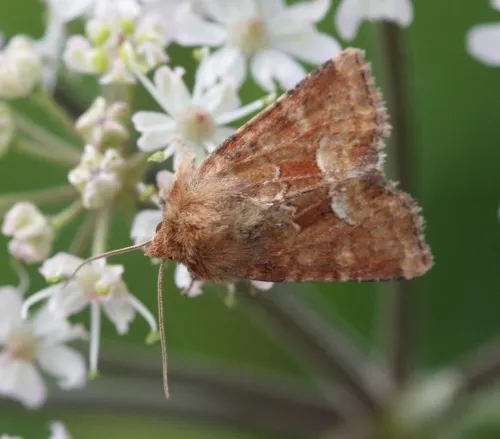
Middle-barred Minor
Oligia fasciuncula
Wingspan 22-26 mm. Quite variable in ground colour but usually generally more rufous or sandy-coloured than the other 'Minors', with a white mark on the rear edge of the forewing where the postmedian line ends. Occupying marshes, river banks, damp fl
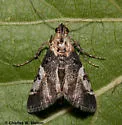
Milgithea alboplagialis - Hodges#5581
Milgithea alboplagialis
Identification: Dyar original description as Cacozelia alboplagialis is available in PDF. Reported on the Moths of Southeastern Arizona website as Cacozelia alboplagialis . (no photo).
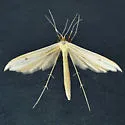
Milky Plume Moth - Hodges#6213
Hellinsia lacteodactylus
Identification: Original description is online as Oidaematophorus lacteodactylus Chambers. 426 - Brown head with white antennae and space between. Thorax and abdomen whitish. Legs white with first two pairs brownish on one side. Wings slightly darker
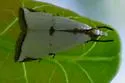
Milky Urola - Hodges#5463
Argyria lacteella
Identification: Adult: forewing white with orange fringe; medial line faint, consisting mainly of a small dark spot at costa and at inner margin, plus a third dark spot halfway between these two; a fourth dark spot usually present where PM line meets
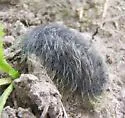
Miller Dagger - Hodges#9206
Acronicta vulpina
Identification: Adult: forewing chalky white, lightly dusted with gray scales; normal lines are reduced to a few black spots where they would meet the costa, and a series of small dots marking the terminal line; other markings include a short basal s
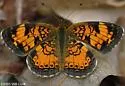
Mimic Crescent - Hodges#4481.2
Phyciodes incognitus
Identification: Mimic Crescent is a recently described species that is similar to the common and widespread Pearl Crescent (P. tharos) and the Northern Crescent (P. cocyta) of the northern US/Canada. It is dubbed "Mimic" because its appearance mimics
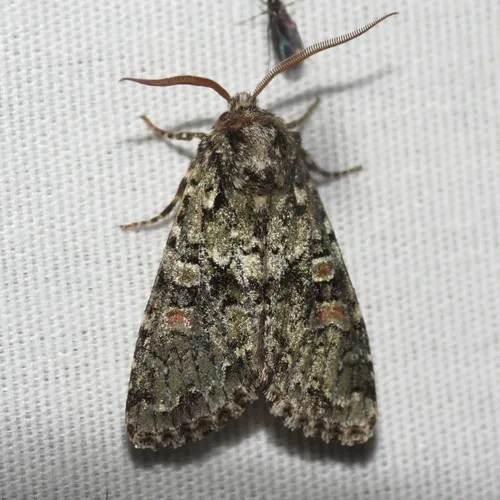
Mimobarathra antonito - Hodges#10622
Mimobarathra antonito
This species has hairy eyes, which is what led Barnes to originally place this species in Mamestra . Unlike Mamestra , however, it possesses spined mid and hind tibiae which is characteristic of Agrotinae (Hampson). Only two genera possessed both of
Mimorista subcostalis - Hodges#5139
Mimorista subcostalis
Identification: "Distinctive" forewing pattern with the California specimens being smaller and less colorful. ( 3 ) Mimorista trimaculalis from Texas is similar; in need of distinguishing information. In his 1913 description of subcostalis , Hampson
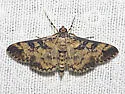
Mimorista tristigmalis - Hodges#5141
Mimorista tristigmalis
Identification: The original description as Pilocrocis tristigmalis Hampson is available online in the print references below. Type locality: USA, Florida
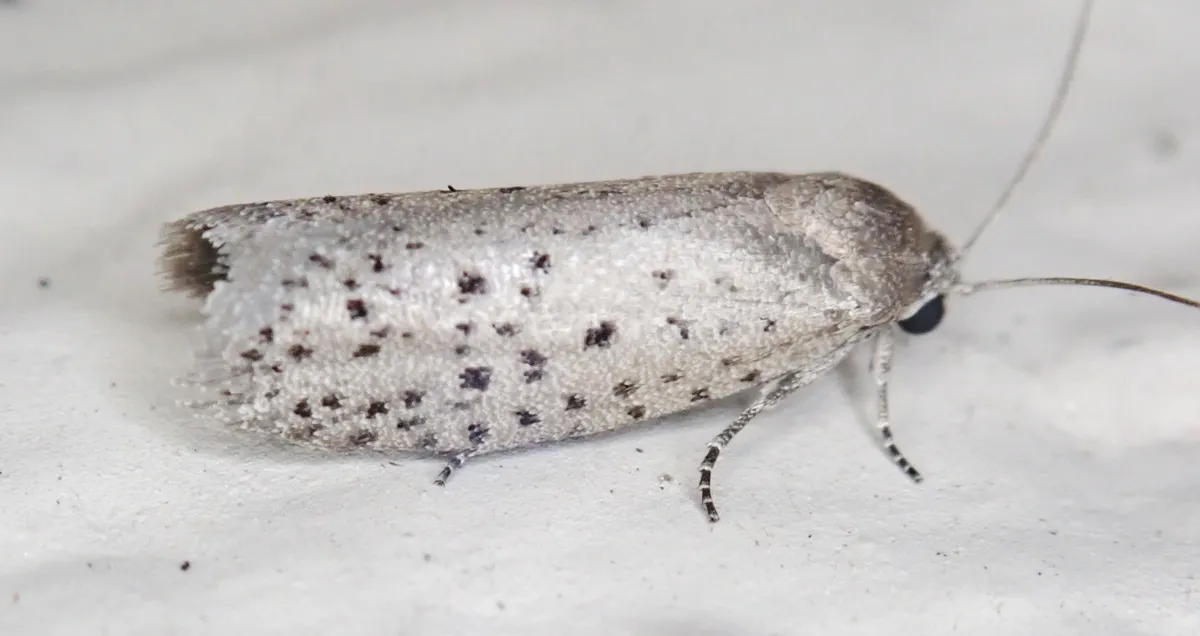
Mimosa Webworm Moth - Hodges#2353
Homadaula anisocentra
Identification: Adult: forewing shiny dark gray with small black spots; hindwing solid dark gray. Native to Japan and China first found in the U.S. in Washington D.C. in 1943.
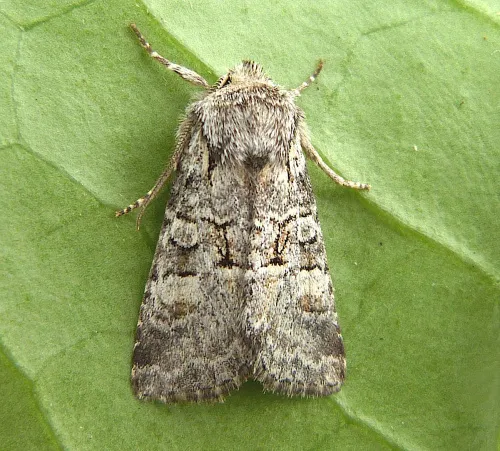
Minor Shoulder-knot
Brachylomia viminalis
Wingspan 29-34 mm. There is a range of colour forms, with the paler individuals generally occurring further south. This species prefers damp woodland, heaths and fens. Flying in July and August, the moths are readily attracted to light. The larvae fe
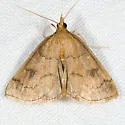
Mint Root Borer - Hodges#4950
Fumibotys fumalis
Identification: Adult: forewing orangish to light brown with AM line shaped like an arc, and PM line shape like a sine wave; large diffuse dark patch near middle of wing between AM and PM lines Larva: young larva is 2-3 mm long, yellow to light green
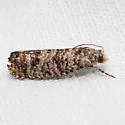
Minute Pitch-blister Moth - Hodges#2902
Retinia houseri
Identification: The dark gray bar across the front of the head and the dark scales around the bases are absent in some specimens. The dark gray abdomen has dirty white scales along the sides. The braconid, Agathis pini is an important parasite of thi
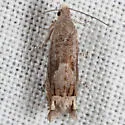
Minute Ragweed Borer - Hodges#3172.1
Epiblema minutana
Identification: See Gilligan et al. Additionally, based on a review of minutana and strenuana specimens in the Mississippi Entomological Museum, Richard Brown reported, "In all cases, the front of as well as dorsal surfaces of labial palpi are white
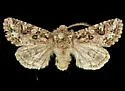
Miodera stigmata - Hodges#10623
Miodera stigmata
Identification: Smith (1908) original description of the adult is online in the print references. Comstock & Dammers (1936) description of the larvae is online in the print references. Crumb (1956) also described the larvae. ( 3 ) Specimen determined
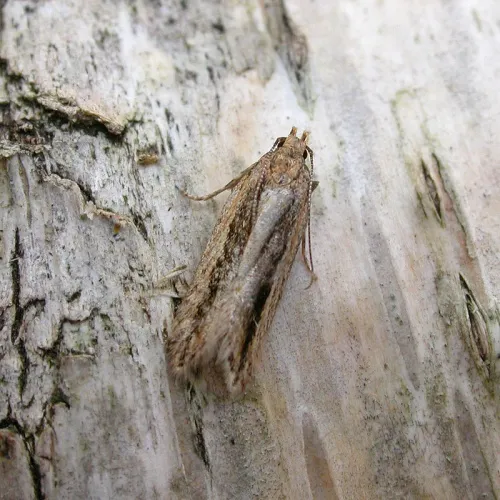
Mirificarma mulinella
Mirificarma mulinella
Wingspan 11 to 15 mm. This moth may frequently be identified by a pair of dark stripes running longitudinally down each forewing. However in some individuals these stripes may merge. In others, they may be absent altogether making identification diff
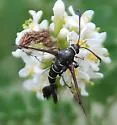
Mistletoe Borer - Hodges#2606
Carmenta phoradendri
Identification: Adult - see Engelhardt in Print References.
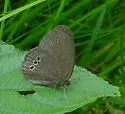
Mitchell's Satyr - Hodges#4577
Neonympha mitchellii
Identification: See references. Endangered. Guide TBA--PC
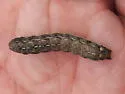
Mobile Groundling - Hodges#9693
Condica mobilis
Identification: Adult: forewing orangish to reddish-brown with dull brownish lines and mottling; bottom of reniform spot white; AM line scalloped; subterminal line jagged, irregular; hindwing whitish with grayish-brown border. [adapted from descripti
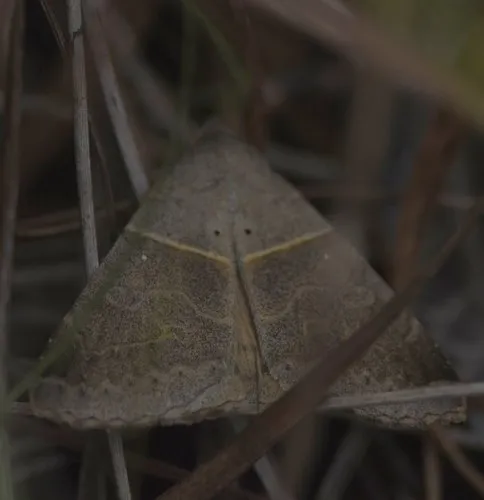
Mocis cubana - Hodges#8746.1
Mocis cubana
Identification: Original description online: (80) Determined Ed Knudson (Texas Lepidoptera Survey)
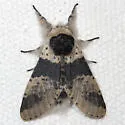
Modest Furcula - Hodges#7941
Furcula modesta
Identification: forewing with cream or light tan tint in white areas; dark gray patch along costa near apex; broad dark gray band across median area may be narrowed in middle, or divided into two wedge-shaped patches; terminal line a series of small
Modest Phtheochroa moth - Hodges#3819
Phtheochroa modestana
Modest Phtheochroa moth - Hodges#3819 (Phtheochroa modestana) is a species in the family Tortricidae, commonly known as tortricid moths, belonging to the order Lepidoptera (Butterflies and Moths). It is classified within the subfamily Tortricinae, tr
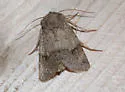
Modest Quaker - Hodges#10569
Ulolonche modesta
Identification: The original description as Dianthoecia modesta Morrison, and the Hampson (1905 ) description as Hyssia modesta , are in the print references below. Terminal space of forewing is usually a contrasting lighter blue-gray color. Photo de
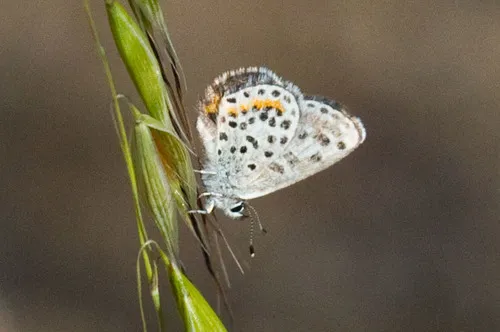
Mojave Dotted Blue - Hodges#4367.1
Euphilotes mojave
Identification: Distinguishable from Plebejus acmon / lubpinus by the lack of metalic scaling in the marginal black spots on the ventral hind wing, and by the fringes interrupbed by dark color at the ends of many of the veins. Distinguished from Eup
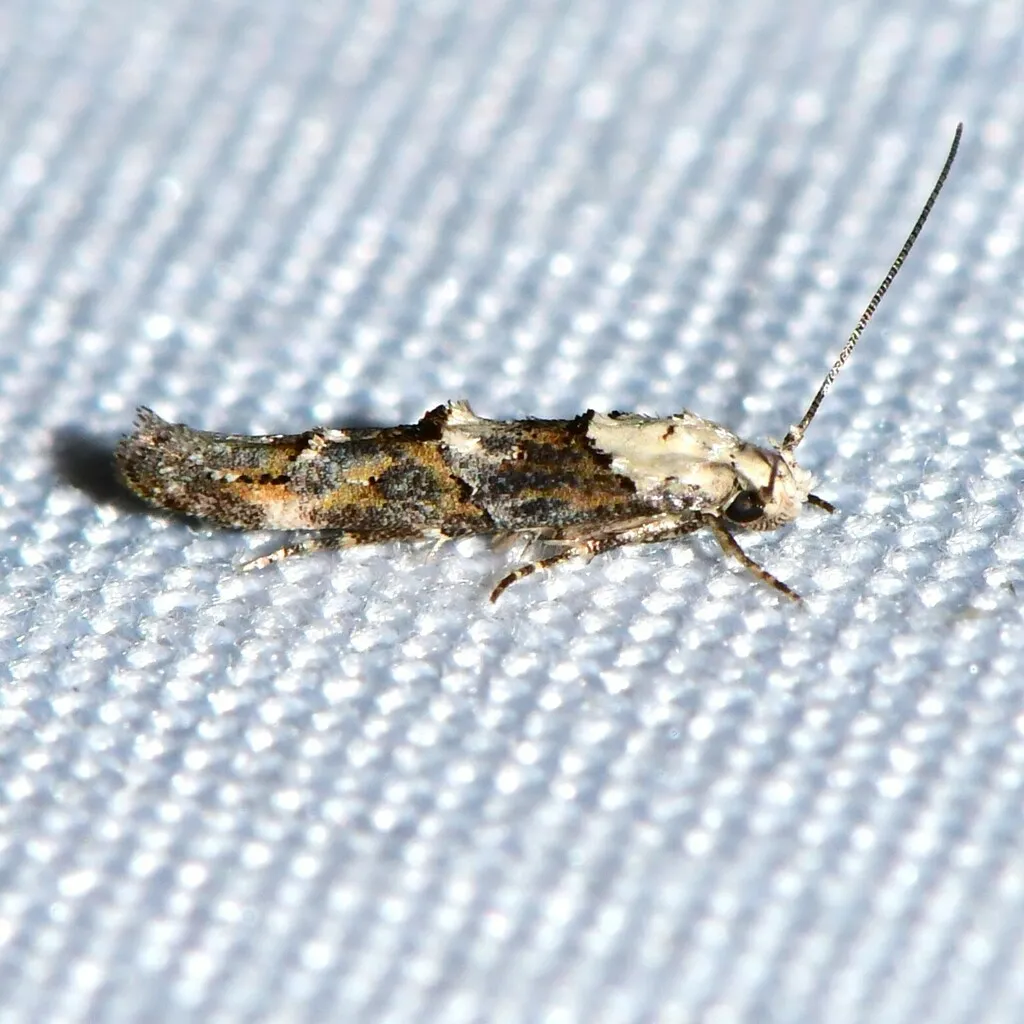
Mompha albocapitella - Hodges#1448
Mompha albocapitella
Identification: Genitalia: BOLD:AAY6980 BOLD:AAF3087
Mompha bicristatella - Hodges#1427
Mompha bicristatella
Identification: See Chambers, 1879 in Print References below
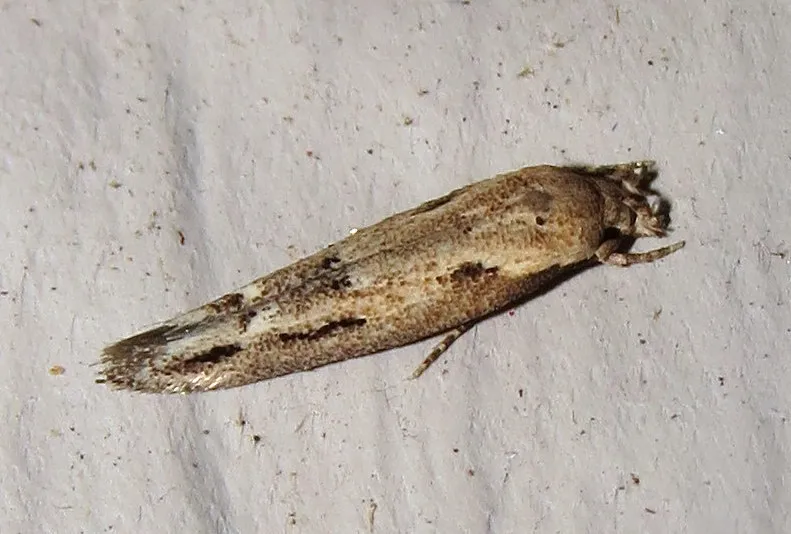
Mompha brevivittella - Hodges#1430
Mompha brevivittella
Identification: Uncertain as to which individual(s) is/are brevivittella; looks like 2 species here
Mompha cephalonthiella - Hodges#1433
Mompha cephalonthiella
Identification: Adult : Antennae gray, annulated with dark brown, with four or five very distinct white annulations near the tip ● FW irregularly spotted with velvety black, with an ochreous patch at the base of the inner margin, dusted with golden i
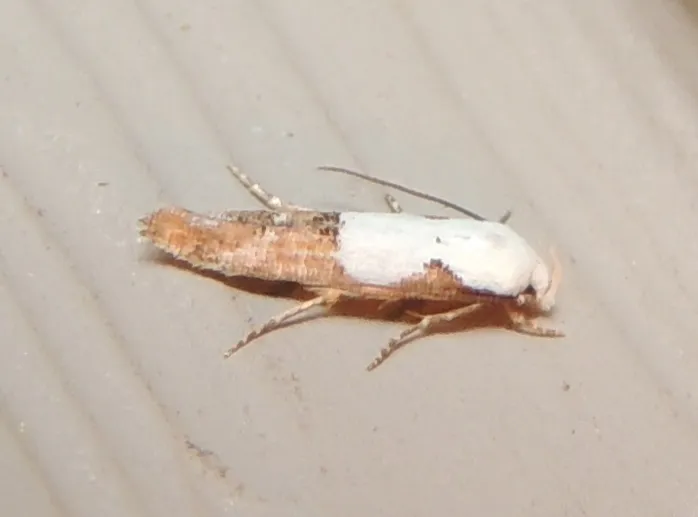
Mompha circumscriptella - Hodges#1434
Mompha circumscriptella
Identification: Adult : Small, narrow-winged moth with distinctive FW color pattern. Can be differentiated from similar microleps by the presence of two or more tufts of raised scales on the forewing. The head vestiture is smooth. a Considerable vari
Mompha claudiella - Hodges#1435
Mompha claudiella
Identification: Adult - see original description in Print References.
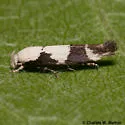
Mompha definitella - Hodges#1440
Mompha definitella
Identification: The original description as Laverna definitella Zeller, is available online in the print references below. Small, narrow-winged moths with two or more tufts of raised scales on the forewing. Photograph determined by Terry Harrison
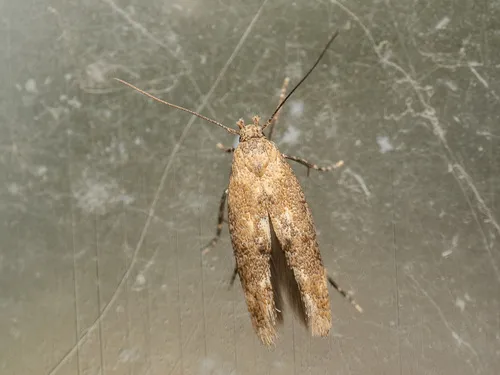
Mompha epilobiella
Mompha epilobiella
Wingspan 10 to 13 mm. This small micro moth is buffish in colour sometimes suffused slightly with chestnut or darker brown shades and with two pairs of dark scale tufts. The adult hibernates and can be found throughout the year, most commonly in July
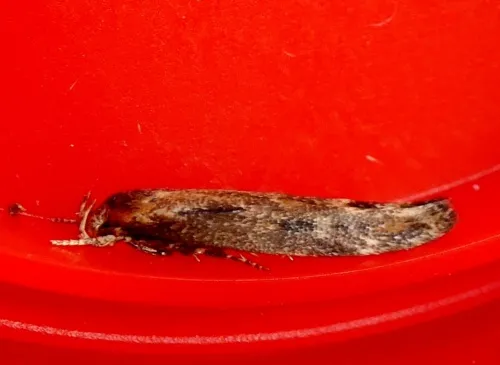
Mompha jurassicella
Mompha jurassicella
Wingspan about 12mm. Superficially a rather dull looking species, but it is often is flecked with subtle shades. Dissection required to confirm adult records. Around areas where Great Willowherb is plentiful. There is a single generation, the adult m
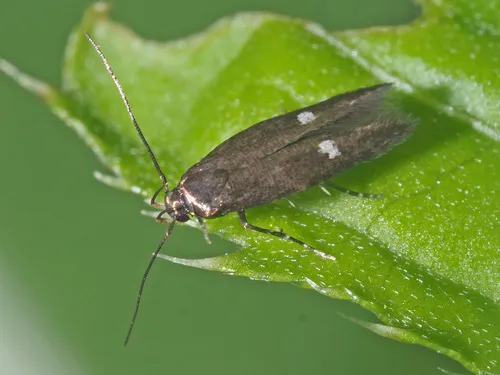
Mompha langiella
Mompha langiella
Wingspan about10 mm. A relatively unremarkable looking member of the Momphidae, M. langiella is however quite distinctive, with its fuscous ground colour and irregular-shaped white marking at around two-thirds. The larva mines the leaves of Enchanter
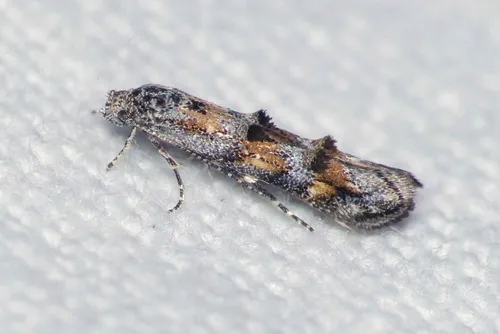
Mompha miscella
Mompha miscella
Wingspan 7 to 9 mm. Rather more russet brown than other members of the genus. The larva mines the leaves of various species of Rock-rose. Initially a gallery is made and filled with frass. It is widened abruptly into a blotch, which absorbs the galle
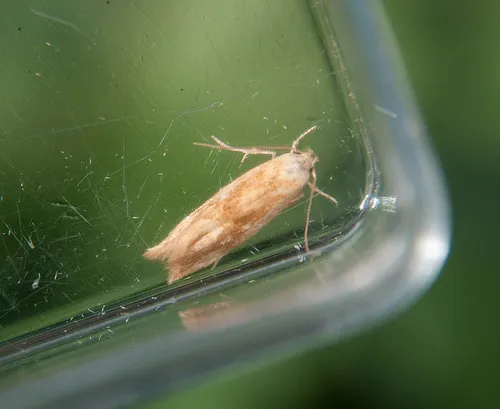
Mompha ochraceella
Mompha ochraceella
Wingspan 14 to 16 mm. A distinctive orange-yellow moth. Various habitats, especially in areas where the larval foodplant is found. Flying at night and attracted to light, the adults can be found on the wing between May and August. In common with seve
Mompha propinquella
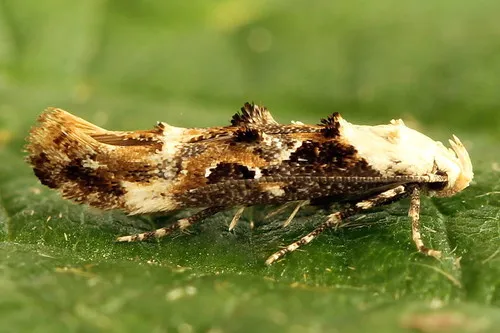
Mompha propinquella
Wingspan 12 mm. In common with most of the Momphidae , the adults of this species are brightly-coloured, with raised scale-tufts. Various habitats where the larval foodplants are present. The moths fly at night between June and August, and come to li
Mompha raschkiella
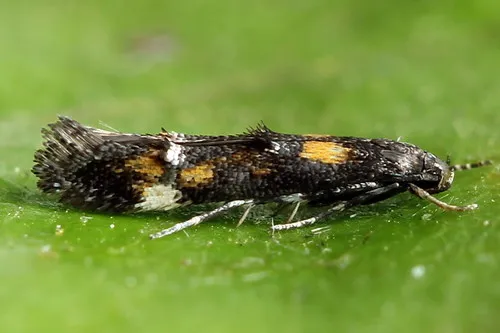
Mompha raschkiella
Wingspan 9 mm. A tiny, but distinctively marked species, with pale yellow shoulder patches and scale tufts along its back. The larva mines the leaves of Rosebay Willowherb, causing gallery and then blotch mines, often tinged red and yellow. The larva
Mompha subbistrigella
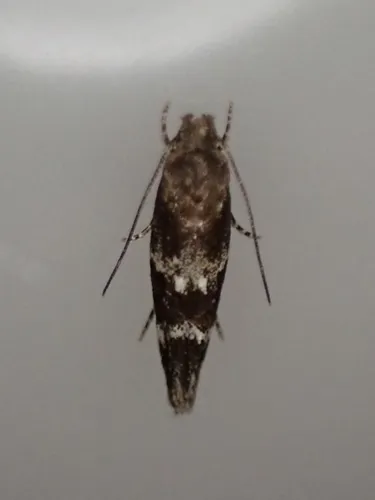
Mompha subbistrigella
Wingspan 7-11.5 mm. A greyish species with two whiter bands. In summer they can be seen around the larval foodplant - Willowherb, particularly Broad-leaved Willowherb. They may also be found overwintering in sheds etc. The adults emerge in late summe
Mompha unifasciella - Hodges#1458
Mompha unifasciella
Identification: Distinguished from Mompha albapalpella by the basal patch never being cream color. There appear to be at least three BIN groups at BOLD associated with Mompha unifasciella . The BINs are not each others closest neighbors meaning that
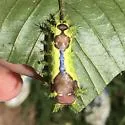
Monema flavescens - Hodges#4672
Monema flavescens
Native to East Asia, the species was first documented in the Nearctic in Boston in 1906 and spread slowly in the following decades (Dowden, 1946). A few individuals have been recorded recently after a long gap in local observations.
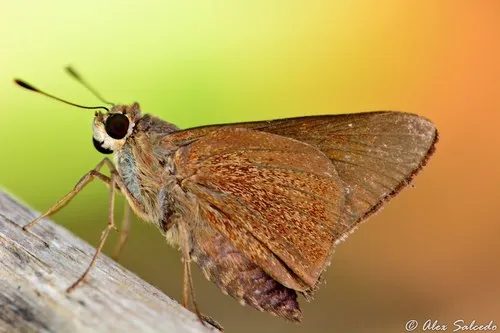
Monk Skipper - Hodges#4079
Choranthus capucinus
Identification: Second largest US grass skipper, with long pointed wings. Dorsal, dark brown/black with rufous edge at FW base. Male has a black stigma, and the female has 2 pale elyptical spots on the FW. Ventral, solid dark color flecked with light
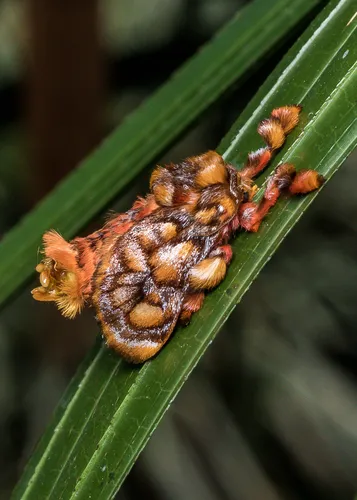
Monkey Slug Moth
Phobetron hipparchia
Phobetron hipparchia, the monkey slug, is a moth of the Limacodidae family. It is found in Mexico, Panama, Ecuador, Colombia, Venezuela, the Guianas, Brazil and Argentina.
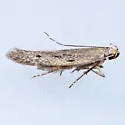
Monochroa absconditella - Hodges#1706
Monochroa absconditella
Monochroa absconditella is the host of the Chalcidoid wasp Eupelmus cyaniceps .
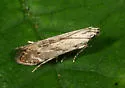
Monochroa angustipennella - Hodges#1707
Monochroa angustipennella
Identification: See Clemens, 1863: 119 & Busck, 1903: 803
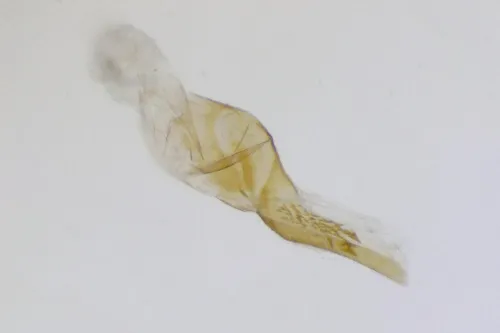
Monochroa arundinetella
Monochroa arundinetella
Wingspan 9 - 10mm, one of the smaller Monochroa species. Elongate and ochreous brown with four pale spots along the costal cilia. Similar to Monochroa moyses, and a dark form of Monochroa suffusella is known from Wicken Fen. Dissection is required fo
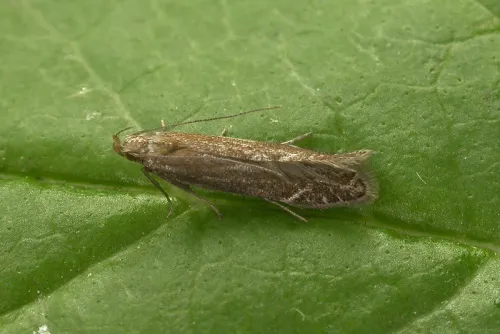
Monochroa cytisella
Monochroa cytisella
Where bracken is present and perhaps preferring sheltered sunny sites. A single-brooded species, flying in July, and sometimes coming to light. The colourful larva feeds May - June in a slight gall in the main stem of bracken, often withering an adja
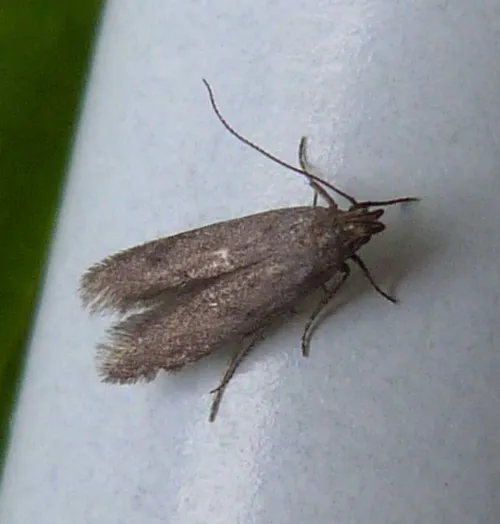
Monochroa hornigi
Monochroa hornigi
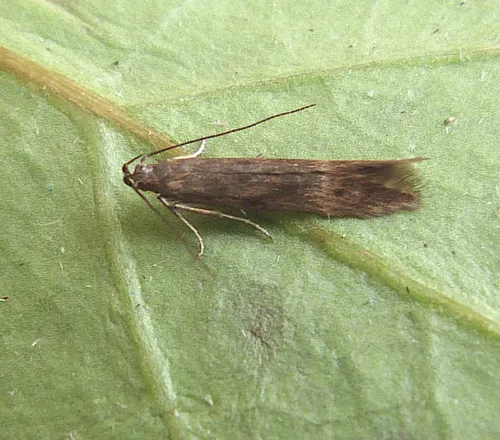
Wingspan 9 to 12 mm. A rather uniformly dark grey-brown species (though sometimes a lighter ochreous brown). Larval foodplants are Pale Persicaria (Persicaria lapathifolia) and possibly other Persicaria. This scarce and rather local species occurs ma
Monochroa lucidella
Monochroa lucidella
Found in damp habitats, especially around Common spike-rush, the larval foodplant. The adult moths emerge in June and July and may be seen flying in late afternoon around the foodplants. The eggs of this species are laid on Common spike-rush, with th
Monochroa robusta - Hodges#1760
Monochroa robusta
Identification: "Palpus blackish, apical half of third segment, and sometimes extreme apex of second, white, extreme apex of third sometimes black. Base of antennae fuscous, annulate with white, apex blackish, with apical segment, and fifth and tenth
Monochroa tenebrella
Monochroa tenebrella
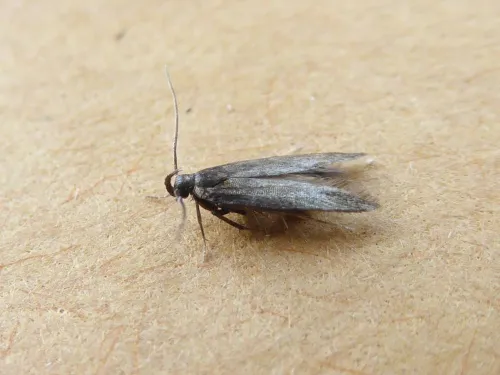
Wingspan about 11 mm. A uniformly brown species. The female has white tipped antennae. Determination by genitalia examination (gen. det.) required. It frequents open grassy areas and heathland. Adult moths can be found in June and July, when they fly
Monoleuca occidentalis - Hodges#4688
Monoleuca occidentalis
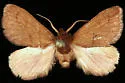
Identification: Specimen determined by DNA analysis (BOLD). ( 3 )
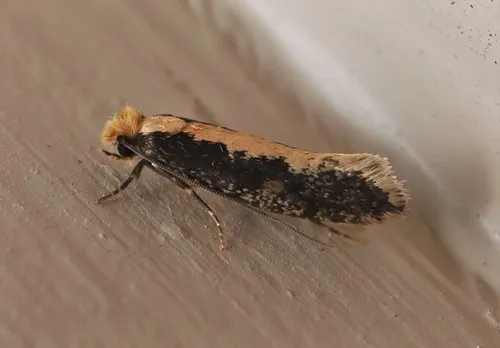
Monopis crocicapitella
Monopis crocicapitella
Wingspan 10 to 16 mm. This species can be confused with its close relative, Monopis obviella, and indeed was only separated as a species in the late 19th century. Compared to that species, it is generally less distinctly-marked, with the dorsal strea
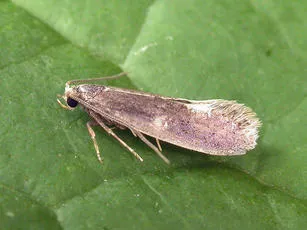
Monopis imella
Monopis imella
Wingspan about 12 mm. This relatively nondescript species generally shows a yellowish tuft of scales on the head and a narrow pale buff line along the edge of the costa. There can be a pale spot on the forewing but often the forewing looks entirely p
Monopis marginistrigella - Hodges#0417
Monopis marginistrigella
Identification: Adult: forewing dark gray to blackish, speckled with white or pale yellow, especially in diffuse patches mid-way along costa and along inner margin near anal angle; top of head yellow; top of thorax completely dark; hindwing uniformly
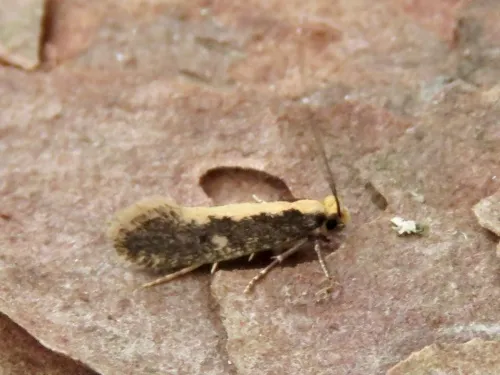
Monopis obviella
Monopis obviella
Various habitats, sometimes found indoors. The adult moths can be found on the wing between May and October, when they will occasionally come to light. There are most likely two generations. The larvae are scavengers, feeding on animal and plant refu
Monopis weaverella
Monopis weaverella
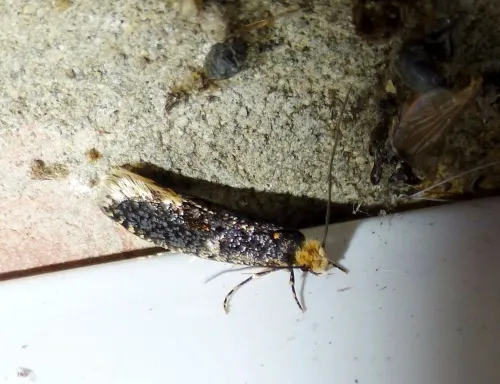
The adults fly from dusk between May and August, though it is most often encountered in June. The life-history of this species is not well-known, but it is believed to be a scavenger on animal carcasses and faeces. Distributed widely over much of mai
Monostoecha semipectinata - Hodges#7289
Monostoecha semipectinata
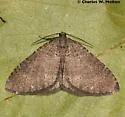
Identification: Specimen identified by DNA analysis:
Montana Six-plume Moth
Alucita montana
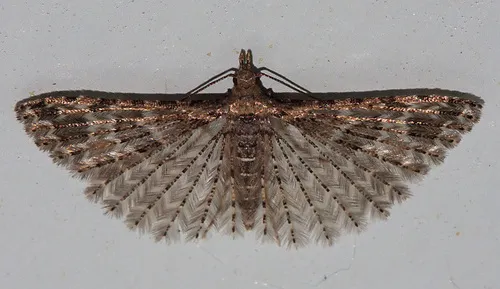
Alucita montana, the Montana six-plume moth, is a moth of the Alucitidae family. It was described by William Barnes and Arthur Ward Lindsey in 1921. It is found in North America from south-western Quebec and Vermont, west to British Columbia and sout
Monte Christi Plume Moth - Hodges#6099.3
Exelastis montischristi
Identification: See Exelastis for identification information.
Moodnodes plorella - Hodges#6074.1
Moodnodes plorella
Identification: Similar in appearance and size to species of Ephestiodes and Australephestiodes . Dark, broad outer band of forewing AM line is distinctive.
Moon-lined Moth - Hodges#8769
Spiloloma lunilinea
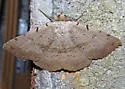
Identification: Adult - Gray with distinctive black marks on forewings, black collar Crumb describes the larva.
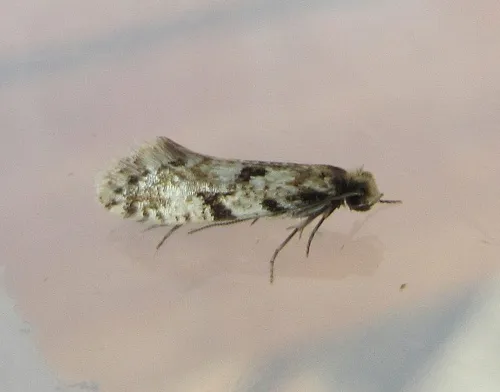
Morophaga choragella
Morophaga choragella
Wingspan 18 to 32 mm. It bears a superficial resemblance to some other members of the family, but is generally larger, having a wingspan of up to 30mm. Unless identified by a recognised expert, a photo is required. If the photo doesn't show the key I
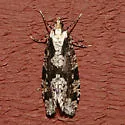
Morophagoides burkerella - Hodges#0314
Morophagoides burkerella
Identification: Morophagoides burkerella is characterized as "the larger and commoner of the two Nearctic Morophagoides species"
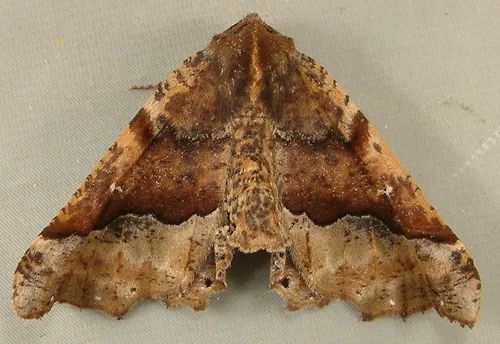
Morrison's Pero - Hodges#6755
Pero morrisonaria
Identification: Adult: forewing heavily mottled with black and brown; discal spot white or pale yellow; PM line with shallow sinus near midwing; outer margin scalloped. Hindwing light gray with pale-bordered dark median line, row of small black termi
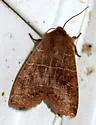
Morrison's Sallow - Hodges#9936
Eupsilia morrisoni
Identification: Grote original description as Scopelosoma morrisoni is available online in the print references. Crumb describes the larva.
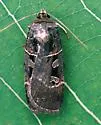
Morrison's Sooty Dart - Hodges#10951
Pseudohermonassa tenuicula
Identification: Adult: forewing dark gray with black shading before and between orbicular and reniform spots; orbicular spot open at upper (costal) end only; usually lacks pale patches along costa at base of wing and at PM line, and lacks obvious pal
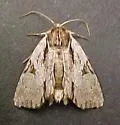
Morrisonia triangula - Hodges#10521.1
Morrisonia triangula
Recently described, moth is found in southeast. Type locality is at Croatan National Forest. Sullivan, J. Bolling & James K. Adams, 2009, A new species of Morrisonia (Noctuidae) from Southeastern North America. Journal of the Lepidopterists' Society
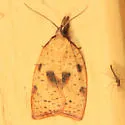
Mosaic Sparganothis Moth - Hodges#3706
Sparganothis xanthoides
Identification: Adult - Antennae doubly ciliated, with rather long hairs ● Head and labial palpi dark brownish, nearly twice the length of the head ● FW tawny-yellow, with the brown veins and nervules, and with brown striae beneath the nervules ● Obl
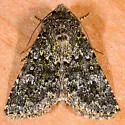
Mossy Pseudobryomima - Hodges#9599
Pseudobryomima muscosa
Identification: Adult: forewing dark gray mixed with greenish shading and white spots and speckling, giving an overall dark mottled appearance; three or four small white spots around reniform spot; AM and PM lines jagged, inconspicuous against ground
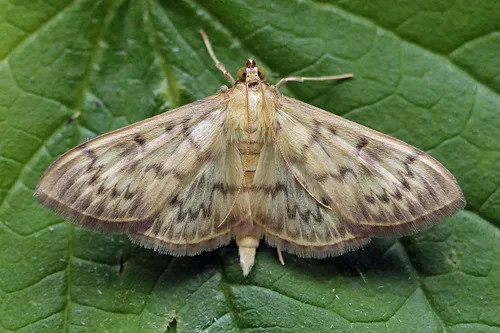
Mother Of Pearl
Patania ruralis
Wingspan 26-40 mm. One of the largest of Britain's so-called 'micro-moths'; in fact it is larger than many of the 'macro-moths', though this division is largely artificial. The moth rests with all four wings on display, which show a colourful rainbow
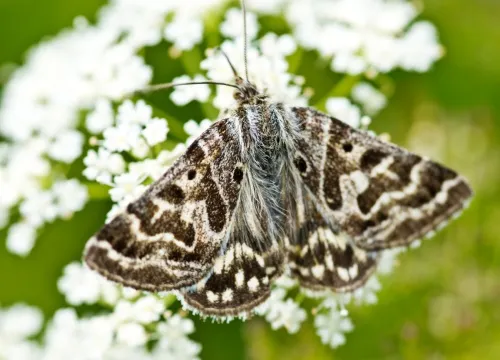
Mother Shipton
Callistege mi
Wingspan 25-30 mm. The common name refers to the forewing markings, which appear to show an old lady or witch's head. Downland, in rough grassland and waste places where Clovers and Trefoils, Medick or Lucerne occur. A day-flying moth, preferring sun