
Family Ypsolophidae
Ypsolophidae is a family in the order Lepidoptera. Browse 40 named species recorded in this family, or open an individual profile for its available identification and natural-history information.
Species in Ypsolophidae (40)
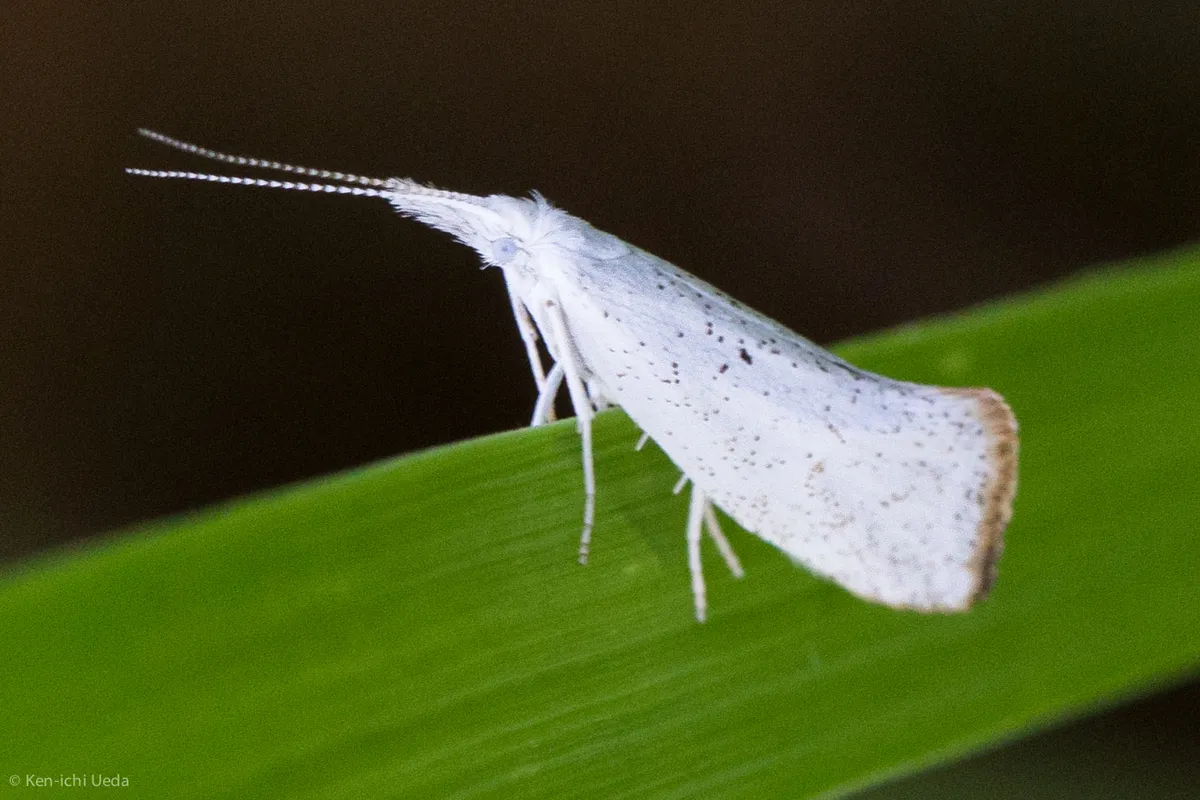
Euceratia castella - Hodges#2351
Euceratia castella
Identification: According to Sohn & Nishida , E. castella can be differentiated from the similar Eucalantica polita in that, in E. castella , there is no dorsal patch on the forewing, and white annulations are present on the antenna (dorsal patch pre
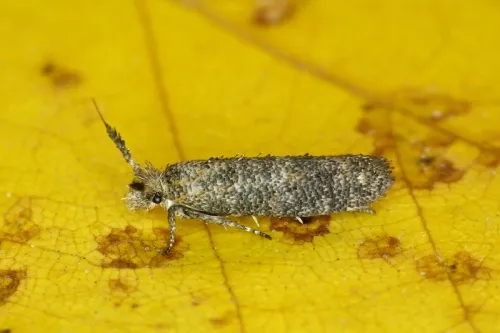
Ochsenheimeria urella
Ochsenheimeria urella
Wingspan about 11mm. The females of this species have their antennae thickened with elongated scales for about three-fifths of their length, creating a noticeably 'shaggy' appearance. Males have slightly thickened antennae over three fifths, though w
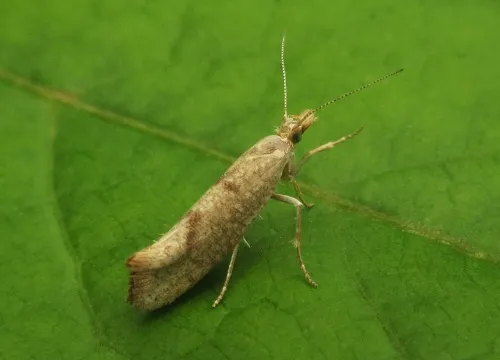
Ypsolopha alpella
Ypsolopha alpella
It closely resembles Ypsolopha sylvella, but with generally paler ground colour and less obvious fasciae. Care has to be taken with identification. Unless identified by a recognised expert, a photo is required. If the photo doesn't show the key ID fe
Ypsolopha angelicella - Hodges#2368
Ypsolopha angelicella
Identification: Adult : Antennae white with sharp black annulations. Palpi, head and thorax white; shoulders yellowish. FW white with striking fawn-brown maculations, sharply defined and edged with slightly darker brown scales. Cilia white with brown
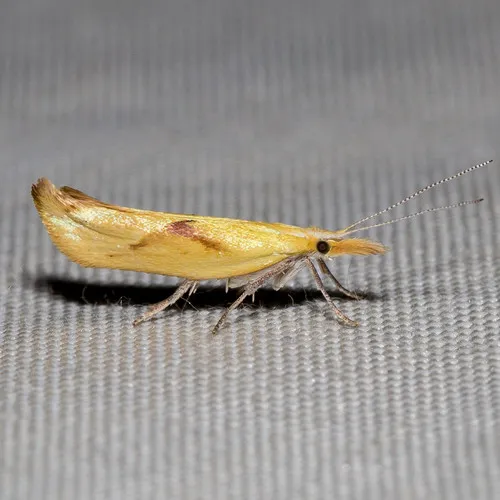
Canary Ypsolopha - Hodges#2371
Ypsolopha canariella
Per Powell & Opler, Ypsolopha dentiferella , frustella and canariella may be conspecific. BOLD mtDNA data seems to support that conjecture. As of 2016, the BIN group, BOLD:AAC0506 , contains all three species with all three placed randomly in the Tax
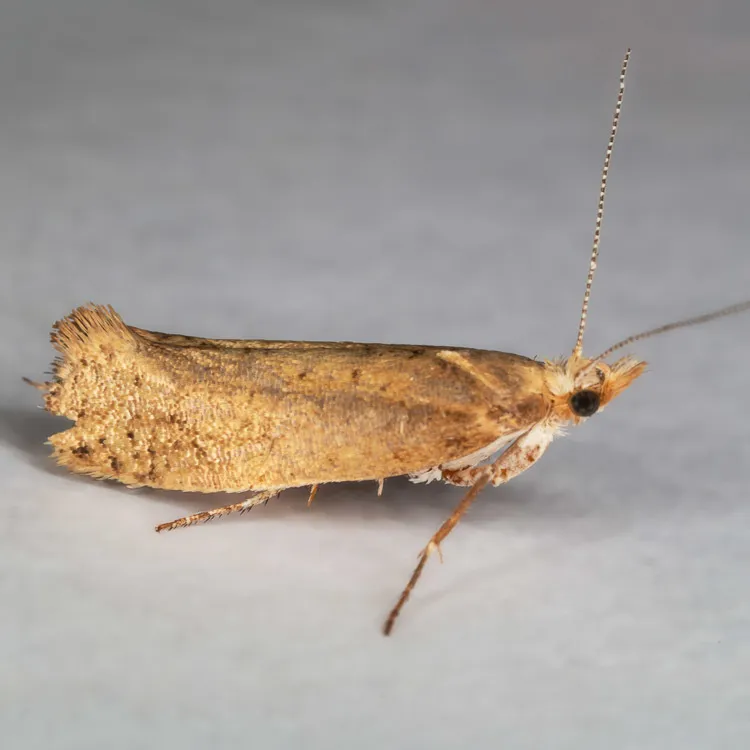
Ypsolopha cervella - Hodges#2372
Ypsolopha cervella
Identification: Adult - see original description in Print References.
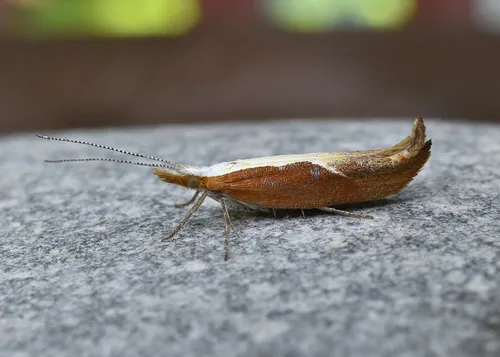
Honeysuckle Moth
Ypsolopha dentella
Wingspan 18 to 23 mm. The upturned wingtips are typical of several other moths in this genus, but are more marked in this species. Around Honeysuckle, the larval foodplant. This small but distinctive moth flies in July and August and is attracted to
Ypsolopha flavistrigella - Hodges#2381
Ypsolopha flavistrigella
Identification: Original description is online as Cerostoma flavistrigella in print references.
Ypsolopha frustella - Hodges#2382
Ypsolopha frustella
DO NOT ADD IMAGES - Ypsolopha frustella (Walsingham, 1881) is a synonym of Ypsolopha canariella (Walsingham, 1881) .
Ypsolopha horridella
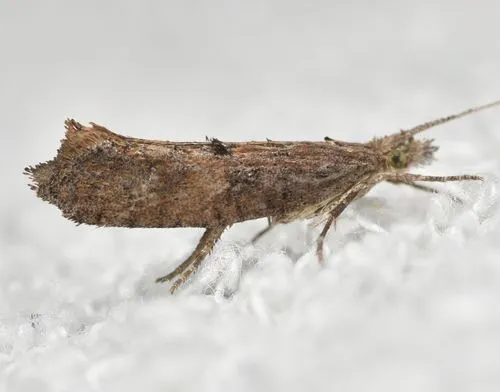
Ypsolopha horridella
Wingspan 16 to 21 mm. Although this is perhaps the least attractive of the Ypsolopha species, the Latin horridella is actually derived from horridus, meaning shaggy and referring to the raised scale-tufts or crests on the dorsal part of the wings. Th
Ypsolopha mucronella
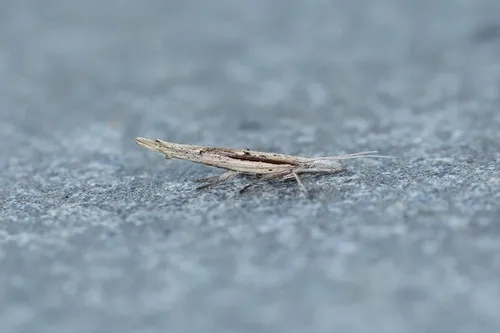
Ypsolopha mucronella
Wingspan 26 to 33 mm. The adult moth has a particularly distinctive attenuated resting posture. It is found mainly in woodlands on chalky soils. It can be found in flight during August to April. Adult overwinters in dense cover. The larval foodplant
Ypsolopha nella - Hodges#2388
Ypsolopha nella
Identification: Detailed description by Busck can be found at link in citations below.
Ypsolopha nemorella
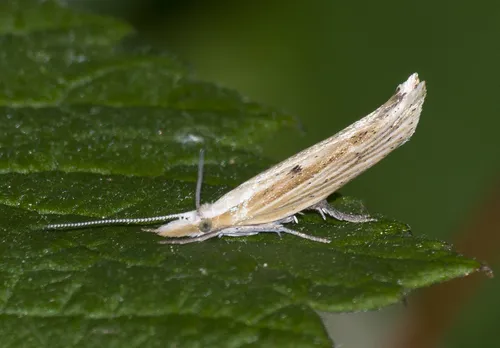
Ypsolopha nemorella
Wingspan 21 to 24 mm. One of the larger species of the genus Ypsolopha , a distinct dark spot on the creamy forewing is the most obvious feature. Distributed locally across most of Britain, except some parts of Scotland. In the Butterfly Conservation
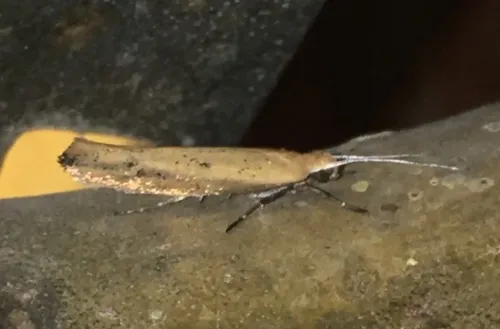
Ypsolopha ochrella - Hodges#2391
Ypsolopha ochrella
Identification: The descriptions of the larva and adult as Cerostoma rubrella Dyar, is available online in the print references below, but Dyar's description is (as is typical of the era and his work) very brief. Specimen identified by DNA analysis (
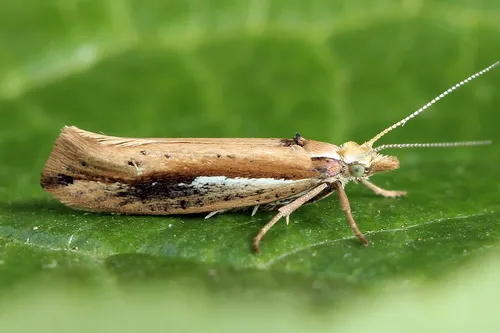
Ypsolopha parenthesella
Ypsolopha parenthesella
Wingspan 16 to 20 mm. This moth exhibits a number of variations in wing pattern and colour. Flies from late July to September. A night flying species, it is often attracted to light. The larva feeds on a variety of trees, including oak and hazel. It
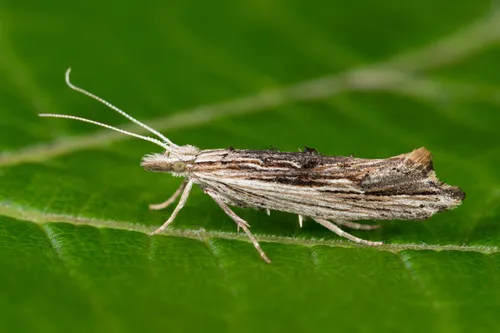
Ypsolopha scabrella
Ypsolopha scabrella
Wingspan 20-22 mm. Three raised tufts of scales are visible when the moth is at rest. Nocturnal, it flies in July and August and is attracted by light. This species is sporadically common over much of England and parts of Wales. In the Butterfly Cons
Ypsolopha senex - Hodges#2392
Ypsolopha senex
Identification: For some detail information about this species see E.H. Strickland Entomological Museum
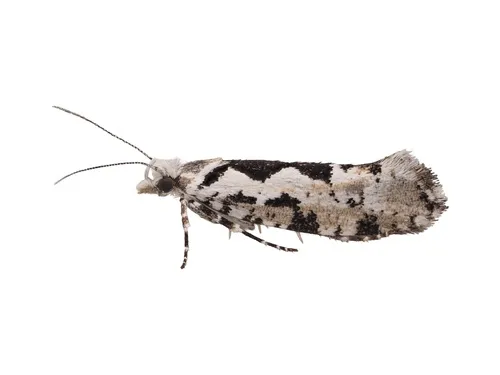
Ypsolopha sequella
Ypsolopha sequella
Wingspan 18-20 mm. This is a highly distinctive species with its pied appearance. The dark patterning on the moth's shoulder is said to resemble the head of a Rabbit. Woodland and urban areas, especially where Field Maple is planted. It flies at nigh
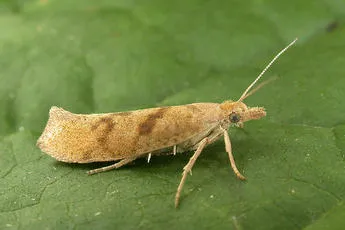
Ypsolopha sylvella
Ypsolopha sylvella
Wingspan 18 to 20 mm. It closely resembles the slightly commoner Y. alpella , so care has to be taken with identification. Oak woods and other areas with mature Oaks. The adult moths occur during August and September and can be attracted by light. Th
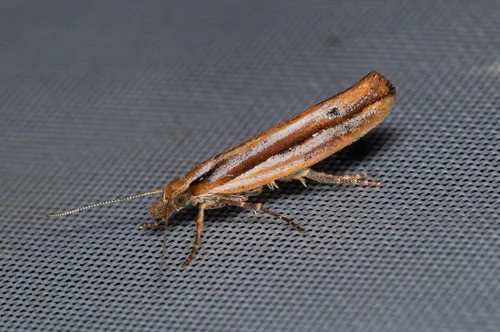
Ypsolopha ustella
Ypsolopha ustella
Wingspan 15 to 20 mm. Exhibiting numerous colour forms, this moth is easy to confuse with some of the other members of the Ypsolopha genus. However it can often be distinguished by the narrower forewings. One of few species which can be found on the
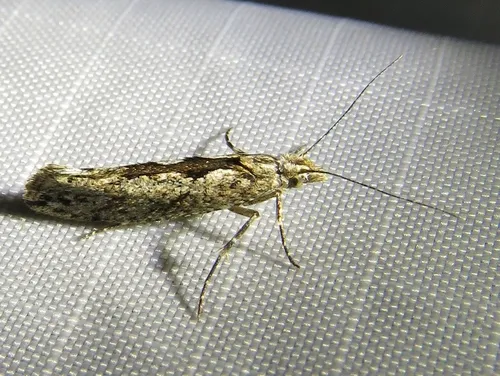
Ypsolopha vittella
Ypsolopha vittella
Wingspan 16 to 20 mm. The appearance of the adult can vary, with some showing rather more blackish suffusion on the dorsal region. A photograph is required to support records for this species. This species inhabits woodland and copses. The larvae fee
Ypsolopha walsinghamiella - Hodges#2400
Ypsolopha walsinghamiella
Identification: A partial account is given by Busck.
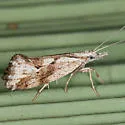
Euceratia securella - Hodges#2352
Euceratia securella
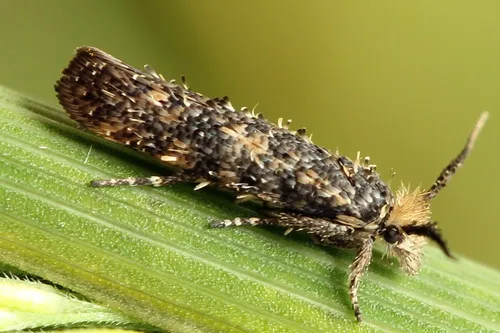
Feathered Stem-moth
Ochsenheimeria taurella
Ypsolopha arizonella - Hodges#2369
Ypsolopha arizonella
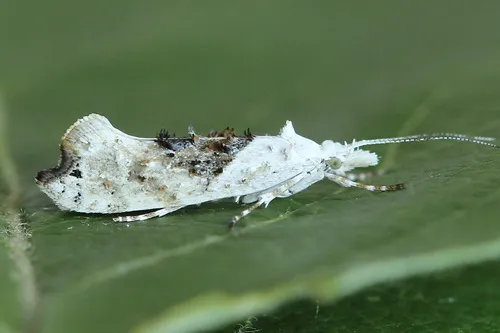
scarce smudge
Ypsolopha asperella
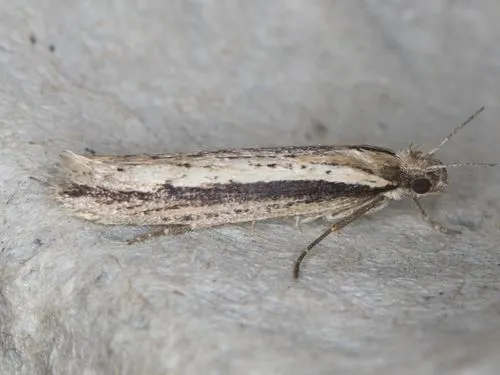
Ypsolopha barberella - Hodges#2370
Ypsolopha barberella
Ypsolopha cockerella - Hodges#2373
Ypsolopha cockerella
Ypsolopha delicatella - Hodges#2374
Ypsolopha delicatella
Ypsolopha dentiferella - Hodges#2376
Ypsolopha dentiferella
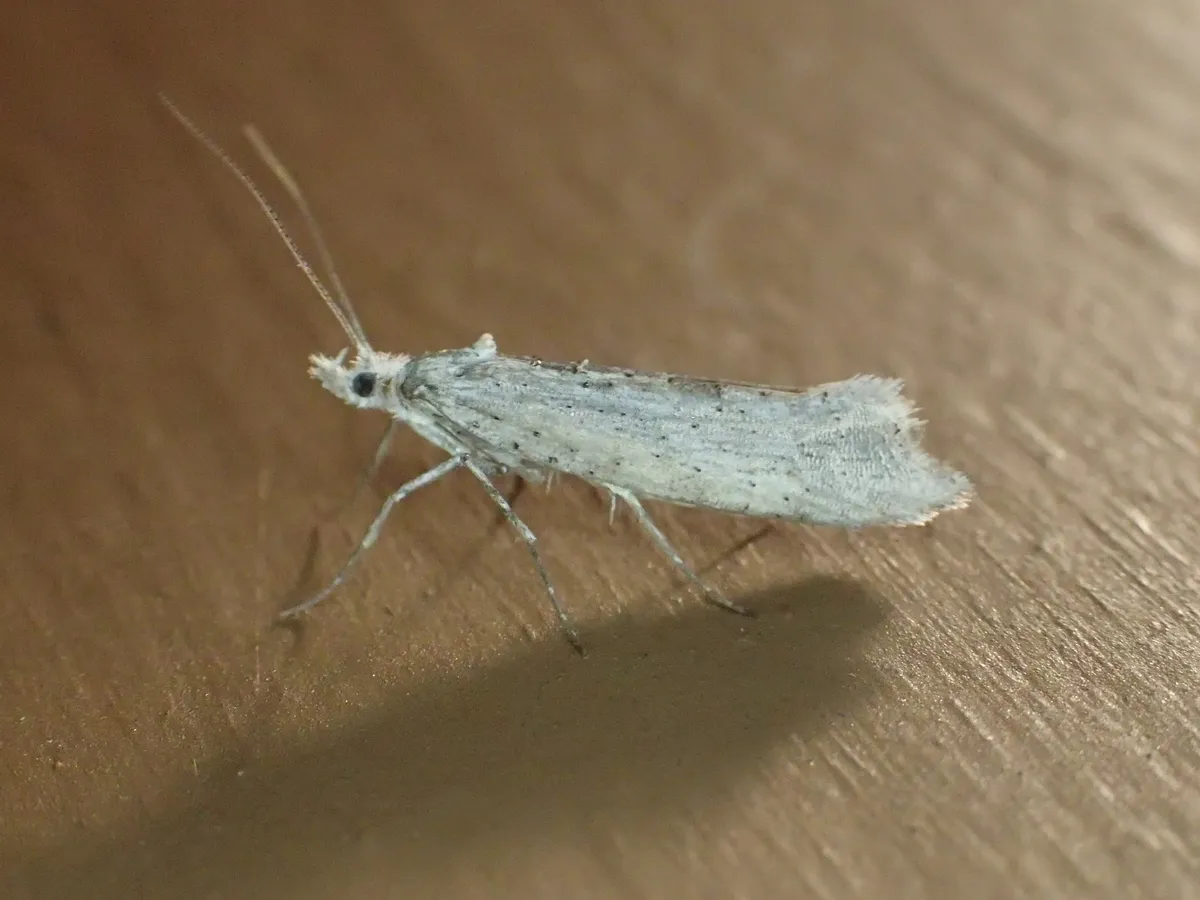
Ypsolopha falciferella - Hodges#2380
Ypsolopha falciferella
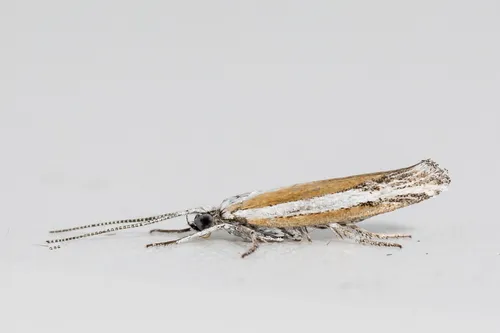
Ypsolopha gerdanella - Hodges#2383
Ypsolopha gerdanella
Ypsolopha leptaula - Hodges#2384
Ypsolopha leptaula
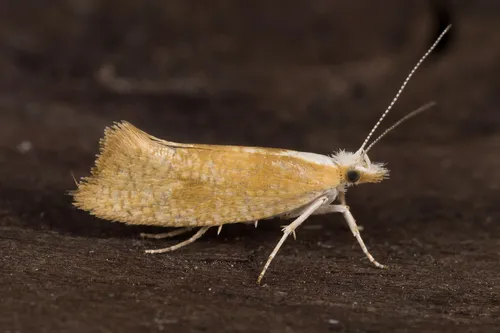
Plain Smudge
Ypsolopha lucella
Ypsolopha querciella - Hodges#2390
Ypsolopha querciella
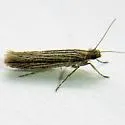
Ypsolopha schwarziella - Hodges#2393
Ypsolopha schwarziella
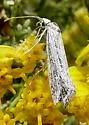
Ypsolopha striatella - Hodges#2394
Ypsolopha striatella
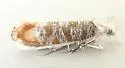
Ypsolopha undulatella - Hodges#2396
Ypsolopha undulatella
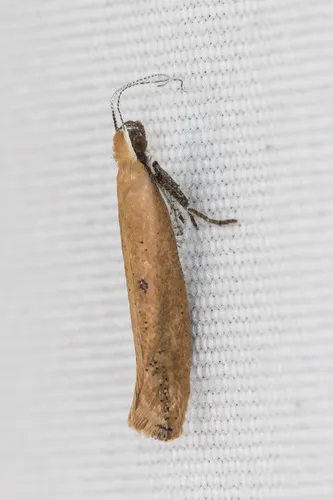
Ypsolopha unicipunctella - Hodges#2397
Ypsolopha unicipunctella
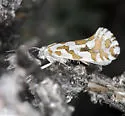
Ypsolopha vintrella - Hodges#2399
Ypsolopha vintrella