
Family Pyralid Snout Moths (Pyralidae)
Pyralidae is a family in the order Lepidoptera. Browse 523 named species recorded in this family, or open an individual profile for its available identification and natural-history information.
Species in Pyralidae (523)
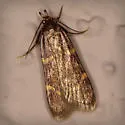
Acallis griphalis - Hodges#5541
Acallis griphalis
Identification: Photo determined by Ed Knudson (Texas Lepidoptera Survey). Many of the images here were previously misidentified as Aglossa electalis .
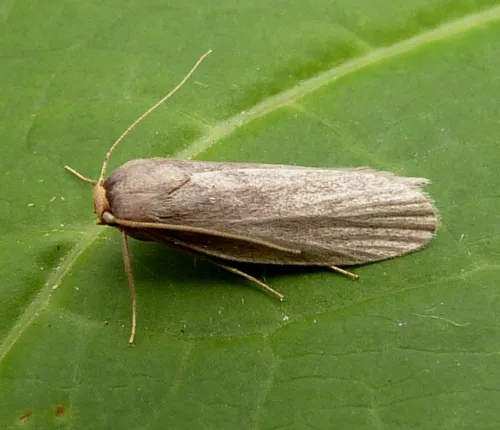
Lesser Wax Moth
Achroia grisella
Wingspan 16-24 mm. This is a rather small and plain-looking grey-brown moth. Often in areas where bee hives are present. The adults occur from July into the autumn and can sometimes be attracted to light. This moth has an interesting life-history. Th
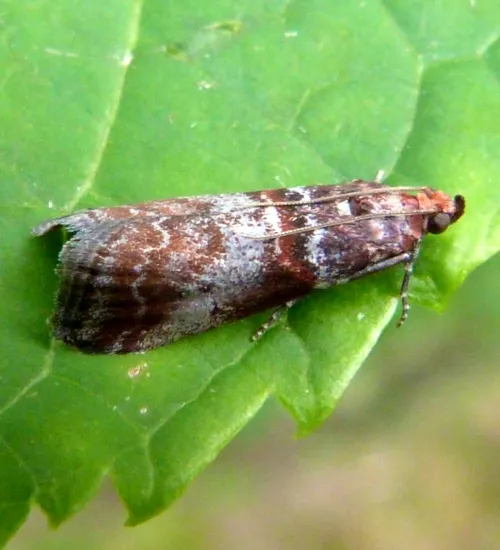
Acrobasis advenella
Acrobasis advenella
Wingspan 18-24 mm. The species has a rather banded pattern of reds and greys. Preferring areas of old uncut Hawthorn hedge. It has one brood, which flies in July and August, when it often is a visitor to the light-trap. The larvae feed mainly on Hawt
Hickory Shoot Borer Moth - Hodges#5664
Acrobasis caryae
Identification: Larvae - head reddish brown to dark reddish brown usually with dark-brown maculation. Dorsum of body pale yellowish green; dorsum of thorax mostly pale yellow; overlap of segments pale yellow, in some larvae becoming pink; venter pale
Acrobasis caryalbella - Hodges#5660
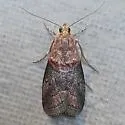
Acrobasis caryalbella
Identification: Ely (1913) original description available online in the print references. Females are much darker than males.
Acrobasis consociella
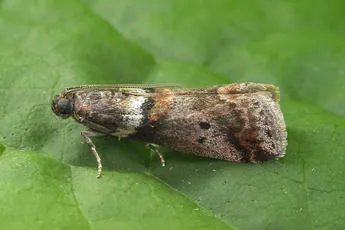
Acrobasis consociella
Wingspan 19-22 mm. It is similar to other British Acrobasis species but can appear more greyish. The adults are on the wing during July and August, when they can be attracted to light. Oak is the food plant, the larvae feeding gregariously in spun le
Acrobasis juglandis - Hodges#5661
Acrobasis juglandis
Acrobasis juglandis - Hodges#5661 (Acrobasis juglandis) is a species in the family Pyralidae, commonly known as pyralid moths, belonging to the order Lepidoptera (Butterflies and Moths). It is classified within the subfamily Phycitinae, tribe Phyciti
Acrobasis repandana
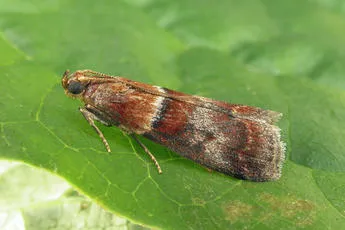
Acrobasis repandana
Wingspan 20 to 25 mm. One of the more colourful of the Pyralids. Flying in July and August, the adults can be attracted to light, but during the day remain concealed amongst the foliage. The larvae feed on oak, often high up in a tree, spinning toget
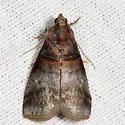
Acrobasis stigmella - Hodges#5669
Acrobasis stigmella
Acrobasis stigmella - Hodges#5669 (Acrobasis stigmella) is a species in the family Pyralidae, commonly known as pyralid moths, belonging to the order Lepidoptera (Butterflies and Moths). It is classified within the subfamily Phycitinae, tribe Phyciti
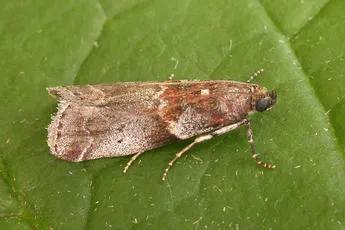
Acrobasis suavella
Acrobasis suavella
Wingspan 22 to 24 mm.This is the largest of the British Trachycera species, and rather dark, being mostly reddish-purple with two indistinct pale cross-lines and a whitish suffusion near the leading edge of the forewing. Blackthorn is the preferred f
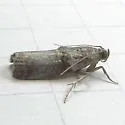
Acrobasis texana - Hodges#5666.1
Acrobasis texana
Identification: Original description is in Fascicle 15.
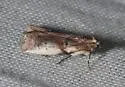
Cranberry Fruitworm - Hodges#5653
Acrobasis vaccinii
Identification: Per Brian Scholtens here : "...The relatively thin black line going to the mid-costa and the speckling of red in the white areas tend to say vaccinii."
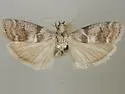
Actrix dissimulatrix - Hodges#5819
Actrix dissimulatrix
Identification: Heinrich stated Actrix dissimulatrix and Actrix nyssaecolella differ mainly by genitalia. Actrix dissimulatrix may have slightly more white dusting in the median area especially over the inner margin below antemedial line.
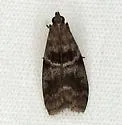
Tupelo Leaffolder - Hodges#5818
Actrix nyssaecolella
Identification: Adult: forewing light gray with dark gray band across PM area and dark gray hourglass-shaped marking in AM area bisected by thick diagonal whitish line; subterminal line whitish, diffuse, edged distally with dark gray; terminal line c
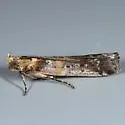
Adelphia Moth - Hodges#5890
Adelphia petrella
Identification: See Heinrich (1956) in "Print References" below. Genitalia: ♀ ♂
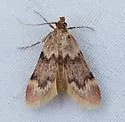
Aglossa acallalis - Hodges#5519
Aglossa acallalis
Identification: Original description is online. (97)
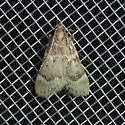
Aglossa baba - Hodges#5520
Aglossa baba
Identification: Original description (from Dyar, 1914): Fore wing densely powdered with blackish; lines broad, pale creamy, the inner dentate inward on submedian fold, the outer narrowing below, slightly produced on submedian fold, reaching the inne
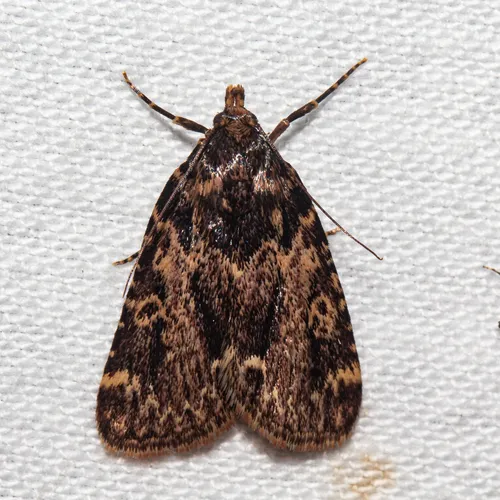
Stored Grain Moth - Hodges#5517
Aglossa caprealis
Identification: Adult: top of head and neck dark; forewing shiny, brownish-gray with pale yellowish patches and lines; reniform spot dark, circular, surrounding by pale ring; AM line thick, sharp-angled but shallow zigzag; ST line thick and straight
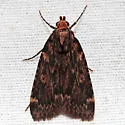
Grease Moth - Hodges#5518
Aglossa cuprina
Identification: top of head and neck pale yellowish; forewing brownish-gray with pale yellowish patches, lines and mottling; AM line has a single large V-shaped "tooth" extending into the medial area as a black streak
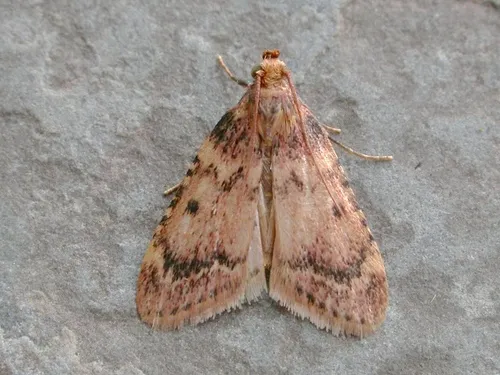
Pink-masked Pyralid Moth - Hodges#5512
Aglossa disciferalis
Identification: Original description (Dyar, 1908, p. 98): Fore wing reddish ocherous, irrorate with blackish; costal edge blackish except where cut by the lines; discal spot large, blackish, sub-quadrate; lines ocherous, slightly intensified on the
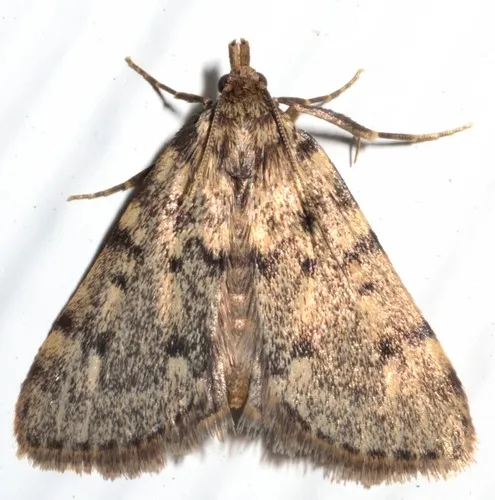
Large Tabby
Aglossa pinguinalis
Wingspan 29 to 38 mm. A dullish moth with a grey brown mottled appearance. An unusual species which inhabits buildings such as barns and warehouses, hiding in dark corners during the day. The adults fly between June and August, and occasionally visit
Alberada bidentalla - Hodges#5975
Alberada bidentella
Identification: considerably small for the genus; AM & PM lines shallowly dentate [
Alberada californiensis - Hodges#5975.1
Alberada californiensis
Identification: Resembles Alberada parabates in size, color and maculation, but is more heavily dusted with white in costal half of forewing and lacks most of the ochre or pale reddish brown in posterior half of wing. The key to species for Alberada
Alberada candida - Hodges#5975.3
Alberada candida
Identification: paler than other species in the genus
Alberada franclemonti - Hodges#5975.2
Alberada franclemonti
Identification: The medial area of forewing is mostly white on costal half; pale with distinct dark smudge on inner half. The AM/PM lines are shallowly dentate.
Alpheias oculiferalis - Hodges#5648
Alpheias oculiferalis
I have moved these images to species after having 3 specimens tested by BOLD and given a 98%+ ,match to Alpheias oculiferalis. Kyhl Austin first noticed that they looked like Alpheias and I asked Ed. Knudson, and he agrees with the species placement
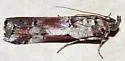
Ambesa laetella - Hodges#5759
Ambesa laetella
Identification: Heinrich (1956) revised description is in PDF. ( 4 )
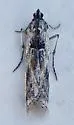
Ambesa lallatalis - Hodges#5761
Ambesa lallatalis
Identification: Heinrich (1956) revised description in PDF. ( 4 )
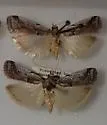
Ambesa mirabella - Hodges#5760.1
Ambesa mirabella
Identification: Very similar to Ambesa walshinghami except upper surface of hindwing and the abdomen ochreous in color.
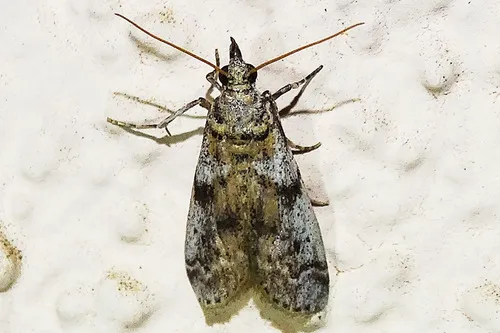
Navel Orangeworm - Hodges#5724
Amyelois transitella
Identification: Larva - ½ to ¾ inch long, reddish orange when first hatched, changing to cream color after the first molt. Later, their color depends on the color of their food NOW biological control agent: Chrysidoidea (Cuckoo Wasps and Allies) » Be
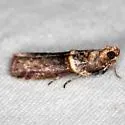
Cassia Webworm Moth - Hodges#5704
Anabasis ochrodesma
Identification: Anabasis ochrodesma , the sole representative of this genus, has a wing length of 5.0-7.0mm and forewing am. band with a well developed ridge of pale scales. The combination of small size and the ridge of pale scales should eliminate
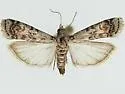
Anadelosemia condigna - Hodges#5729
Anadelosemia condigna
Identification: FW pale brown with blackish-brown AM and PM. Median area is mottled with medium brown. Blackish-brown subterminal line parallel to PM. Terminal line is a series of dark brown dashes. HW semi-hyaline bordered with pale brown. [descript
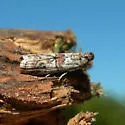
Anadelosemia texanella - Hodges#5728
Anadelosemia texanella
Identification: FW ashy white with black AM and PM. Diffuse brown subterminal line parallel to PM. Terminal line is a series of black dots. Two distinctive black spots in median area and reddish-brown splotch above AM near inner margin. HW semi-hyali
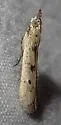
Ancylosis balconiensis - Hodges#5994.3
Ancylosis balconiensis
Identification: Original description by Blanchard & Knudson, is online. - Summary: Forewing white with scattered black scales. Black antemedial line angles outwardly from costa. Black postmedial line parallel to outer margin. Terminal line is 4-5 bla
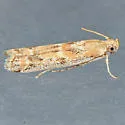
Ancylosis morrisonella - Hodges#5916
Ancylosis morrisonella
Identification: Adult - extremely variable, from mostly clay white with light markings to mostly dark reddish gray. ( 3 )
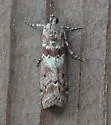
Sugarbeet Crown Borer Moth - Hodges#5918
Ancylosis undulatella
Identification: Forewing narrow, light brown to grayish-brown with reddish-brown to black band in basal area above AM line; AM line zizag with two large points; PM line jagged with several small points; AM and PM lines not parallel, pale, outlined in
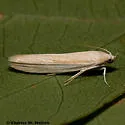
Anderida n. sp. nr. peorinella - Hodges#5933.11
Anderida nr-peorinella
A likely undescribed species similar in maculation to Anderida peorinella , from which the one barcoded specimen ( BOLD:AAH5653 ) diverges in sequence by 3%. Distinguished by location (Huachuca Mts., AZ vs. central and southwest TX), much longer labi
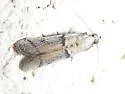
Anderida sonorella - Hodges#5933
Anderida sonorella
Identification: Forewing ground color fuscous with costal area mainly white; AM/PM lines usually represented by dark transvers patches, but some specimens lack this banding.
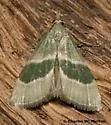
Anemosella viridalis - Hodges#5549
Anemosella viridalis
Identification: Adult - original description available in Print References.
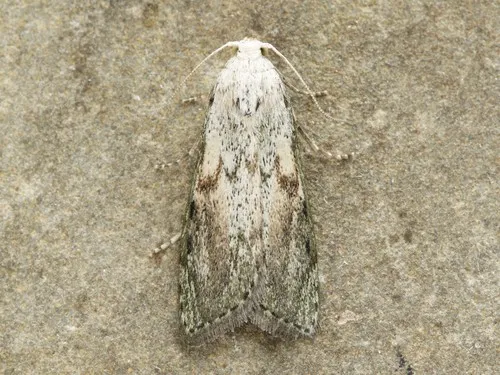
Bee Moth
Aphomia sociella
Wingspan 18 to 44 mm. This species is sexually dimorphic but both sexes are somewhat variable. Males have a creamy white head, thorax and forewing proximal to the antemedian line. Females have two black discal spots between the antemedian (first) and
Terrenella Bee Moth - Hodges#5630
Aphomia terrenella
Identification: Forewing medium brownish-gray with indistinct blackish streak running from wing base to middle of disc; PM line deeply zigzagged with several sharp points (giving a "pointed feathers" appearance); veins in subterminal area dark, promi
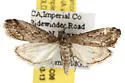
Arispe cestalis - Hodges#5534
Arispe cestalis
Identification: Specimen determined by DNA analysis (BOLD). ( 3 )
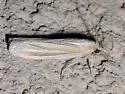
Arivaca Moth - Hodges#6062
Arivaca ostreella
Identification: Adult: forewing dull yellowish in lower half, and white in upper half; white area bisected longitudinally by brownish-yellow strip that begins near base and gradually widens until terminating at apex; fringe white; hindwing pale grayi
Arta brevivalvalis - Hodges#5568.1
Arta brevivalvalis
Identification: Arta brevivalvalis is difficult to distinguish from Arta statalis and A. epicoenalis .
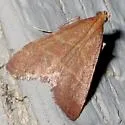
Arta epicoenalis - Hodges#5567
Arta epicoenalis
Identification: Adult: forewing light reddish with pale AM and PM lines that diverge slightly as they run from costa to inner margin; hindwing light gray; tibiae and tarsi lack conspicuous scale tufts.
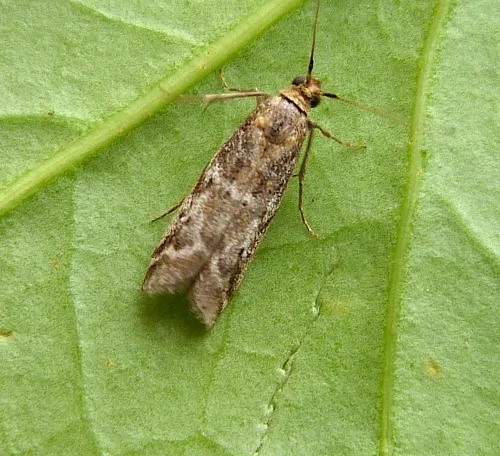
Assara terebrella
Assara terebrella
Wingspan 21 to 24 mm. Showing conspicuous whitish markings and cross-lines on a reddish-brown ground colour, this moth is not too difficult to identify although both light coloured and darker coloured specimens do occur. This moth can be found in spr
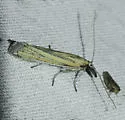
Bandera cupidinella - Hodges#6025
Bandera cupidinella
Identification: The pale-yellow patch of scales at the base of the forewing near costa will separate cupidinella from other Bandera .
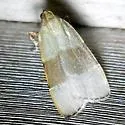
Basacallis tarachodes - Hodges#5540
Basacallis tarachodes
Basacallis tarachodes - Hodges#5540 (Basacallis tarachodes) is a species in the family Pyralidae, commonly known as pyralid moths, belonging to the order Lepidoptera (Butterflies and Moths). It is classified within the subfamily Chrysauginae, superfa
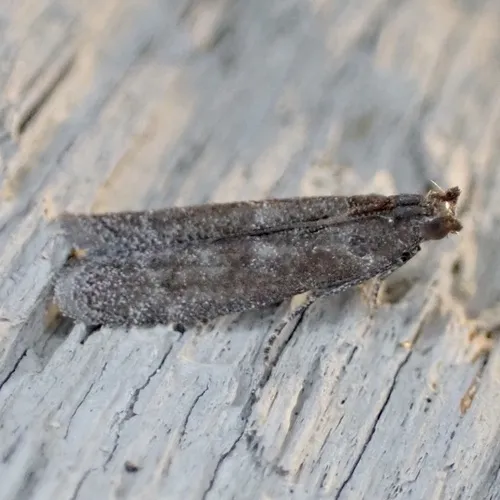
Cabnia myronella - Hodges#6037
Cabnia myronella
Identification: FW dark ash-gray, uniformly colored, slightly frosted with pale scales. Traverse lines fine, obscure, whitish, distinct on upper half of wing, sinuous and narrow. Labial palps upturned, the second joint with a tuft below. Antennae wit
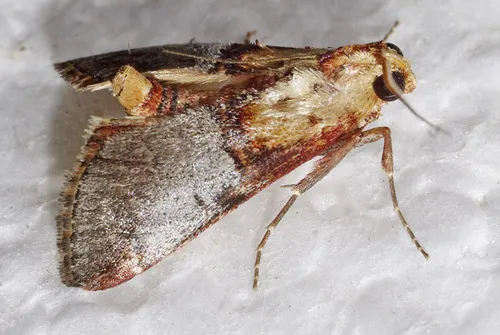
Yellow-based Cacozelia - Hodges#5580
Cacozelia basiochrealis
Identification: Adult: forewing has yellowish basal area with brown accents, bluish-gray median area, and brownish shading beyond PM line; small pale patch just outside PM line at costa; black discal spot shaped like short rod in median area; hindwin
Cacozelia interruptella - Hodges#5586
Cacozelia interruptella
Identification: Wingspan: 33 mm (Ragonot 1888); 24-25 mm (Hulst 1900); strongly marked with black along veins distal to the outer transverse line. Det: M. Alma Solis 2026
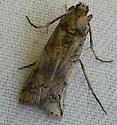
Cactus Moth - Hodges#5970.1
Cactoblastis cactorum
Identification: C.c. larvae are the most distinctive stage The moth has become a pest in se US. This South American moth was introduced into Australia to control cacti, which are not native to that continent and which were becoming a very serious pes
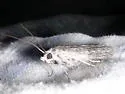
Blue Cactus Borer - Hodges#5989
Cactobrosis fernaldialis
Larvae carry and transmit the bacteria ( Erwinia carnegieana ) that causes black necrosis disease and may play a major role in the decline of the saguaro cactus (Betton, 1972; Horst, 2008). The Arizona-Sonora Desert Museum website states that larvae
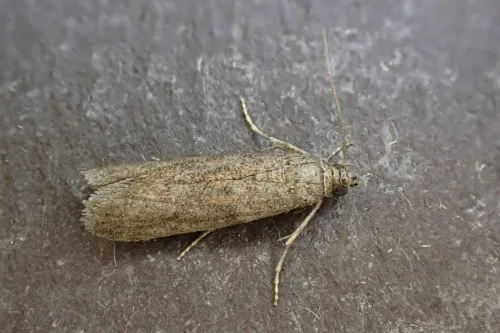
Dried Currant Moth
Cadra cautella
Wingspan 15-22mm. One of several Ephestia / Cadra species that are generally separable only by dissection. Synanthropic, most likely to be found as a pest in warehouses and production facilities with stored nuts, seeds, fruit, cocoa etc. Rarely found
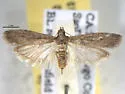
Raisin moth - Hodges#6023
Cadra figulilella
Identification: Specimen determined by DNA analysis (BOLD). The species was first described from Liverpool, England where it was a pest of imported fruits. Probably introduced
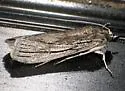
Cahela Moth - Hodges#5977
Cahela ponderosella
Identification: Adult: forewing slender, brownish-gray with black longitudinal lines along veins; thickest line runs along cubital (main) vein from AM area to outer margin; another line below that runs from base to anal angle (partly obscured by diff
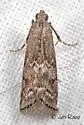
Elm Leaftier Moth - Hodges#5926
Canarsia ulmiarrosorella
Identification: The Heinrich (1956), and Hulst (1890) descriptions are available online in the print references.
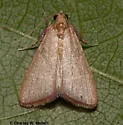
Caphys arizonensis - Hodges#5537
Caphys arizonensis
Identification: Powell & Opler (2009) stated the forewing varies from rust brown to rose brown. The transverse lines are parallel, and the terminal line is red. Transverse lines are sometimes faint. Identified by Brian Sholtens.
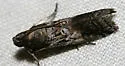
Chararica hystriculella - Hodges#5713
Chararica hystriculella
Identification: Adult: forewing whitish except for brownish basal patch and brownish shading beyond line running from apex to middle of inner margin; AM line dark, thin, irregular; discal spot a hollow oval; subterminal line toothed, almost straight;
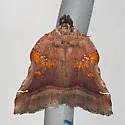
Trumpet Vine Moth - Hodges#5563
Clydonopteron sacculana
Identification: Adult: forewing costa very wavy; forewing brownish-crimson, washed with orange to PM line; some gray shading in subterminal area; white dash inward from costa at top of PM line some specimens have purplish shading to PM line some spec
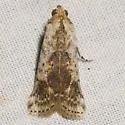
Crocidomera imitata - Hodges#5706
Crocidomera imitata
Identification: Neunzig (2000) states "In C. imitata a general melanism of the scales of the entire forewing occurs in a few males and females of a population." Species page created based on this image determined by Ed Knudson, Texas Lepidoptera Surv
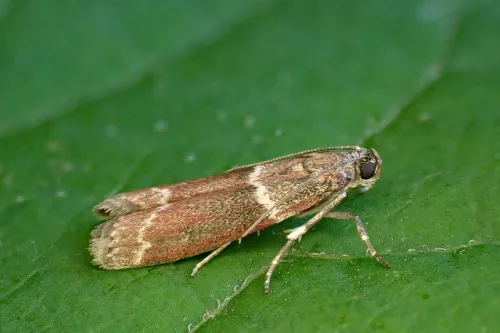
Cryptoblabes bistriga
Cryptoblabes bistriga
Wingspan 18 to 20 mm. This moth has a distinctive broad reddish area in the middle of the forewing. By day it rests in trees and tall bushes in Oak woodland. This moth flies at dusk and at night from late June, into July. The larvae feed on a range o
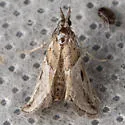
Decaturia pectinalis - Hodges#5650
Decaturia pectinalis
Identification: See Print References below for the original description. Note, females are lager and have simple antennae and long rostriform labial palps whereas males have pectinate antennae and short labial palpi.
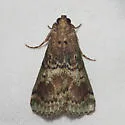
Deuterollyta majuscula - Hodges#5582
Deuterollyta majuscula
Deuterollyta majuscula - Hodges#5582 (Deuterollyta majuscula) is a species in the family Pyralidae, commonly known as pyralid moths, belonging to the order Lepidoptera (Butterflies and Moths). It is classified within the subfamily Epipaschiinae, supe
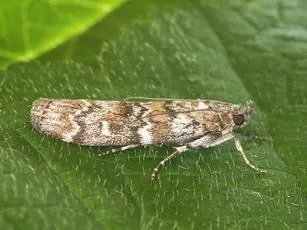
Dioryctria abietella
Dioryctria abietella
Wingspan 26 to 32 mm. There is considerable uncertainty to the status of the four Dioryctria species in Britain, as they are very difficult to tell apart. In particular, D. abietella and D. simplicella. Both D. abietella and D. simplicella are associ
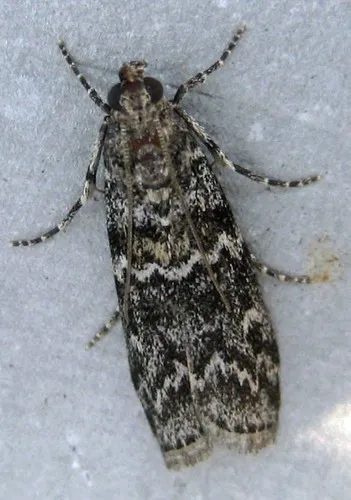
Fir Coneworm - Hodges#5841
Dioryctria abietivorella
Identification: Adult: forewing blackish-gray with black zigzag AM and PM lines, bordered by white; irregular white discal spot in median area; black blotch present inside AM line at costa; hindwing light brownish-gray with pale fringe Genitalia: ♀ ♂
Southern Pine Coneworm - Hodges#5853
Dioryctria amatella
Identification: Adult : FW dark gray to brown to nearly black and are boldly patterned with multiple contrasting white patches and zig-zag crossbands. The hindwings are light gray to tan.
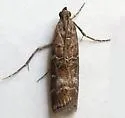
Dioryctria banksiella - Hodges#5858
Dioryctria banksiella
Identification: Specimen identified by DNA analysis (BOLD). ( 3 )
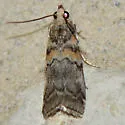
Dioryctria caesirufella - Hodges#5849.1
Dioryctria caesirufella
Blanchard & Knudson, 1983; Proc. Ent. Soc. Wash. 85: (116-120) ,
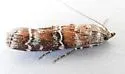
Western Pine Moth - Hodges#5854
Dioryctria cambiicola
Identification: Genitalia: There are many websites with information about the pest status of this species group.
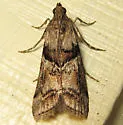
Blister Coneworm - Hodges#5863.1
Dioryctria clarioralis
A characteristic of this species is the presence of resin-coated silk over the entrance hole in which ejected frass is accumulated. Cone damage is nearly identical to that caused by D. zimmermani
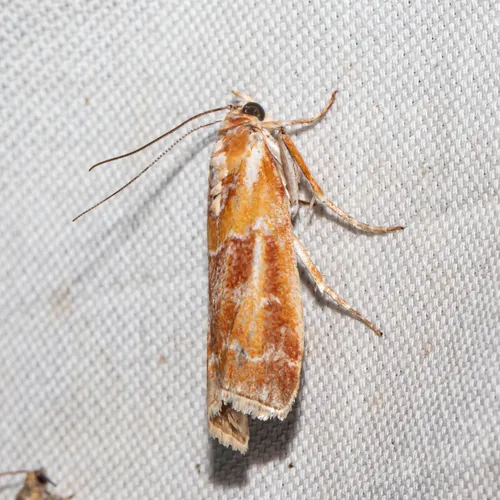
Webbing Coneworm Moth - Hodges#5847
Dioryctria disclusa
Identification: The Heinrich revised description of Dioryctria disclusa is available in PDF or online in the print references. - Adult: forewing yellowish-orange inside AM line, darker orange beyond AM line; AM and PM lines white, jagged; median line
Dioryctria erythropasa - Hodges#5848
Dioryctria erythropasa
Identification: The Heinrich revised description is available in PDF or view online in the print references below. The original description as Pinipestis erythropasa Dyar, is also available online. - Dioryctria erythropasa larvae are considered a pes
Dioryctria gulosella - Hodges#5862
Dioryctria gulosella
Identification: Similar to D. subtracta, but with the AM and PM lines much less bold
Dioryctria inyoensis - Hodges#5863.2
Dioryctria inyoensis
Identification: Neunzig description in MONA Fascicle 15.
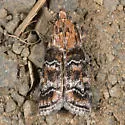
Dioryctria okanaganella - Hodges#5851
Dioryctria okanaganella
Identification: ... the pale reddish color in the basal area supposedly separates it from 5850 - D. ponderosae. When Neunzig published MONA Fascicle 15.5 in 2003 he had seen specimens of D. okanaganella only from British Columbia. Your moth(s) seem c
Spruce Coneworm - Hodges#5843
Dioryctria reniculelloides
Identification: Adult: forewing brownish-gray with black zigzag AM and PM lines, bordered by white; dull yellowish shading inside AM line at inner margin, and sometimes beyond PM line; irregular white discal spot in median area; lacks black blotch in
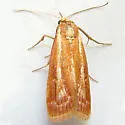
Dioryctria rossi - Hodges#5845
Dioryctria rossi
Identification: Adult : FW orange brown, without an inner transverse line and with whitish markings, primarily consisting of a longitudinal streak. HW pale. Larva : brown with dark-gray subdorsal bands and a reddish brown head
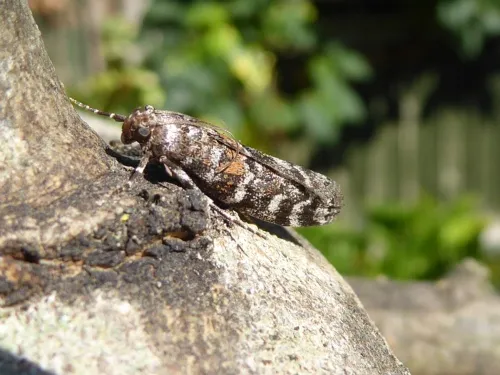
Dioryctria sylvestrella
Dioryctria sylvestrella
Wingspan 28 to 35 mm. Generally the largest of the four Dioryctria species occurring in Britain, it is best distinguished by the shape of the subterminal line, which is more smoothly curved than the obvious dentate lines of the other species. Unless
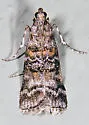
Zimmerman Pine Moth - Hodges#5852
Dioryctria zimmermani
Identification: Revised description by Heinrich, is online. Dioryctria zimmermanni was first found in Indiana in 1956 and has become a serious pest concern for Christmas tree growers. There are many websites with information on the pest status.
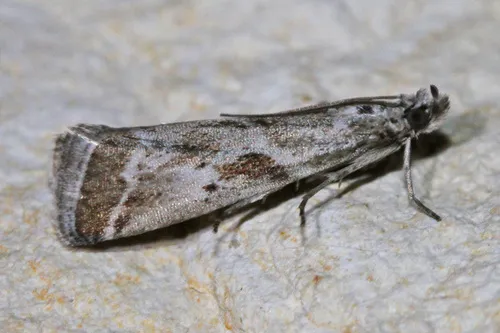
Diviana eudoreella - Hodges#5929
Diviana eudoreella
Identification: Heinrich revised description from PDF. "Forewing blackish brown, the median area heavily dusted with white, giving it an ashy gray appearance; antemedial white line nearly straight, slanting outwardly from costa to inner margin, sligh
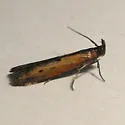
Lesser Cornstalk Borer - Hodges#5896
Elasmopalpus lignosella
Identification: Adult - sexually dimorphic. Males are tan with dark streaks along the costa and inner margin. The tan coloring is reduced to a longitudinal stripe in the females and they have much more dark scaling. Some females are basically black w
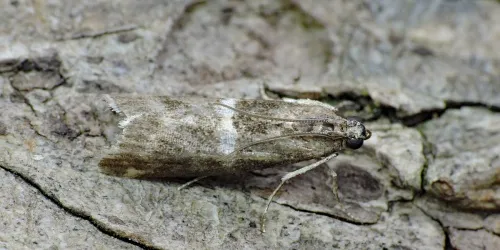
Elegia similella
Elegia similella
Wingspan 19 to 22 mm. A distinctive species with its very dark forewings and broad white cross-line.G In view of the scarcity of this species in VC55 any records should be supported by photographs. It inhabits old, mature woodland and parkland, and s
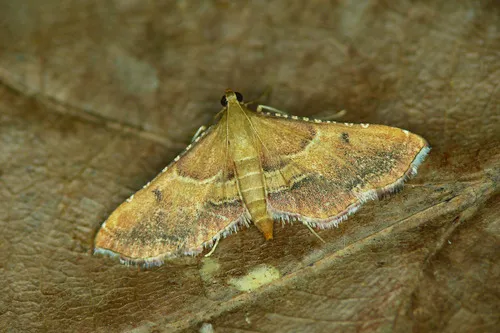
Endotricha flammealis
Endotricha flammealis
Wingspan 18 to 23 mm. Another species which has an unusual resting posture. The front part of the body is raised up on the forelegs, and the wings held at an angle, with the edges touching the resting surface. Various habitats with hedges and bushes.
Ephestia columbiella - Hodges#6020.1
Ephestia columbiella
Identification: Adult : FW fuscous to pale brown; base dusted with white ● AM and PM moderately distinct, white (formed by white-tipped scales) ● Medial area lightly dusted white ● Discal spots brown to black, indistinct ● terminal area lightly duste
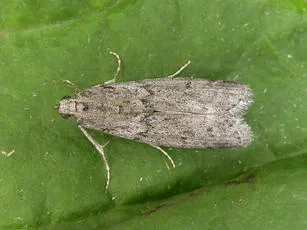
Mediterranean Flour Moth
Ephestia kuehniella
It can be a pest in flour mills and bakeries, where the moths are to be found resting on walls and windows by day. The species is rarely found outdoors due to its reliance on warmth, and moths can be found any time except in mid-winter; there are bel
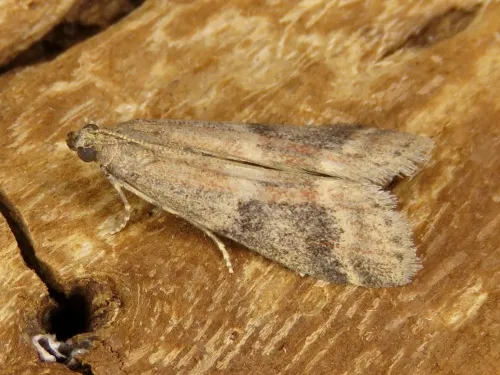
Ephestia woodiella
Ephestia woodiella
Unlike most of its congeners, this species is not a pest of dried foods in warehouses and kitchens, and occurs out-of-doors. Flying between June and September, when it can be attracted to light. Most probably feeding on dried leaves and other plant m
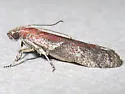
Ephestiodes erythrella - Hodges#6002
Ephestiodes erythrella
Identification: "Forewing vinous red, dusted with whitish gray in the basal area and with some faint blackish dusting along costa and on the veins..." .
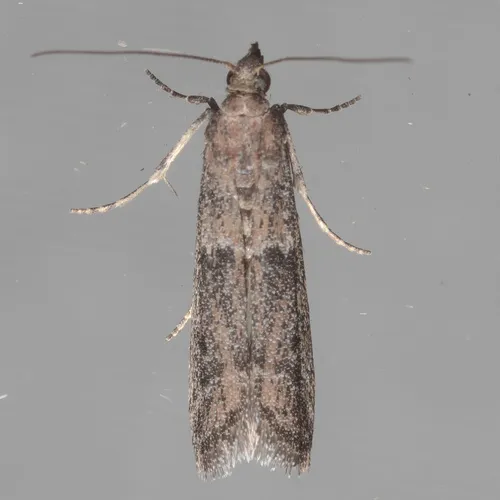
Dusky Raisin Moth
Ephestiodes gilvescentella
Ephestiodes gilvescentella, the dusky raisin moth, is a moth of the family Pyralidae. It is native to North America, where it has been recorded from California, Arizona, Oklahoma, Utah, Montana, Alberta and British Columbia. It was introduced to Hawa
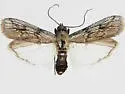
Eremberga insignis - Hodges#5986
Eremberga insignis
Identification: Eremberga insignis is distinguished from the other members of the genus by the bold discal spot. Genitalia:
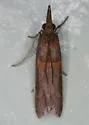
Gold-banded Etiella Moth - Hodges#5744
Etiella zinckenella
Identification: Adult : FW variably colored, red-brown to black-brown. White costal streak usually present. AM fascia orange brown to orange-red, fascia edged with black on AM side, frequently gold iridescence on fascia. Specimens of zinckenella vary
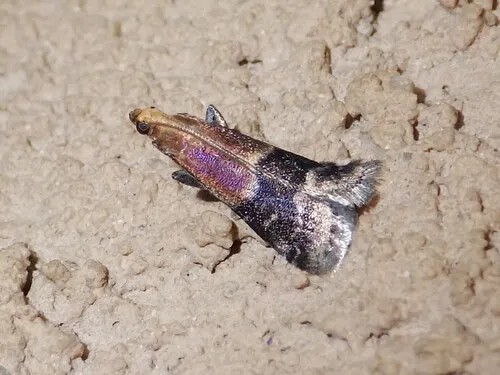
Broad-banded Eulogia Moth
Eulogia ochrifrontella
Eulogia is a monotypic snout moth genus described by Carl Heinrich in 1956. Its only species is Eulogia ochrifrontella, the broad-banded eulogia moth, described by Philipp Christoph Zeller in 1875. It is found in most of North America, including Brit
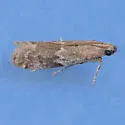
Eurythmia angulella - Hodges#6032
Eurythmia angulella
Identification: Ely original description is available online in the print references. Heinrich description is in PDF. Specimen identified by DNA analysis (BOLD). MONA Fascicle 15-3 raises the question of separate species status for angulella , furnel
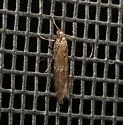
Eurythmia hospitella - Hodges#6031
Eurythmia hospitella
Identification: Heinrich description of the adult, including genitalia, is available online in PDF. Specimen determined by Terry Harrison. MONA Fascicle 15-3 raises the question of separate species status for angulella , furnella and hospitella .
Eurythmia spaldingella - Hodges#6031.1
Eurythmia spaldingella
Identification: Description available in MONA Fascicle 15-3 at link in citations below.
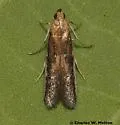
Eurythmidia ignidorsella - Hodges#5927
Eurythmidia ignidorsella
Previously misidentified online as Honora montinatatella . Eastern images here may be a different species, but I'm leaving them here for now until I have more information.
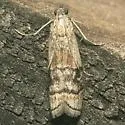
Euzophera aglaeella - Hodges#5995.1
Euzophera aglaeella
Identification: Adult - see original description in Print References. Under Euzophera semifuneralis Heinrich states " E. aglaeela represents a color form, with paler red-brown areas and more strongly contrasted blackish median dustings and markings.
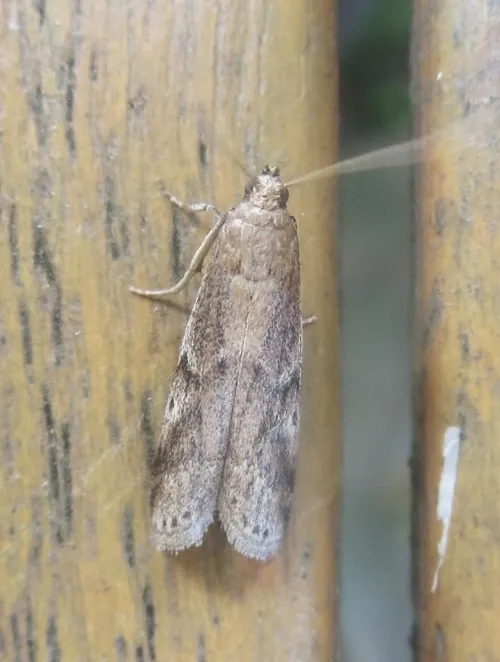
Euzophera cinerosella
Euzophera cinerosella
The moths are on the wing from May to August, and can be attracted to light. The larval foodplant is wormwood, the larvae feeding internally in the roots. A species which until fairly recently was found only scarcely in the southern half of England a
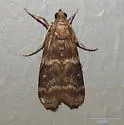
Magnolia Borer Moth - Hodges#5996
Euzophera magnolialis
Attacks occur at the base, the larvae tunnel in the lower inches of the trunk, sometimes in the larger roots.
Root Collar Borer - Hodges#5997
Euzophera ostricolorella
Identification: Adult: forewing dull purplish-red except dark purplish-gray median area; AM line whitish, gently S-curved; PM line whitish, jagged; no subterminal line; hindwing whitish to pale gray with brown terminal line and white fringe Larva: bo