
THE INSECTLIBRARY FIELD GUIDES
Bed BugIdentification, facts & practical guidance
Bed bugs are small, wingless blood-feeding insects. The principal human-associated species are Cimex lectularius and Cimex hemipterus.
Compiled by the InsectLibrary Team · Updated · Editorial policy
Identification and lookalikes
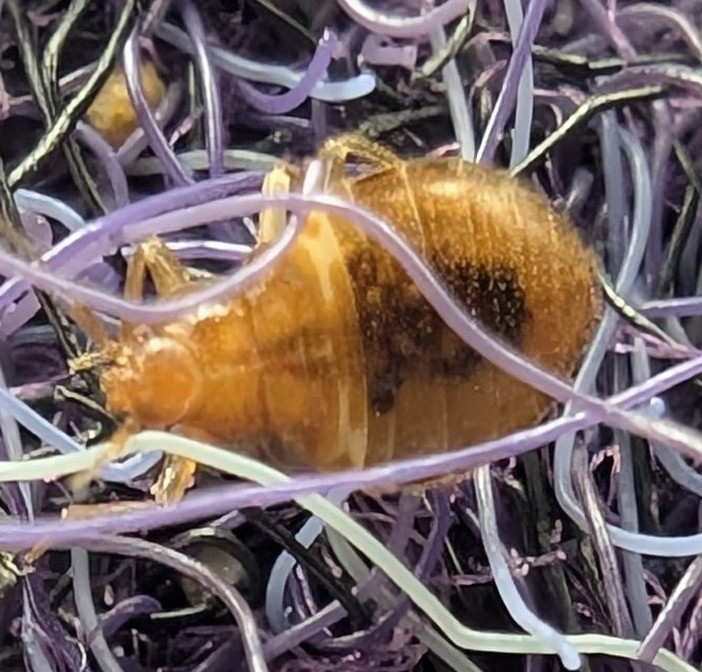
Unfed adults are broad, flattened and reddish brown. Young bed bugs are smaller and paler. Look for the insects, shed skins, eggs and dark spotting near mattress seams and furniture joints. Skin marks alone cannot confirm bed bugs.
Bed bugs versus lookalikes
Bat bugs and bird-associated bugs can closely resemble bed bugs and may require magnification to distinguish. Carpet beetle larvae are hairy and have a different body form. A clear specimen is more useful than guessing from itching.
What to do next
Confirm the identification before treatment. Avoid moving infested belongings through the home. A qualified pest professional can help plan inspection and follow-up; household foggers and improvised heat treatments can be ineffective or unsafe.
Bed Bug: species profiles
Explore 2 species profiles covered by this guide, with recorded names and available photos.
Sources and further reading
- ipm.ucanr.edu - bed bugshttps://ipm.ucanr.edu/home-and-landscape/bed-bugs/
References support the subject discussed here; they do not certify every imported directory record. Regional sources describe their own locations. Read our source and correction policy.