
THE INSECTLIBRARY FIELD GUIDES
Brown Recluse SpiderIdentification, facts & practical guidance
The brown recluse is Loxosceles reclusa. Identification requires more than brown coloring or a mark that resembles a violin.
Compiled by the InsectLibrary Team · Updated · Editorial policy
Identification and lookalikes
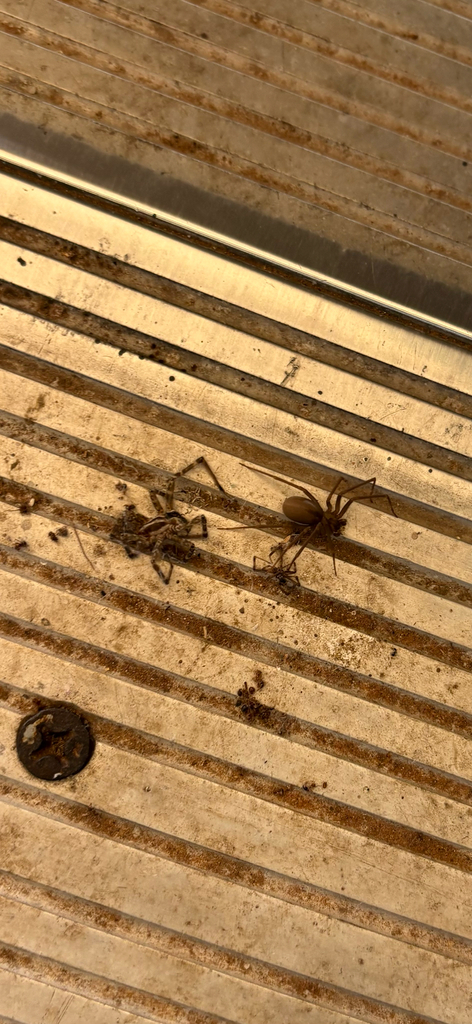
Recluses have six eyes arranged in three pairs, unlike the eight eyes of most familiar spiders. A violin-shaped mark can help but is not conclusive. Location, eye arrangement and other body features need to agree; close examination is best left to a specialist.
Range matters
Brown recluses are principally associated with the south-central and midwestern United States. Other Loxosceles species occur elsewhere. A photograph from outside the usual range deserves particular care before assigning this name.
What to do next
Do not diagnose a recluse bite from a wound photograph. Seek medical advice for a suspected bite, especially with worsening symptoms. Keep a safely obtained photograph or contained specimen for identification; do not catch it with bare hands.
Brown Recluse Spider: species profile
Explore the species profile covered by this guide, with recorded names and available photos.
Sources and further reading
- ipm.ucanr.edu - brown recluse and other recluse spidershttps://ipm.ucanr.edu/home-and-landscape/brown-recluse-and-other-recluse-spiders/
- cdc.gov - venomous spidershttps://www.cdc.gov/niosh/outdoor-workers/about/venomous-spiders.html
References support the subject discussed here; they do not certify every imported directory record. Regional sources describe their own locations. Read our source and correction policy.