
Family Tufted Moths (Nolidae)
Nolidae is a family in the order Lepidoptera. Browse 50 named species recorded in this family, or open an individual profile for its available identification and natural-history information.
Species in Nolidae (50)
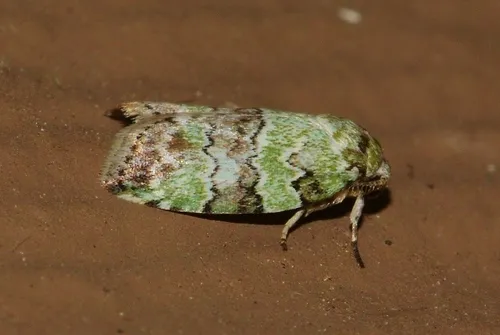
Dyar's Lichen Moth
Afrida ydatodes
Afrida ydatodes, or Dyar's lichen moth, is a species of moth in the family Nolidae (nolid moths). It was described by Harrison Gray Dyar Jr. in 1913 and is found in North America, where it has been recorded from Alabama, Florida, Mississippi, North C
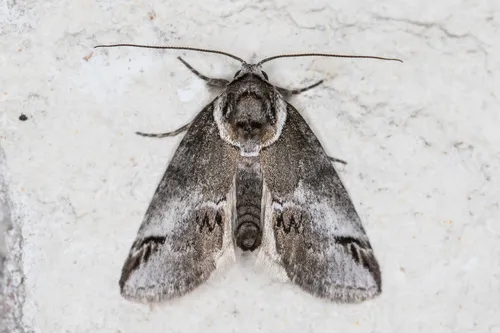
Small Baileya Moth
Baileya australis
Baileya australis, the small baileya moth, is a species of moth of the Nolidae family. It is found in North America, where it has been recorded from Quebec and New York to Florida, west to Texas, north to North Dakota and Ontario.
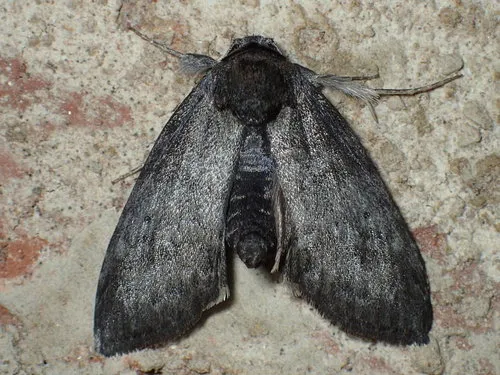
Baileya ellessyoo - Hodges#8972.1
Baileya ellessyoo
Identification: Original description in PDF. Determined by Vernon Antoine Brou Jr.
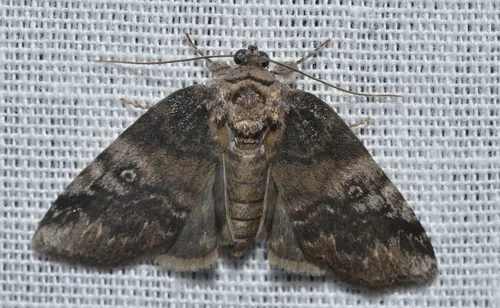
Pale Baileya - Hodges#8972
Baileya levitans
Identification: Adult: forewing light gray with grayish-white median area, small basal patch, and least distinct apical patch of any Baileya species; reniform spot with black outline and center forming an eyespot; AM and PM lines double; PM line with
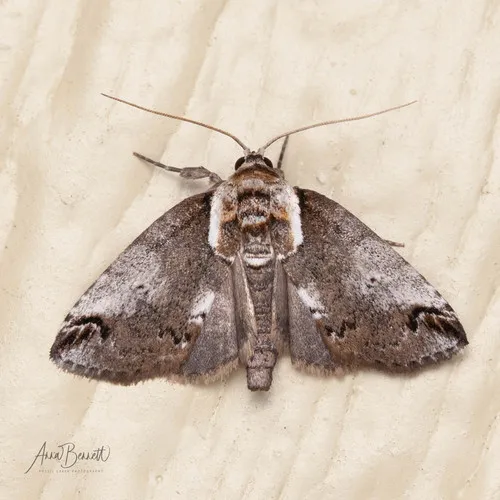
Eyed Baileya Moth
Baileya ophthalmica
Baileya ophthalmica, the eyed baileya, is a species of nolid moth in the family Nolidae. It is found in North America.
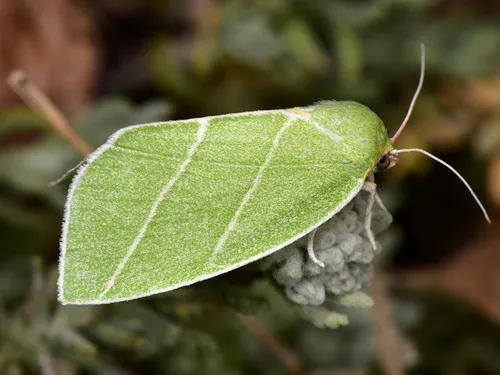
Scarce Silver-lines
Bena bicolorana
Wingspan 40 to 45 mm. Possibly our most immaculate-looking moth when fresh, this is one of the few green species in Britain, and one of the brightest. Flying from June to August, it regularly visits light. The caterpillars feed on the leaves of oak.
Cephalospargeta elongata - Hodges#9837
Cephalospargeta elongata
Identification: Hampson (1909) description online: 224 .
Collomena inflexa - Hodges#8982
Collomena inflexa
"931156 Collomena inflexa – The species that occurs in Florida is Collomena inflexa (Morrison, 1875), stat. rev. (Type-locality: Jacksonville, Florida). It was treated as a synomym of Collomena filifera (Walker, 1857) (Type-locality: Santo Domingo, D
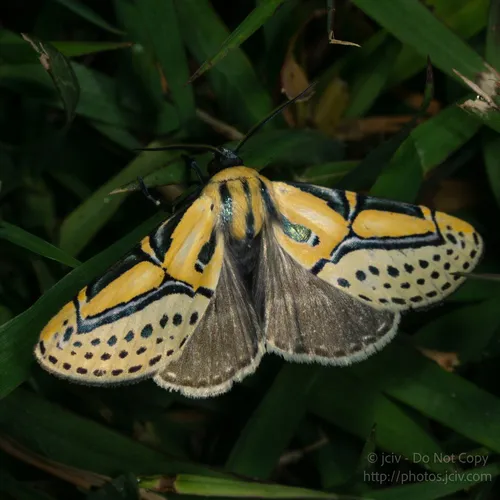
Hieroglyphic Moth
Diphthera festiva
The Hieroglyphic Moth, Diphthera festiva, is a species of moth in the family Nolidae and is the only moth in its subfamily Diphtherinae. It is found in the tropical and subtropical areas of South America (as far south as Bolivia and Brazil), Central
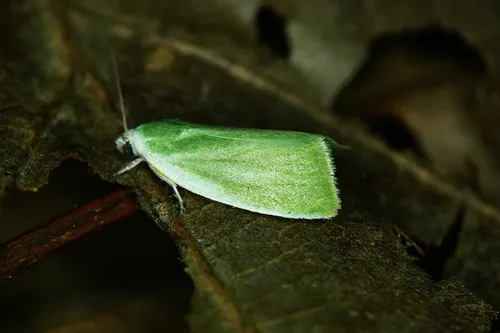
Cream-bordered Green Pea
Earias clorana
Wingspan 16 to 20 mm. A small but distinctive green species, only likely to be confused with the micro Tortrix viridana, which however rests with a much 'flatter' aspect. Inhabits fens, marshes and damp woodland. Flying mainly in May and June, someti
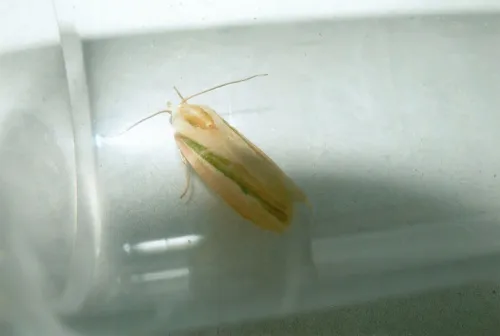
Earias vittella
Earias vittella
Wingspan 17 to 23 mm. A very distinctive green and white species. Occurring in Britain only as an accidental import or vagrant. The first British specimens were recorded in June and early July. The larva of this species has been found several times i
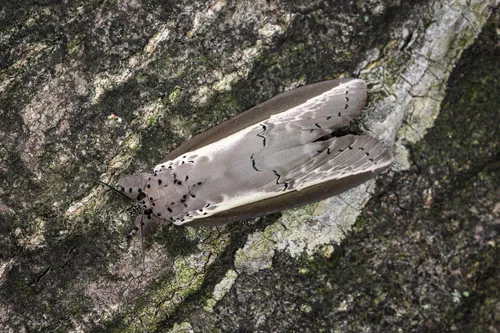
Ailanthus Defoliator
Eligma narcissus
The Ailanthus defoliator, (Eligma narcissus), is a moth in the Nolidae family. It is found in the Oriental tropics and subtropics of China, India, Sri Lanka, Java and Southeast Islands.
Black-olive Caterpillar Moth
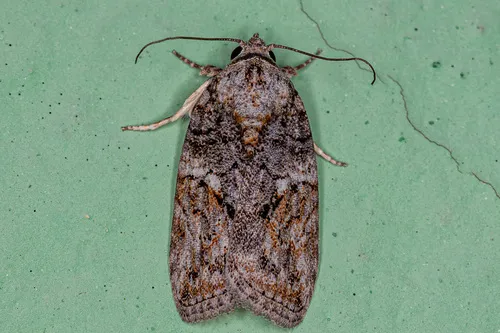
Garella nilotica
The Black-olive Caterpillar or Bungee Caterpillar (Garella nilotica) is a moth of the Nolidae family. It has a pantropical distribution, including the eastern North America (from Ontario, Quebec, Nova Scotia and New York south to Florida and Texas),
Iscadia aperta - Hodges#8980
Iscadia aperta
Identification: Hampson 1905 description is online in the print references below.
Kent Black Arches
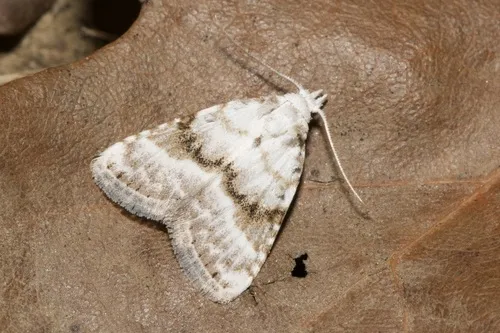
Meganola albula
A fairly distinctive species, but records must be supported by images due to the scarcity of this species in our area. Occupying open woodland and coastal habitats. The species flies at night from June to August, and can be attracted to light. The sm
Meganola fuscula - Hodges#8985
Meganola fuscula
Identification: Grote (1881) original description as Nola fuscula is available online in the print references. Specimen identified by DNA analysis (BOLD). ( 4 )
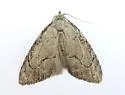
Meganola minor - Hodges#8984
Meganola minor
Identification: See original description in references below.
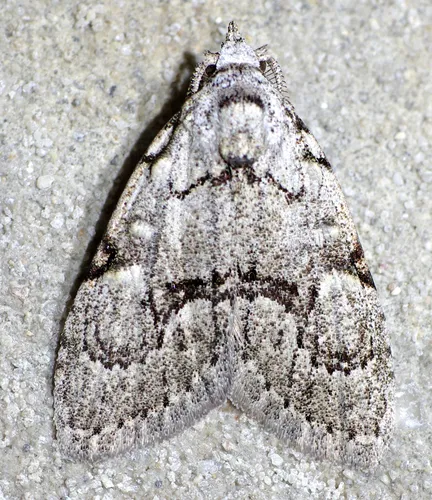
Confused Meganola Moth
Meganola minuscula
Meganola minuscula, the confused meganola, is a species of nolid moth in the family Nolidae. It is found in North America.
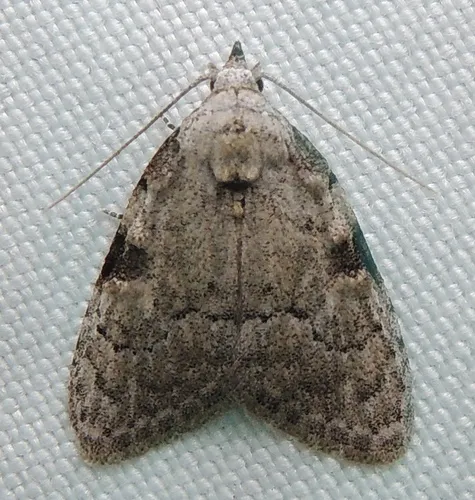
Coastal Plain Meganola Moth
Meganola phylla
Meganola phylla, the coastal plain meganola moth, is a moth of the Nolidae family. It is found in North America, where it has been recorded from Alabama, Florida, Georgia, Illinois, Indiana, Maine, Maryland, Mississippi, New Jersey, North Carolina, O
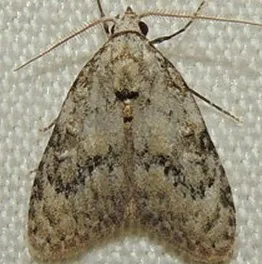
Ashy Meganola - Hodges#8983.2
Meganola spodia
Identification: Adult: forewing light gray with mottled dark gray or blackish blotch halfway along costa, the blotch sometimes extending inward but becoming more diffuse toward inner margin; antemedial line thin, dark, usually complete; postmedial li
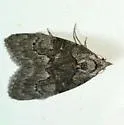
Meganola varia - Hodges#8987
Meganola varia
Identification: The original description is available in PDF or view online in the print references listed below.
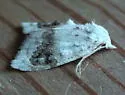
Blurry-patched Nola Moth - Hodges#8990
Nola cilicoides
Identification: forewing white with a large dark patch halfway along the costa, the patch often containing reflective dark blue scales; a lighter grayish or brownish band continues from the patch to the inner margin, the postmedial line forming the d
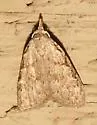
Sweet Pepperbush Nola Moth - Hodges#8996
Nola clethrae
Identification: See Franclemont in Forbes, 1960 p. 55
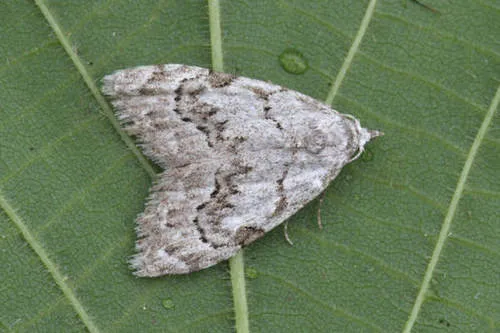
Least Black Arches
Nola confusalis
Wingspan 16-18 mm. Narrow forewing usually whitish with fine black cross lines, the innermost of which is elbowed or 'V' shaped, and the outer middle one strongly curved in the leading half and often shaped like a question mark. Usually a narrow but
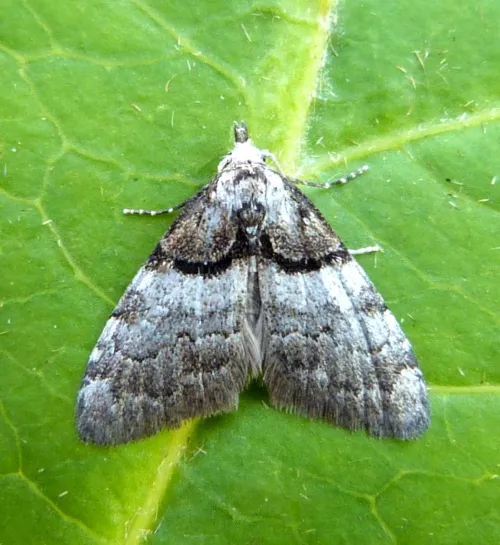
Short-cloaked Moth
Nola cucullatella
Wingspan 16-18 mm. A small but attractive and distinctive moth. Inhabits woodland, suburban gardens and similar bushy habitats. The single generation flies in June and July and the species is readily attracted to light. The small, hairy caterpillars
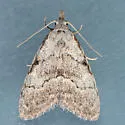
Nola involuta - Hodges#8998
Nola involuta
Identification: Specimen determined by DNA analysis (BOLD).
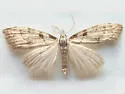
Ceanothus Nola Moth - Hodges#8993
Nola minna
Identification: Adult: forewing light gray with black spot near middle of AM line and black basal strip along costa; PM and subterminal lines jagged, indistinct; darker gray shading beyond subterminal line; hindwing dirty white with light gray shadin
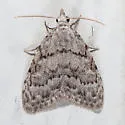
Nola ovilla - Hodges#8995
Nola ovilla
Identification: See Franclemont in Forbes, 1960 p. 55 Per Hugh McGuinness, only males in N. ovilla and clethrae can be reliably separated. The former has antennae that are fasciculate, whereas the latter has antennae that are pectinate. Also, ovilla
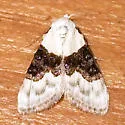
Sharp-blotched Nola Moth - Hodges#8989
Nola pustulata
Identification: The original description as Erastria pustulata Walker, is available online in the print references below.
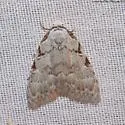
Three-spotted Nola - Hodges#8992
Nola triquetrana
Identification: Adult : FW gray with basal section of costa edged black. AM strongly kinked near costa, forming a V-shape. Mid-point of costa is marked with blackish triangle. Toothed PM and ST are faint. Can be abundant in the foothills of the Appal
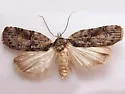
Grey Midget - Hodges#8977
Nycteola cinereana
Identification: Genitalia: ♀ ♂ "... Nycteola cinereana is a Poplar feeder and mainly occurs in boreal habitats. It occurs across Canada and southward in the mountains to California and Colorado. Any reports outside of this known area need confirmati
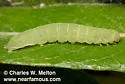
Nycteola fletcheri - Hodges#8979
Nycteola fletcheri
Identification: Adult- see original description in Print References below.
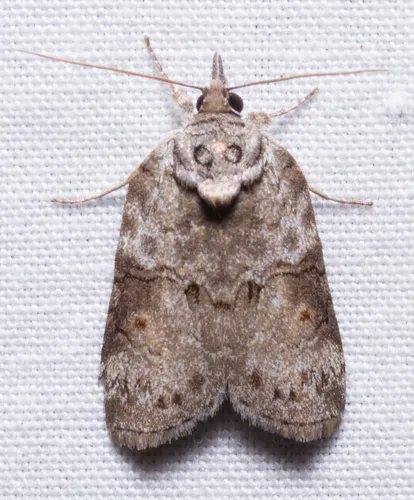
Forgotten Frigid Owlet - Hodges#8978
Nycteola metaspilella
Identification: Adult: based on Internet photos linked to below, forewing light gray with blackish wedge-shaped claviform spot being the most prominent and darkest marking; basal, AM, PM, and subterminal lines jagged or wavy, indistinct and often bro
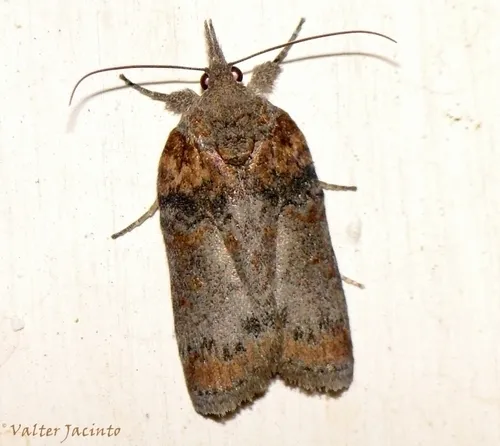
Oak Nycteoline
Nycteola revayana
Wingspan 20-25 mm. A quite small and very variable species, resembling the Tortricidae in general shape and demeanour. In deciduous woodland and areas with Oak The adults appear in late autumn, overwintering and appearing again in early spring. The s
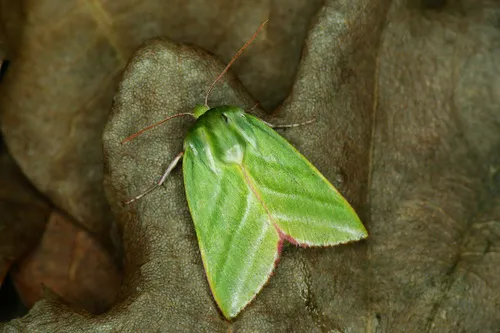
Green Silver-lines
Pseudoips prasinana
Wingspan 30-35 mm. Another of the very few British green moths, it also has its distinctive silvery lines. Flying mainly in June and July, it is often attracted to artificial light. The short, plump caterpillar feeds in August, mostly on Oak and Birc
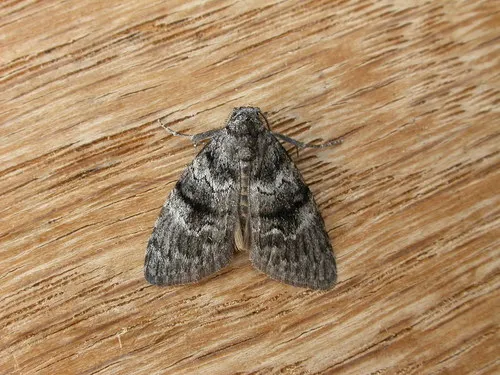
Gum Leaf Skeletoniser
Uraba lugens
Uraba lugens (the gum-leaf skeletoniser) is a moth of the Nolidae family. It is found in Australia and New Zealand. The larvae are a serious pest of Eucalyptus spp. and its close relatives. The wingspan is 25-30 mm. In Australia there are about 1-2 g
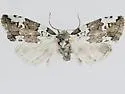
Afrida exegens - Hodges#8103.1
Afrida exegens
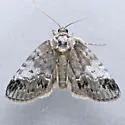
Baileya acadiana - Hodges#8971.1
Baileya acadiana
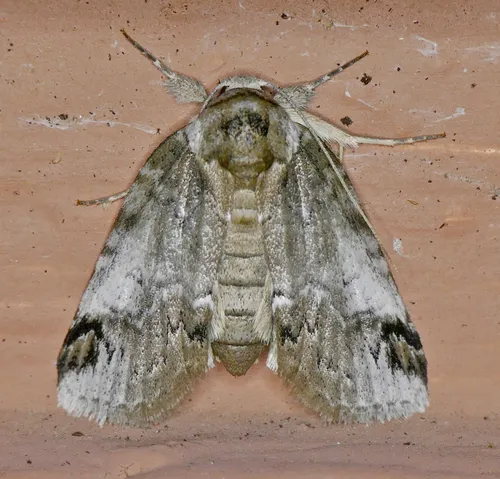
Sleeping Baileya Moth
Baileya dormitans
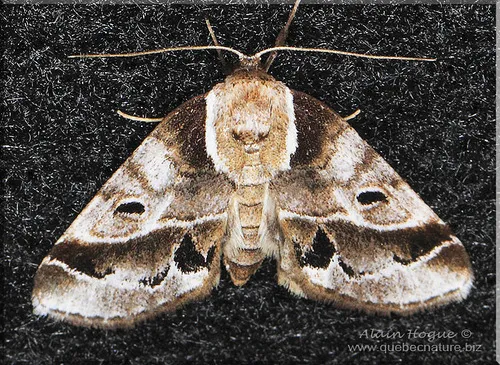
Doubleday's Baileya Moth
Baileya doubledayi
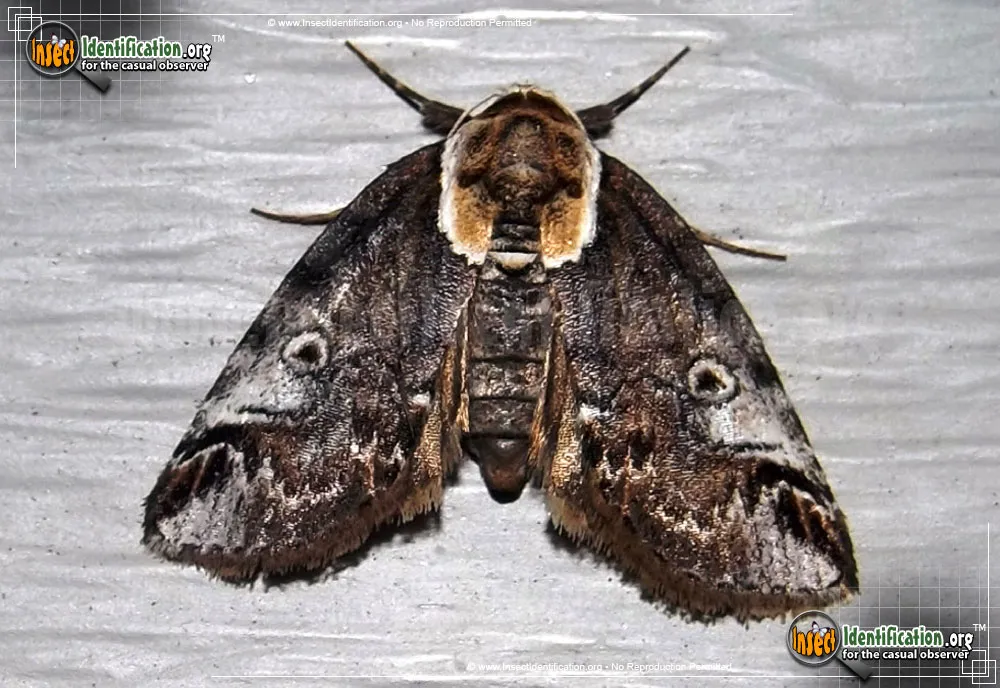
Eyed Baileya
Baileya opthalmica
Meganola conspicua - Hodges#8988
Meganola conspicua
Meganola dentata - Hodges#8986
Meganola dentata
Meganola georgei - Hodges#8983.3
Meganola georgei
Motya abseuzalis - Hodges#8981
Motya abseuzalis
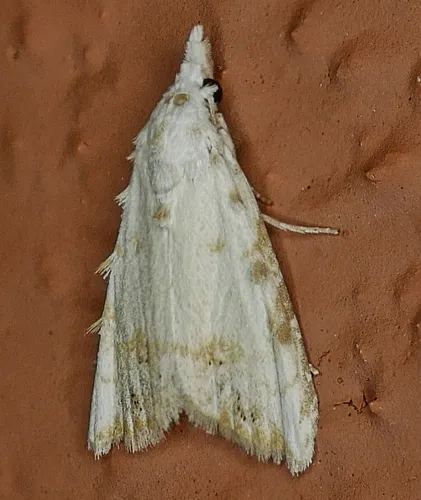
Sorghum Webworm Moth
Nola cereella
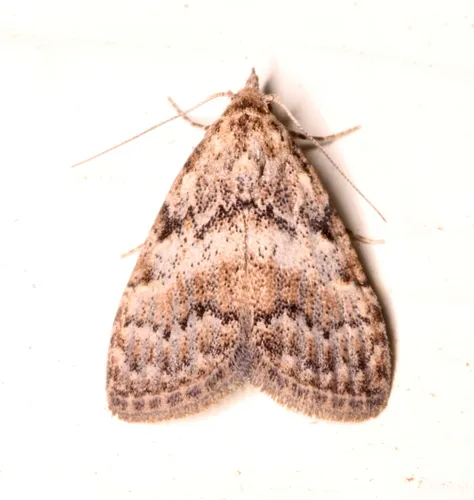
Nola desmotes
Nola desmotes
Nola lagunculariae - Hodges#8997
Nola lagunculariae
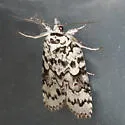
Nycteola columbiana - Hodges#8976
Nycteola columbiana
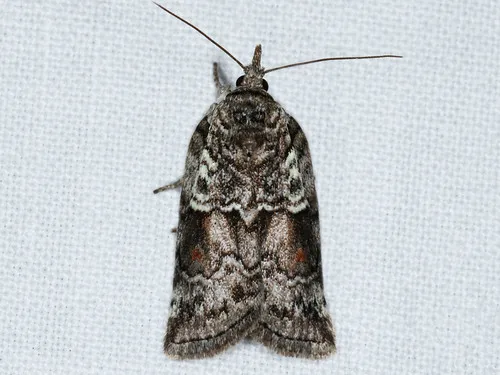
Frigid Owlet - Hodges#8975
Nycteola frigidana