
THE INSECTLIBRARY FIELD GUIDES
TickIdentification, facts & practical guidance
Ticks are blood-feeding arachnids. Identification depends on the species and life stage; an engorged tick can look very different from an unfed one.
Compiled by the InsectLibrary Team · Updated · Editorial policy
Identification and lookalikes
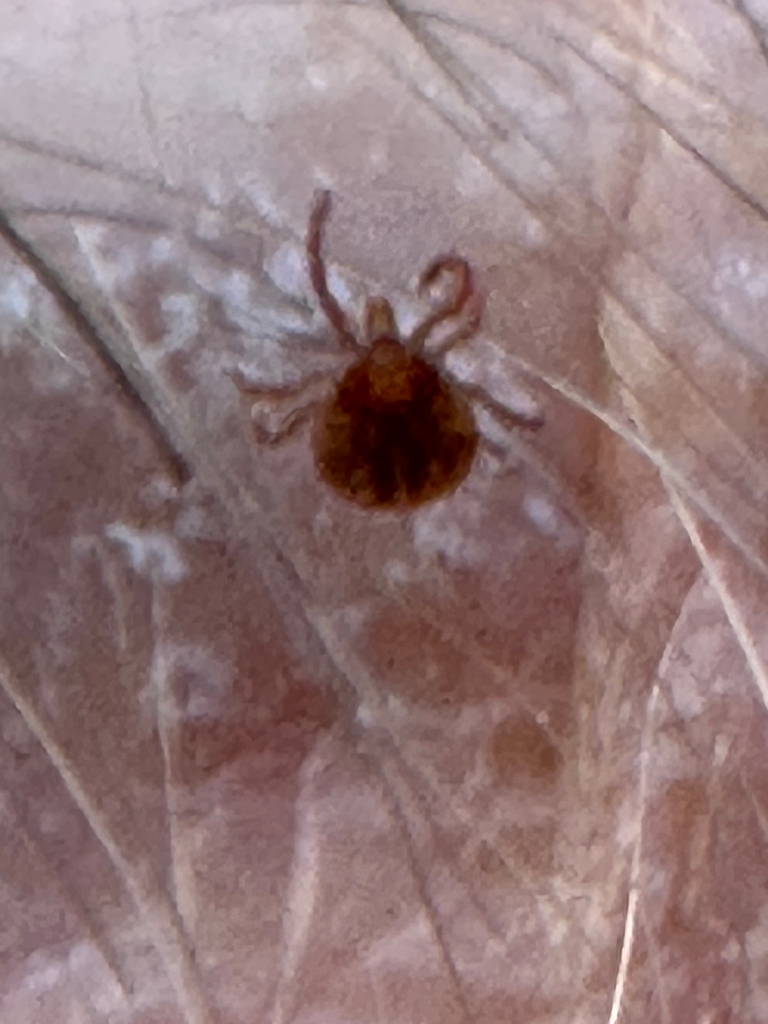
Adults and nymphs have eight legs, while larvae have six. Hard ticks and soft ticks differ in body covering and mouthpart visibility. Record location, date and a clear photograph; disease risk cannot be inferred from body color alone.
How to remove an attached tick
CDC advises prompt removal with fine-tipped tweezers: grasp close to the skin and pull steadily upward without twisting. Clean the area and your hands afterward. Do not apply heat, petroleum jelly or other substances to make the tick detach.
What to do next
Contact a clinician if a rash or fever develops after a bite, and mention when and where it happened. For a tick on a pet, seek veterinary advice about suitable prevention and follow-up; human treatments are not pet instructions.
Tick: species profiles
Explore 24 species profiles covered by this guide, with recorded names and available photos.
Lone Star Tick
Amblyomma americanum
no rights reservedAmerican Dog Tick
Dermacentor variabilis
Asian Longhorned Tick
Haemaphysalis longicornis
Black-legged Tick
Ixodes scapularis
Cayenne Tick
Amblyomma cajennense
Iguana Tick
Amblyomma dissimile
Gulf Coast Tick
Amblyomma maculatum
Amblyomma rotundatum
Amblyomma rotundatum
Amblyomma triste
Amblyomma triste
Gopher Tortoise Tick
Amblyomma tuberculatum
Carios kelleyi
Carios kelleyi
Dermacentor albipictus
Dermacentor albipictus
Sources and further reading
- cdc.gov - indexhttps://www.cdc.gov/ticks/after-a-tick-bite/index.html
References support the subject discussed here; they do not certify every imported directory record. Regional sources describe their own locations. Read our source and correction policy.