
Family Tortricid Moths (Tortricidae)
Tortricidae is a family in the order Lepidoptera. Browse 1,247 named species recorded in this family, or open an individual profile for its available identification and natural-history information.
Species in Tortricidae (1,247)
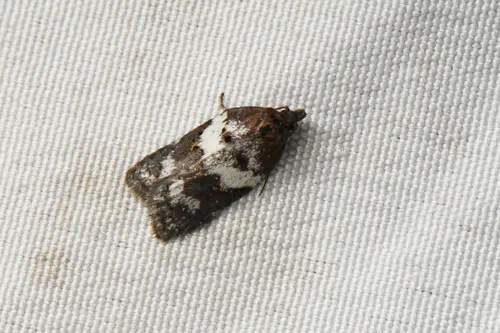
Acleris arcticana - Hodges#3534
Acleris arcticana
Identification: Adult : FW very dark smoky-grey with a faint oblique AM band, represented by a few dark scales near the costa. There are some scattered blackish scales in the apical portion. HW pale smoky, slightly speckled with black near the apex.
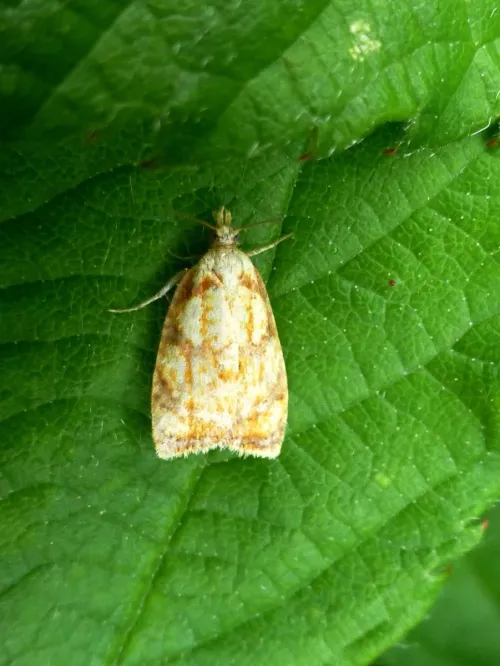
Acleris bergmanniana
Acleris bergmanniana
Wingspan 10 to 14 mm. This is a small attractive yellow mottled species, the upper wing is marked with metallic blue-grey striations, edged with rufous, and the two black dots are in fact small raised tufts of black scales. Flying from late afternoon
Acleris bowmanana - Hodges#3553
Acleris bowmanana
Identification: Specimen identified by DNA analysis (BOLD) ( 3 )
Brittania Moth - Hodges#3537
Acleris britannia
Identification: Adult - there are light and dark forms of this moth. See original description in Print References. ,
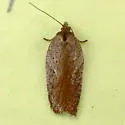
Acleris capizziana - Hodges#3563
Acleris capizziana
Identification: See paratype, Museum ID: USNM ENT 01048897, from Bandon, OR which was DNA barcoded, BOLD Sample ID: CCDB-24281-A04 ( 3 ) : Also see images by Dick Wilson's DNA barcoded examples in the Guide with sequences which match the paratype.
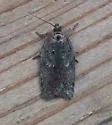
Acleris celiana - Hodges#3533
Acleris celiana
Identification: Dark chestnut brown FW typically has mottled whitish AM band and darker basal patch. Some individuals are darker with bold white and chestnut streaks extending along costa. genitalia ID Info? I think you are correct but this phenotype
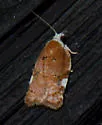
Acleris cervinana - Hodges#3514
Acleris cervinana
Identification: Adult - Many forms. Powell & Opler describe it as having "jaw-dropping different color forms."
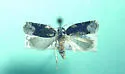
Acleris cf. clarkei - Hodges#3544.85
Acleris cf-clarkei
Identification: Obraztsov described the adults including genitalia. Acleris clarkei Obraztsov, 1963 was described from a male holotype from Washington and a geographically disjunct (~1600km) female allotype from Manitoba. Given this large distance an
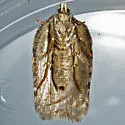
Lesser Maple Leafroller - Hodges#3539
Acleris chalybeana
Identification: Larva - light green. ( 3 ) genitalia
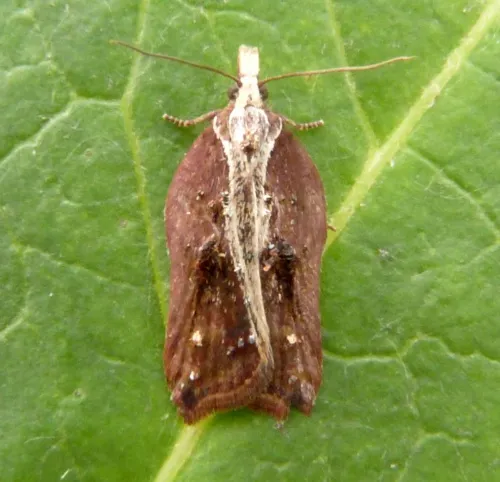
Acleris cristana
Acleris cristana
Wingspan 18 to 22 mm. Quite a distinctive species which shows a wide variation in appearance, with a number of named forms. It has an unusual raised patch of scales, or 'scale-tuft' in the centre of the forewing. This species flies between August and
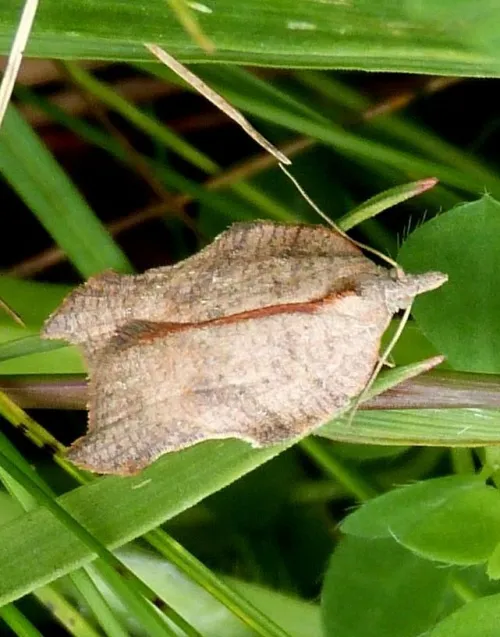
Acleris emargana
Acleris emargana
Wingspan 18 to 22 mm. The notched and hooked forewings of this species create a very distinctive outline, but the colouration is variable and the depth of the costal emargination varies. Acleris effractana is a predominantly Northern/Scottish species
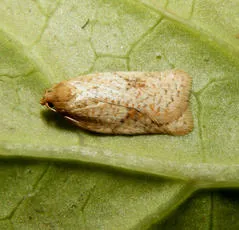
Acleris ferrugana
Acleris ferrugana
Wingspan 14 to 18 mm. Acleris ferrugana is very similar to Acleris notana and both are equally variable. They can only be reliably separated by genitalia dissection. Where specimens have not been confirmed by this means they should be recorded as Acl
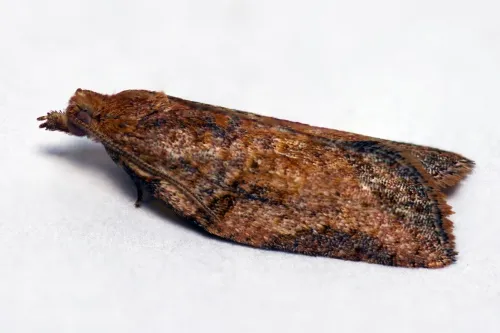
Acleris ferrugana/notana agg.
Acleris ferrugana/notana agg.
Wingspan 14 to 18 mm. Acleris ferrugana and Acleris notana very variable species, and can be very similar. The two are best separated by examination of the genitalia. Where genitalia examination has not been carried out the species should be added as
Acleris foliana - Hodges#3560
Acleris foliana
Identification: Specimen determined by DNA analysis (BOLD). ( 3 )
Forbes' Acleris - Hodges#3525
Acleris forbesana
Identification: Adult - forewing whitish with dark gray triangular patch midway along costa, and lighter gray shading in diffuse patches near anal angle, in subterminal area, and in basal area; dark dot (sometimes absent) in AM area near costa, not n
Acleris forsskaleana
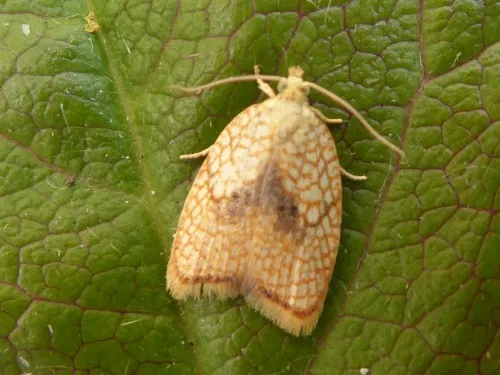
Acleris forsskaleana
This yellowish species has a distinctive reticulated pattern on the forewing and a variably sized greyish suffusion across the centre. Frequenting woodland, long grassy areas and gardens etc. The flight period is dusk onwards during July and August.
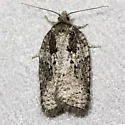
Small Aspen Leaftier - Hodges#3520
Acleris fuscana
Identification: Original description is online as Peronea fuscana Barnes & Busck.
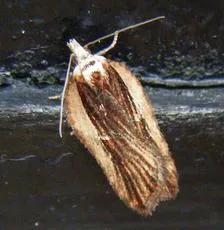
Acleris hastiana
Acleris hastiana
Acleris hastiana is perhaps the most variable British tortrix moth with dozens of named forms and many intermediate types. Some forms can resemble those of the similarly variable but scarcer A. cristana which however has a more concave forewing costa
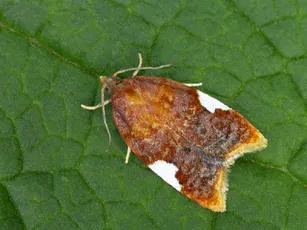
Acleris holmiana
Acleris holmiana
Wingspan about 13 mm. A very distinctive species, with a striking white patch on each wing. The flight period of the adult moths is July and August in a single generation. They are easily disturbed by day and at night can be attracted to light. The l
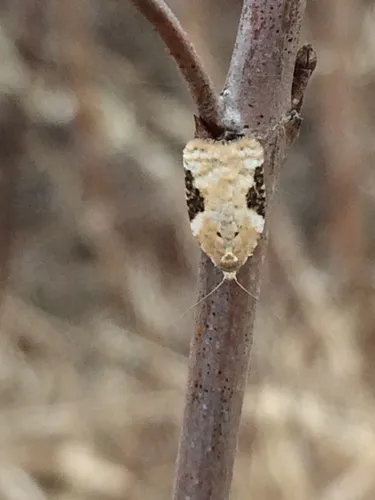
Acleris implexana - Hodges#3522
Acleris implexana
Identification: Adult - forewing light yellowish with gray triangular or semicircular patch midway along costa containing several darker gray spots; dark spot in AM area near inner margin; hindwing slightly paler than forewing, unmarked. At present,
Inane Acleris - Hodges#3551
Acleris inana
WARNING: Do Not Add Images! Acleris inana is indistinguishable from Acleris flavivittana (Clemens, 1864) and the two are probably the same species. Because flavivittana has priority, images identified as inana should be treated as that species. Also,
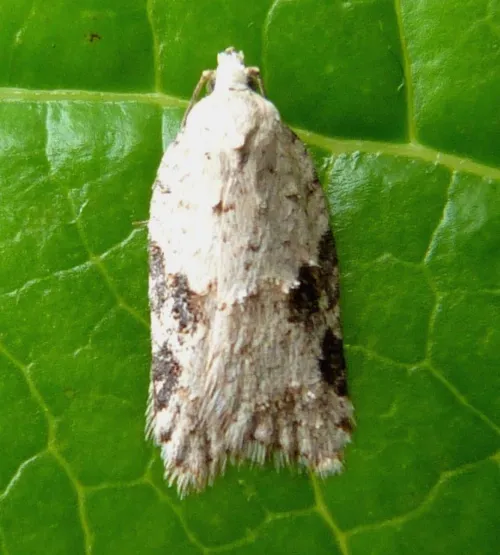
Acleris kochiella
Acleris kochiella
Wingspan 15 to 18 mm. It can closely resemble A. logiana which occurs in Scotland and until recently the two were thought to be separable on distribution. However, logiana has now appeared in southern England, so more care must be taken with identifi
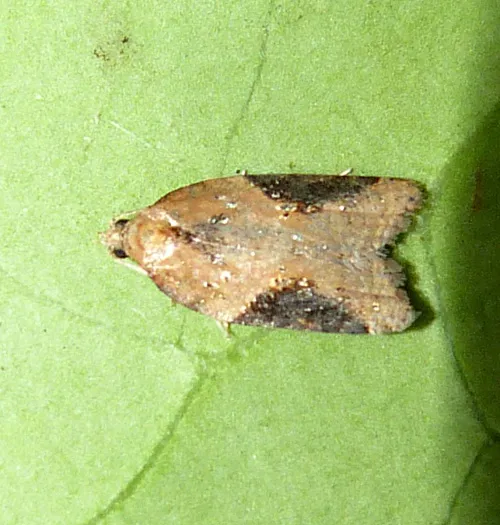
Acleris laterana
Acleris laterana
Another variable species, which is difficult to separate from A. comariana . A rough guideline is the flight period, which is said to be August to September in the present species and June/July and October/November in comariana . However, these do ov
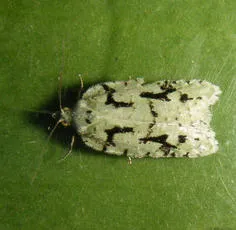
Acleris literana
Acleris literana
Wingspan 18 to 22 mm. This is a distinctive species. It is very variable, and many different forms have been described, but they often have a combination of pale or whitish green ground colour with blackish markings. The moth is on the wing in August
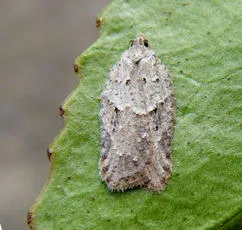
Acleris logiana
Acleris logiana
Wingspan 18 to 22 mm. The whitish wings are usually slightly indented and often show tufts. They are often marked with small amounts of reddish brown. The adults generally emerge from September and overwinter, being found through to April. The larvae
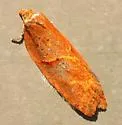
Acleris maccana - Hodges#3549
Acleris maccana
Identification: Adult : Gray-brown or red-brown moth with "squared" wings and the abrupt "shoulder" characteristic of Tortricids. The FW markings are highly variable. Some specimens are poorly marked with markings confined to a narrow oblique rusty
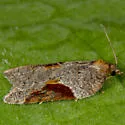
Acleris macdunnoughi - Hodges#3506
Acleris macdunnoughi
Identification: The forewing can appear speckled. ( 4 )
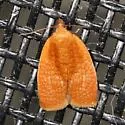
Yellowheaded Fireworm Moth - Hodges#3545
Acleris minuta
Yellowheaded Fireworm Moth - Hodges#3545 (Acleris minuta) is a species in the family Tortricidae, commonly known as tortricid moths, belonging to the order Lepidoptera (Butterflies and Moths). It is classified within the subfamily Tortricinae, tribe
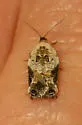
Snowy-shouldered Acleris - Hodges#3510
Acleris nivisellana
Identification: Adult: forewing white with large blackish semicircular patch mid-way along costa; diffuse irregular patches of light gray mixed with brown in median area and along inner margin; dark spot near inner margin in AM area; subterminal area
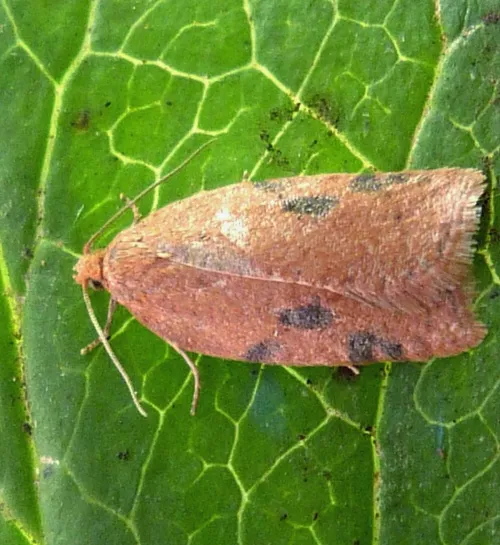
Acleris notana
Acleris notana
Wingspan 15 to 19 mm. Acleris notana is very similar to Acleris ferrugana and both are equally variable. They can only be reliably separated by genitalia dissection. Where specimens have not been confirmed by this means they should be recorded as Acl
Black-headed Birch Leaffolder - Hodges#3540
Acleris placidana
Identification: Whitish or pale gray FW is dotted with tufts of raised dusky scales. Darker costal triangle is often reduced to a bar in central median area. ( 5 )
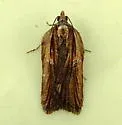
Acleris pulverosana - Hodges#3531
Acleris pulverosana
Identification: Specimens identified by DNA analysis: Genitalia: Formerly treated as a synonym of A. hastiana , a Palearctic species.
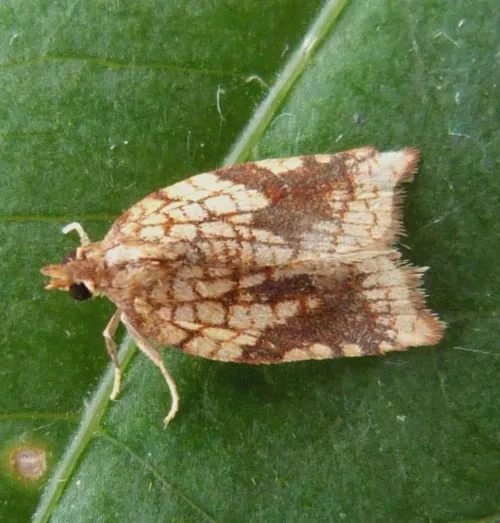
Rhomboid Tortrix
Acleris rhombana
Wingspan 13-19 mm. With the slightly hooked tips and reticulated pattern of the forewings, this species is fairly easy to identify, despite being rather variable. It can often be found around hedgerows and gardens. The adults fly in autumn from Augus
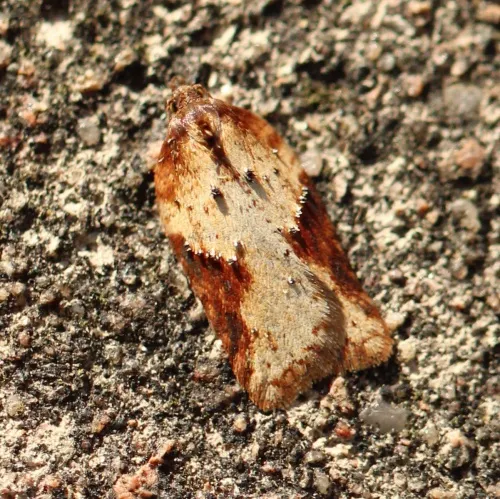
Acleris schalleriana
Acleris schalleriana
Wingspan about 17mm. It is rather similar in appearance to Acleris comariana and Acleris laterana but tends to show a more elongated costal blotch (though this can be obscured in some individuals). In areas where the larval foodplants are found. Adul
Oak Leaftier Moth - Hodges#3503
Acleris semipurpurana
Identification: Adult: forewing bright yellow with large brown blotch in the center, dusted with metallic gray scales. One or more darker spots within the brown blotch just above the midpoint on each side are apparent in several images. Adult color a
Acleris simpliciana - Hodges#3524
Acleris simpliciana
Identification: Adult - forewing pale yellow with gray patch along costa broken into two unequal blotches; dark spot in AM area near inner margin; hindwing whitish with some yellowish shading near apex.
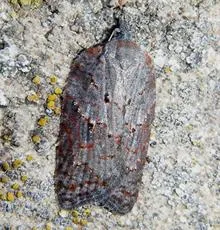
Acleris sparsana
Acleris sparsana
Wingspan 18-22 mm. A variable species, sometimes with a distinctive triangular marking on the upperwing but often with a greyish ground colour, obscurely marked with specks of darker and lighter. Favouring Beech and Sycamore the larval foodplants. Th
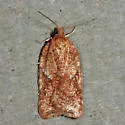
Acleris stadiana - Hodges#3521.1
Acleris stadiana
Identification: ♂ ♀ Often mis-identified as 3521 Acleris semiannula Sabourin, M., R.J. Priest & W.E. Miller, 1997. Nearctic Acleris: resurrection of A. stadiana and a revised identity for A. semiannula (Lepidoptera: Tortricidae). Great Lakes Entomol
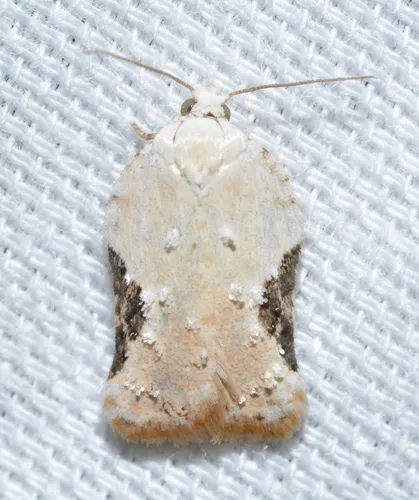
Bent-wing Acleris - Hodges#3517
Acleris subnivana
Identification: Obraztsov (1963) stated "Variation. - McDunnough (1934) noted in subnivana variation of the ground color of forewings, their reticulation in some specimens, and the triangular costal spot solid or interrupted by a pale patch. The pres
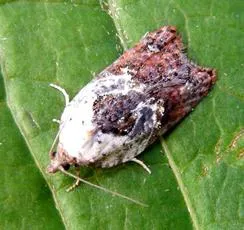
Garden Rose Tortrix
Acleris variegana
Wingspan 14-18 mm. An extremely variable species. Flying from July to September, it is mainly nocturnal and is attracted by bright lights. The larvae feed on Rose bushes, as the name suggests but also on a range of other trees and shrubs. Occurs comm
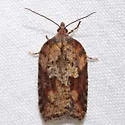
Viburnum Acleris - Hodges#3527
Acleris viburnana
Identification: Moderately rough-scaled anterior margin of the forewing and enlarged costal blotch, which extends to near the apex. Genitalia: It twists a leaf to form a pocket and feeds inside.
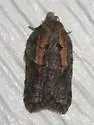
Acleris youngana - Hodges#3550
Acleris youngana
Identification: female genitalia Full grown larva are creamy white and about 10mm long. Female moths are reluctant to fly so populations build up on cone-bearing trees.
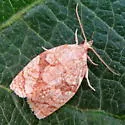
Shimmering Gold Adoxophyes - Hodges#3691
Adoxophyes negundana
Identification: Adult - forewing yellow with fine netlike pattern of dark lines, thick dark diagonal stripe from costa to anal angle, and thin dark diagonal stripe across apex; thick stripe has distinct kink or jog near middle; hindwing white.
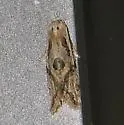
Angular Aethes - Hodges#3807
Aethes angulatana
Identification: Adult - highly variable in size and markings. ( 3 ) Forewing pale yellowish or cream with dark brownish-gray markings; dark strip along costa from base to one-quarter wing length, and thick basal dash runs parallel to costal strip; da
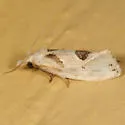
Aethes angustana - Hodges#3754.1
Aethes angustana
Michael Sabourin, Referee for Cochylini at Moth Photographers Group, informs me that " mymara tends to be slightly paler than angustana , but they are not readily separated without disection." This species was number 3808 in the 1983 Hodges Checklist
Silver-bordered Aethes - Hodges#3754.2
Aethes argentilimitana
Identification: Specimens identified by DNA analysis (BOLD). ( 5 ) Genitalia:
Two-spotted Aethes - Hodges#3754.3
Aethes atomosana
This species was number 3810 in the 1983 Hodges Checklist.
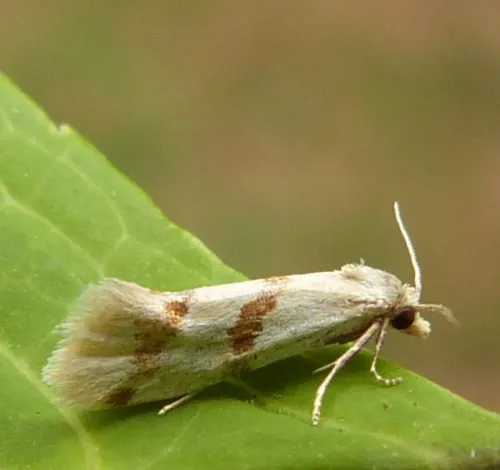
Aethes beatricella
Aethes beatricella
It can be found on waste ground, woodland fringes and hedgerows. It flies during June and July, in the evening and into dusk, and is sometimes attracted to light. This species occurs mainly in the south-east of England. In the Butterfly Conservation'
Aethes biscana - Hodges#3755.1
Aethes biscana
Identification: Adult - see original description in Print References.
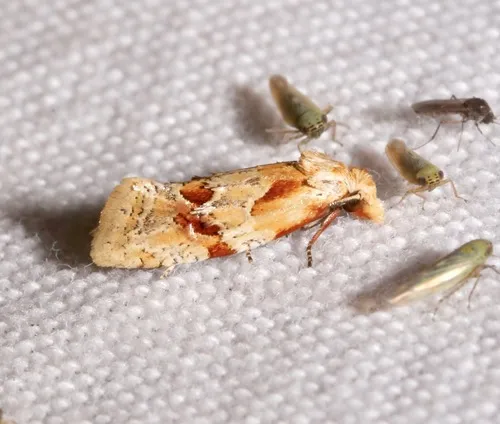
Aethes bomonana - Hodges#3755.2
Aethes bomonana
Aethes bomonana - Hodges#3755.2 (Aethes bomonana) is a species in the family Tortricidae, commonly known as tortricid moths, belonging to the order Lepidoptera (Butterflies and Moths). It is classified within the subfamily Tortricinae, tribe Cochylin
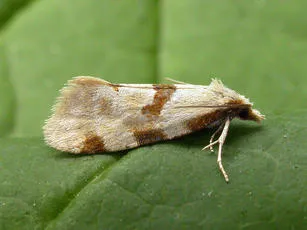
Aethes cnicana
Aethes cnicana
Wingspan 14 to 17 mm. The adults of this species generally have a slightly glossy appearance to the forewings. Around rough grassland areas containing thistle the larval foodplant. The adults are on the wing in June and July and are often attracted t
Aethes deutschiana - Hodges#3755.3
Aethes deutschiana
This species was number 3757 in the 1983 Hodges Checklist.
Aethes interruptofasciata - Hodges#3757
Aethes interruptofasciata
Identification: Robinson original description is available online in the print references.
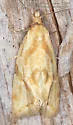
Aethes promptana - Hodges#3759.1
Aethes promptana
This species was number 3844 in the 1983 Hodges Checklist.
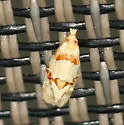
Rings' Aethes Moth - Hodges#3780
Aethes ringsi
Identification: Original description is online in PDF.
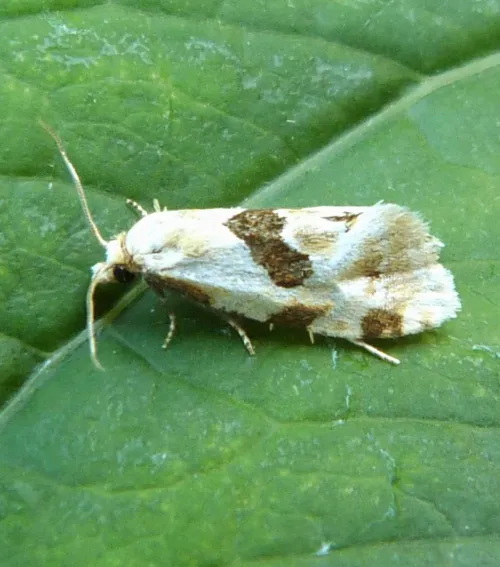
Aethes rubigana
Aethes rubigana
Wingspan 15 to 19 mm. A rather attractive species, with more distinct markings than some of its close relatives. It inhabits waste ground and dry open areas containing burdock. The moths fly from late June to August, from dusk into the night. The lar
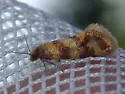
Aethes rutilana - Hodges#3760
Aethes rutilana
Identification: Larva - Dull yellow body with orange-brown head and prothoracic shield. This species was number 3758 in the 1983 Hodges Checklist.
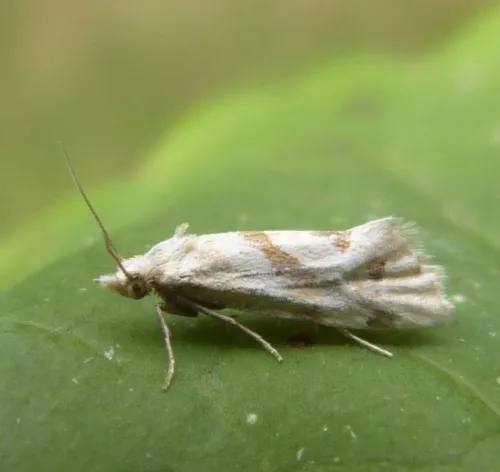
Aethes smeathmanniana
Aethes smeathmanniana
Wingspan 12-19 mm. The ground colour of this moth varies from whitish to yellowish but the species differs from several related species by its narrower forewings. The 'V' shaped markings are of a rust colour. It occurs as an adult from May through to
Aethes spartinana - Hodges#3761.1
Aethes spartinana
Aethes spartinana - Hodges#3761.1 (Aethes spartinana) is a species in the family Tortricidae, commonly known as tortricid moths, belonging to the order Lepidoptera (Butterflies and Moths). It is classified within the subfamily Tortricinae, tribe Coch
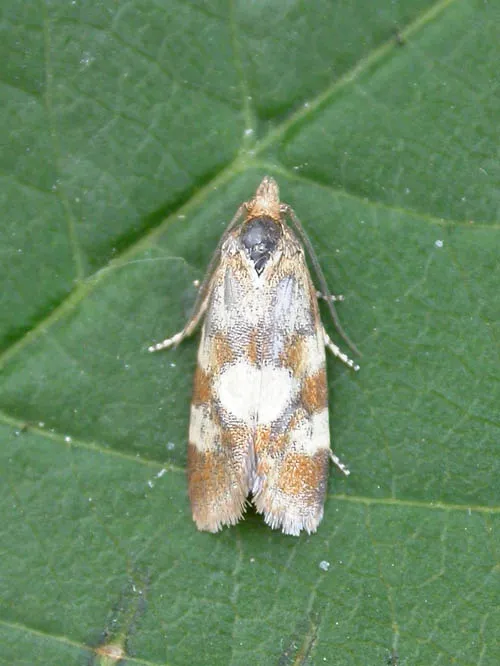
Aethes tesserana
Aethes tesserana
Wingspan 12 to 18 mm. A variable but quite distinctive species, with a chequered pattern to the forewings. Various habitats, especially where the larval foodplants are found. The larvae feed in the roots of Oxtongue (Helminthotheca) and Hawkweed (Hie
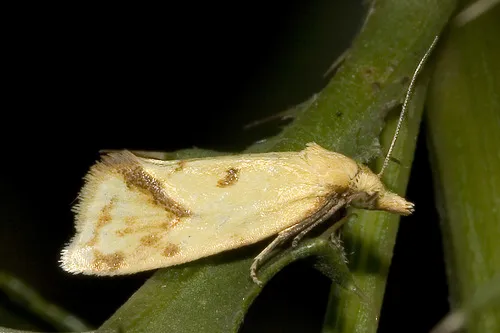
Agapeta hamana
Agapeta hamana
The wingspan is 15-24 mm. A yellowish moth with russet coloured markings on the wings. Found in many habitats including grassland, fens, open woodland, heathland, waste places and gardens where foodplant thistle occurs. Flies mainly at dusk or at nig
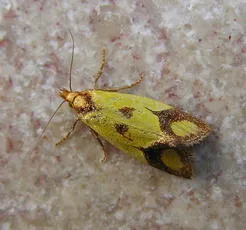
Agapeta zoegana
Agapeta zoegana
Wingspan 15-25 mm. Usual form is yellow with russet wing markings similar to A. hamana . The form ferrugana has orange-brown ground colour instead of the normal yellow. Both have distinctive brown ring at wing-tip. Its main foodplant is Common Knapwe
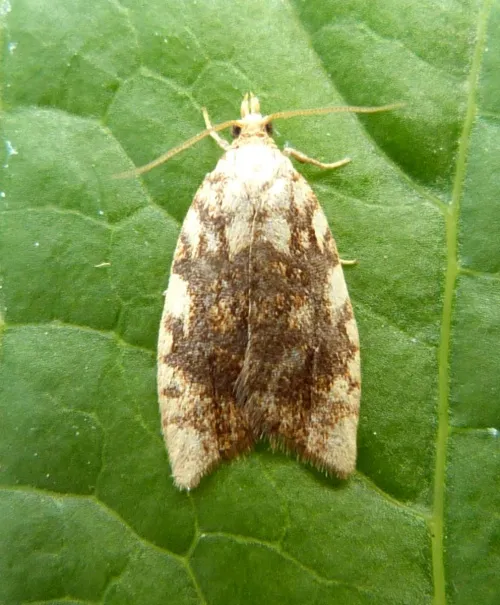
Aleimma loeflingiana
Aleimma loeflingiana
Wingspan 14-19 mm. The darker markings on the forewings can be somewhat variable but are usually fairly diagnostic of the species. Primarily a woodland species but can be found in any area containing Oak It flies during July and August from dusk into
Amorbia knudsoni - Hodges#3749.1
Amorbia knudsoni
Identification: PARATYPE in the TAMUIC (collected by Ed Knudson) Holotype: Big Bend National Park, Green Gulch, Brewster County, Texas, United States.
Amphiphala carolana - Hodges#3783.42
Amphiphala carolana
Identification: Original description available at link in citations below.
Amphiphala landryana - Hodges#3783.41
Amphiphala landryana
Identification: Original description available at link in citation below.
Amphiphala liatriana - Hodges#3783.4
Amphiphala liatriana
Identification: Original description available at link in citations below.
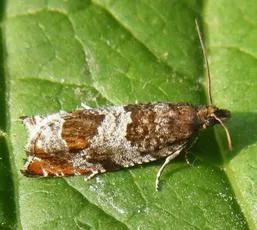
Ancylis achatana
Ancylis achatana
Wingspan 14-18 mm. This is a moth with a rich brown and silvery appearance, sometimes dulled by darker shades of brown. Blackthorn thickets and hedgerows of Blackthorn and Hawthorn, scrub, open woodland, gardens. Larvae feed on the leaves of Hawthorn
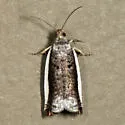
White-edged Ancylis Moth - Hodges#3387
Ancylis albacostana
White-edged Ancylis Moth - Hodges#3387 (Ancylis albacostana) is a species in the family Tortricidae, commonly known as tortricid moths, belonging to the order Lepidoptera (Butterflies and Moths). It is classified within the subfamily Olethreutinae, t
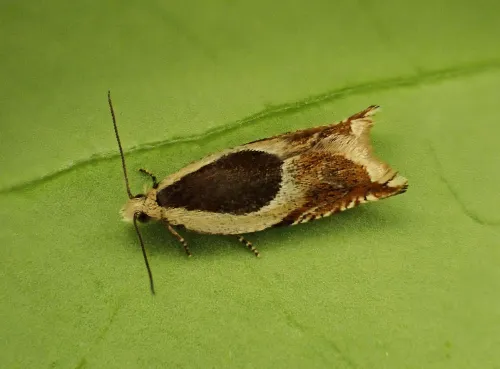
Ancylis badiana
Ancylis badiana
Wingspan 12 to16 mm. A small well marked moth. Inhabits a range of woodland and open ground areas. Two generations of this moth occur during the year, the first in April and May, and later from July to August. It is active in the late afternoon into
Oak Leaffolder - Hodges#3367
Ancylis burgessiana
Identification: Specimen identified by DNA analysis (BOLD). ( 4 )
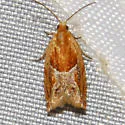
Strawberry Leafroller - Hodges#3374
Ancylis comptana-of-authors
The species represented here is a cryptic undescribed species. True comptana (Frölich, 1828) is Palearctic; conflexana (Walker, 1863) has priority for the North American species.
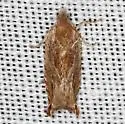
Ancylis cordiae - Hodges#3388
Ancylis cordiae
Identification: Distinguishing feature: Second joint of the labial palpi with strong tuft, concealing terminal joint; white at base, light brown at apex, with a small black spot on outer side. Evident in posted specimen. (Ann Hendrickson)
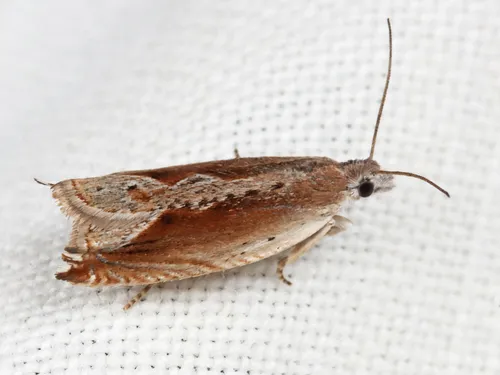
Ancylis diminuatana - Hodges#3379
Ancylis diminuatana
Identification: Adult - Very similar to Ancylis goodelliana . The main difference between A. diminutana and A. goodelliana is how straight or even the border between the dark and light halves of the wing is. A. goodelliana should have a more even lat
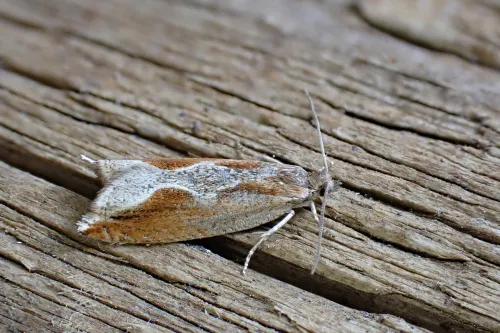
Ancylis diminutana
Ancylis diminutana
Wingspan 12 to 18 mm. This is quite a distinctive species. Formerly treated as a form of Ancylis geminana , this has now been granted specific status. This is a scarce species in our area so please provide a photograph to support your record. Occupie
Ancylis goodelliana - Hodges#3380
Ancylis goodelliana
Identification: Very similar to Ancylis diminutana . The main difference between A. diminutana and A. goodelliana is how straight or even the border between the dark and light halves of the wing is. A. goodelliana should have a more even lateral line
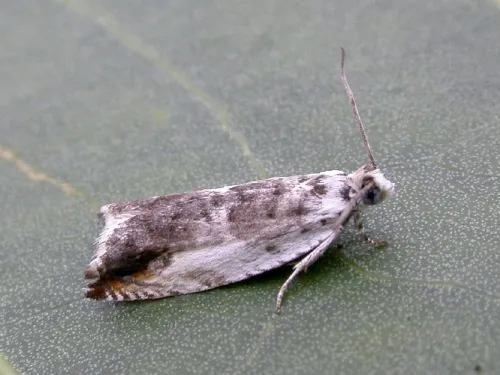
Ancylis laetana
Ancylis laetana
Wingspan about 15 mm. A number of the British Ancylis species are rather similar in appearance, whereas laetana displays an unusually whitish (for the genus) forewing ground colour. Flying in May and June in a single generation, the adults appear fro
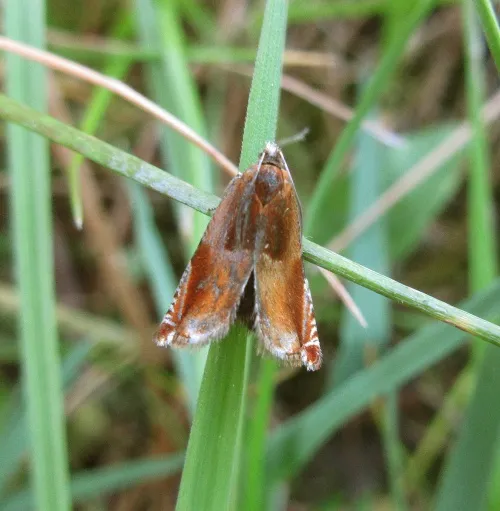
Ancylis mitterbacheriana
Ancylis mitterbacheriana
Please provide supporting images with your records for this species. The moth flies in May and June in the evening and later into the night. The larvae feed on Oak and Beech, and the adult moth can sometimes be found resting on the upper surface of a
Red-headed Ancylis - Hodges#3377
Ancylis muricana
Identification: Adult - original description : Palpi short, whitish, the apical point almost concealed: head and patagia pale ferruginous; antennae slightly darker; thorax purplish grey. Fore wings - the costa arched; apex falcate - with the basal po
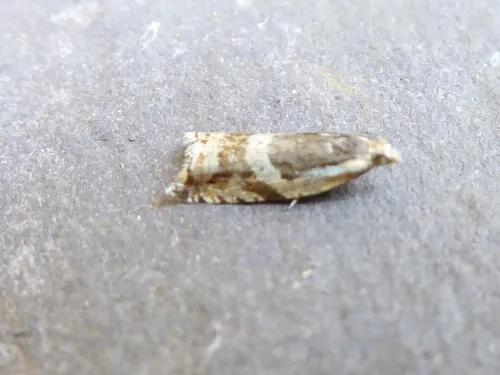
Ancylis myrtillana
Ancylis myrtillana
Wingspan about14 mm. Care is needed to distinguish this species from the more frequently encountered Ancylis badiana. This species is associated with moorland habitats where the larval foodplants are present. Adult moths fly from May to July, both in
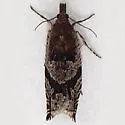
Ancylis pacificana - Hodges#3383
Ancylis pacificana
Identification: The Walsingham original description as Phoxopteryx pacificana and the Heinrich revised description are both available online in the print references. Specimen identified by DNA analysis (BOLD).
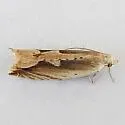
Ancylis saliana - Hodges#3379.1
Ancylis saliana
Identification: Detailed description and images can be found in Gilligan et al at link in citations below.
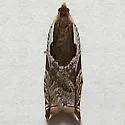
Ancylis simuloides - Hodges#3363
Ancylis simuloides
Identification: Specimen identified by DNA analysis (BOLD). The species was described from very few specimens collected in British Columbia. California specimens were termed Ancylis simuloides ssp. sierrae by McDunnough , but may be a species yet to
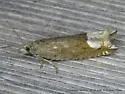
Ancylis tineana - Hodges#3386
Ancylis tineana
Identification: "A striking species easily recognized by its unique genitalia" .
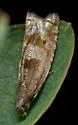
Ancylis uncella - Hodges#3378
Ancylis uncella
Identification: Heinrich (1923) original description available online. ( 3 )
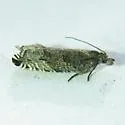
Ancylis unguicella - Hodges#3382
Ancylis unguicella
Identification: Adult - one of few Anyclis with dark fasciate wing markings. ( 3 )
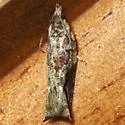
Ancylis virididorsana - Hodges#3388.4
Ancylis virididorsana
Identification: This taxon has a large oval dark brown dorsal patch. The patch and adjacent areas of the forewings often show olive-green overtones (iridescence) when fresh, thus the informal common name of "Olive Ancylis". - Chuck Sexton "A very di
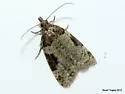
Anopina ednana - Hodges#3584
Anopina ednana
Identification: Adult - see original description in Print References.
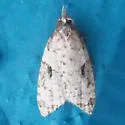
Anopina eleonora - Hodges#3585
Anopina eleonora
Identification: Adult - grey with well-defined, dark basal and costal patches. Powell & Opler collected none at lights, all diurnally, flushed from Arctostaphylis and Ceanothus .
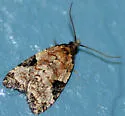
Anopina triangulana - Hodges#3583
Anopina triangulana
Identification: Adult - pale gray mottled with dark gray and well defined dark triangle beyond midcosta. Females with distal half mostly fuscus clouded, obscuring the triangle, and the basal area is pale ocherous or tan. Also see Obraztsov.
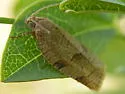
Wide-striped Leafroller - Hodges#3675
Aphelia alleniana
Identification: Adult - The color of the head, thorax, and forewings is sometimes not reddish to golden yellow, as in the original description, but somewhat olive or grayish. The cross lines and the remaining pattern of the forewings are often also s
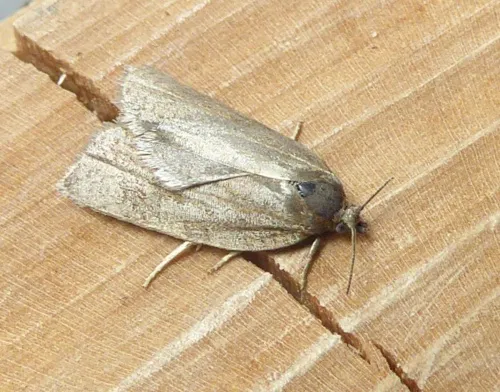
Bilberry Tortrix
Aphelia viburnana
Length about16 mm. A rather plain looking Tortrix moth varying from brown or grey to pale yellowish in colour and with faint and rather variable markings (if any). Please retain the specimen as gen det may be required. Moorland, heathland and bogs, e
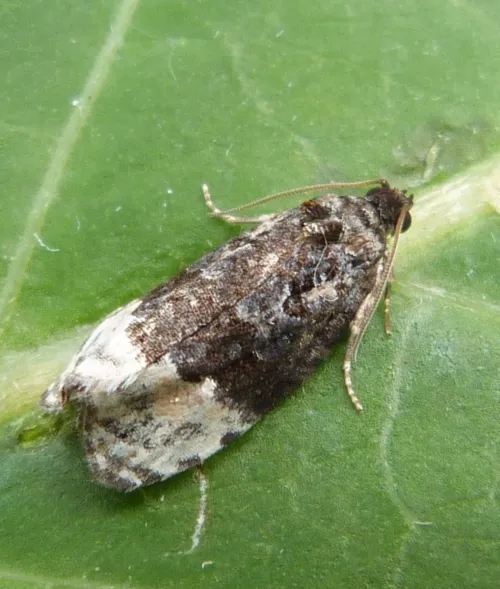
Apotomis betuletana
Apotomis betuletana
Wingspan 16 to 20 mm. This moth is dark from the head for approximately two thirds the length of the wing, then a noticeable change to a band of slightly mottled white for the final third. Woods and woodland margins where birch occurs. The moths are
Apotomis infida - Hodges#2767
Apotomis infida
Identification: Adult - forewing mottled silvery-gray with dark brownish patches at base and mid-way along costa; several black-rimmed irregular spots in lower half of wing; hindwing pale brownish-gray.
Apotomis paludicolana - Hodges#2754
Apotomis paludicolana
Identification: Specimen identified by DNA analysis (BOLD).
Green Aspen Leafroller - Hodges#2768
Apotomis removana
Identification: Adult - see original description in Print References. Genitalia:
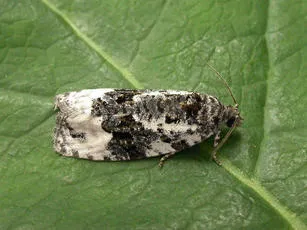
Apotomis turbidana
Apotomis turbidana
Wingspan around 20 mm. This is one of several similar Tortrix moths that have purple-brown marbling with white at at the end, providing camouflage by looking like a bird dropping. This species has more white patches than most - towards the head and o
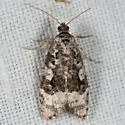
Apotomops wellingtoniana - Hodges#3589
Apotomops wellingtoniana
Apotomops wellingtoniana - Hodges#3589 (Apotomops wellingtoniana) is a species in the family Tortricidae, commonly known as tortricid moths, belonging to the order Lepidoptera (Butterflies and Moths). It is classified within the subfamily Tortricinae
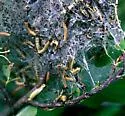
Ugly-nest Caterpillar Moth - Hodges#3661
Archips cerasivorana
Identification: Adult - bright to pale ocherous orange crossed by broken, transverse lines of shining, dark rose rust prominent only on the costa. Hindwing ocherous yellow. Larva - body brownish or greenish-yellow; head shiny dark brown; lacks an ana
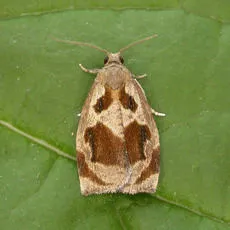
Brown Oak Tortrix
Archips crataegana
Wingspan male: about 20mm, female: about 25mm. This is a sexually dimorphic species the females being larger than the males, which have a 'costal fold' in common with a number of related species. The larvae feed on a number of deciduous trees, includ