
Family Diamondback Moths (Plutellidae)
Plutellidae is a family in the order Lepidoptera. Browse 22 named species recorded in this family, or open an individual profile for its available identification and natural-history information.
Species in Plutellidae (22)
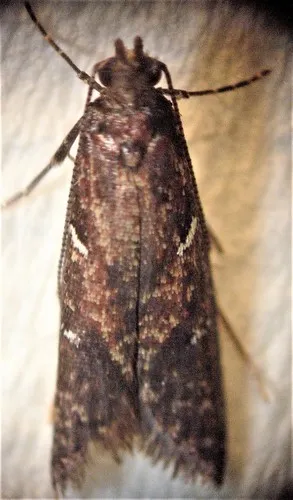
Cadmogenes literata
Cadmogenes literata
Cadmogenes is a genus of moths of the family Plutellidae. It contains only one species, Cadmogenes literata, which is found in New Zealand.
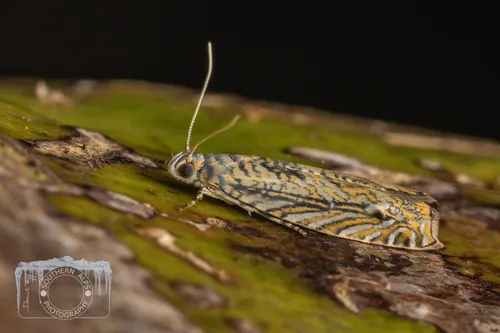
Nikau Moth
Doxophyrtis hydrocosma
Doxophyrtis hydrocosma, also known as the Nikau Palm moth, is a species of moth in the family Plutellidae first described by Edward Meyrick in 1914. It is endemic to New Zealand.
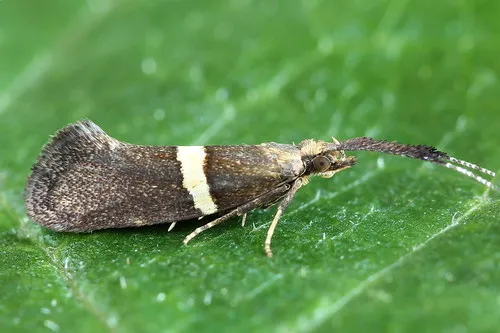
Eidophasia messingiella
Eidophasia messingiella
Wingspan 14 to 16 mm. Its blackish colouration and pale central band make this a very distinctive species. Please provide a photograph to support your record for this uncommon species. Found on wasteland, being closely associated with its foodplant -
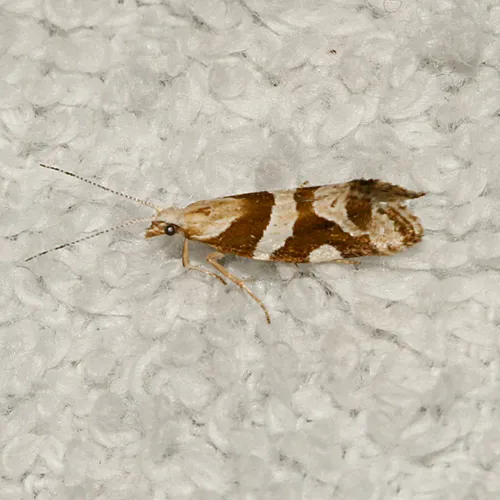
Eidophasia vanella - Hodges#2365
Eidophasia vanella
Eidophasia vanella is a moth of the family Plutellidae. It is found in North America from Alberta to California.
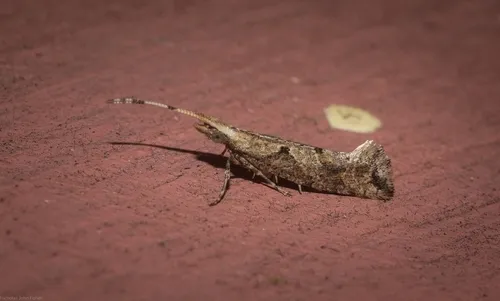
Leuroperna sera
Leuroperna sera
Leuroperna sera is a moth of the Plutellidae family. It is found in south-east Asia and Australia. The wingspan is about 10 millimetres (0.39 in). The larvae feed on various Brassicaceae species.
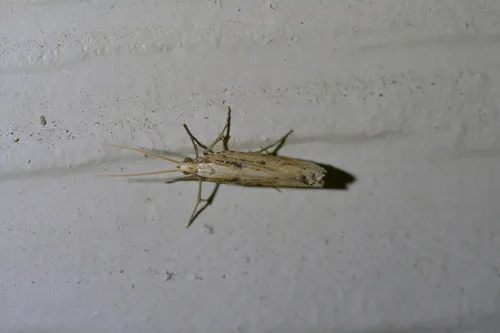
Orthenches chlorocoma
Orthenches chlorocoma
Orthenches chlorocoma is a moth of the family Plutellidae first described by Edward Meyrick in 1885. It is endemic to New Zealand and has been observed in the North and South Islands. The larvae of this species feed on native broom species in the gen
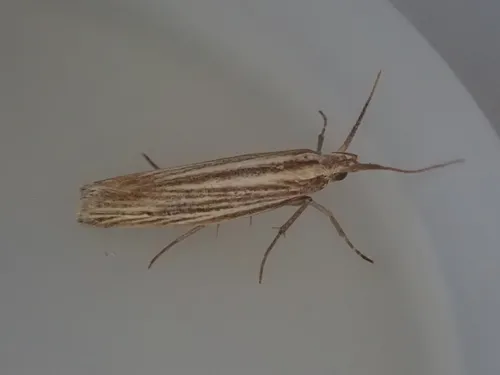
Phylacodes cauta
Phylacodes cauta
Phylacodes cauta is a moth of the family Plutellidae first described by Edward Meyrick in 1905. It is endemic to New Zealand.
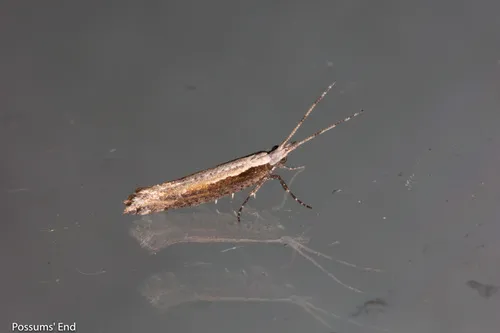
Plutella antiphona
Plutella antiphona
Plutella antiphona, also known as the diamondback moth, is a moth of the family Plutellidae first described by Edward Meyrick in 1901. It is endemic to New Zealand.
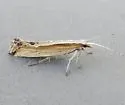
Plutella armoraciae - Hodges#2358
Plutella armoraciae
Identification: Busck original description is available online.
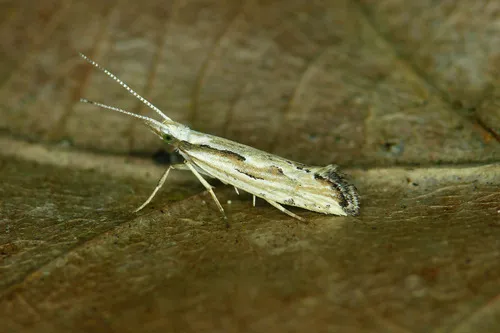
Plutella porrectella
Plutella porrectella
Wingspan 14 to 17 mm. This close relative of the familiar Diamond-back Moth (Plutella xylostella) is slightly larger and more striated in appearance. The antennae have three darkish rings toward the tip. It flies during May and again in July to Augus
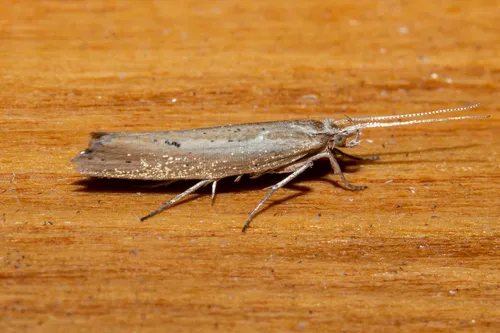
Plutella psammochroa
Plutella psammochroa
Plutella psammochroa is a moth of the family Plutellidae first described by Edward Meyrick in 1885. It is found in New Zealand. The classification of this moth within the genus Plutella is regarded as unsatisfactory and in need of revision. As such t
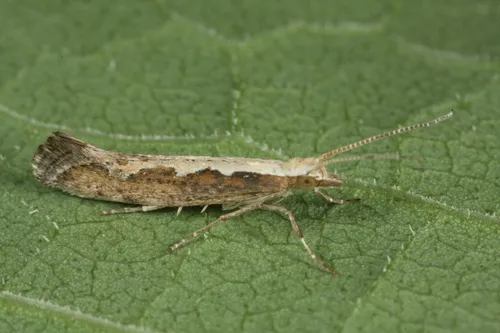
Diamond-back Moth
Plutella xylostella
Wingspan 13-15 mm. A distinctive moth with a "diamond" like pattern along the length of its back. In all types of habitat throughout the British Isles, becoming established under favourable conditions when occasionally reaching plague proportions on
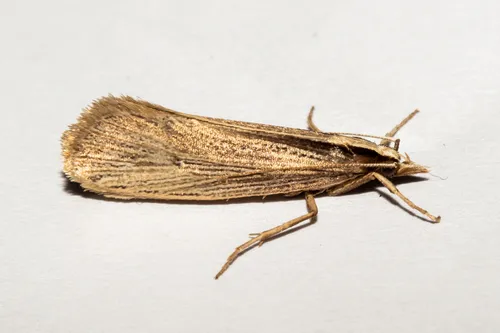
Proditrix megalynta
Proditrix megalynta
Proditrix megalynta is a species of moth in the family Glyphipterigidae first described by Edward Meyrick in 1915. It is endemic to New Zealand.
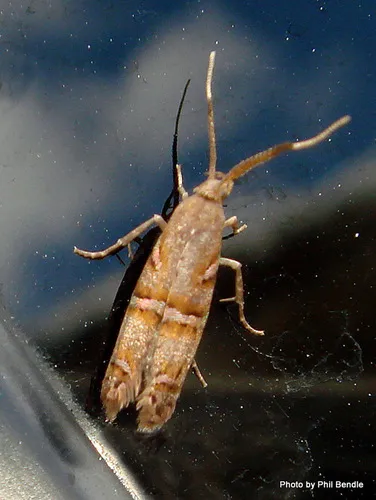
Blackhorn Moth
Protosynaema quaestuosa
Protosynaema quaestuosa is a species of moth in the family Plutellidae first described by Edward Meyrick in 1924. It is endemic to New Zealand.
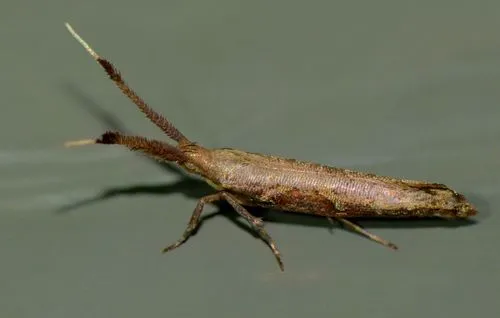
Protosynaema steropucha
Protosynaema steropucha
Protosynaema steropucha is a species of moth in the family Plutellidae first described by Edward Meyrick in 1885. It is endemic to New Zealand.
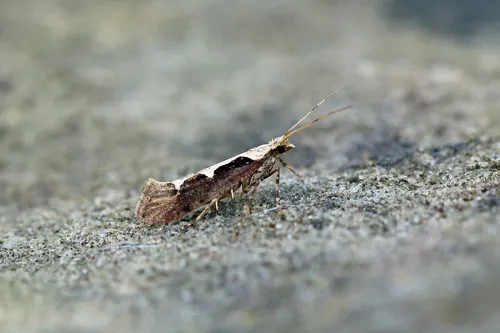
Scotch Smudge
Rhigognostis incarnatella
Rhigognostis incarnatella, the Scotch smudge, is a moth of the family Plutellidae. It was described by Steudel in 1873. It is found in most of Europe.
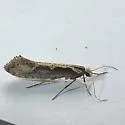
Rhigognostis poulella - Hodges#2364
Rhigognostis poulella
From Busck, A. 1904. Proceedings of the United States National Museum. 27 (1375): 753: "Antennae light fuscous. Labial palpi dark brown exteriorly, ochreous white on the inner side; tuft not large. Face whitish in the middle, brown along the sides. T
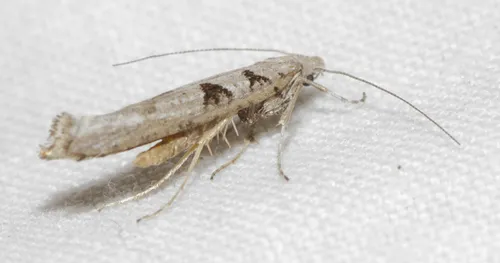
Distagmos ledereri
Distagmos ledereri
Eidophasia dammersi - Hodges#2359
Eidophasia dammersi
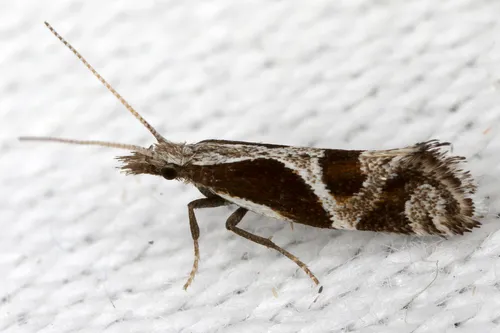
Eidophasia hufnagelii
Eidophasia hufnagelii
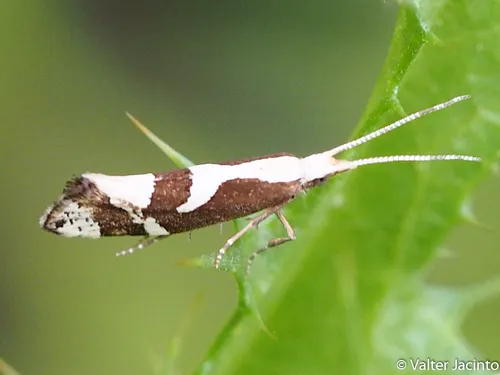
Eidophasia syenitella
Eidophasia syenitella
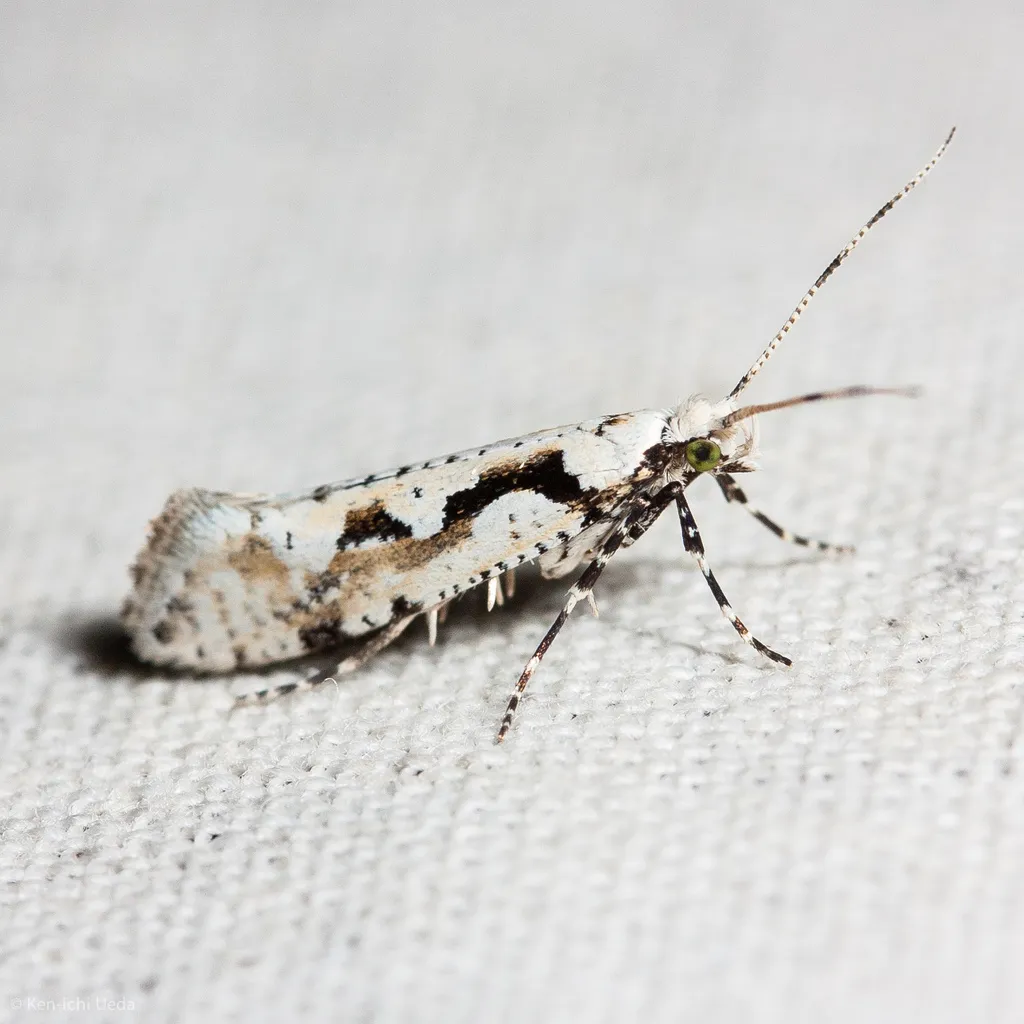
Rhigognostis interrupta - Hodges#2360
Rhigognostis interrupta