
Family Flat-bodied moths (Depressariidae)
Depressariidae is a family in the order Lepidoptera. Browse 103 named species recorded in this family, or open an individual profile for its available identification and natural-history information.
Species in Depressariidae (103)
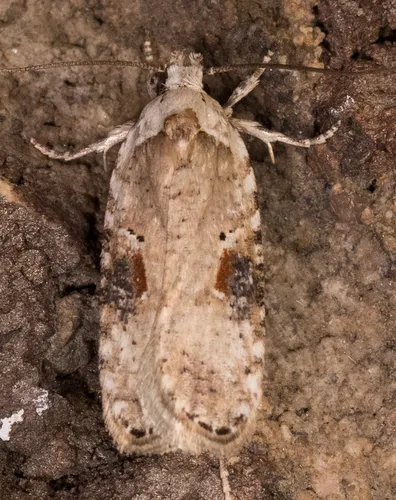
Poison hemlock moth
Agonopterix alstroemeriana
The hemlock moth (Agonopterix alstroemeriana), also known as the defoliating hemlock moth or poison hemlock moth, is a moth species of the family Depressariidae. Of Palaearctic origin, it was first found in North America in 1973 when it was accidenta
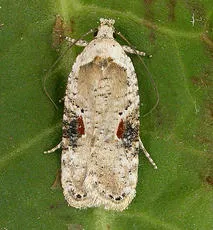
Agonopterix alstromeriana
Agonopterix alstromeriana
Wingspan 17-20 mm. Fairly unmistakable combination of large black costal blotch with adjacent rusty red elongate mark and prominent apical dots. Areas where foodplant (Hemlock) is found including roadsides, waste ground, marshes and river sides. The
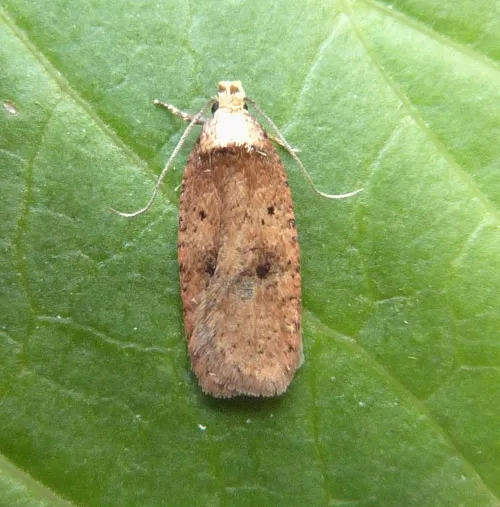
Agonopterix angelicella
Agonopterix angelicella
Wingspan 18 to 19 mm. The adults rest in a distinctive Depressariidae fashion, with one forewing almost completely overlapping the other. In areas where the larval foodplants are plentiful. Adults are found on the wing between August and September. T
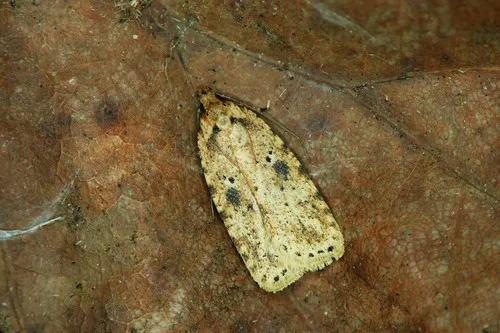
Agonopterix arenella
Agonopterix arenella
Wingspan 19 to 23 mm. The posture of this moth is typical of many of the Depressariinae which rest with flattened, overlapping wings. It is a nocturnal flier and is attracted to light. This species hatches in the autumn and spends the winter as an ad
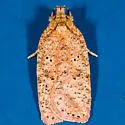
Agonopterix arnicella - Hodges#0879
Agonopterix arnicella
Agonopterix arnicella - Hodges#0879 (Agonopterix arnicella) is a species in the family Depressariidae, belonging to the order Lepidoptera (Butterflies and Moths). It is classified within the subfamily Depressariinae, superfamily Gelechioidea. This sp
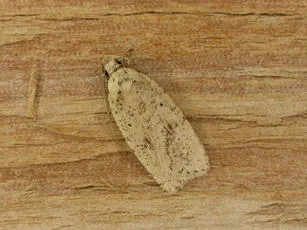
Agonopterix assimilella
Agonopterix assimilella
Wingspan 15 to 21 mm. The adults are rather similar to other Agonopterix species and can be difficult to determine without dissection. Areas where the larval foodplant is found. The adults of this species fly between April and June, and are sometimes
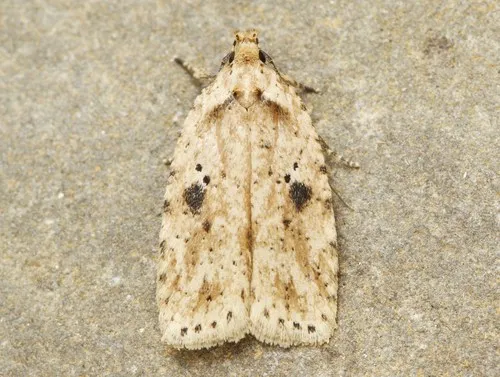
Canadian Agonopterix Moth
Agonopterix canadensis
Agonopterix canadensis, the Canadian agonopterix, is a moth of the Depressariidae family. It is found from the north-eastern United States and southern Canada, south through the Rocky Mountains to Colorado, the Basin Range and the mountains of centra

Agonopterix chrautis - Hodges#0871
Agonopterix chrautis
Identification: See key to Agonopterix species in Hodges (1974). Pristine reared individuals are vividly colored, whereas most flown moths appear comparatively faded, apparently because the dark scaling on the forewing is quickly worn off in the fiel
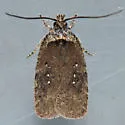
Agonopterix clemensella - Hodges#0862
Agonopterix clemensella
Identification: Chambers (1876) original description as Gelechia clemensella is available in the print references. Specimen identified by DNA analysis (BOLD). ( 3 )
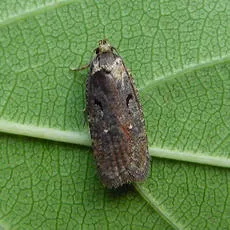
Agonopterix conterminella
Agonopterix conterminella
It is found on the wing in August and September. The larvae, which feed on Willow and eat away the terminal shoots during May and June. This moth occurs sporadically throughout England and southern Scotland. In the Butterfly Conservation's Microlepid
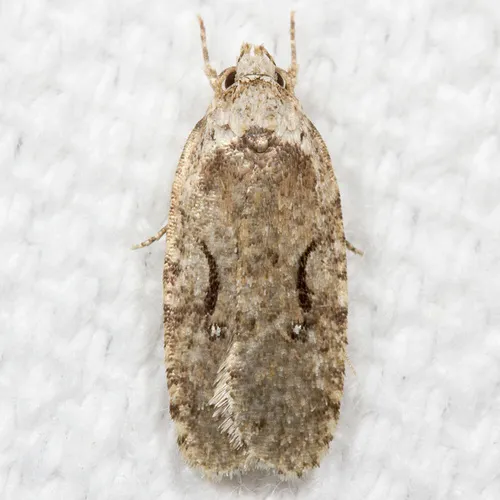
Curved-lined Agonopterix Moth
Agonopterix curvilineella
Agonopterix curvilineella, the curved-line agonopterix moth, is a moth in the Depressariidae family. It was described by William Beutenmüller in 1889. It is found in North America, where it has been recorded from Illinois, Indiana, Kentucky, Maine, M
Agonopterix fusciterminella - Hodges#0870
Agonopterix fusciterminella
Identification: Forewing has discal dot and subterminal dots.
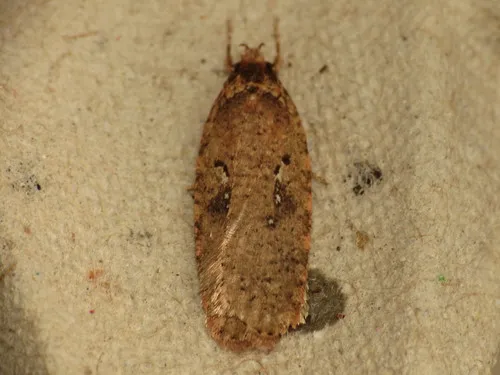
Agonopterix heracliana
Agonopterix heracliana
Wingspan 15 to 21 mm. Identification can be difficult but Agonopterix heracliana can generally be confirmed by checking the hindwing cilia lines, usually showing just one distinct line (with other faint lines possible). However dissection to confirm
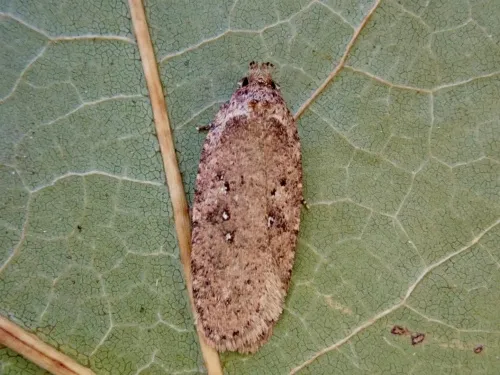
Agonopterix heracliana agg.
Agonopterix heracliana agg.
Agonopterix heracliana is one of a group of very similar looking species. Identification can be difficult. Confusion with Agonopterix ciliella is particularly likely. Separation of these two species is possible based on the hindwing (see individual s
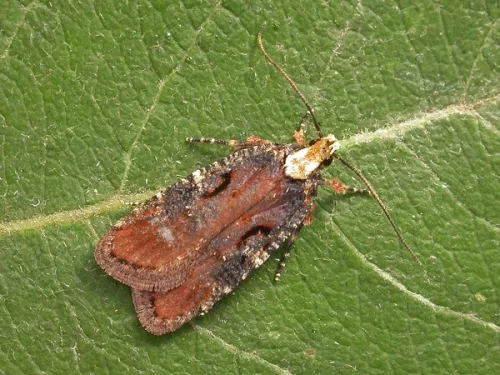
Agonopterix liturosa
Agonopterix liturosa
Wingspan 17 to 20 mm. One of the more distinctive Agonopterix species, with its combination of well-marked purplish-brown forewings and buffish thorax and head. Areas where the larval foodplant is common. The normal flight period for the adults is Ju
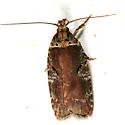
Agonopterix lythrella - Hodges#0857
Agonopterix lythrella
Identification: Confusion with Agonopterix walsinghamella on BugGuide has occurred for several years. The two species have several notable differences though: -Agonopterix walsinghamella has mostly gray scaling with some red and black scales on the t
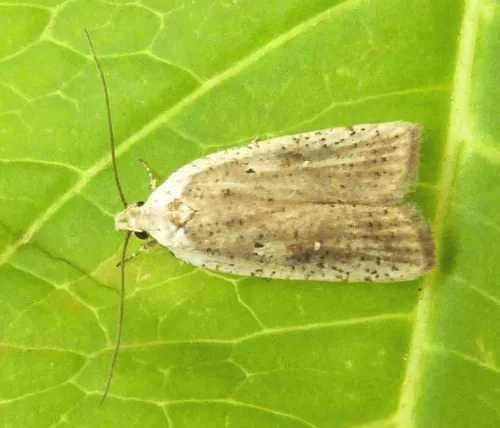
Agonopterix nervosa
Agonopterix nervosa
Wingspan 16 to 22 mm. The adults vary, but the forewing usually has a distinct whitish band curving from the base of the wing along nearly half of the costa. However, other species share this feature. Fresh adults often have noticeably pink or purpli
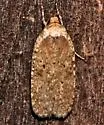
Agonopterix nigrinotella - Hodges#0868
Agonopterix nigrinotella
Identification: "The combination of bright ochreous scaling on the head, thorax, and base of forewing costa and the plain, medium-brown forewing speckled with many black scales, is diagnostic…" T. Harrison, pers. comm. 18 iv 2022
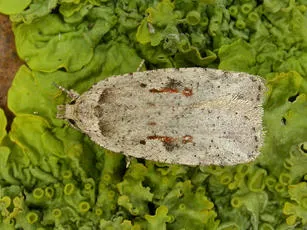
Agonopterix ocellana
Agonopterix ocellana
Wingspan 19 to 22 mm. This fairly distinctive Agonopterix is easily identified by the combination of rufous, black and white in the centre of the forewing. Overwinters as an adult, often being found in early spring as it awakes from hibernation. The
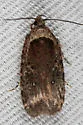
Agonopterix oregonensis - Hodges#0861
Agonopterix oregonensis
Identification: Large photo of pinned adult at University of California, Berkeley Specimen identified by DNA analysis (BOLD). ( 4 )
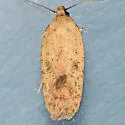
Agonopterix posticella - Hodges#0896
Agonopterix posticella
Identification: Clarke describes the adult, including genitalia.
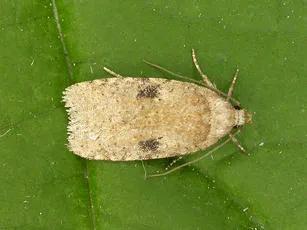
Agonopterix propinquella
Agonopterix propinquella
Areas where the larval foodplants are found. The adults emerge in a single generation in September, and hibernate through the winter, re-emerging in spring. The moth often comes to light. The eggs of this species are laid on a leaf of Creeping Thistl
Agonopterix pteleae - Hodges#0865
Agonopterix pteleae
Identification: Wings: Unmistakable rough, raised hair-like scales over wings (may be absent on over-wintered moths). Forewings light yellowish-brown, with patchy, mottled black and dark brown rough, raised scales. Base more whitish-yellow, outer bor
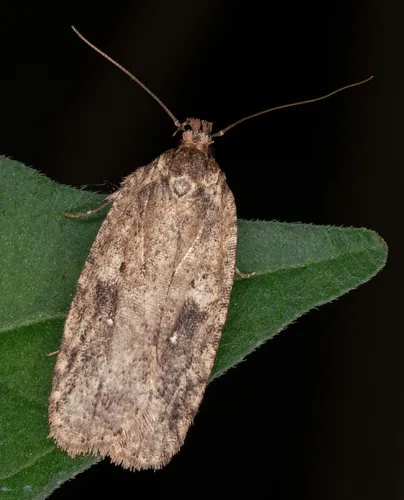
Goldenrod Leaffolder Moth
Agonopterix pulvipennella
Agonopterix pulvipennella is a moth of the Depressariidae family. It is found in North America, where it has been recorded from Quebec and New Brunswick to North Carolina, west to Colorado and north to Saskatchewan.
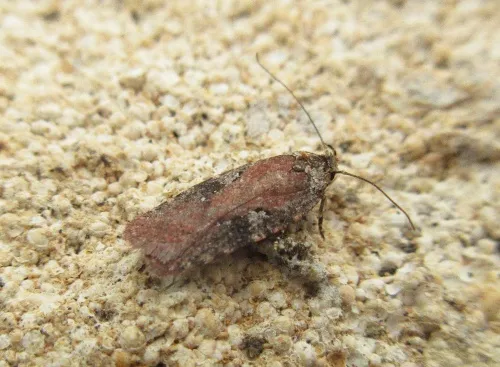
Agonopterix purpurea
Agonopterix purpurea
Wingspan 13 to15 mm. It is one of the smallest of the Agonopterix genus, but also one of the more distinctively coloured and patterned. This is a scarce species in our area – photographs are required to support records. Adults emerge from August, ove
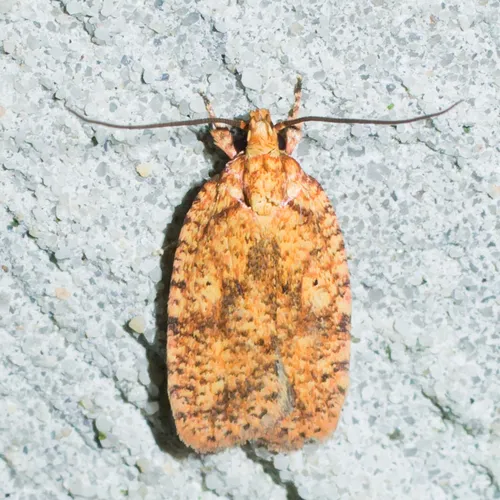
Four-dotted Agonopterix Moth
Agonopterix robiniella
Agonopterix robiniella, the four-dotted agonopterix moth or locust leaf roller, is a moth of the family Depressariidae. It is found in North America, where it has been recorded from Nova Scotia to Georgia, west to Oklahoma, north to Illinois, Michiga
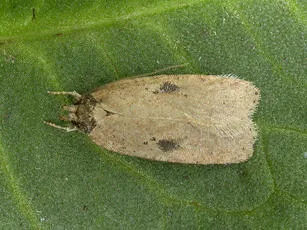
Agonopterix subpropinquella
Agonopterix subpropinquella
Wingspan 16 to 22 mm. It can be confused with other species such as A. propinquella, and is usually best identified by dissection. The form rhodochrella is more distinctive, with darker head and thorax, and more prominent wing markings. Areas where t
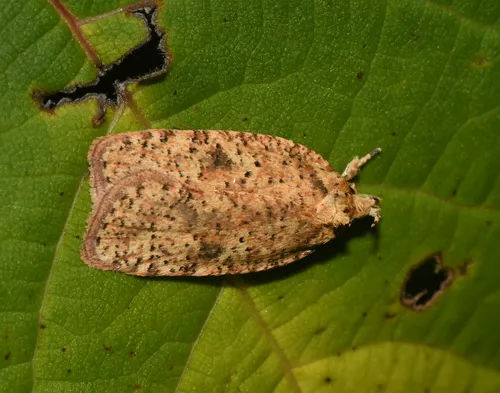
Thelma's Agonopterix Moth
Agonopterix thelmae
Thelma's agonopterix moth (Agonopterix thelmae) is a moth of the Depressariidae family. It is found in North America from New England to South Carolina, west to Kentucky and Illinois, north to Michigan and southern Ontario.
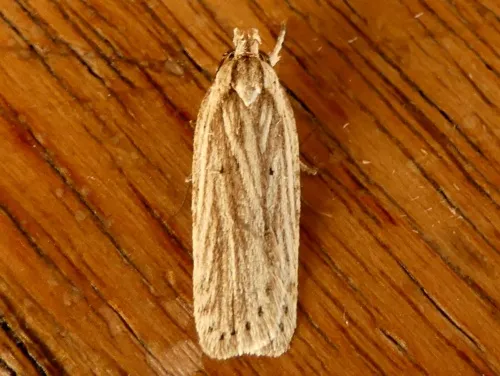
Agonopterix umbellana
Agonopterix umbellana
Wingspan about 21 mm. This species can resemble the more striated forms of A. nervosa, but has a more rounded termen, with a row of black dots and two brownish lines in the cilia. It also has a dark central line on the thorax. Unless identified by a
Walsingham's Agonopterix Moth - Hodges#0869
Agonopterix walsinghamella
Identification: Revised description by Clarke, 1942. Confusion with Agonopterix lythrella on BugGuide has occurred for several years. The two species have several notable differences though: -Agonopterix walsinghamella has mostly gray scaling with so
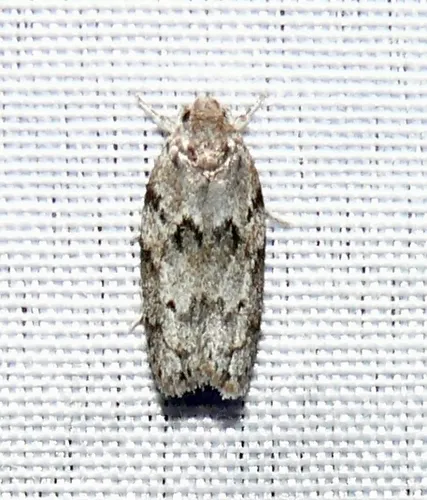
Dotted Antaeotricha Moth
Antaeotricha humilis
Antaeotricha humilis, the dotted anteotricha moth, is a moth in the Depressariidae family. It was described by Philipp Christoph Zeller in 1855. It is found in North America, where it has been recorded from Alabama, Arkansas, Florida, Georgia, Illino
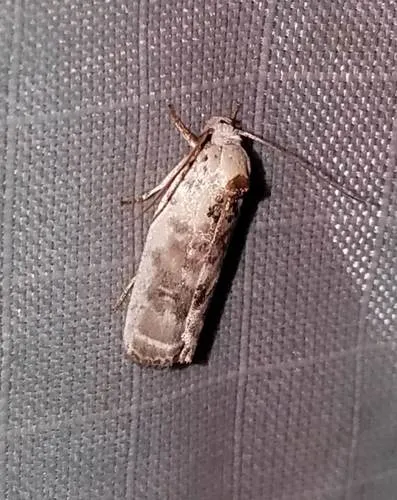
Pale Gray Bird-dropping Moth
Antaeotricha leucillana
Antaeotricha leucillana, the pale gray bird-dropping moth, is a moth in the Depressariidae family. It was described by Philipp Christoph Zeller in 1854. It is found in North America, where it has been recorded from New Hampshire, Massachusetts, New Y
Apachea barberella - Hodges#0947
Apachea barberella
Identification: Busck included a description of the adult. Clarke described the genitalia of both sexes and places in the new genus Apachea .
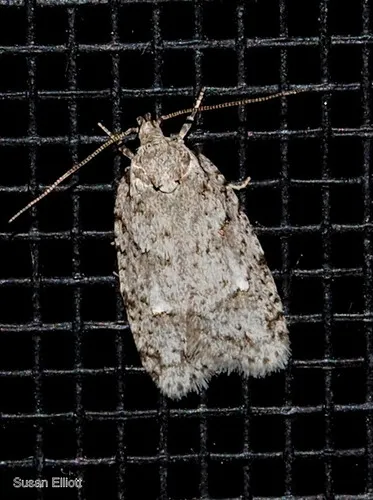
Bog Bibarrambla Moth
Bibarrambla allenella
Bibarrambla allenella, the bog bibarrambla moth, is a moth in the Depressariidae family, and the only species in the genus Bibarrambla. It was described by Walsingham in 1882. It is found in North America, where it has been recorded from Nova Scotia
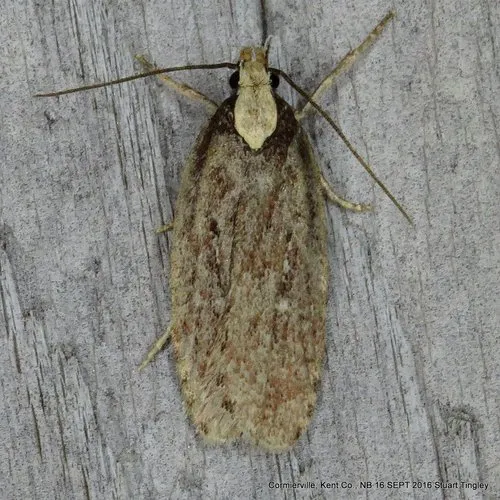
Depressaria alienella - Hodges#0926
Depressaria alienella
Identification: Adult: forewing dark brownish-gray with faint pale discal spot; indistinct blackish marks along outer half of costa, at base, and along main (cubital) vein of wing; hingwing pale gray with light brownish shading in outer half; top of
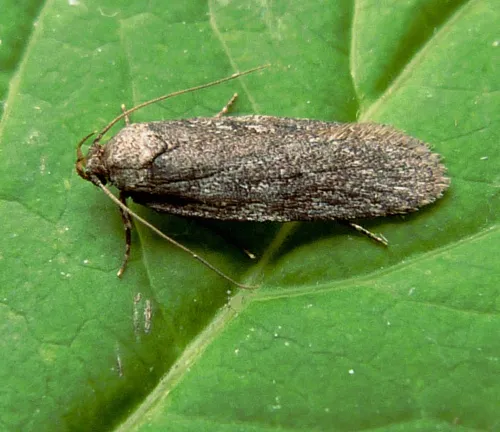
Depressaria badiella
Depressaria badiella
This species prefers dry, sandy or chalky ground. The adult moths fly in a single generation between July and September, and come to light. The larvae occur from May to July and feed on Cat's ear (Hypochoeris radicata), Perennial Sow-thistle (Sonchus
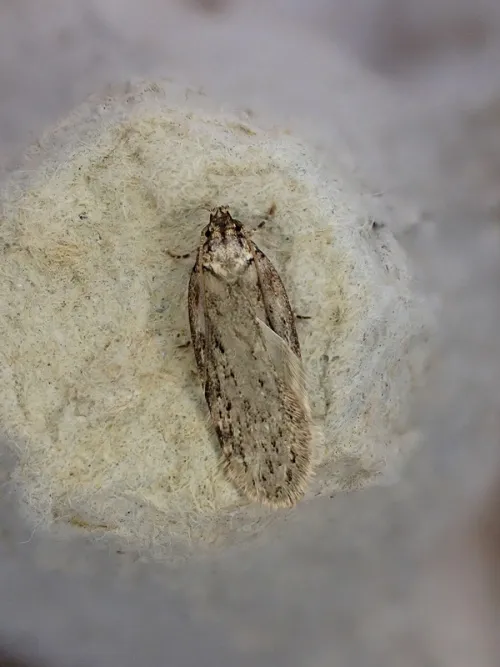
Depressaria chaerophylli
Depressaria chaerophylli
Wingspan 19 to 22 mm. A well-marked member of the Depressariinae. Fresh, well-marked specimens may be identifiable from a good photograph, but worn individuals may need to be confirmed by reference to the genitalia. For adults, a photo is required an
Depressaria cinereocostella - Hodges#0921
Depressaria cinereocostella
Identification: Similar to Depressaria radiella but: "Side-by-side the moths are fairly easy to separate. Depressaria cinereocostella is much smaller and has conspicuous silvery-gray scaling, esp. along the costa (hence the name) as well as the head/
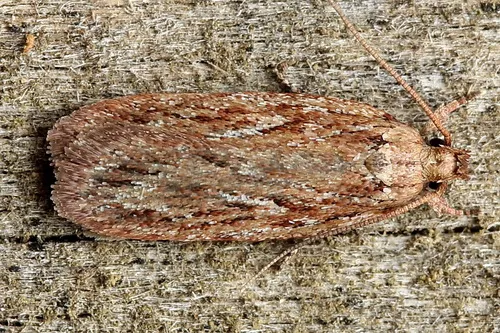
Dingy Flat-body
Depressaria daucella
Depressaria daucella is a moth of the Depressariidae family. It is found in most of Europe, except most of the Balkan Peninsula. It is also found in North America.
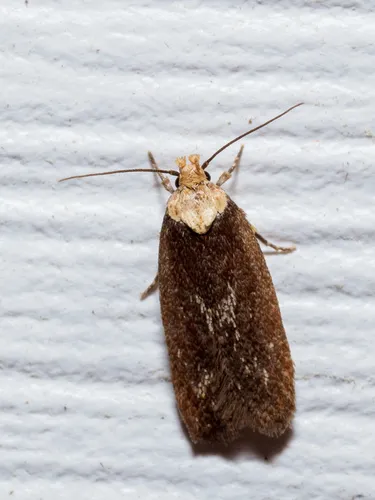
Purple Carrot-seed Moth
Depressaria depressana
Blunt’s flat-body or purple carrot-seed moth (Depressaria depressana) is a moth of the Depressariidae family. It is found in most of Europe. It is also found in the Near East, North Africa, the eastern part of the Palearctic ecozone and since 2009 in
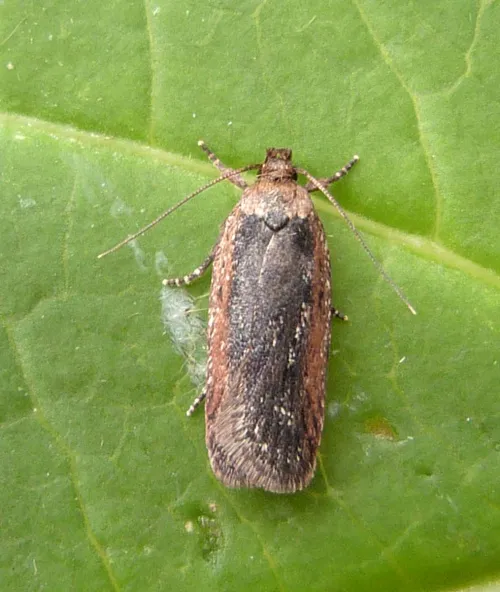
Depressaria pimpinellae
Depressaria pimpinellae
Wingspan about 18mm. This species is rather similar to a number of other, more common species in the sub family Depressariinae and detailed examination by an expert is necessary. Areas where the larval food plants are found. Adult moths generally eme
Depressaria ultimella
Depressaria ultimella
Wingspan 16 to 21 mm. The adults are similar to D. daucella but the larval stages are quite different. Wet places, often near ditches and small streams. The flight period is from August, overwintering and reappearing the following spring. The main la
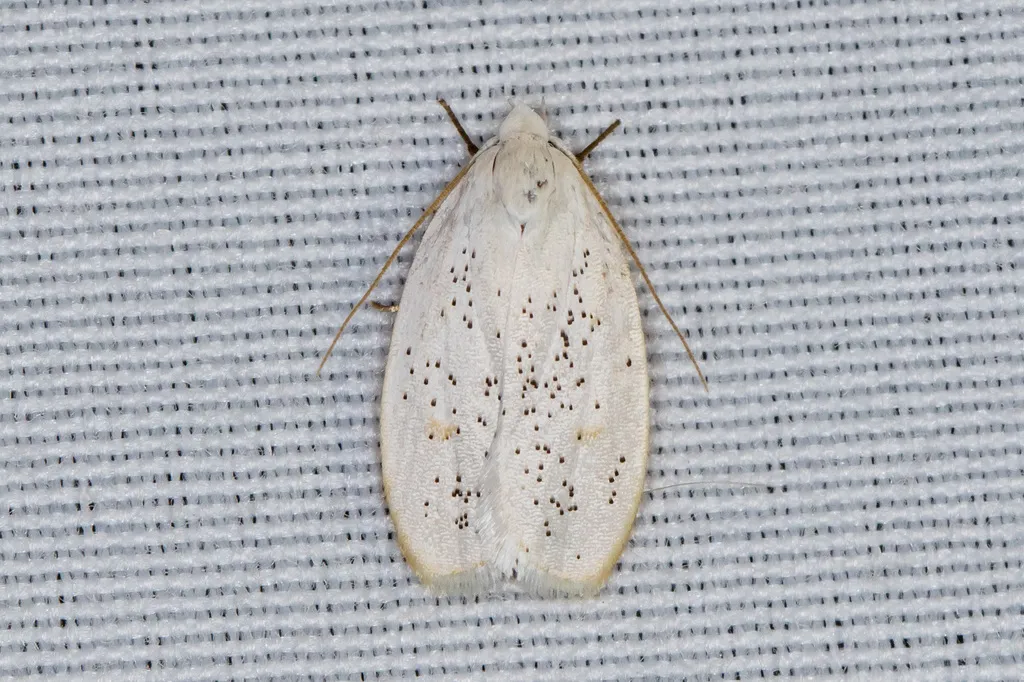
Durrantia piperatella - Hodges#1010
Durrantia piperatella
Identification: D. piperatella may be immaculate or have dark macules on the dorsal forewing. (Ed Knudson, pers. comm. 2012)
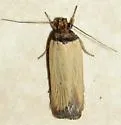
Ambrosia Seed Moth - Hodges#0902
Exaeretia gracilis
Identification: Adult - distinctive, pale yellow tan with base and prothorax dark brown. Larva - dark, almost black.
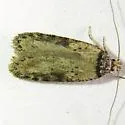
Exaeretia umbraticostella - Hodges#0900
Exaeretia umbraticostella
Identification: Adult - see original description and Clarke re-description. ,
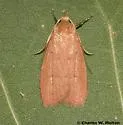
Himmacia huachucella - Hodges#0948
Himmacia huachucella
Identification: Busck original description as Cryptolechia huachucella is online in the print references. Powell & Opler described the adults a bright to pale rust rose-colored.
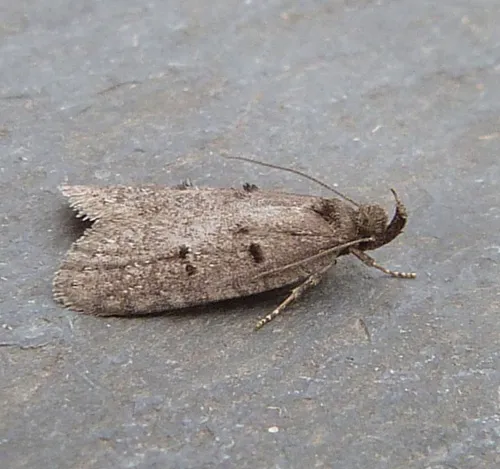
Luquetia lobella
Luquetia lobella
This species occupies a range of woodland and scrubland habitats. The nocturnal adults are on the wing during June. The larvae feed on Blackthorn during autumn and pupate in a silken cocoon amongst leaf-litter. The winter is spent as a pupa. Distribu
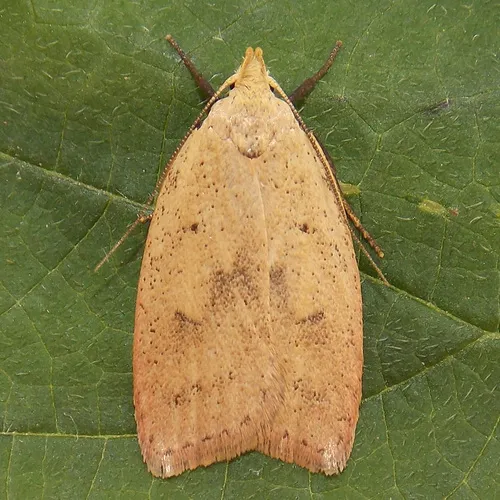
Gold-striped Leaftier Moth
Machimia tentoriferella
The gold-striped leaftier moth (Machimia tentoriferella) is a moth of the Depressariidae family. It is found in North America from Nova Scotia to North Carolina and Tennessee, west to Mississippi and Iowa, north to Ontario.
Machimia trigama - Hodges#0952
Machimia trigama
Identification: The original description as Cryptolechia trigama Meyrick, is available online in the print references below.
Black-fringed Psilocorsis - Hodges#0956
Psilocorsis cryptolechiella
Identification: Adult : FW is usually paler orange or yellow than Psilocorsis quercicella , but with several thin, dark gray to brown transverse lines (not blotches). Adterminal line runs only halfway from costa to anal angle. Fringe darker gray or
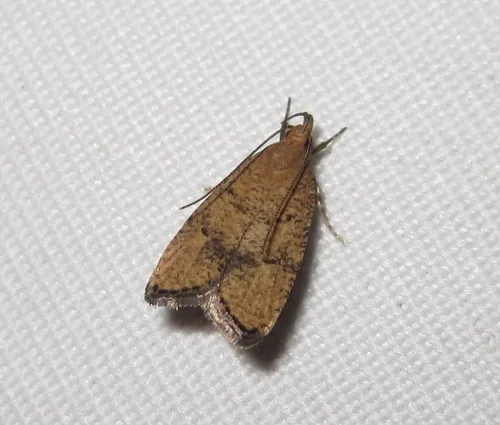
Oak Leaftier Moth
Psilocorsis quercicella
The oak leaftier moth or oak leaf-tying psilocorsis moth (Psilocorsis quercicella) is a species of moth of the Depressariidae family. It is found in the United States, including Florida, Maryland, Massachusetts and Oklahoma.
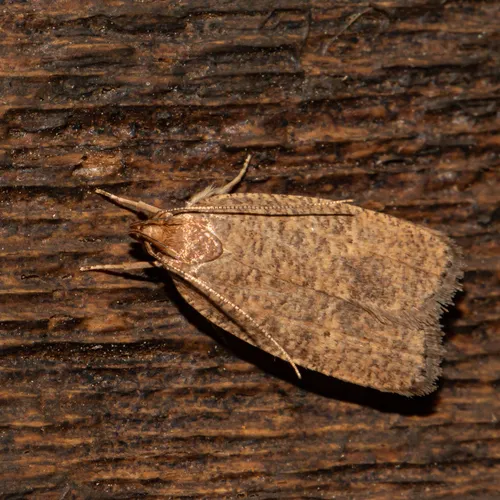
Dotted Leaftier Moth
Psilocorsis reflexella
The dotted leaftier moth (Psilocorsis reflexella) is a species of moth of the Depressariidae family. It is found in North America, including Georgia, Illinois, New Jersey, New York, Oklahoma and Tennessee.
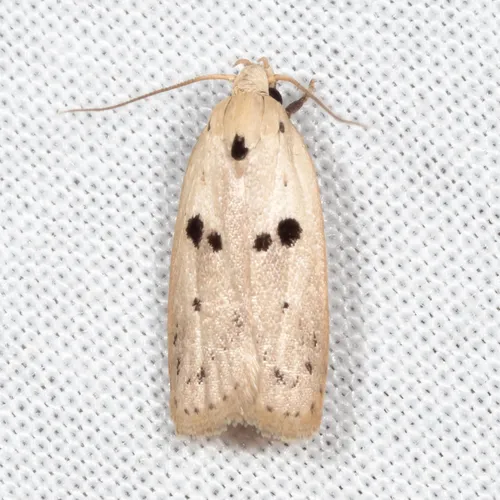
Scythropiodes issikii - Hodges#1066.1
Scythropiodes issikii
Identification: Genitalia: Family assignment of this species is based on the Gelechioidea phylogeny of Heikkilä et al. , in which the congeneric Scythropiodes malivora was placed in Depressariidae. This placement is supported by Sohn et al. . Wang &
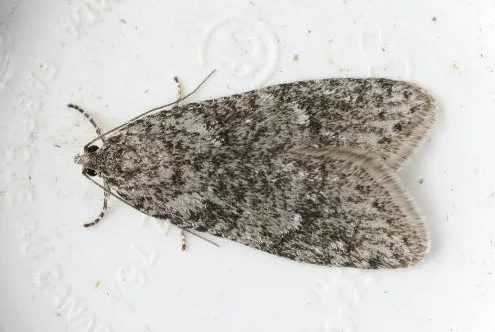
Poplar Micromoth
Semioscopis inornata
The dull flatbody moth (Semioscopis inornata) is a species of moth of the Depressariidae family. It was described by Walsingham in 1882. It is found throughout Canada and northern United States.
Semioscopis mcdunnoughi - Hodges#0917
Semioscopis mcdunnoughi
Identification: Clarke original description is available online and in PDF. Determined by dissection of this specimen by Greg Pohl. Genitalia:
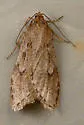
Semioscopis megamicrella - Hodges#0915
Semioscopis megamicrella
Identification: Adult: forewing variably pale brown to dark grayish-brown with fine speckling; subterminal and terminal lines composed of several black spots; reniform spot a small black arc, with dark shading immediately beyond it; two or three dark
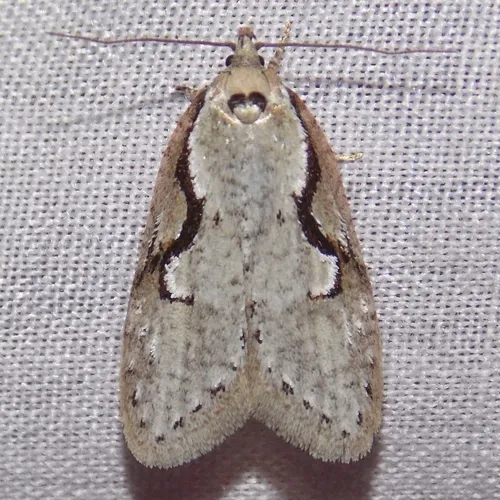
Packard's Concealer Moth
Semioscopis packardella
Packard's concealer moth or Packard's flatbody moth (Semioscopis packardella) is a species of moth of the Depressariidae family. It was described by James Brackenridge Clemens in 1863. It is found in North America in central Alberta, southern Quebec,
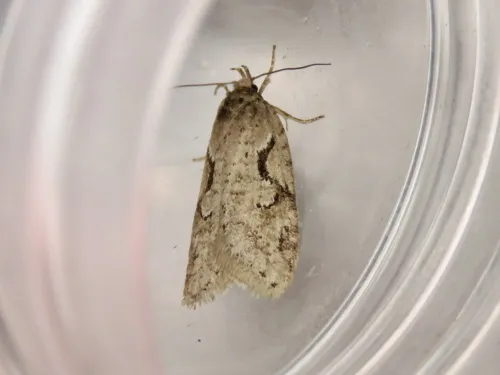
Semioscopis steinkellneriana
Semioscopis steinkellneriana
Wingspan 22 mm. The distinctive wing markings make this one of the easier species to identify. This species flies very early in the morning, around sunrise. The adults are on the wing during April. The larvae feed on Blackthorn and Hawthorn. Widely b
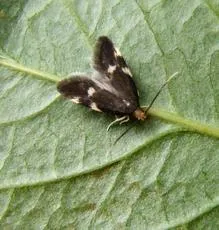
Telechrysis tripuncta
Telechrysis tripuncta
Wingspan about 12 mm. It has three pale, evenly-spaced spots on each dark forewing, white tipped antennae and an orangey-yellow head. Adult moths are on the wing in May and June, flying around twilight time. The feeding habits are relatively unknown,
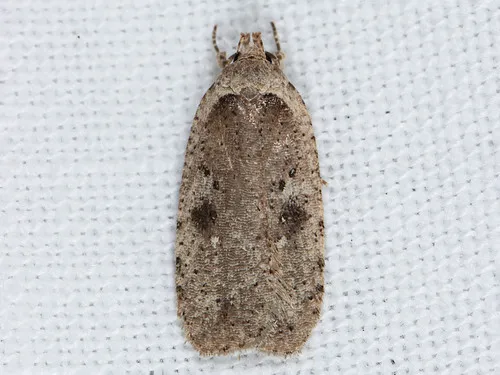
Agonopterix argillacea - Hodges#0889
Agonopterix argillacea
Agonopterix atrodorsella - Hodges#0864
Agonopterix atrodorsella
Agonopterix cajonensis - Hodges#0874
Agonopterix cajonensis
Agonopterix clarkei - Hodges#0863
Agonopterix clarkei
Agonopterix costimacula - Hodges#0868.1
Agonopterix costimacula
Agonopterix cratia - Hodges#0883
Agonopterix cratia
Agonopterix dammersi - Hodges#0873
Agonopterix dammersi
Agonopterix dimorphella - Hodges#0887
Agonopterix dimorphella
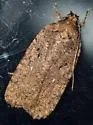
Agonopterix eupatoriiella - Hodges#0866
Agonopterix eupatoriiella
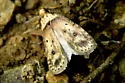
Agonopterix flavicomella - Hodges#0880
Agonopterix flavicomella
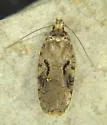
Agonopterix hyperella - Hodges#0856
Agonopterix hyperella
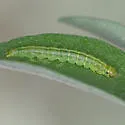
Agonopterix lecontella - Hodges#0886
Agonopterix lecontella
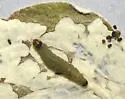
Agonopterix nebulosa - Hodges#0894
Agonopterix nebulosa
Agonopterix nubiferella - Hodges#0858
Agonopterix nubiferella
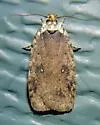
Agonopterix paulae - Hodges#0868.2
Agonopterix paulae
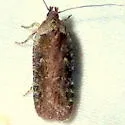
Agonopterix psoraliella - Hodges#0891
Agonopterix psoraliella
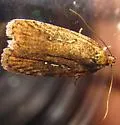
Agonopterix rosaciliella - Hodges#0876
Agonopterix rosaciliella
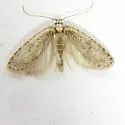
Agonopterix sabulella - Hodges#0872
Agonopterix sabulella
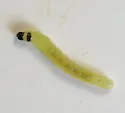
Agonopterix senicionella - Hodges#0881
Agonopterix senicionella
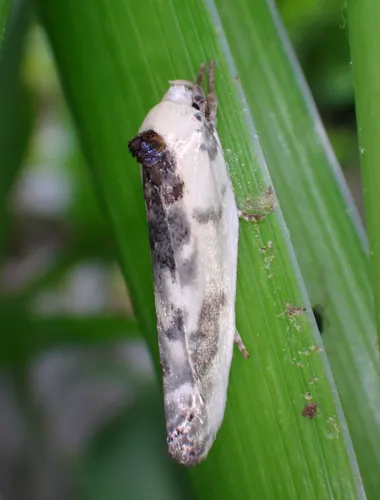
Schlaeger's Fruitworm Moth
Antaeotricha schlaegeri
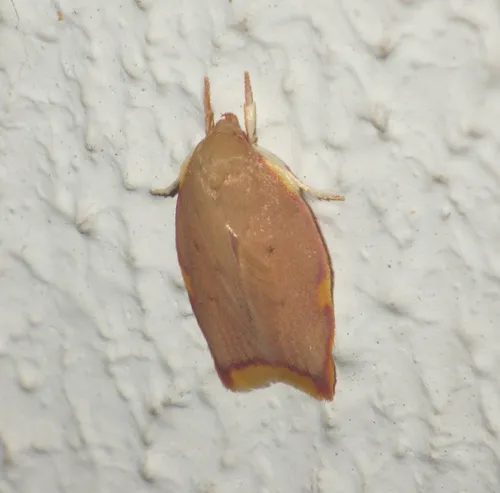
Carcina ingridmariae
Carcina ingridmariae
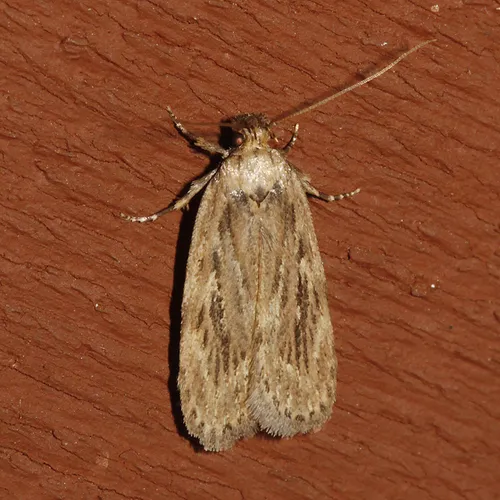
Parsnip Webworm Moth
Depressaria radiella
Eupragia hospita - Hodges#0953
Eupragia hospita
Exaeretia canella - Hodges#0899
Exaeretia canella
Exaeretia ciniflonella - Hodges#0908
Exaeretia ciniflonella
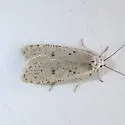
Exaeretia nivalis - Hodges#0906
Exaeretia nivalis
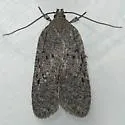
Exaeretia scabella - Hodges#0909
Exaeretia scabella
Exaeretia sordidella - Hodges#0901
Exaeretia sordidella
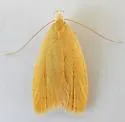
Himmacia stratia - Hodges#0949
Himmacia stratia
Nites atrocapitella - Hodges#0943
Nites atrocapitella
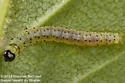
Black-dotted Birch Leaftier Moth - Hodges#0944
Nites betulella
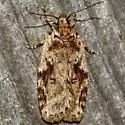
Nites maculatella - Hodges#0945
Nites maculatella
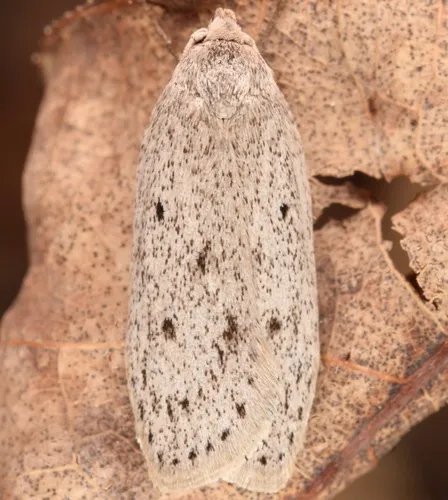
Pseuderotis obiterella - Hodges#1009
Pseuderotis obiterella
Psilocorsis amydra - Hodges#0958
Psilocorsis amydra
Psilocorsis cirrhoptera - Hodges#0960
Psilocorsis cirrhoptera
Psilocorsis fatula - Hodges#0959.1
Psilocorsis fatula
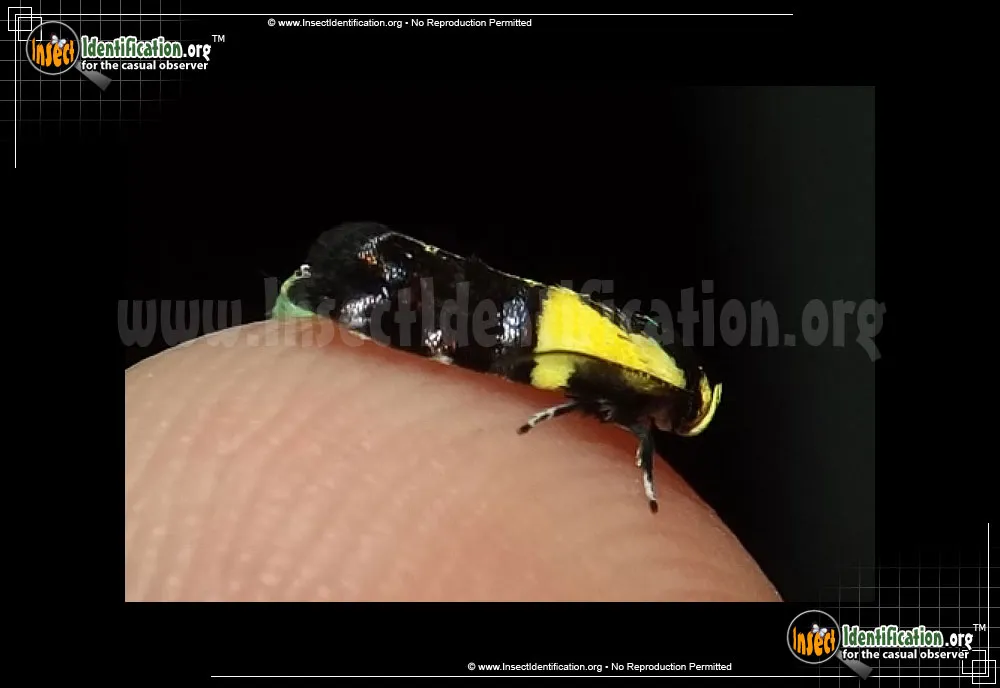
Yellow-vested Moth
Rectiostoma xanthobasis
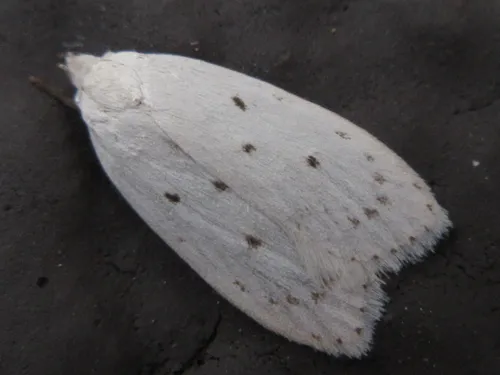
Scythropiodes approximans
Scythropiodes approximans
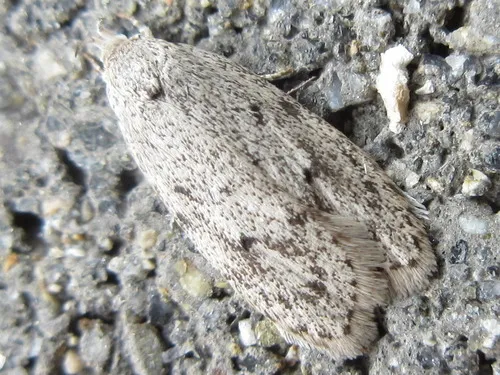
Scythropiodes hamatellus
Scythropiodes hamatellus
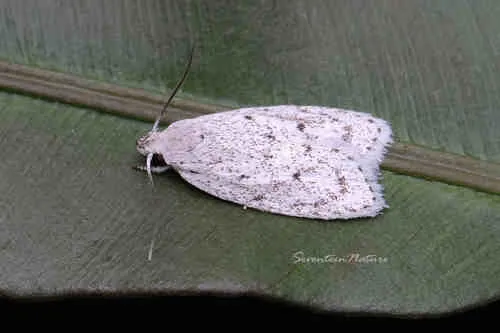
Scythropiodes leucostola
Scythropiodes leucostola
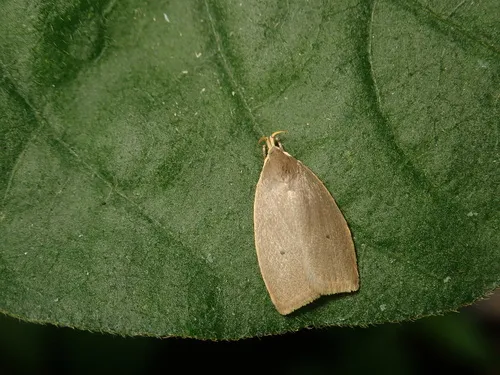
Scythropiodes lividula
Scythropiodes lividula