
Family Sedge and False Diamondback Moths (Glyphipterigidae)
Glyphipterigidae is a family in the order Lepidoptera. Browse 36 named species recorded in this family, or open an individual profile for its available identification and natural-history information.
Species in Glyphipterigidae (36)
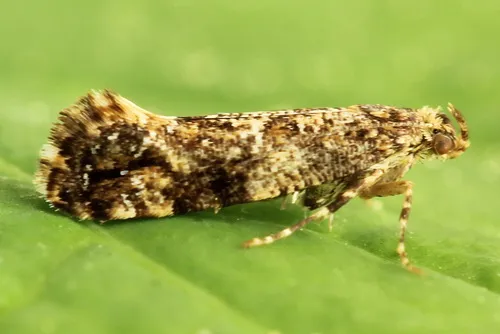
Acrolepia autumnitella
Acrolepia autumnitella
Wingspan 11-13 mm. A small inconspicuous species with brown wings that have a white patterning. The larva mines the leaves of Bittersweet or occasionally Deadly Nightshade. Various habitats especially those supporting the larval foodplant Bittersweet
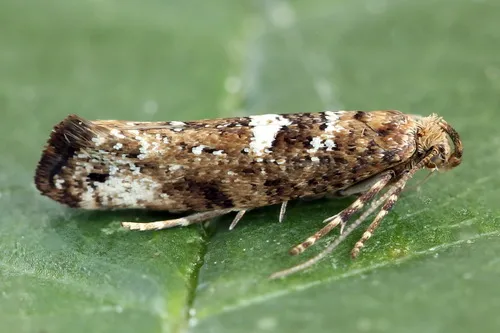
Leek Moth
Acrolepiopsis assectella
Wingspan about 12 mm. A small brown species with a distinctive dorsal white blotch. The larvae initially mine the leaves of Allium species (onions, leek, garlic etc.). Acrolepiopsis betulella is very similar. adult: detailed examination of a specimen
Acrolepiopsis heppneri - Hodges#2490.1
Acrolepiopsis heppneri
Identification: Genitalia: One of two univoltine species of Acrolepiopsis that feed on Smilax tamnoides in Illinois. Unlike A. incertella , which occurs as a larva in early May (central Illinois), the larva of A. heppneri feeds in late summer and ear
Carrionflower Moth - Hodges#2490
Acrolepiopsis incertella
Identification: Adult: forewing slender, grayish-brown with reddish iridescence and small white triangular patch part-way along inner margin; distinct notch part-way along outer margin; hindwing brownish-gray, paler than forewing, with dark veins and
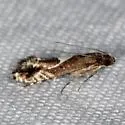
Diploschizia habecki - Hodges#2345.4
Diploschizia habecki
Identification: According to Heppner's 1985 revision , "The very broad base of the forewing dorsal margin crescent, with the slender distal point, is characteristic of the species."
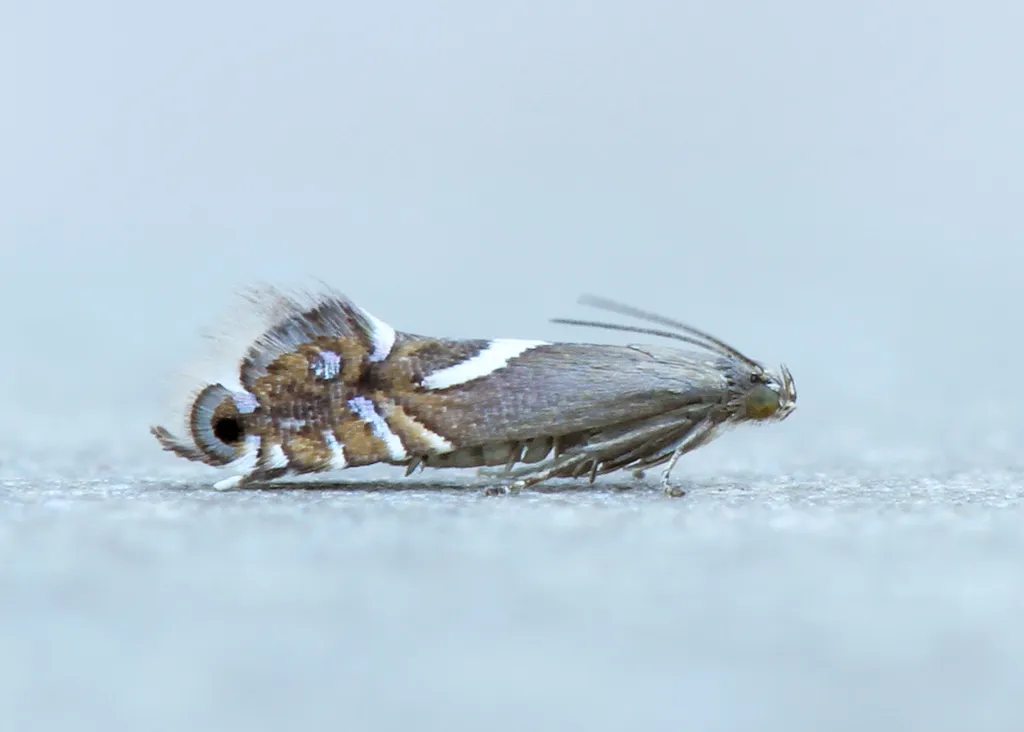
Yellow Nutsedge Moth - Hodges#2346
Diploschizia impigritella
Identification: Adult: a tiny moth - forewing black to dark reddish-brown with five white crescents along costal margin, and large crescent at mid-point of inner margin; hindwing dark gray with long hair-like fringe scales; lacks vein M3 Genitalia:
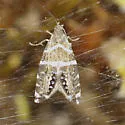
Glyphipterix bifasciata - Hodges#2339
Glyphipterix bifasciata
Identification: Forewing basal half has two white bands fully crossing the wing and three white subapical chevron shaped patches at the coastal margin. (distinctive) Large photo of pinned adult at University of California, Berkeley Diurnal but adults
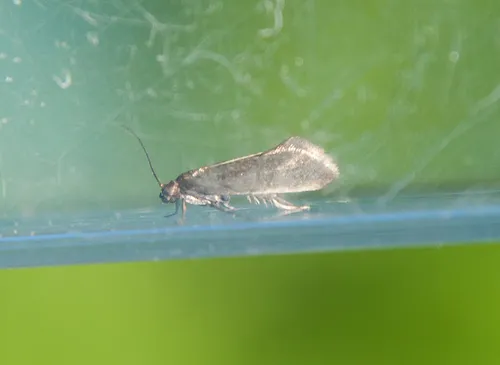
Glyphipterix fuscoviridella
Glyphipterix fuscoviridella
Wingspan 10 to16 mm. A relatively plain pale buff species with a slight metallic sheen. It occupies dry grassland habitats and flower meadows, especially where the larval foodplant is present. A day flying species that can be found on the wing in May
Glyphipterix saurodonta - Hodges#2343
Glyphipterix saurodonta
Identification: See original description in print references below .
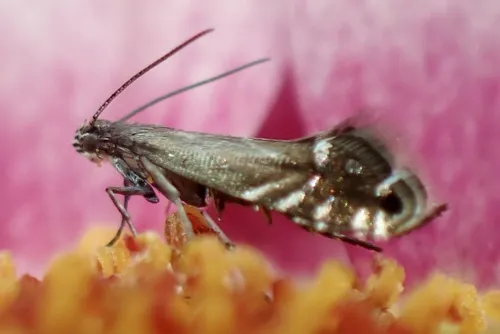
Cocksfoot Moth
Glyphipterix simpliciella
Wingspan 6-9 mm. The moths are tiny (3 or 4 mm long) and are easily overlooked but when inspected closely can be seen slowly 'pumping' their wings slightly open and closed. Flower meadows, especially those rich with Buttercups. It can be found in goo
Glyphipterix sistes - Hodges#2341.1
Glyphipterix sistes
Identification: Specimen identified by DNA analysis:
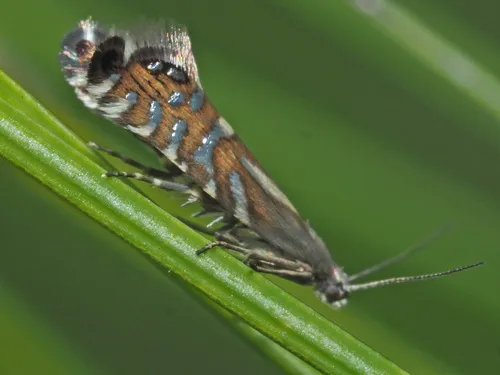
Glyphipterix thrasonella
Glyphipterix thrasonella
Wingspan 11-15 mm. A rather distinctive species of Glyphipterix, with its silver and black markings against a bronzy forewing and peculiarly indented termen. Aquatic habitats, wetland and marshy areas where Juncus species are present. The moths can b
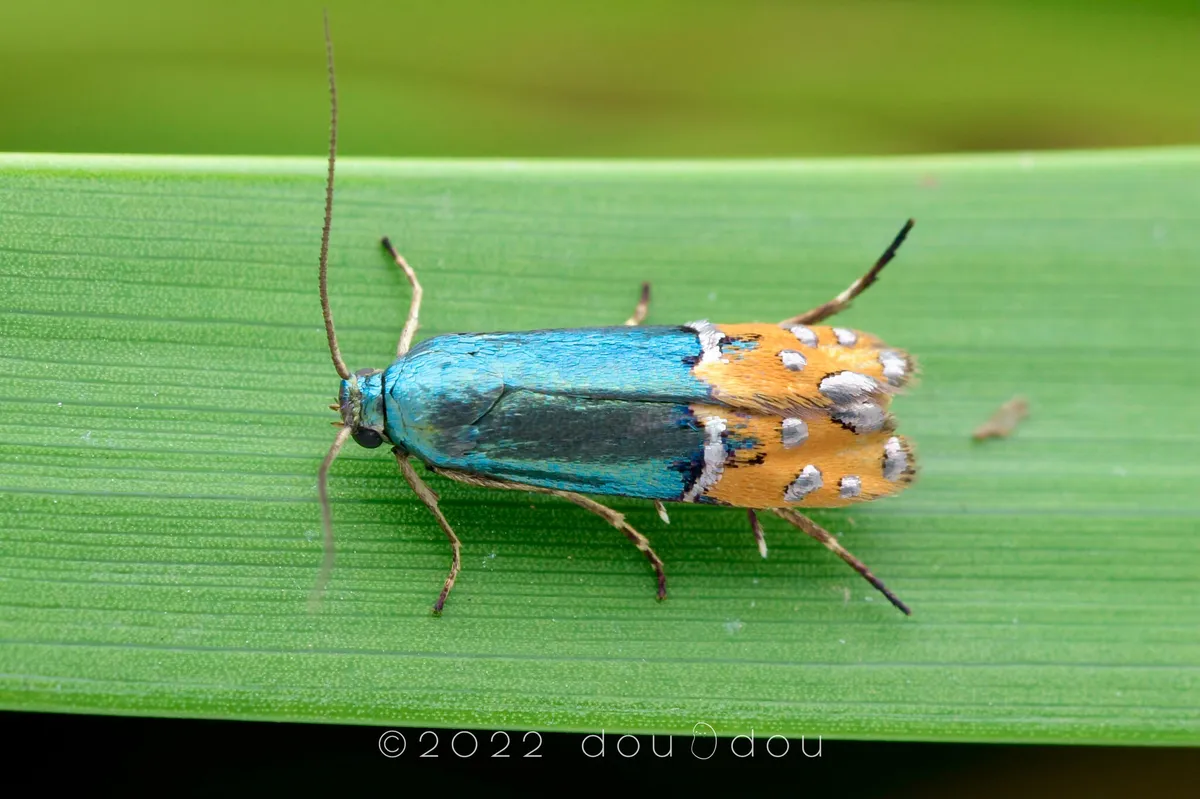
Lepidotarphius perornatella - Hodges#2346.5
Lepidotarphius perornatella
Identification: " Lepidotarphius perornatella can be easily distinguished from any other described species of North American micromoth by the metallic blue-green coloration of the head, thorax and basal three-fifths of the forewings, and the bright o
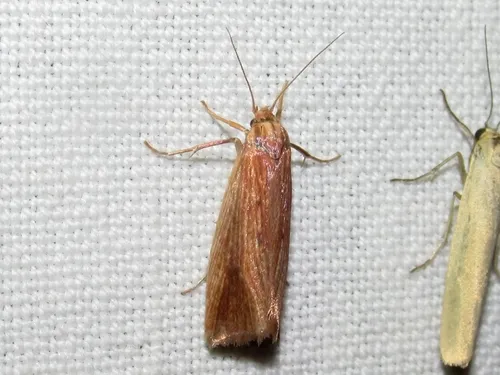
Orthotelia sparganella
Orthotelia sparganella
Wingspan 20 to 28 mm. A fairly distinctive species, with a rather tent like body shape and with an ochreous or brownish wing colour that usually has noticeably paler venation and a faint row of darker dots near the dorsal edge of the wing. The larvae
Abrenthia cuprea - Hodges#2336
Abrenthia cuprea
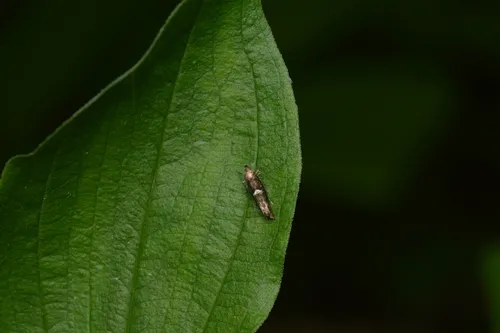
Acrolepiopsis californica - Hodges#2490.2
Acrolepiopsis californica
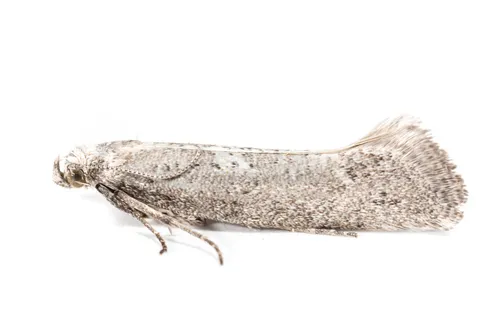
Acrolepiopsis leucoscia - Hodges#2491
Acrolepiopsis leucoscia
Acrolepiopsis reticulosa - Hodges#2492
Acrolepiopsis reticulosa
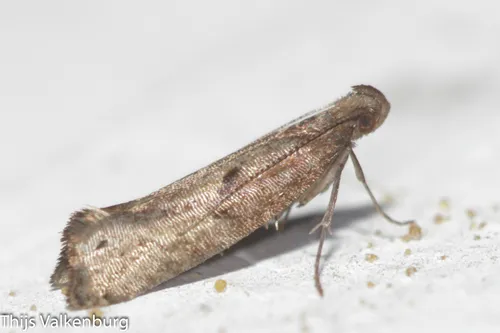
Acrolepiopsis vesperella
Acrolepiopsis vesperella
Digitivalva clarkei - Hodges#2489.1
Digitivalva clarkei
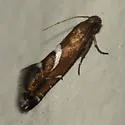
Diploschizia lanista - Hodges#2345
Diploschizia lanista
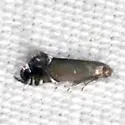
Diploschizia minimella - Hodges#2345.1
Diploschizia minimella
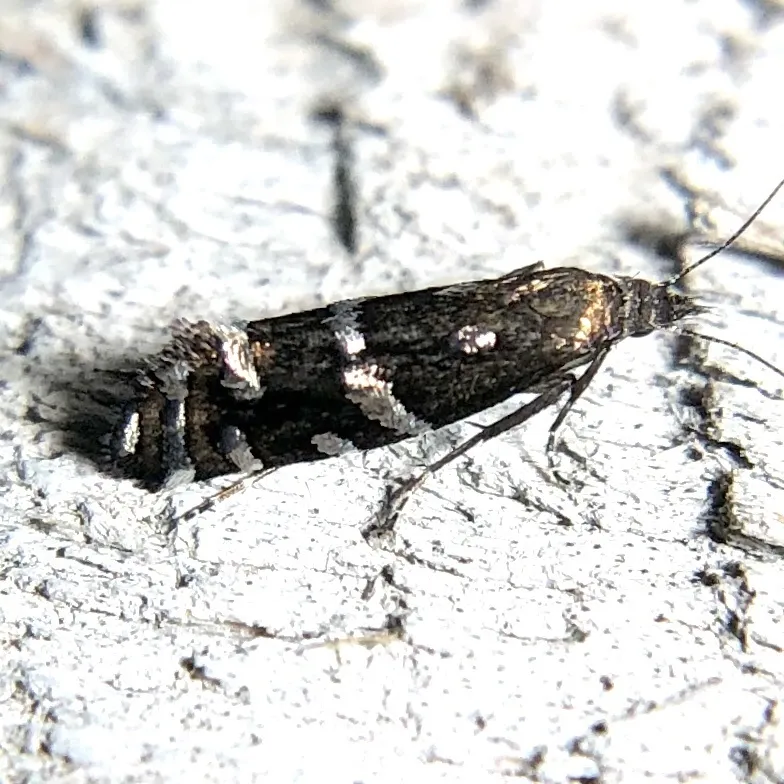
Drymoana blanchardi - Hodges#2336.2
Drymoana blanchardi
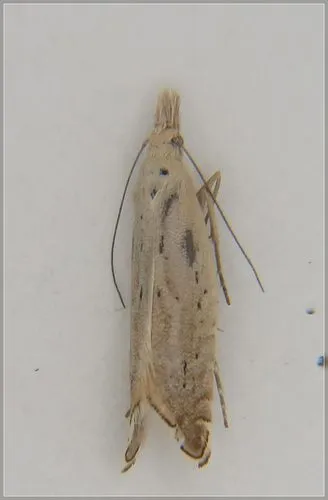
Cocksfoot stem borer
Glyphipterix achlyoessa
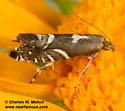
Glyphipterix arizonensis - Hodges#2342.4
Glyphipterix arizonensis
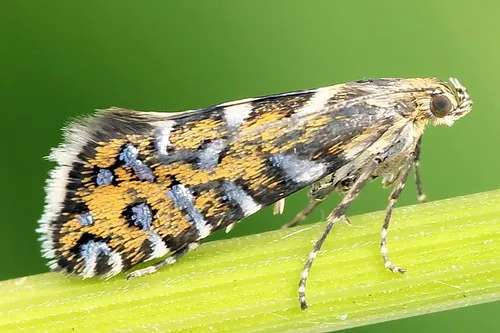
Glyphipterix bergstraesserella
Glyphipterix bergstraesserella
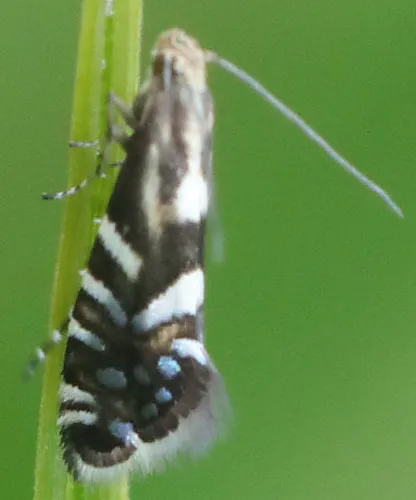
Glyphipterix californiae - Hodges#2342
Glyphipterix californiae
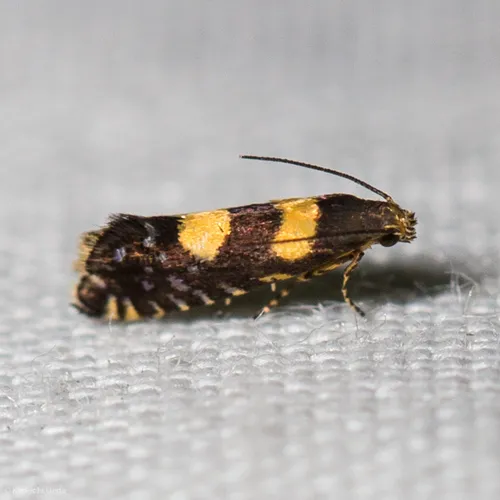
Glyphipterix chrysoplanetis
Glyphipterix chrysoplanetis
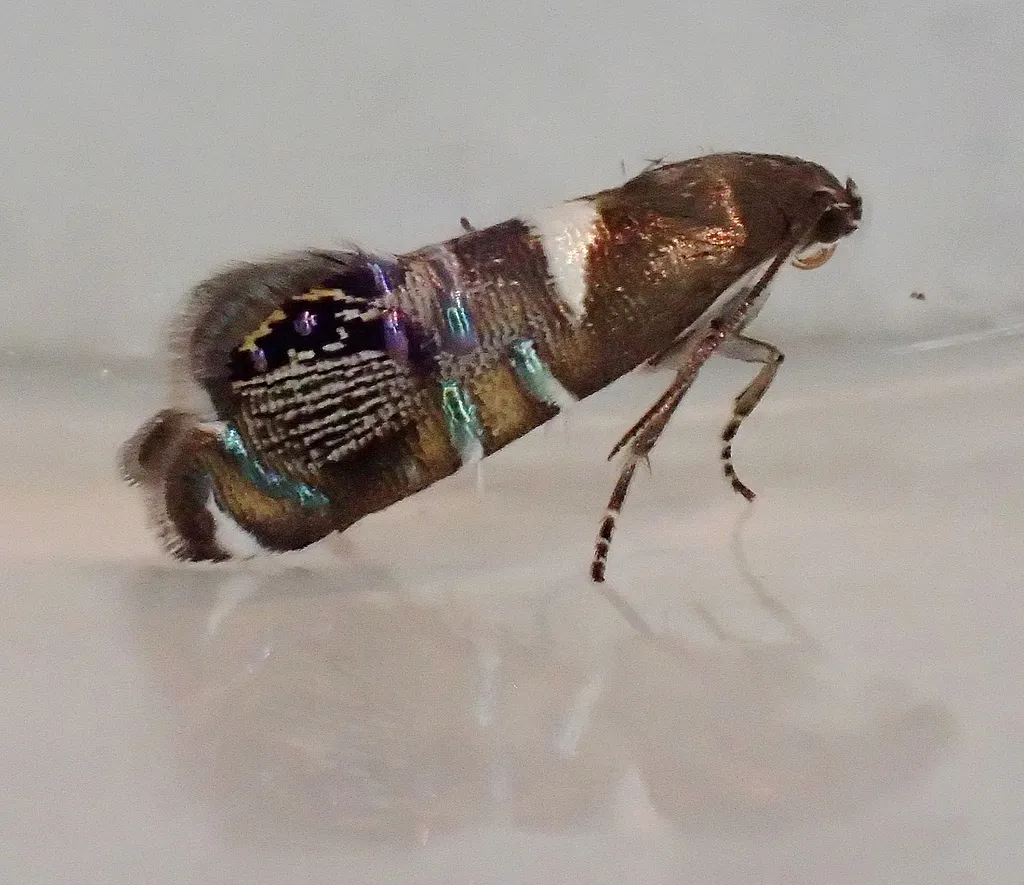
Glyphipterix circumscriptella - Hodges#2337
Glyphipterix circumscriptella
Glyphipterix feniseca - Hodges#2342.1
Glyphipterix feniseca
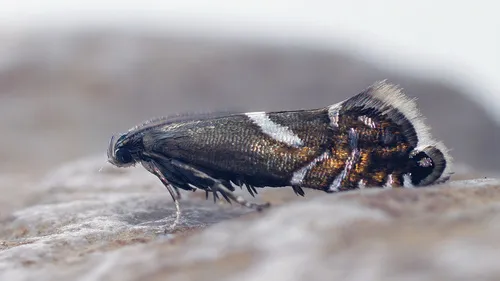
Sedge Fanner
Glyphipterix forsterella
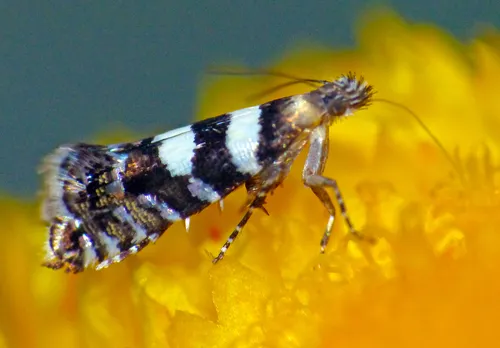
Metallic Sedge Moth
Glyphipterix meteora
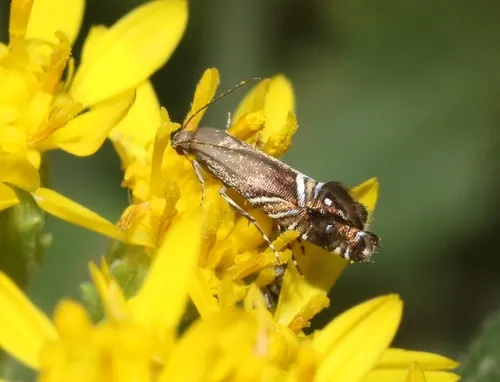
Glyphipterix montisella - Hodges#2344
Glyphipterix montisella
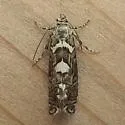
Glyphipterix powelli - Hodges#2338.1
Glyphipterix powelli
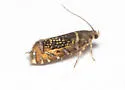
Glyphipterix quadragintapunctata - Hodges#2338
Glyphipterix quadragintapunctata
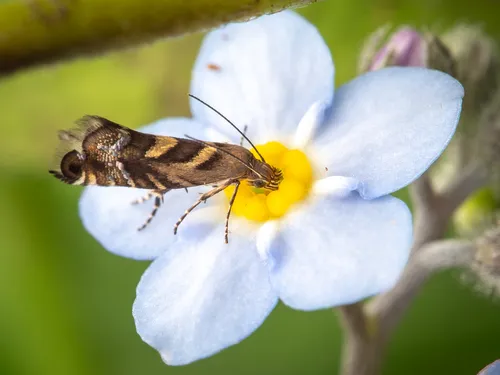
Glyphipterix tungella
Glyphipterix tungella