
Miami Blue - Hodges#4358
Cyclargus thomasi
This record describes Cyclargus thomasi (species). Recorded family: Lycaenidae. Recorded order: Lepidoptera.
Identification and Appearance
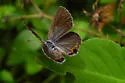
Dorsal, males are light blue with a thin black border, and usually with 2 plain black spots on the trailing HW edge. Females are blue, with a thick black border, and a black spot that's orange capped on the trailing HW edge. Ventral, 2 black HW eyespots on the outer edge, one with an orange cap, a wide white postmedian band, and 4 dark postbasal spots. The Miami Blue is now both state and federally listed as endangered. They have been declining rapidly. Their range had once been as far north coastally,as St. Petersburg, and Daytona. Now they are only known from one location in the keys. The University of Florida has been doing a captive breeding program, with hopes of future controlled releases.
Classification
- Kingdom
- Animalia
- Phylum
- Arthropoda
- Class
- Insecta
- Order
- Lepidoptera (Butterflies and Moths)
- Superfamily
- Papilionoidea
- Family
- Lycaenidae (Blues, Coppers, Hairstreaks, Harvesters)
- Subfamily
- Polyommatinae
- Genus
- Cyclargus
Imported taxonomy record. Source availability varies; see the source references and editorial policy below.
Habitat and Range
Habitat
Edges of hammocks, thorny scrub, or dry pinewoods.
Geographic Range
Only known US colony is Bahia Honda SP in the Keys. Also in the WI and Cuba.
Seasonal Activity
3 broods, most common from March-May then from September-October.
Diet and Behavior
Diet: Gray Nicker (Caesalpinia bonduc), caterpillars eat the flower parts. Adults nectar on assorted flowers.
About Butterflies and Moths: the wider group
Order-level background for Lepidoptera, the group containing Cyclargus thomasi. Species-specific details appear above.
Group overview
Lepidoptera includes approximately 180,000 described species of butterflies and moths. Moths outnumber butterflies roughly 10:1. The monarch butterfly's eastern population has declined by more than 80% since the mid-1990s, and the western population by over 95% since the 1980s. The IUCN lists the migratory monarch as Vulnerable.
Ecological role of the group
Butterflies and moths are essential indicators of ecosystem health. As caterpillars, they are a primary food source for birds - a single nest of blue tit chicks requires ~10,000 caterpillars. Adult moths pollinate many night-blooming plants.
Economic and practical significance of the group
Lepidoptera are critical pollinators. In Europe, grassland butterfly species have declined by almost 50% since the early 1990s. In the UK, three-quarters of butterflies are in decline. In the U.S., five butterfly species have gone extinct since 1950, with 29 listed as endangered.
Recorded sources for this group: IUCN Red List, Xerces Society, USFWS, PNAS, WWF. Imported estimates may describe particular regions or reporting periods.
Photos of Miami Blue - Hodges#4358 (5)
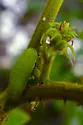
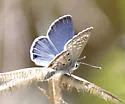
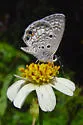
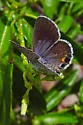
Photo credits: Contributed by Troy Bartlett; Additional contributions by Steve Nanz , tom murray
Frequently Asked Questions About Miami Blue - Hodges#4358
What is Miami Blue - Hodges#4358?
Miami Blue - Hodges#4358 (Cyclargus thomasi) is a species in the family Lycaenidae, within the order Lepidoptera.
How big is Miami Blue - Hodges#4358?
Average wingspan is 24mm
How do you identify Miami Blue - Hodges#4358?
Dorsal, males are light blue with a thin black border, and usually with 2 plain black spots on the trailing HW edge. Females are blue, with a thick black border, and a black spot that's orange capped on the trailing HW edge. Ventral, 2 black HW eyespots on the outer edge, one with an orange cap, a wide white postmedian band, and 4 dark postbasal spots.
Where is Miami Blue - Hodges#4358 found?
| Feature | Details |
|---|---|
| Habitat | Edges of hammocks, thorny scrub, or dry pinewoods. |
| Range | Only known US colony is Bahia Honda SP in the Keys. Also in the WI and Cuba. |
What does Miami Blue - Hodges#4358 eat?
The diet of the Miami Blue - Hodges#4358 includes Gray Nicker (Caesalpinia bonduc), caterpillars eat the flower parts. Adults nectar on assorted flowers..
When is Miami Blue - Hodges#4358 active?
Miami Blue - Hodges#4358: seasonal activity - 3 broods, most common from March-May then from September-October..