
Butterflies and Moths
Order Lepidoptera
The Butterflies and Moths (Order Lepidoptera) includes 11,813 species across 112 families and 2,787 genera in our directory.
About Butterflies and Moths
Lepidoptera includes approximately 180,000 described species of butterflies and moths. Moths outnumber butterflies roughly 10:1. The monarch butterfly's eastern population has declined by more than 80% since the mid-1990s, and the western population by over 95% since the 1980s. The IUCN lists the migratory monarch as Vulnerable.
Economic Impact
Lepidoptera are critical pollinators. In Europe, grassland butterfly species have declined by almost 50% since the early 1990s. In the UK, three-quarters of butterflies are in decline. In the U.S., five butterfly species have gone extinct since 1950, with 29 listed as endangered.
Ecological Role
Butterflies and moths are essential indicators of ecosystem health. As caterpillars, they are a primary food source for birds - a single nest of blue tit chicks requires ~10,000 caterpillars. Adult moths pollinate many night-blooming plants.
Families in Lepidoptera (112)
Species in Lepidoptera (11,813)
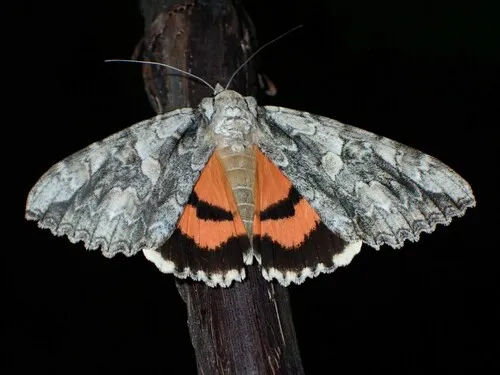
Mother Underwing - Hodges#8806
Catocala parta
Identification: Adult - forewing mottled light gray and darker gray or brown with whitish patches; black basal, anal, and subapical dashes usually noticeable, sometimes indistinct; subreniform spot and area basal to reniform spot form a connected whi
Mother-of-pearl Moth - Hodges#5462
Argyria rufisignella
Identification: Updated notes very soon September 10, 2013
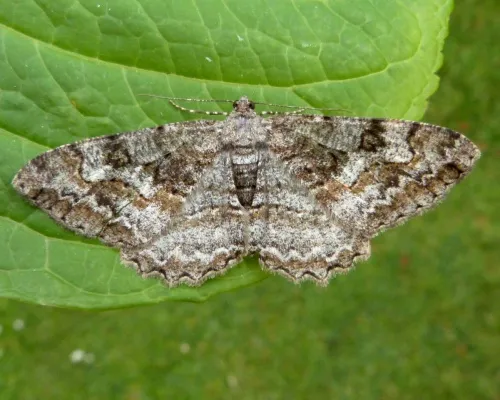
Mottled Beauty
Alcis repandata
Wingspan 30-45 mm. A very variable species, with a number of races and intermediate forms. Quite similar to Willow Beauty. Guidance on separating these two species can be found by following this LINK Inhabiting woodland, suburban gardens and bushy lo
Mottled Duskywing - Hodges#3954
Erynnis martialis
Males patrol hilltops for females (a common insect behavior)
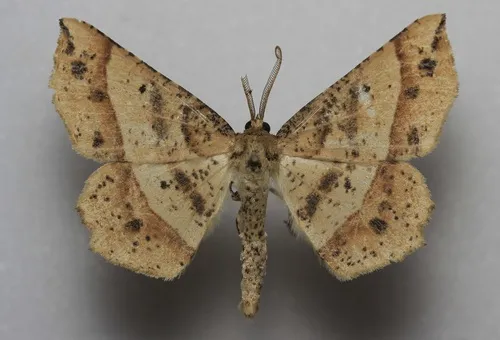
Mottled Euchlaena - Hodges#6737
Euchlaena tigrinaria
Identification: Adult: forewing color varies from bright orangish-yellow to medium yellowish-brown, darker beyond single fairly straight PM line; dark gray or black speckling intermixed with several larger blotches (speckling not as conspicuous again
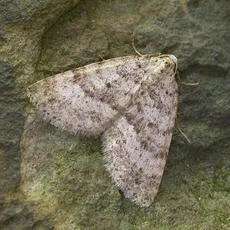
Mottled Grey
Colostygia multistrigaria
This species occupies damp woodlands, mosses and heathland. It has an early spring emergence, being on the wing in March and April. The larvae feed on bedstraw during early summer. Fairly well distributed over much of the British Isles. In a recent s
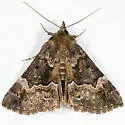
Mottled Hypena - Hodges#8444
Hypena palparia
Identification: Adult: forewing with large dark brown median patch that extends to inner margin (often lighter brown toward inner margin); basal and outer parts of forewing paler, mottled (pale areas darker in male than in female; female shows greate
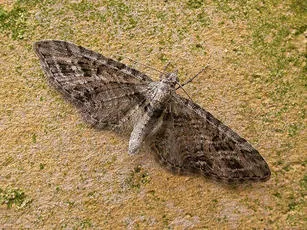
Mottled Pug
Eupithecia exiguata
Wingspan 20-22 mm. Many of the Pugs are very difficult to tell apart but this one is usually distinguishable by the rather pointed wings and broken dark lines along the veins. Woodland fringes, hedgerows and gardens. The larvae feed on a variety of t
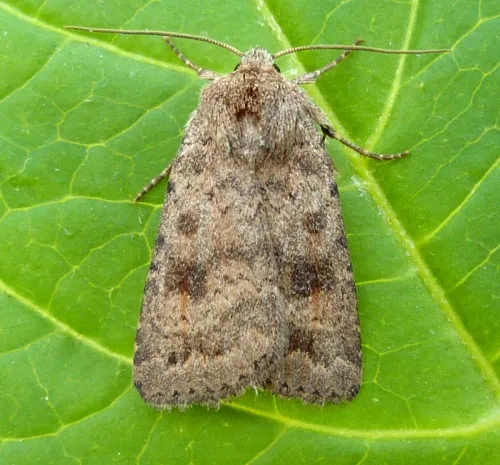
Mottled Rustic
Caradrina morpheus
Wingspan 32-38 mm. Although superficially similar to several related species, this moth always shows a distinctly large and dark reniform stigma and is fairly broad-winged. It occupies a range of habitats including suburban areas It flies from June t
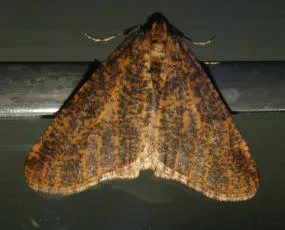
Mottled Umber
Erannis defoliaria
Wingspan 30-40 mm. A variable species, with some strongly-banded individuals, others plain brownish with darker speckling. The females are completely wingless. It can be found in woodland, scrub, hedgerows, grassland and various other habitats. The f
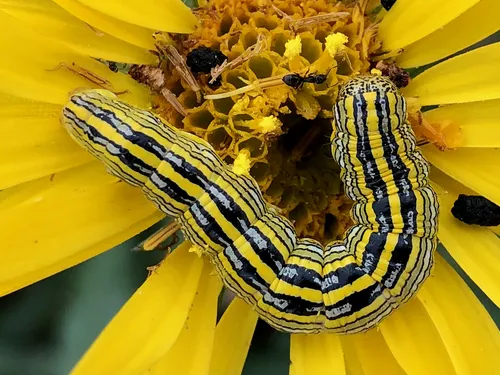
Mountain Hooded Owlet - Hodges#10201
Cucullia montanae
Identification: Adult: forewing dull grayish-brown with central and basal areas paler than leading and trailing edges; reniform and orbicular spots large, filled with light brown scales and partially outlined with black; inner margin (trailing edge o
Mountain Mahogany Looper - Hodges#6575
Iridopsis clivinaria
Identification: Adult: forewing triangular, pale gray in strip along costa, and medium brownish-gray in lower and outer portions; PM line fine, black, slightly wavy, bordered distally by brown line; AM line fine, black, double, reaches only halfway t
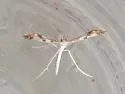
Mountain Plume Moth - Hodges#6157
Adaina montanus
Identification: Wings: White, deeply cleft with some speckled brown scales. Heavy brown scales at wing tips. A wide, broken, dark brown-speckled streak diagonal across mid-wing touching the base of the lobe division. The second lobe has a brown strea
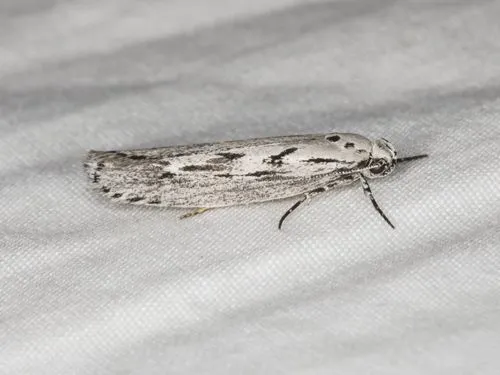
Mountain-mahogany Moth
Ethmia discostrigella
Ethmia discostrigella (mountain-mahogany moth) is a moth in the family Depressariidae. It is found from the western United States, south into Mexico.
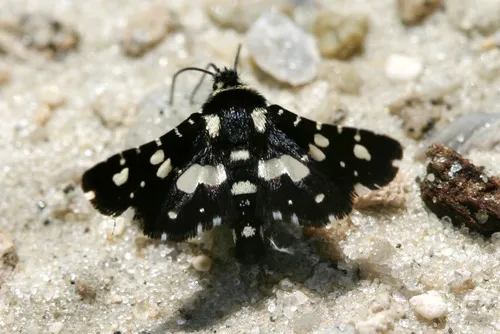
Mournful Thyris Moth
Pseudothyris sepulchralis
Pseudothyris sepulchralis, the mournful thyris, is a species of day-flying moth in the family Thyrididae and can be found throughout North America. They have a flight duration of 2–3 weeks. The adults are rarely found on flowering plants for feeding.
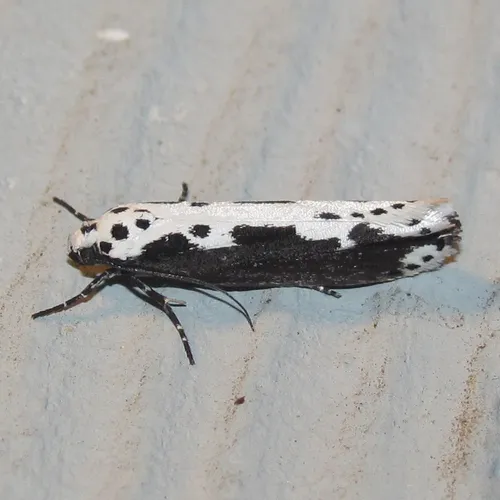
Mourning Ethmia
Ethmia semilugens
Ethmia semilugens is a moth in the family Depressariidae. It is found in the United States and Mexico in the arid parts of Colorado through central Texas, New Mexico, northern Chihuahua, Arizona and southern California.
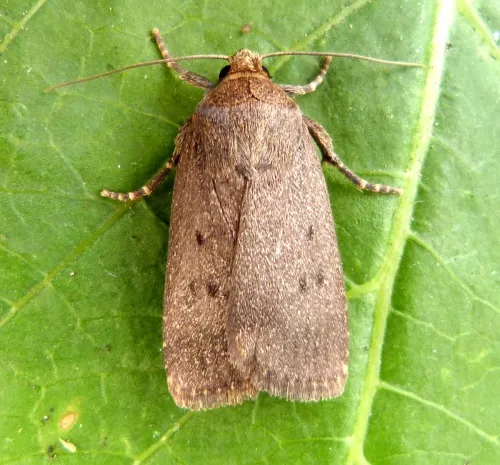
Mouse Moth
Amphipyra tragopoginis
Wingspan 33-38 mm. A very plain-looking moth, with three dark dots on the forewing, the ground colour is dark brown with a distinct glossy sheen. Gardens, woodland, sand-dunes, moorland and fens. The adults are on the wing from July to September and
Mouse-colored Lichen Moth - Hodges#8099
Pagara simplex
Identification: Det. J & J Balaban, 2016 apparently uncommon , never common (in FL)
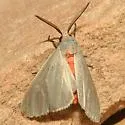
Mousey Tiger Moth - Hodges#8250
Pygarctia murina
Identification: Larva - typical "wooly bear" type of this group. Ground color purple-brown or blue-gray, a narrow lemon yellow subdorsal stripe, a wide yellow stripe below spiracles, black pencil tufts and longer white hairs, head dark orange with o
Mousy Angle Moth - Hodges#6282
Macaria argillacearia
Identification: light mouse gray forewings with little or no markings
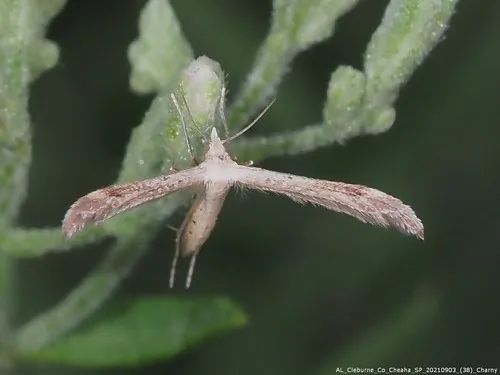
Mousy Plume Moth
Lioptilodes albistriolatus
Lioptilodes albistriolatus is a moth of the family Pterophoridae. In South America and Central America it has been recorded from Argentina, Brazil, Chile, Costa Rica, Cuba, Ecuador, Guatemala, Paraguay, Peru and Puerto Rico. It is also present in Nor
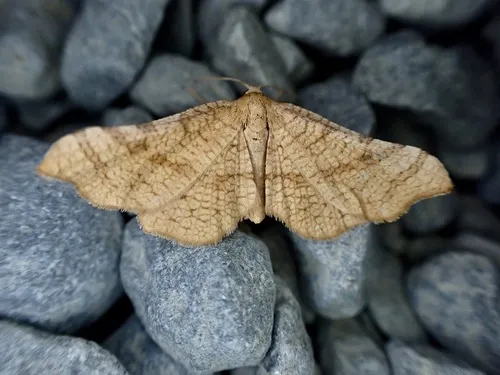
Muehlenbeckia Stem Gall Moth
Morova subfasciata
Morova subfasciata, also known as the Muehlenbeckia stem gall moth, is a species of moth in the family Thyrididae first described by Francis Walker in 1865. It is endemic to New Zealand.
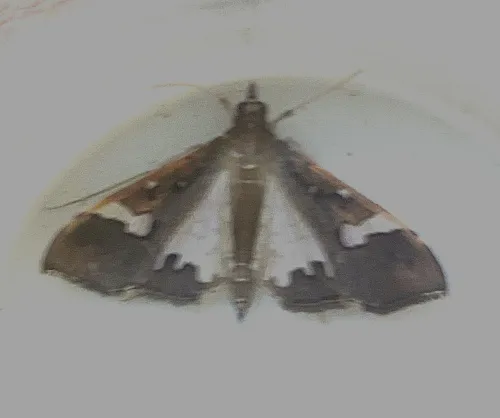
Mung Moth
Maruca vitrata
Wingspan 28 to 34 mm. A distinctive species. A rare species in VC55. Please provide a photograph and retain moth until identification is confirmed. A very rare vagrant or adventive species, possibly imported from the Tropics in leguminous vegetables.
Munroeodes thalesalis - Hodges#4934
Munroeodes thalesalis
Identification: This species was identified by James McDermott.
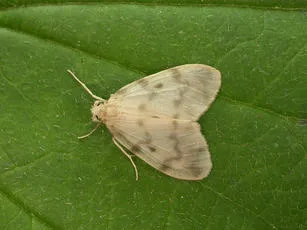
Muslin Footman
Nudaria mundana
Wingspan 19 to 23 mm. This is a delicate species with slightly rounded, strongly transparent wings that have two, roughly V shaped cross lines. The hindwing is entirely plain. It can be found on the wing from June to August. The overwintering larvae
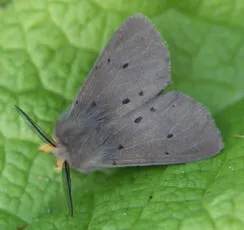
Muslin Moth
Diaphora mendica
Wingspan 28 to 38 mm. Showing distinct sexual dimorphism, the males of this moth are soft grey or grey brown, the females are white, both sparsely speckled with black. It occurs in woodland, downland and suburban habitats. The larvae feed on a variet
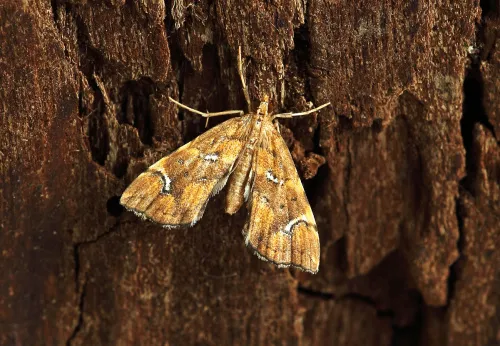
Musotima nitidalis
Musotima nitidalis
This species has a multi shaded brown forewing with white marks and is quite distinctive. Because this species is still rare in our area a photograph is required to support your record. Most records in Britain are from the period May to November. Thi
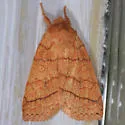
Mustard Sallow - Hodges#9929
Pyreferra hesperidago
Identification: Adult: forewing yellow with variable orange shading; lines darker orange to reddish-brown; AM line and broad median line slightly jagged; PM line solid, nearly straight, turns inward just below costa. Hindwing pale orange with slightl
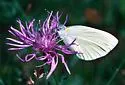
Mustard White - Hodges#4195.1
Pieris oleracea
Identification: However, distinction from P. angelica & P. marginalis is based primarily on geography. P. angelica is a more northwestern species and P. marginalis occurs in the West. This species, along with the Margined and Arctic Whites, were form
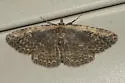
Mycterophora inexplicata - Hodges#8413
Mycterophora inexplicata
Identification: The forewing has a yellow costa and the veins interrupt the transverse lines. No discal spots. Sexes are similar with the males distinguished by the broadly pectinate antennae. The similar Mycterophora longipalpata does not have the
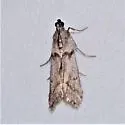
Myelopsis alatella - Hodges#5720
Myelopsis alatella
Identification: A fairly large (8 - 13.5 mm) pale Phycitine with an overall silvery gray or pale buffy gray aspect and strongly oblique AM and PM lines on the forewings. Distinguished from the very similar congener Myelopsis minutulella by the lack
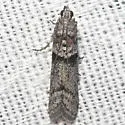
Myelopsis minutulella - Hodges#5719
Myelopsis minutulella
Identification: A fairly large (9 - 11 mm) Phycitine with an overall silvery gray aspect and oblique AM and PM lines on the forewings. Distinguished by the presence of small buffy patches at the inner base of the forewings; the very similar congener
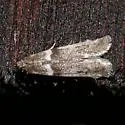
Myelopsis subtetricella - Hodges#5718
Myelopsis subtetricella
Identification: Original description: "19 - 22 mm. Fore wings elongate, oval, very narrow at base, strongly rounded on costa, dark gray, much suffused with brownish, glossy, first line broad, oblique, straight, gray, indistinct, edged outwardly by a
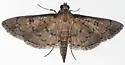
Nacoleia charesalis - Hodges#5178.5
Nacoleia charesalis
Identification: Adult : Color is brown with dark, grayish brown lines, distinctive only by dint of its extreme dullness. Labial palpi are upturned and uniformly colored. FW lines are sharply defined and fairly smooth. The PM is “B”-shaped (the curve
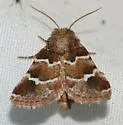
Nacopa bistrigata - Hodges#9827
Nacopa bistrigata
Identification: Barnes & McDunnough (1918) original description is online in the print references.
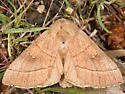
Nadata oregonensis - Hodges#7916
Nadata oregonensis
Identification: Powell and Opler state Nadata oregonensis is similar to Nadata gibbosa but the forewing has a yellowish patch in the discal cell and the postmedian line curves slightly basal at the inner margin. ( This is not a reliable diagnostic fe
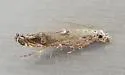
Naera nr. fuscocristatella - Hodges#1767.01
Naera nr-fuscocristatella
The type locality of Naera fuscocristatella is "Waco and Basque Co.” BOLD BIN group BOLD:AAI3303 contains one MEM specimen from MS, identified as fuscocristatella presumably by Sangmi Lee, and one CNC specimen from FL, identified only to genus. The n
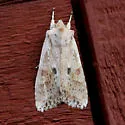
Nameless Pinion - Hodges#9888
Lithophane innominata
Identification: Adult: forewing yellowish-tan with dark brown median shade and subterminal line; very diffuse blackish subreniform spot, often with irregular outline; two blackish blotches in terminal area; pairs of small black dashes on veins form A
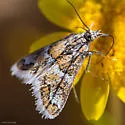
Nannobotys commortalis - Hodges#4822
Nannobotys commortalis
Identification: Specimen identified by DNA analysis (BOLD). ( 6 ) Powell & Opler (2009) reported the adults are diurnal , and common at flowers in March and April. ( 5 )
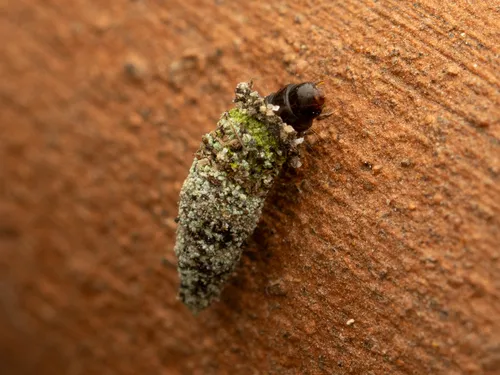
Narrow Lichen Case-bearer
Dahlica triquetrella
Dahlica triquetrella is a bagworm moth of the Psychidae family. It is found in Europe and North America.
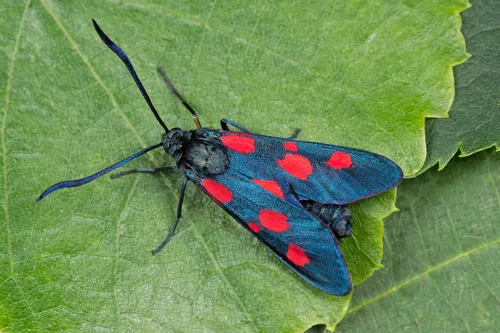
Narrow-bordered Five-spot Burnet Moth
Zygaena lonicerae
Wingspan 30-46 mm. A variable species with a number of subspecies and forms occurring in Britain. It occupies grassland, chalk downland and sea-cliffs The adults fly in the daytime visiting various flowers and are on the wing in June and July. The la
Narrow-winged Borer - Hodges#9443
Photedes defecta
Identification: See the E.H. Strickland Entomological Museum for details.
Narrow-winged Midget - Hodges#9111
Tarache augustipennis
Identification: Adult: forewing dark gray to blackish with white strip along costa broken into four patches by 3 intervening dark bars; the first white costal patch is the largest, extending almost half-way along costa from base; the remaining 3 cost
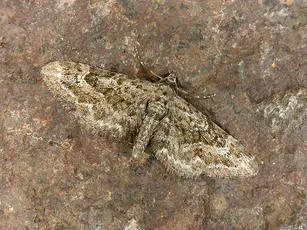
Narrow-winged Pug
Eupithecia nanata
Wingspan 13 to17 mm. A distinctive species. One of the earlier pugs to emerge in the spring, it flies from April to June, and sometimes has a second generation in August. The larvae feed on the flowers of Heather in the autumn. Fairly commonly distri
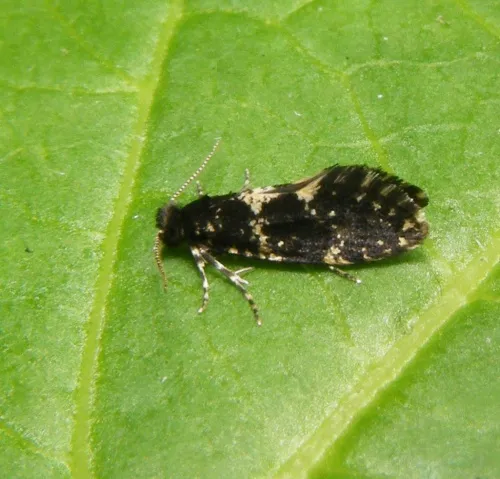
Narycia duplicella
Narycia duplicella
Wingspan 7 to12 mm. This small moth has dark brownish-black wings speckled with cream. The cream marks seem to produce two pale diamonds along the back where the wings meet. The female moth is slightly smaller than the male. Both can be found resting
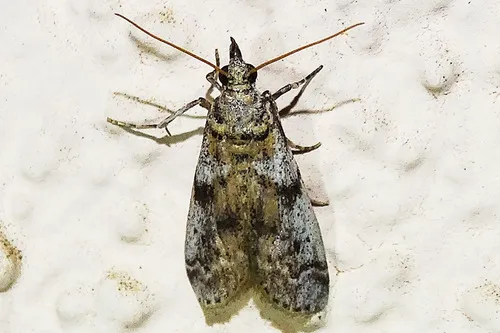
Navel Orangeworm - Hodges#5724
Amyelois transitella
Identification: Larva - ½ to ¾ inch long, reddish orange when first hatched, changing to cream color after the first molt. Later, their color depends on the color of their food NOW biological control agent: Chrysidoidea (Cuckoo Wasps and Allies) » Be
Neamathla Skipper - Hodges#3995
Nastra neamathla
Identification: Dorsal, plain brown with 2 small pale dots on central FW, and several tiny subapical marks. On worn butterflies, these marks may not show. Ventral, brown with a very pale spot band on the HW. FW has an orangish inner costal edge. Comp
Nebulous Munroessa - Hodges#4750
Elophila nebulosalis
Identification: Adult: forewing orangish-yellow with diffuse dark gray patch that forms a semicircle along the costa; area inside semicircle filled with ground color and a small white patch that touches costa anteriorly; subterminal line wavy, white
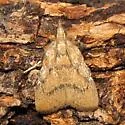
Negalasa fumalis - Hodges#5551
Negalasa fumalis
Identification: Barnes & McDunnough (1913) description stated. ♂ "Palpi, head and thorax pale ochraceous; tufts on legs smoky brown, primaries, pale to deep ochraceous, slightly sprinkled with smoky scales and shaded with smoky along costa, crossed b
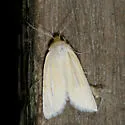
Neleucania patricia - Hodges#10610
Neleucania patricia
Identification: The original description as Heliophila patricia Grote, and the Hampson (1905) description as Meliana patricia are both available online in the print references below.
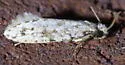
Nemapogon acapnopennella - Hodges#0261
Nemapogon acapnopennella
Identification: Head: Head whitish, long haired (scaled). Face front has brownish spot between antenna bases. Palpi long, folded; white flecked with grayish-brown. Segment 2 dark, scaled on underside. Antenna: Base (scape) white. Segments yellowish-w
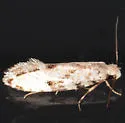
Nemapogon auropulvella - Hodges#0263
Nemapogon auropulvella
Identification: The original description as Tinea auropulvella Chambers, is available in the print references below. Genitalia:
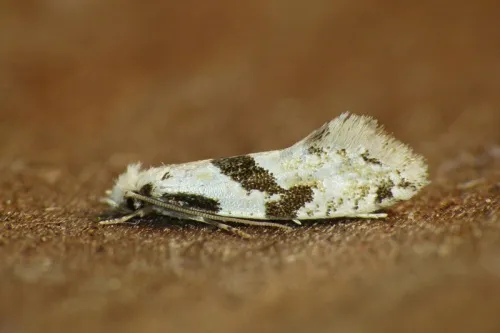
Nemapogon clematella
Nemapogon clematella
Wingspan 12 to 15 mm. One of the more distinctive of the Tineidae with a dark bar across a white wing. The larvae feed on fungus growing on dead branches of various trees, or in rotten wood. Distributed over much of England and Wales but rather local
Nemapogon defectella - Hodges#0264
Nemapogon defectella
Identification: Specimens identified by DNA analysis:
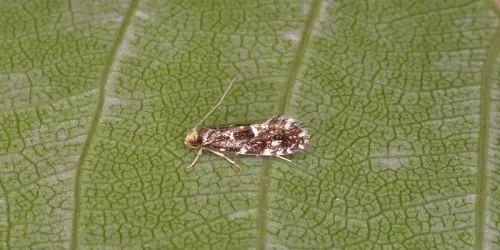
Nemapogon koenigi
Nemapogon koenigi
Wingspan around 12 mm. Although superficially similar to Cork Moth Nemapogon cloacella, the markings and overall appearance are generally much darker. Unless identified by a recognised expert, a photo is required. Whilst it may be possible to identif
Nemapogon multistriatella - Hodges#0269
Nemapogon multistriatella
Identification: Head: Top of head has long haired (scaled) white with brown mixed in at center. Front of face is whitish, hair flattened. Palpi long, folded; yellowish-white, underside brown. Antenna: Short, about half the wing length; somewhat thick
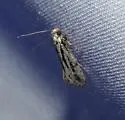
Nemapogon oregonella - Hodges#0271
Nemapogon oregonella
Identification: " Nemapogon oregonella has a silvery white forewing with longitudinal rust streaks" .
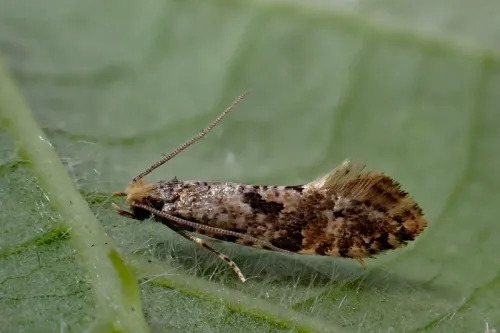
Nemapogon ruricolella
Nemapogon ruricolella
Wingspan about 12 mm. This species has been the subject of some confusion in the past with its close congener, N. cloacella . It tends to have paler brown markings in the forewing than that species. Adult moths can be found from June until early Augu
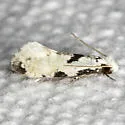
Nemapogon tylodes - Hodges#0274
Nemapogon tylodes
Identification: Head: White, long haired (scaled). Palpi white, darker on underside of 2nd joint. Antenna: Short, about ½ length of wing; light grey. Thorax: White, side has gray to dark spot. Wings: Long and narrow, shiny white with a few gray speck
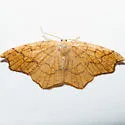
Nematocampa brehmeata - Hodges#7011
Nematocampa brehmeata
Identification: Nematocampa brehmeata resembles N. resistaria but is larger and both sexes are yellow. Ferguson revised description of the adult including genitalia is available in PDF or view online.
Nematopogon schwarziellus
Nematopogon schwarziellus
Wingspan 14 to 17mm. Similar in appearance to the slightly larger Nematopogon swammerdamella. Nematopogon schwarziellus has a hint of a pale discal spot. Occupying woodland, heathland and acid grassland. The adults hatch in May and June, and fly earl
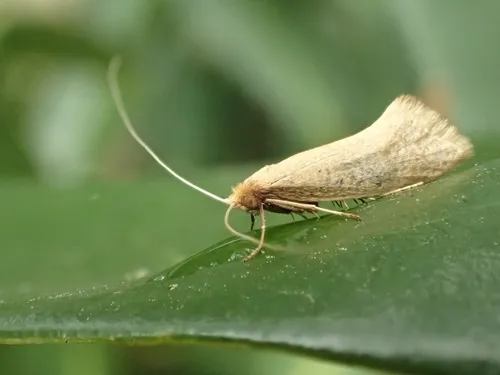
Nematopogon swammerdamella
Nematopogon swammerdamella
Wingspan 18-21 mm. The largest of Britain's 'longhorn' moths. Resembles N. schwarziellus , with long white antennae and yellow-orange head tufts, but is larger and has no discal spot. Usually associated with deciduous woodland habitats. The larvae ar
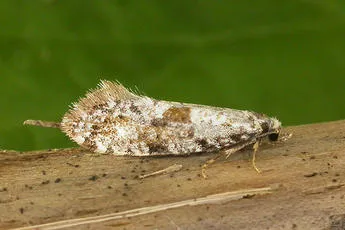
Nemaxera betulinella
Nemaxera betulinella
Wingspan 12 to 19 mm. One of the more well-marked of the Tineidae . Well wooded areas especially areas containing Birch. The moths are on the wing from May to August, and are most often found at rest in the crevices of bark, relying on their cryptic
Nemeris percne - Hodges#6876.1
Nemeris percne
There is relatively little individual variation within this species. The females are only slightly paler than the males; in some cases there is practically no difference between the two sexes
Nemophora bellela - Hodges#0218
Nemophora bellela
Identification: Adults - ochreous with the veins black, reflecting metalic blue on fresh moths; broad, transverse yellow band bordered by metalic blue at the end of the cell. Antenna are thickly scaled with male antenna 1.9 times the forewing length
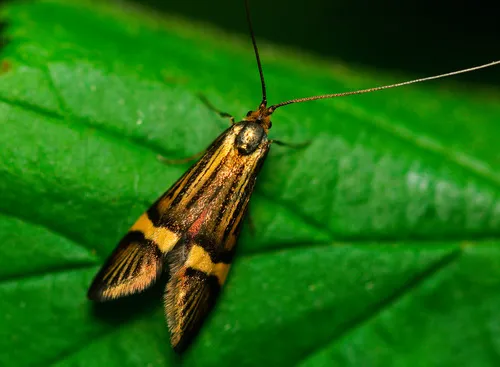
Nemophora degeerella
Nemophora degeerella
Wingspan 16-23 mm. The males of this longhorn moth have extremely long antennae; the females much shorter. Deciduous, often damp, woodland and around well wooded hedgerows and lanes. In May and June, the males can often be seen in groups, 'dancing' i
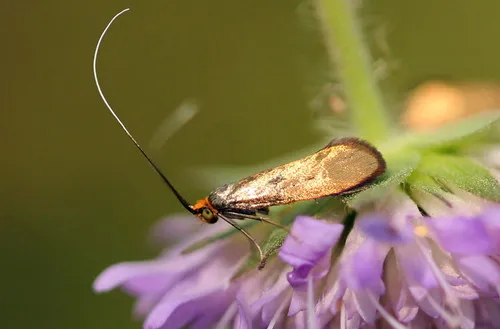
Nemophora metallica
Nemophora metallica
Wingspan 15 to 20 mm. One of the 'longhorn' moths, the male has antennae three times the length of the forewings, the female around half this length. The wings have a relatively plain bronzy sheen. Good photographs required. Please state if found in
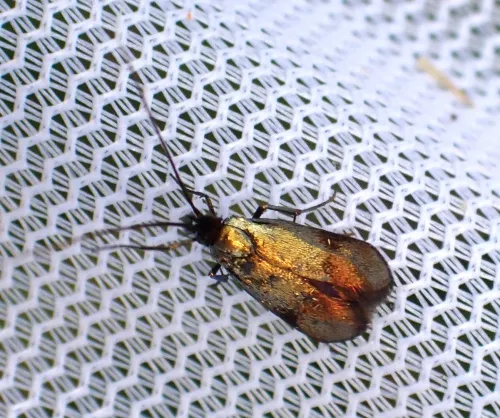
Nemophora minimella
Nemophora minimella
Wingspan about 12 mm. A brassy bronze moth. The males have antennae almost twice the wing length; those of the females are just over one wing length. Head in males is black, in female rust coloured. Because of the rarity of this species in our area,
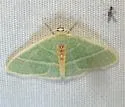
Nemoria arizonaria - Hodges#7021
Nemoria arizonaria
Identification: There are two forms described. Winter-early spring form has a dark costa Late spring-summer form females have the first five dorsal abdominal segments shaded reddish. The pale yellowish costa is as wide as the fringe of the same color
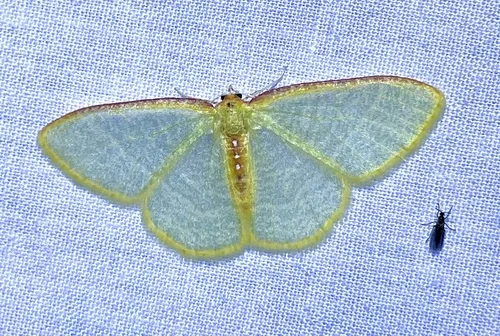
Nemoria daedalea - Hodges#7022
Nemoria daedalea
Identification: Ferguson original description is available online in the print references. Ferguson stated the antemedial lines are not present and the postmedial lines are often missing.
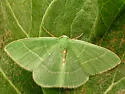
Nemoria glaucomarginaria - Hodges#7049
Nemoria glaucomarginaria
Identification: The adults have a cream colored dorsal abdominal spots surrounded by faded brick-red. Specimen identified by DNA analysis: Larvae - a greenleaf manzanita inflorescence mimic (see photo link below) Insects and Related Arthropods Associ
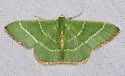
Nemoria obliqua - Hodges#7037
Nemoria obliqua
Identification: The original description as Aplodes obliqua Hulst, is available online using the link in the print preferences below. Revised description by Ferguson, 1985. Brief description of larva is included by Ferguson, 1969.
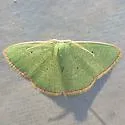
Nemoria outina - Hodges#7032
Nemoria outina
Identification: Description can be found in MONA Fascicle 18.1 at link in citations below. " Outina is the only southeastern species of Nemoria with the combination of uninterrupted red terminal line, plain, yellow fringes, and dorsally green, unmark
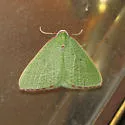
Nemoria pulcherrima - Hodges#7016
Nemoria pulcherrima
Swett published his description of Chlorosea naidaria only 18 days after Barnes & McDunnough published pulcherrima !
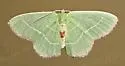
Nemoria saturiba - Hodges#7034
Nemoria saturiba
Identification: Original description online: (70) Note dark red spot on abdomen--not white, as in most other members of the genus (comments here , Friends Central)
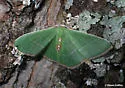
Nemoria zelotes - Hodges#7036
Nemoria zelotes
Identification: The original description of Nemoria zelotes Ferguson, is available online in the print references below. Adult: , Intense green color with whitish fringe. Forewing terminal line is deep-red and strong. Reddish discal spots. Forewing p
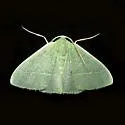
Nemoria zygotaria - Hodges#7040
Nemoria zygotaria
Identification: Forewing: Outer margin is white. Thin white antemedial and postmedial lines with no terminal line. The antennae are white and the dorsal surface of the body is solid green with no spots or markings. The only all green species of Nemor
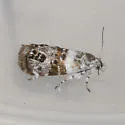
Neocaloreas multimarginata - Hodges#2640
Neocaloreas multimarginata
Identification: Very similar to C. leucobasis , which has white-tipped black scales, whereas C. multimarginata has white-margined black scales .
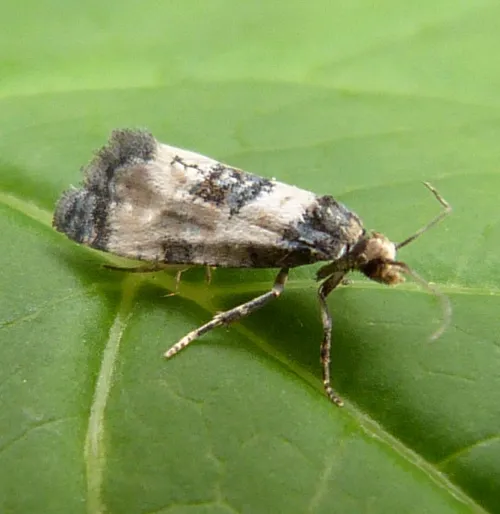
Neocochylis dubitana
Neocochylis dubitana
Wingspan about 13 mm. It can be distinguished from two similar relatives by the white head and blackish thorax. Most likely to be encountered where the larval foodplants are plentiful. It seems to prefer dry limestone areas in some regions. This spec
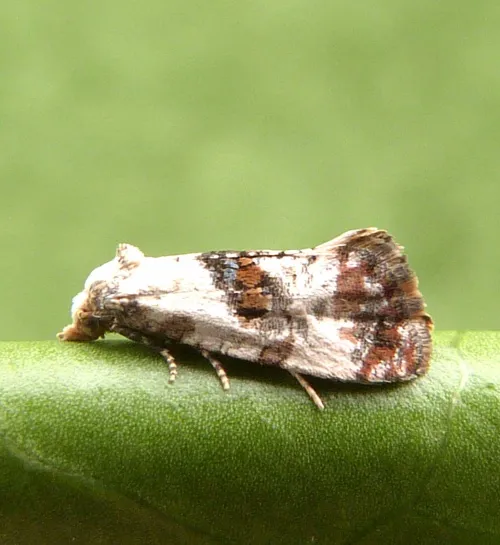
Neocochylis hybridella
Neocochylis hybridella
Wingspan 12 to15 mm. This species has a whitish thorax when fresh, which can be used to separate it from similar Cochylis species. Flying in July and August, the moths are on the wing from dusk onwards. The larvae feed within the seedheads of ox-tong
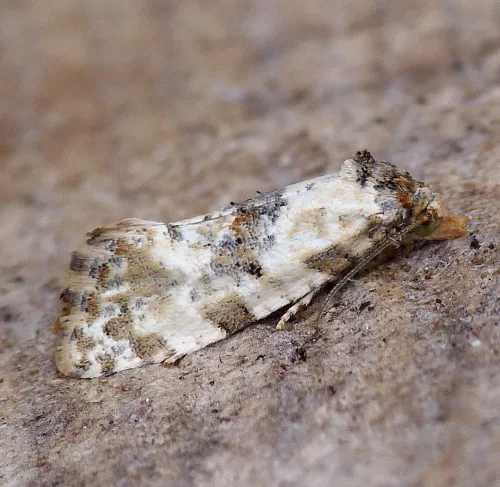
Neocochylis molliculana
Neocochylis molliculana
Forewing length 6 to 8 mm. Head and thorax are yellowish brown mottled darker brown. Forewing is creamy with pale orangey brown and pale greyish brown suffusion, especially before termen; a broad oblique cross band from the dorsum at one half. Variou
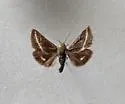
Neocymbopteryx heitzmani - Hodges#4806
Neocymbopteryx heitzmani
Known only from the type specimen, a male. From the species description: "Although the only known specimen was taken at "black light," the reduced eyes suggest that the species is adapted to daylight activity."
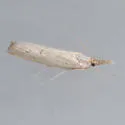
Neodactria murellus - Hodges#5382
Neodactria murellus
Identification: Specimen identified by DNA analysis (BOLD).
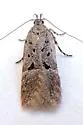
Neodactylota snellenella - Hodges#1909
Neodactylota snellenella
Identification: Original and revised descriptions are online in the print references.
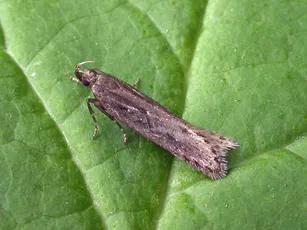
Neofaculta ericetella
Neofaculta ericetella
The adults fly in a single generation from late April to June. These are attracted to light at night but can also be disturbed from the foodplant during the day. This species lays its eggs on Heather. The larvae emerge to feed on the flowers, later f
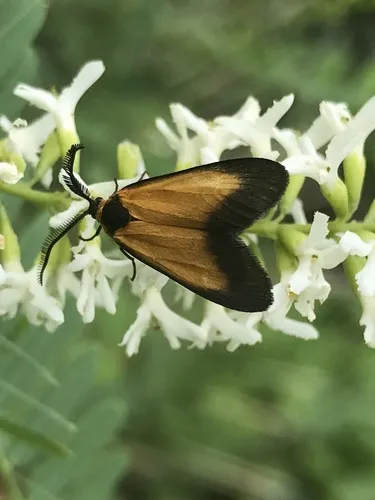
Neofelderia rata - Hodges#4636
Neofelderia rata
Identification: This species is sympatric with N. constans, but with smaller size, less bright colour, broader black margin in the forewing and narrower black margin in the hindwing. (Shen-Horn Yen, pers. comm). - From Moths of SE Arizona - Note: Thi
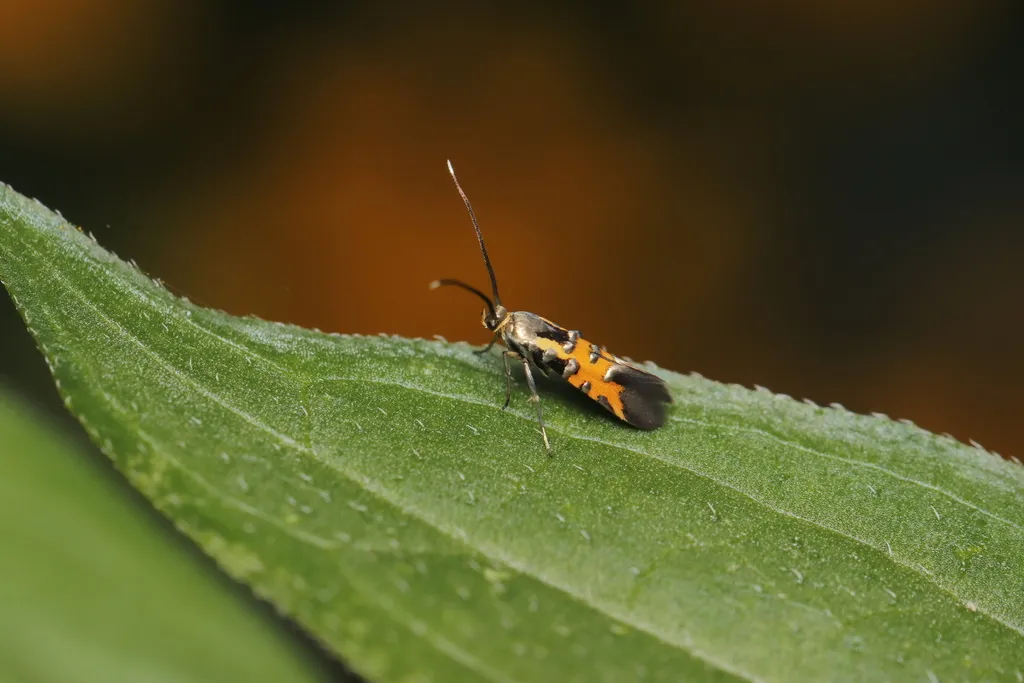
Neoheliodines cliffordi - Hodges#2502.1
Neoheliodines cliffordi
Identification: Antenna black, last 5 segments white. Base of wing metallic gray. From thorax tip of first set of metallic gray spots on inner margin its brown with a wide yellow stripe at each side of the brown. Outer (costal) margin has variable am
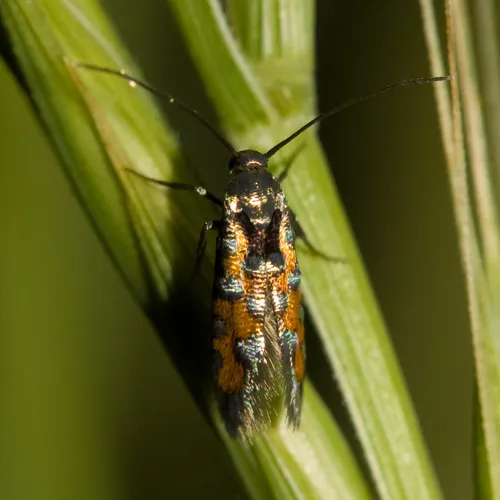
Neoheliodines vernius - Hodges#2502.7
Neoheliodines vernius
Identification: Adult - original description available in Print References.
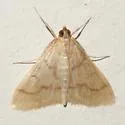
Neohelvibotys polingi - Hodges#4979
Neohelvibotys polingi
Identification: Capps described the adult, including the genitalia.
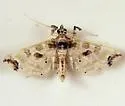
Neoleucinodes prophetica - Hodges#5102
Neoleucinodes prophetica
Neoleucinodes prophetica - Hodges#5102 (Neoleucinodes prophetica) is a species in the family Crambidae, commonly known as crambid snout moths, belonging to the order Lepidoptera (Butterflies and Moths). It is classified within the subfamily Spilomeli
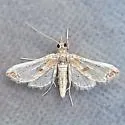
Neoleucinodes torvis - Hodges#5102.1
Neoleucinodes torvis
Identification: Description by Hayden & Dickel can be found at link in citations below.
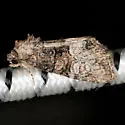
Neoligia invenusta - Hodges#9413.2
Neoligia invenusta
Identification: Specimens identified by DNA analysis:
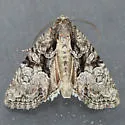
Neoligia tonsa - Hodges#9413
Neoligia tonsa
Identification: Specimen identified by DNA analysis (BOLD). ( 3 ) Listed as Oligia tonsa on many checklists available online.
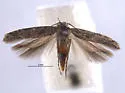
Neopalpa neonata - Hodges#2030.1
Neopalpa neonata
Identification: Specimen determined by DNA analysis (BOLD).
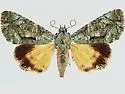
Neophaenis boucheri - Hodges#9628
Neophaenis boucheri
Blanchard reported from Texas as Neophaenis respondens . Barbut & Lalanne-Cassou described all the Texas specimens as Neophaenis boucheri .
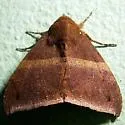
Neophisma tropicalis - Hodges#8722
Neophisma tropicalis
Identification: The species is extremely variable in color and pattern. The white dot at the base of the forewing is distinctive.
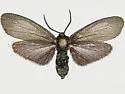
Neoprocris prunivora - Hodges#4631.1
Neoprocris prunivora
Identification: Forewing has a metallic sheen. Adults are diurnal .
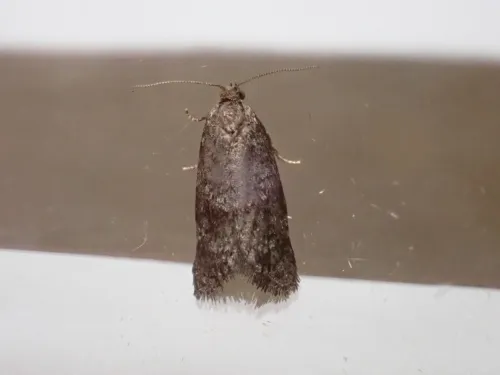
Neosphaleroptera nubilana
Neosphaleroptera nubilana
Wingspan about 14 mm. A rather nondescript-looking species. Determination by gen det may be needed for this species. It inhabits gardens and hedgerows, where the foodplants Hawthorn and Cherry occur. It also sometimes feeds on Apple. The adult moths
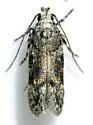
Neotelphusa on-myricaceae - Hodges#1865.1
Neotelphusa on-myricaceae
Identification: Genitalia: Leaftier of bayberry, probably undescribed
Neotelphusa querciella - Hodges#1866
Neotelphusa querciella
Based on the maculation of the holotype, I (ASH) believe this species is not a Neotelphusa ; it may be a Pseudotelphusa or Xenolechia .