
Family Geometrid Moths (Geometridae)
Geometridae is a family in the order Lepidoptera. Browse 1,358 named species recorded in this family, or open an individual profile for its available identification and natural-history information.
Species in Geometridae (1,358)
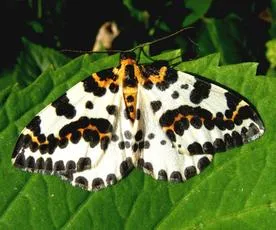
The Magpie
Abraxas grossulariata
Wingspan 35-40 mm. A very distinctive species, this was a favourite with early collectors, who used to breed it to obtain unusual coloured and patterned forms. The moths fly in July and August and are regularly attracted to light. The caterpillar, wh
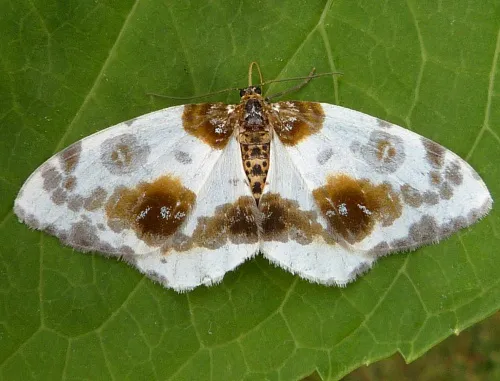
Clouded Magpie
Abraxas sylvata
Inhabits woodland, parks and similar habitats. The adults fly between May and July, when they can be attracted to light. The foodplants are Wych Elm and English Elm and the caterpillars are rather distinctive, being marked with longitudinal black and
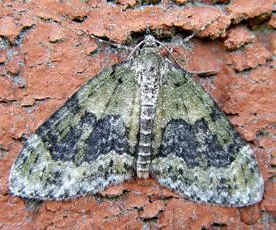
Yellow-barred Brindle
Acasis viretata
Wingspan 25-29 mm. The English name of this species refers to the colour form normally found in the wild. When freshly emerged however this species usually has a greenish colour, which does fade rapidly. Occupying woodland, suburban habitats and scru
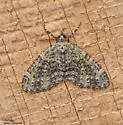
Olive-and-black Carpet - Hodges#7635
Acasis viridata
Identification: Adult: forewing a mix of brownish-gray and yellowish-green shading with broken transverse lines and many black longitudinal dashes along veins; hindwing light brownish-gray with faint median line and discal dot but appearing virtually
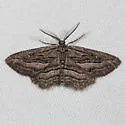
Aethaloida packardaria - Hodges#6774
Aethaloida packardaria
Identification: -- Specimen identified by DNA analysis (BOLD).
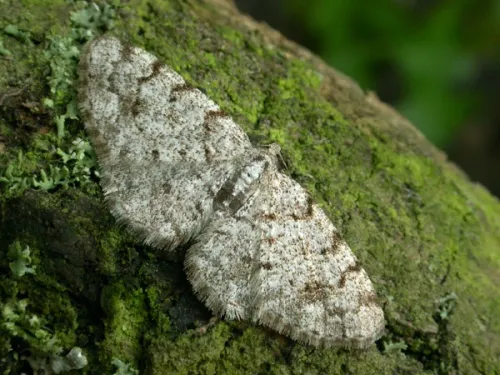
Grey Birch
Aethalura punctulata
Wingspan 30 to 35 mm. This species has a mottled grey ground colour and three darker transverse lines. Frequents wooded habitats especially where Birch is present. Birch is the main foodplant, but occasionally Alder is used. Fairly common over much o
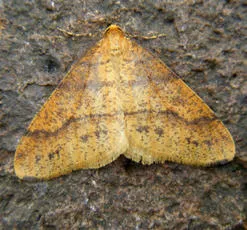
Scarce Umber
Agriopis aurantiaria
Wingspan 27-35 mm. In common with several of its relatives, the female is almost wingless and spends much of its short life climbing up tree-trunks. Inhabiting woodland, suburban habitats and other bushy places. The males fly in October and November
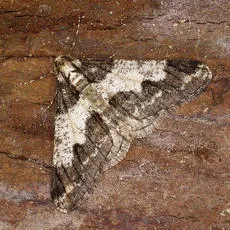
Spring Usher
Agriopis leucophaearia
Wingspan 23-28 mm. A very variable species, with males varying from almost black-and-white to a drab greyish and rather plain appearance. The females are wingless. Various habitats, particularly Oak woodland. The adults emerge in February and March s
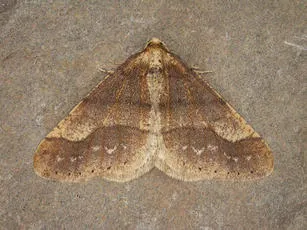
Dotted Border
Agriopis marginaria
Wingspan 27-32 mm. There are quite a number of variations of this species of moth, including a virtually all-dark form. The females are flightless and have only vestigial wings. The species frequents woodland, gardens and bushy places. The moths are
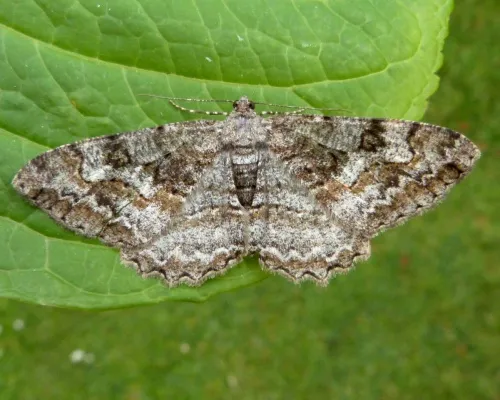
Mottled Beauty
Alcis repandata
Wingspan 30-45 mm. A very variable species, with a number of races and intermediate forms. Quite similar to Willow Beauty. Guidance on separating these two species can be found by following this LINK Inhabiting woodland, suburban gardens and bushy lo
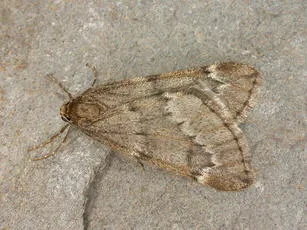
March Moth
Alsophila aescularia
Wingspan 25-35 mm. This is one of a few species of moth where the female is apterous, or wingless. The male has a distinctive way of resting, with the wings overlapping. The females may be found crawling on tree-trunks at night and the males can be a
Fall Cankerworm - Hodges#6258
Alsophila pometaria
Identification: Males have an even brownish grey forewing with jagged white and dark PM and AM lines, occasionally with a visible dark discal spot. The hindwings are light grey, with a dark discal spot and a faint pale PM line (AEC): The females are
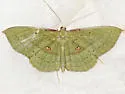
Seagrape Spanworm Moth - Hodges#6259
Ametris nitocris
Seagrape Spanworm Moth - Hodges#6259 (Ametris nitocris) is a species in the family Geometridae, commonly known as geometrid moths, belonging to the order Lepidoptera (Butterflies and Moths). It is classified within the subfamily Ennominae, tribe Also
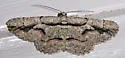
Gulf Coast Gray - Hodges#6591
Anavitrinella atristrigaria
Identification: Thick black line that crosses both forewings is a good fieldmark, and the reddish shading is distictive (Barnes & McDunnough 1913).
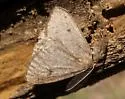
Animomyia smithii - Hodges#6788
Animomyia smithii
Identification: Adults - see Rindge's description. ( 3 )
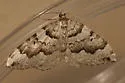
Antepirrhoe fasciata - Hodges#7211
Antepirrhoe fasciata
Identification: The original description as Eustroma fasciata Barnes & McDunnough, is available online at the link in the print references below. - Specimen identified by DNA analysis (BOLD).
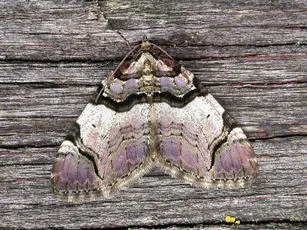
The Streamer
Anticlea derivata
Wingspan 30 to 34 mm. A pretty and distinctive moth with strong brown markings and wings showing a tint of dusky pink. Woodland edges, hedgerows and similar bushy places. Found quite early in the season, flying in April and May. The larvae feed on th
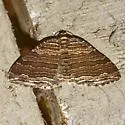
Many-lined Carpet - Hodges#7330
Anticlea multiferata
Identification: Forewing brownish marooon with many fine parallel yellowish lines One of the few moths whose range covers the entire continent.
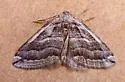
Anticlea pectinata - Hodges#7332
Anticlea pectinata
Identification: Unlike some of the other North American species in this genus, this species has males with pectinate antennae and females without pectines.
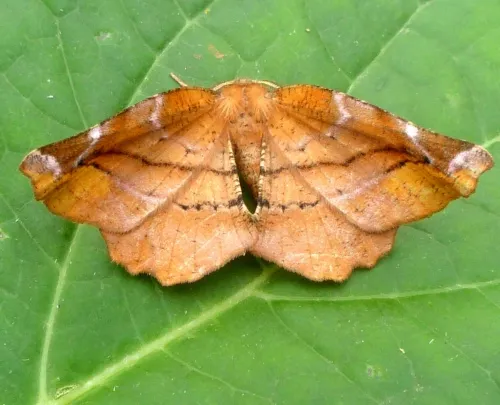
Lilac Beauty
Apeira syringaria
Wingspan 38-42 mm. A member of the 'Thorn' family, this moth has an unusual aspect when at rest, with the front margins of the wings curiously folded. This, in combination with the colour and pattern, gives a crumpled leaf-like appearance. The caterp
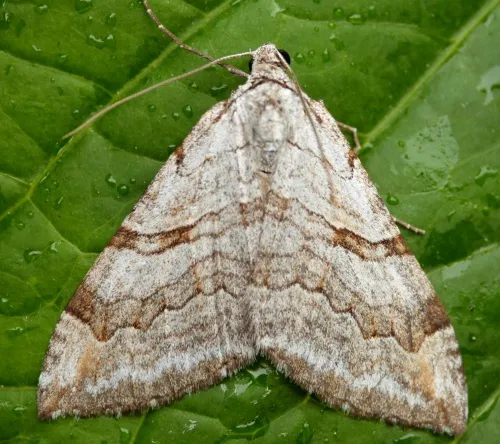
Lesser Treble-bar
Aplocera efformata
Wingspan 35 to 41 mm. Very similar to the Treble-bar ( A. plagiata ), but can be separated by its slightly smaller size, paler ground colour, and the shape of the inner wingbar, which tends to be straighter and more sharply angled. In the male the cl
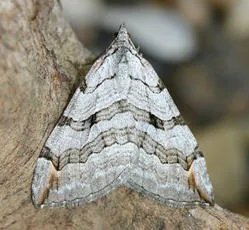
Treble-bar
Aplocera plagiata
Wingspan 27-40 mm. On of our larger Geometrids, it is rather difficult to tell apart from the less common Lesser Treble-bar ( A. efformata ) , which however has a more angled inner cross-line on the forewing. Abdomen shape should be checked - see the
Aplogompha polymygmata - Hodges#6669.1
Aplogompha polymygmata
Identification: The original description of Molybdogompha polymygmata Dyar, is available online in the print references below.
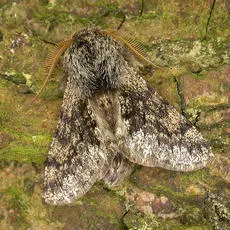
Small Brindled Beauty
Apocheima hispidaria
Wingspan 28 to 35 mm. The males of this species are quite variable, with some individuals having a darker central band, others more uniformly coloured. The females are wingless and generally brownish in colour. In the males, the small size and yellow
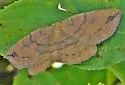
Apodrepanulatrix liberaria - Hodges#6693
Apodrepanulatrix liberaria
Identification: "Although there is variation in the extent of the brown shading, the general color, pointed apex on the forewing, and late-season flight period should be diagnostic" in the eastern United States. Listed as an endangered species in Mas
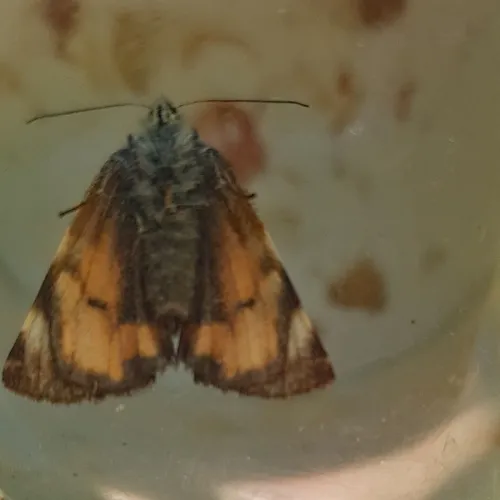
Light Orange Underwing
Archiearis notha
Wingspan about 35 mm. The adults have rather less variegated forewings than A. parthenias and subtle differences in the black suffusion of the hindwing, though these are difficult to establish in the field. Orange Underwing ( Archiearis parthenias )
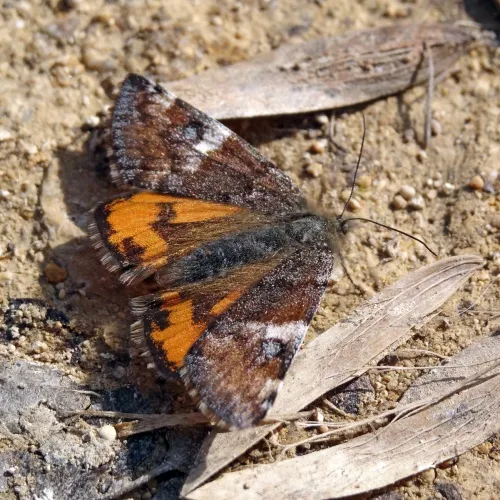
Orange Underwing
Archiearis parthenias
Light Orange Underwing (Boudinotiana notha) Specimens need to be netted and examined closely including the hindwing – especially if taken where both Aspen and Birch are present. If the moth has bipectinate (feathery) antennae it will be a male Light
Aspitates forbesi - Hodges#6716
Aspitates forbesi
Identification: Specimen determined by DNA analysis (BOLD).
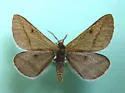
Aspitates orciferaria - Hodges#6717
Aspitates orciferaria
Identification: Specimen determined by DNA analysis (BOLD).
Small White Wave
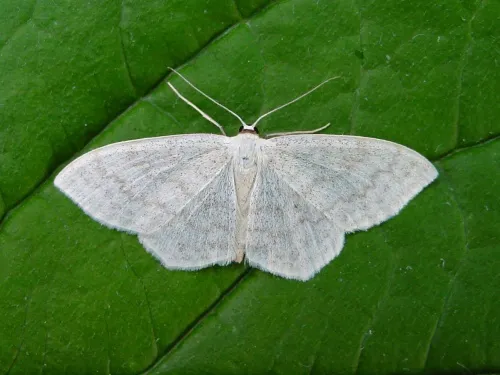
Asthena albulata
Wingspan 14 to18 mm. A delicate little moth which has a silky sheen to the wings, and is more contrastingly marked than other white 'waves'. The adults fly from mid-May to July, sometimes with a partial second brood in August/September. The caterpill
Straw Besma - Hodges#6884
Besma endropiaria
Identification: Adult: forewing pale whitish-yellow with faint (sometimes partial) AM and PM lines; fringe concolorous with wing; no discal spot on forewing or hindwing (see comments in See Also section below). Larva: body greenish-yellow with reddis
Besma rubritincta - Hodges#6886
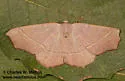
Besma rubritincta
Identification: Specimens identified by DNA analysis:
Besma sesquilinearia - Hodges#6887
Besma sesquilinearia
Identification: Capps (1943) reported the early season (May) specimens are more densely sprinkled with fuscous and have a larger wingspan (43-45 mm.) than those taken from June to September (32-38 mm.)
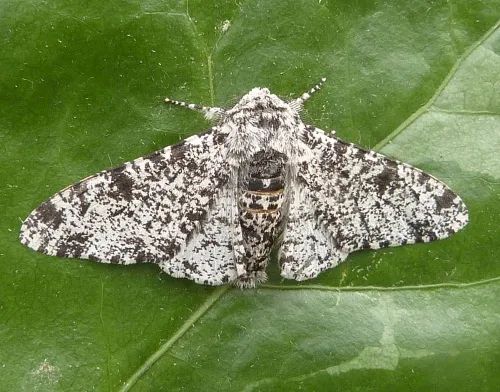
Peppered Moth
Biston betularia
Wingspan 35-60 mm. A favourite of genetic studies, this species shows well the phenomenon of industrial melanism, where all-dark individuals became the dominant form in certain parts of northern England. Nowadays, the melanic form carbonaria is decli
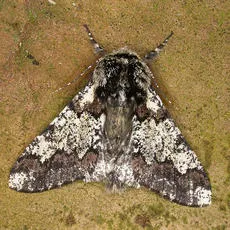
Oak Beauty
Biston strataria
Wingspan 40-50 mm. A large-bodied, attractive species with alternate bands of chestnut and white, speckled with black. Frequents deciduous woodland and suburban habitats. The caterpillars feed on a number of deciduous trees; the species is not restri
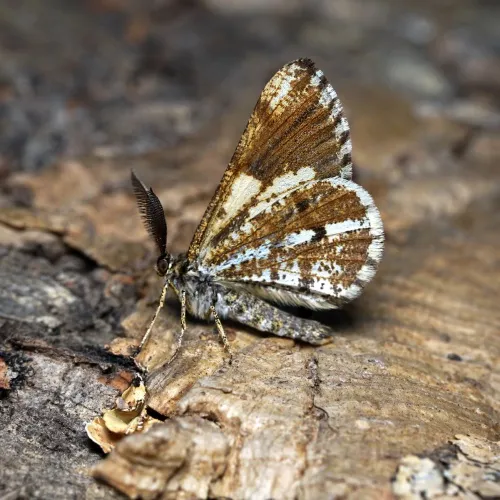
Bordered White
Bupalus piniaria
Wingspan 28-35 mm. A sexually dimorphic species, the males having a white or yellow ground colour, bordered with black and the females a more subdued variation of the pattern, in yellowish and brown. The yellow form tends to occur in the south and th
Yellow-dusted Cream - Hodges#6677
Cabera erythemaria
Identification: See Rindge (1956) in Print References below. Specimen identified by DNA analysis:
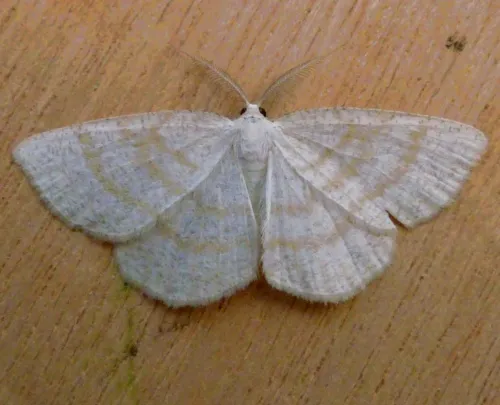
Common Wave
Cabera exanthemata
Wingspan 30 to 35 mm. Superficially similar to the Common White Wave ( C. pusaria ), this species has a dusky sprinkling of brownish scales and the cross-lines are more curved. It prefers damp woodland and marshy areas Between May and August, with tw
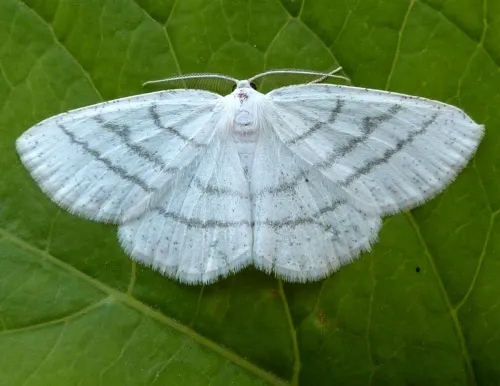
Common White Wave
Cabera pusaria
Wingspan 25-28 mm. This species resembles the Common Wave ( C. exanthemata ) but is generally whiter with more parallel cross-lines on the forewing. It occupies woodland, copses and similar habitats. During the day it rests in low herbage and can eas
Four-lined Cabera Moth - Hodges#6680
Cabera quadrifasciaria
Identification: Forewing has four transverse lines. The Rindge revised description as Deilinia quadrifasciaria (Packard), is available online in PDF. Specimen identified by DNA analysis (BOLD).
The Vestal - Hodges#6678
Cabera variolaria
Identification: Adult: front of head and forelegs yellowish-brown to orange; wings may be pure white (but not shiny) or white with light gray speckling and very faint traces of yellowish to grayish-brown lines crossing the wings Larva: has a green fo
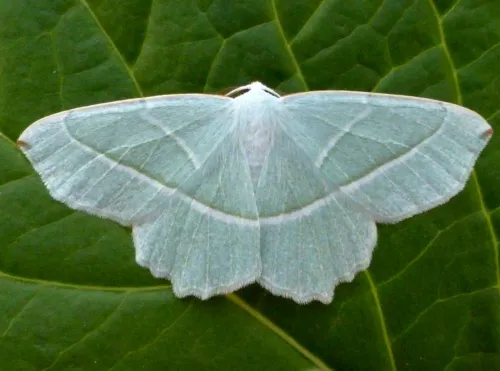
Light Emerald
Campaea margaritaria
Wingspan 30-40 mm. An attractive pale-green species, which has a blood-red tip to the forewing, sometimes extending as a line along the outer edge of both fore and hindwings. Broad-leaved woodland, areas with scattered trees, scrub, hedgerows, parks
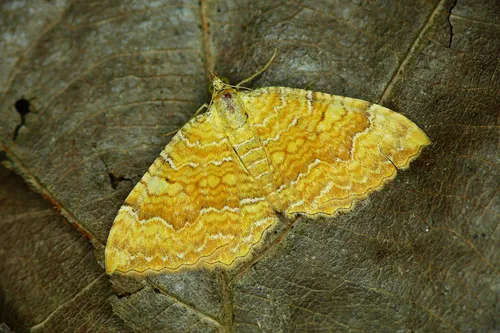
Yellow Shell
Camptogramma bilineata
Wingspan 20-25 mm. A very variable species with examples ranging from bright yellow through to dark brown and also variable in size. Four different subspecies occur, with the smaller and darker ones frequenting rocky places in northern Scotland and I
Red Girdle - Hodges#6865
Caripeta aequaliaria
Identification: Adult - forewing reddish-brown with jagged AM and PM lines, pale yellowish discal spot, and prominent orange arrow-shaped streaks in subterminal area. Hindwing whitish basally with diffuse pale yellow streaks radiating distally. Larva
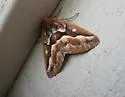
Southern Pine Looper - Hodges#6869
Caripeta aretaria
A rare or threatened species in many parts of its range.
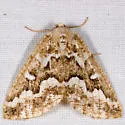
Gray Spruce Looper - Hodges#6863
Caripeta divisata
Identification: Adult: forewing dull grayish-brown with brown shading along costa; lines black, toothed, accented with white; large white discal spot outlined in black hindwing pale grayish-white with lighter dusting of fine brown striations or speck
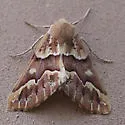
Caripeta interalbicans - Hodges#6866
Caripeta interalbicans
A note by Ferguson in the Smithsonian collection states that Caripeta aequaliaria and Caripeta interalbicans are the same species - Franclemont collected larvae that he considered Caripeta aequaliaria , but Caripeta aequaliaria is known to have two l
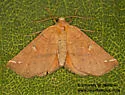
Caripeta macularia - Hodges#6874
Caripeta macularia
Identification: See original description in print references below .
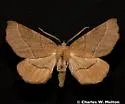
Caripeta ocellaria - Hodges#6873
Caripeta ocellaria
Identification: Specimens identified by DNA analysis:
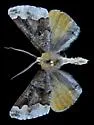
Caripeta pulcherrima - Hodges#6870
Caripeta pulcherrima
Identification: Adult - Orange hindwings distinguish this species from all similar Caripeta species. See original description in Print References.
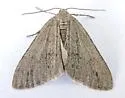
Carphoides inconspicuaria - Hodges#6625
Carphoides inconspicuaria
Identification: The forewing is heavily and evenly peppered with dark brown scales. The transverse lines are usually absent in the males; females often have weak am and pm lines. There are short dark subterminal dashes. The hindwing of the male is wh
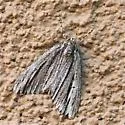
Carphoides incopriarius - Hodges#6624
Carphoides incopriarius
Identification: Rindge stated Carphoides incopriarius "is very different in appearance from Carphoides setigera ." The forewing has longitudinal markings and no transverse lines. The postmedian line is sometimes represented by dark spots.
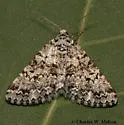
Green Carphoides - Hodges#6623
Carphoides setigera
Identification: Adult: forewing light grayish-green with toothed black lines, black discal spot, and sparse dark speckling; fringe white with dark scales at vein tips; hindwing white with gray speckling/shading and small discal dot; subterminal and t
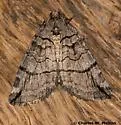
Carptima hydriomenata - Hodges#7281
Carptima hydriomenata
Carptima hydriomenata - Hodges#7281 (Carptima hydriomenata) is a species in the family Geometridae, commonly known as geometrid moths, belonging to the order Lepidoptera (Butterflies and Moths). It is classified within the subfamily Larentiinae, trib
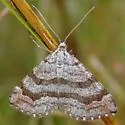
Carsia sororiata - Hodges#7626
Carsia sororiata
Identification: The lines may be prominent or indistinct.
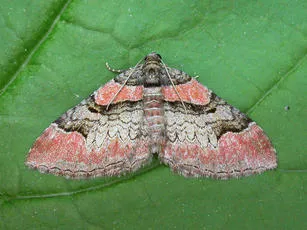
Ruddy Carpet
Catarhoe rubidata
Wingspan 26 to 31 mm. The colourful combinations of pinks and browns make this an easy species to identify. It occupies open woodland, scrubland, downland and sea-cliffs. An uncommon species, found locally in the southern parts of England and Wales.
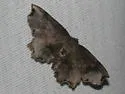
Dark Scallop Moth - Hodges#6834
Cepphis decoloraria
Identification: forewing brownish-gray with wavy margin and dark gray band in median area; AM line thin, dark; black semicircular patch along outer margin near apex hindwing similarly colored but with scalloped outer margin some specimens (southern o
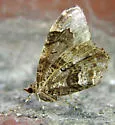
Ceratodalia gueneata - Hodges#7221
Ceratodalia gueneata
Identification: Adult: forewing brownish-gray, paler along costa and outer margin; PM line triple but not visible in all specimens; AM line double; ST line with 3 or 4 large dark teeth near costa; fringe pale except for dark scaling at veins, giving
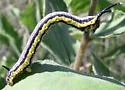
Ceratonyx arizonensis - Hodges#6778
Ceratonyx arizonensis
Identification: Adult - See Capps and Rindge descriptions in Print References. Larva & Pupa - See Franclemont description in Print References.
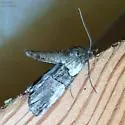
Ceratonyx satanaria - Hodges#6780
Ceratonyx satanaria
Identification: Larvae - similar in form to that of arizonensis , with a very long pair of prothoracic filaments, but has three small projections on the second abdominal segment and only a stump of the filament on the eighth abdominal segment. The bo
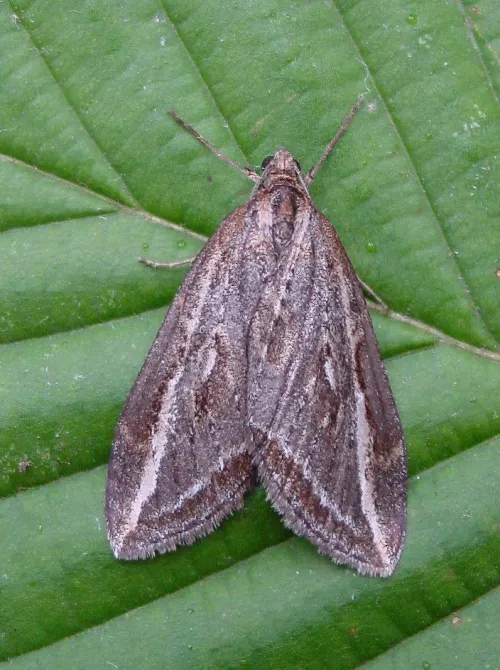
The Streak
Chesias legatella
Wingspan 30 to 35 mm. This species has a distinctive resting posture, with the long narrow wings held tent-like over the back. The caterpillars are very similar to the Broom-tip, but are found earlier in the year on Broom Areas where Broom (the larva
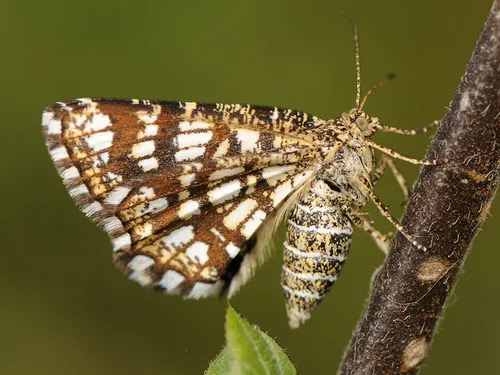
Latticed Heath
Chiasmia clathrata
Wingspan 20-25 mm. Quite a variable species, with several named forms and subspecies, and the ground colour varying from yellowish to white. It occurs in a range of open habitats, including moorland, grassland and waste ground. There are usually two
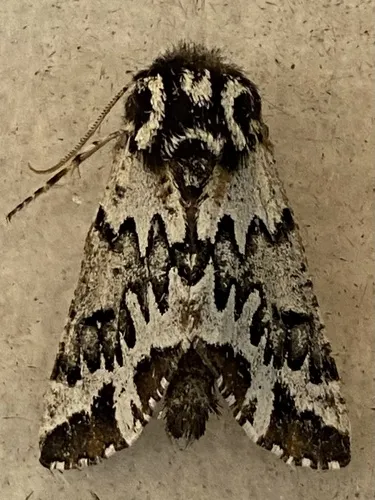
Chiricahua multidentata - Hodges#6641
Chiricahua multidentata
Identification: Adult - Generally, white with a broad, gray median area with irregular margins, and with a grayish black terminal area. More specifically, Forewings white, with scattered grayish brown and blackish brown scales on both sides of dark m
Bicolored Chloraspilates - Hodges#6700
Chloraspilates bicoloraria
Identification: Adult: forewing apple green, sometimes tan, with pale brown strip along costa and dark brown marks near apex; hindwing contrasting light brown with dark brown median line.
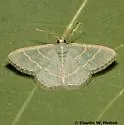
Chlorochlamys appellaria - Hodges#7073
Chlorochlamys appellaria
Identification: Original description online: 206 Adults - usually green, but may also be brown, rust, or, rarely cream. ( 3 ) Larvae - yellow green with vague lighter lines and a yellow head. ( 3 )
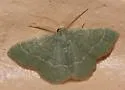
Thin-lined Chlorochlamys Moth - Hodges#7074
Chlorochlamys phyllinaria
Identification: Adult - male antenna bipectinate, tapering to a simple tip; female antenna slender and simple. Generally recognized by its small size, intense olive green color, sometimes tan or reddish brown (Prout's type specimen), and thin, sharp
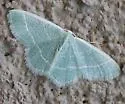
Chlorochlamys triangularis - Hodges#7072
Chlorochlamys triangularis
Identification: Adult: Green-gray except when faded. A rare cream form exists in southeast Califronia and Nevada. No discal spots. No antemedial line on the hindwing. Usually has a pale line the length of the abdomen on the dorsal surface (no spots o
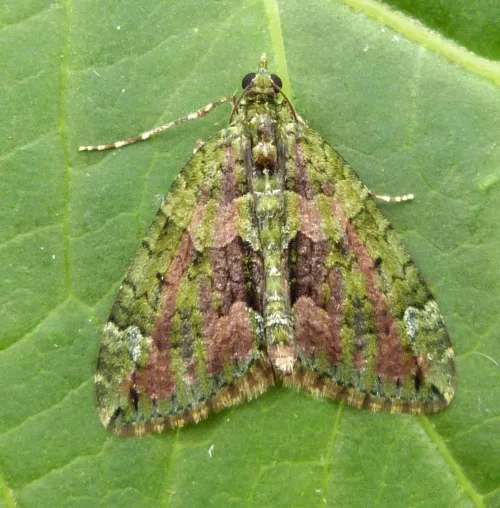
Red-green Carpet
Chloroclysta siterata
Wingspan 30-36 mm. The adult has a subtle combination of reddish and green colours which seem to change in the light. An autumn species, occurring in September and October. The adult moth hibernates flying again in early spring. The larval foodplants
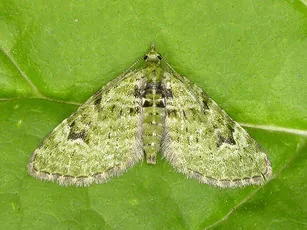
V-Pug
Chloroclystis v-ata
Wingspan 14-19 mm. The green ground-colour, small size, V-shaped mark and more triangular resting posture all serve to make this species quite easy to identify. There are two generations in the south, flying in May and June, then again in August, but
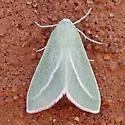
Chlorosea margaretaria - Hodges#7014
Chlorosea margaretaria
Identification: Ferguson (1985) stated the species is "slightly smaller and paler than nevadaria or banksaria , often of a more bluish-green coloring, with a narrower, more pointed forewing and, most significantly, with a very oblique postmedial line
Chlorosea nevadaria - Hodges#7012
Chlorosea nevadaria
Identification: The postmedial line of the forewing is nearly parallel to the outer margin. The abdomen has no markings.
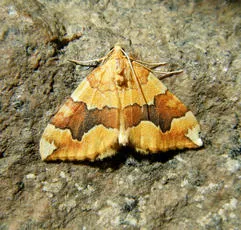
Barred Yellow
Cidaria fulvata
Wingspan 20-25 mm. A smallish, brightly-coloured species its yellow wings banded with reddish brown. It prefers woodland, chalk down land and scrubland. Widely distributed throughout Britain. In a recent survey to determine the status of all macro mo
Chain-dotted Geometer - Hodges#6898
Cingilia catenaria
Identification: Adult: wings white to pale brown or grayish; AM, PM, and terminal lines composed of black dots (AM and PM lines may be continuous in some individuals); top of head and "shoulders" yellow, with remainder of thorax and abdomen whitish t
Double-lined Gray Moth - Hodges#6594
Cleora sublunaria
Identification: Larva: Elongate, smooth, green to brown with faint dorsal and lateral stripes. Head with faint spotting forming short concentric bands. Dorsum with darker middorsal (heart) line edged with indistinct addorsal, subdorsal, and supraspir
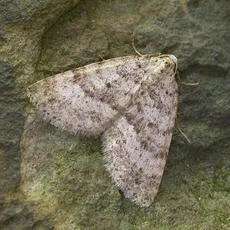
Mottled Grey
Colostygia multistrigaria
This species occupies damp woodlands, mosses and heathland. It has an early spring emergence, being on the wing in March and April. The larvae feed on bedstraw during early summer. Fairly well distributed over much of the British Isles. In a recent s
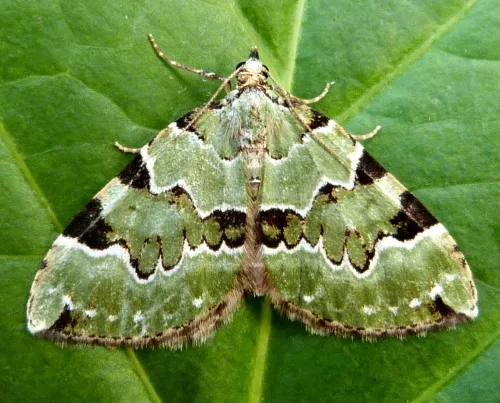
Green Carpet
Colostygia pectinataria
Wingspan 22-27 mm. The bright green colour of this moth when freshly emerged soon fades to a yellowish-brown. It inhabits a range of habitats, including heaths, mosses and woodland. The single generation flies from May to July. Like many of its conge
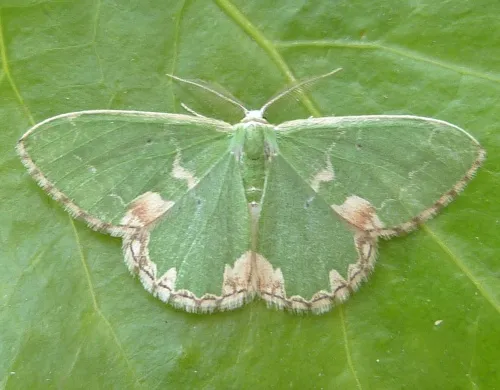
Blotched Emerald
Comibaena bajularia
Wingspan 23 to 27 mm. Cream and fawn blotches in the trailing corner of the otherwise green forewing and hindwing are diagnostic. Fringes are chequered. The favoured habitat is deciduous woodland. The main flight period is June to July when the adult
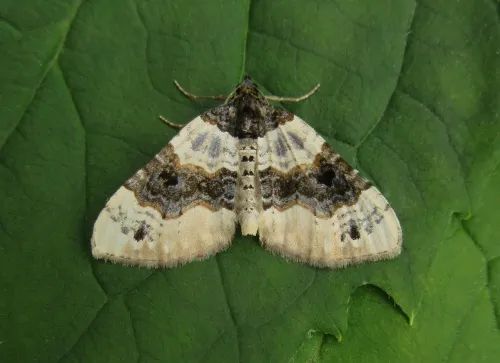
Purple Bar
Cosmorhoe ocellata
Wingspan 20 to 25 mm. This smallish member of the 'carpets' has a velvety look to the forewings. It flies from May to August, usually with two generations in the south, but a single brood further north. The larvae feed on various types of bedstraw. I
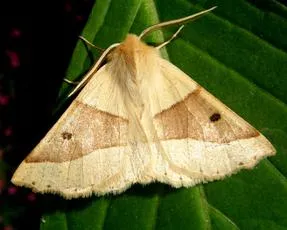
Scalloped Oak
Crocallis elinguaria
Wingspan 32-41 mm. This species shows some variation in the intensity of the markings but is usually easy to identify. Woodland, scrub, hedgerows, parks and gardens. The single generation flies in July and August. The caterpillars show a polyphagous
Birch Mocha
Cyclophora albipunctata
Wingspan 20 to 25 mm. A delicately mottled and speckled species, this moth sometimes shows a rosy flush, but other specimens may be fairly grey in appearance. Good photographs and/or the specimen required. It occurs in woodland areas especially where
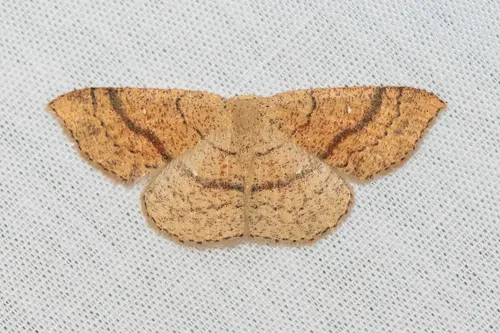
Cyclophora dataria - Hodges#7135
Cyclophora dataria
Identification: Adult: forewing uniformly yellowish to light brown with fine dark speckling and lines; AM line faint, median light dark, diffuse, slightly sinuate; PM line composed of several dark dots, sometimes connected by wavy line; terminal line
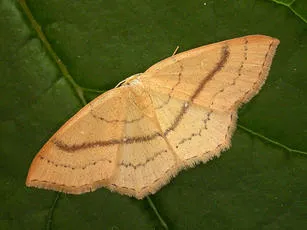
Clay Triple-lines
Cyclophora linearia
Wingspan 26 to33 mm. The second brood individuals are often different to those of the first and closely resemble Maiden's Blush. Well wooded areas especially those containing Beech. Moths fly from May to July, and sometimes again in the autumn. Occur
Waxmyrtle Wave Moth - Hodges#7137
Cyclophora myrtaria
Identification: Specimen identified by DNA analysis: See discussion of identification issues in Remarks under this image:
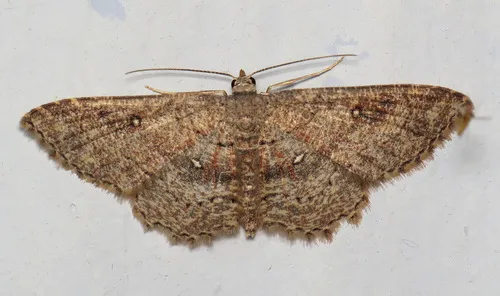
Dwarf Tawny Wave - Hodges#7140
Cyclophora nanaria
Identification: More reddish, with semi-solid black AM & PM lines. White spot on each wing, surrounded with black. Genitalia: Often attracted to lights. Types: Holotype as Ephyra nanaria female by Walker 1861. Type Locality: Dominican Republic. In th
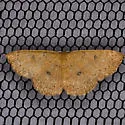
Packard's Wave - Hodges#7136
Cyclophora packardi
Identification: Wings yellowish to orangish-brown, not mottled; discal spots hollow or filled with white; AM and PM lines made of bold gray dots, distinct and uniformly separated; solid gray median line sometimes present. [adapted from description by
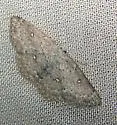
Sweetfern Geometer - Hodges#7139
Cyclophora pendulinaria
Identification: Adult: wings white or various shades of gray to blackish-brown (melanics); discal spots hollow - round on forewing, oval on hindwing; AM and PM lines sharpest but usually broken to dotted; median line more diffuse; shading also variab
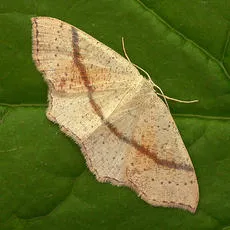
Maiden's Blush
Cyclophora punctaria
Wingspan 18 to 25 mm. Forewings are tip pointed, outer edge with central bulge. Light pinkish brown or buff, speckled with dark grey scales and often flushed with pink. Central cross line largely red. Oak woodland and other areas containing Oak. Like
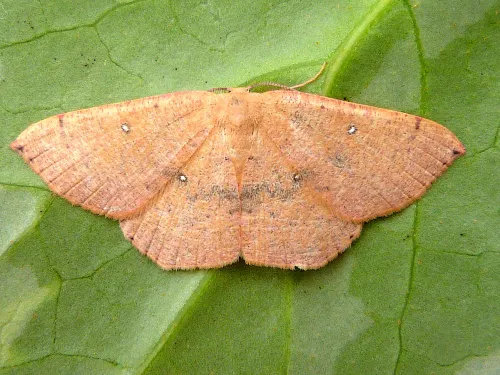
Blair's Mocha
Cyclophora puppillaria
Good photographs and/or the specimen required. This moth is usually considered to be a migrant from the continent though in recent years it seems to have become established on the south coast. On the continent, the larval foodplants include evergreen
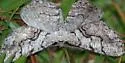
Giant Gray Moth - Hodges#6745
Cymatophora approximaria
Identification: Packard description is online and linked in the print references.
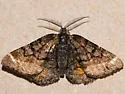
Red-winged Wave - Hodges#6426
Dasyfidonia avuncularia
Identification: Adult: forewing brown with black AM, PM, and median lines, and many transverse streaks or striations; subterminal area paler than remainder of wing; small but distinct white patch at costa near apex; hindwing mostly bright reddish-ora
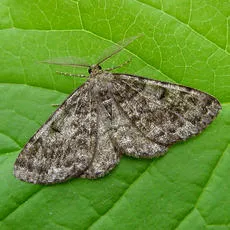
Satin Beauty
Deileptenia ribeata
Wingspan 30 to 40 mm. Distinguished from similar species by the broad rounded forewing, it is a species where expert help with identification is recommended. Occupying deciduous and coniferous woodland. The adults fly in a single generation from June
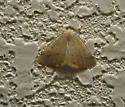
Destutia oblentaria - Hodges#6882
Destutia oblentaria
Identification: See original description by Grote here .
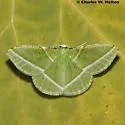
Dichorda consequaria - Hodges#7054
Dichorda consequaria
Identification: Edwards original description as Geomerra iridaria var. consequaria , and other descriptions are available online in the print references below. Adult: , Wide white transverse lines are straight and often have white shading. Forewing o
Dichorda illustraria - Hodges#7055
Dichorda illustraria
Identification: The original description as Geometra illustraria Hulst, is available online at the link in the print references below. Specimens identified by DNA analysis:
Dichorda rectaria - Hodges#7056
Dichorda rectaria
Identification: Similar to Dichorda iridaria and Dichorda consequaria but lacks any whitish suffusion in the median area. Transverse lines are rather bold and fairly straight. Specimen identified by DNA Analysis:
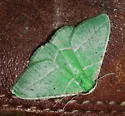
Phoenix Emerald - Hodges#7057
Dichordophora phoenix
Identification: Original description online as Dichorda phoenix Prout. Adult: forewing green with straight whitish AM and PM lines that curve slightly at costa; distance along costa between AM and PM lines less than 2x distance between PM line and ap
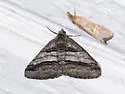
Digrammia atrofasciata - Hodges#6368
Digrammia atrofasciata
Identification: Det. Ed Knudson, Texas Lepidoptera Survey, Houston:
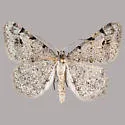
Californian Granite - Hodges#6380
Digrammia californiaria
Identification: Adult: forewing whitish to pale brown with sparse dark speckling; small black patches along costa represent upper ends of AM, median, and PM lines, which are otherwise missing or faint; broken dark patch about one-third distance from
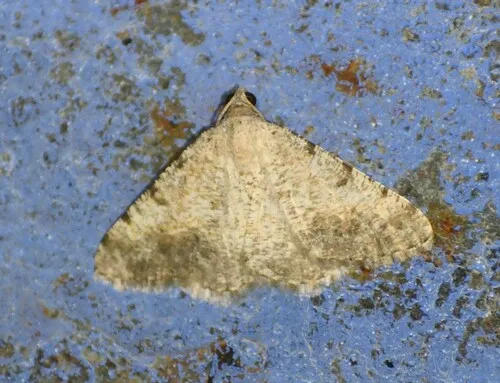
Creosote Moth - Hodges#6381
Digrammia colorata
Identification: Adult - forewing ground color variably pale yellowish to grayish-brown, with sparse to heavy speckling mixed with yellowish or orangish scales; four dark marks along costa represent tops of AM, median, PM, and subterminal lines, which
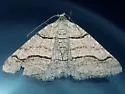
Curve-lined Angle - Hodges#6362
Digrammia continuata
This species forms a complex with D. excurvata and D. setonana and adults are best identified by dissection .