
THE INSECTLIBRARY FIELD GUIDES
Praying MantisIdentification, facts & practical guidance
Praying mantises are predators in Mantodea. Their folded, spiny front legs grasp prey rather than serving primarily for walking.
Compiled by the InsectLibrary Team · Updated · Editorial policy
Identification and lookalikes
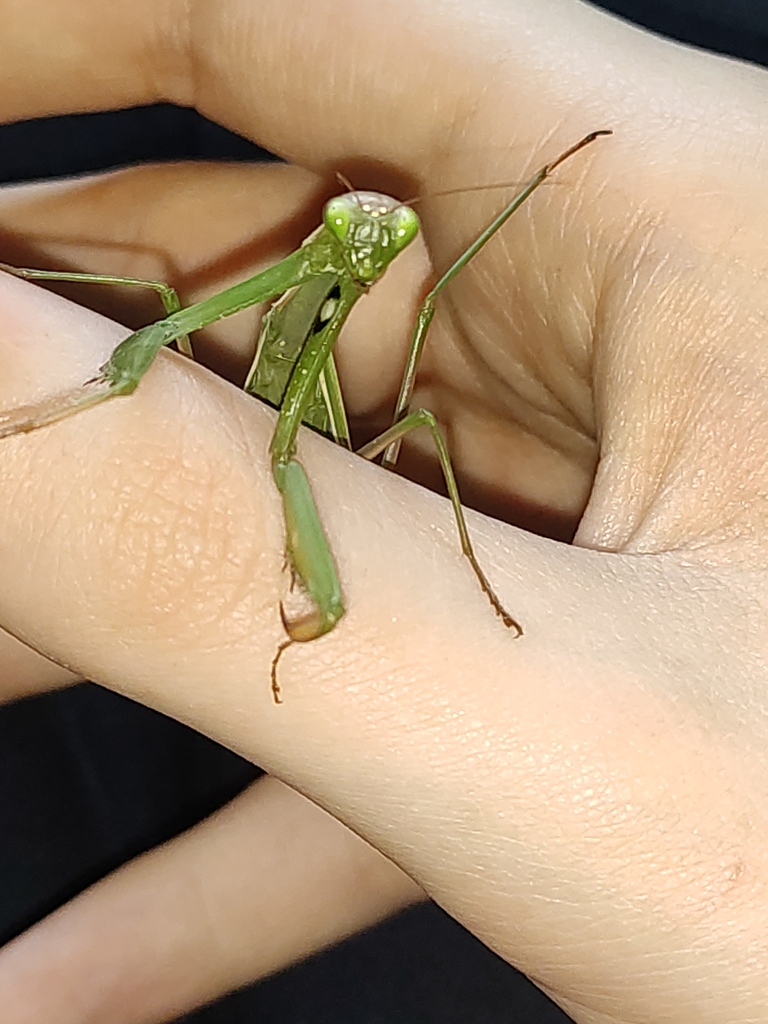
Look for a triangular head, prominent eyes and grasping forelegs. Mantidflies have similar front legs but belong to a different insect order. Species identification may require details of the face, forelegs, wings and egg case.
What do praying mantises eat?
Mantises capture a range of insects, including other predators and pollinators. Their diet is not restricted to garden pests. Young mantises resemble smaller adults but lack fully developed wings.
What to do next
Watch hunting behavior without feeding or handling the animal. Identify a mantis and consider local ecology before releasing purchased egg cases into a garden.
Praying Mantis: species profiles
Explore 70 species profiles covered by this guide, with recorded names and available photos.
Praying Mantis
Mantis religiosa
(c) finalapplause, some rights reserved (CC BY)Chinese Mantid
Tenodera sinensis
Carolina Mantis
Stagmomantis carolina
Bordered Mantis
Stagmomantis limbata
Mediterranean Mantis
Iris oratoria
Asian Jumping Mantis
Statilia maculata
Narrow-winged Mantis
Tenodera angustipennis
Grass-like Mantid
Thesprotia graminis
Purple-winged Mantis
Tenodera australasiae
Grizzled Mantid
Gonatista grisea
Liturgusa maya
Liturgusa maya
Tenodera aridifolia
Tenodera aridifolia
Sources and further reading
- mdc.mo.gov - mantids mantiseshttps://mdc.mo.gov/discover-nature/field-guide/mantids-mantises
References support the subject discussed here; they do not certify every imported directory record. Regional sources describe their own locations. Read our source and correction policy.