
Family Prominent Moths (Notodontidae)
Notodontidae is a family in the order Lepidoptera. Browse 185 named species recorded in this family, or open an individual profile for its available identification and natural-history information.
Species in Notodontidae (185)
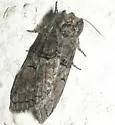
Afilia oslari - Hodges#7962
Afilia oslari
Identification: Specimen identified by DNA analysis:
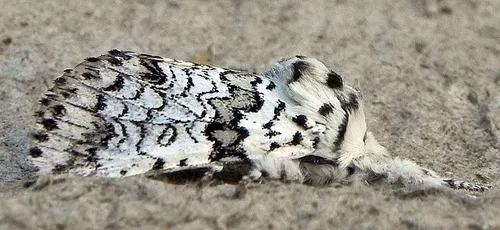
Black-etched Prominent - Hodges#7942
Americerura scitiscripta
Identification: Adult: forewing white with sharp double black lines and small black reniform spot; black streaks also extend along veins; hindwing gray; Florida specimens have reduced black markings and white hindwing Larva: body lime green with whit
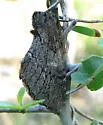
Cargida pyrrha - Hodges#7964
Cargida pyrrha
Identification: Godfrey (1984) described the larva as having a black head and body with several lateral yellow and white stripes. ( 3 )
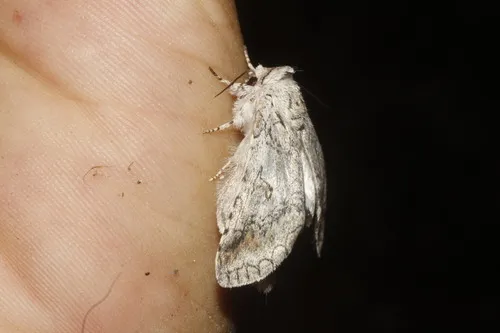
Caribbeana bichorda - Hodges#7965
Caribbeana bichorda
Identification: "Head and thorax grey-white, mixed with black scales; palpi black at sides; patagia with a black line at tips ; metathorax with two black points; tibia and tarsi irrorated with black, the latter with black points; abdomen white, thick
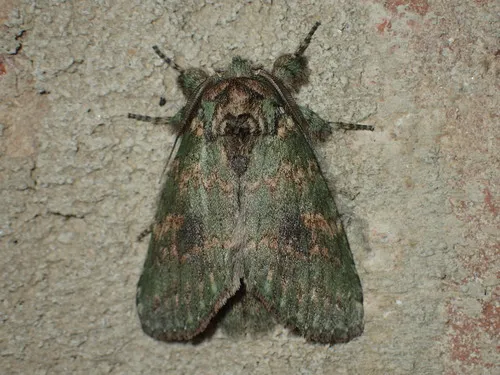
Wavy-lined Heterocampa Moth
Cecrita biundata
Cecrita biundata, the wavy-lined heterocampa, is a species of moth in the family Notodontidae (the prominents). It was first described by Francis Walker in 1855 and it is found in North America.
Cecrita cubana - Hodges#7984
Cecrita cubana
Identification: See Miller et al. (2021) ( 3 ) The original description is online in the print references below. Determined by Bob Patterson.
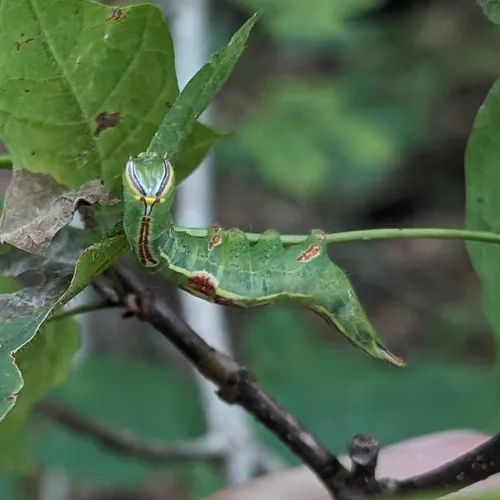
Saddled Prominent - Hodges#7994
Cecrita guttivitta
Identification: See Miller et al. (2021) ( 3 ) Specimen identified by DNA analysis:
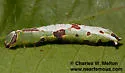
Cecrita incongrua - Hodges#7989
Cecrita incongrua
Identification: See Miller et al. . "Antennae brownish-yellow. Head and thorax mottled olivaceous and black. Abdomen light yellowish-brown above, overlaid by some grey, tufts black; below, cream, colored. Primaries: ground color olivaceous, strongly
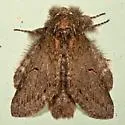
Cecrita lunata - Hodges#7993
Cecrita lunata
Identification: See Miller et al. (2021) ( 4 ) . Edwards (1884) original description of Heterocampa lunata is available online in the print references. Determined by Noel McFarland.
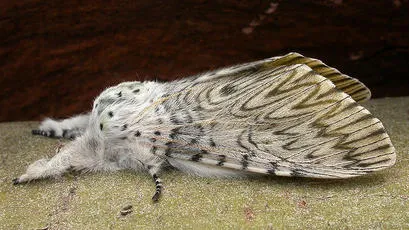
Puss Moth
Cerura vinula
Wingspan 45-70 mm. Named after the cat-like appearance of the adult moth, which is white, marked with darker greys. The adult flies from May to July and frequently comes to light. The striking caterpillar feeds on Aspen as well as Poplar and Willow.
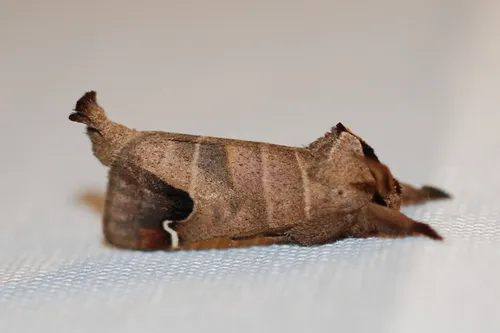
Sigmoid Prominent
Clostera albosigma
Clostera albosigma, the sigmoid prominent, is a moth of the family Notodontidae. It is found from Newfoundland west to Vancouver Island, north to the Great Slave Lake and the Northwest Territories and south to at least Missouri.
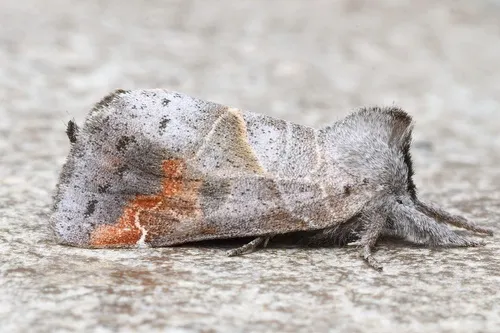
Apical Prominent - Hodges#7901
Clostera apicalis
Identification: Adult: forewing gray with dark reddish/burgandy subapical patch; wings held tight to abdomen when at rest; PM line has white squiggle just below costa; median area crossed by diagonal whitish line from costa to inner margin; hindwing
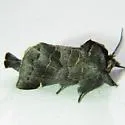
Clostera brucei - Hodges#7900
Clostera brucei
Identification: Forewing antemedial and median lines do not touch. (a key feature) Id confirmed by Chuck Harp. Wide range but seldom collected.
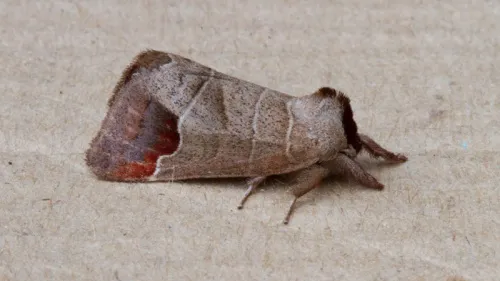
Chocolate-tip
Clostera curtula
Wingspan 27-35 mm. An unmistakable species with the red-brown 'chocolate' wing tips, as well as a similar coloured stripe on the crown of the head and red-brown feet. The English population has two generations, with adults at large in April and May,
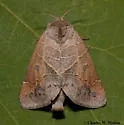
Clostera inornata - Hodges#7897
Clostera inornata
Identification: Determined by Bob Patterson. - Specimen identified by DNA analysis (BOLD). ( 3 )
Clostera paraphora - Hodges#7899
Clostera paraphora
Identification: Adult: forewing more-or-less uniformly bluish-gray; PM line pale, wavy/meandering throughout its length; subterminal line an irregular series of black dashes or blotches; AM and median lines faint but usually distinguishable; hindwing
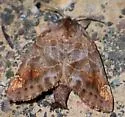
Striped Chocolate-tip - Hodges#7898
Clostera strigosa
Identification: Adult: forewing grayish-brown with conspicuous yellowish/gold subapical patch (a distinguishing feature); dark gray or blackish bar crosses PM line at right-angles just below apical patch; hindwing uniformly grayish-brown Larva: body
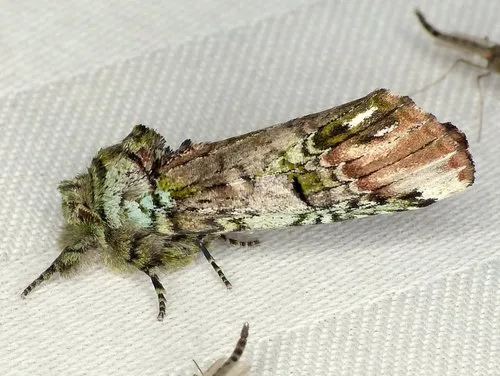
Unicorn Prominent
Coelodasys unicornis
Coelodasys unicornis, the unicorn caterpillar moth, unicorn prominent or variegated prominent, is a species of moth in the family Notodontidae. It was first described by James Edward Smith in 1797 and is found in North America south of the Arctic.
Contracted Datana - Hodges#7906
Datana contracta
Identification: Adult : FW reddish brown, with wide, conspicuous yellowish shading along lines. Outer margin is not wavy. HW yellowish with pale brown shading. Larva can be identified by the cream-colored stripes, the subspiracular stripe being thick
Datana diffidens - Hodges#7912
Datana diffidens
Identification: A very large Datana restricted in range to the Texas coast. Forewings sprinkled with white scales, giving the moth a powdery look. Similar to D. perfusa of Arizona, but easily separated by range.
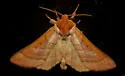
Drexel's and Major Datanas
Datana drexelii-major
Identification: Adults of Datana drexelii and Datana major are generally inseparable in photos and should be placed under this name unless they were dissected or reared from larvae.
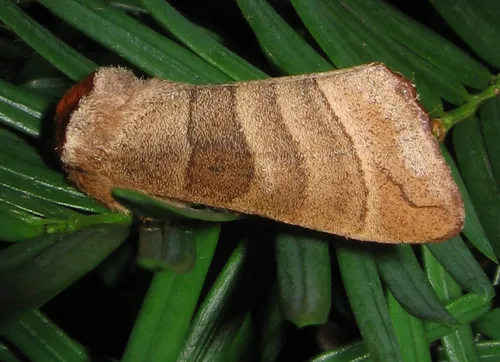
Walnut Caterpillar Moth
Datana integerrima
Datana integerrima, the walnut caterpillar moth, is a moth of the family Notodontidae. It is found in eastern North America, from Ontario, through most of the Eastern States west to Minnesota and south to northern Mexico.
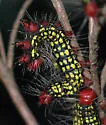
Azalea Caterpillar Moth - Hodges#7905
Datana major
Identification: Adult: forewing orangish-brown, darker brown toward costa (not tawny to reddish-brown, as in Drexel's Datana); hindwing solid orangish-brown [adapted from description by Charles Covell] D. major is not safely separable from D. drexeli
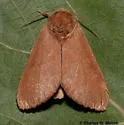
Datana perfusa - Hodges#7914
Datana perfusa
Identification: The original description is available online in the print references below. Specimen identified by DNA analysis (BOLD). ( 3 ) Quite a large Datana species, easily recognized by its size within its limited US range (southern Arizona).
Post-burn Datana - Hodges#7911
Datana ranaeceps
Identification: Dark reddish brown with scattered white scales overlaying the forewing, giving a frosted appearance. Determined by J. Bolling Sullivan This species is associated with certain ericaceous shrubs growing in recently burned areas. It can
Silvered Prominent - Hodges#7961
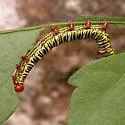
Didugua argentilinea
Identification: Caterpillar is brilliantly colored and difficult to mistake for anything else that overlaps in range and host plants. The adult moth has two distinctive white markings on the leading margin of each forewing, shaped like the dorsal fin
Marbled Brown
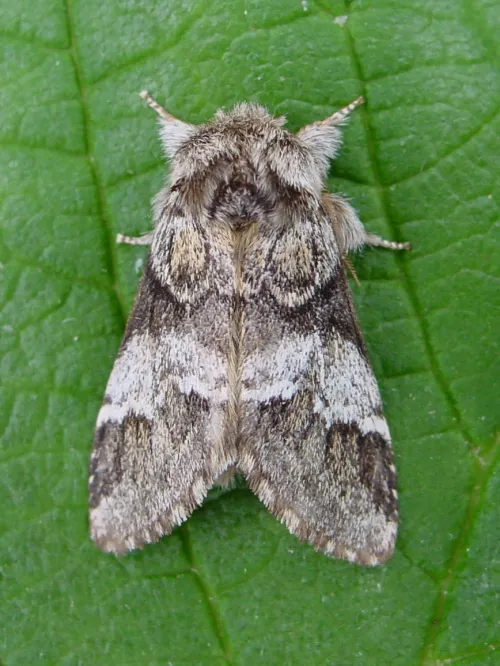
Drymonia dodonaea
Flies in May and June, when it is attracted to light. The caterpillar feeds on the leaves of oak. Occurring widely in much of Britain, it is most frequently encountered in the southern half. In a recent survey to determine the status of all macro mot
Lunar Marbled Brown
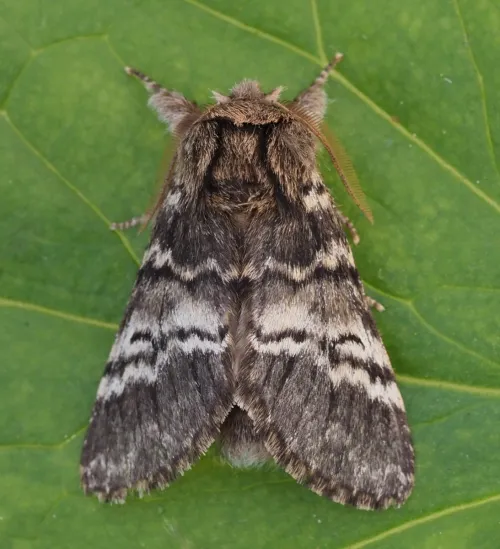
Drymonia ruficornis
Wingspan 35 to 40 mm. Similar to the Marbled Brown (D. dodonea), this species has a black crescent in the white area of the forewing. Inhabiting deciduous woodland where oak is present. Oak is the foodplant of the caterpillars. Relatively common in t
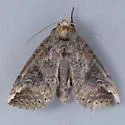
Elasmia cave - Hodges#7950
Elasmia cave
Identification: The Elasmia cave forewing is dark brown gray with weak transverse lines compared to the gray-blue to gray color of Elasmia packardii . Genitalia: ♀ ♂
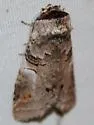
Linden Prominent - Hodges#7930
Ellida caniplaga
Identification: Adult: the triple antemedial (AM) line, fading part-way across the wing, is diagnostic. Larva: color and markings vary depending on age; at mid-stage, head is pale green with a pair of conspicuous black spots on top; body is darker gr
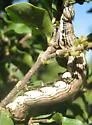
Glossy Prominent - Hodges#7948
Elymiotis notodontoides
Identification: Adults are sexually dimorphic. Wings have a glossy appearance; female's are greenish.
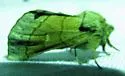
Euhyparpax rosea - Hodges#8021
Euhyparpax rosea
Identification: Beutenmüller (1893) description is available online in the print references .
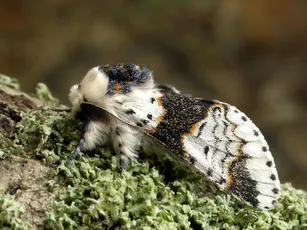
Alder Kitten
Furcula bicuspis
Wingspan 30 to 35 mm. Of the three 'kittens' (Furcula spp.) in Britain, this has the most contrasting appearance, having dark slate-grey, almost black bands on a white background. The single generation flies from May to July. The larvae feed on Birch
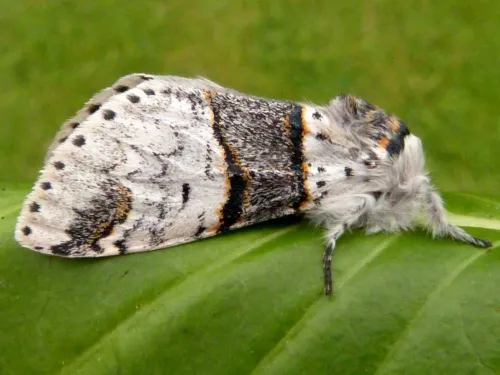
Poplar Kitten
Furcula bifida
Wingspan 35 to 45 mm. Quite similar in appearance to Sallow Kitten, this species is however usually larger, and the outer edge of the grey wing bar is more smoothly curved. The larval foodplants are usually Poplars including Aspen, though sometimes W
Gray Furcula - Hodges#7937
Furcula cinerea
Identification: Adult: forewing light gray with low-contrast medium gray median and subterminal areas, or completely medium gray in some individuals; AM, PM, and terminal lines a series of black dots; small amounts of yellow or orange often present o
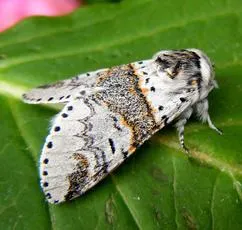
Sallow Kitten
Furcula furcula
Wingspan 27-35 mm. A most attractive moth resembling a kitten with its furry head and front legs. Its rich patterning of black on white is also speckled with oranges. The most widespread and common of the British 'Kittens' being distributed throughou
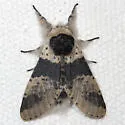
Modest Furcula - Hodges#7941
Furcula modesta
Identification: forewing with cream or light tan tint in white areas; dark gray patch along costa near apex; broad dark gray band across median area may be narrowed in middle, or divided into two wedge-shaped patches; terminal line a series of small
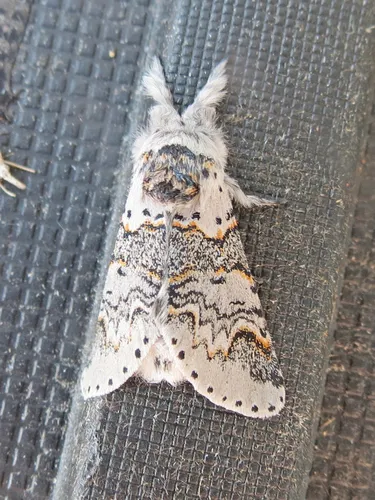
Western Furcula - Hodges#7939
Furcula occidentalis
Identification: Adult: forewing pale grayish with dark gray to charcoal median band and dark gray to charcoal patch along costa near apex; PM line triple, fine, continuous across wing presenting 3 distinct 'teeth' in the two most distal PM lines; AM
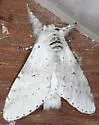
Furcula wileyi - Hodges#7937.3
Furcula wileyi
Identification: Similar to Furcula cinerea, which occurs farther east, and F. cinerioides wich occurs farther west, especially coastally; can be recognized by location but also narrower wings.
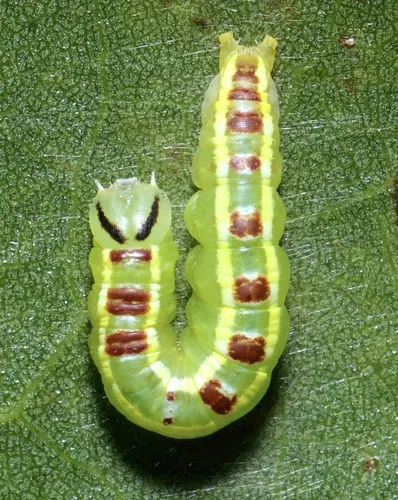
Common Gluphisia - Hodges#7931
Gluphisia septentrionis
Identification: Adult: forewing varies from light to dark gray; yellowish-to-gold-to-brownish patches on wing vary in extent, either crossing the entire wing or being restricted to the medial area; postmedial (PM) line usually bordered by small pale
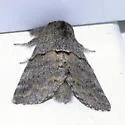
Gluphisia severa - Hodges#7935
Gluphisia severa
Identification: Specimen identified by DNA analysis:
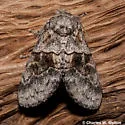
Gluphisia wrightii - Hodges#7932
Gluphisia wrightii
Identification: Specimen identified by DNA analysis: Threatened or rare species.
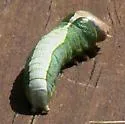
Heterocampa astartoides - Hodges#7978
Heterocampa astartoides
Identification: Adult determined by Ed Knudson, Texas Lepidoptera Survey
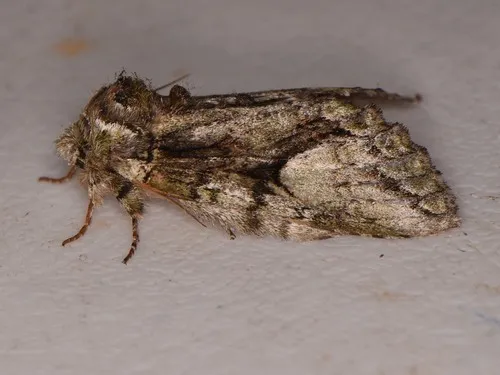
Eastern White-blotched Prominent
Heterocampa pulverea
Heterocampa pulverea is a species of moth in the family Notodontidae (the prominents). It is a widespread species found in oak forests of the eastern United States and Canada. It was formerly treated as a subspecies of Heterocampa umbrata.
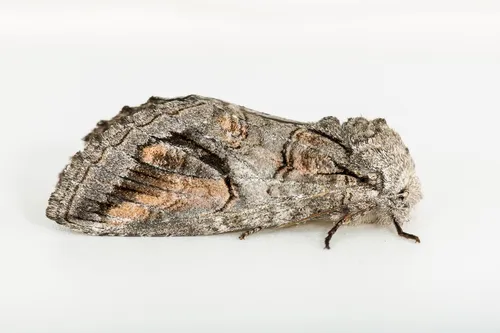
Heterocampa secessionis - Hodges#7981
Heterocampa secessionis
Identification: Det. Texas Lepidoptera Survey Type Locality: Alpine, Texas, 1 Jun 1926
Pink Prominent - Hodges#8022
Hyparpax aurora
Identification: Distinctive: pink and yellow. Coloration resembles (unrelated) Rosy Maple Moth, but pattern on wings is different. Covell lists as uncommon to rare.
Hyparpax aurostriata - Hodges#8025
Hyparpax aurostriata
Identification: Graef (1888) original description is available online in the print references below.
Hyparpax perophoroides - Hodges#8026
Hyparpax perophoroides
Identification: The original description as Cosmia perophoroides Strecker, is available online in the print references below.
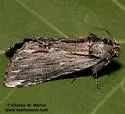
Ianassa coloradensis - Hodges#8015
Ianassa coloradensis
Identification: Powell & Opler (2009) reported the black basal streak is usually present. The hindwing of the female is smoky gray. ( 3 )
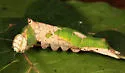
White-streaked Prominent - Hodges#8017
Ianassa lignicolor
Identification: Mature caterpillar blotched and mottled in green white and brown. "Dorsum of A1 drawn into forward-projecting horn. Head with characteristic mottling." (Wagner) Early instars are gregarious, yellow in color. Like other related promine
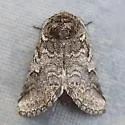
Litodonta contrasta - Hodges#7969
Litodonta contrasta
Identification: From the key to species in MONA Fascicle 22.1B - forewing uniformly gray without areas of yellow; occasionally with light brown blotches beyond ST line
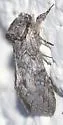
Macrurocampa dorothea - Hodges#7976
Macrurocampa dorothea
Identification: Larva - blue-green with red-brown and yellow mid-dorsal stripe. Abundant in the mountains of southeastern Arizona during July and August but appearing as early as May.
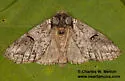
Macrurocampa gigantea - Hodges#7972
Macrurocampa gigantea
Identification: Barnes & Benjamin (1924) original description is available online and linked in the print references. Specimen determined by DNA analysis (BOLD). ( 3 )
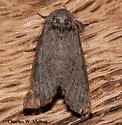
Macrurocampa ruficornis - Hodges#7996
Macrurocampa ruficornis
Identification: Specimen identified by DNA analysis (BOLD). ( 3 )
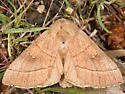
Nadata oregonensis - Hodges#7916
Nadata oregonensis
Identification: Powell and Opler state Nadata oregonensis is similar to Nadata gibbosa but the forewing has a yellowish patch in the discal cell and the postmedian line curves slightly basal at the inner margin. ( This is not a reliable diagnostic fe
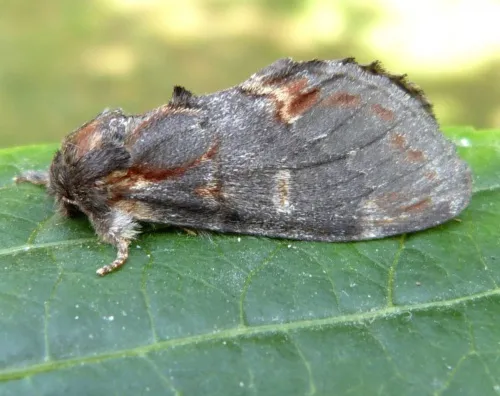
Iron Prominent
Notodonta dromedarius
Wingspan 35-40 mm. Specimens from the more northern parts of its range tend to be darker, with less orange and yellow. Broad-leaved woodland, heathland, river banks and sometimes gardens. Except in the north, there are two broods, flying in May and J
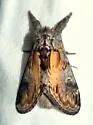
Notodonta manitou - Hodges#7926.1
Notodonta manitou
Identification: Per MONA Fascicle 22.1A, medial and ST areas of manitou forewing are yellowish to reddish brown with pale gray toward the costa. In scitipennis the colors are more to the reddish brown and the gray at costa is a darker slate gray. T
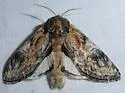
Notodonta ochreata - Hodges#7926.2
Notodonta ochreata
Identification: Characterized by MONA Fascicle 22.1A as not having a smooth, blended pattern as in N. manitou . Instead ochreata has an uneven, dirty look with the costal area between reniform and PM line standing out with a rough, charcoal black pa
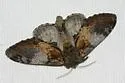
Notodonta pacifica - Hodges#7927
Notodonta pacifica
Identification: N. pacifica "differs from other Notodonta in that the apex of the valvae is greatly swollen and the process of the valva is robust and spatulate; in other species this process is spinose." Fascicle 22.1A
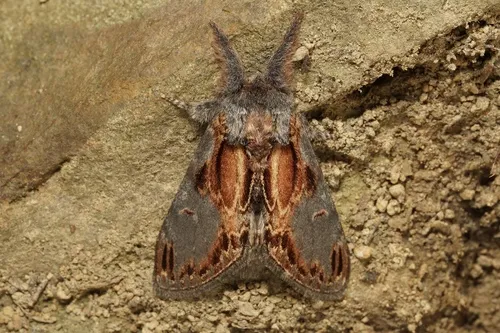
Finned-willow Prominent - Hodges#7926
Notodonta scitipennis
Identification: Adult: forewing bicolored - trailing half and outer edge mostly dark reddish-brown, and leading half mostly gray; orbicular spot indicated by a rusty streak, and reniform spot by a thin vertical rusty line; basal area has two blackish
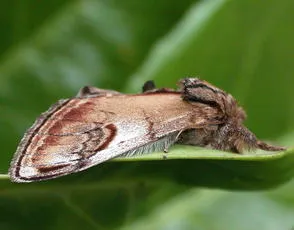
Pebble Prominent
Notodonta ziczac
Wingspan 40-45 mm. Typical of the Prominents in outline but with a fairly pale brown wing that has a ringed 'eye-like' pattern near the tip. It frequents a range of habitats but has a preference for damper localities, where the caterpillars feed on W
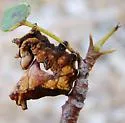
Nystalea eutalanta - Hodges#7947
Nystalea eutalanta
Identification: Original description online: (142) Determined Don Lafontaine
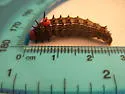
Red-humped Caterpillar Moth - Hodges#8010
Oedemasia concinna
Identification: Specimen identified by DNA analysis: Caterpillar has bright red head and red hump over segment A1. Striping is variable but includes black, yellow and white pinstripes. Takes up a defensive posture raising the rear end when disturbe
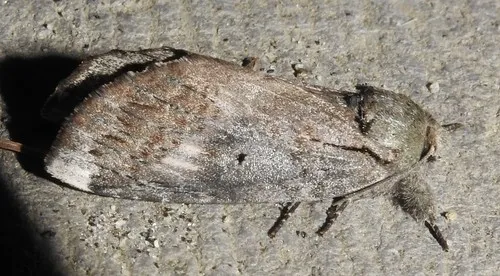
Black-blotched Prominent - Hodges#8011
Oedemasia leptinoides
Identification: Adult: forewing medium to dark gray with a sharply defined dark basal streak , diffuse blackish blotch near center of wing and usually paler brownish shading toward inner margin; AM and PM lines double, indistinct; pale gray or whitis
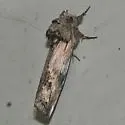
Red-washed Prominent - Hodges#8012
Oedemasia semirufescens
Identification: Variable grayish brown, FW variably streaked with yellowish, red, and black. Usually has a black basal dot, and reniform spot. HW light yellowish with gray shading. Caterpillar "Yellow, pink or brown with extensive netwrk of brown mot
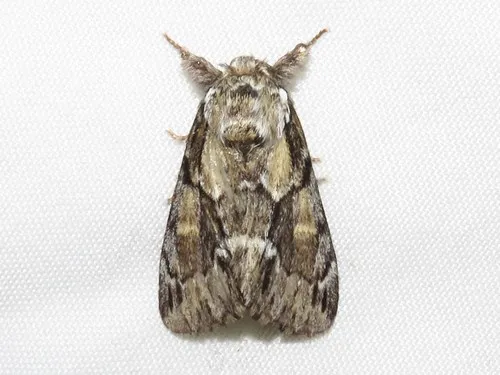
Georgian Prominent - Hodges#7917
Paraeschra georgica
Identification: Adult: forewing variably yellowish-beige to greenish-gray to grayish-brown or a patchy diffuse combination of those colors; AM and PM lines jagged, black, lined with white on side away from median area; large dull yellowish basal patc
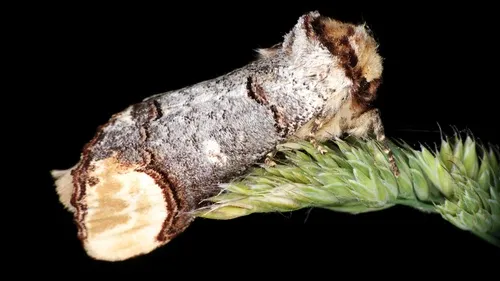
Buff-tip
Phalera bucephala
When at rest, the adults of this species bear a remarkable resemblance to a broken twig of Silver Birch. The yellow-and-black caterpillars live gregariously and feed on a number of different deciduous trees, sometimes defoliating entire branches. The
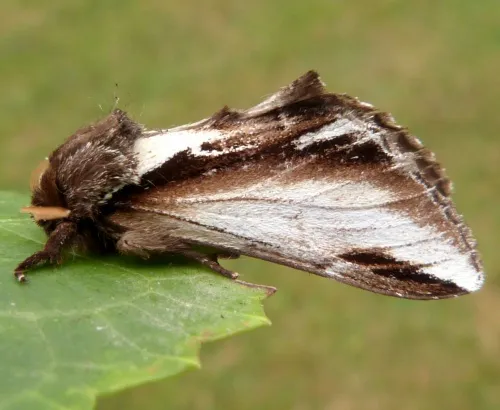
Lesser Swallow Prominent
Pheosia gnoma
Wingspan 45-50 mm. This species is very similar to Swallow Prominent ( P. tremula ) but can be identified with care. It is brown and white with a white triangular wedge near the corner of the hind wing, and it lacks the wavy white line in the blackis
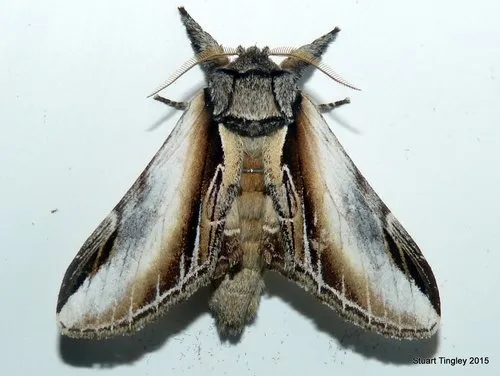
Black-rimmed Prominent
Pheosia rimosa
The Black-rimmed Prominent Moth, Fissured Prominent or False-sphinx (Pheosia rimosa) is a species of moth of the Notodontidae family. It is found from coast to coast in North America, although it is less common in the south-eastern United States.
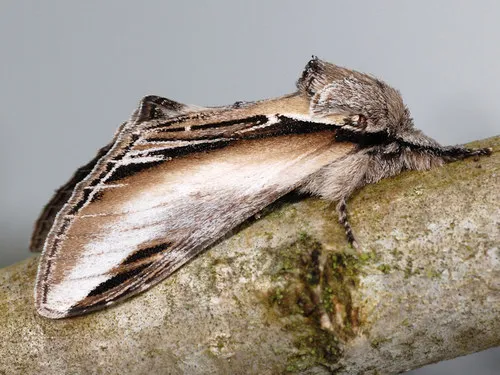
Swallow Prominent
Pheosia tremula
Wingspan 45-55 mm. Similar to Lesser Swallow Prominent ( P. gnoma ), though not necessarily larger. Lesser Swallow Prominent has a more distinct white wedge at the tornus of the forewing and lacks the wavy white line in the blackish area of the hindw
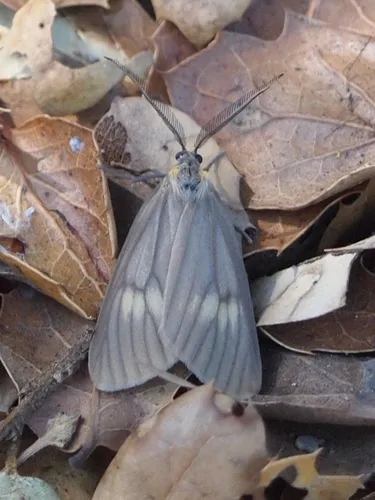
California Oak Moth - Hodges#8031
Phryganidia californica
Identification: Adult: forewing translucent grayish-brown with prominent dark veins bordered by dull yellowish scales; hindwing light gray with dark veins; male antennae pectinate (feathery); female antennae simple Larva: body with two middorsal whit
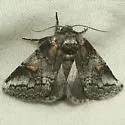
Praeschausia zapata - Hodges#8001
Praeschausia zapata
Mexican species not often encountered in the United States. Bruce Walsh collected two dozen from Harshaw, Portal, Pena Blanca, and Brown Canyon in southern Arizona during the "banner year" of 2011. ( 4 )
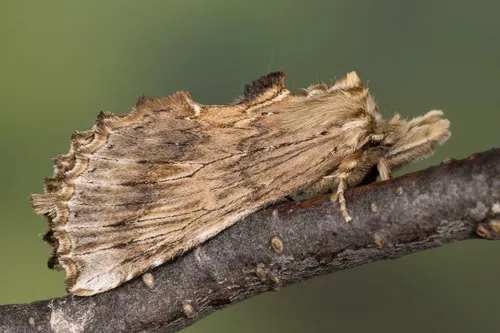
Pale Prominent
Pterostoma palpina
Wingspan 35-55 mm. A distinctive moth when at rest, though well camouflaged, it has long labial palps and tufts on the tail segment, creating an elongated appearance. It flies in May and June and, in the south, again in August. The larval food plants
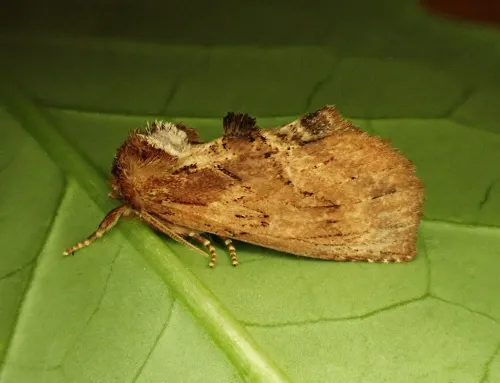
Coxcomb Prominent
Ptilodon capucina
Wingspan 35-40 mm. Although quite variable in shades of brown, typically this species is a rich chestnut colour with a tuft of creamy hairs on the thorax. When at rest it is well camouflaged and, if handled, feigns death. Flies in May and June and ag
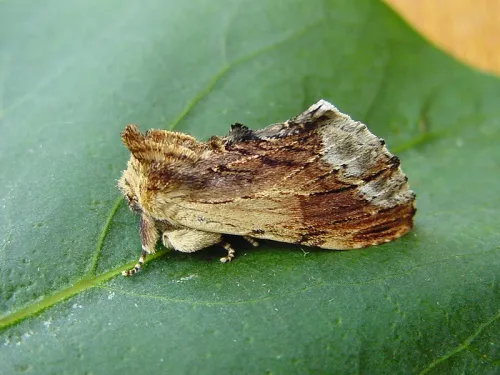
Maple Prominent
Ptilodon cucullina
Wingspan 35 to 40 mm. Although similar in shape to the Coxcomb Prominent (P. capucina), this species has a more variegated appearance. The larvae live on Field Maple and sometimes Sycamore. Its distribution covers the south and south-east of England,
Rifargia benitensis - Hodges#7987
Rifargia benitensis
Holotype ♂, Brownsville, Texas, 8-VIII-1967, A. & M.E. Blanchard, #64647 in USNM.
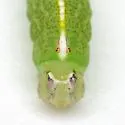
Rifargia subrotata - Hodges#7985
Rifargia subrotata
Identification: Adult: Recognizably smaller than White-blotched Heterocampa; AM and PM lines often show more prominent orange tint; white patch in subapical area lacks prominent black edge on distal side (but may have small black darts). Common
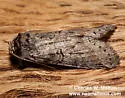
Scevesia angustiora - Hodges#7963
Scevesia angustiora
Identification: Larva - tan with thin black lateral lines, prominent pink spots dorsally, with many smaller raised yellow dots. Adult- see Barnes & McDunnough's original description in Print References below.
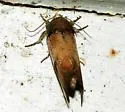
Chestnut Schizura - Hodges#8006
Schizura badia
Identification: Adult: thorax blackish; forewing gray, variously shaded with red; lines fine, blackish if present; whitish patch at apex; black reniform spot a vertical dash with triangular blackish shade beyond it, widening toward outer margin hindw
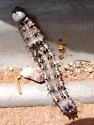
Schizura biedermani - Hodges#8004
Schizura biedermani
Schizura biedermani - Hodges#8004 (Schizura biedermani) is a species in the family Notodontidae, commonly known as prominent moths, belonging to the order Lepidoptera (Butterflies and Moths). It is classified within the subfamily Heterocampinae, supe
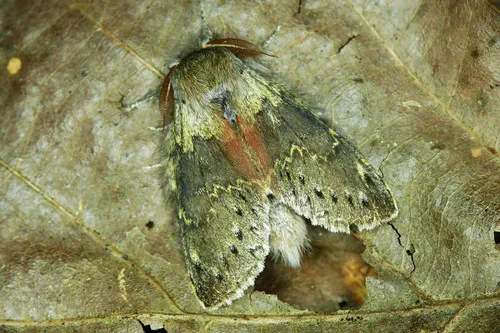
Lobster Moth
Stauropus fagi
Wingspan 45-60 mm. A large and easily recognisable moth with a distinctive resting posture. Please provide a photograph to support your record as this species is rare in our area Favours mature woodland and other well wooded areas. Flight period is f
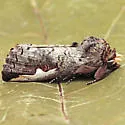
White-headed Prominent - Hodges#7951
Symmerista albifrons
Identification: Creamy mark on forewing is distinctive, apparently. Listed as common. comparison of 8th sternite - scales brushed off. comparison of genitalia dissection - in albifrons, apex of the large bilobed process greatly exceeds the apex of th
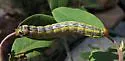
Suave Prominent - Hodges#7954
Symmerista suavis
Identification: Similar to Symmerista zacualpana, which is also common in the Southwest, but paler and more mottled overall
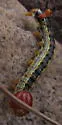
Symmerista zacualpana - Hodges#7955
Symmerista zacualpana
Identification: Specimen identified by DNA analysis (BOLD). ( 3 )
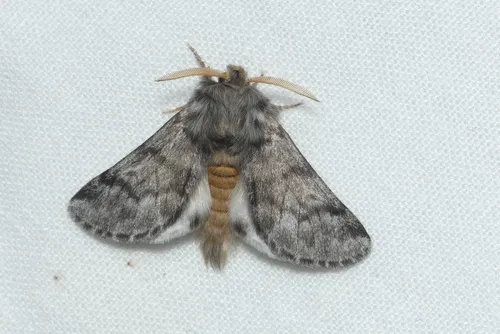
Pine Processionary-moth
Thaumetopoea pityocampa
The pine processionary (Thaumetopoea pityocampa) is a moth of the family Thaumetopoeidae. Sometimes placed in the genus Traumatocampa, it is one of the most destructive species to pines and cedars in Central Asia, North Africa and the countries of so
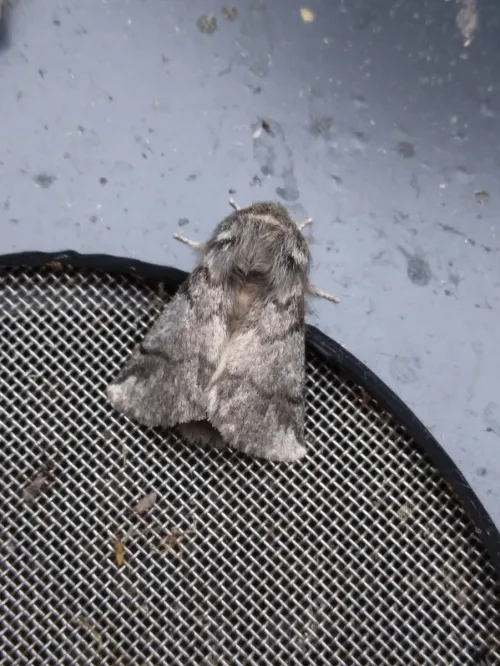
Oak Processionary
Thaumetopoea processionea
Wingspan 25 to 35 mm. It can be distinguished from related species by the pale basal area of the forewing. Please provide a photograph and liaise with the County Recorder prior to record submission. Broadleaved woodland, parkland and open spaces with
Ursia furtiva - Hodges#8003
Ursia furtiva
Identification: Blanchard orignal description in PDF. U.S. Fish and Wildlife Service 12-Month Finding on a Petition To List the Tamaulipan Agapema, Sphingicampa blanchardi (No Common Name), and Ursia furtiva (No Common Name) as Endangered or Threaten
Afilia luma - Hodges#7962.1
Afilia luma
Afilia walshi - Hodges#7962.2
Afilia walshi
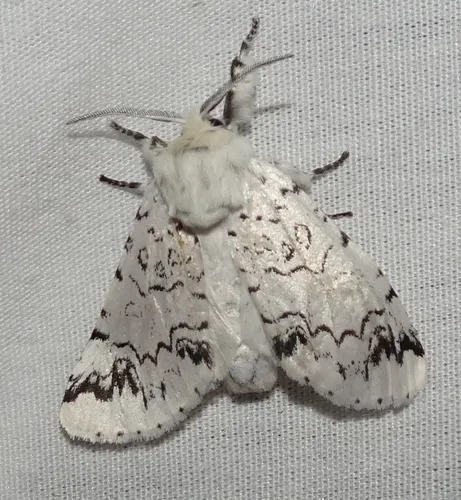
Americerura candida - Hodges#7943
Americerura candida
Astiptodonta aonides - Hodges#7971
Astiptodonta aonides
Astiptodonta wymola - Hodges#7970
Astiptodonta wymola
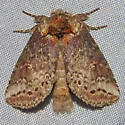
Baltodonta broui - Hodges#7971.1
Baltodonta broui
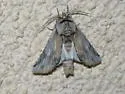
Carboniclava alpica - Hodges#8013
Carboniclava alpica
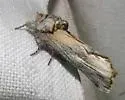
Carboniclava alpicoides - Hodges#8013.1
Carboniclava alpicoides
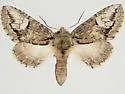
Cecrita belfragei - Hodges#7988
Cecrita belfragei
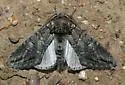
Cecrita franclemonti - Hodges#7989.1
Cecrita franclemonti
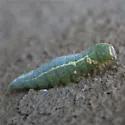
Cecrita plumosa - Hodges#7993.1
Cecrita plumosa
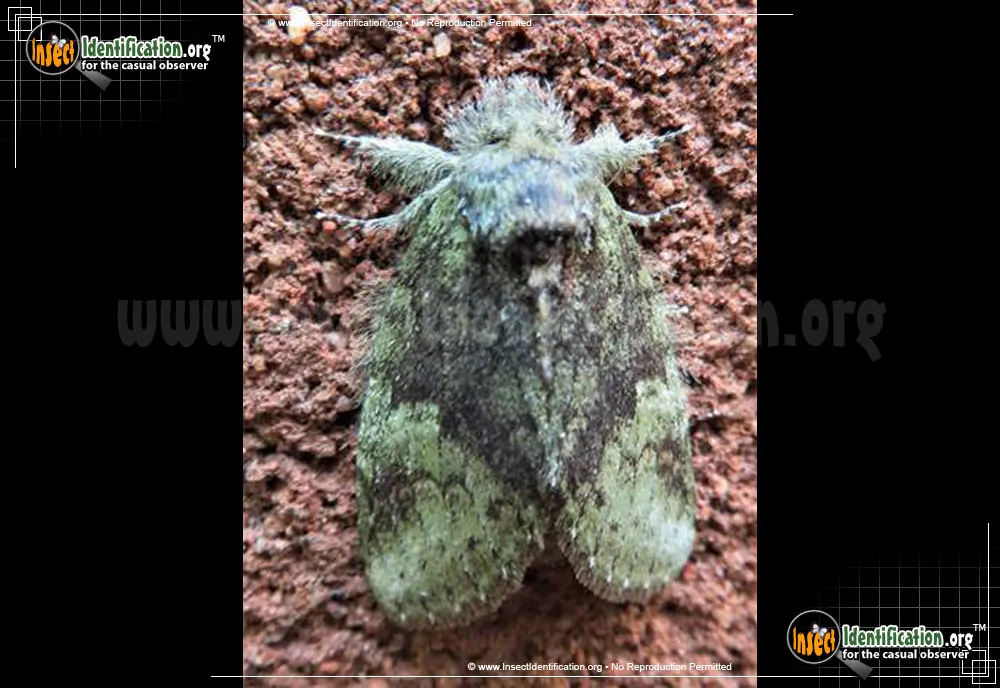
Saddled Prominent Moth
Cecrtia guttivitta
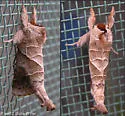
Angle-lined Prominent - Hodges#7896
Clostera inclusa