
Flies
Order Diptera
The Flies (Order Diptera) includes 6,350 species across 141 families and 1,800 genera in our directory.
About Flies
Diptera includes over 150,000 described species of flies, mosquitoes, and midges. Mosquitoes are the deadliest animal on Earth (CDC). Malaria alone causes ~249 million cases and over 608,000 deaths annually, mostly children under 5 (WHO). Vector-borne diseases account for over 17% of all infectious diseases, causing 700,000+ deaths per year.
Economic Impact
In the U.S., vector-borne disease cases tripled between 2004-2016, with over 640,000 cases reported in that period (CDC). Tickborne diseases doubled from 22,000 to 48,000 annual reports. Globally, mosquito-borne diseases cost billions in healthcare and lost productivity.
Ecological Role
Despite their disease impact, flies are critical decomposers and pollinators. Hoverflies alone pollinate hundreds of crop and wildflower species. Flies are also the primary food source for many birds, bats, and fish. Forensic entomology relies heavily on fly species for crime scene analysis.
Families in Diptera (141)
Species in Diptera (6,350)
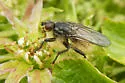
Scathophaga crinita
Scathophaga crinita
Identification: Legs deep black (without coating of pollen on femora as in stercoraria ), male with extremely long hair on abdomen, first and fifth segments of fore tarsus each nearly as long as segments 2-4 combined.
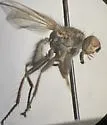
Scathophaga frigida
Scathophaga frigida
Identification: The only Scathophaga in the guide's area with both hairs on the Pteropleuron and a few long, very fine, translucent hairs on the upper border of the hypopleuron, near the posterior thoracic spiracle.
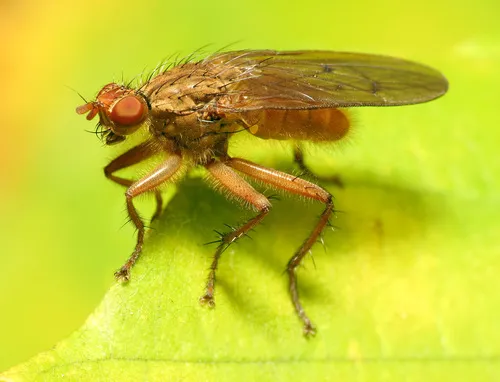
Scathophaga furcata
Scathophaga furcata
Wing length: male 4.5 to 6.0 mm female 5.0 to 6 mm but size variable. Scathophaga furcata tends to be dull yellow with yellow legs and a dark mark on the outer side of the front femora (similar to S. lutaria which has a plumose arista). Antennae are
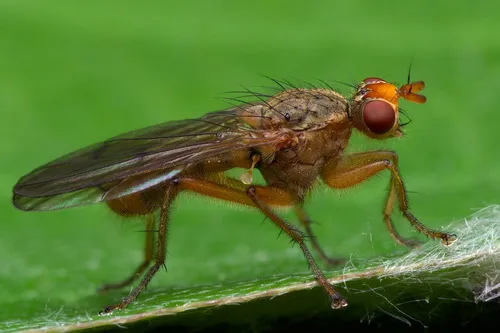
Scathophaga inquinata
Scathophaga inquinata
It has a pale orangey brown abdomen, orange legs and plumose arista. Unless identified by a recognised expert, a photo is required and the specimen should be examined with a microscope. In the comments box, state the key or ID method used and describ
Scathophaga intermedia
Scathophaga intermedia
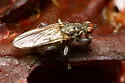
Identification: Arista bare. Antennae mostly black, often with yellow on pedicel and scape. Presutural acrostichal bristles strong and in two rows. Anepimeron with fine, erect hairs. Wing without infuscations. Femora pollinose, variable in color; tib
Scathophaga nigrolimbata
Scathophaga nigrolimbata
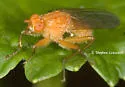
Identification: The palest species of Scathophaga in eastern USA.
Scathophaga orcasae
Scathophaga orcasae
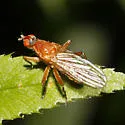
Identification: Almost entirely yellow, with antennae and upper occiput blackened. Anterior postsutural intra-alar setae absent. Wing without infuscations.
Scathophaga reses
Scathophaga reses
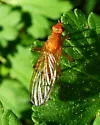
Identification: Yellow antennae, plumose arista, one pair of postsutural intra-alar bristles, long wings with crossveins darkened.
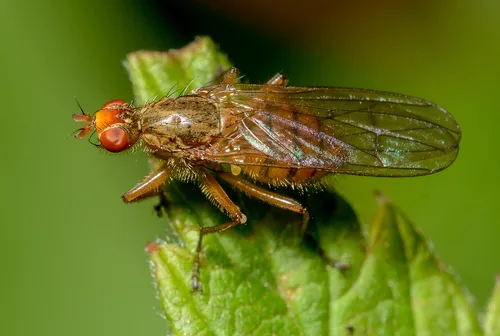
Scathophaga spurca
Scathophaga spurca
Identification: In the southeastern part of its range, distinctive for yellow legs with thorax mostly dark. The antennae are reddish brown with a plumose arista.
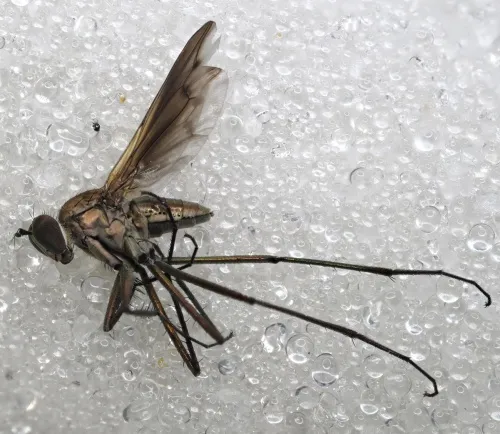
Scellus notatus
Scellus notatus
Body length 5 to 6 mm. The wings are dark tinted with a discrete dark spot towards the tip. It has long bristles on the undersides of the front femora and front tibia. Unless identified by a recognised expert, a photo is required. If the photo doesn'
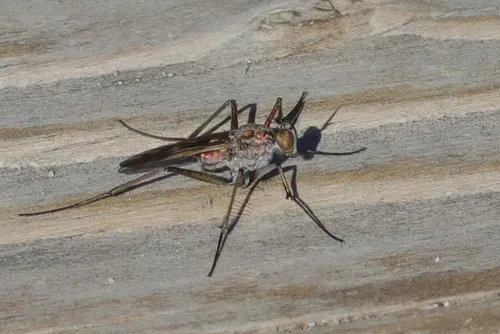
Scellus virago
Scellus virago
Identification: Aldrich's original 1907 description can be read at this BHL link . The " cingulum " is a distinctive structure associated with male Scellus . It is a "U"-shaped structure that girdles the underside of the abdomen (hidden there beneat
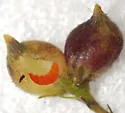
Schizomyia racemicola
Schizomyia racemicola
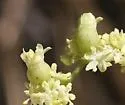
This species modifies goldenrod ( Solidago ) florets to create short-pointed, green to red, smooth, onion-shaped galls. The orange larvae leave the galls to pupate in the ground.
Schizomyia umbellicola
Schizomyia umbellicola
Forming vase-like galls on flowers of Sambucus cerulea and S. canadensis . The galls persist into fruit, but the midge has usually exited by then.
Schizomyia verbesinae
Schizomyia verbesinae
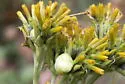
The orange-red larvae develop in aborted, swollen florets of Verbesina alternifolia . This species is known only from galls and larvae and cannot yet be placed to genus. Larvae exit the galls to pupate in the ground. Comment from John Plakidas, 12/14
Schroederella luteoala
Schroederella luteoala
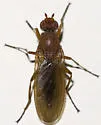
Identification: Reddish brown species with smoky wings and two katepisternal bristles.
Sciapus delicatus
Sciapus delicatus
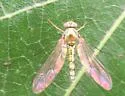
Identification: Flattened mid tarsi are distinctive
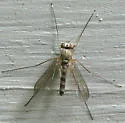
Sciapus pallens
Sciapus pallens
Identification: Fourth segment of fore tarsus white, slightly enlarged.
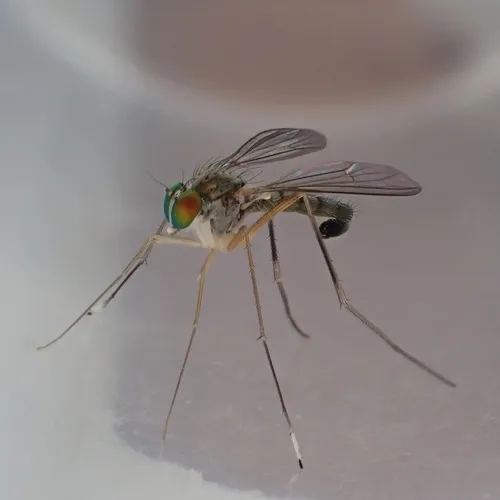
Sciapus platypterus
Sciapus platypterus
Length 6 or 7mm. Males have white middle tarsi. Females have front femora with a row of strong ventral spines in the basal half and three strong bristles at the top of the front coxa. The genus Sciapus is recognised by the wing venation. Vein M forks
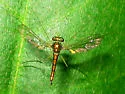
Sciapus tener
Sciapus tener
Identification: Especially long legs, first segment of hind tarsi white (at least in male). Females have the first abdominal segment yellowish.
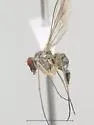
Sciapus wiedemanni
Sciapus wiedemanni
Identification: The only dull gray Sciapodinae on the West Coast.
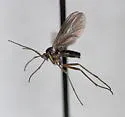
Sciara sciophila
Sciara sciophila
Identification: Redescribed in with illustration of male gonostylus.
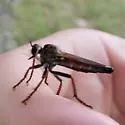
Scleropogon floridensis
Scleropogon floridensis
Identification: Posterior cell 1/cell R5 of wings open at margin; wings brownish; posterior cell 4/cell CuA1 closed and shortly petiolate or at most narrowly open; fore femora ventrally with 6-8 bristles; mesonotum blackish, humeri reddish; femora bl
Scoliocentra latens
Scoliocentra latens
Identification: Body dark grey or brown. Two pairs of strong vibrissae and 2+ katepisternal bristles. Hind basitarsus of male shorter than 2nd tarsomere.
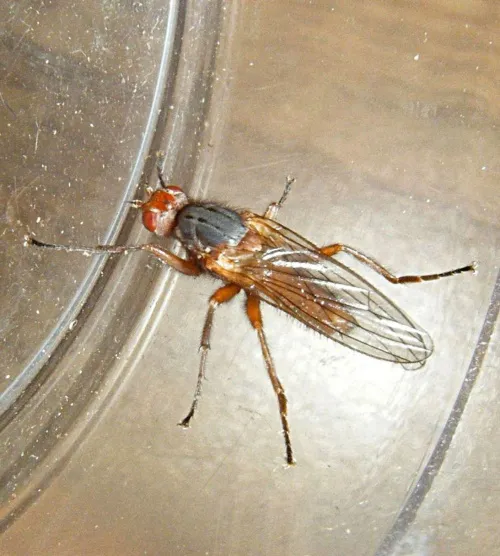
Scoliocentra villosa
Scoliocentra villosa
Length: Male 7 to 9 mm, Female 6.5 to 8 mm. Scoliocentra villosa is a fly with orange abdomen and legs. Various habitats including meadows, deciduous woodland and also found in caves. Can be seen at most times of year but mainly between March and Jul
Scrub Hammertail
Efferia slossonae
Identification: From account at Robber Flies of Florida : Quoting original description (Hine, 1919): Male. Total length 14 millimeters. Mystax prominent, mostly white, but with a number of black bristles in the upper part, palpi with black pile, bear
Seioptera colon
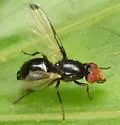
Seioptera colon
Identification: Humeral cell and base of costal cell dark (Steyskal 1956)
Seioptera vibrans
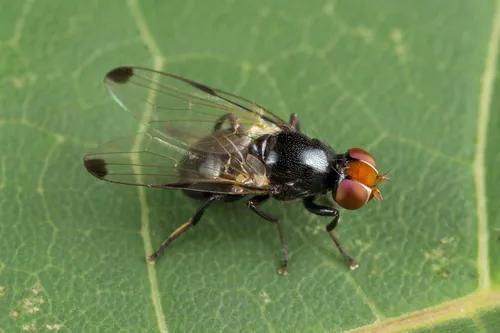
Seioptera vibrans
Length 5 to 6 mm. This is a picture winged fly with a shiny bulbous body and two strong dark 'shades' on each wing with one at the wing tip the other on the top edge. Unless identified by a recognised expert, a photo is required. If the photo doesn't
Senopterina foxleei
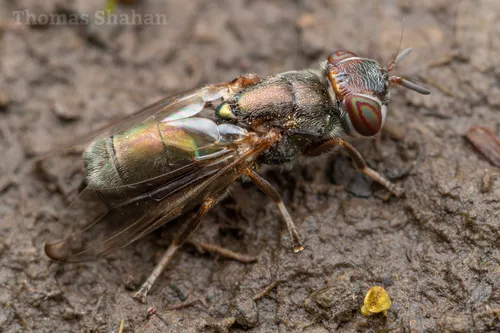
Senopterina foxleei
Identification: Distinguished from other species related to Senopterina brevipes by the combination of vertex evenly rounded and palps black.
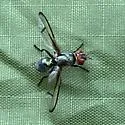
Senopterina mexicana
Senopterina mexicana
Identification: Wing with the brevipes type pattern (dark along costa, in basal cells, and around m-cu), palps reddish-yellow, legs dark except for knees.
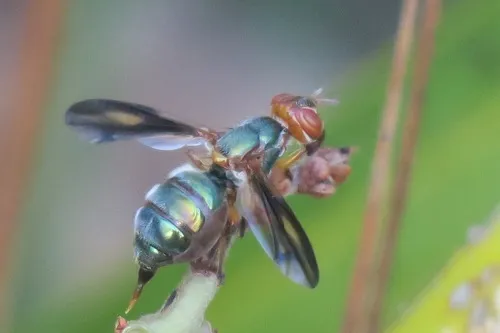
Senopterina varia
Senopterina varia
Identification: Wing markings more extensive than in other North American species, with yellow areas between brown. There is no comprehensive key to or revision of Senopterina . The flies placed on this page are generally similar to S. varia describ
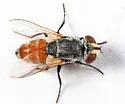
Senotainia vigilans
Senotainia vigilans
Identification: Very similar to S. litoralis, but that species has a completely dark abdomen. Also similar to S. rubriventris, but that species has narrower genae, different male genitalia, and less thickened aristae.
Sepedon armipes
Sepedon armipes
Identification: Males have a distinctively shaped hind femur. The most common small Sepedon of the Northeast.
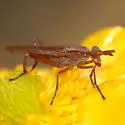
Sepedon fuscipennis
Sepedon fuscipennis
Identification: Antennae with a laterally flattened pedicel (the long part of the antenna).
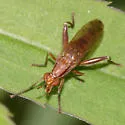
Sepedon gracilicornis
Sepedon gracilicornis
Identification: Note the evenly expanded second antennal segment. --Bill Murphy
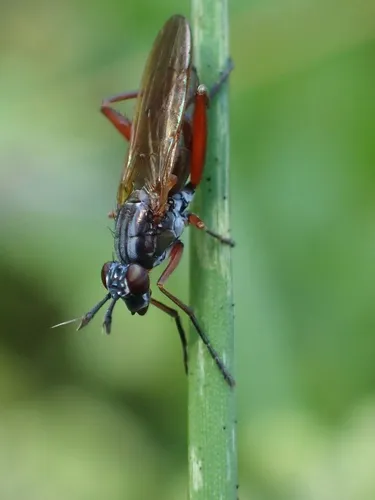
Sepedon sphegea
Sepedon sphegea
Length 8 to 11 mm. The body of this species is mainly brown or blackish, but the femurs are a striking orange-red and the tarsi are black. The hind femurs have a distinctive row of ventral bristles. Unless identified by a recognised expert, a photo i
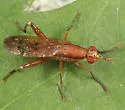
Sepedon tenuicornis
Sepedon tenuicornis
Identification: Katatergite callus bare, pedicel about 5x as long as wide, hind femora usually distinctly darker apically, genitalia distinctive.
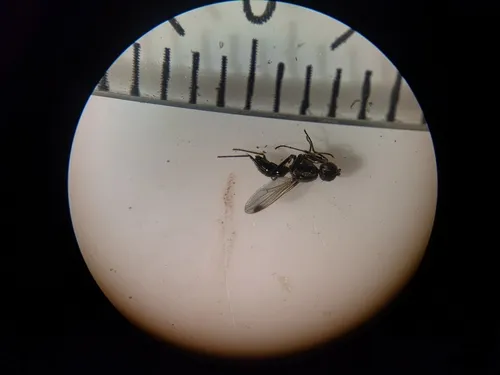
Sepsis cynipsea
Sepsis cynipsea
2.5 to 3 mm long. There is a dark wing spot on each wing, typical of the Sepsis genus. The hypopleuron (between the haltere and the hind coxa) is pruinose in the anterior part but glossy black on the posterior part. The sternopleuron is entirely prui
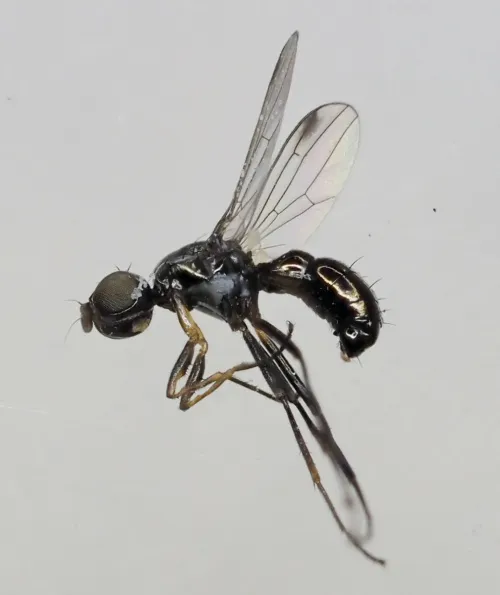
Sepsis flavimana
Sepsis flavimana
A small blackish fly. Wing length 2.2 to 3.2 mm with dark wing spots (one on each wing) typical of the Sepsis genus. This is a difficult group to identify and specimens really need microscopic examination to arrive at the species. Unless identified b
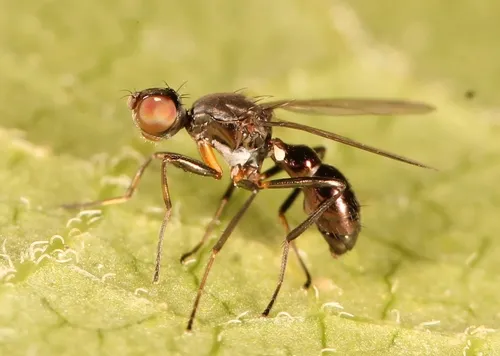
Sepsis fulgens
Sepsis fulgens
2.5 to 3 mm. A black fly with dark wing spots (one on each wing), typical of the Sepsis genus. This is a difficult group to identify and specimens really need microscopic examination to arrive at the species. Males are easier to identify based on the
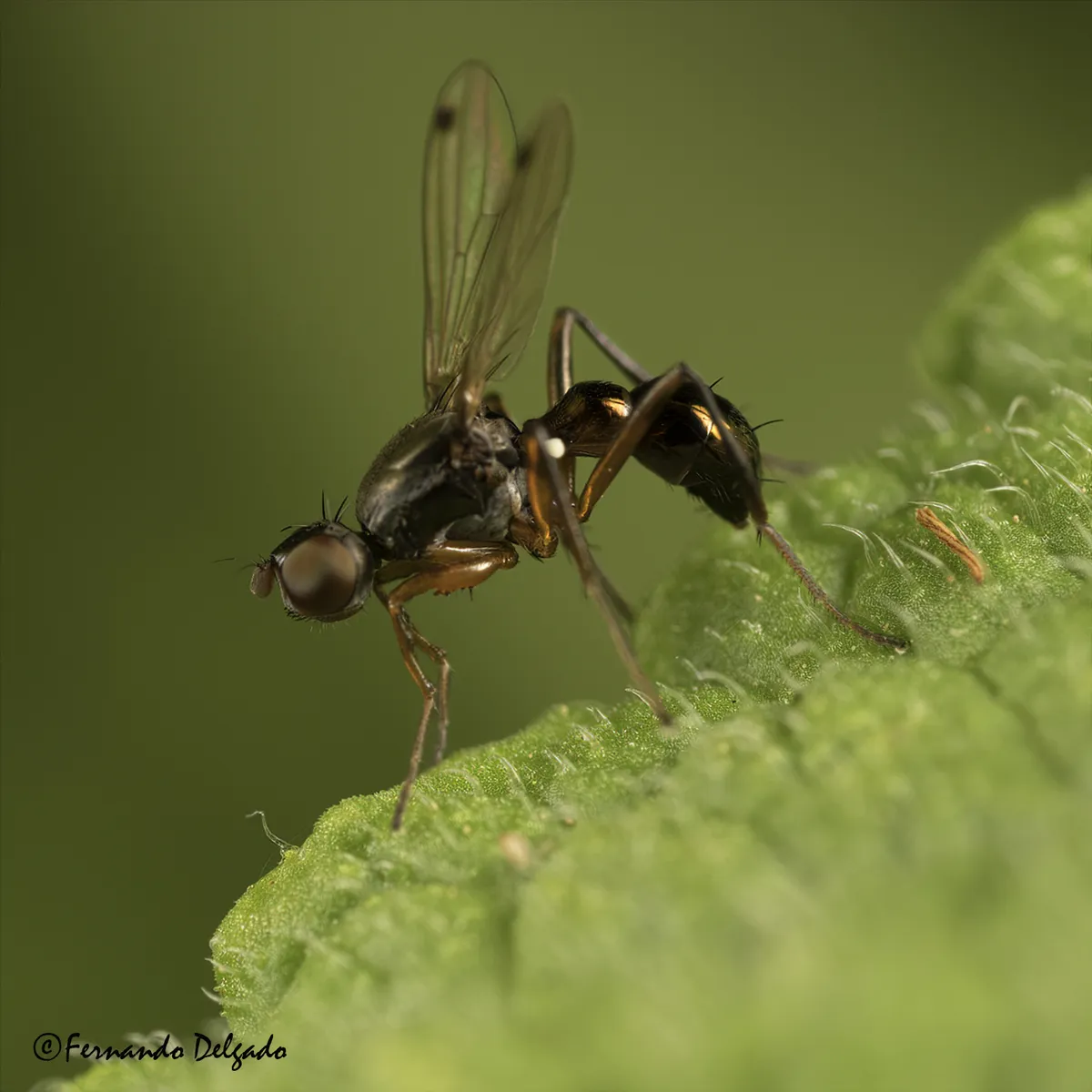
Sepsis punctum
Sepsis punctum
There has been long-standing confusion over the identity of this species and the closely related Sepsis violacea Meigen. The latter does not occur in North America , so presumably all records of it in North America refer to Sepsis punctum (Fabricius)
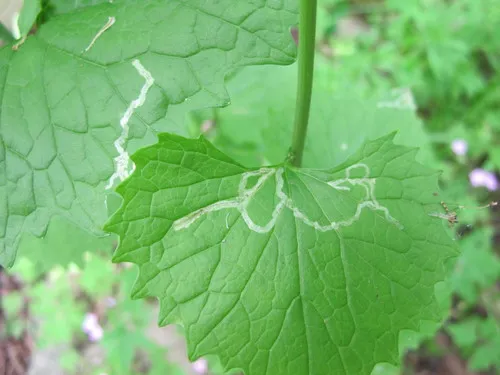
Serpentine leaf miner
Liriomyza brassicae
Considered invasive in this country. (Capinera, John L. North American Vegetable Pests. The Pattern of Invasion. American Entomologist. Spring 2002)
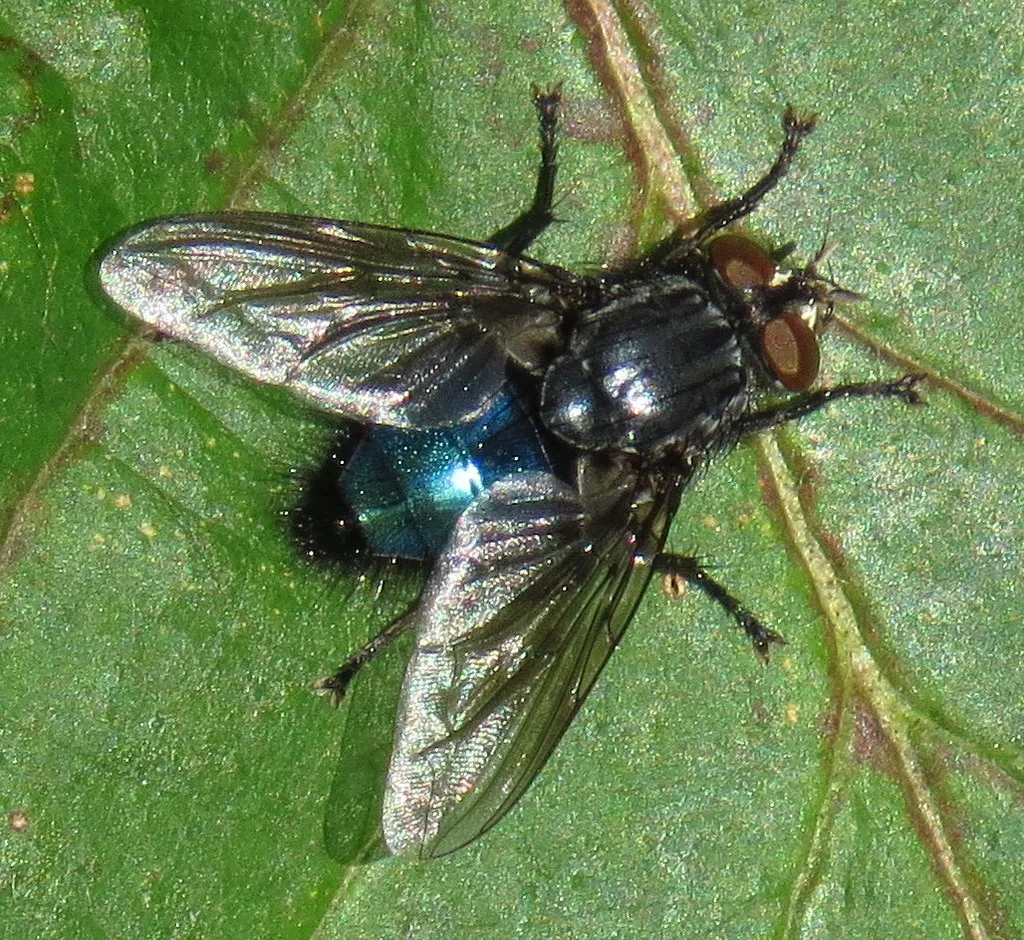
Shiny Blue Bottle Fly
Cynomya cadaverina
Identification: Lacks a presutural intra-alar bristle (character state also present in the western Calliphora grahami ) Thorax with a dark median stripe. Face reddish brown. known to cause myiasis in older wounds
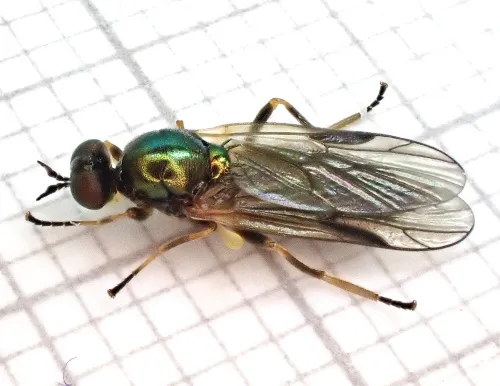
Short-horned Black Legionnaire
Beris fuscipes
Quite similar to some other Beris species, but can be identified with care. This species has very short antennae. For more details see the 'Further Information' link below. Good close up photographs required, and detailed examination may be necessary
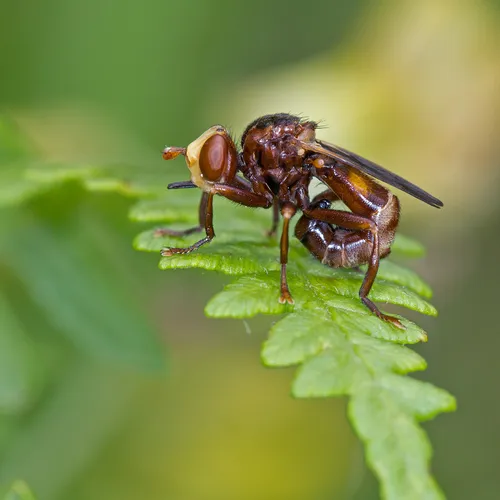
Sicus ferrugineus
Sicus ferrugineus
Length 8 to 13 mm. The body is reddish-brown to yellow-brown. The conspicuous head is large and bright yellow with large reddish eyes. When in resting position the abdomen is usually folded forward. Feeds on nectar or pollen of various flowering plan
Silver Colonel
Odontomyia argentata
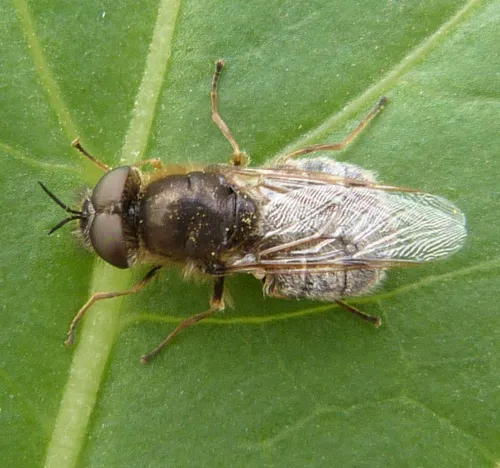
A mostly dark Odontomyia with small orange markings at the side margins of the tergites. Males are instantly recogniseable due to the silvery tergites (angle of view can affect how obvious these are). Females are more uniformly darkened and resemble
Silver-backed Laphria
Laphria trux
Identification: Large silver patch of hairs typically in front of the scutellum.
Silver-spotted Hanging Thief
Diogmites discolor
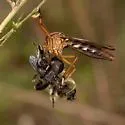
Identification: Silver spotting, dark abdominal base
Silvius gigantulus
Silvius gigantulus
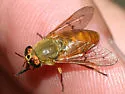
Identification: Orange body, wings without spots or bands (but slightly darker along some veins), eyes with spots.
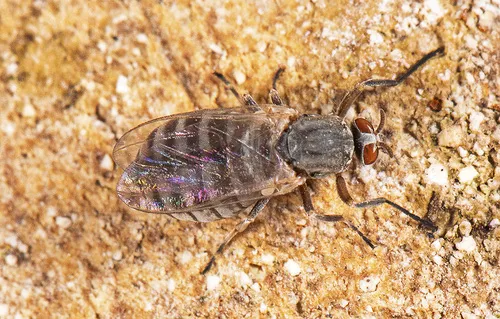
Simulium decorum
Simulium decorum
Simulium decorum (Simulium decorum) is a species in the family Simuliidae, commonly known as black flies, belonging to the order Diptera (Flies). It is classified within the tribe Prosimuliini, superfamily Chironomoidea. This species belongs to the g
Simulium donovani
Simulium donovani
Identification: Adults are morphologically indistinguishable from other species of the Simulium aureum group. S. donovani is the only species of the group found in deserts.
Simulium longithallum
Simulium longithallum
Formerly confused with Simulium trivittatum . Adult females are only distinguishable by range.
Sintoria emeralda
Sintoria emeralda
Identification: Wings light brown, abdomen bluish green.
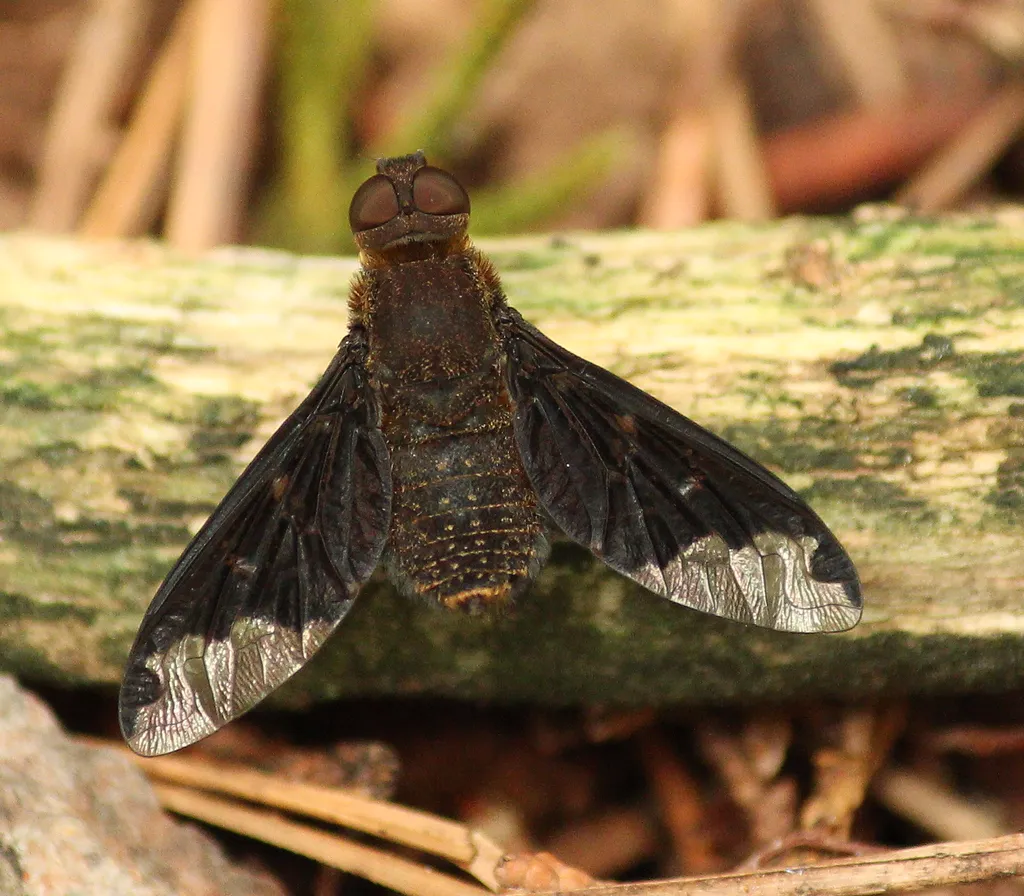
Sinuous Bee Fly
Hemipenthes sinuosa
Identification: Main ID: Black area of wing has irregular sinuous (wavy) border with a small rounded blob near the apex. There is no cross vein connecting R2+3 and R4. Abdomen, thorax, and head black or very dark with no banding or other obvious mar
Siphona geniculata
Siphona geniculata
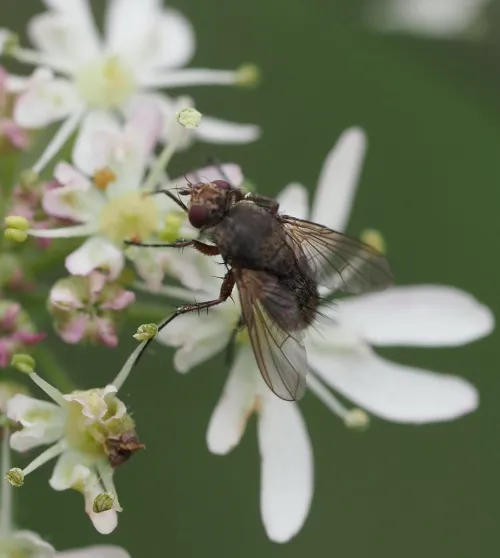
Approx. 7mm. Generally green-grey and with orange femora and tibia. Flies in this genus have a very long and thin rigid articulated proboscis. Identification within the genus is challenging and relies on a combination of features - see ID guidance be
Siphona intrudens
Siphona intrudens
Identification: Dissection of male needed to separate from the similar Siphona maculata. Females are difficult to separate.
Slender-footed Robberfly
Leptarthrus brevirostris
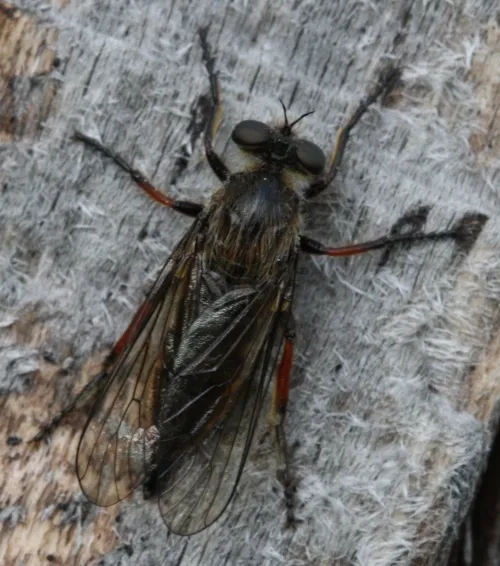
Length: 7-10mm. This is a dark fly with black legs except for orange on the tibiae - but this colour doesn't extend to the apex. It has black legs with red bands on the mid and hind tibia. The female's ovipositor is dorsolaterally flattened. The genu
Small Yellow-legged Robber Fly
Dioctria linearis
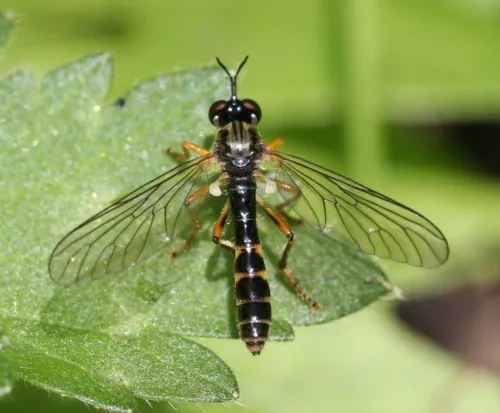
Length: 8-11mm. The abdomen of this species is mainly black but with orange side patches, and often orange bands, on the tergites. The front and mid legs are entirely yellow with the back legs being yellow and black. Unless identified by a recognised
Smidtia fumiferanae
Smidtia fumiferanae
An important parasite of the pupal stage of spruce budworms ( Choristoneura spp.). Also attacks other Lepidoptera.
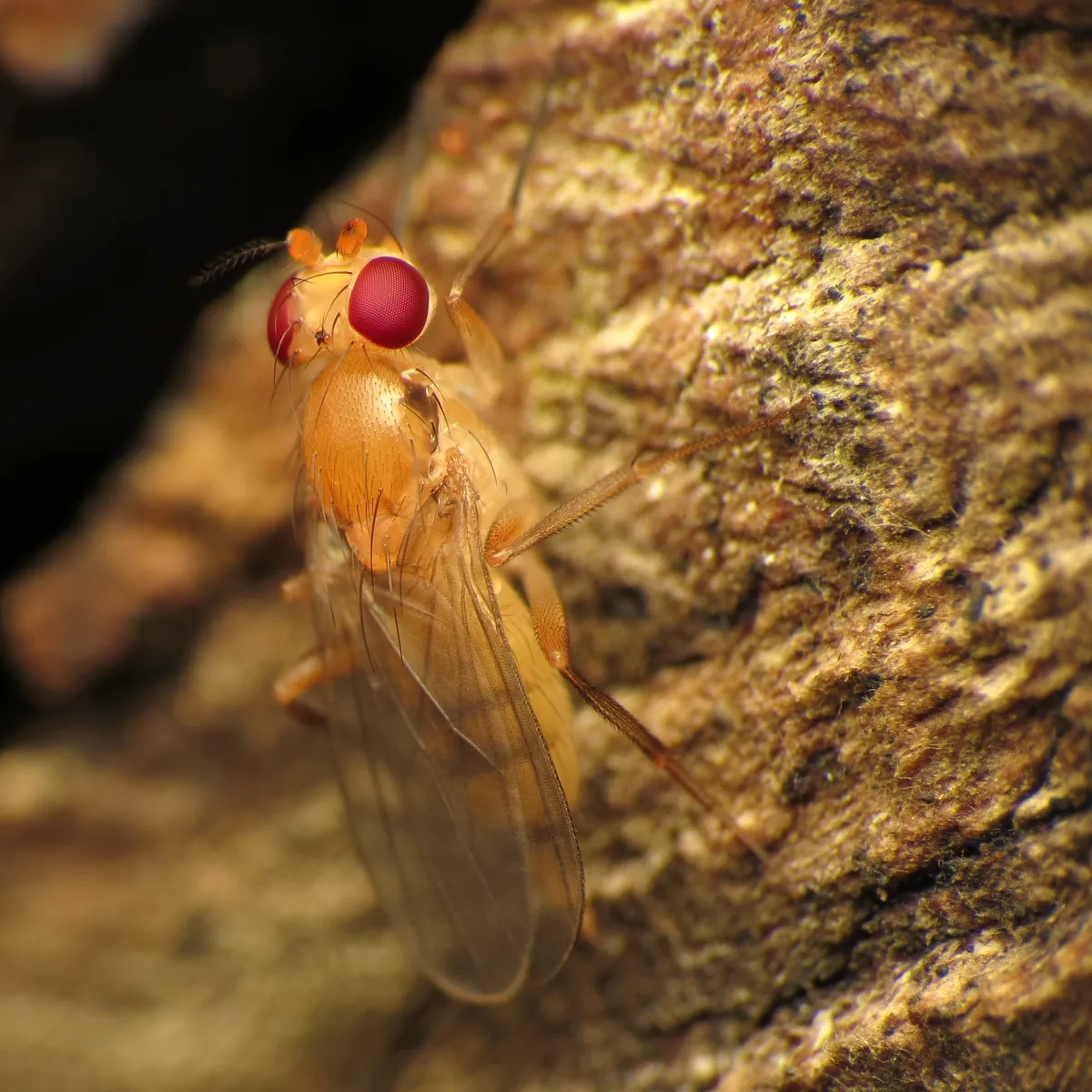
Sobarocephala lachnosternum
Sobarocephala lachnosternum
Identification: Sobarocephala lachnosternum is not strikingly different from other Nearctic Sobarocephala . The thorax is yellow, excluding a large quadrate spot on the notopleuron in most specimens. The legs are only brown on the fore tarsi. Males c
Sobarocephala quadrimaculata
Sobarocephala quadrimaculata
Identification: Four dark spots on thorax, scutellum entirely dark.
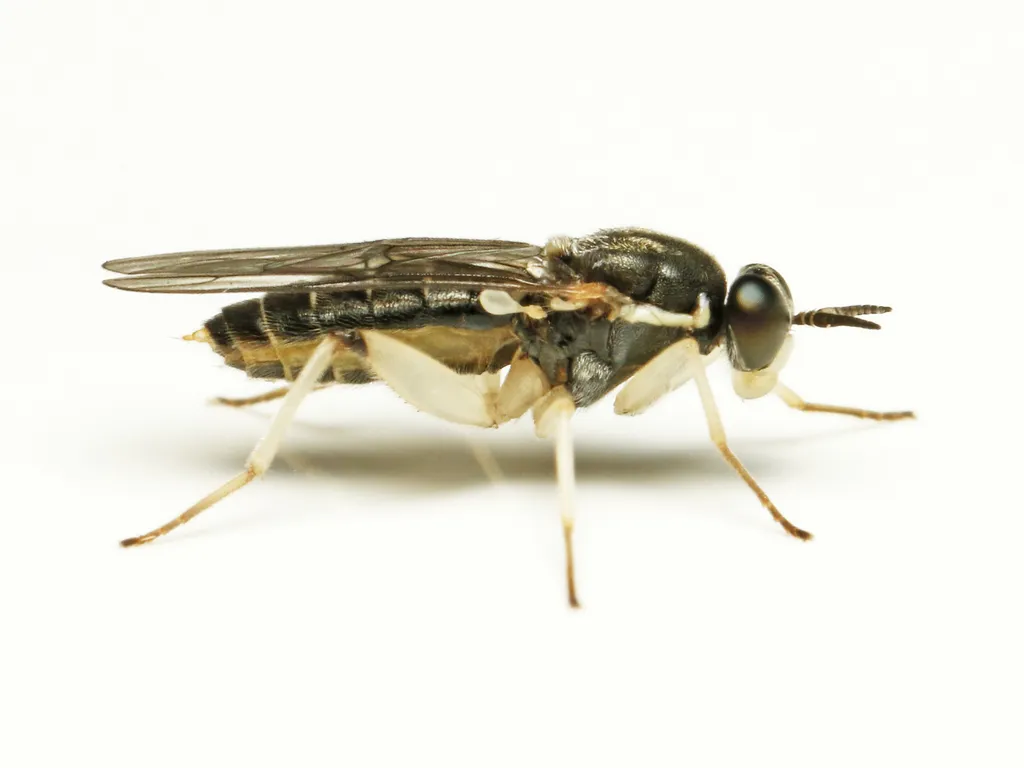
Solva pallipes
Solva pallipes
Identification: Abdomen dark with narrow yellow bands; legs pale except for dark spot at hind knee; thorax dark with lateral yellow stripe
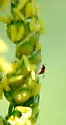
Sorghum Midge
Contarinia sorghicola
Identification: The adult is orange; newly hatched larva is colorless; it turns bright orange in later instars. Considered a pest of sorghum.
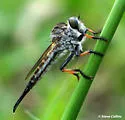
Southeastern Hammertail
Efferia apicalis
Identification: A petite Efferia/Nerax of the southeastern coastal plain. Note the following (Herschel Raney-- Key to Efferia of Eastern United States , comments here ):
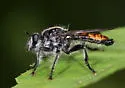
Southern Arrowhead Laphria
Laphria ithypyga
Identification: Difficult to impossible to distinguish from L. index from photos. Diagnostic features discussed here . Photos that are not conclusively identified should go here Original description here
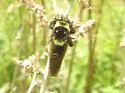
Southern Bee Killer
Mallophora orcina
Identification: Similar to M. bomboides but smaller (than (16-24 mm vs 24-27 mm) and has first 4 tergites yellow-haired (in bomboides , tergites 1-3 yellow/white, but 4th is black). [ comment by Eric Fisher]
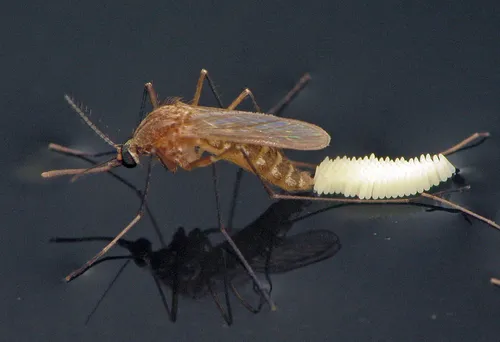
Southern House Mosquito
Culex quinquefasciatus
Identification: The distinguishing features of the Culex mosquitoes are: cross veins on narrow wings, blunt abdomen, short palpus, and no prespiracular or postspiracular setae (CDC 2005). Female: Medium-sized mosquito of brownish appearance; probosci
Southern Pitcher-Plant Mosquito
Wyeomyia haynei
Some authorities consider this species to be conspecific with W. smithii
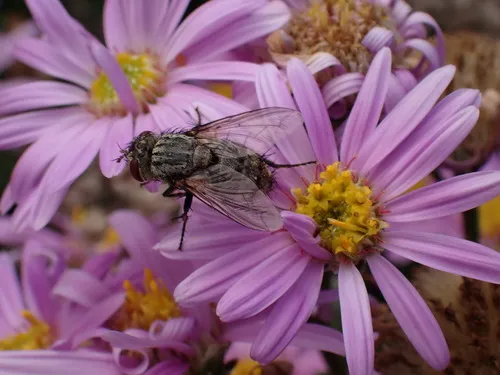
Spallanzania hebes
Spallanzania hebes
Identification: "The two species of Spallanzania in Canada, S. hebes and S. hesperidarum , are readily distinguished from one another by features of the head. Spallanzania hebes has parafacial with scattered hairs, the width of parafacial is three ti
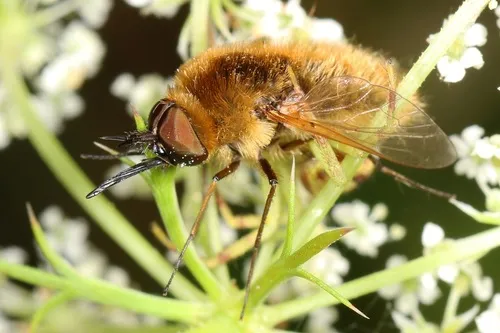
Sparnopolius confusus
Sparnopolius confusus
Identification: Yellowish, slightly hump-backed, with short pile on broad, flat abdomen. Wings clear. Proboscis long, but not greatly extended as in some other genera, protruding only somewhat more than antennae. Antennae with third segment tapered.
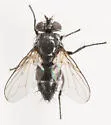
Spathidexia dunningii
Spathidexia dunningii
Identification: The most shiny black species of the genus Spathidexia . The only host record is the skipper Ochlodes yuma , a species limited to the Southwest. Given the wide range of the fly it must have other hosts. O'Hara (2025) writes "DNA barc
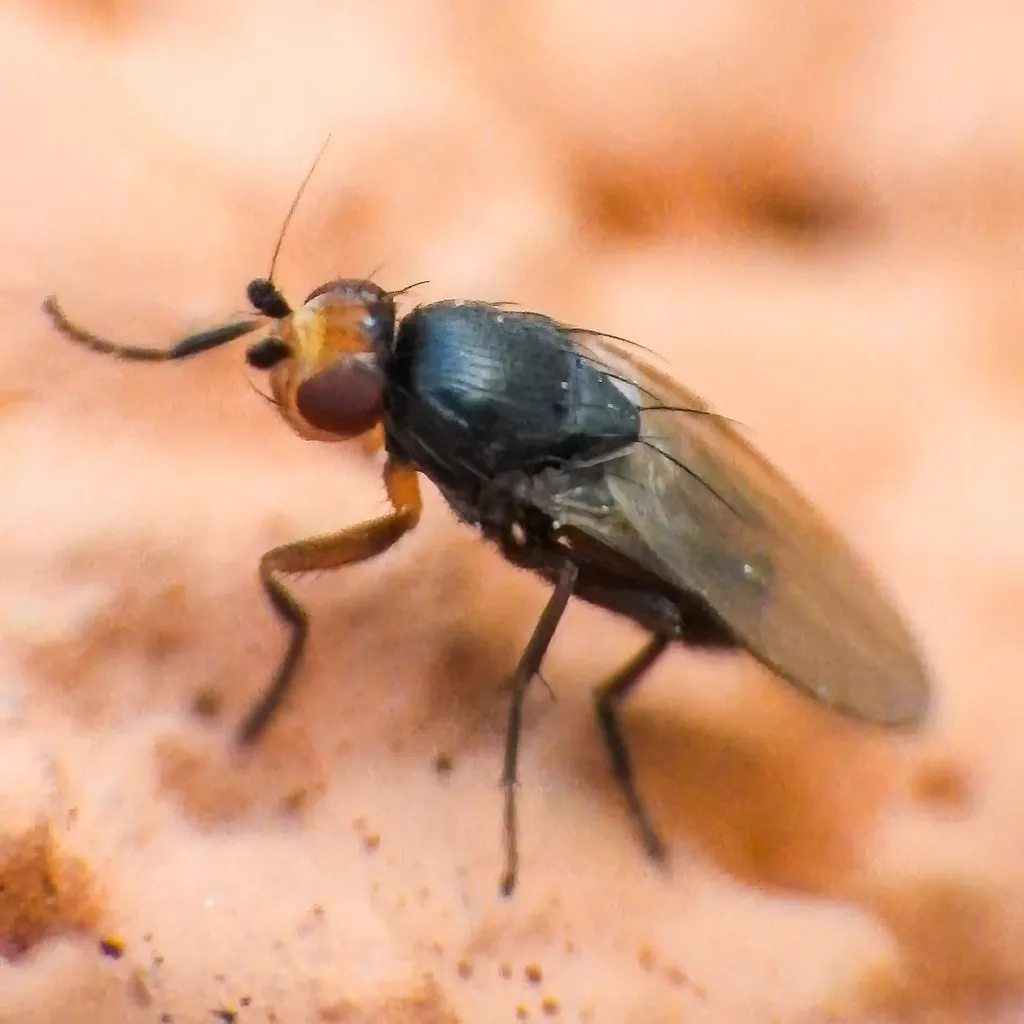
Spelobia ochripes
Eulimosina ochripes
Previously referred to as Spelobia ochripes. The subgenus Eulimosina elevated to genus by Papp (2008, New Genera of the Old World Limosininae)
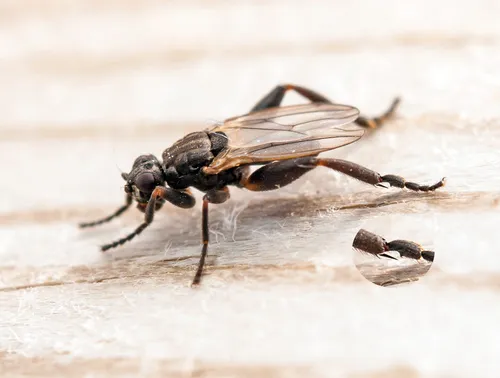
Sphaerocera curvipes
Sphaerocera curvipes
This species of Lesser Dung Fly has a characteristic hooked spine that arches under the base tarsal segment of the hind leg. Males have noticeably swollen hind femora. Detailed images are required showing the distinguishing features. Often found arou
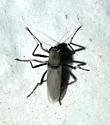
Sphaeromias bifidus
Sphaeromias bifidus
Identification: Female is darker than S. longipennis . Male has bifurcate gonostylus, after which the species is named.
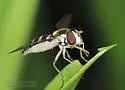
Sphaerophoria novaeangliae
Sphaerophoria novaeangliae
Identification: distinguished from congeners by the pale marks along the sides of the thorax that stop at the suture, combined with a bold facial stripe below the antennae • Holotype
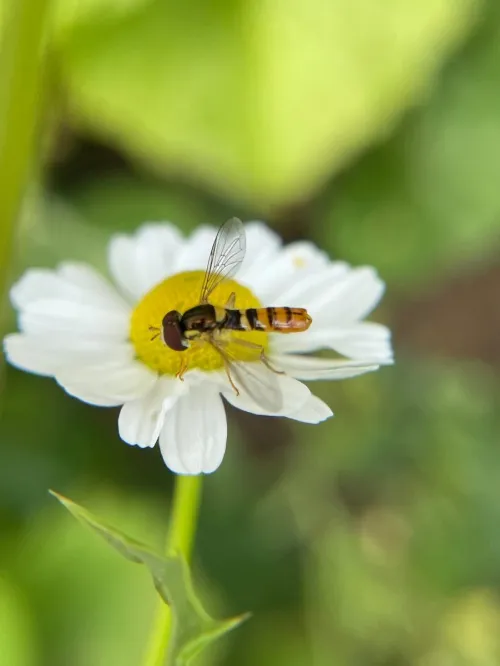
Sphaerophoria rueppellii
Sphaerophoria rueppellii
A rather distinct short-bodied Sphaerophoria due to the bulbous abdomen of the male (broadest at the tip), the oblique/curved bands and spots on the tergites, and the truncated nature of the yellow stripe on the shoulder which does not extend rearwar
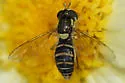
Sphaerophoria sulphuripes
Sphaerophoria sulphuripes
Identification: "There is a small group of Sphaerophoria males, where the notopleural stripe is only half yellow, and there are only a few species in CA." (comment by Martin Hauser)
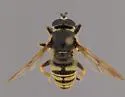
Sphecomyia columbiana
Sphecomyia columbiana
Identification: Recognizable by the lack of pollinosity on the first tergite. Rare. Only a dozen or so specimens collected.
Sphecomyia hoguei
Sphecomyia hoguei
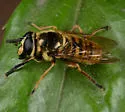
Identification: Only distinguishable from S. dyari by male genitalia or geographic locality. S. dyari is endemic to the Sierra Nevada.
Sphecomyia interrupta
Sphecomyia interrupta
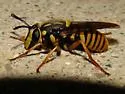
Identification: Vitta on the scutum, incomplete medial facial vittae in the male, scutellum completely pollinose, antenna not lengthed.
Sphecomyia vittata
Sphecomyia vittata
Identification: Similar to Temnostoma species, but recognized by its long antennae . Apparently a Batesian mimic of Vespula squamosa worker
Sphenella marginata
Sphenella marginata
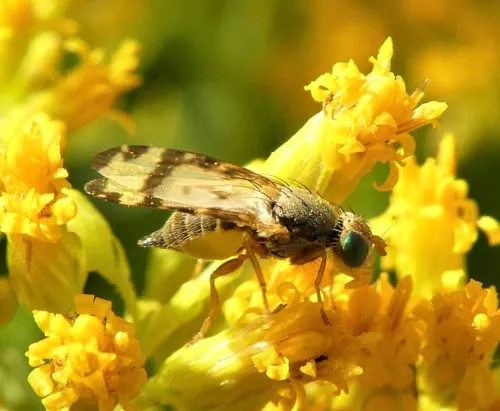
One of many flies in this family with distinctive patterning on the wings. Galls are formed in the flowers of Ragwort, causing the flower heads to swell at the base, with enlarged bracts. White larva or brown puparium inside. Other Tephritid or Antho
Sphenometopa tergata
Sphenometopa tergata
Identification: Strong bristles on facial ridge with weak row of hairs on parafacial. Male with broad, silvery frons and two small proclinate orbital bristles.
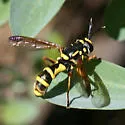
Sphiximorpha cylindrica
Sphiximorpha cylindrica
Identification: The relatively large yellow lateral markings on each side of the 2nd abdominal segment (extending nearly its entire length) are distinctive and diagnostic for this species. The relatively short frontal prominence/antennifer is charac
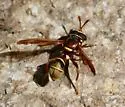
Sphiximorpha oharai
Sphiximorpha oharai
Identification: "Sphiximorpha oharai new species differs from S. loewii by having tergite 2 wider than long (longer than wide in S. loewii), tergites 3 and 4 mostly black in background color, except for the apical yellow fascia (partly or mostly oran
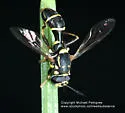
Sphiximorpha willistoni
Sphiximorpha willistoni
Identification: The very detailed original description (as Ceria willistoni ) is here .
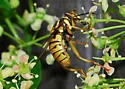
Spilomyia alcimus
Spilomyia alcimus
Identification: Note dark propleuron: Compare texana :
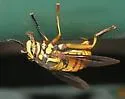
Spilomyia texana
Spilomyia texana
Identification: Similar to Spiloymyia alcimus , but has yellow spot on propleuron (dark in alcimus ): Compare alcimus :
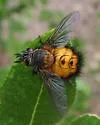
Spiny Tachina Fly
Paradejeania rutilioides
Identification: A large tachnid with a relatively wide and flattened abdomen. Posterior portion of abdominal tergites 3 and 4 each with a complete transverse row of bristles displaced anteriorly at midline (like a "bell-curve") enclosing a small patc
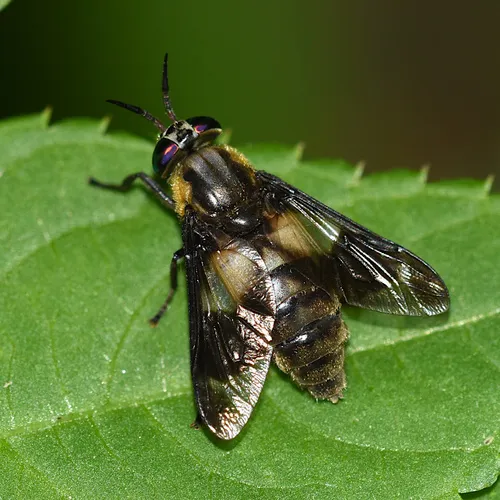
Splayed Deerfly
Chrysops caecutiens
Length 8.5 to 10 mm. The females have a characteristic splayed v-shaped marking on tergite 2. Males have the abdomen almost entirely black, though tergite 2 is narrowly orange at its sides; the male mid tibiae are normally entirely black. It can occu
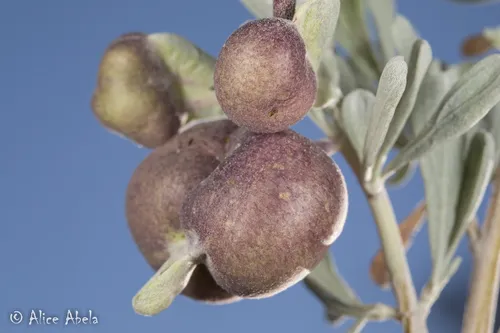
Sponge Gall Midge
Rhopalomyia pomum
Identification: Produces large (up to 45mm in diameter), spongy, soft galls on Artemisia tridentata (Great Basin sagebrush). Parasitoid:
Spot-winged Pond Fly
Sericomyia flagrans
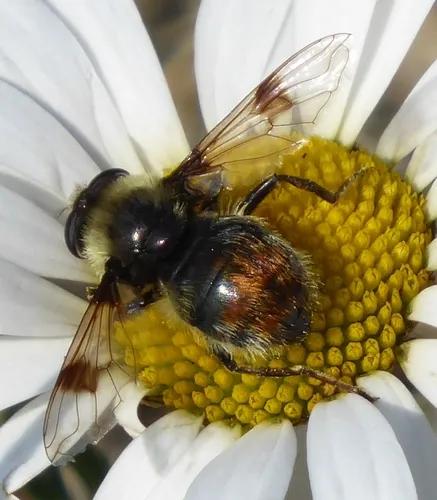
Identification: Bumble-bee mimic. Antennae short, with a plumose arista attached baso-dorsally on the bulbous 3rd segment (= flagellomere). Thorax with dark, metallic coppery-bronze, ground color...densely-covered with long, pale-yellow hairs. Abdome
Spotted-winged Drosophila
Drosophila suzukii
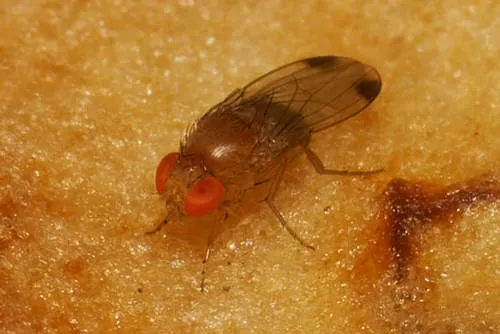
Drosophila suzukii adults are small (3 to 4 mm) yellowish-brown fruit flies with red eyes. The adults have a yellowish-brown thorax with black bands on the abdomen. However winter individuals, particularly females, may be much darker. The arista is r
Stable Fly
Stomoxys calcitrans
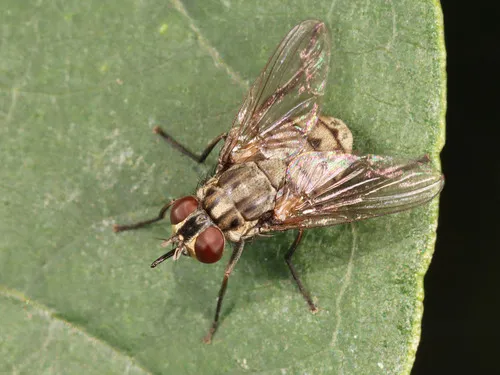
6-8mm with an overall brown appearance and a pale short creamy central stripe on the thorax behind the head. It has a characteristic proboscis which protrudes forward from its head. As the name suggests, this fly is found near to horses and other agr
Stenochironomus hilaris
Stenochironomus hilaris
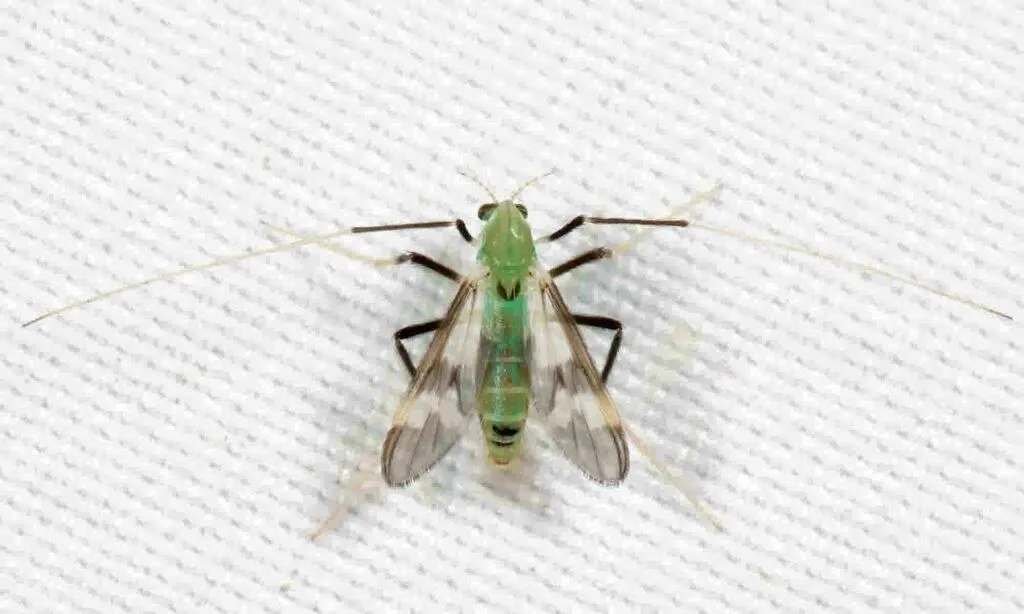
Identification: For the genus Stenochironomus page, quoting from AMN description: Pronotum very narrow medially, far surpassed by the strongly projecting anterior part of the mesoscutum. Fork of Cu slightly beyond R-M. Ends of R1 and R2+3 very near t
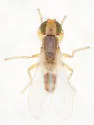
Stenomicra angustata
Stenomicra angustata
Identification: Stenomicra angustata is the only described species of Stenomicra in America north of Mexico.
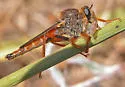
Stenopogon californiae
Stenopogon californiae
Identification: Extremely variable; male genitalia critical for ID
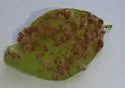
Stephomyia eugeniae
Stephomyia eugeniae
Forms single-celled, fuzzy galls on Eugenia leaves. Larvae pupate inside the galls; pupae break out and adults emerge in March.
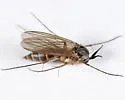
Stigmatomeria crassicornis
Stigmatomeria crassicornis
Identification: Females have basally swollen antennal flagellum, dark dashes at apex of middle and hind coxa.
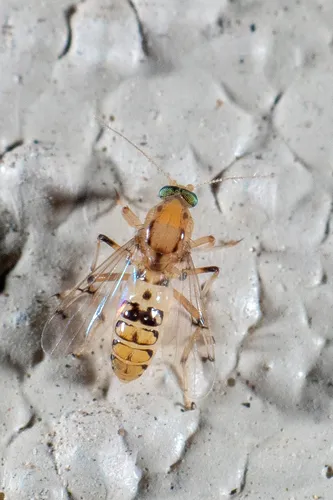
Stilobezzia coquilletti
Stilobezzia coquilletti
Identification: Yellow (possibly slightly greenish), two longitudinal brown lines on thorax, margins of most abdominal segments outlined in brown, dark spots on wing at crossvein and apex of R.
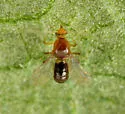
Stilobezzia sybleae
Stilobezzia sybleae
Identification: "Beadlike" swelling of posterior branch of R is distinctive among American Stilobezzia (similar swellings occur rarely in some extralimital Ceratopogonidae)