
Family Heleomyzidae
Heleomyzidae is a family in the order Diptera. Browse 70 named species recorded in this family, or open an individual profile for its available identification and natural-history information.
Species in Heleomyzidae (70)
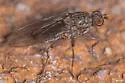
Acantholeria armipes
Acantholeria armipes
Identification: Males with a bump-like swelling on the hind tibia and 7-12 femoral spines with hooked tips.
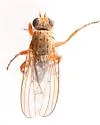
Acantholeria moscowa
Acantholeria moscowa
Identification: Male with a slight ventral swelling on hind tibia and 12-20 stout spines on posteroventral surface of hind femur. Dorsocentral bristles arising from distinct brown spots.
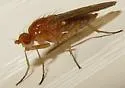
Amoebaleria flavotestacea
Amoebaleria flavotestacea
Identification: body yellow; 2 strong bristles on katepisternum
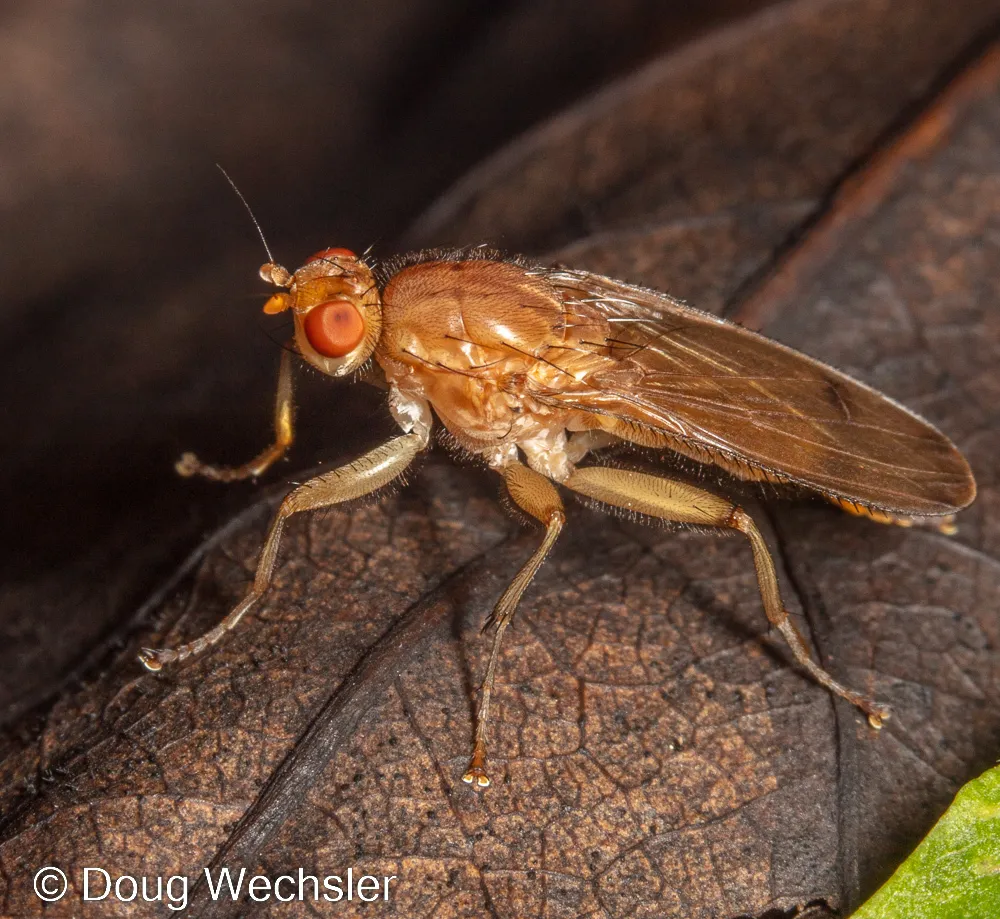
Amoebaleria helvola
Amoebaleria helvola
Identification: Common. Differs from the other yellow Amoebaleria in the east ( A. flavotestacea ) by its larger size and the presence of only one strong bristle on the katepisternum.
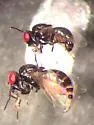
Cinderella lampra
Cinderella lampra
Identification: This species can be identified by the combination of incomplete subcosta, subcostal and humeral breaks, cell cup present, shiny black color, and tubercle on face. Also: row of reclinate fronto-orbital bristles increasing in size towa
Eccoptomera aldrichi
Eccoptomera aldrichi
Identification: Scutellum bare, except for usual 2 pairs of lateral bristles; cheek-eye ratio 0.73‒0.85
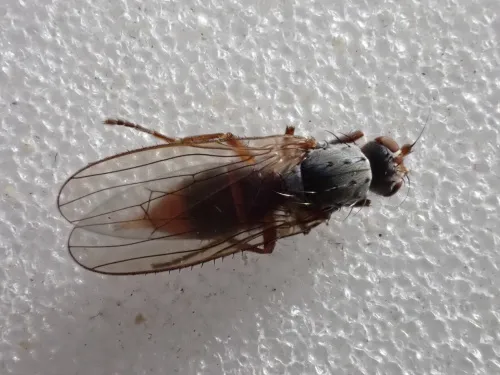
Gymnomus caesius
Gymnomus caesius
Detailed examination is necessary to identify to species level. No additional images available for this species.
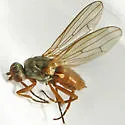
Heleomyza serrata
Heleomyza serrata
Identification: The combination of the katepisternum with only 1 or 2 strong bristles, the mesopleuron bare except for a patch of hairs near the propleuron, and unmarked wings is diagnostic for this species.
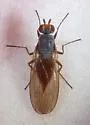
Heteromyza oculata
Heteromyza oculata
Identification: Distinction from some European species of Heteromyza is discussed on diptera.info: http://www.diptera.info/forum/viewthread.php?forum_id=5&thread_id=64196 .
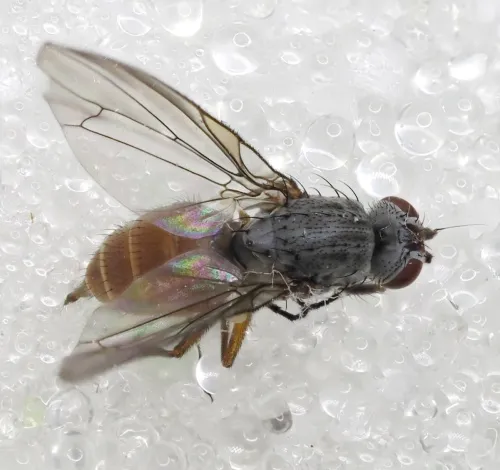
Heteromyza rotundicornis
Heteromyza rotundicornis
5mm. Grey thorax and scutellum with an orange abdomen. Costal spines on the wings. The face is slightly narrower than the frons. Heteromyza commixta is very similar but has a face as wide as the frons. Unless identified by a recognised expert, photog
Lutomyia spurca
Lutomyia spurca
Identification: reddish; no anterodorsal bristles on mesotibia, R2+3 touching costa over most of its length, and several ventral spines on male metafemur
Neoleria fuscolinea
Neoleria fuscolinea
Identification: Mesonotum with two narrow vittae between the dorsocentral rows, which are strongest at the anterior margin. Proepisternum with two bristles.
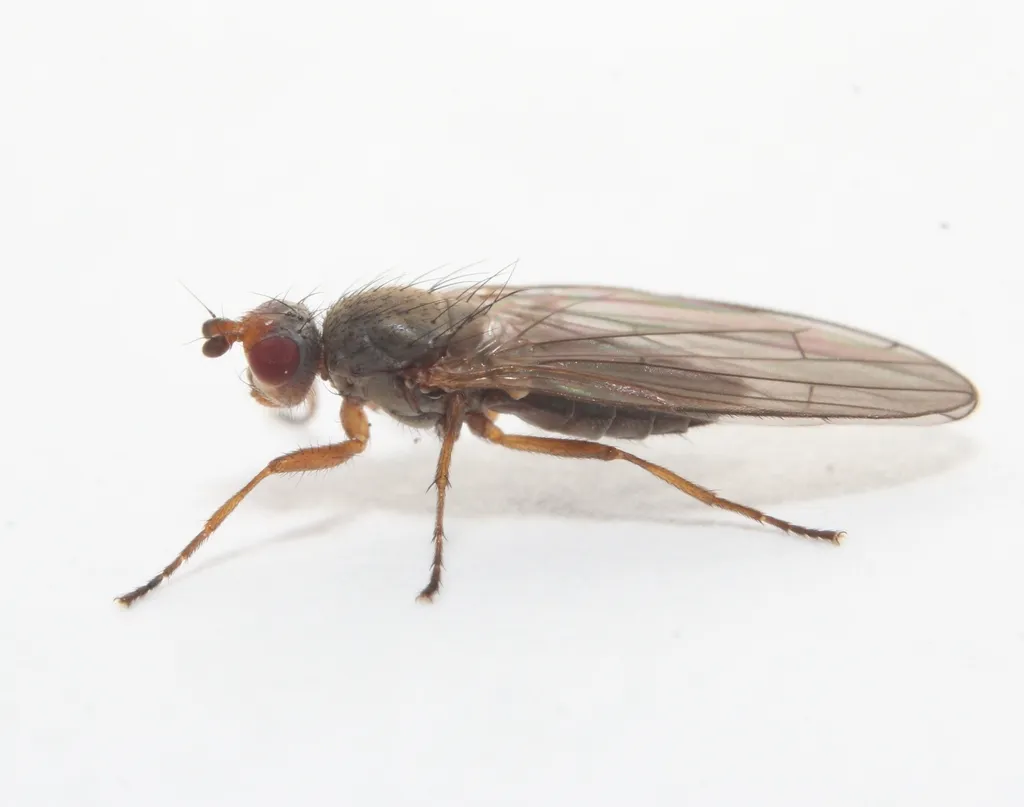
Orbellia barbata
Orbellia barbata
Identification: Legs mostly and palpi entirely yellow; male with yellow beard; male fore basitarsus not longer than second tarsomere.
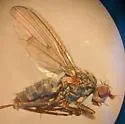
Pseudoleria pectinata
Pseudoleria pectinata
Identification: While most Pseudoleria females are difficult or impossible to identify, females of P. pectinata (but not males) have a distinctive dense patch of short bristles on each side of the 3rd abdominal segment. Males are most reliably identi
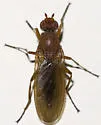
Schroederella luteoala
Schroederella luteoala
Identification: Reddish brown species with smoky wings and two katepisternal bristles.
Scoliocentra latens
Scoliocentra latens
Identification: Body dark grey or brown. Two pairs of strong vibrissae and 2+ katepisternal bristles. Hind basitarsus of male shorter than 2nd tarsomere.
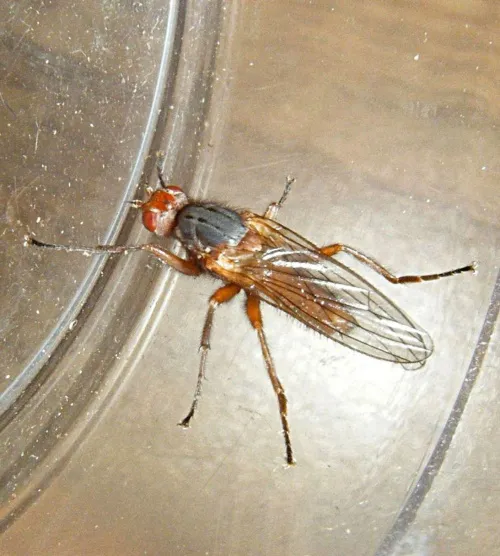
Scoliocentra villosa
Scoliocentra villosa
Length: Male 7 to 9 mm, Female 6.5 to 8 mm. Scoliocentra villosa is a fly with orange abdomen and legs. Various habitats including meadows, deciduous woodland and also found in caves. Can be seen at most times of year but mainly between March and Jul
Suillia apicalis
Suillia apicalis
Identification: The only North American species of Suillia with hairs on the mesopleuron (=anepisternum) and with the dorsal hairs of the scutellum restricted to the lateral edges. Also distinguished from the similar-looking S. plumata by the short p
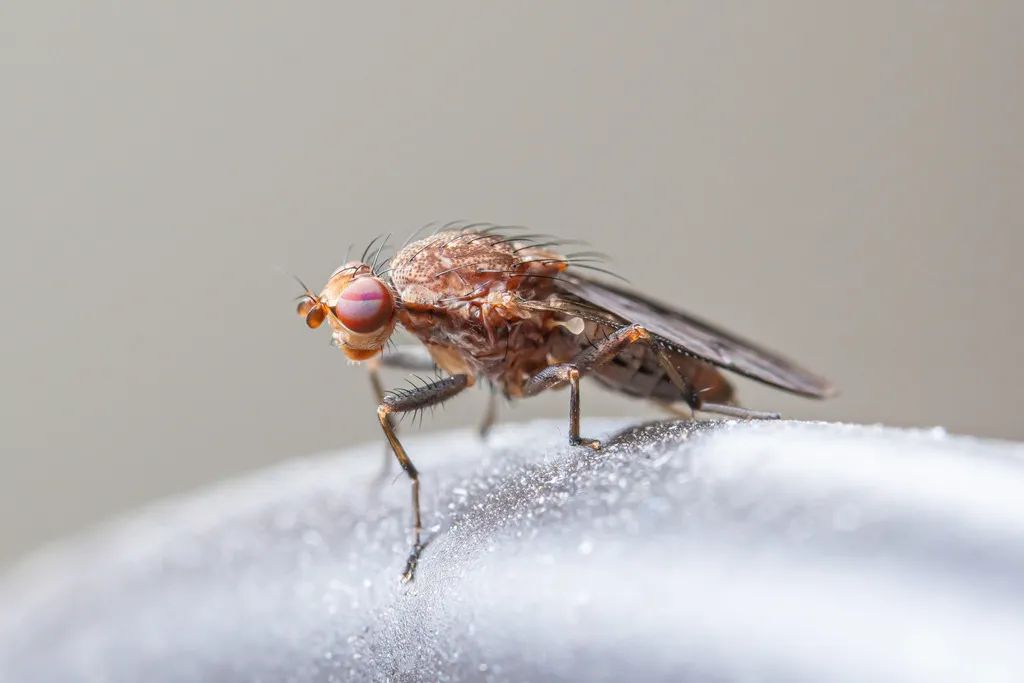
Suillia barberi
Suillia barberi
Identification: " Gill (1962) comments: profemora darkened, almost black; wings strongly infuscated along crossveins and ends of longitudinal veins and along costal margin; abdomen reddish orange to reddish brown. Aldrich (1908) description: a brown
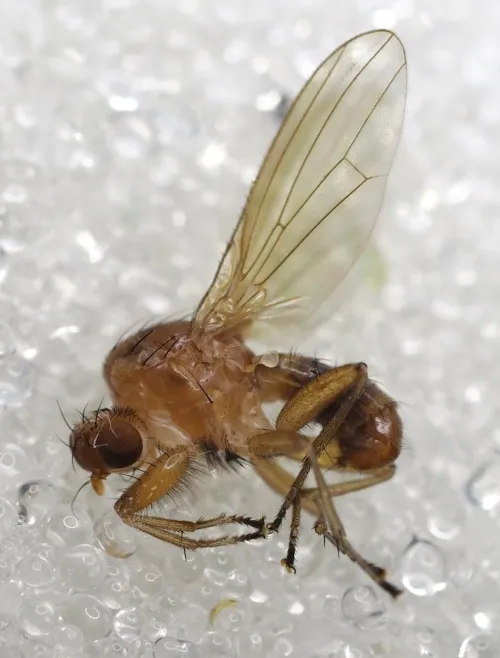
Suillia bicolor
Suillia bicolor
Approximately 5 mm in length. This has an orange-brown thorax and darker brown abdomen. It has clear wings that have costal spines along the leading edge (these spines are characterisitic of the family). Unless identified by a recognised expert, a ph
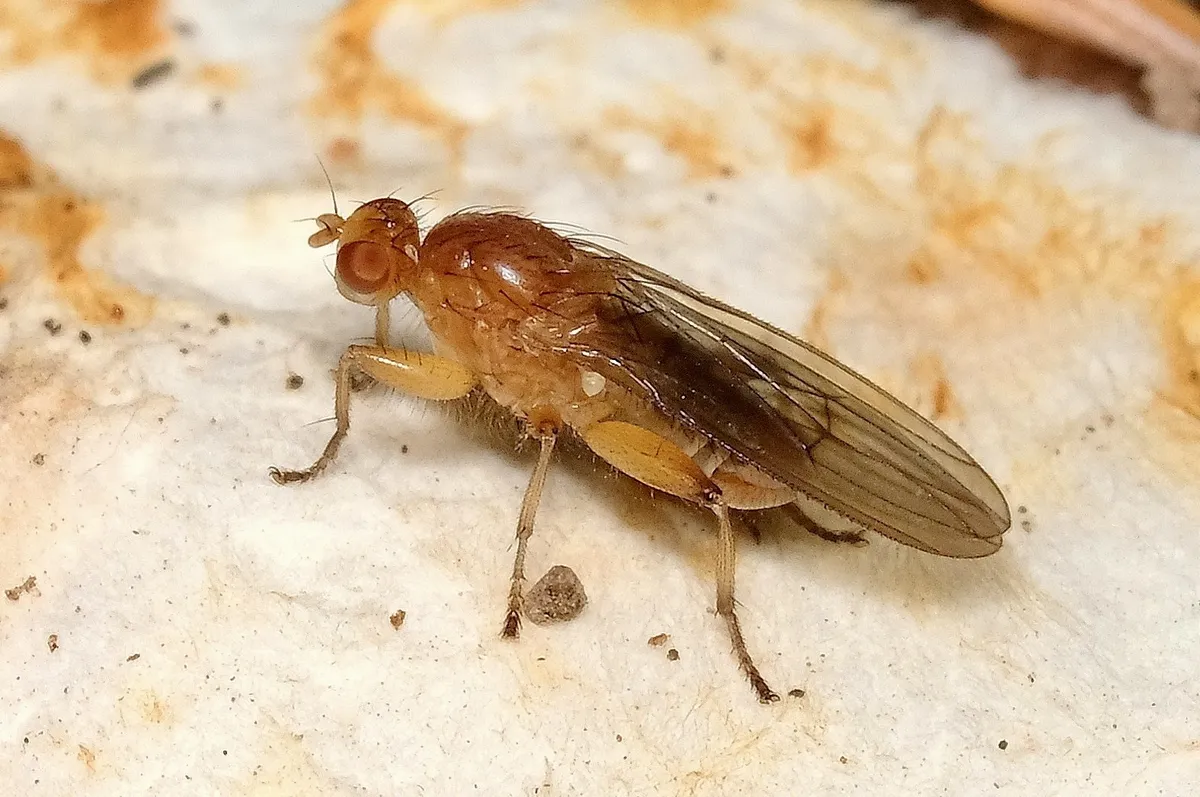
Suillia convergens
Suillia convergens
Identification: "The absence of wing infuscations and of scutellar hairs or setae usually distinguishes this species from others in the genus." (Gill, 1962)
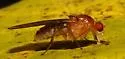
Suillia laevis
Suillia laevis
Identification: Strong humeral bristles, pale antennae.
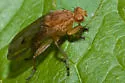
Suillia longipennis
Suillia longipennis
Identification: Male with long hairs on legs. Both sexes with small eye, scutellum nearly covered with small hairs, and anepisternum bare or nearly bare.
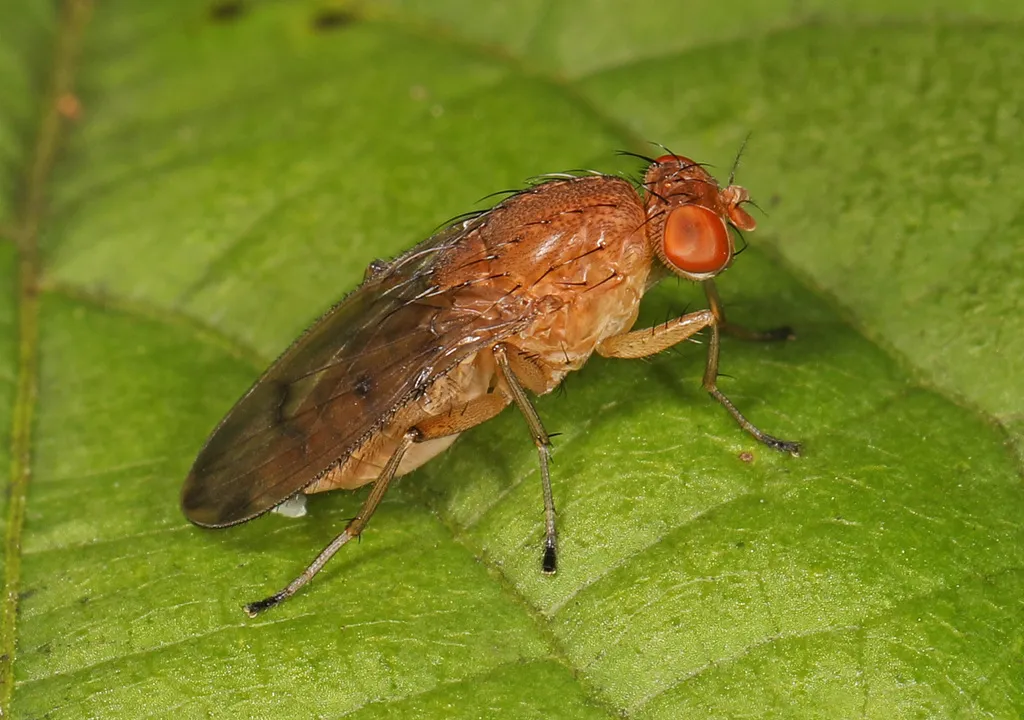
Suillia quinquepunctata
Suillia quinquepunctata
Identification: Wing with five spots, scutellum with hairs over most of dorsal surface, anepisternum bare, gena narrow. Other eastern species can be distinguished: Nemorum has hairs on the anepisternum and ranges only overlap narrowly in the north.
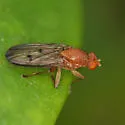
Suillia sororcula
Suillia sororcula
Identification: Scutellum nearly bare; wings with distinct infuscations at the ends of crossveins and along costal margin; cheek narrow.
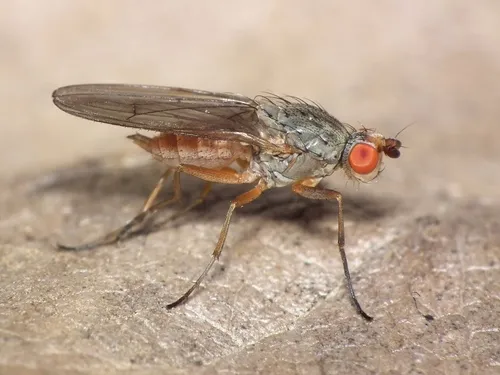
Tephrochlamys rufiventris
Tephrochlamys rufiventris
Detailed examination is necessary to identify to species level.
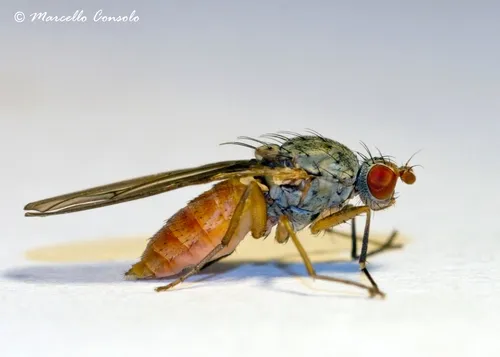
Tephrochlamys tarsalis
Tephrochlamys tarsalis
This small/medium fly is a winter specialist, appearing in December and January. It has a grey thorax and an orange abdomen. See the ID checklist below for a detailed list of the key ID features. Tephrochlamys flavipes is the species most similar but
Trixoscelis albibasis
Trixoscelis albibasis
Identification: "This species can be readily distinguished from T. ornata and T. punctipennis by the light gray band from the fourth pair of dorsocentral setae to the second tergite of the abdomen." (Foster and Mathis 2012)
Trixoscelis buccata
Trixoscelis buccata
Identification: Entire body light brown, wing with costal margin and crossveins infuscated, gena (cheek) tall, 40%-55% the height of the eye.
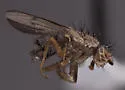
Trixoscelis deserta
Trixoscelis deserta
Identification: Distinguished from other Trixoscelis by the combination of wing distinctly darker along front margin, thorax with stripes, eye large (about 4/5 as tall as head), and vein M dark between the crossveins.
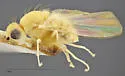
Trixoscelis flava
Trixoscelis flava
Identification: All setae yellow, two rows of acrostichal setulae. Gena very high (gena-eye ratio 0.65-0.85), ocellar triangle yellow, antennae yellow in male and black in female. Abdomen either light gray or yellow.
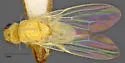
Trixoscelis flavicornis
Trixoscelis flavicornis
Identification: All setae yellow, two rows of acrostichal setulae. Gena moderately high (gena-eye ratio 0.33-0.45), entire body yellow.
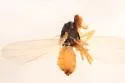
Trixoscelis melanderi
Trixoscelis melanderi
Identification: Tall gena (cheek), about 53% of the height of the eye. Abdomen yellow, contrasting with the gray thorax.
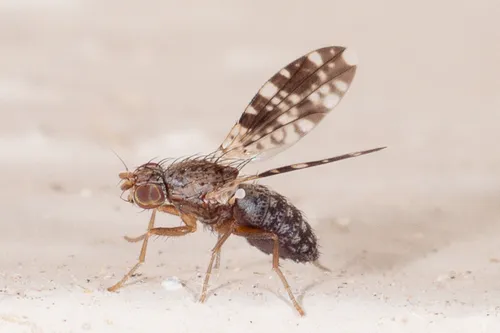
Trixoscelis ornata
Trixoscelis ornata
Identification: "This species exhibits a rather spotted thorax and abdomen and differs from T. polita in having the abdomen gray to brown microtomentose, while T. polita shows a shiny, dark brown abdomen."
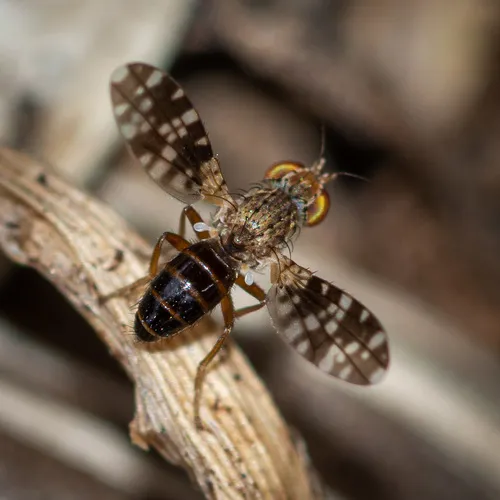
Trixoscelis polita
Trixoscelis polita
Identification: "This species is easily distinguished from the closely related T. ornata by the shiny, dark brown abdomen and the rather uniformly gray thorax." (Foster and Mathis 2012)
Trixoscelis signifera
Trixoscelis signifera
Identification: Two indistinct stripes on top of thorax, stripe along top of side of thorax, antenna yellow, wing brownish along costal margin, vein M dark between crossveins, gena (cheek) very narrow.
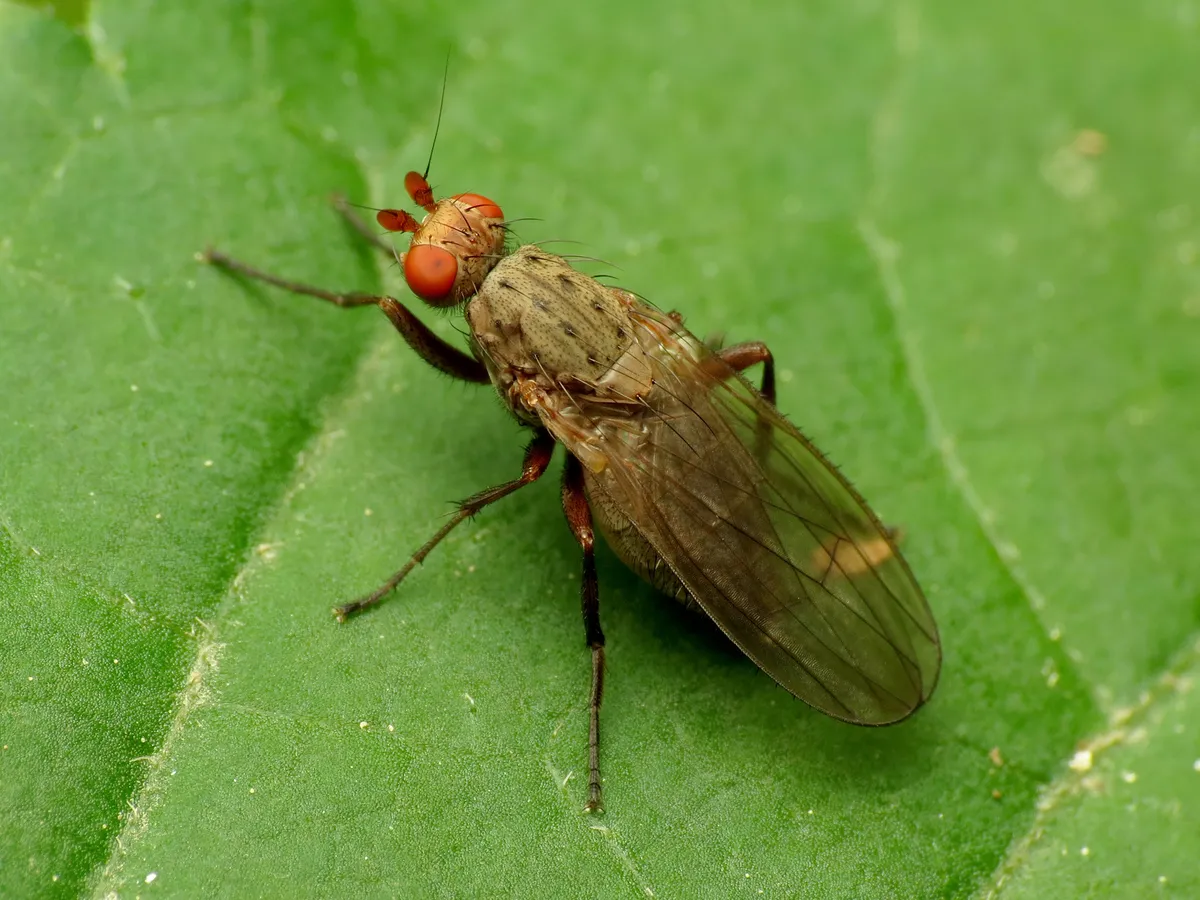
Amoebaleria defessa
Amoebaleria defessa
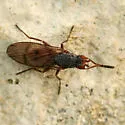
Amoebaleria infuscata
Amoebaleria infuscata
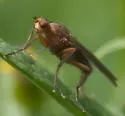
Amoebaleria perplexa
Amoebaleria perplexa
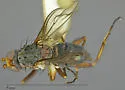
Amoebaleria spectabilis
Amoebaleria spectabilis
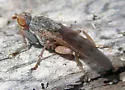
Anorostoma alternans
Anorostoma alternans
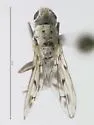
Anorostoma cinereum
Anorostoma cinereum
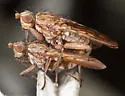
Anorostoma jamesi
Anorostoma jamesi
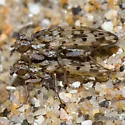
Anorostoma maculatum
Anorostoma maculatum
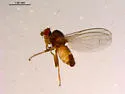
Borboropsis puberula
Borboropsis puberula
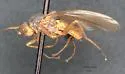
Eccoptomera melanderi
Eccoptomera melanderi
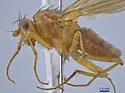
Eccoptomera simplex
Eccoptomera simplex
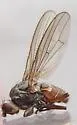
Heleomyza captiosa
Heleomyza captiosa
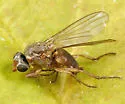
Neoleria inscripta
Neoleria inscripta
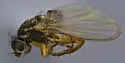
Neossos tombstonensis
Neossos tombstonensis
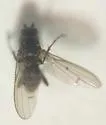
Oecothea specus
Oecothea specus
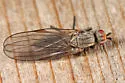
Orbellia petersoni
Orbellia petersoni
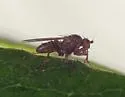
Pseudoleria longigena
Pseudoleria longigena
Pseudoleria parvitarsus
Pseudoleria parvitarsus
Pseudoleria robusta
Pseudoleria robusta
Schroederella fuscopicea
Schroederella fuscopicea
Scoliocentra bisetata
Scoliocentra bisetata
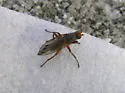
Scoliocentra fraterna
Scoliocentra fraterna
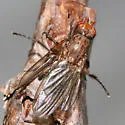
Scoliocentra tincta
Scoliocentra tincta
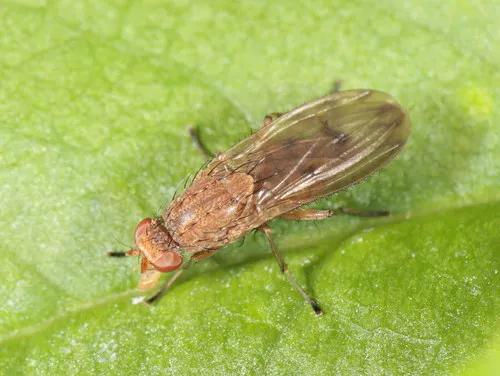
Suillia affinis
Suillia affinis
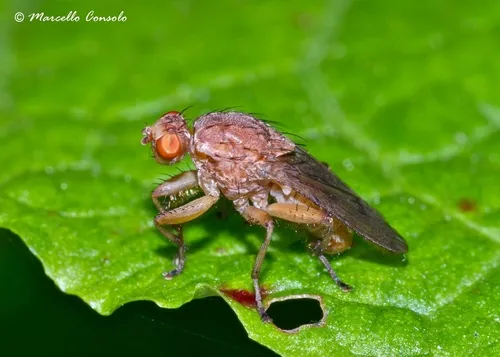
Suillia gigantea
Suillia gigantea
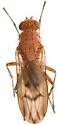
Suillia nemorum
Suillia nemorum
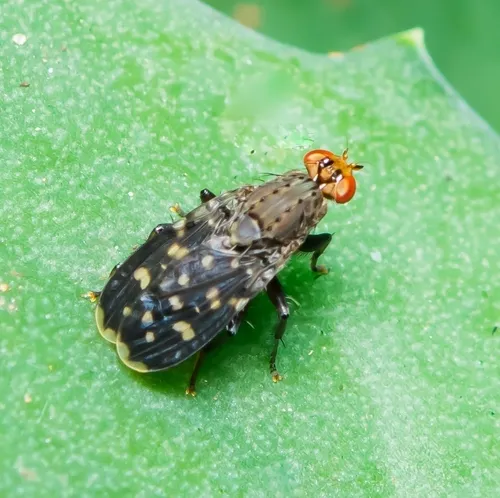
Blackwing Rottingfly
Suillia picta
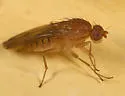
Suillia plumata
Suillia plumata
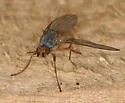
Tephrochlamys flavipes
Tephrochlamys flavipes
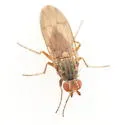
Tephrochlamys flavitarsis
Tephrochlamys flavitarsis
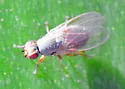
Trixoscelis cinerea
Trixoscelis cinerea
Trixoscelis fumipennis
Trixoscelis fumipennis
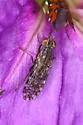
Trixoscelis punctipennis
Trixoscelis punctipennis
Trixoscelis triplex
Trixoscelis triplex