
Family Gall Midges and Wood Midges (Cecidomyiidae)
Cecidomyiidae is a family in the order Diptera. Browse 254 named species recorded in this family, or open an individual profile for its available identification and natural-history information.
Species in Cecidomyiidae (254)
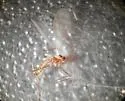
Amedia floridana
Amedia floridana
Identification: The combination of five normal tarsomeres, lack of ocelli, and fully developed wings with reduced venation (CuA unforked, M mostly absent or invisible) should distinguish this species from all other Cecidomyiidae.
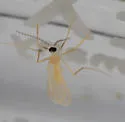
Anthodiplosis eutrochii
Anthodiplosis eutrochii
Larvae form galls in flowers of joe-pye weed ( Eutrochium spp.). These galls were formerly attributed to Dasineura purpurea . See figure 191 in Gagné.
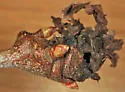
Apagodiplosis papyriferae
Apagodiplosis papyriferae
Causes swellings in birch stems, buds, and petiole bases, containing several larvae in separate cells. Bud and stem mortality results from girdling.
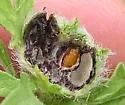
Asphondylia ambrosiae
Asphondylia ambrosiae
Produces multi-celled, fuzzy bud or flower galls on ragweed ( Ambrosia spp.). The larval cells are lined with a white fungus.
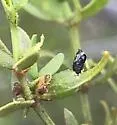
Asphondylia apicata
Asphondylia apicata
Identification: "Galls are green when fresh but turn a chocolate brown with age and have yellow or pale orange projections. Galls measure 7 mm long overall, with the lower swollen segment about 4 mm long by 2 mm in diameter. The thin projection is us
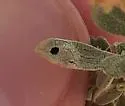
Saltbush Blister Gall Midge
Asphondylia atriplicicola
Identification: Induces leaf blister galls on Atriplex canescens, leucophylla, and spinifera.
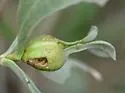
Asphondylia borrichiae
Asphondylia borrichiae
Identification: Induces galls on Borrichia frutescens, Iva frutescens, and Iva imbricata. Galls are composed of swollen bases of leaves forming a globular structure at the apex of stems.
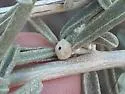
Asphondylia caudicis
Asphondylia caudicis
Identification: Induces small, globular galls at the base of leaves of Atriplex canescens. The galls are attached to the leaf petioles, which sometimes makes it seem like there are leaves growing out of the gall.
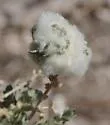
Woolly Stem Gall Midge
Asphondylia floccosa
Identification: This species can be most readily identified from its gall being a large, woolly stem gall not covered with small leaf clusters on Atriplex polycarpa , based on the key of Gagné 1989 . From this reference, "Masses of galls are 0.5-1.5
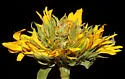
Asphondylia helianthiflorae
Asphondylia helianthiflorae
"Bred from apparently unmodified flower heads of Helianthus strumosus " (Felt 1908; also Felt 1958, Insects of Connecticut ). BugGuide photos show two other species of Helianthus . It is possible that these flies are in fact host species-specific a
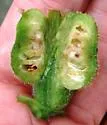
Asphondylia helianthiglobulus
Asphondylia helianthiglobulus
Larvae form globular galls in Helianthus (sunflower), from which the species name. It is possible that similar galls on different species of sunflower are made by different species of midge.
Asphondylia monacha
Asphondylia monacha
Identification: Females of this species and a few relatives have white-banded tarsi. Forms rosette galls on early goldenrod ( Solidago juncea ). The larva develops in a central cell, the inside of which is lined with the white mycelium of symbiotic f
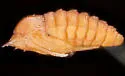
Asphondylia neomexicana
Asphondylia neomexicana
Identification: This midge is most easily identified from its gall. From the genus key of Gagné 1986 , they are detachable dense woolly, white, spherical bud galls on Atriplex canescens about 1 cm in diameter. The four-winged seed of the host can oft
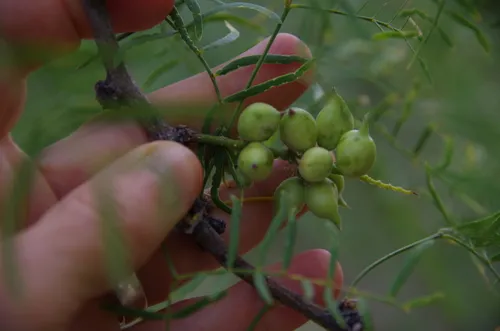
Mesquite Gall Midge
Asphondylia prosopidis
Identification: Adult midges have simplified wing veination; females have an unusual ovipositor, needle-shaped with a structure at the base that may infect host plants with the midge's symbiotic fungus. The pupal stage has a pair of sclerotized horns
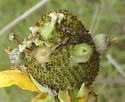
Prairie Coneflower Gall Midge
Asphondylia ratibidae
"In summer the galls are in the flower heads. Infested flowers are swollen at their bases, and the florets do not open. From August to October, galls are found in enlarged stem ends or leaf buds. Adults emerging in October must lay eggs on living pla
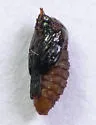
Asphondylia solidaginis
Asphondylia solidaginis
They occur on more than one species of goldenrod but mostly on Solidago altissima . These galls are usually heavily parasitized, and one of the common parasitoids is a species of Galeopsomyia (Eulophidae), which induces “a gall within a gall”, little
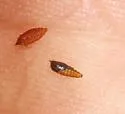
Asphondylia uvarum
Asphondylia uvarum
Eggs are probably inserted in ovaries of grape flowers in spring. Larvae feed and pupate within the developing berries.
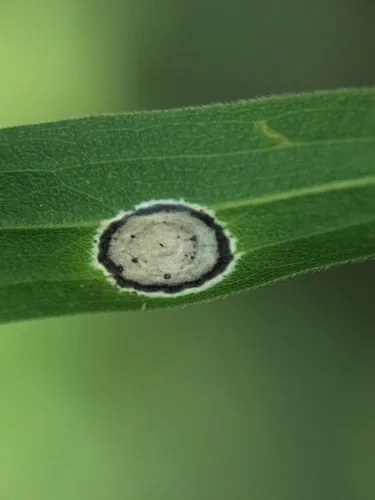
Asteromyia carbonifera
Asteromyia carbonifera
Induces flat, circular galls in the leaves of various goldenrods ( Solidago ). The galls contain a symbiotic fungus, Botryosphaeria dothidea , which the larva apparently does not eat. One to ten or more larvae develop in each gall. Color and size of
Asteromyia chrysothamni
Asteromyia chrysothamni
Identification: This midge induces small, subtle galls on leaves (and occasionally stems) of several Ericameria and Chrysothamnus species. The galls appear as grey discoloration of the leaf, sometimes making a blister. With age they turn black due to
Asteromyia tumifica
Asteromyia tumifica
Larvae develop in swellings on the sides of goldenrod stems. They overwinter and pupate within these galls.
Cartodiplosis nyssaecola
Cartodiplosis nyssaecola
This species was thought by Beutenmuller 1907 and Felt 1917 to be the species that causes the galls it is an inquiline in, but according to Gagne 1989 it was determined to be only an inquiline.
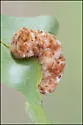
Hickory Aggregate Gall Midge
Caryomyia aggregata
Causes brown, hairy galls on the veins on the undersides of hickory leaflets, "usually clustered in a row along major vein and often in such close aggregation as to partially coalesce."
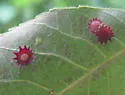
Hickory Starburst Gall Midge
Caryomyia asteris
Larvae develop in star-shaped galls on the undersides of hickory ( Carya ) leaves. Adult and pupal stages are unknown.
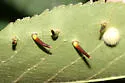
Hickory Awl-shaped Gall Midge
Caryomyia subulata
Larvae develop in awl-shaped galls on the undersides of hickory ( Carya ) leaves. Adult and pupal stages are unknown.
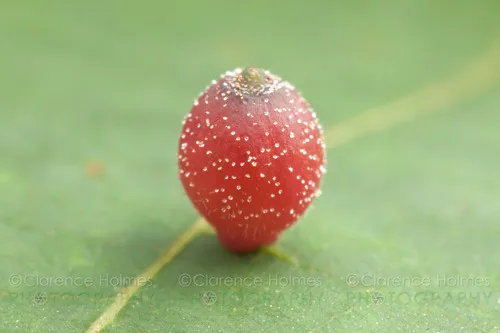
Hickory Sticky Ginger Jar Gall Midge
Caryomyia viscidolium
One of only two Caryomyia galls that occur exclusively on the upper leaf surface of hickories ( Carya ). Pupae break out of the weak cap at the gall's apex. Adults emerge in April.
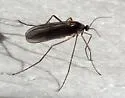
Catotricha americana
Catotricha americana
The BugGuide photo shows the only known female of the species, which was described based on a male from New Hampshire and is also known as a larva.
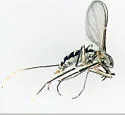
Switchgrass Gall Midge
Chilophaga virgati
Identification: Distinguished from congeners by leg pattern, hind tarsi white at tip and legs without "horizontal light- and dark-banded scale covering on the legs." Alternatively, "female eighth tergal sclerites no longer than the preceding tergite
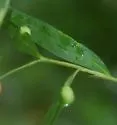
Undescribed Persicaria Leafroller
Clinodiplosis undescribed-species-on-periscaria
"I am usually a little wary about ascribing galls to Clinodiplosis , but in this case with the Clinodiplosis being the sole inhabitant and repeatedly reared from these non-complex galls, I am satisfied that it is the cause." - Raymond J. Gagné to Cha
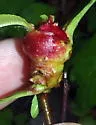
Contarinia cerasiserotinae
Contarinia cerasiserotinae
Larvae develop gregariously in swollen terminal buds on black cherry ( Prunus serotina ), dropping to the ground when full-grown. Parasitoid:
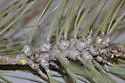
Contarinia coloradensis
Contarinia coloradensis
The orange larvae form chambers at the bases of ponderosa pine ( Pinus resinosa ) needles, then drop to the soil in late summer or early fall. Adults emerge in spring.
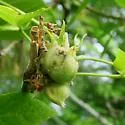
Boxelder Gall Midge
Contarinia negundinis
Causes folded or swollen leaflets or swollen leaf buds in boxelder ( Acer negundo ), in early spring when the leaves are still expanding. Larvae are white and gregarious (many in each gall). They develop very quickly, then drop to the ground and spin
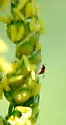
Sorghum Midge
Contarinia sorghicola
Identification: The adult is orange; newly hatched larva is colorless; it turns bright orange in later instars. Considered a pest of sorghum.
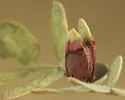
Contarinia undescribed-species-on-acacia
Contarinia undescribed-species-on-acacia
Larvae develop singly between joined pairs of leaflets, which have swollen bases.
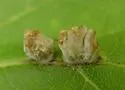
Contarinia undescribed-species-on-boxelder
Contarinia undescribed-species-on-boxelder
Forms globular pouch galls, appearing in June, on the upper side of veins of fully expanded boxelder leaflets. There is just one larva in each gall. Adults have not been reared.
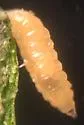
Contarinia undescribed-species-on-milkweed
Contarinia undescribed-species-on-milkweed
Larvae develop in distorted milkweed leaves. The gall was described as a swollen midrib fold in Felt but as a rolled leaf in Felt's unpublished notebook .
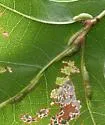
Contarinia undescribed-species-on-oak
Contarinia undescribed-species-on-oak
Causes tapered, striate galls, usually about 5 mm long, along veins of oak leaves. Larvae drop to the soil in summer and presumably remain there until the following spring.
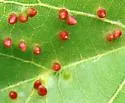
Linden Wart Gall Midge
Contarinia verrucicola
Larvae develop in warty galls on leaves, twigs, and fruit of American and European lindens ( Tilia spp.). Mature larvae exit galls (from the underside, if in leaves) and overwinter in the soil. Adults have not been reared.
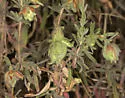
Contarinia zauschneriae
Contarinia zauschneriae
For more detailed discussion of this gall & gall inducer...see remarks & comments under the posts below:
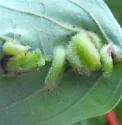
Craneiobia tuba
Craneiobia tuba
Forms galls on dogwood ( Cornus ) leaves that are tubular on one side of the leaf and hemispherical on the other. Larvae are orange; adults have not been reared.
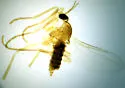
Cratotocha ampliata
Cratotocha ampliata
Identification: Bright yellow thorax with brown abdomen. Vein R5 short. Fork of M longer than stem, narrow, with both branches straight. Males of this species are unknown.
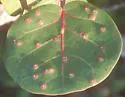
Ctenodactylomyia watsoni
Ctenodactylomyia watsoni
Larvae form circular, slightly nippled blister galls on leaves. Pupation takes place within the galls .
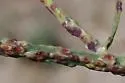
Rush skeletonweed gall midge
Cystiphora schmidti
Introduced in 1975 from Greece as biocontrol of the invasive skeleton weed Chondrilla juncea (Cichoriaceae). It forms galls in the leaves and stems.
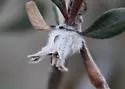
Mountain Mahogany Gall Midge
Dasineura cercocarpi
Identification: Produces bud galls on Cercocarpus montanus and betuloides. The galls consist of several very pubescent leaves with a swollen base. The gall is much hairier than unaffected plant parts.
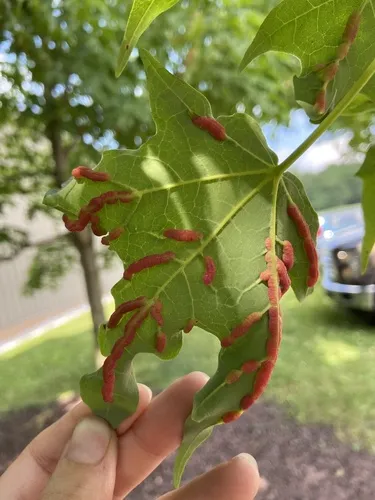
Dasineura communis
Dasineura communis
Larvae develop in galls on maple leaves. Expanding leaves may be crumpled, whereas full-grown leaves may have a small pouch along the veins. These galls are variable and may actually be caused by more than one species of midge.
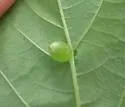
Dasineura investita
Dasineura investita
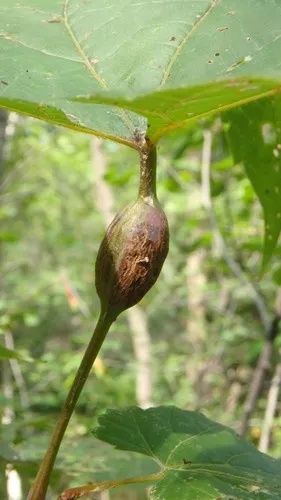
Develops in galls on wood nettle ( Laportea ). "Ovoid, smooth, translucent gall with short terminal nipple, connected to plant by narrow pedicel . . . Commonly found on leaves in June, the galls can be seen also on petioles, stems, and flower parts l
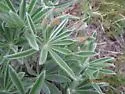
Lupine Leaf Gall Midge
Dasineura lupinorum
Identification: Causes small galls on leaflets of Lupinus species, apparently preferring perennial species (e.g. L. albifrons and L. argenteus ). The gall become reddish over time and contain several larvae.
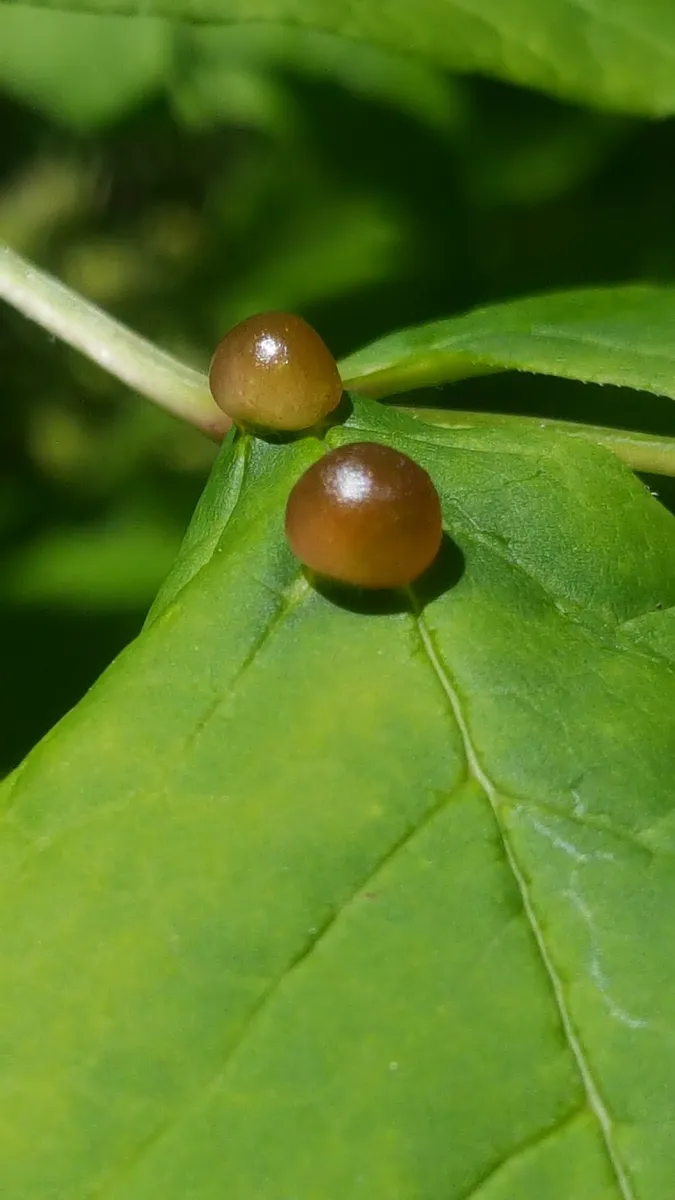
Dasineura pellex
Dasineura pellex
Induces globular swellings on the upperside of ash ( Fraxinus ) leaflets along the veins. Adults of this species have not been reared.
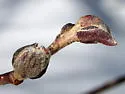
Dasineura serrulatae
Dasineura serrulatae
Causes alder ( Alnus ) buds to swell to 6-12 mm in diameter. Each gall contains several reddish larvae.
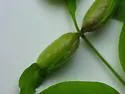
Dasineura tumidosae
Dasineura tumidosae
Causes succulent midrib or petiole swellings on ash ( Fraxinus ) leaflets. Contarinia thalictri has also been reared from these galls, but less commonly, so this species may be an inquiline.
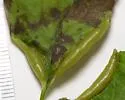
Undescribed species on snowberry
Dasineura undescribed-symphoricarpos
Although these galls were originally attributed to Resseliella californica [= Thomasia californica Felt, 1914], an undescribed Dasineura species is actually responsible for them . The Resseliella is evidently a secondary inhabitant (per Ray Gagné in
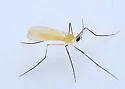
Didactylomyia longimana
Didactylomyia longimana
Identification: Body bright yellow, possibly with dark spots on thorax and base of abdomen. Antennae brown, yellow at base. Wing yellow, possibly with 1-4 brown spots. Legs with dark joints and yellow hind tibiae and femora, the rest varying from
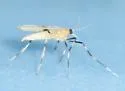
Haplusia rubra
Haplusia rubra
Identification: adult body pale; legs banded black and white
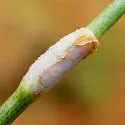
Lasioptera ephedrae
Lasioptera ephedrae
Identification: Gall -- fusiform twig gall, about 1/2" long. Develops in stem galls on Ephedra .
Lasioptera lorrainae
Lasioptera lorrainae
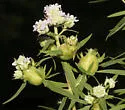
Galls are spheroid, 5–8 mm in diameter, and occur in early summer on lateral twiglets and later near branch tips. Galls collected in Iowa were found subtending flower heads, but this has not been observed elsewhere. Each gall contains 1–11 yellow lar
Macrodiplosis castaneae
Macrodiplosis castaneae
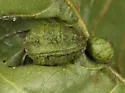
Causes galls on chestnut ( Castanea ), which develop in spring. In June-July, larvae exit through an elongate opening that develops along the vein on the upper surface of the leaf. Adults have never been reared.
Macrodiplosis majalis
Macrodiplosis majalis
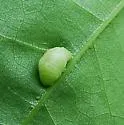
Literature records list Quercus palustris as a host. BugGuide photos show other species of the red oak section.
Macrodiplosis niveipila
Macrodiplosis niveipila
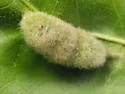
Forms galls on leaves of white oak ( Quercus alba ) and other oaks: "Amorphous, thin-walled, large fold with white down on inside surface, often deforming leaf." In addition to an illustration of a highly distorted white oak leaf, Gagne illustrates a
Hessian Fly
Mayetiola destructor
An economically important crop pest. Larvae in stems of wheat ( Triticum spp.) and occasionally in other grasses.
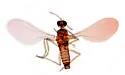
Miastor metraloas
Miastor metraloas
Identification: Tarsi with only four tarsomeres and wings with reduced venation. Most Cecidomyiidae have five tarsomeres, usually with the first short and hard to distinguish. A few species have two or three.
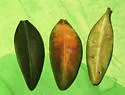
Boxwood Leafminer
Monarthropalpus flavus
Larve form 5 mm blisters on the upper sides of boxwood leaves. This is the only gall midge on boxwood in North America. The genus Buxus is not native and has no native gall makers.
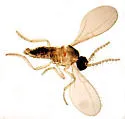
Mycophila speyeri
Mycophila speyeri
A pest of cultivated mushrooms. "It was first identified from Great Britain. It is now known from Europe, China and Japan. In the US its distribution is from Michigan, Pennsylvania, Maryland to Virginia. The larvae attack cultivated mushrooms and thr
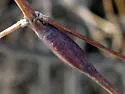
Neolasioptera clematidis
Neolasioptera clematidis
"The single specimen known of this species was found apparently laying eggs in a slit of a stem. It was presumed to be the species responsible for the swellings found on clematis."
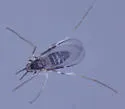
Neolasioptera cornicola
Neolasioptera cornicola
Causes woody stem swellings in dogwood ( Cornus ), 0.5 to several cm long. These galls contain several yellow larvae, which overwinter inside and emerge in the spring. Parasitoid: (Platygastridae)
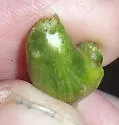
Neolasioptera eupatorii
Neolasioptera eupatorii
Causes hard, woody stem swellings near the upper part of flowering stems of white snakeroot ( Ageratina altissima ). Larvae live in tunnels and overwinter in the galls; adults emerge in spring.
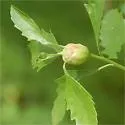
Neolasioptera lathami
Neolasioptera lathami
Larvae form 1-3 cm communal soft globular galls near the ends of branches of Baccharis halimifolia and B. neglecta .
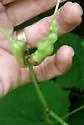
Nodular Stem Gall Midge
Neolasioptera nodulosa
Forms galls in Rubus stems. "Irregular stem gall, length 1 inch, midge, summer." "Swellings are usually on the smaller, apical branches, are sometimes strongly ridged, and contain several yellow larvae. Larvae overwinter in the galls."
Neolasioptera perfoliata
Neolasioptera perfoliata
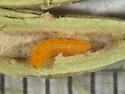
Causes woody, tapered swellings in stems of Eupatorium hyssopifolium and E. perfoliatum , usually near the upper part of the flowering stems.
Neolasioptera rudbeckiae
Neolasioptera rudbeckiae
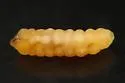
Larvae are internal feeders in tissues of Rudbeckia laciniata , including stem galls (of which they are evidently the inducer), blackened areas in petioles of autumn-growth basal leaves (BugGuide data), and "from the soft tissue of [the large bud] ga
Neolasioptera species-on-lithospermum
Neolasioptera species-on-lithospermum
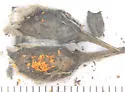
This species has not been reared, but Raymond J. Gagné has examined larvae collected by MJ Hatfield and confirmed the genus. It should be fairly easy to rear adults, since Neolasioptera species pupate within their galls.
Neolasioptera truncata
Neolasioptera truncata
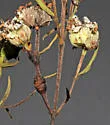
This species causes a woody, fusiform swelling, 5–10 mm long, on the stems and branchlets of mountain mints. A single yellow larva lives inside, where it appears to hollow out the pith. When finished feeding, it prepares an exit channel through the
Neolasioptera vitinea
Neolasioptera vitinea
A gallmaker on grape ( Vitis >; causes "woody, elongate-tapered swelling of tendrils, petioles, or midveins. . . Swellings are 5-15 mm long, and several may occur in tandem." Schizomyia petiolicola Felt was supposedly reared from similar galls, but t
Neolasioptera willistoni
Neolasioptera willistoni
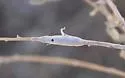
Identification: Cockerell's original description is here . Produces stem swellings on saltbush ( Atriplex canescens and A. polycarpa ). Lasioptera tibialis has been reared once from this type of gall, but is otherwise known only from galls on Keckiel
Parallelodiplosis subtruncata
Parallelodiplosis subtruncata
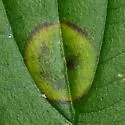
This is apparently the species responsible for ~4-mm wide blister galls in dogwood ( Cornus ) leaves. Lasioptera corni was reported once from these galls and is not known from any other host; it may be an inquiline or may have been a contaminant in t
Polystepha globosa
Polystepha globosa
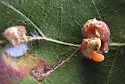
This is the only spherical gall found on oaks that is not caused by a cynipid wasp. Goldfinches have been observed opening the galls to feed on the larvae (see blog post here ).
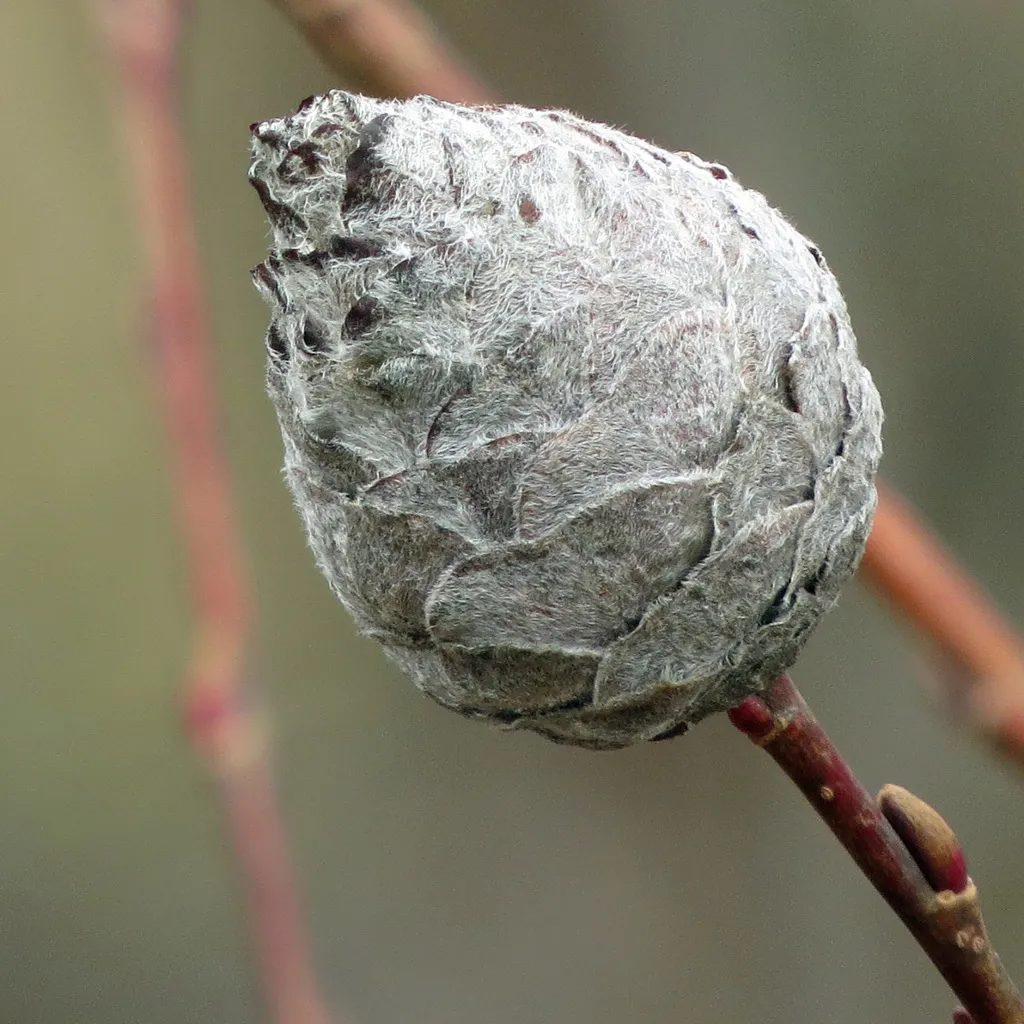
Willow Pinecone Gall Midge
Rabdophaga strobiloides
It forms galls in the apical buds of growing willow's twigs.
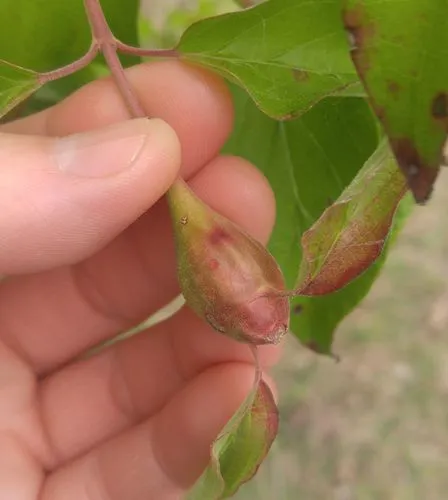
Resseliella clavula
Resseliella clavula
Causes galls in flowering dogwood ( Cornus florida ): a smooth, clublike enlargement just below the bud in apical branches. Most of the dogwood stem galls on BugGuide probably do not represent this species. When shown the images that were placed here
Rhopalomyia anthophila
Rhopalomyia anthophila
Larvae develop in goldenrod ( Solidago ) florets modified into fuzzy, roughly cylindrical galls that are widest at the base. Encyclopedia of Life Revision of the Goldenrod Galling Rhopalomyia species. Page 6
Sage Leaf Gall Midge
Rhopalomyia audibertiae
Identification: This midge induces galls on the leaves of black sage ( Salvia mellifera ) and white sage ( Salvia apiana ). Galls have a tubular protrusion on either side of the leaf, with the opposite side being a shallow lump. Galls can be gray gre
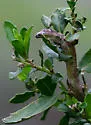
Coyote Brush Twisted Stem Gall Midge
Rhopalomyia baccharis
Identification: Adults are indistinguishable from adults of R. californica but the pupa and galls are different.
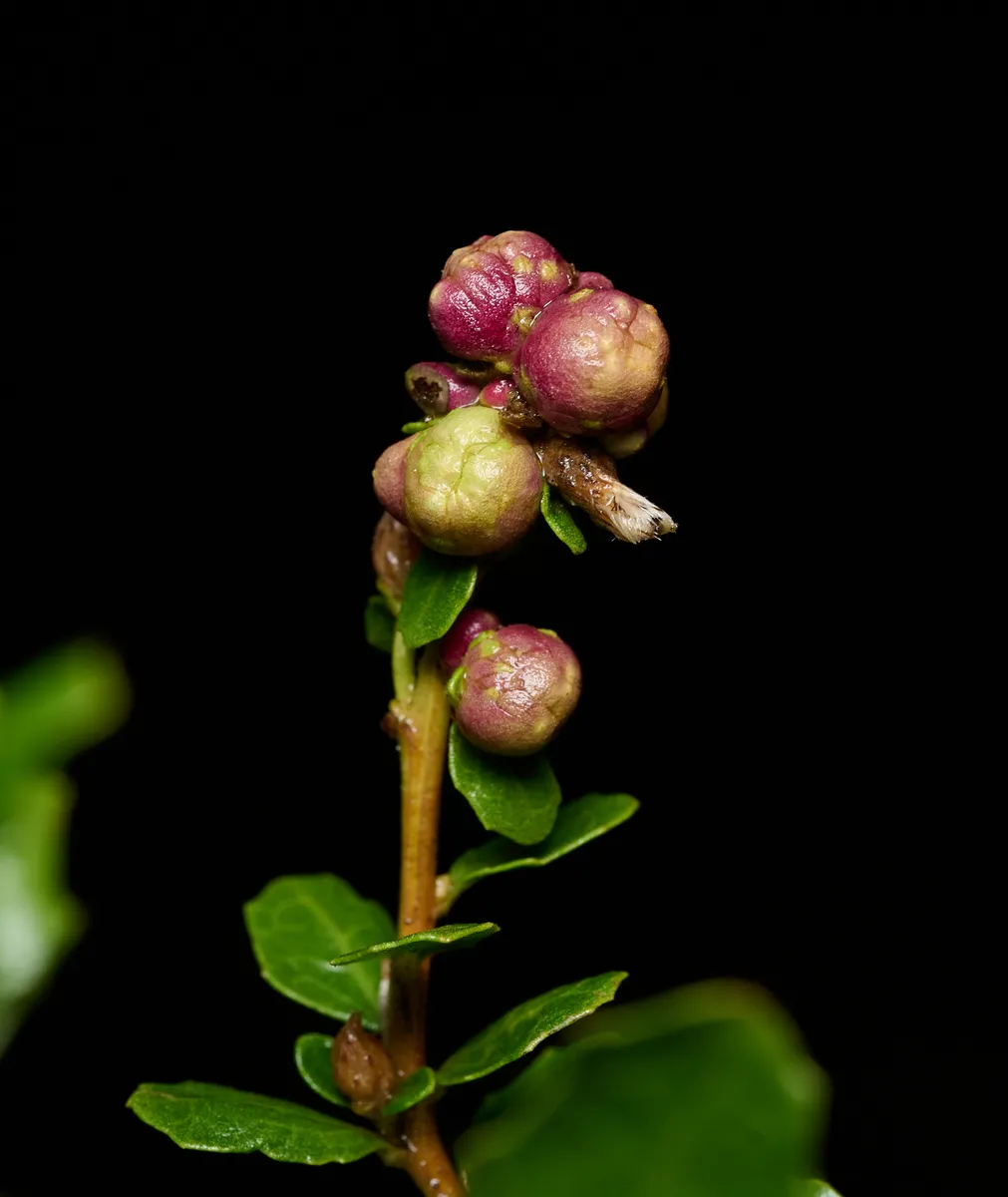
Coyote Brush Bud Gall Midge
Rhopalomyia californica
Adults emerge, mate, lay their eggs, and die, all within a 24-hour period (on warm days, as little as a 5- to 6-hour period. Portrait of an Ephemeral Adult Stage: Egg Maturation, Oviposition, and Longevity of the Gall Midge Rhopalomyia californica (D
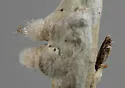
Rhopalomyia chrysothamni
Rhopalomyia chrysothamni
Gall is a conical swelling on stems of Chrysothamnus nauseosus with cottony fibers filling the exit. C. nauseosus is also known as Ericameria nauseosa . The species was originally described from C. graveolens , which is now considered a variety of na
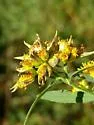
Rhopalomyia fusiformae
Rhopalomyia fusiformae
The biology is probably similar to that of R. pedicellata , which forms a similar gall but with a pedicel.
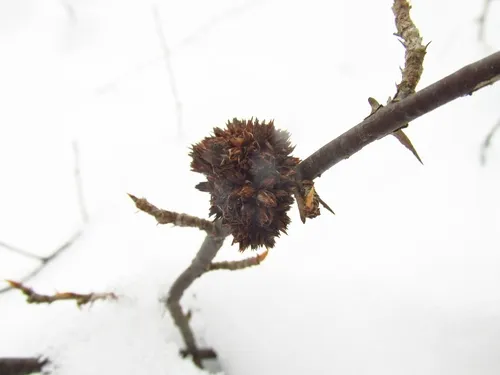
Gooseberry gall midge
Rhopalomyia grossulariae
Identification: Length of head + body of adult, 1.8-2.0mm. Head and thorax brown, abdomen with marked reddish tinge (apparently a common color pattern within this genus). Structural characters as for the genus (Rübsaamen 1892) ( 3 ) . Felt (1911)
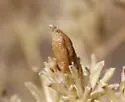
Rhopalomyia gutierreziae
Rhopalomyia gutierreziae
Identification: This midge induces capsule-shaped, yellow or green galls on the flowers of several species of western Gutierrezia (Snakeweed).
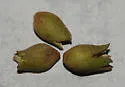
Rhopalomyia hirtipes
Rhopalomyia hirtipes
Identification: The largest of the Rhopalomyia on goldenrods. Bright orange-red abdomen and dark antennae and legs. Antennae 21 flagellomeres in males, 20-22 in females. Pupa bright orange, sclerotized parts black. Large and robust.
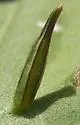
Rhopalomyia inquisitor, maybe
Rhopalomyia inquisitor-maybe
When Felt (1908) described this species, he believed it to be an inquiline in rosette galls of R. capitata on Solidago gigantea . However, R. inquisitor is closely related to R. clarkei , and Dorchin et al. (2009) hypothesize that R. inquisitor is a
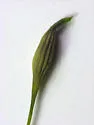
Rhopalomyia pedicellata
Rhopalomyia pedicellata
Identification: Adult yellowish-white with dark scales and hairs. Legs covered with fine scales. Pupa orange. Galls found on stems, leaves or inflorescences of the goldenrod Euthamia graminifolia . They are delicate, slender (14-21 mm long) and posse
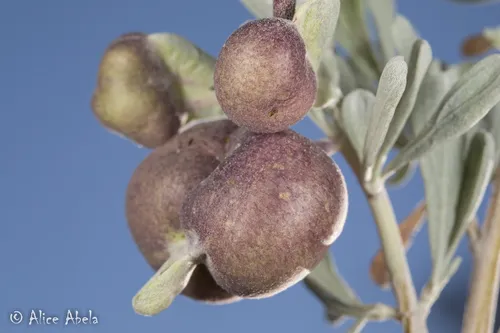
Sponge Gall Midge
Rhopalomyia pomum
Identification: Produces large (up to 45mm in diameter), spongy, soft galls on Artemisia tridentata (Great Basin sagebrush). Parasitoid:
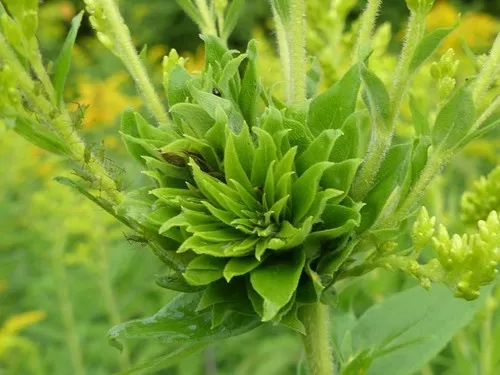
Goldenrod Bunch Gall
Rhopalomyia solidaginis
Identification: Eastman states some other flies do make similar galls. Gall is relatively distinctive--see photo. The female deposits an egg at the tip of the growing plant. Its larva secretes a chemical that prevents the goldenrod stem from growing
Rhopalomyia undescribed-species-on-amorpha
Rhopalomyia undescribed-species-on-amorpha
Forms galls on Amorpha canescens . "Galls are reddish and about 4 mm long. They have been attributed to either Rhopalomyia or Diarthronomyia (the second now a subgenus of the first), but the gall makers were apparently not preserved."
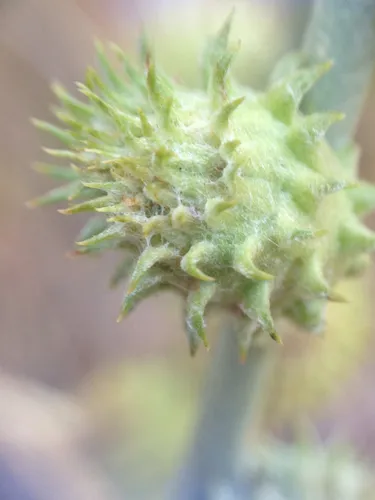
Rhopalomyia utahensis
Rhopalomyia utahensis
Identification: Induces ovoid stem galls on Ericameria nauseosa. The galls are usually green and covered with white hairs. These hairs do not obscure the gall surface. They are covered with small leafy bracts that protrude from the surface. A similar
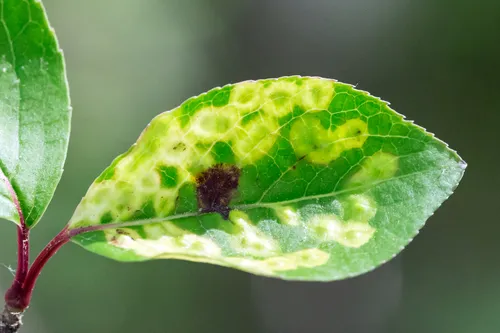
Sackenomyia commota
Sackenomyia commota
Causes blister galls on Viburnum leaves. It is not known whether similar galls on different viburnums are all caused by the same species.
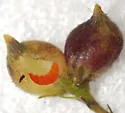
Schizomyia racemicola
Schizomyia racemicola
This species modifies goldenrod ( Solidago ) florets to create short-pointed, green to red, smooth, onion-shaped galls. The orange larvae leave the galls to pupate in the ground.
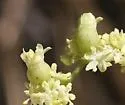
Schizomyia umbellicola
Schizomyia umbellicola
Forming vase-like galls on flowers of Sambucus cerulea and S. canadensis . The galls persist into fruit, but the midge has usually exited by then.
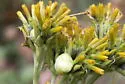
Schizomyia verbesinae
Schizomyia verbesinae
The orange-red larvae develop in aborted, swollen florets of Verbesina alternifolia . This species is known only from galls and larvae and cannot yet be placed to genus. Larvae exit the galls to pupate in the ground. Comment from John Plakidas, 12/14
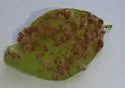
Stephomyia eugeniae
Stephomyia eugeniae
Forms single-celled, fuzzy galls on Eugenia leaves. Larvae pupate inside the galls; pupae break out and adults emerge in March.
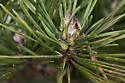
Thecodiplosis brachynteroides
Thecodiplosis brachynteroides
Possibly synonymous with T. pinirigidae on pitch pine; the two species are indistinguishable other than by host plant.
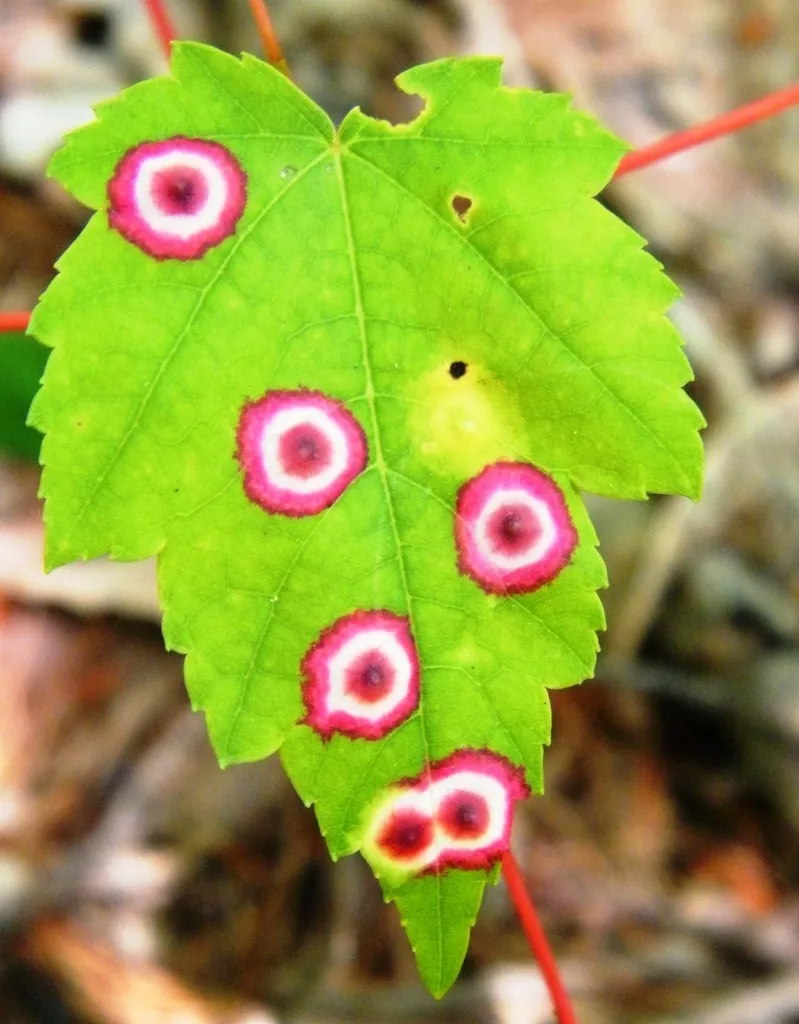
Ocellate Gall Midge
Acericecis ocellaris
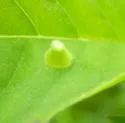
Ametrodiplosis fistulosae
Ametrodiplosis fistulosae

Grape Tube Gallmaker
Ampelomyia viticola