
Family Shore Flies (Ephydridae)
Ephydridae is a family in the order Diptera. Browse 83 named species recorded in this family, or open an individual profile for its available identification and natural-history information.
Species in Ephydridae (83)
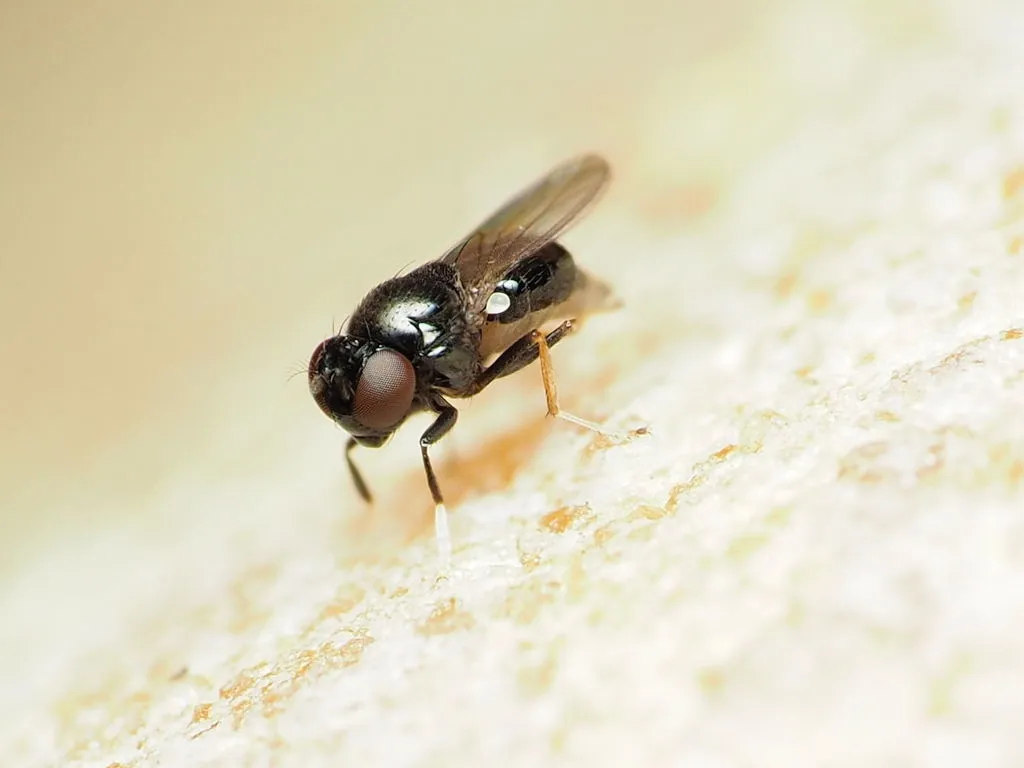
Athyroglossa glaphyropus
Athyroglossa glaphyropus
Identification: The only Eastern species of the genus with white halteres.
Brachydeutera longipes
Brachydeutera longipes
Identification: Lacks a sharp demarcation between the brownish dorsal area and the grayish ventral area comes to light
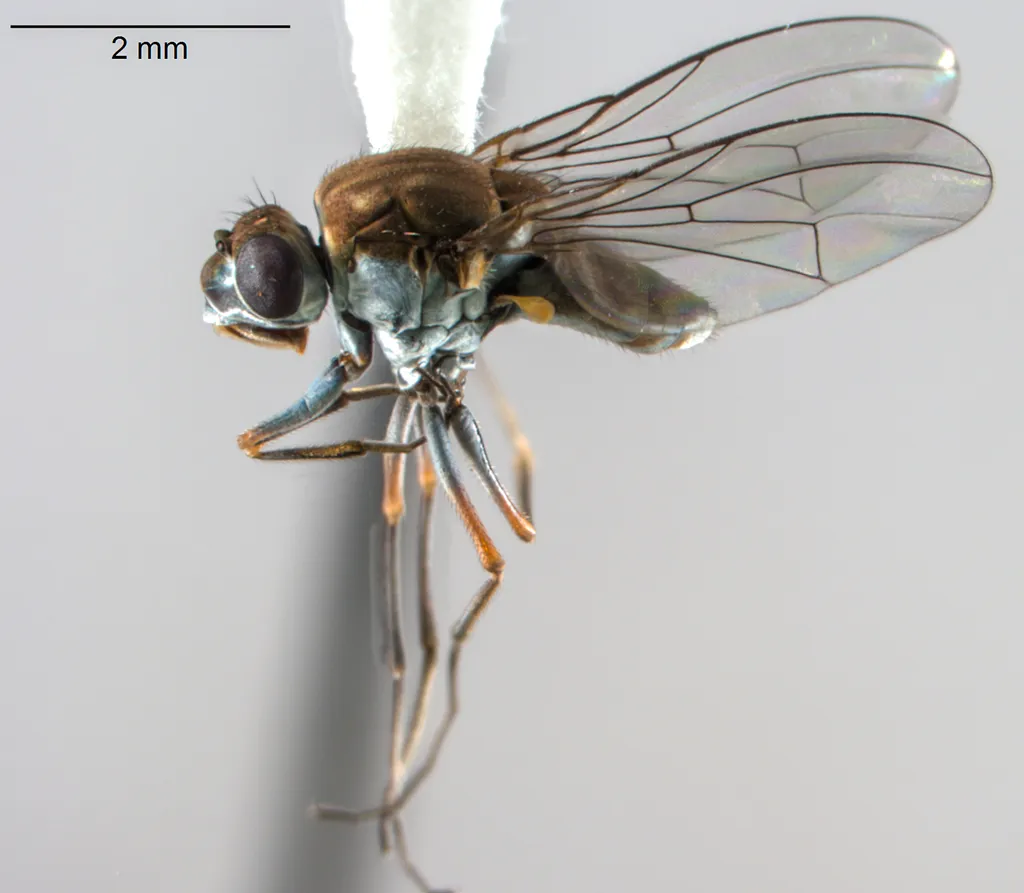
Brachydeutera sturtevanti
Brachydeutera sturtevanti
Identification: "The long, rounded facial carina, the very long third costal section, and stout, distally pointed male genital processes will readily distinguish this species from argentata and neotropica , which border its range on the east and sout
Cirrula austrina
Cirrula austrina
Identification: Two fronto-orbital bristles present, one presutural dorsocentral bristle present, one pair of cruciate interfrontal bristles present, arista longer in length than antennal segments 1-3 combined, prescutellar acrostichal bristles reduc
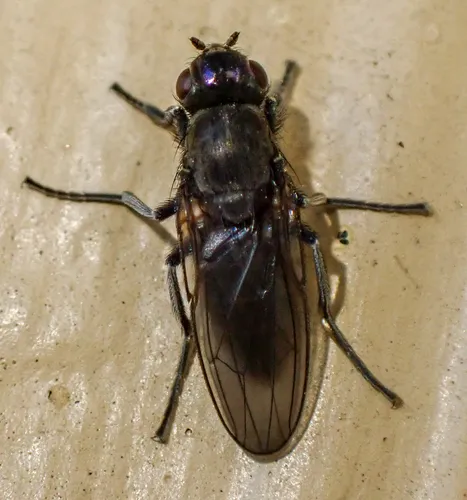
Alkali Fly
Cirrula hians
Identification: Three or four pairs of fronto-orbital bristles present, two presutural dorsocentral bristles present, two pairs of cruciate interfrontal bristles present, arista about equal in length as antennal segments 1-3 combined, one prescutella
Clanoneurum americanum
Clanoneurum americanum
Identification: Vein R2+3 very close to R1 and C, dm-cu with sharp angle in middle.
Dichaeta caudata
Dichaeta caudata
Identification: Examination of male genitalia needed for identification.
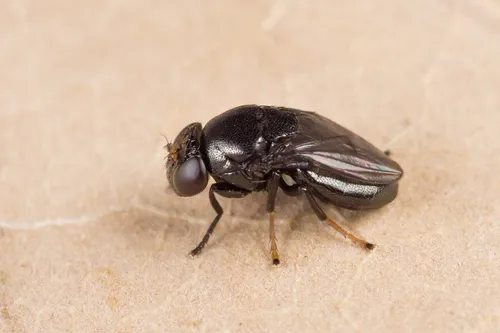
Discomyza incurva
Discomyza incurva
Length 2.5-3mm. A strongly arched, compact thorax gives the fly a hunchbacked appearance in lateral view. The femora and tibiae are primarily dark, but the middle and hind tarsi are orange to yellowish. Most frequently encountered in grasslands, mead
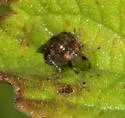
Gastrops nebulosus
Gastrops nebulosus
Identification: The only Gastrops in the USA with dark wing spots.
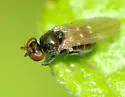
Hyadina albovenosa
Hyadina albovenosa
Named after the white crossveins. Some Nostima also have white crossveins, but have additional wing or thorax markings that H. albovenosa lacks.
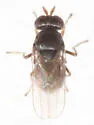
Hyadina furva
Hyadina furva
Identification: Two subspecies recognized: Hyadina furva furva - eastern USA (west to KS-TX), Canada (Ontario), Bermuda Hyadina furva flavipes - southwest USA (AZ, CA), Mexico
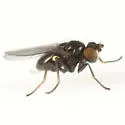
Hydrellia albilabris
Hydrellia albilabris
Larvae mine and pupate in thalli of duckweed ( Lemna minor ; also recorded from Spirodela in the Palaearctic region).
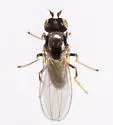
Hydrellia formosa
Hydrellia formosa
Identification: The only species that can be easily identified from photos.
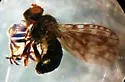
Ilythea caniceps
Ilythea caniceps
Identification: Similar to spilota with legs largely yellow.
Lemnaphila scotlandae
Lemnaphila scotlandae
"Adult L. scotlandae are commonly found on or flying over the surface of floating duckweed thalli. The adults utilize the Lemna for food, leaving characteristic elongate gouges on the surface of the thallus. Adults have been collected in late Novembe
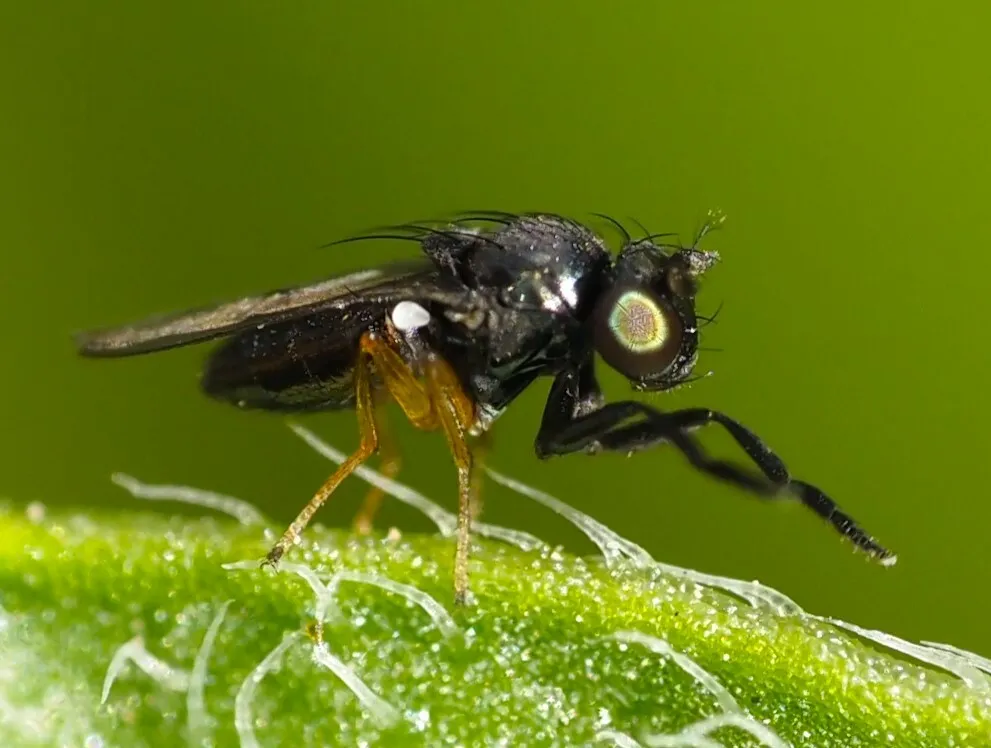
Leptopsilopa atrimana
Leptopsilopa atrimana
Identification: Small black ephydrids with black front legs that contrast with the yellowish middle and hind legs. Slight infuscation over crossvein dm-cu. Face striate.
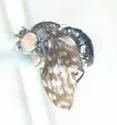
Limnellia anna
Limnellia anna
Identification: Grayish pollinose stripe on ventral margin of face, contrasting with rest of face; wing pattern different than the other eastern species.
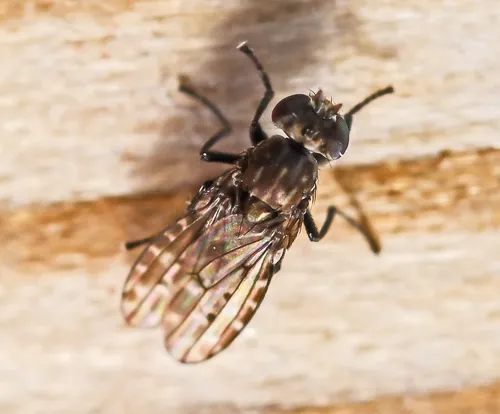
Limnellia quadrata
Limnellia quadrata
A very tiny (2 or 3 mm) fly with distinctively patterned wings. This is a member of the Ephydridae or 'shore flies' which are found around seashores and the shores of inland lakes and ponds. Widespread and probably fairly frequent in Britain, but lit
Lipochaeta ranica
Lipochaeta ranica
Identification: antennae widely separated in deep pits; arista much shorter than the rest of the antenna; body bristles very weak
Lipochaeta slossonae
Lipochaeta slossonae
Identification: Small antennae widely separated in deep pits, with arista much shorter than rest of antenna. Body with very weak bristles.
Lytogaster excavata
Lytogaster excavata
Identification: "Frontal triangle with lateral orbital margins distinctly and sharply raised" (Clausen, 1982)
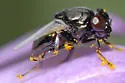
Mosillus bidentatus
Mosillus bidentatus
Identification: Face with a pair of small, white spots between antennae and eyes. Other North American species have a large white area instead of small spots.
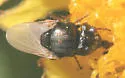
Mosillus tibialis
Mosillus tibialis
Identification: Face with a more or less square white patch on each side between antenna and eye. This patch is reduced to two spots in bidentata (a mostly western species) and drawn out into a point in stegmaieri (a coastal species).
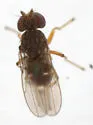
Nostima niveivenosa
Nostima niveivenosa
"One of the most widespread and commonly collected species of Nostima."
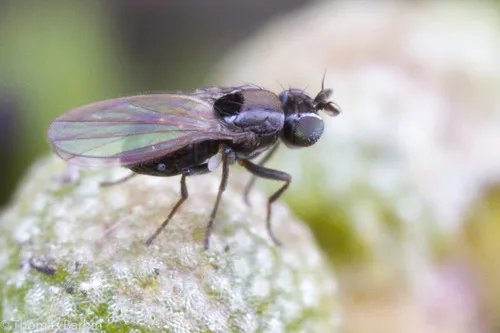
Nostima picta
Nostima picta
Identification: Wing with crossveins white, other veins and wing membrane dark. Thorax with two white stripes. Scutellum and adjacent scutum velvety black. N. velutina , only known from southern Mexico, has the black area extending farther forward.
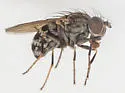
Notiphila pulchrifrons
Notiphila pulchrifrons
Identification: The very strongly contrasting markings on the top of the head combined with distinct stripes on scutum extending less distinctly onto scutellum should distinguish this species from other Notiphila .
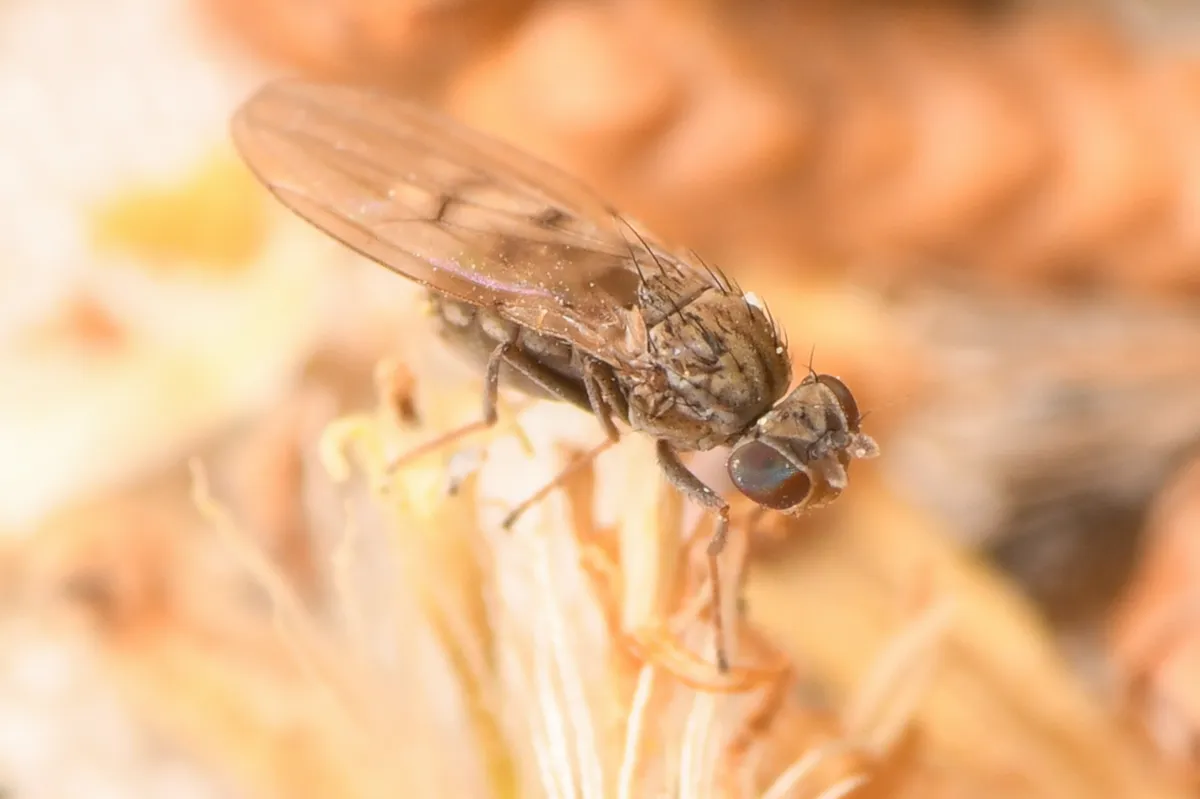
Philygria debilis
Philygria debilis
Identification: A brownish species with no wing spots except over crossveins.
Psilopa aeneonigra
Psilopa aeneonigra
Identification: Black wing base like Cressonomyia , but white haltere knob. "A rare species occurring in the Atlantic and Gulf States." (Cresson, 1942)
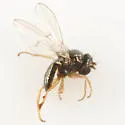
Psilopa leucostoma
Psilopa leucostoma
Identification: Distinguished from other North American Psilopa by the black body with pale halteres and legs. The male has a white face, the source of the species name which means "white mouth." Larvae mine leaves of Chenopodiaceae or Amaranthaceae
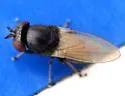
Psilopa loewi
Psilopa loewi
Identification: Black, halteres white, wings tinted yellow with very small black area at base, antennae yellowish with flagellomere partly dark, tarsi white with strongly contrasting dark fifth tarsomere.
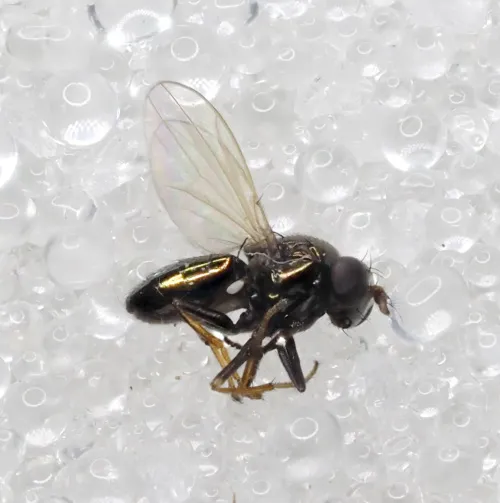
Psilopa nitidula
Psilopa nitidula
3mm. Glossy black/bronze. Front tibia and tarsi all black. Hind tibia and tarsi, plus mid tarsi, yellow. Halteres white. Overwinters amongst evergreen vegetation. Reasonably common and widespread in England with few records from Scotland. No addition
Scatella marinensis
Scatella marinensis
Identification: A member of the Scatella triseta group with upper face brown and lower face white (all brown in melanderi ) and scutellum weakly convex (flat in triseta ).
Trimerina madizans
Trimerina madizans
Identification: Sharply margined abdomen, no prescutellar arcostichal setae, lateral vertical setae absent. Similar to some other related Ephydridae (such as Leptopsilopa) but the above characters combined with the foreleg coloration (tibia and tarsi
Typopsilopa nigra
Typopsilopa nigra
Identification: The only Typopsilopa with fore tarsi mostly yellow (vs. at most first segment yellow).
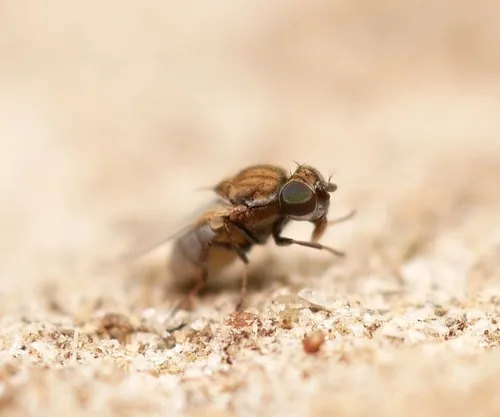
Allotrichoma abdominale
Allotrichoma abdominale
Axysta extera
Axysta extera
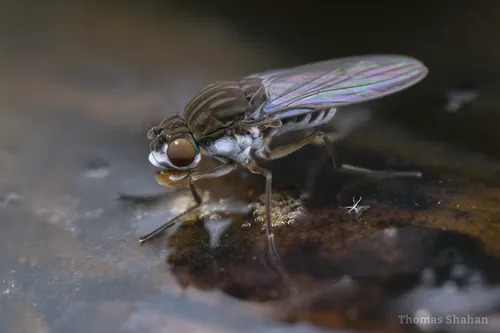
Brachydeutera argentata
Brachydeutera argentata
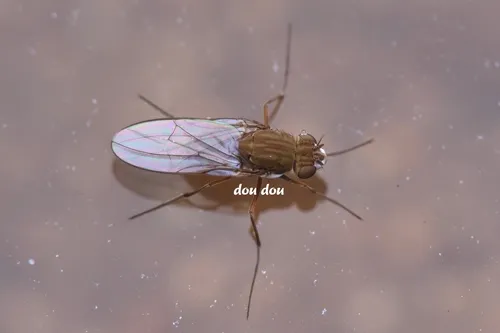
Brachydeutera meridionalis
Brachydeutera meridionalis
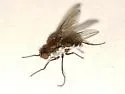
Brachydeutera neotropica
Brachydeutera neotropica
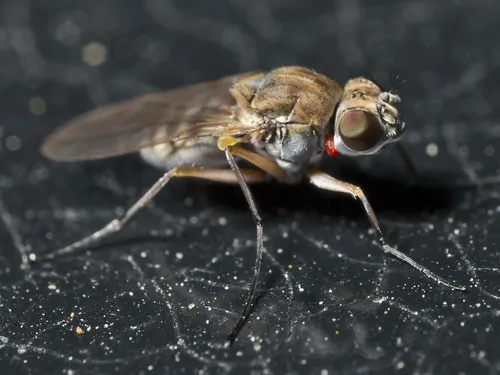
Brachydeutera sydneyensis
Brachydeutera sydneyensis
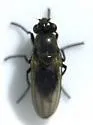
Cirrula gigantea
Cirrula gigantea
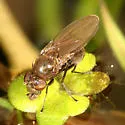
Coenia curvicauda
Coenia curvicauda
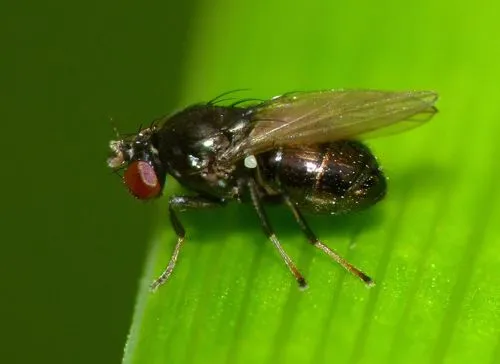
Metallic Black Pasture Fly
Diasemocera metallica
Petroleum Fly
Diasemocera petrolei
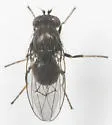
Dichaeta transversa
Dichaeta transversa
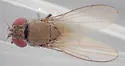
Diclasiopa lacteipennis
Diclasiopa lacteipennis
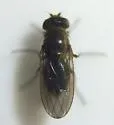
Dimecoenia spinosa
Dimecoenia spinosa
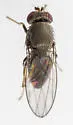
Discocerina obscurella
Discocerina obscurella
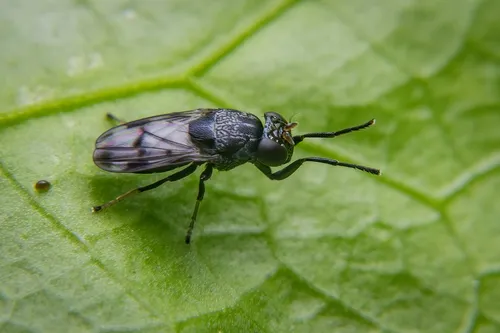
Discomyza maculipennis
Discomyza maculipennis
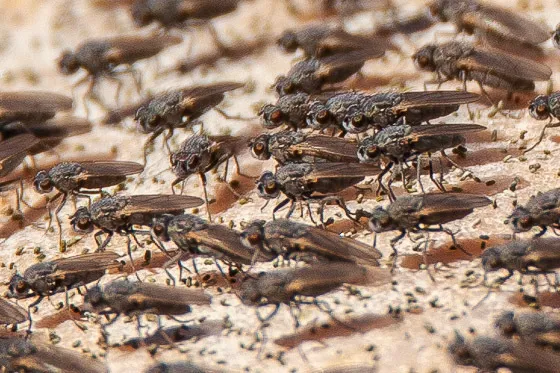
Ephydra gracilis
Ephydra gracilis
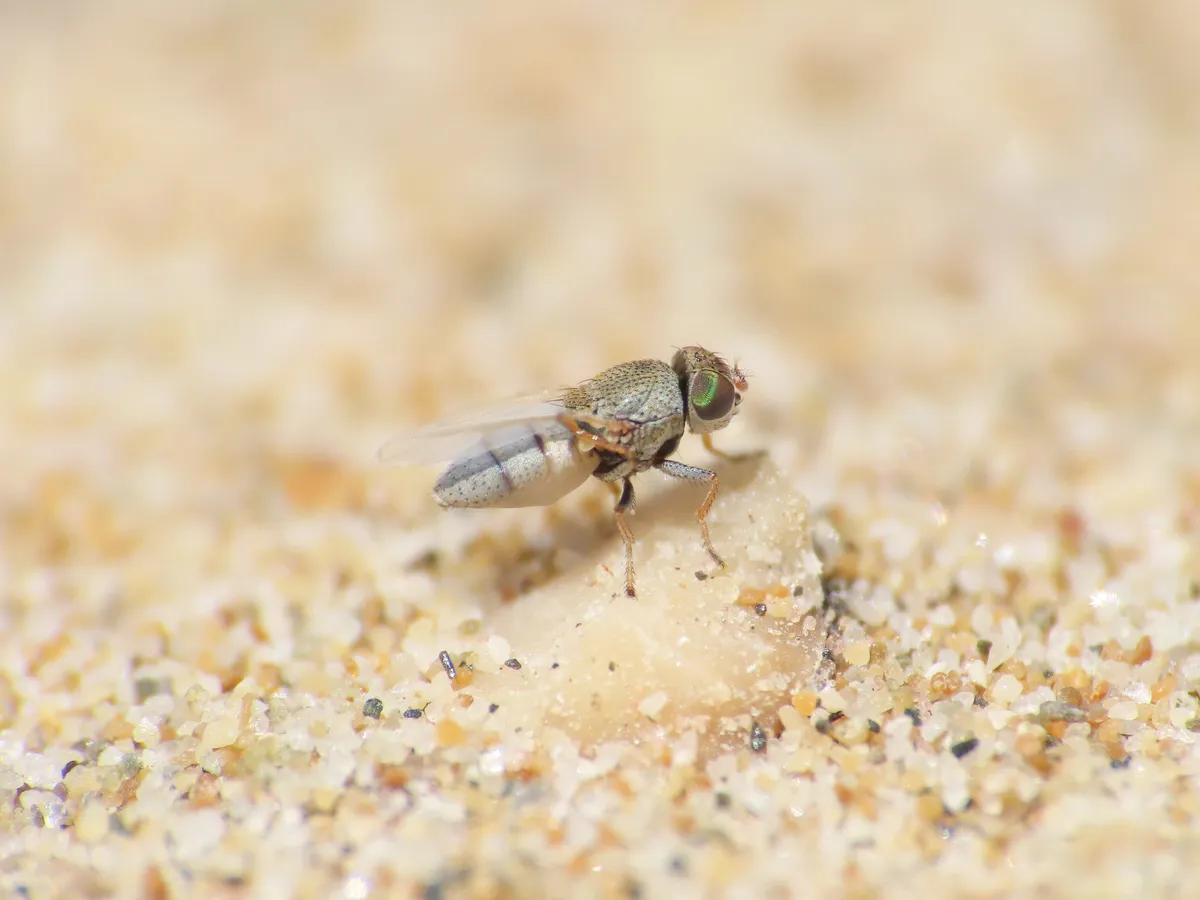
Hecamede albicans
Hecamede albicans
Hydrellia americana
Hydrellia americana
Hydrellia personata
Hydrellia personata
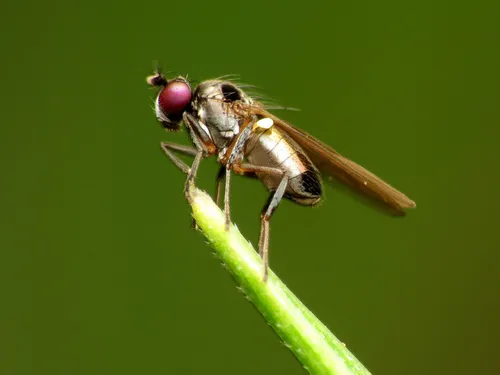
Black Pasture Fly
Hydrellia tritici
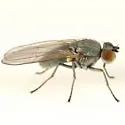
Hydrellia valida
Hydrellia valida
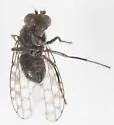
Ilythea spilota
Ilythea spilota
Leptopsilopa similis
Leptopsilopa similis
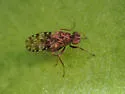
Limnellia balioptera
Limnellia balioptera
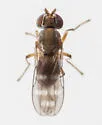
Nostima quinquenotata
Nostima quinquenotata
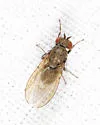
Notiphila pulchra
Notiphila pulchra
Notiphila scalaris
Notiphila scalaris
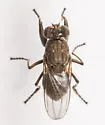
Ochthera anatolikos
Ochthera anatolikos
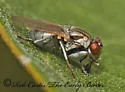
Ochthera lauta
Ochthera lauta
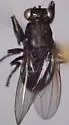
Ochthera mantis
Ochthera mantis
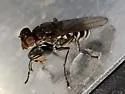
Ochthera tuberculata
Ochthera tuberculata
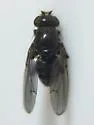
Paracoenia bisetosa
Paracoenia bisetosa
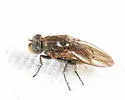
Paracoenia fumosalis
Paracoenia fumosalis
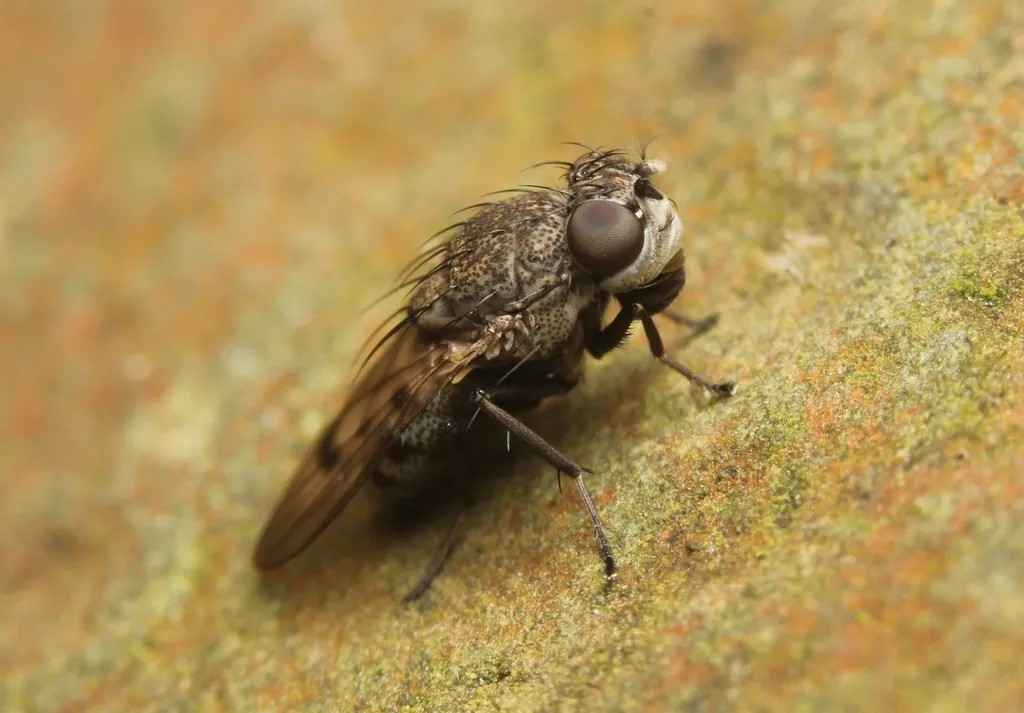
Paralimna punctipennis
Paralimna punctipennis
Paralimna thomae
Paralimna thomae
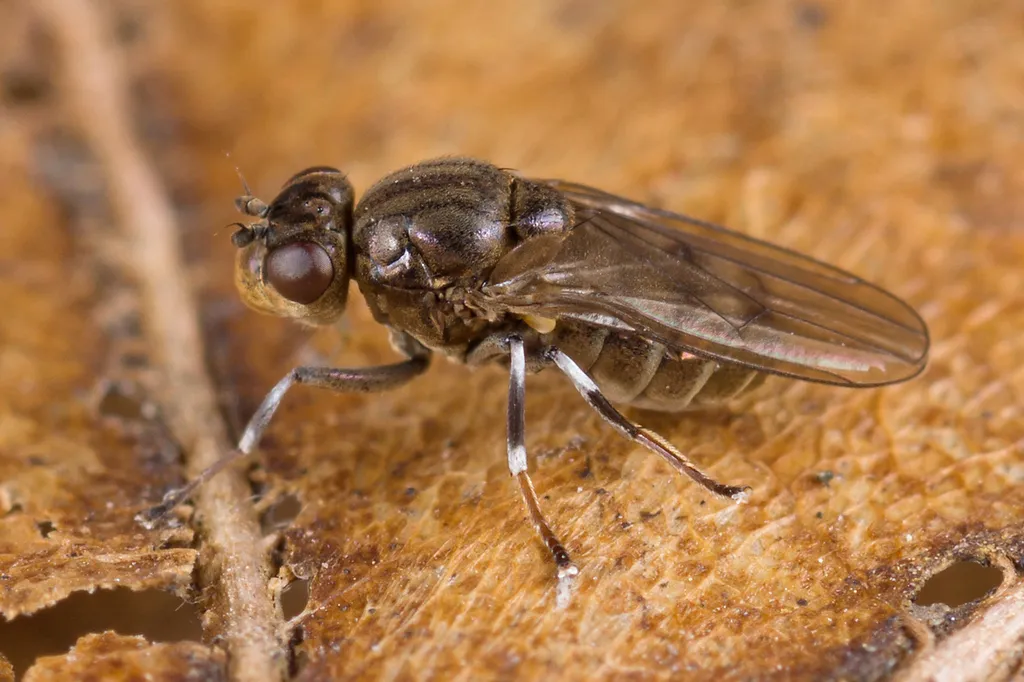
Parydra aquila
Parydra aquila
Parydra quadrituberculata
Parydra quadrituberculata
Philygria nigrescens
Philygria nigrescens
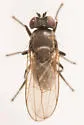
Rhysophora robusta
Rhysophora robusta
Scatella arizonensis
Scatella arizonensis
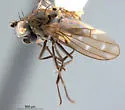
Scatella laxa
Scatella laxa
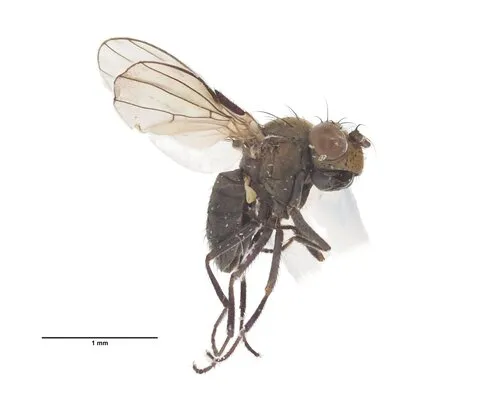
Scatella obsoleta
Scatella obsoleta
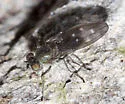
Scatella picea
Scatella picea
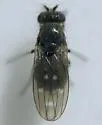
Scatella setosa
Scatella setosa
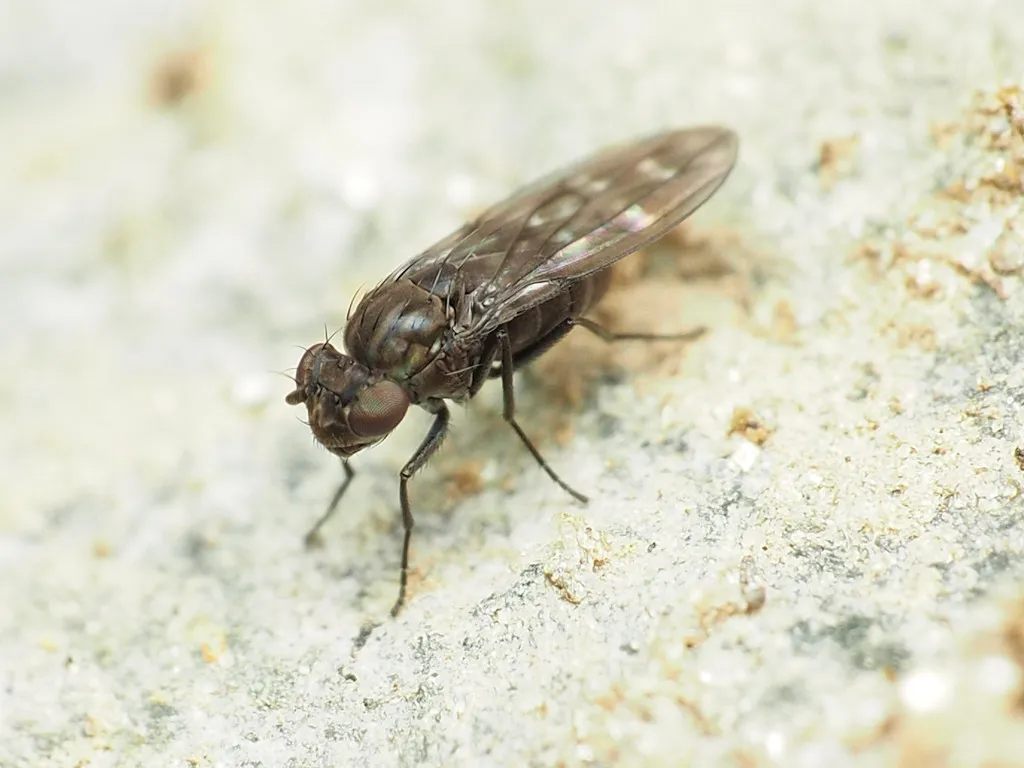
Scatella stagnalis
Scatella stagnalis
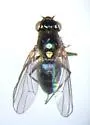
Setacera atrovirens
Setacera atrovirens
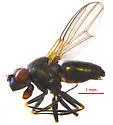
Setacera pilicornis
Setacera pilicornis
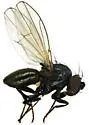
Typopsilopa atra
Typopsilopa atra
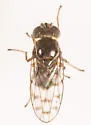
Zeros flavipes
Zeros flavipes