
Family Limoniid Crane Flies (Limoniidae)
Limoniidae is a family in the order Diptera. Browse 147 named species recorded in this family, or open an individual profile for its available identification and natural-history information.
Species in Limoniidae (147)
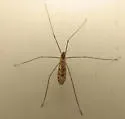
Achyrolimonia neonebulosa
Achyrolimonia neonebulosa
Identification: Subcostal vein extending nearly to fork of Rs. Rs long, arched portion extending more than halfway to vein M. Promiment dark spots over base of Rs, tip of Sc, tip of R1, fork of R2, along the cord, and over the distal edge of the di
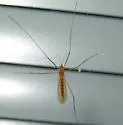
Atarba picticornis
Atarba picticornis
Identification: Adult preserved specimens: wings polished yellow; abdomen yellow with blackened subterminal ring on each segment; antennae elongate, bicolored with pale and dark rings - a distinguishing feature; legs yellow, with terminal tarsal segm
Chionea albertensis
Chionea albertensis
Named after Alberta, where it was discovered, this species is found in "forested, generally mountainous areas" from Banff south to central Oregon and Idaho.
Chionea obtusa
Chionea obtusa
Identification: "Brown to grayish brown in color, with antennae having five to seven flagellomeres"
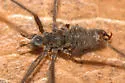
Chionea valga
Chionea valga
Identification: A wingless Crane Fly with external genitalia.
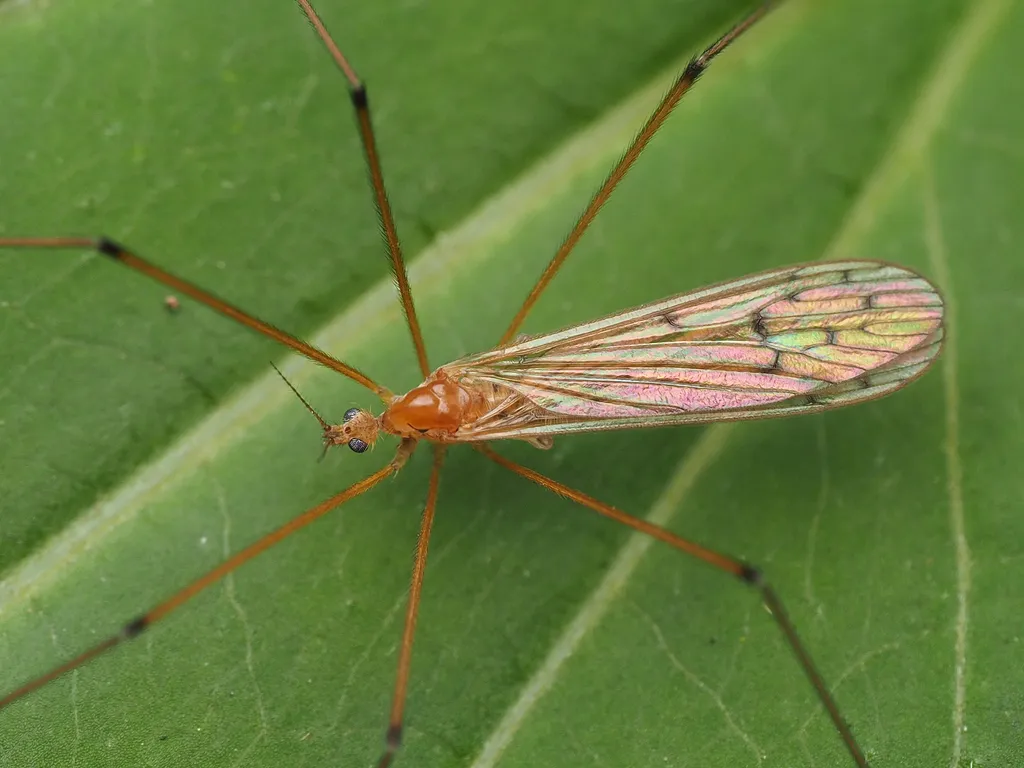
Cladura flavoferruginea
Cladura flavoferruginea
Identification: Adult: body orangish-yellow in preserved specimens (more brownish-orange in live individuals) with brown bands across dorsal surface of abdomen; ventral surface of abdomen pale yellowish; wings transparent with brown dots along cross-
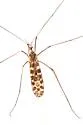
Dactylolabis postiana
Dactylolabis postiana
Identification: "This is one of the most distinct species of the genus so far made known. It is readily distinguished from all other Nearctic species by the very heavy dark wing pattern that is in part ocelliform, with pale centers." (Alexander, 1944
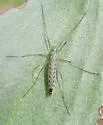
Dactylolabis vestigipennis
Dactylolabis vestigipennis
Identification: " D. vestigipennis is a small cranefly with extremely minute wings with the venation completely atrophied in both sexes. It is uniformly dark brownish-black in body color with the wings whitish. The legs are lighter brown, darkened
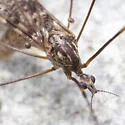
Dicranomyia defuncta
Dicranomyia defuncta
Identification: Species of Dicranomyia with spots in wing cells including bm, no spots crossing vein Cu but some spots may touch it on either side, and femora with dark markings aside from the terminal ring. Previously confused with other members of
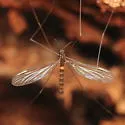
Dicranomyia fusca
Dicranomyia fusca
Identification: Dark-colored Dicranomyia with macrotrichia in outer wing cells. The only species of subgenus Numantia .
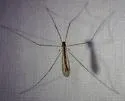
Dicranomyia ypsilon
Dicranomyia ypsilon
Identification: Male with "proctiger appearing as a blackened Y-shaped rod extending from beneath the posterior margin of the tergite ", which according to Alexander 1959c suggested the specific epithet to him.
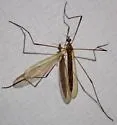
Dicranoptycha melampygia
Dicranoptycha melampygia
Identification: Dorsal dististyle dark, curved, tapering to point. Ventral dististyle narrowest near midlength with blunt apex. " D. melampygia may be distinguished from occidentalis by the dark brown body color, dense costal fringe, and detailed str
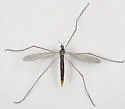
Dicranoptycha sobrina
Dicranoptycha sobrina
Identification: Sternites yellow with anterior (not middle) gray band.
Discobola annulata
Discobola annulata
Identification: body yellowish or greenish-yellow; wings yellow with a supernumerary cross vein in cell 1st A, connecting the two anal veins; series of eye-like brown markings along costal margin; femora with subterminal black ring and clear yellow a
Erioptera furcifer
Erioptera furcifer
Identification: Can only be separated from other chlorophylla group species by the male genitalia. Hypopygium of E. furcifer :
Erioptera knabi
Erioptera knabi
Identification: The wing pattern is concentrated towards the leading edge of the wing; the veins around the fork of R2+3+4 are conspicuously darker than the white spot they are in.

Erioptera needhami
Erioptera needhami
Erioptera (Mesocyphona) serpentina Alexander, 1941 is very similar but rare. The thorax of that species may be less distinctly marked.
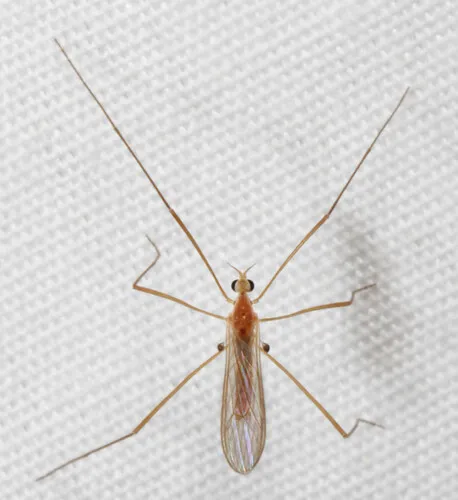
Erioptera septemtrionis
Erioptera septemtrionis
Identification: Distinguished from close relatives by the pale brown color with contrasting dark halteres. Females are attracted to light (Alexander, 1919:882).
Eutonia phorophragma
Eutonia phorophragma
Identification: Thorax a "deep cinnamon brown" (Alexander, 1944) with a strong crossvein between R5 and M1.
Limonia canadensis
Geranomyia canadensis
Identification: Wings unmarked except for stigma, body yellowish brown, thorax with dark marks, legs brownish yellow, femora dark tipped (Alexander, 1943)
Geranomyia rostrata
Geranomyia rostrata
Identification: The wing pattern, with 4-5 conspicuous costal marks, tibiae with darkened tips, and fore tibiae with tips expanded or swollen, will separate this species from all Nearctic congeners and closely allied Neotropical species. These close
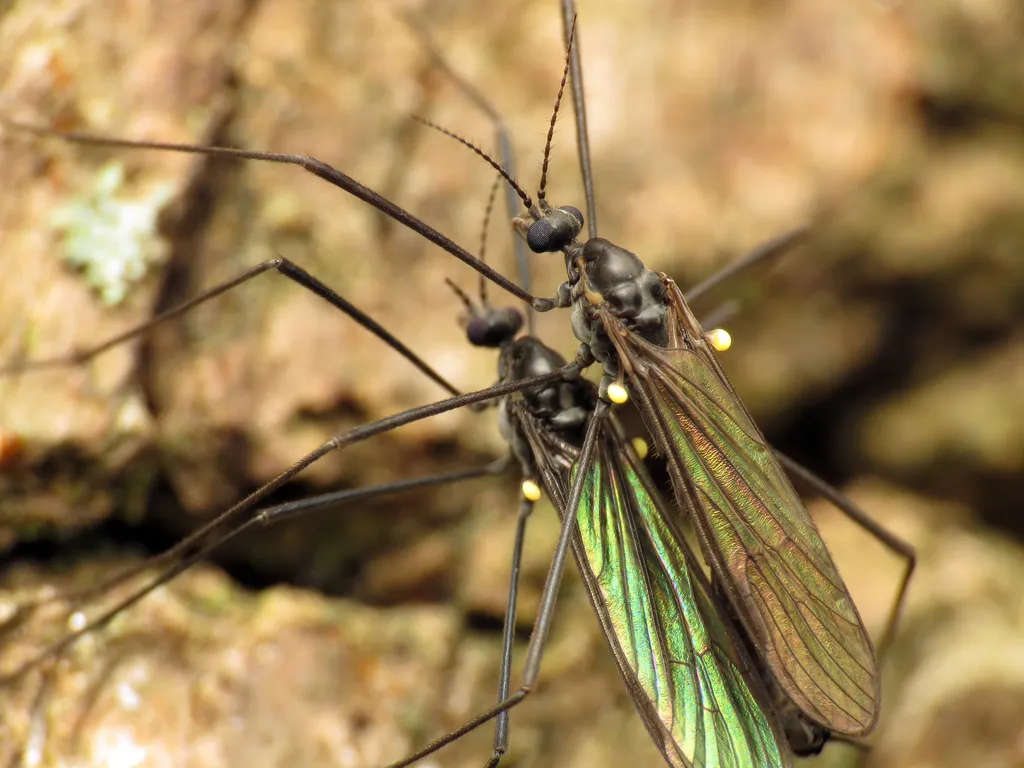
Gnophomyia tristissima
Gnophomyia tristissima
Identification: body black with bright yellow halteres Page creation based on Chen Young's identification of this image .
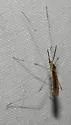
Gonomyia alexanderi
Gonomyia alexanderi
Identification: Only two branches of Rs reaching wing margin (R3 and R4 fused), tibiae contrasting white, costal margin of wing white (not yellow).
Gonomyia helophila
Gonomyia helophila
Identification: Distinguished from most other Gonomyia by color pattern, especially dark fore femora and white fore tibiae. There are a few other similarly colored species in or near North America:
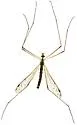
Gonomyia hoogstraali
Gonomyia hoogstraali
Identification: The basistyle continues as a thin, curved projection far beyond the attachment of the dististyles.
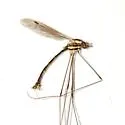
Gonomyia pleuralis
Gonomyia pleuralis
Identification: Veins R3 and R4 fused to wing margin. Legs without contrasting markings except for dark ring near tip of each femur. Stigma conspicuous.
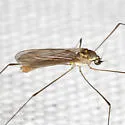
Gonomyia puer
Gonomyia puer
Identification: Veins R3 and R4 fused to wing margin. Dististyles with asymmetric long black curved hooks. Thorax with contrasting yellow stripe on side. Stigma lacking, legs without contrasting markings.
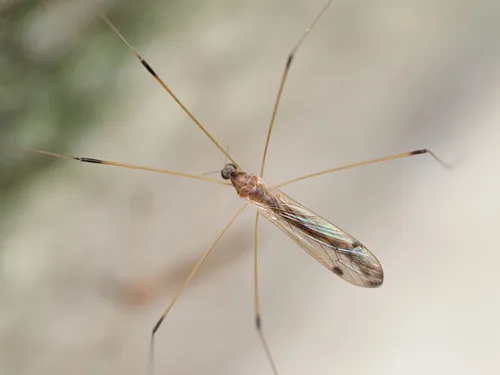
Helius flavipes
Helius flavipes
Identification: Head: Head brownish-gray. Palpi and proboscis black. Proboscis a little longer than head. Antenna: Brown at base, rest of segments lighter brown. Thorax: Either yellowish or brownish, usually stripes are indistinct. Wings: Clear with
Hexatoma spinosa
Hexatoma spinosa
Identification: Adult: body brownish-gray; wings yellowish-brown with conspicuous dark veins; legs dark yellow to brown, slightly darker at joints; thorax with two longitudinal dark dorsal stripes and two subdorsal stripes that are broken or shorter
Hoplolabis armata
Hoplolabis armata
Identification: In the East, the strong spur of M3 into the discal cell distinguishes this species from other Erioptera s. lat.
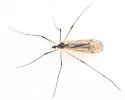
Limnophila munda
Limnophila munda
Identification: Shiny black body, wings with dark markings along some veins, femora with black tips.
Limonia parietina
Limonia parietina
Identification: The wingtip is nearly truncated instead of evenly rounded. Page creation based on Chen Young's identification of this image .
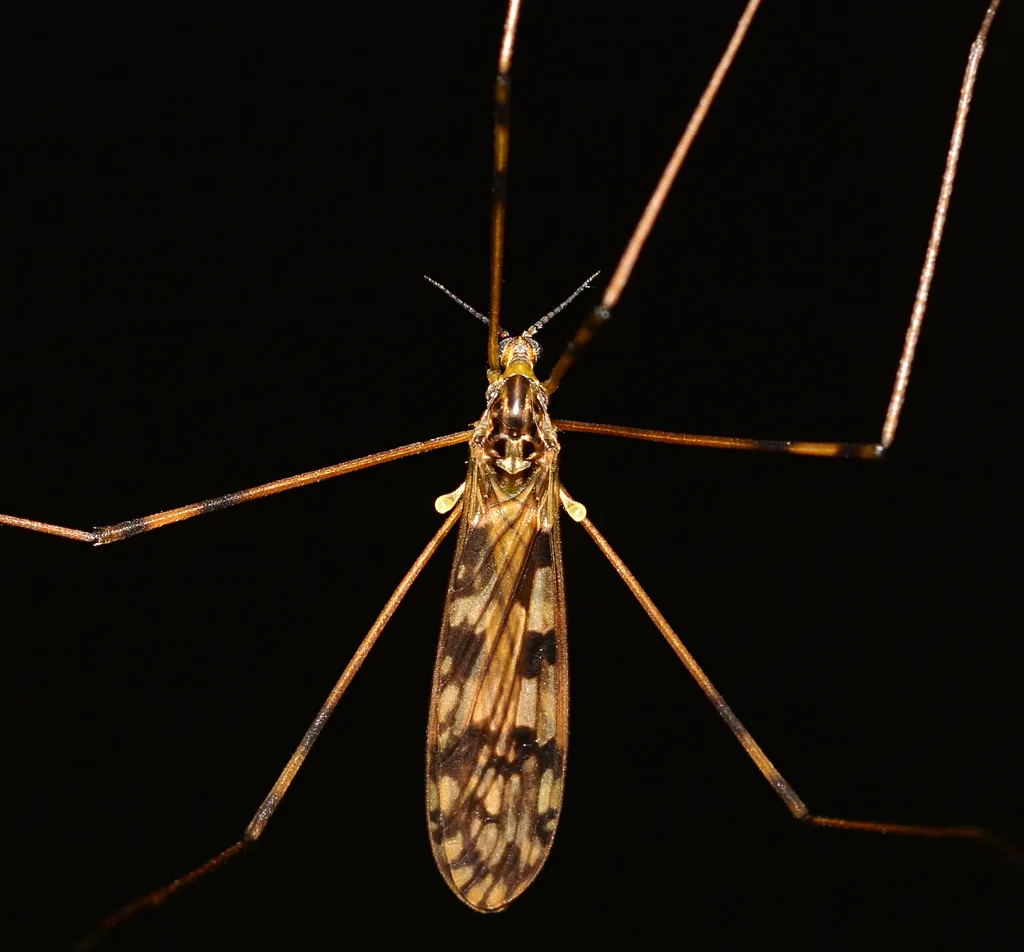
Metalimnobia cinctipes
Metalimnobia cinctipes
Identification: wings with four black patches along costa and several dark gray patches elsewhere; legs orangish-yellow; each femur has two dark bands near the tip (a distinguishing feature) page creation based on Dr. Chen Young's identification of t
Metalimnobia novaeangliae
Metalimnobia novaeangliae
Identification: Halteres dark, cell r without dark spots in basal half, first dark band on femora weak or absent (compare M. cinctipes for the strongly banded condition).
Phyllolabis hurdi
Phyllolabis hurdi
Identification: "This is an unusually distinct species, differing from all others in the Nearctic fauna by the wing pattern and hypopygial structure. The only other regional species with patterned wings is Phyllolabis myriostica Alexander which has a
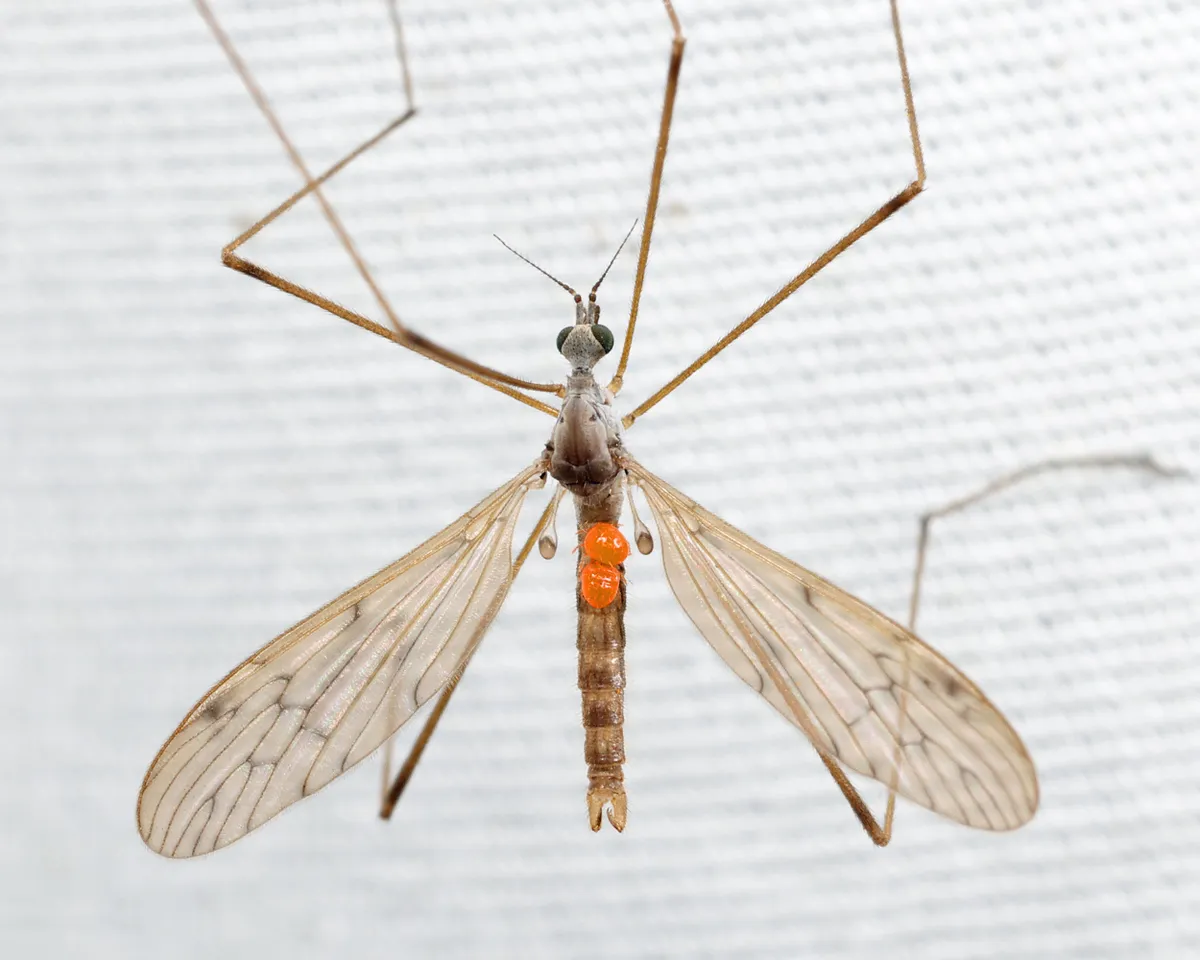
Pseudolimnophila luteipennis
Pseudolimnophila luteipennis
Identification: Body gray, paler laterally, wing yellowish with brown markings on crossveins and forks of veins. Cell m1 present (vein M1+2 forked).
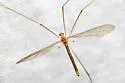
Pseudolimnophila noveboracensis
Pseudolimnophila noveboracensis
Identification: Orange unmarked Pseudolimnophila without Cell M1.
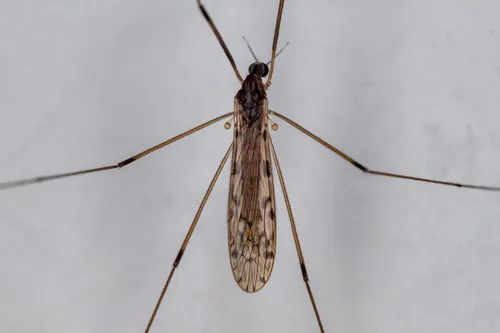
Rhipidia domestica
Rhipidia domestica
Identification: "Note the slightly expanded antennal segements and the pale color of the few antennal segments prior to the apical segment." -- Chen Young " Rhipidia domestica have antennomeres 12 & 13 light, not R. duplicata ." -- Matt Bertone Sever
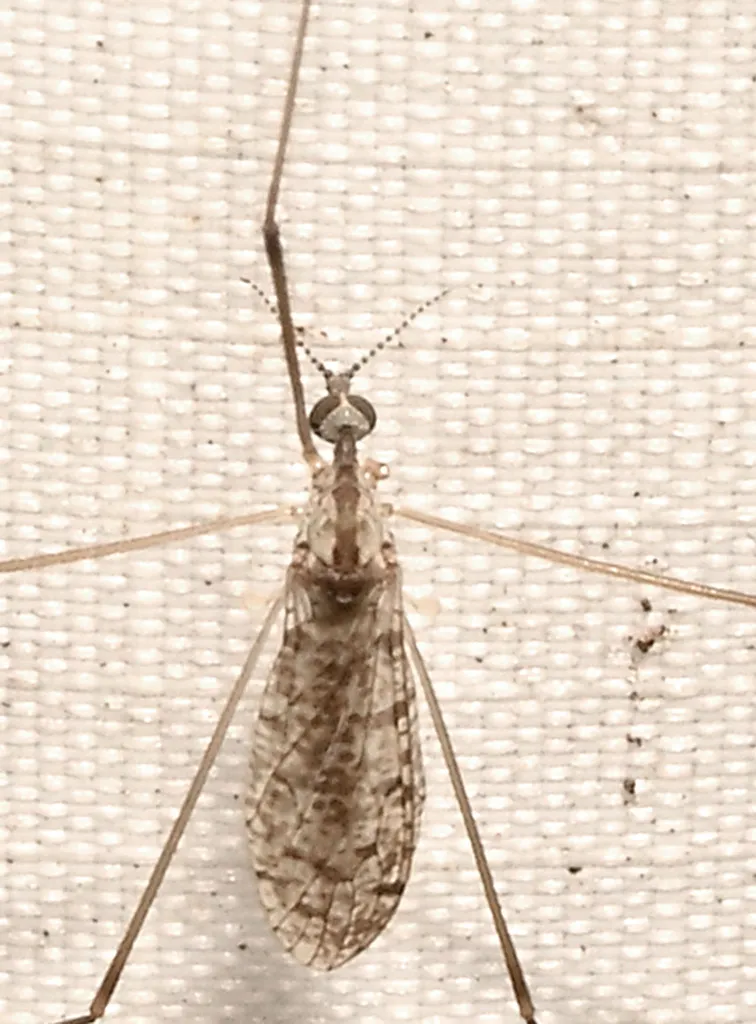
Rhipidia maculata
Rhipidia maculata
Identification: Male flagellomeres branched, wing with many small spots in cells, scutum with broad darker median stripe.
Rhipidia maculata
Rhipidia maculata-b
Identification: The bipectinate antennae of the male and the heavily spotted wing pattern are distinctive.
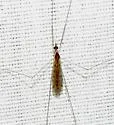
Rhipidia schawrzi
Rhipidia schawrzi
Identification: Wing spotted. Antenna with two pale flagellomeres, as in domestica . Scutum with broad pale margin.
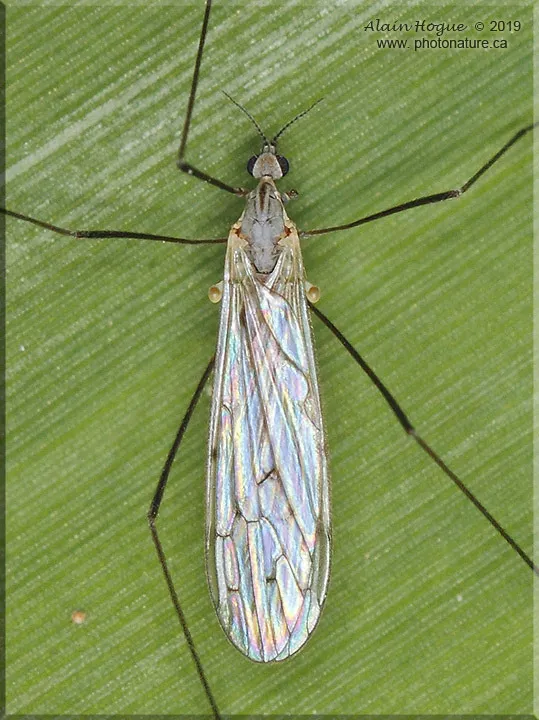
Symplecta cana
Symplecta cana
Identification: head and body medium gray with 3 dark gray stripes on top of thorax; legs long, unbanded, dark gray or blackish; several dark spots scattered across otherwise clear wings; S-shaped vein A2 is characteristic of genus Symplecta The firs
Teucholabis rubescens
Teucholabis rubescens
Identification: Dark except for a strongly contrasting red thorax.
Toxorhina muliebris
Toxorhina muliebris
Identification: Smaller and grayer than T. magna and lacking a discal cell.
Antocha monticola
Antocha monticola
Antocha saxicola
Antocha saxicola
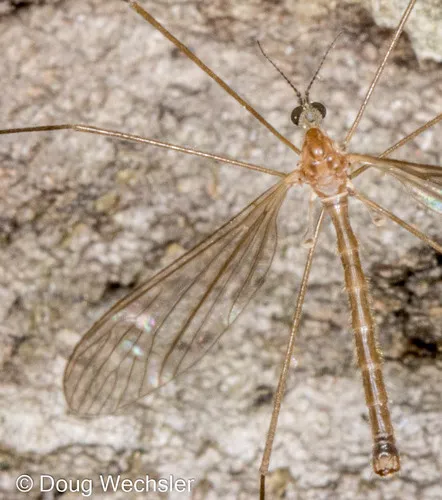
Austrolimnophila toxoneura
Austrolimnophila toxoneura
Cheilotrichia stigmatica
Cheilotrichia stigmatica
Chionea alexandriana
Chionea alexandriana
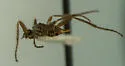
Chionea carolus
Chionea carolus
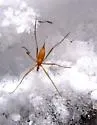
Chionea scita
Chionea scita
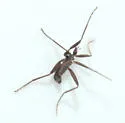
Chionea stoneana
Chionea stoneana
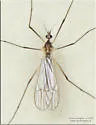
Cryptolabis paradoxa
Cryptolabis paradoxa
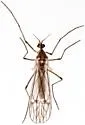
Cryptolabis sica
Cryptolabis sica
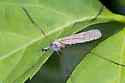
Dactylolabis cubitalis
Dactylolabis cubitalis
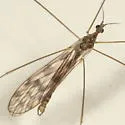
Dactylolabis hudsonica
Dactylolabis hudsonica
Dactylolabis montana
Dactylolabis montana
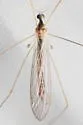
Dicranomyia frontalis
Dicranomyia frontalis
Dicranomyia humidicola
Dicranomyia humidicola
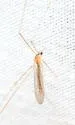
Dicranomyia immodesta
Dicranomyia immodesta
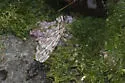
Limonia marmorata
Dicranomyia marmorata
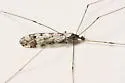
Dicranomyia simulans
Dicranomyia simulans
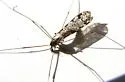
Dicranomyia venusta
Dicranomyia venusta
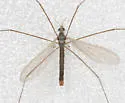
Dicranoptycha elsa
Dicranoptycha elsa
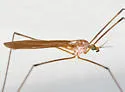
Dicranoptycha nigripes
Dicranoptycha nigripes
Elliptera tennessa
Elliptera tennessa
Ellipteroides slossonae
Ellipteroides slossonae
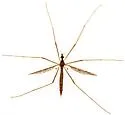
Epiphragma arizonense
Epiphragma arizonense
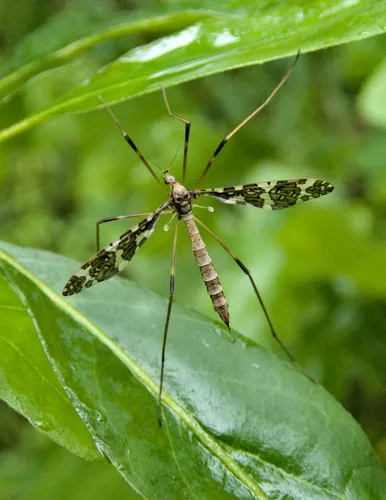
Band-winged Crane Fly
Epiphragma fasciapenne
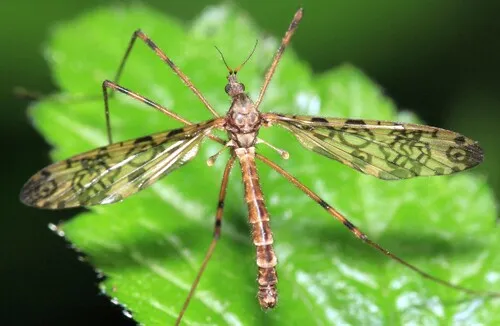
Epiphragma ocellare
Epiphragma ocellare
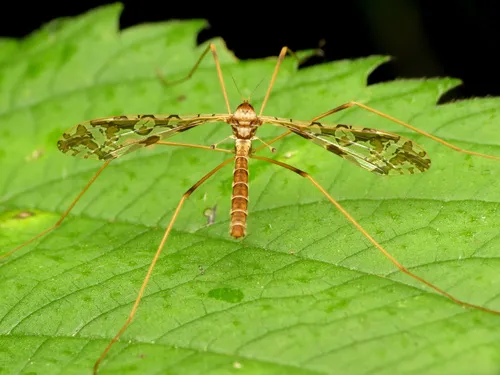
Epiphragma solatrix
Epiphragma solatrix
Erioptera armillaris
Erioptera armillaris
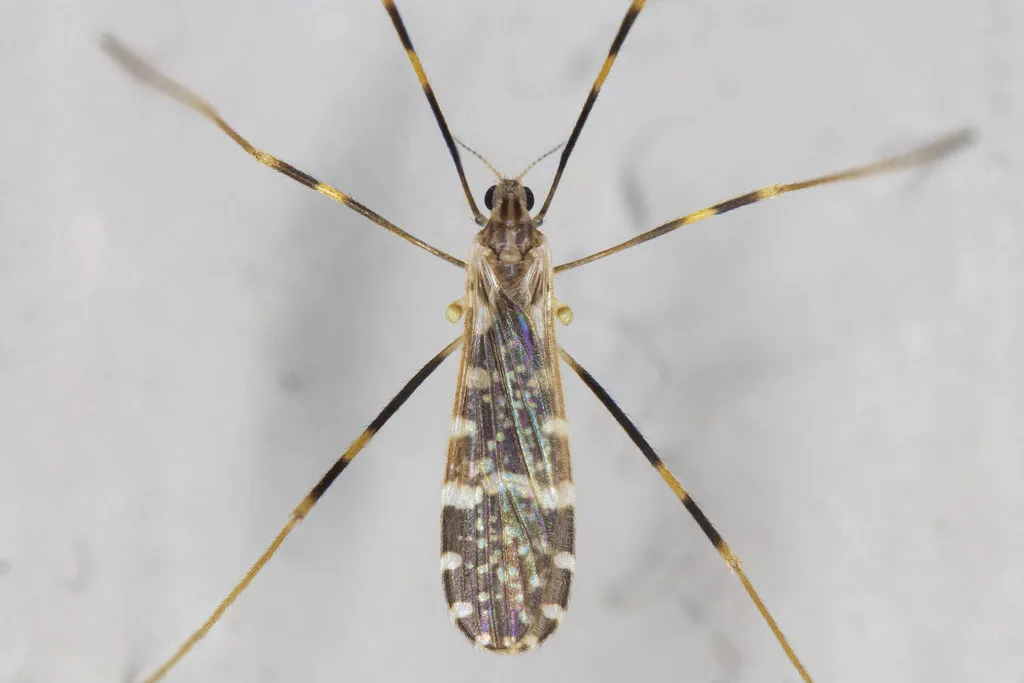
Erioptera caliptera
Erioptera caliptera
Erioptera chlorophylla
Erioptera chlorophylla
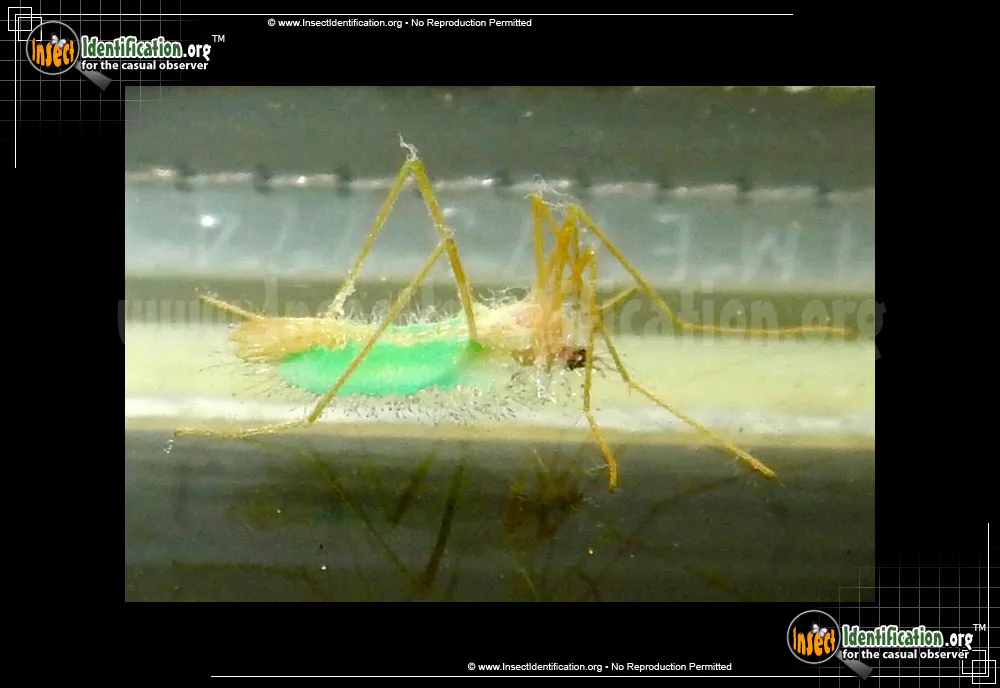
Limoniid Crane Fly
Erioptera chlorophyllya
Erioptera distincta
Erioptera distincta
Erioptera dulcis
Erioptera dulcis
Erioptera femoraatra
Erioptera femoraatra
Erioptera graphica
Erioptera graphica
Erioptera megophthalma
Erioptera megophthalma
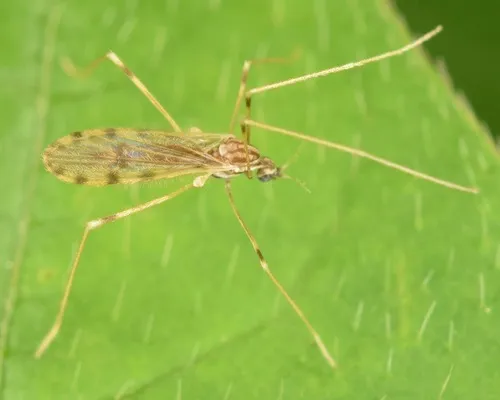
Erioptera parva
Erioptera parva
Erioptera uliginosa
Erioptera uliginosa
Erioptera venusta
Erioptera venusta
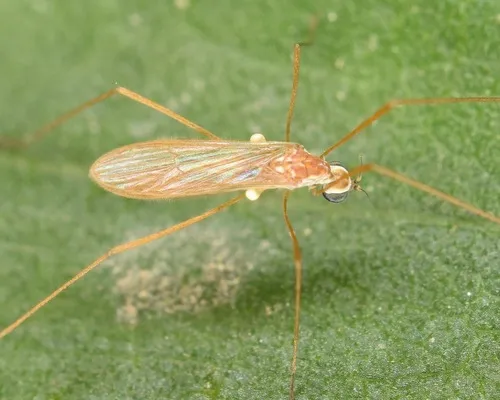
Erioptera vespertina
Erioptera vespertina
Eugnophomyia apache
Eugnophomyia apache
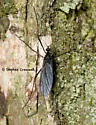
Eugnophomyia luctuosa
Eugnophomyia luctuosa
Euphylidorea niveitarsis
Euphylidorea niveitarsis
Eutonia marchandi
Eutonia marchandi
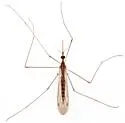
Geranomyia guatemalensis
Geranomyia guatemalensis
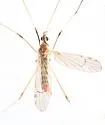
Gonomyia cinerea
Gonomyia cinerea
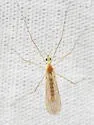
Gonomyia kansensis
Gonomyia kansensis
Gonomyia manca
Gonomyia manca
Gonomyia subcinerea
Gonomyia subcinerea
Gonomyia sulphurella
Gonomyia sulphurella
Hexatoma aurata
Hexatoma aurata
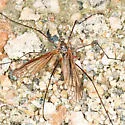
Hexatoma brachycera
Hexatoma brachycera
Hexatoma brevioricornis
Hexatoma brevioricornis
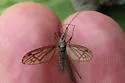
Hexatoma longicornis
Hexatoma longicornis
Hexatoma sculleni
Hexatoma sculleni
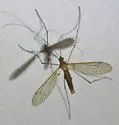
Hexatoma wilsonii
Hexatoma wilsonii