
Family Fruit Flies (Tephritidae)
Tephritidae is a family in the order Diptera. Browse 211 named species recorded in this family, or open an individual profile for its available identification and natural-history information.
Species in Tephritidae (211)
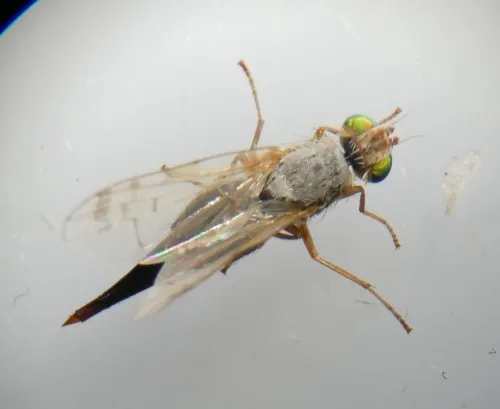
Acanthiophilus helianthi
Acanthiophilus helianthi
Length 4-5mm. A green-eyed fly with a mainly grey body and pale yellow legs. A series of black dots on the thorax help to identify this fly, including a pair on the scutellum. It has quite a wide range of host plants including Musk Thistle, Knapweed
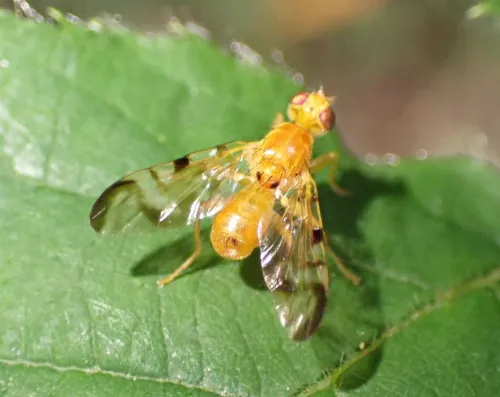
Acidia cognata
Acidia cognata
6 to7 mm. An orange fly with black patterning on the wings. The larvae mine the leaves of Colt’s-foot and Butterbur making upper surface blotches. When two or more larvae mine the same leaf the affected area can be quite large. Areas where Colt’s-foo
Mexican Fruit Fly
Anastrepha ludens
Identification: Notable for the female's long ovipositor and sheath relative to its body size Eyes are beautiful iridescent green with other colors appearing depending on the angle and intensity of light. Body is mostly yellowish; dorsal surface of t
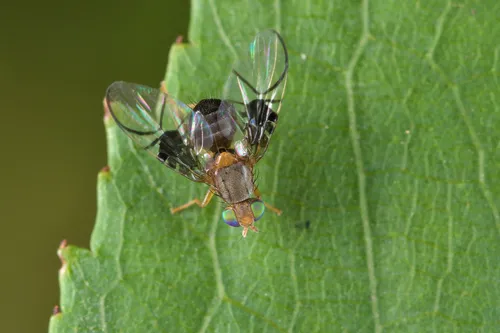
Anomoia purmunda
Anomoia purmunda
Length 4.5 mm. The wing markings are very characteristic and distinctive. The eyes are green with two transverse red bands. Wings are carried in a front facing posture. perhaps as an attempt to look bigger or fiercer than it really is. Females are at
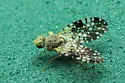
Campiglossa albiceps
Campiglossa albiceps
Identification: Many rounded black and translucent spots on wings. Yellowish head and legs, gray with black spots thorax and abdomen.
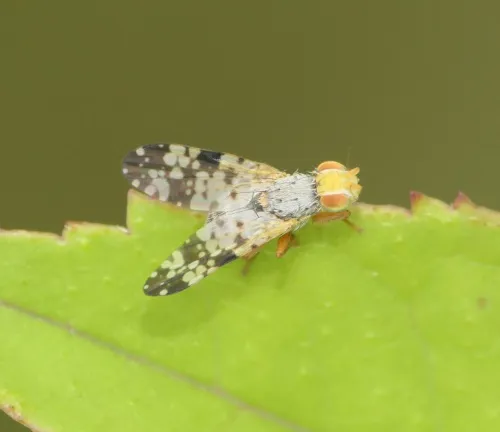
Campiglossa malaris
Campiglossa malaris
Campiglossa malaris is a small fruit fly with brown and white mottled wings. Unless identified by a recognised expert, a photo is required and examination of the specimen may be necessary. It is associated with Ragworts, mainly Senecio erucifolius, b
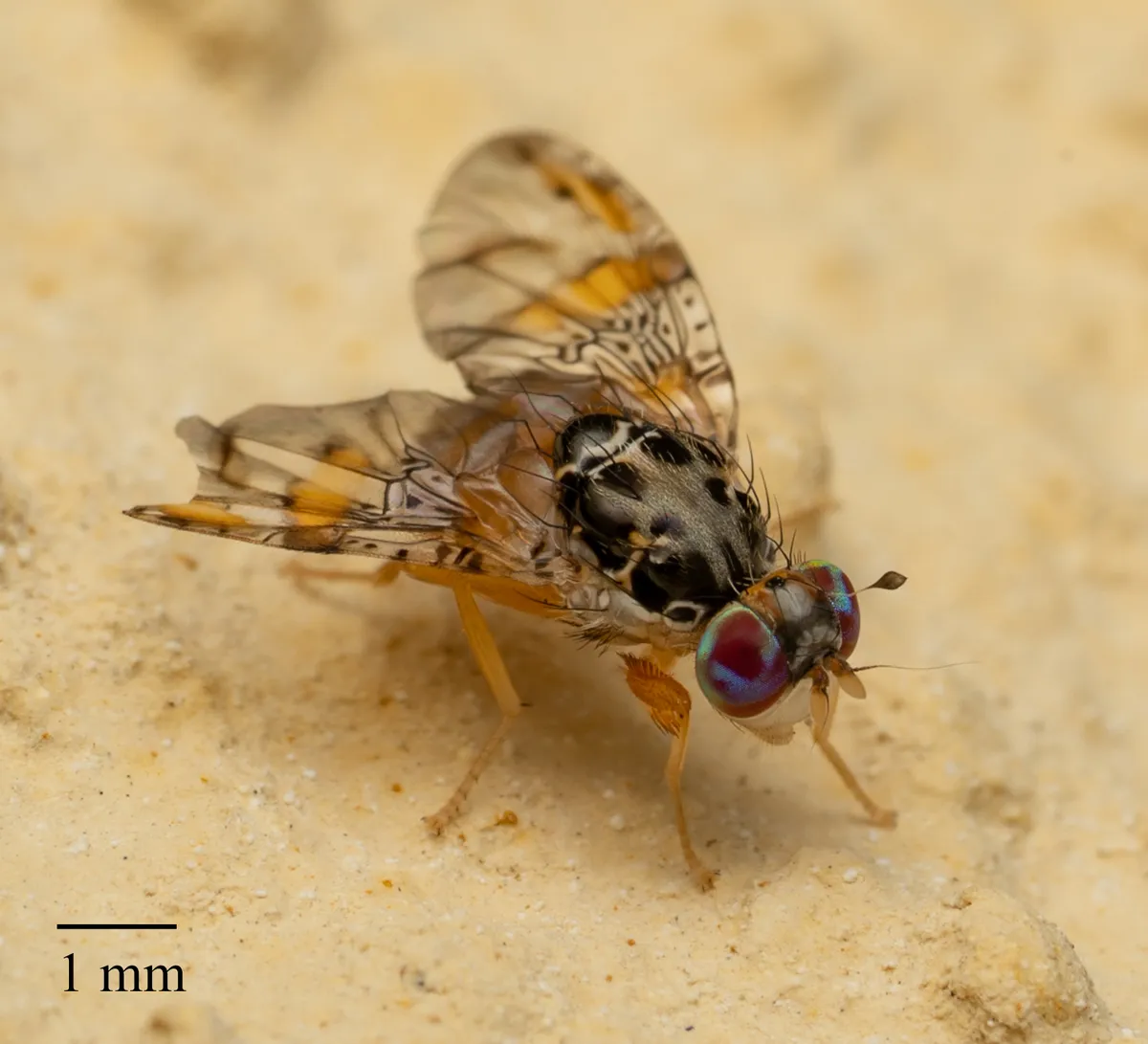
Mediterranean Fruit Fly
Ceratitis capitata
One of the world's most destructive fruit pests, and the most economically important fruit fly species. Each infestation detected in FL and CA triggered massive eradication and detection effort. In CA, large numbers of sterile males are released and
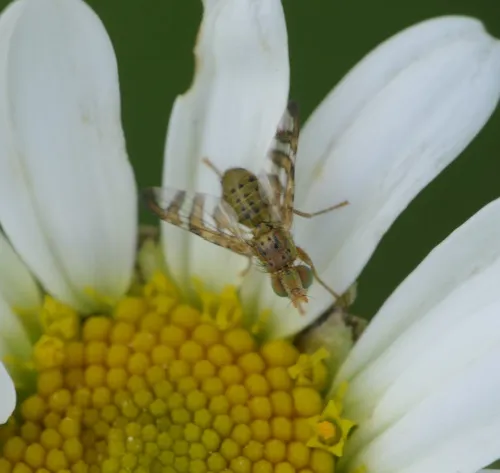
Chaetorellia jaceae
Chaetorellia jaceae
Length about 4 mm. Strongly patterned wings with three brownish strips. Please provide supporting images with your records for this species. Meadows, verges and other grassy places, especially where Knapweed is present. Larvae live within the seed he
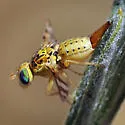
False Peacock Fly
Chaetorellia succinea
Introduced from Europe in 1996 or earlier, accidentally. Its introduction to combat yellow star thistle was considered and rejected because it posed a threat to safflower. ( Balciunas et al. 2001 )
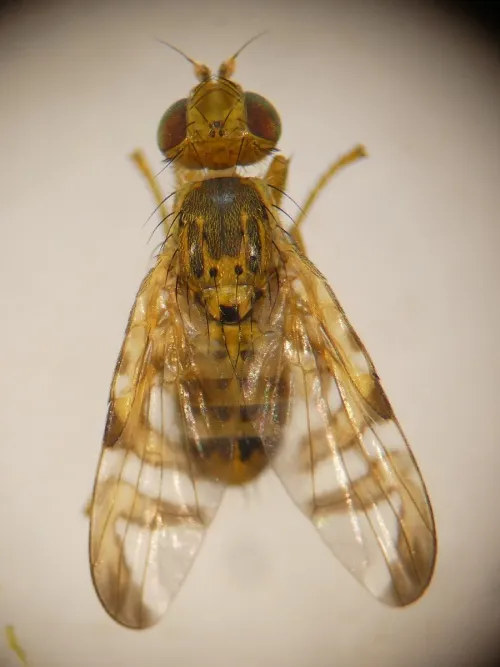
Chaetostomella cylindrica
Chaetostomella cylindrica
A well-marked member of the Tephritidae family. However there are similar species and good images are needed. Please provide supporting images with your records for this species. Meadows and verges where Knapweed and thistles are present. Larvae feed
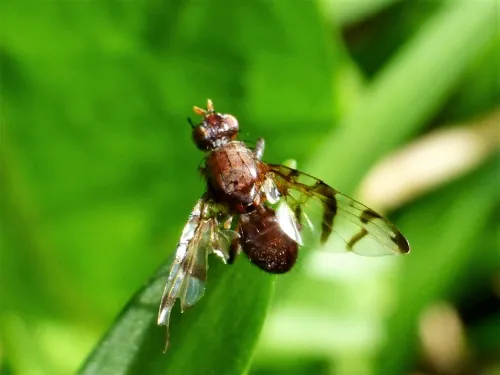
Chetostoma curvinerve
Chetostoma curvinerve
7mm long with a bright-tawny orange body and a dark wing pattern which includes a dark wing-tip and a diagonal line reaching almost entirely across the forewing. In addition, the males have very distinctive dark curved spines guarding the mouthparts.
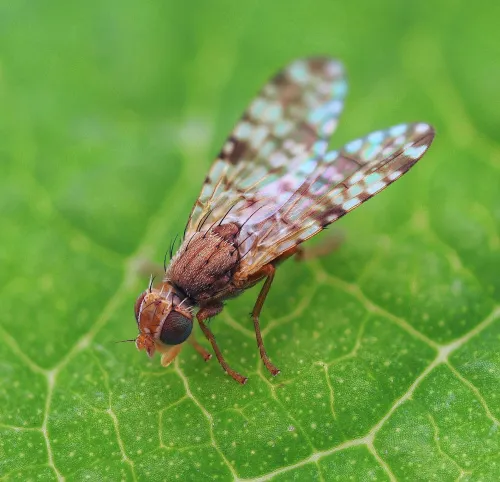
Dioxyna bidentis
Dioxyna bidentis
Wing-length 3.2-3.7mm. Head in profile with prominent lip above mouth edge. Apical scutellar bristles either very reduced or absent, <0.25 length of basal bristles. Wing pigmentation characteristic. Detailed phots of key features required. Feeds on o
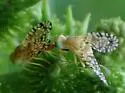
Euaresta aequalis
Euaresta aequalis
Identification: ground color of thorax yellow; wing with distal hyaline spot in cell r4+5 rounded and narrowly isolated from wing margin (this combination of characters is diagnostic)
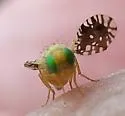
Euaresta bella
Euaresta bella
Identification: ground color of thorax brown; apex of cell r2+3 with 2 marginal hyaline spots
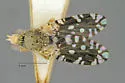
Euaresta bellula
Euaresta bellula
Identification: ground color of thorax dark brown or gray; wing with two marginal hyaline spots in cell r1; if a third, apical spot is present, it is small and does not cross vein R2+3 reduces seed and/or pollen production by its host plants, some of
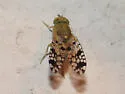
Bathurst Burr Seed Fly
Euaresta bullans
host plants are invasive weeds, but the fly is not an effective control agent
Euaresta festiva
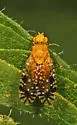
Euaresta festiva
Identification: ground color of thorax yellow; distal hyaline spot in cell r4+5 broadly touches wing margin (see photo linked to in Internet References section below)
Celery fly
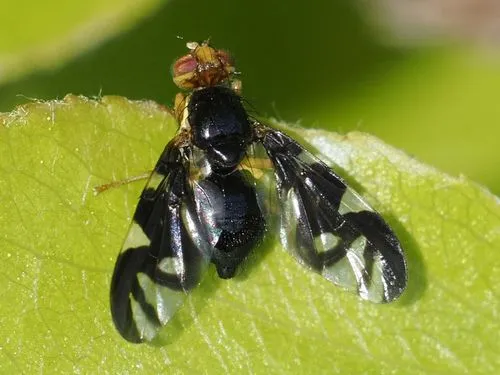
Euleia heraclei
This is a small picture wing fruit fly which has very heavily marked with brown patterning. It has green eyes. Unless identified by a recognised expert, a photo is required. If the photo doesn't show the key ID features then in the comments box descr
Euphranta toxoneura
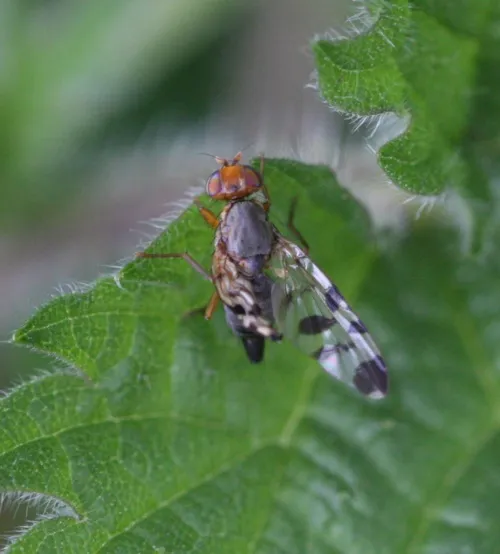
Euphranta toxoneura
A small fly with distinctive black wing markings. Associated with various willows and most likely to be encountered where willows are present. The larva lives in a gall of Pontania bridgmanii or Pontania proxima. The host larva is killed and emptied;
Goldenrod Gall Fly
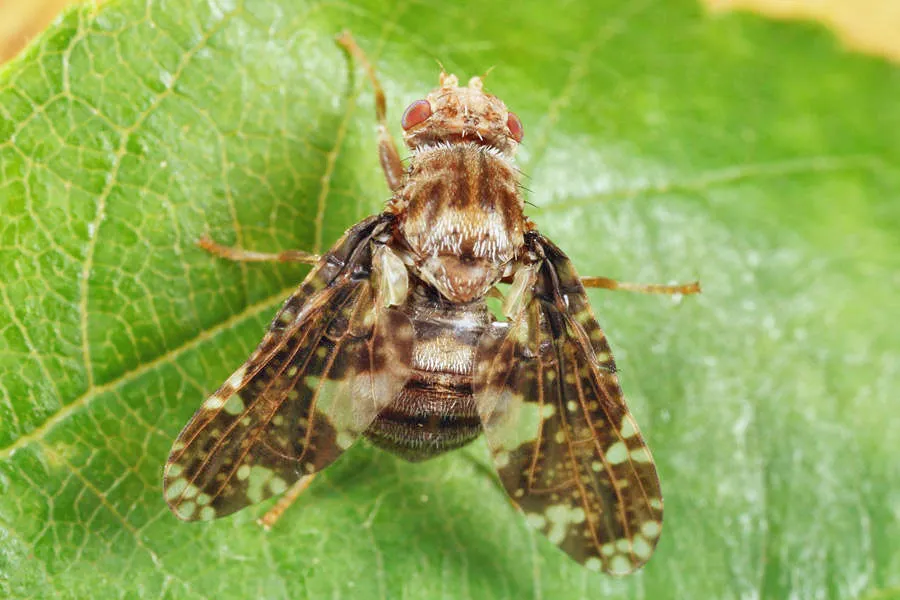
Eurosta solidaginis
Identification: Galls distinctive Some parasitoids listed at ( 3 )
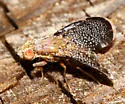
Eutreta novaeboracensis
Eutreta novaeboracensis
The most common northeastern species of Eutreta . Possibly consists of two cryptic species, one bivoltine and forming galls on the host plant's stem, the other univoltine and forming galls on the roots.
Eutreta rotundipennis
Eutreta rotundipennis
Identification: broken apical hyaline area of the wing and broadly oval wing shape are diagnostic
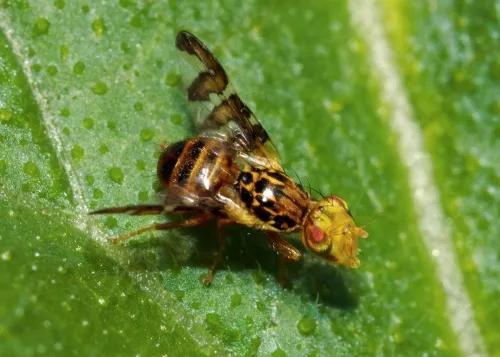
Goniglossum wiedemanni
Goniglossum wiedemanni
A distinctively marked member of the genus. Identification is made easier if the insect is recorded in the vicinity of its host plant White Bryony. This species is host specific on White Bryony and is most likely to be encountered where that plant is
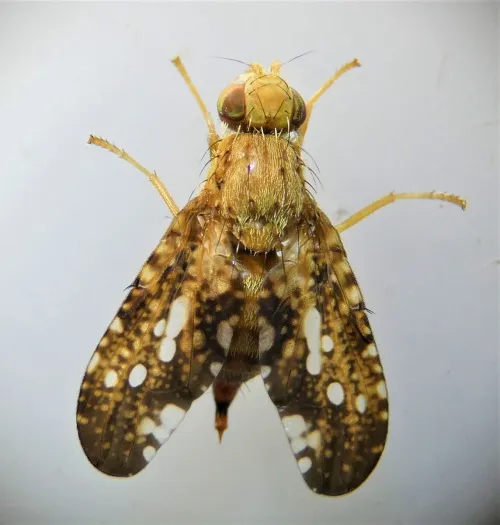
Merzomyia westermanni
Merzomyia westermanni
Larger species, wing length up to 7mm. Wing with extensive reticulated markings with brown and golden-yellow colours as well as black, and a distinctive large, rounded and irregularly shaped clear area in the centre of the wing. Two pairs of frontal
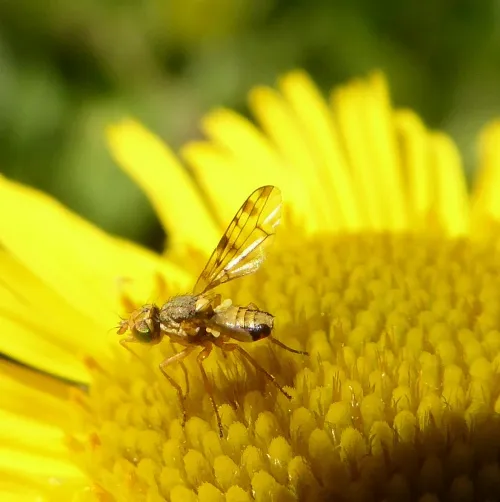
Myopites inulaedyssentericae
Myopites inulaedyssentericae
A fly with a well-marked wing pattern which can be identified with care. The larvae gall the flowers of Common Fleabane ( Pulicaria dysenterica ). Unless identified by a recognised expert, a photo is required. If the photo doesn't show the key ID fea
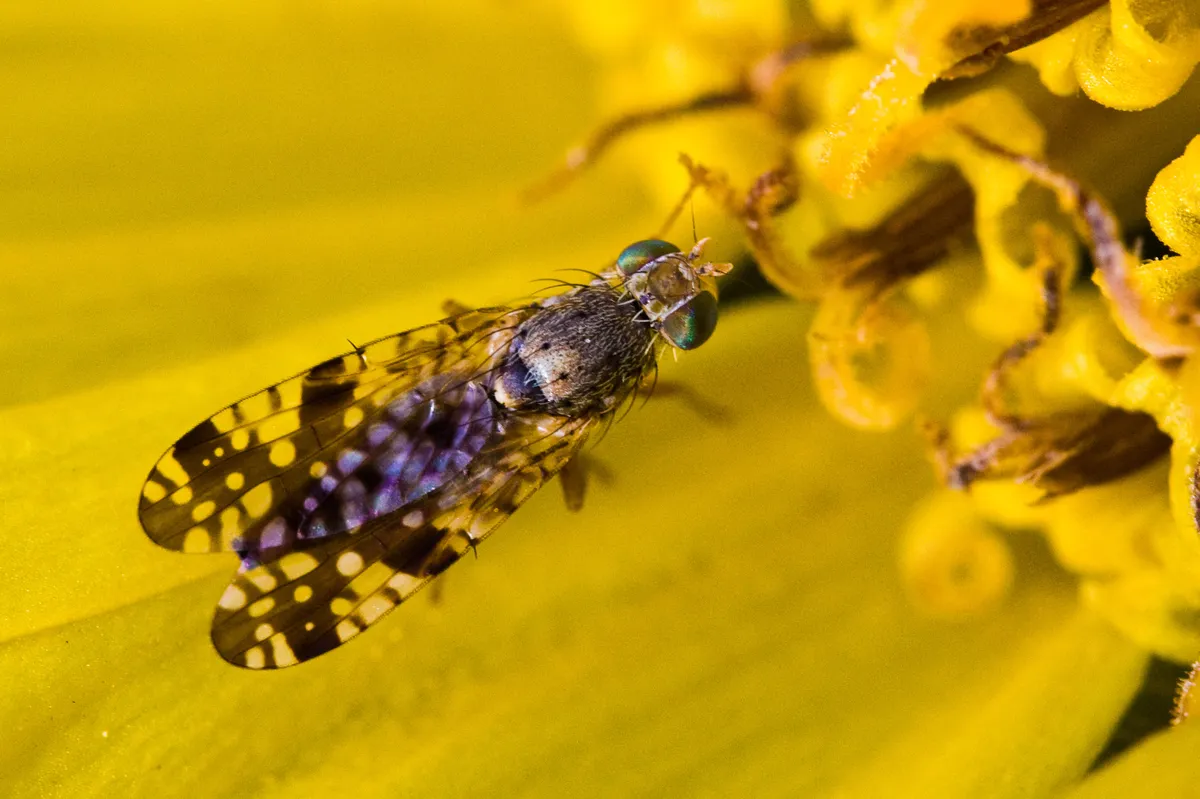
Sunflower Seed Maggot
Neotephritis finalis
Identification: Wings are mostly dark in apical half with six hyaline spots forming a distinct triangle One of the most common tephritids in NA
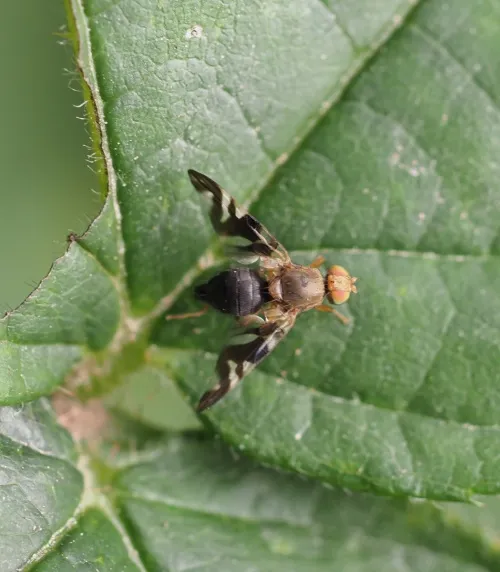
Philophylla caesio
Philophylla caesio
A small Tephritid fly with heavily patterned wings. Usually in areas where nettles are present. The larvae mine the leaf stalks of nettles. Found in Wales and in England as far north as Yorkshire.
Procecidochares gibba
Procecidochares gibba
Identification: Supernumary crossvein between C and R2+3 after the tip of R1. Larvae form stem galls in Ambrosia .
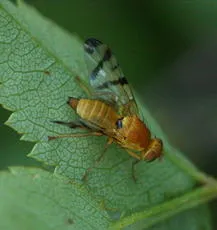
Rhagoletis alternata
Rhagoletis alternata
Rhagoletis alternata is a species of fruit fly with well marked banding on the wings. This genus contains a number of similar species and care must be taken over identification. Unless identified by a recognised expert, a photo is required. If the ph
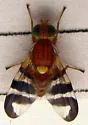
Walnut Husk Fly
Rhagoletis completa
Identification: Yellow spot just below the areas where the wings are attached; iridescent, greenish eyes; wings with three prominent dark bands. Female larger than male and with pointy abdomen. Damages walnuts, serious pest of walnut orchards
Western Cherry Fruit Fly
Rhagoletis indifferens
It used to be considered a subspecies of R. cingulata
Rhagoletis juglandis
Rhagoletis juglandis
Identification: The other two yellow-bodied Rhagoletis have more wing bands.
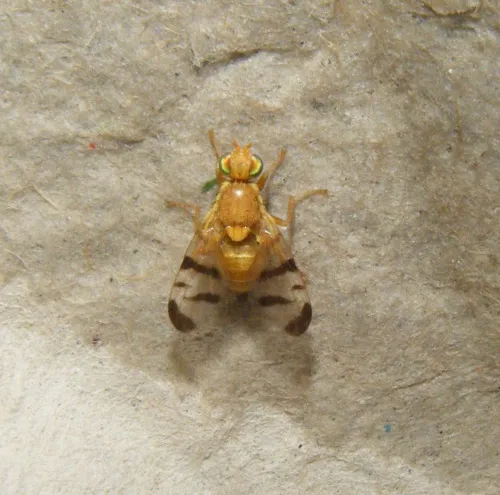
Rhagoletis meigenii
Rhagoletis meigenii
The wing is distinctively patterned, but there are similar species and detailed examination is needed for a positive identification to species level. Where no detailed examination has taken place, the image is shown in a red box to indicate that the
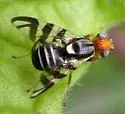
Rhagoletis striatella
Rhagoletis striatella
Identification: wing has three transverse bands, the third one resembling the letter "F" - with the top segment of the "F" touching the outer edge of the wing (see drawing of wing ). body mostly black; thorax with two pale dorsal stripes; base of scu
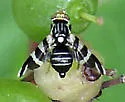
Rhagoletis tabellaria
Rhagoletis tabellaria
Identification: body mostly black; 4 white longitudinal stripes on back; scutellum white; abdomen with thin white bands; cross-banded wing pattern is distinctive
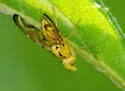
Strauzia arculata
Strauzia arculata
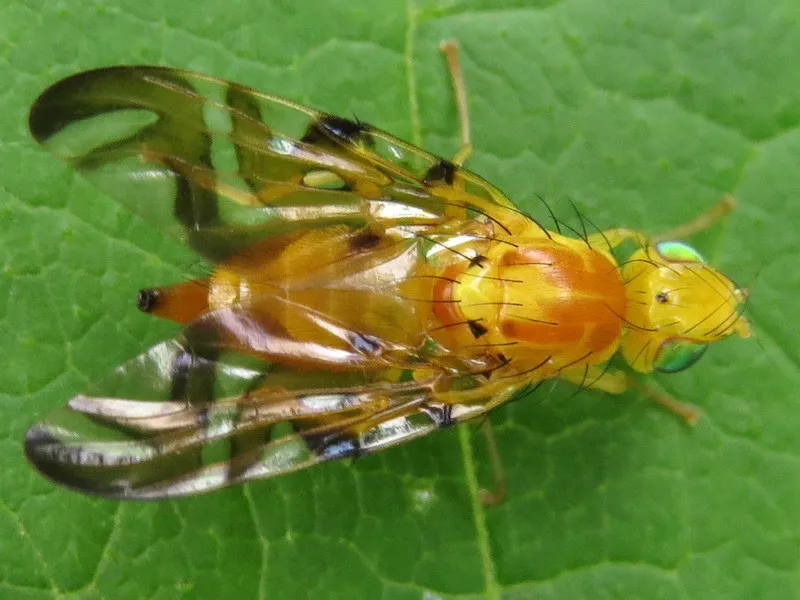
Identification: Males and females have light yellow color with dark striping on the mesonotum. Wings have dark patterning with two non-intersecting ^ markings at the tip. Strauzia arculata is found on host plant Helianthus grosseserratus .
Sunflower Maggot
Strauzia longipennis
Identification: The males show a lot of variation, and the wing can look like a female's or very different (except in this species, Strauzia wings are not sexually dimorphic) --M. Hauser While infestation levels have occasionally reached nearly 100%,
Strauzia noctipennis
Strauzia noctipennis
Identification: Adults are found on the sawtooth sunflower Helianthus grossesrratus . Males have yellow or yellowish brown bodies with dark spots on the mesonotum near wings. Male wings have a very dark coalesced pattern. Females have yellow bodies a
Strauzia perfecta
Strauzia perfecta
Identification: Adults yellow. This is the only Strauzia species without dark markings on the thorax. There may be orange stripes or spots on the thorax. Wings have brownish striping pattern and an F shape marking at the tip.
Tephritis araneosa
Tephritis araneosa
Probably a species complex. Host plants are diverse, all but one in Asteraceae. The individual species lumped under this name probably have more narrow host ranges.
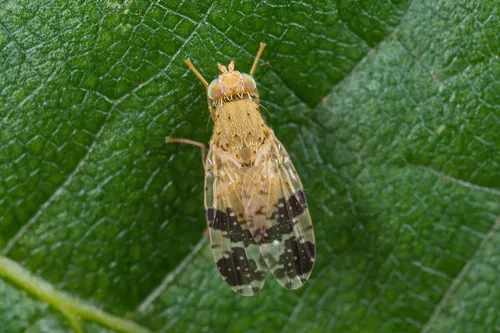
Tephritis bardanae
Tephritis bardanae
One of many similar fruit flies with heavily patterned wings. It is sometimes possible to identify a species based on the wing patterning but some variation does occur, even within members of the same species. The larvae gall the receptacles, achenes
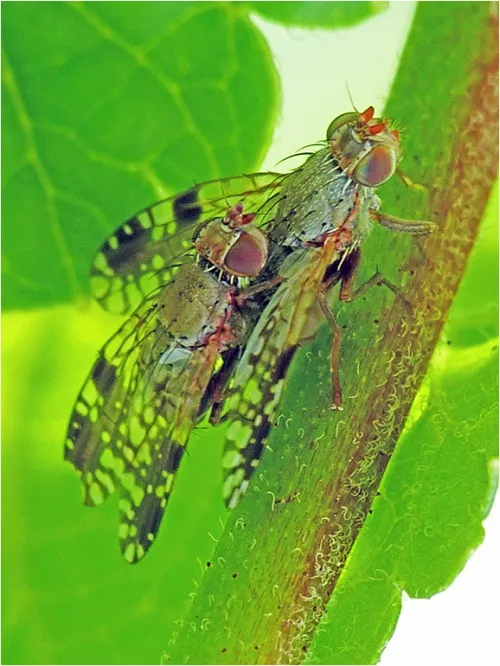
Tephritis conura
Tephritis conura
One of many similar fruit flies with heavily patterned wings. It is sometimes possible to identify a species based on the wing patterning but some variation does occur, even within members of the same species. We suggest expert help be sought when id
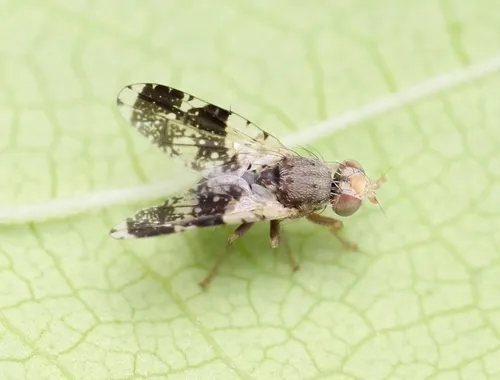
Tephritis formosa
Tephritis formosa
Length males 4 to 5 mm, females 5 to 6 mm. It has light beige wings that are boldly patterned with dark markings, the wing tip is clear with two small dark marks. Unless identified by a recognised expert, a photo is required. If the photo doesn't sho
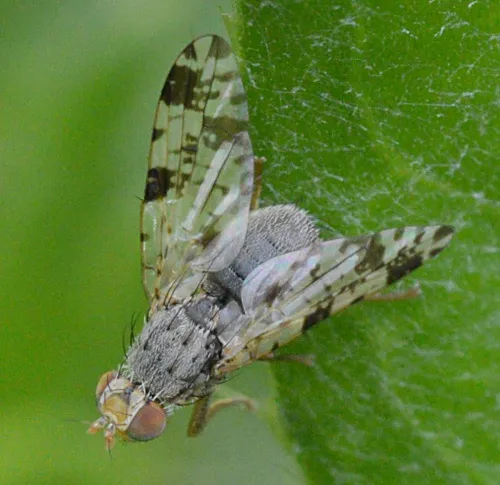
Tephritis hyoscyami
Tephritis hyoscyami
Its wings are boldly patterned with dark markings similar to many other species in this genus. Unless identified by a recognised expert, a photo is required. If the photo doesn't show the key ID features then in the comments box describe the size and
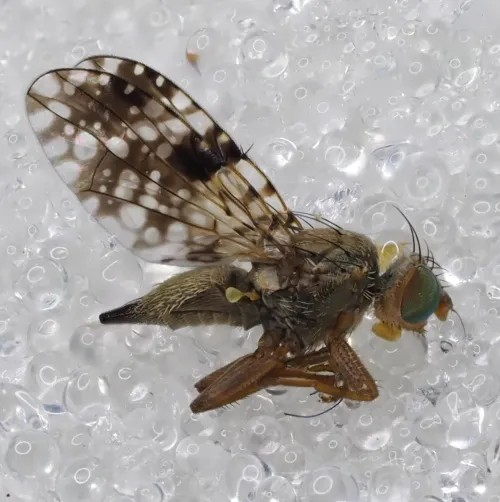
Tephritis matricariae
Tephritis matricariae
5mm. Brown-bodied with highly patterned wings. The female oviscape is hairy at the base and has dull red patches on the sides. A gall-forming fruitfly in the flowerheads of plants in the Asteraceae family, particularly Crepis . Other Tephritis specie
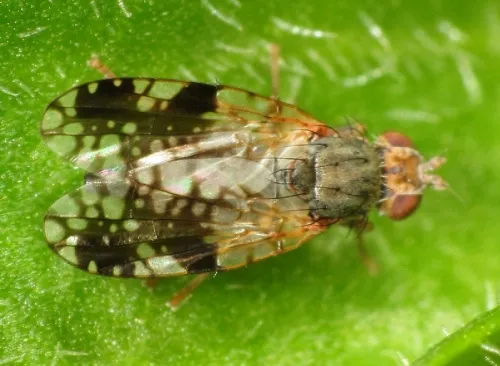
Tephritis neesii
Tephritis neesii
Wing Length 3.5 to 4.5 mm. Black oviscape. Legs orange-brown but with black femora on the male. Wing pattern is used in identification. Unless identified by a recognised expert, a photo is required. If the photo doesn't show the key ID features then
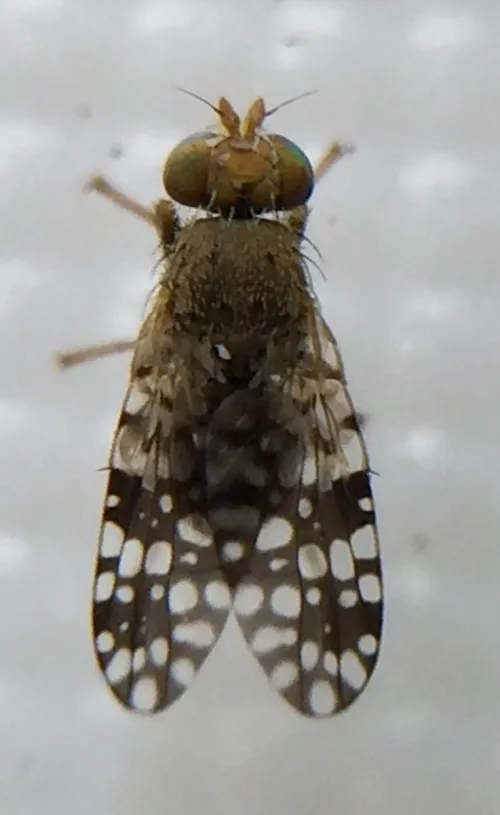
Tephritis praecox
Tephritis praecox
Wing Length 1.8 to 3.2 mm. Black oviscape. Legs orange with black marks on femora. Wing pattern is used in identification. Unless identified by a recognised expert, a photo is required. If the photo doesn't show the key ID features then in the commen
Tephritis rufipennis
Tephritis rufipennis
Identification: wing pattern distinctive: the apex has a hyaline "cresent", and there are two transverse dark bands, each with small scattered hyaline spot... the bands nearly entirely separated by a central hyaline band [see Plate IV:8 , Fig. 87 in
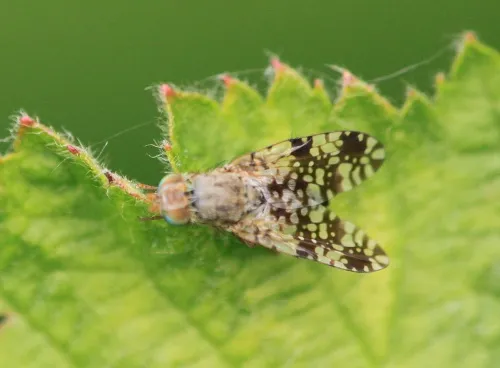
Tephritis ruralis
Tephritis ruralis
One of many similar looking members of the Tephritidae family which have strongly patterned wings. Great care is needed in identifying these species. The larvae cause galls in the receptacles of Pilosella ( Mouse-ear Hawkweed). Widespread but scatter
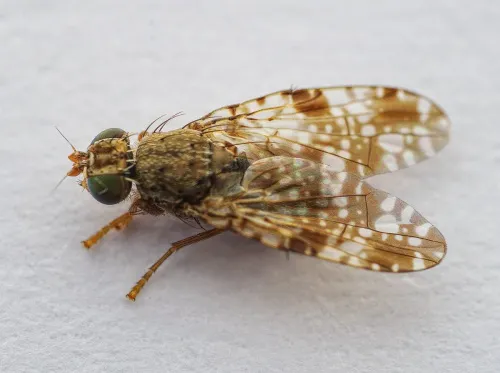
Tephritis vespertina
Tephritis vespertina
Wing Length 3.7 to 4.5 mm. Orange oviscape with black apex and black triangular mark at base. Legs dark orange. Most of body covered in a brown tomentum. Wing pattern is important in identification. Unless identified by a recognised expert, a photo i
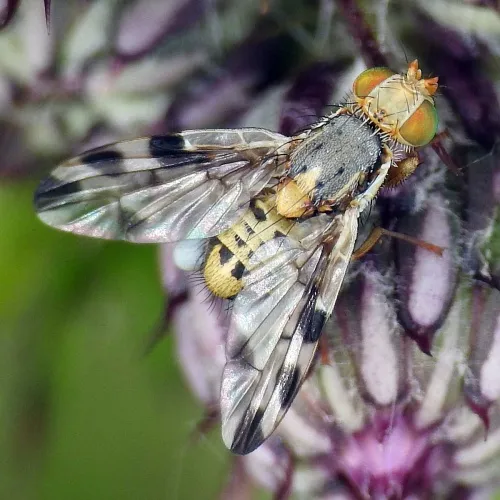
Terellia ruficauda
Terellia ruficauda
This is a well marked gall fly with dark patches on the wings. There are other very similar species in this genus which means that detailed examination of an actual specimen is generally needed to identify the exact species. A red box around the imag
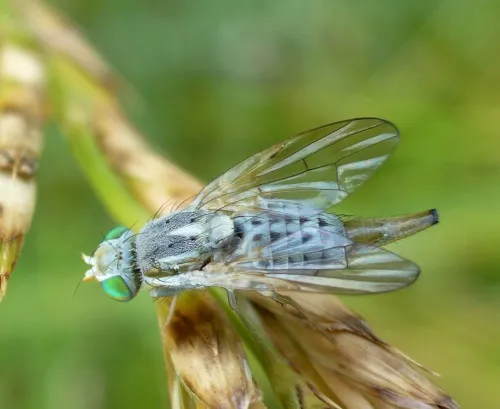
Terellia serratulae
Terellia serratulae
A gall fly that has fairly clear wings and an abdomen with a chequered pattern of beige or pale green and black. Unless identified by a recognised expert, a photo is required. If the photo doesn't show the key ID features then in the comments box des
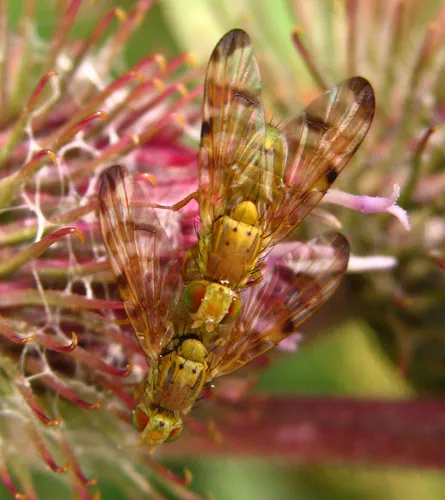
Terellia tussilaginis
Terellia tussilaginis
The gall fly Terellia tussilaginis is mainly pale greeny yellow in colour with distinctive brown banding on its wings. The larva form galls in the achenes of Burdock ( Arctium ) flowerheads; the achene is swollen with a tiny entrance hole near the to
Papaya Fruit Fly
Toxotrypana curvicauda
Introduced into Florida in 1905, probably from the West Indies on papaya shipments[Cite:185010]
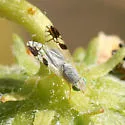
Trupanea bisetosa
Trupanea bisetosa
Identification: Distinguished from congeners by broad band connecting discal dark spot, lack of pigment on posterior veins, broad base of Y-shaped dark markings at wingtip, and light-colored basal flagellomere.
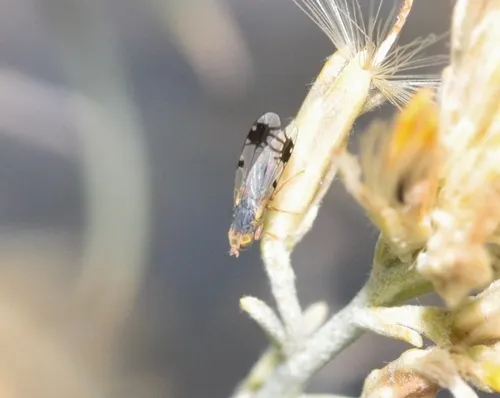
Trupanea jonesi
Trupanea jonesi
Identification: "Among all Trupanea species having a narrow pterostigmal ray, the apex of cell br completely hyaline, the base of cell r4+5 with a distinct hyaline spot, and only one ray in the apical half of cell dm, jonesi can be recognized by the
Trupanea nigricornis
Trupanea nigricornis
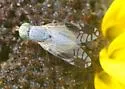
Identification: The dark "Y"-shaped infuscation at the wing apex has a narrow base in T. nigricornis (i.e. about equal to the widths of the "arms" of the "Y"...as opposed to about twice as wide as those arms in T. bisetosa ). Also, the tip of the an
Trypeta artemisiae
Trypeta artemisiae
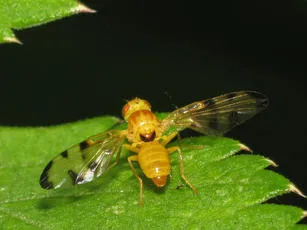
A distinctive yellowy orange coloured fruit fly with wings that are heavily patterned with dark blotches. Unless identified by a recognised expert, a photo is required. If the photo doesn't show the key ID features then in the comments box describe t
Trypeta zoe
Trypeta zoe
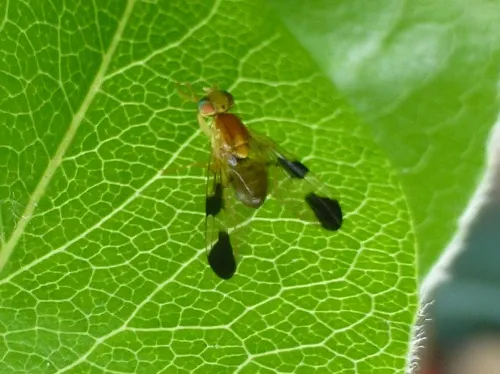
Distinctively marked with two bold black patches on each wing. The larvae mine the leaves of plants such as Artemisia and Asteraceae. Widespread scattered records from around Britain.
Knapweed Gall Fly
Urophora affinis
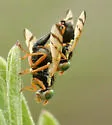
Introduced from Europe in 1971 to control knapweed ( Centaurea spp.)
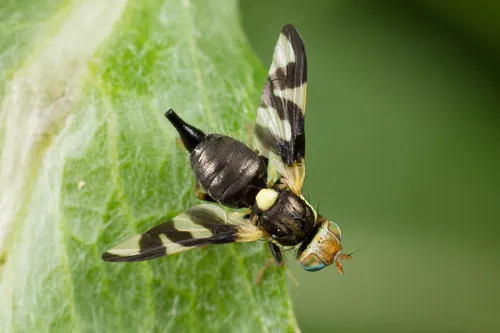
Thistle Gall Fly
Urophora cardui
A small but striking fly. The male's wings have darker markings. The fly causes distinctive swollen stem galls on Creeping Thistle. These are green and fleshy to begin with, and persist on old stems. Several chambers are inside. Adults fly in June, l
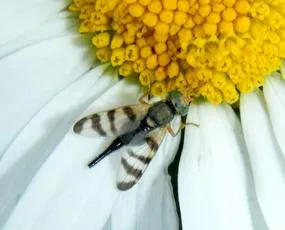
Urophora cuspidata
Urophora cuspidata
A well marked member of the 'fruit fly' family Tephritidae . Many of the members of this genus are confusingly similar and need microscopic examination to determine species. For this reason our image is placed in a red box and is likely to be this sp
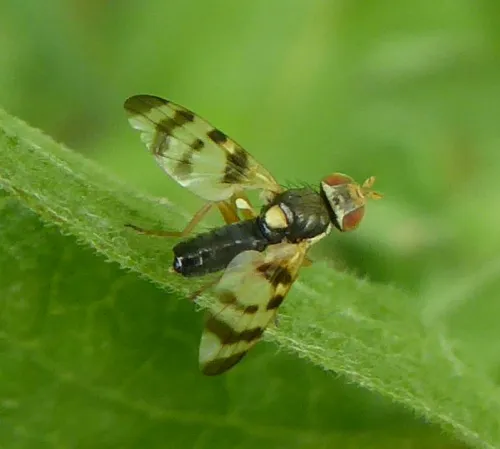
Urophora jaceana
Urophora jaceana
The fly Urophora jaceana has a larva that produces galls on the flower heads of Knapweed (most often, Centaurea nigra agg.) which incorporates the receptacle and achenes. The gall is hard and woody; usually affecting most of the flower head and with
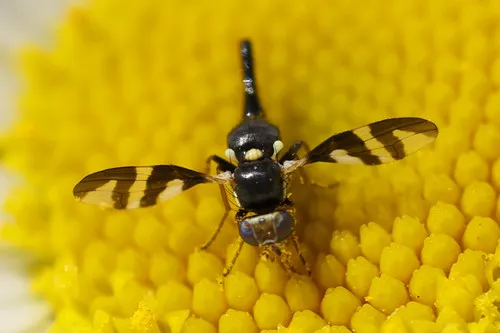
Urophora quadrifasciata
Urophora quadrifasciata
The term ‘quadrifasciata’ in the Scientific Name refers to the dark, four-banded pattern in the wing. The fly produces galls in Knapweed flowers; these are in each achene (not in the receptacle), causing it to become enlarged with woody or papery wal
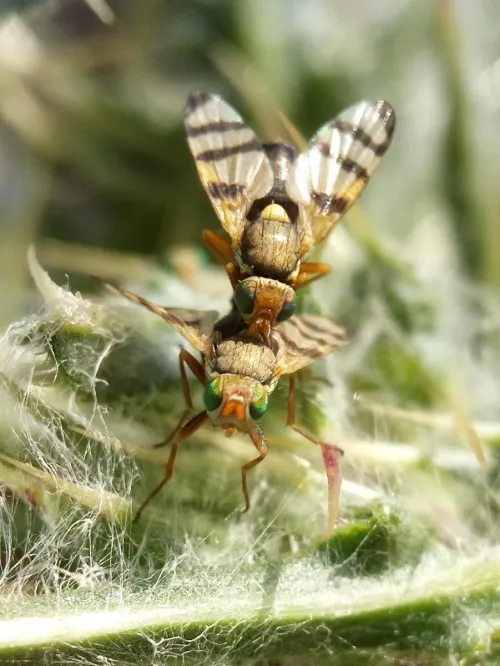
Urophora solstitialis
Urophora solstitialis
The gall fly Urophora solstitialis has a striking appearance with well-marked, banded wings, but there are other similar species and care is needed with identification. The larvae gall Musk Thistle ( Carduus nutans ), part or all of the receptacle an
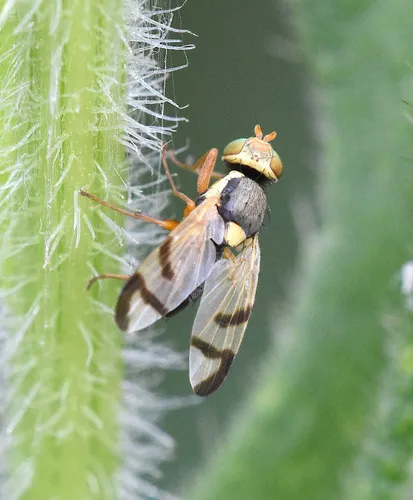
Urophora stylata
Urophora stylata
A distinctive species with a unique wing pattern. The scutellum and sides of the thorax are pale cream and the eyes have an orange-green reflection. The fly produces galls in the flower heads of thistles, usually Spear Thistle, Cirsium vulgare. Part
Valentibulla steyskali
Valentibulla steyskali
Identification: At least posterior half of scutum shining black, R2+3 bent sharply forward.
Xanthaciura tetraspina
Xanthaciura tetraspina
Identification: Scutellum with four bristles (apical pair short) instead of two in other species from the United States.
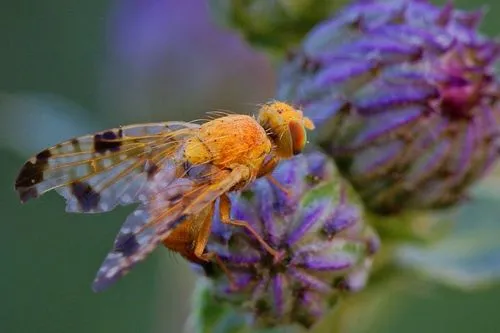
Xyphosia miliaria
Xyphosia miliaria
Length: 4-6 mm. This fruit fly is mostly orange with black patterned wings, typical of this family. Found on thistles where it causes galls to form on the host plant. Common and widespread over much of Britain.
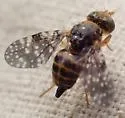
Acidogona dichromata
Acidogona dichromata
Acidogona melanura
Acidogona melanura
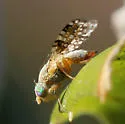
Sourbush Seed Fly
Acinia picturata
Aciurina aplopappi
Aciurina aplopappi
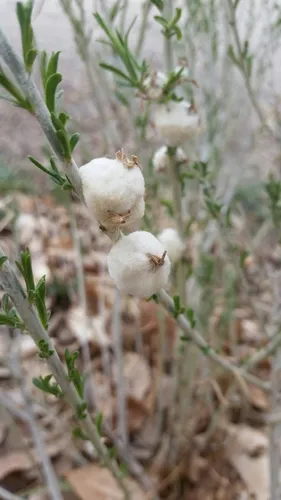
Aciurina bigeloviae
Aciurina bigeloviae
Aciurina ferruginea
Aciurina ferruginea
Aciurina maculata
Aciurina maculata
Aciurina mexicana
Aciurina mexicana
Aciurina opaca
Aciurina opaca
Desert Broom Gallfly
Aciurina thoracica
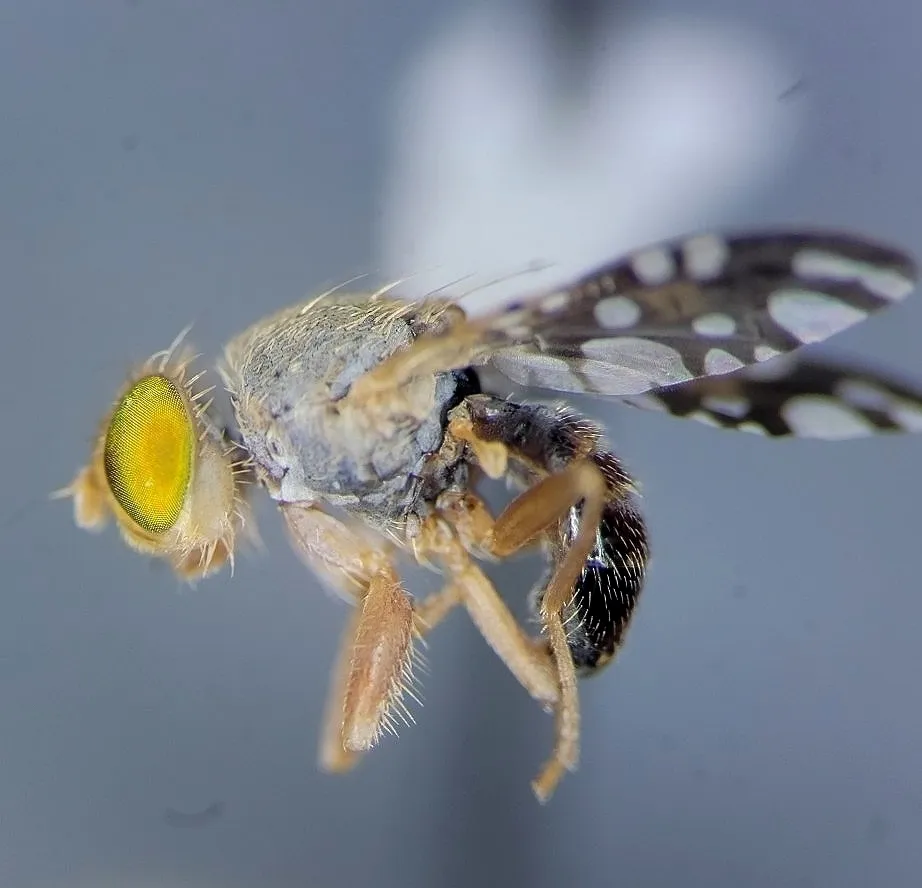
Bubble-gall Tephritid
Aciurina trixa
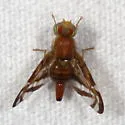
Caribbean Fruit Fly
Anastrepha suspensa
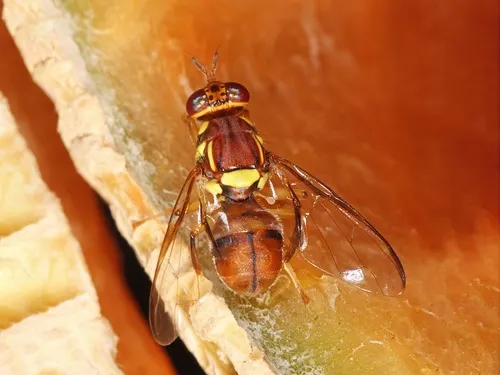
Oriental Fruit Fly
Bactrocera dorsalis
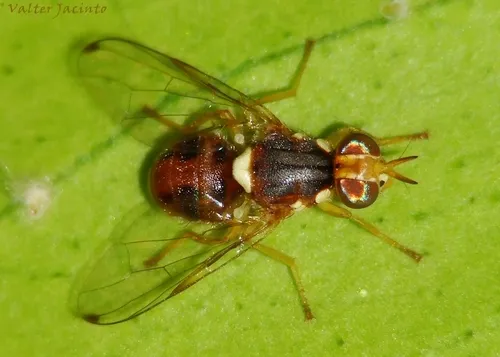
Olive Fruit Fly
Bactrocera oleae
Campiglossa clathrata
Campiglossa clathrata
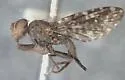
Campiglossa footeorum
Campiglossa footeorum
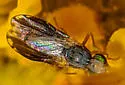
Campiglossa fuscata
Campiglossa fuscata
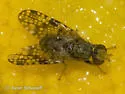
Campiglossa genalis
Campiglossa genalis
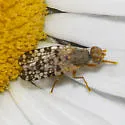
Campiglossa jamesi
Campiglossa jamesi
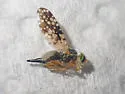
Campiglossa murina
Campiglossa murina
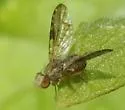
Campiglossa pallidipennis
Campiglossa pallidipennis
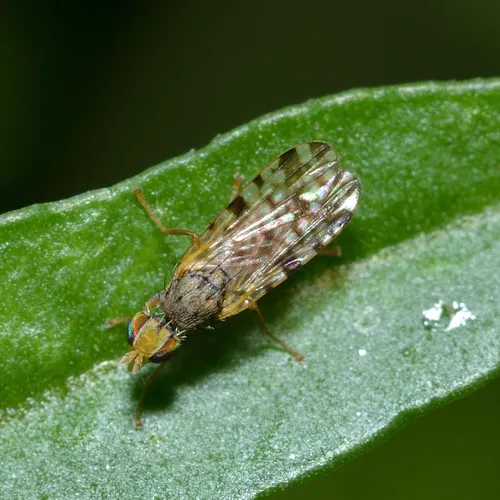
Campiglossa picciola
Campiglossa picciola
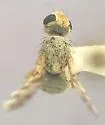
Campiglossa steyskali
Campiglossa steyskali
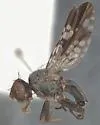
Campiglossa tenebrosa
Campiglossa tenebrosa
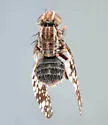
Campiglossa variabilis
Campiglossa variabilis
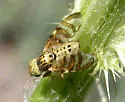
Chaetostomella undosa
Chaetostomella undosa
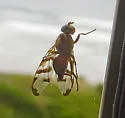
Chetostoma californicum
Chetostoma californicum
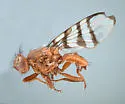
Chetostoma rubidum
Chetostoma rubidum
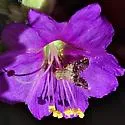
Cryptotreta cislimitensis
Cryptotreta cislimitensis
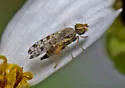
Dioxyna picciola
Dioxyna picciola
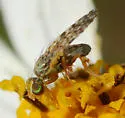
Dioxyna thomae
Dioxyna thomae