
Family Black Scavenger Flies (Sepsidae)
Sepsidae is a family in the order Diptera. Browse 19 named species recorded in this family, or open an individual profile for its available identification and natural-history information.
Species in Sepsidae (19)
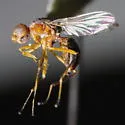
Archisepsis pleuralis
Archisepsis pleuralis
The female has a small tubercle under the fore femur; usually femoral tubercles are a male secondary sexual character.
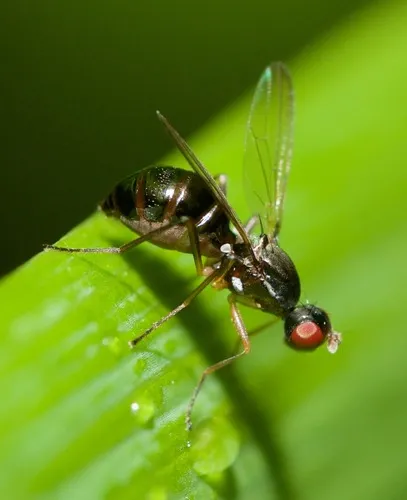
Nemopoda nitidula
Nemopoda nitidula
Sepsidae flies are sometimes called scavenger flies or ensign flies. They are small (up to 4mm) and resemble ants. They typically wave their wings whilst running around, hence their name 'ensign flies'. This species has a white dusting over most of t
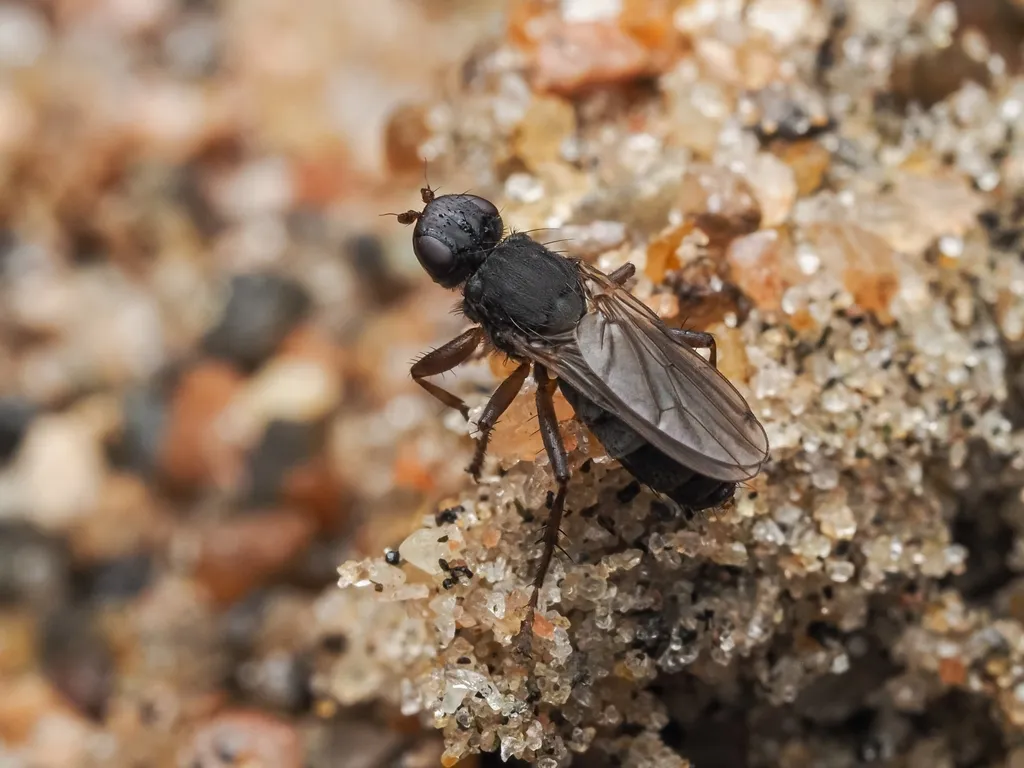
Orygma luctuosum
Orygma luctuosum
Identification: Large bristly appearance; small eye; 2 frontal and 1 orbital setae, all strong; well-developed palpus; 3 stout dorsocentrals; or densely haired anepimeron, anepisternum and katepisternum.
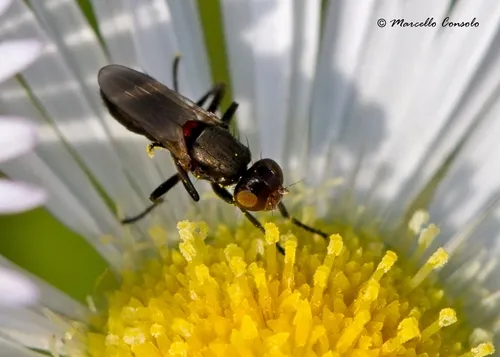
Saltella sphondylii
Saltella sphondylii
Size 2 to 3 mm. This fly has orange thighs and an orange scutellum although the degree of colouration is variable. It has a rather matt appearance compared to other Sepsidae and the scutellum is large and flat. Unless identified by a recognised exper
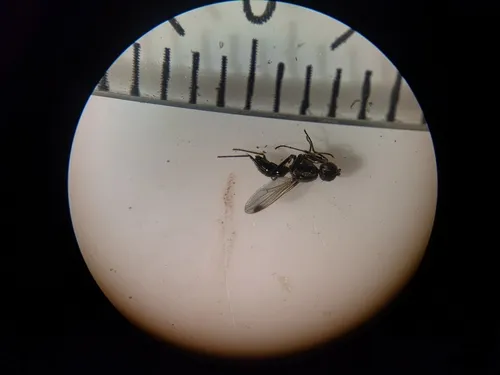
Sepsis cynipsea
Sepsis cynipsea
2.5 to 3 mm long. There is a dark wing spot on each wing, typical of the Sepsis genus. The hypopleuron (between the haltere and the hind coxa) is pruinose in the anterior part but glossy black on the posterior part. The sternopleuron is entirely prui
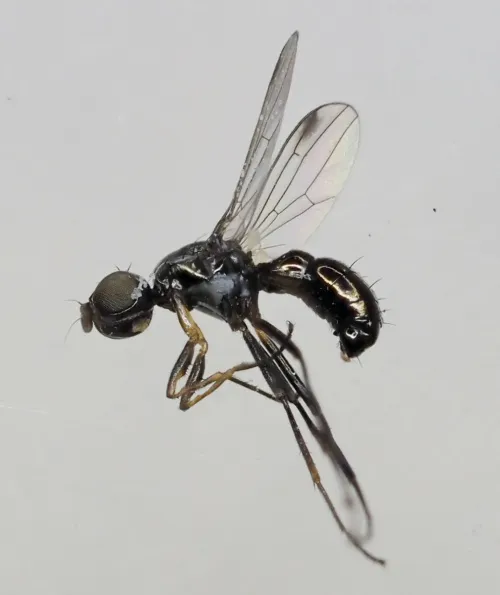
Sepsis flavimana
Sepsis flavimana
A small blackish fly. Wing length 2.2 to 3.2 mm with dark wing spots (one on each wing) typical of the Sepsis genus. This is a difficult group to identify and specimens really need microscopic examination to arrive at the species. Unless identified b
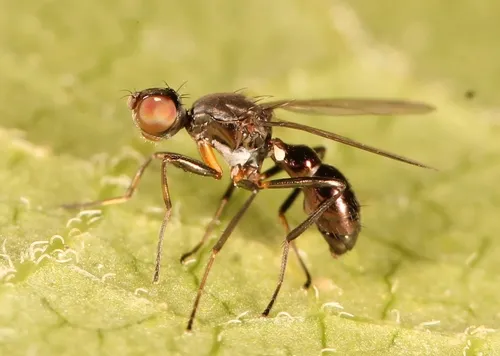
Sepsis fulgens
Sepsis fulgens
2.5 to 3 mm. A black fly with dark wing spots (one on each wing), typical of the Sepsis genus. This is a difficult group to identify and specimens really need microscopic examination to arrive at the species. Males are easier to identify based on the
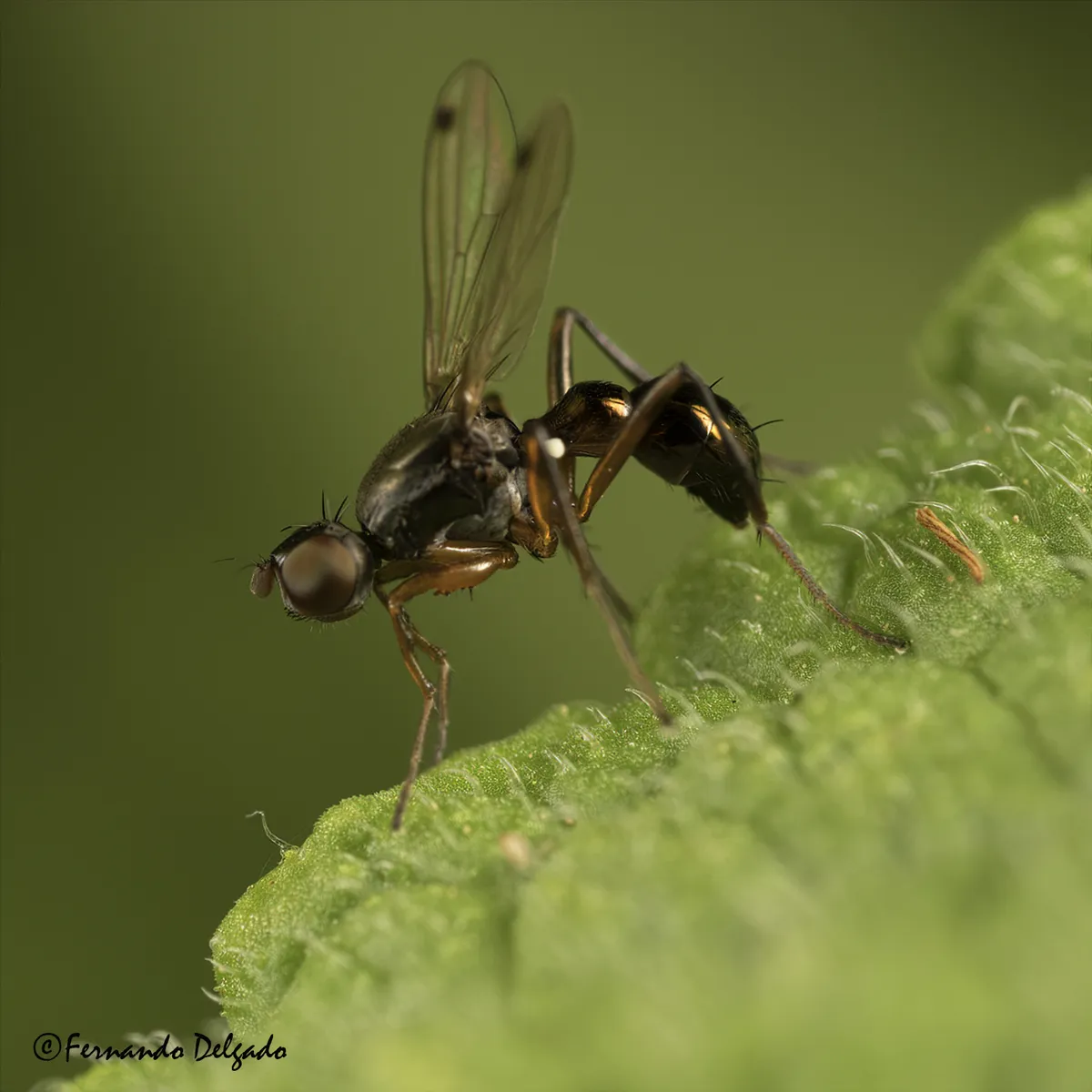
Sepsis punctum
Sepsis punctum
There has been long-standing confusion over the identity of this species and the closely related Sepsis violacea Meigen. The latter does not occur in North America , so presumably all records of it in North America refer to Sepsis punctum (Fabricius)
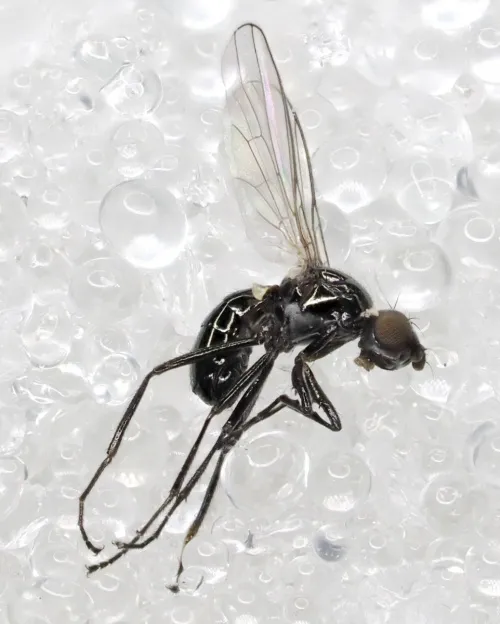
Themira minor
Themira minor
One of several, very similar Sepsidae species. Detailed examination is needed for safe species identification. Unless identified by a recognised expert, a photo is required and the specimen should be examined with a microscope. In the comments box, s
Decachaetophora aeneipes
Decachaetophora aeneipes
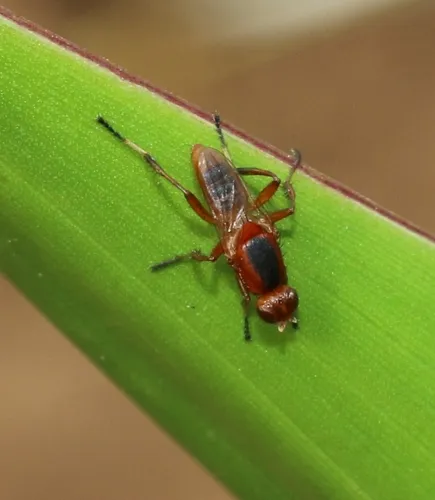
Saltella orientalis
Saltella orientalis
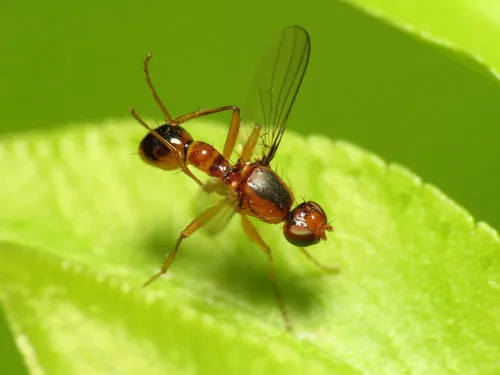
Sepsis lateralis
Sepsis lateralis
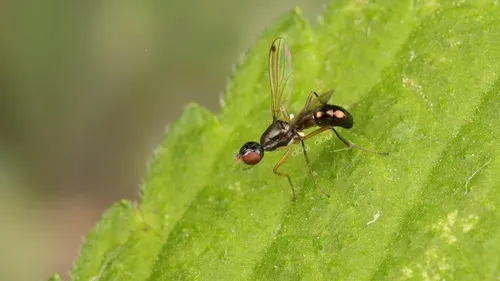
Sepsis monostigma
Sepsis monostigma
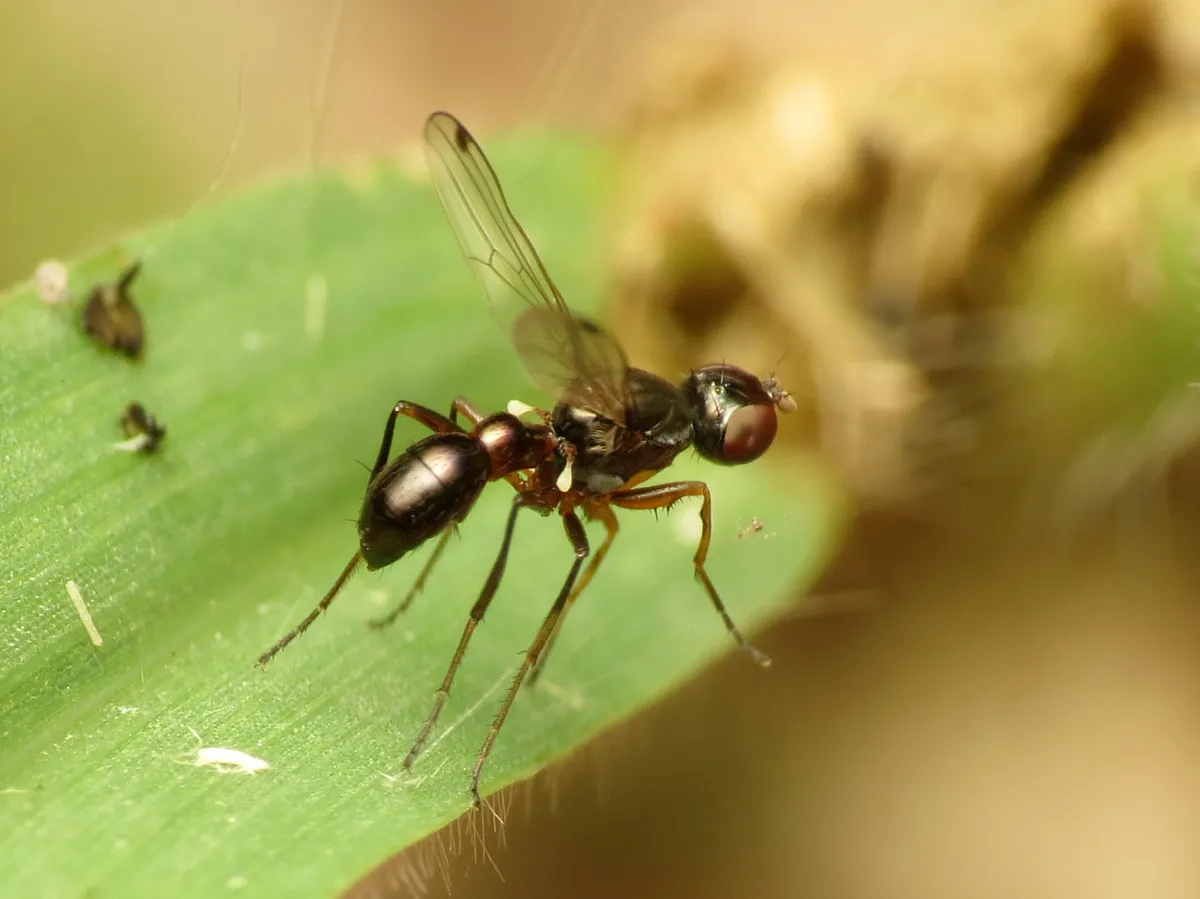
Sepsis neocynipsea
Sepsis neocynipsea
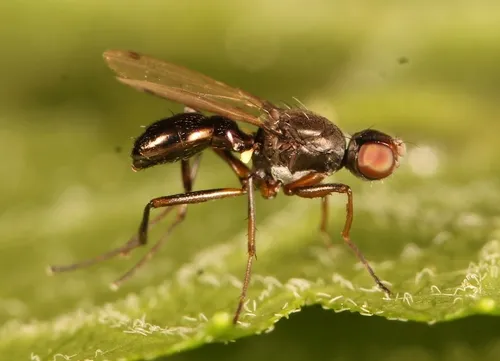
Sepsis violacea
Sepsis violacea
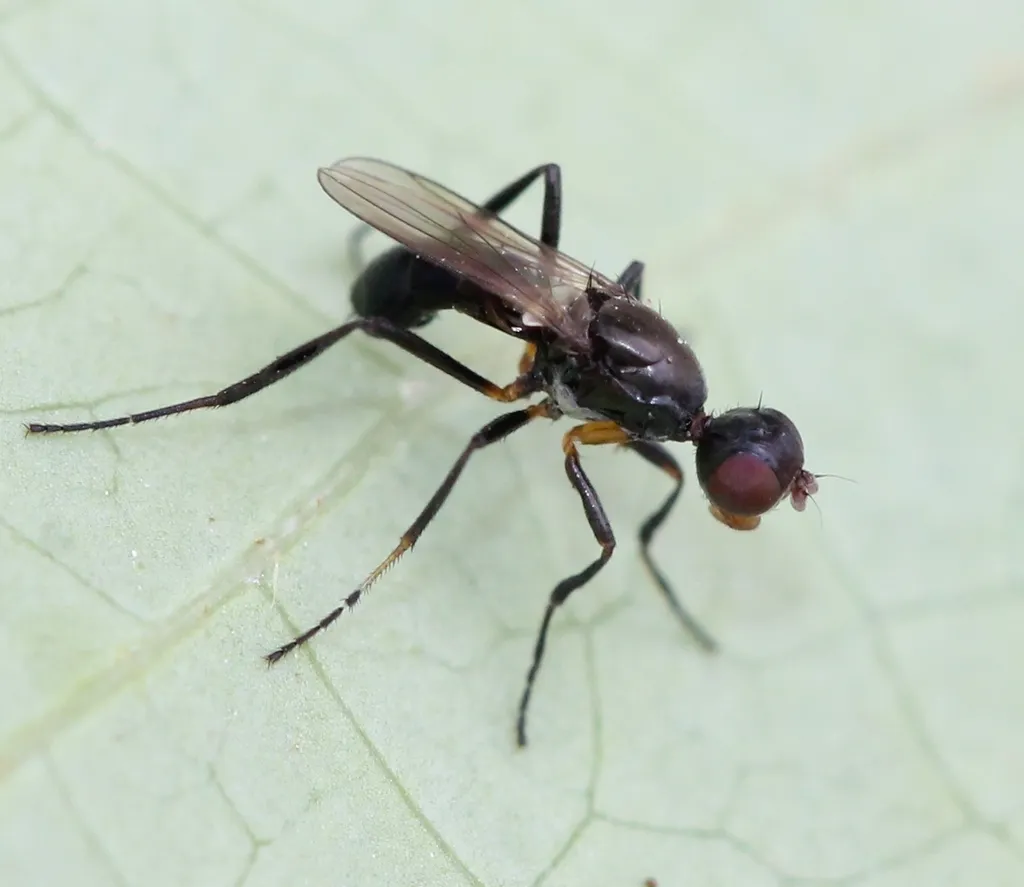
Themira annulipes
Themira annulipes
Themira lohmanus
Themira lohmanus
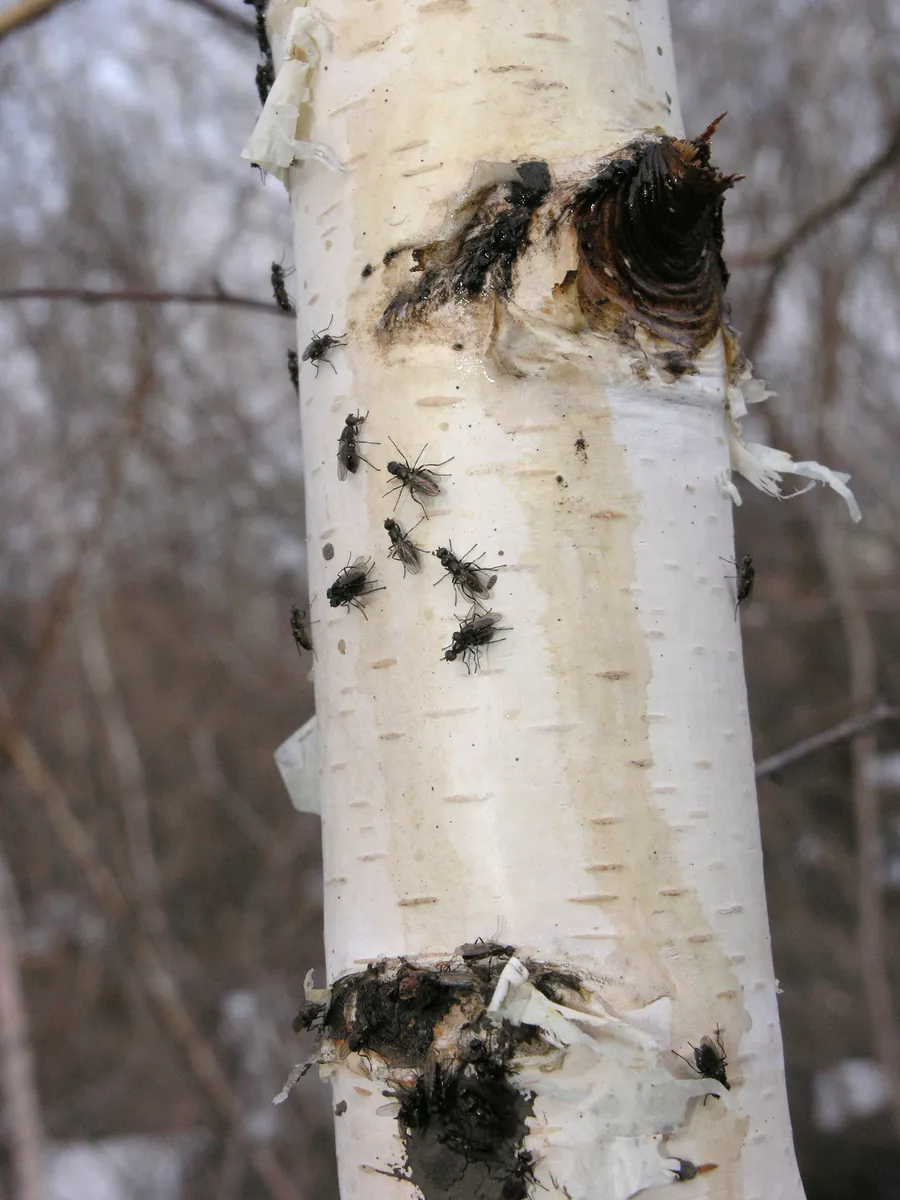
Themira nigricornis
Themira nigricornis
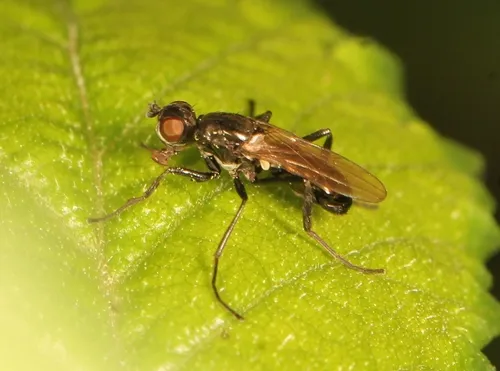
Themira putris
Themira putris