
Family Snipe Flies (Rhagionidae)
Rhagionidae is a family in the order Diptera. Browse 47 named species recorded in this family, or open an individual profile for its available identification and natural-history information.
Species in Rhagionidae (47)
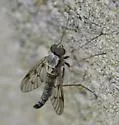
Chrysopilus andersoni
Chrysopilus andersoni
Identification: Excerpts from Leonard (1931): C. andersoni can be distinguished from foedus by its somewhat larger size, the paler wing markings and the somewhat darker hind femora. It also has a more Eastern distribution. Related to C. foedus Lw., b
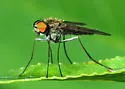
Chrysopilus arctiventris
Chrysopilus arctiventris
Identification: Palps covered with white hairs. First segment of antenna with white hairs below. Femora of male mostly dark, of female mostly yellow.
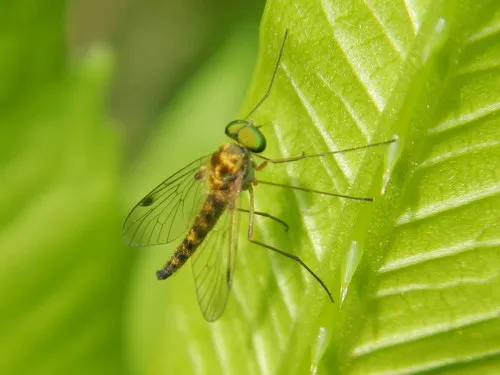
Little Snipe Fly
Chrysopilus asiliformis
A relatively small and delicate, grey-dusted snipe fly with rather striking green eyes. It can be found in a variety of habitats including scrub, woodland edge, wetlands and even gardens where it is usually encountered on foliage. The larvae are pres
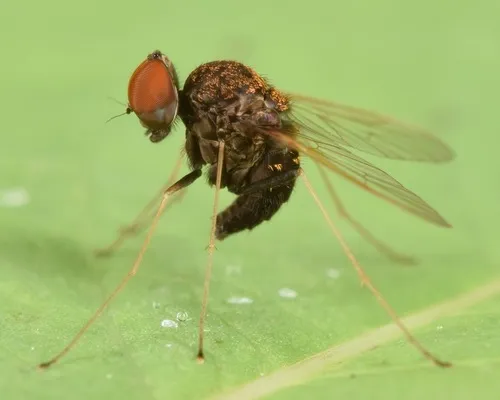
Chrysopilus basilaris
Chrysopilus basilaris
Identification: Unique among North American Chrysopilus in having a small patch at the base of the wing black and the rest clear. Tail-between-legs posture is also a good pointer to this species.
Chrysopilus connexus
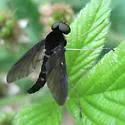
Chrysopilus connexus
Identification: Wings brown usually with darker streaks along veins. Thorax black. Abdomen with two rows of silver spots.
Chrysopilus cristatus
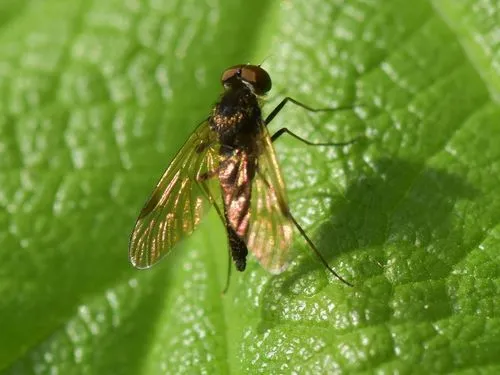
Chrysopilus cristatus
This is a snipe fly with a dark 'shade' on the outside of each wing. The female is plumper than the male and has a creamy hairy abdomen. The slimmer males have a hairy brown abdomen, but in both sexes the abdomen hairs can be worn off with age. The t
Chrysopilus davisi
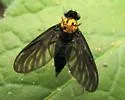
Chrysopilus davisi
Identification: Black except for golden thorax. Looks like Chrysopilus thoracicus with the silver bands worn off. Quoting the original description (Johnson, 1911) Chrysopila davisi sp. nov. Female. Head velvety black; antennae black. Thorax black, c
Chrysopilus foedus
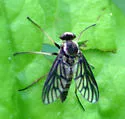
Chrysopilus foedus
Identification: Wings with strong dark markings along veins and crossveins, clear between veins, abdomen with apical pale bands across tergites.
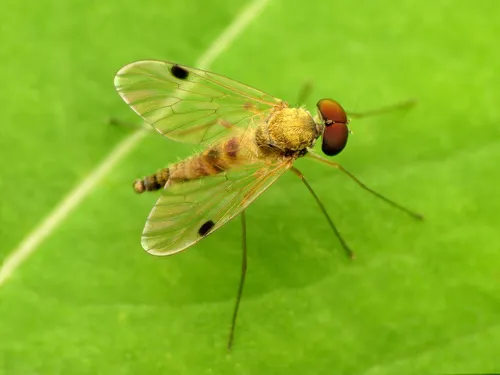
Chrysopilus modestus
Chrysopilus modestus
Identification: Dark stigma strongly contrasting with clear wing; femora yellow except tip of hind femur; abdomen mostly black but with yellow bands near base; lacking unusual hairs on antennae.
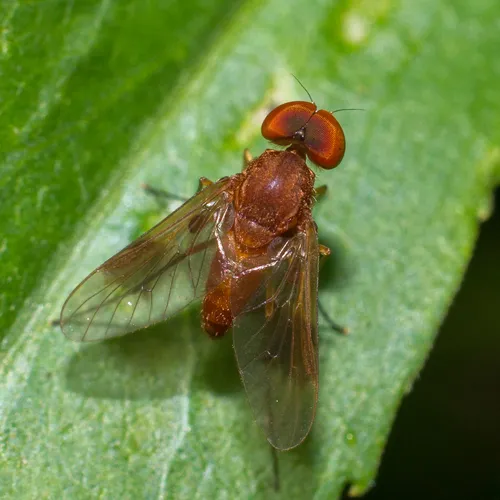
Chrysopilus quadratus
Chrysopilus quadratus
Identification: Adult: thorax and abdomen variably black to brown to orangish; wings clear except for large square or rectangular dark patch midway along costa, and small round dark spot near base; eyes dark gray to reddish, very large, occupying alm
Chrysopilus rotundipennis
Chrysopilus rotundipennis
Identification: A yellow species with wings broad and clear except for a brown stigmal spot. The male eyes are narrowly separated instead of touching; female eyes are more closely spaced than usual in the genus.
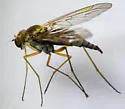
Chrysopilus testaceipes
Chrysopilus testaceipes
Identification: A golden-haired species with yellow legs (except for coxae) and a pale stigma.
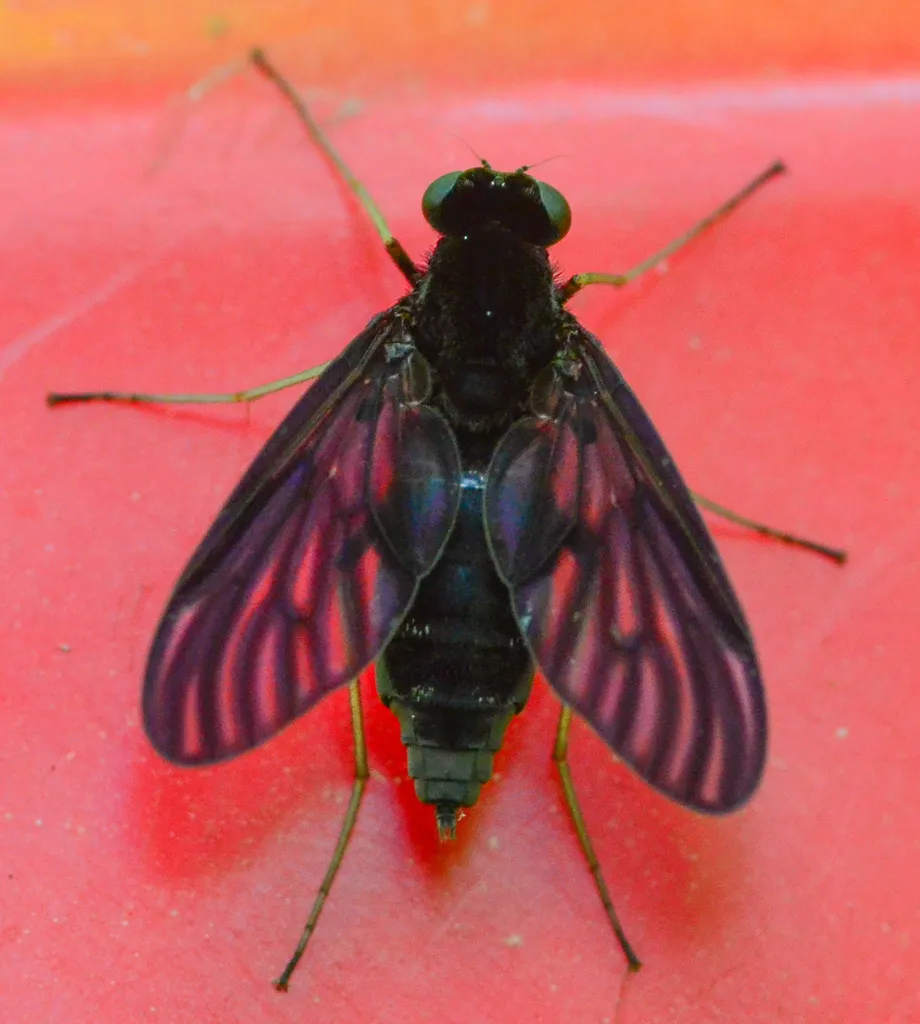
Chrysopilus velutinus
Chrysopilus velutinus
Identification: Completely black except for white tibia.
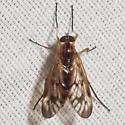
Rhagio albicornis
Rhagio albicornis
Identification: Female front mostly glossy black. Wings with dark markings mostly along veins. Abdomen yellow with black spots.
Rhagio gracilis
Rhagio gracilis
Identification: Note, the males have an eye-gap that is similar to the females. (see below) ♂ ♀
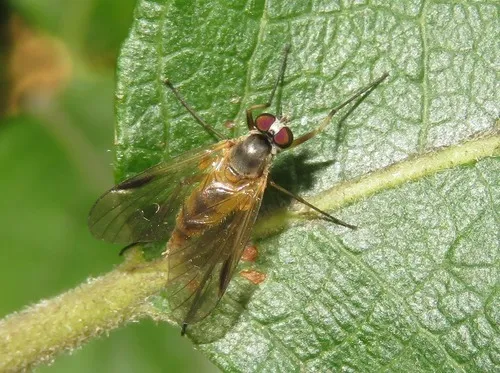
Rhagio lineola
Rhagio lineola
Like other Rhagio species R. lineola are yellowy-orange flies with long, slender legs. Length 6 to 8 mm. The thorax is uniformly grey, and the wing has a solid dark blackish stigma. Hedgerows woods and other well wooded areas with rich vegetation. Th
Rhagio maculifer
Rhagio maculifer
Identification: The first flagellomere is usually concave above the insertion of the arista. The palpi are slender and usually white-haired. The abdomen has yellow markings or is largely yellow except in subspecies styx from Montana.
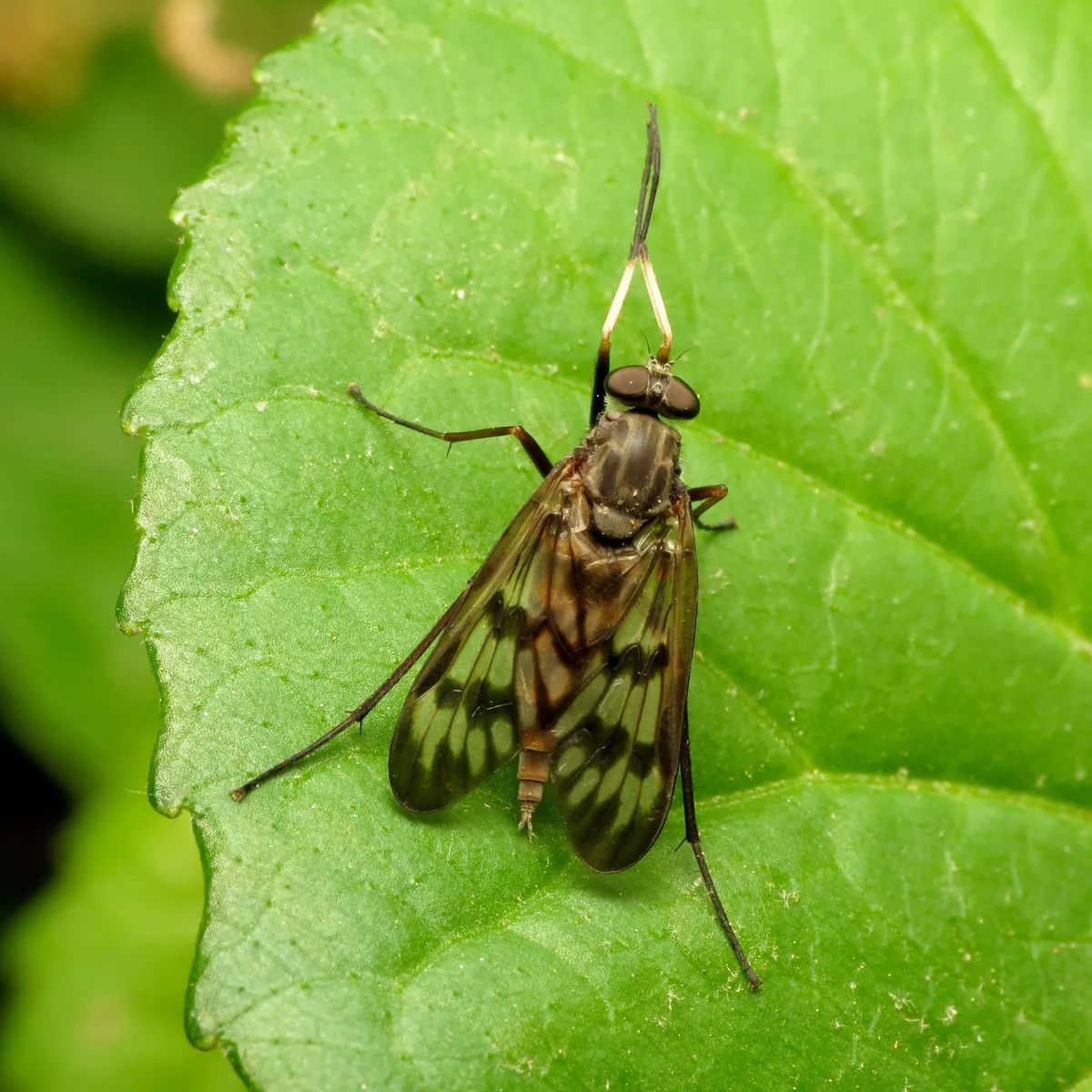
Common Snipe Fly
Rhagio mystaceus
Identification: ♂ ♀ This species is commonly attacked by the fungus Furia ithacensis :
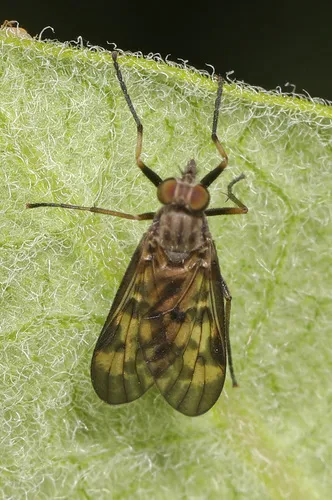
Lesser Variegated Snipe Fly
Rhagio punctipennis
Identification: Representative Images Classification Kingdom Animalia (Animals) Phylum Arthropoda (Arthropods) Subphylum Hexapoda (Hexapods) Class Insecta (Insects) Order Diptera (Flies) No Taxon (Orthorrhapha) I
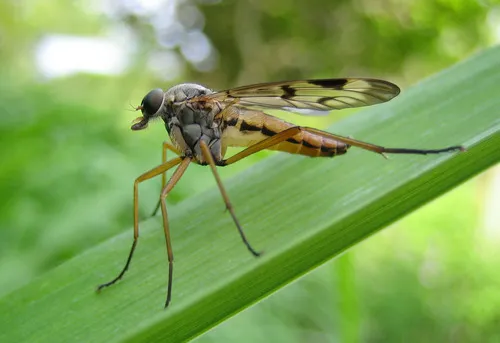
Rhagio scolopaceus
Rhagio scolopaceus
Length 8 to 16 mm. Like other Rhagio species R. scolopaceus are yellowy-orange (sometimes darkened) flies with long, slender legs. The sides of the thorax are grey as are the tops of the legs. The wing has several darkened marks. They tend to sit on
Rhagio tringarius
Rhagio tringarius
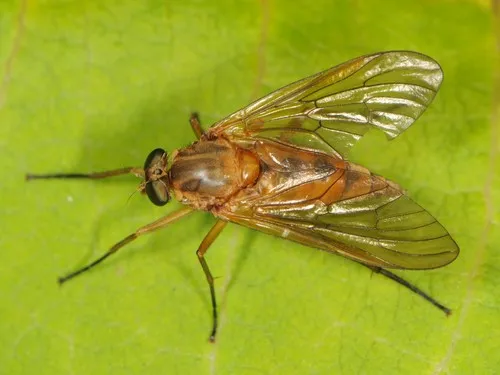
Length 8 to 14 mm. Like other Rhagio species, R. tringarius is a yellowy-orange fly with long, slender legs. This species lacks the dark wing stigma of most other Rhagio species. The black patterning on the orange abdomen is variable, sometimes showi
Arthroceras fulvicorne
Arthroceras fulvicorne
Arthroceras pollinosum
Arthroceras pollinosum
Chrysopilus fasciatus
Chrysopilus fasciatus
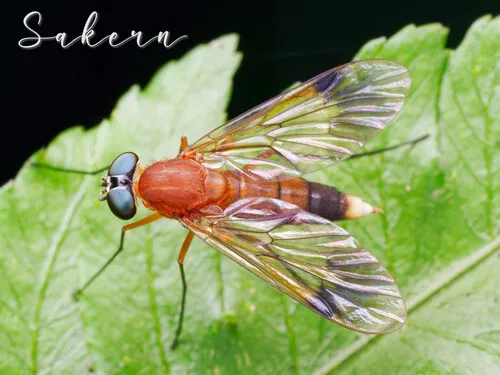
Chrysopilus ferruginosus
Chrysopilus ferruginosus
Chrysopilus griffithi
Chrysopilus griffithi
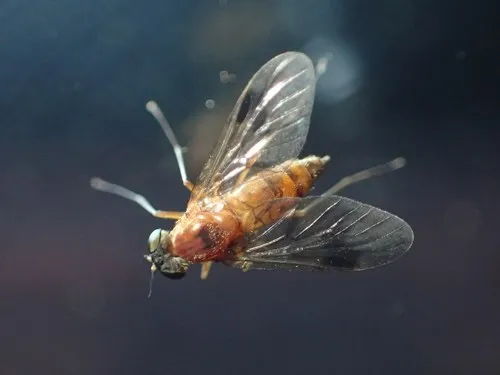
Tree Snipefly
Chrysopilus laetus
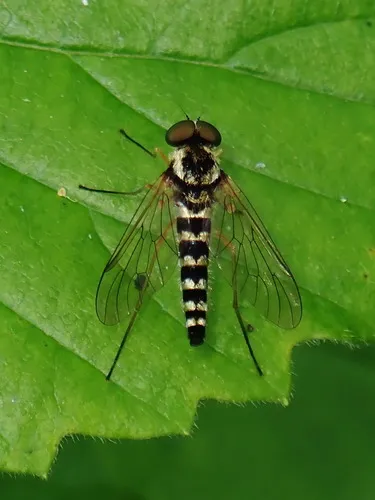
Ornate Snipe Fly
Chrysopilus ornatus
Chrysopilus pilosus
Chrysopilus pilosus
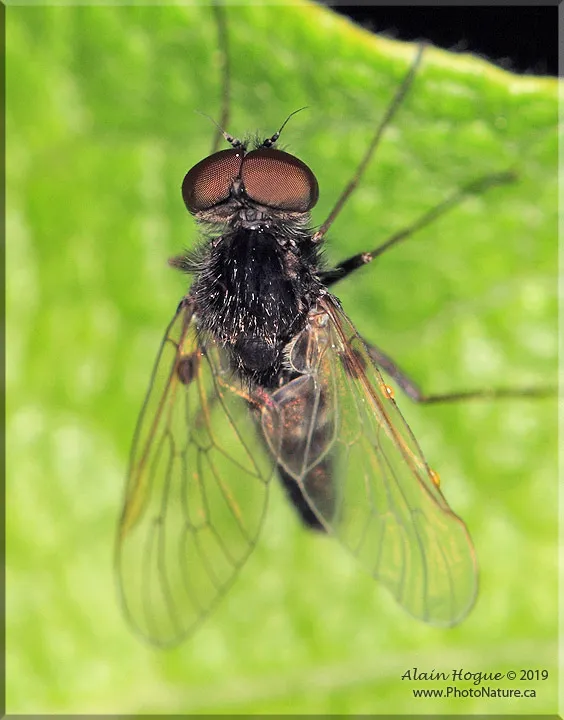
Chrysopilus proximus
Chrysopilus proximus
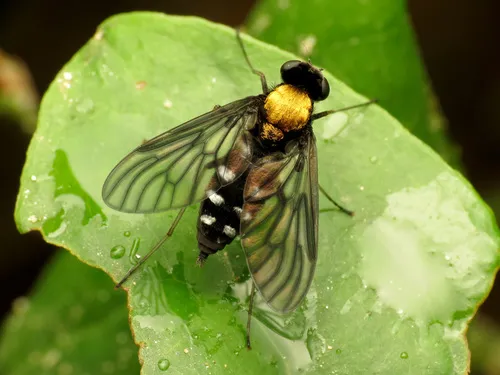
Gold-backed Snipe Fly
Chrysopilus thoracicus
Chrysopilus tomentosus
Chrysopilus tomentosus
Chrysopilus xanthopus
Chrysopilus xanthopus
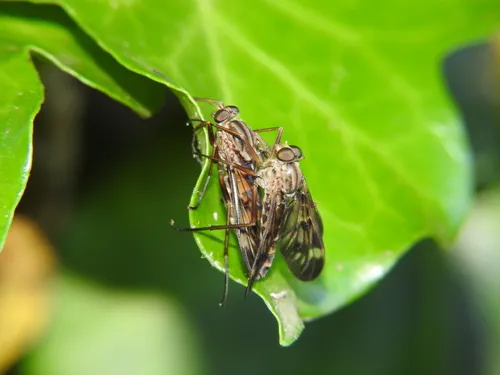
Rhagio atlanticus
Rhagio atlanticus
Rhagio costatus
Rhagio costatus
Rhagio dichromaticus
Rhagio dichromaticus
Rhagio expansus
Rhagio expansus
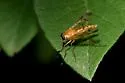
Rhagio floridensis
Rhagio floridensis
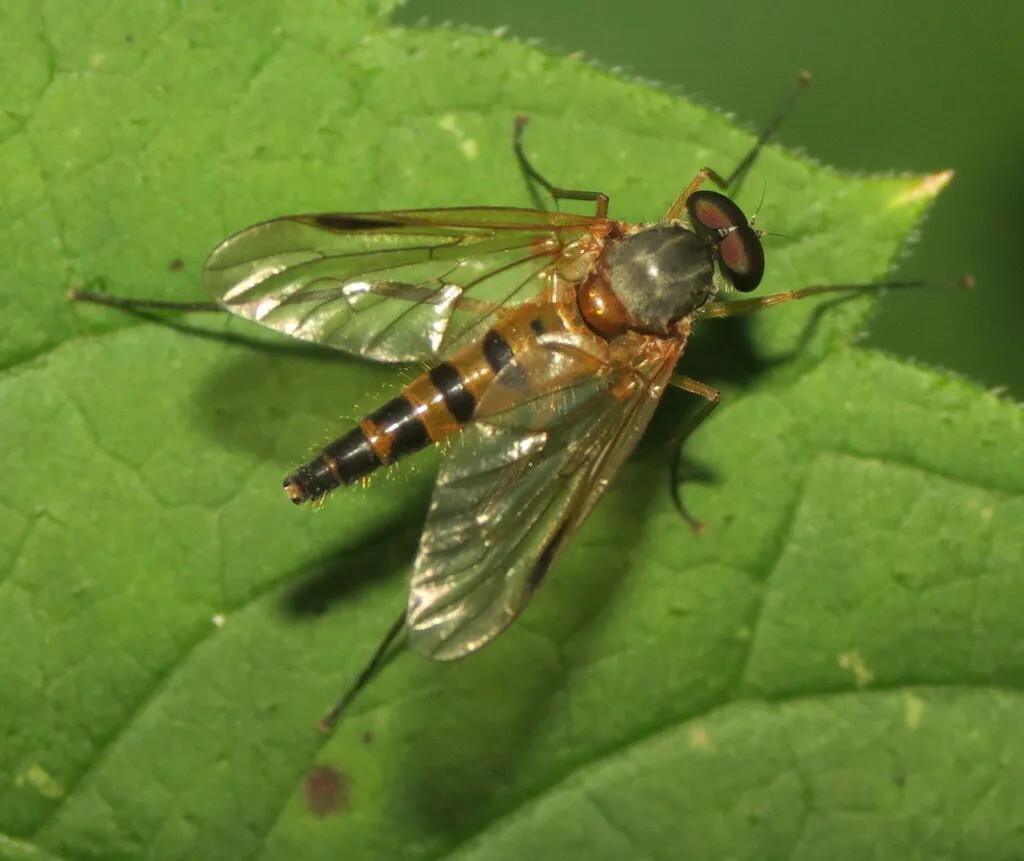
Rhagio hirtus
Rhagio hirtus
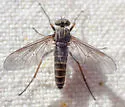
Rhagio incisus
Rhagio incisus
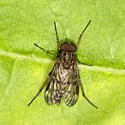
Rhagio plumbeus
Rhagio plumbeus
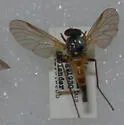
Rhagio vertebratus
Rhagio vertebratus
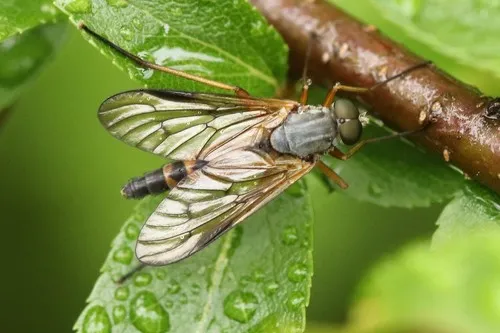
Rhagio vitripennis
Rhagio vitripennis
Symphoromyia cinerea
Symphoromyia cinerea
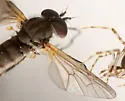
Symphoromyia hirta
Symphoromyia hirta
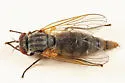
Symphoromyia pleuralis
Symphoromyia pleuralis
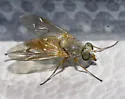
Symphoromyia sackeni
Symphoromyia sackeni