
Family Mydas Flies (Mydidae)
Mydidae is a family in the order Diptera. Browse 45 named species recorded in this family, or open an individual profile for its available identification and natural-history information.
Species in Mydidae (45)
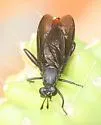
Messiasia pertenuis
Messiasia pertenuis
Identification: Head, thorax, legs, mainly black (with perhaps with some reddish cast, especially in tibiae & other parts of legs). Antennae mostly black, with club somewhat reddish. Abdomen with 1st segment black , subsequent segments bright red-ora
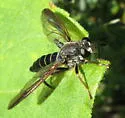
Mydas arizonensis
Mydas arizonensis
Our US specimens are most likely Mydas arizonensis Wilcox, Papavero & Pimentel 1989. The similar species annularis is restricted to Mexico. Wilcox, Papavero & Pimentel described six new US species of Mydas (arizonensis, davidsoni, fisheri, floride
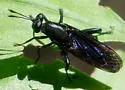
Mydas audax
Mydas audax
Identification: "Because the orange coloring goes all the way around the abdomen, [...] this is [...] Mydas audax ." ‒ Even Dankowicz
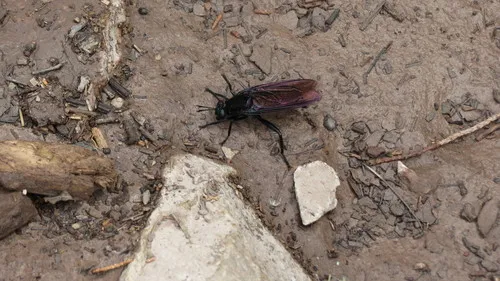
Mydas boonei
Mydas boonei
Identification: abdomen unmarked, wings often orangish

Mydas brunneus
Mydas brunneus
Identification: Can have orange legs, antennae, abdomen, thorax and head. This species is not very well defined, and may well be the same as tibialis. All Mydas species with orange legs are either M. tibialis or M. brunneus. The best current classifi
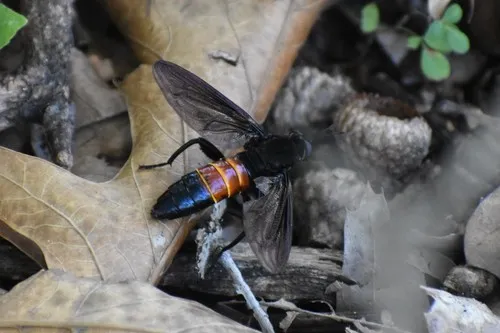
Mydas chrysostomus
Mydas chrysostomus
Identification: Body mostly black, with varying amounts of orange-red on tergites 2-4. (Note: tergites = dorsal abdominal segments) Females have most of tergites 2-4 red-orange. Males have tergites 2-4 mostly black basally, with narrower apical bands
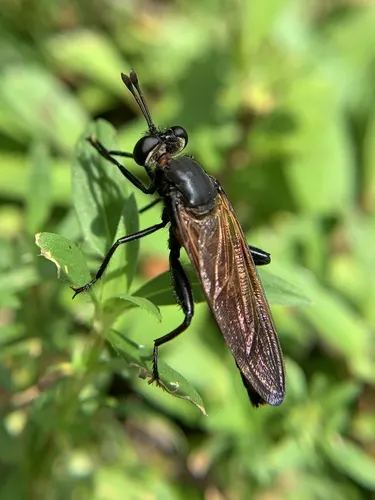
Mydas maculiventris
Mydas maculiventris
Identification: It is a very good mimic of a Polistes , looking similar to what is likely Polistes metricus , such as:
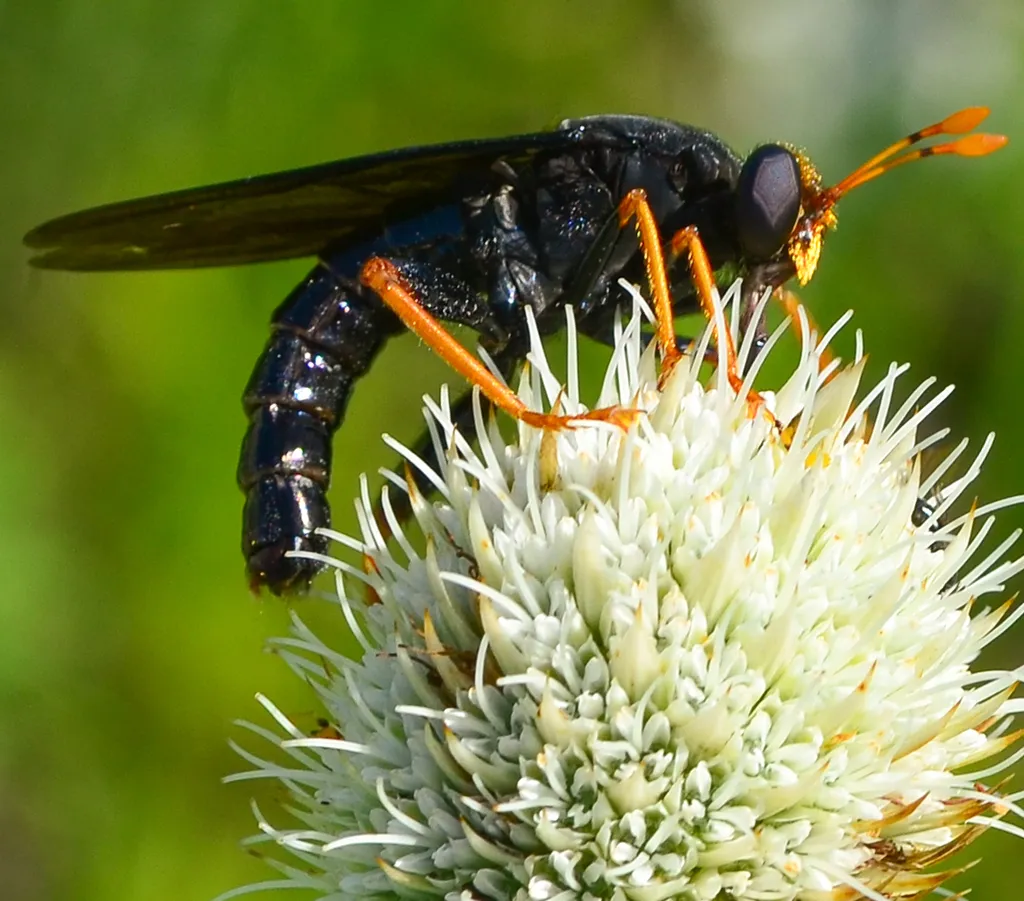
Mydas tibialis
Mydas tibialis
Identification: Black body, smoky wings, brown legs.
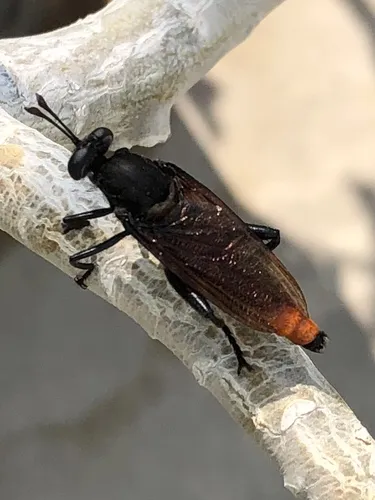
Mydas ventralis
Mydas ventralis
It seems this mydid species is a good mimic of the scoliid wasp Triscolia ardens . Apparently it even "fools itself", in that Alcock(1989) mentions the males perched on shrubs waiting for passing females to chase often take off and chase passing in
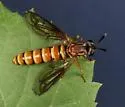
Nemomydas brachyrhynchus
Nemomydas brachyrhynchus
Identification: Female very colorful...abdominal tergites orange medially, with a posterior yellow band, and an anterior black band: The two small dark lateral spots near the posterior edge of tergite 2 are distinctive
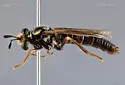
Nemomydas tenuipes
Nemomydas tenuipes
Identification: Loew's original 1872 description (in Latin) can be read at this BHL link . Hardy gave a detailed description (in English) on pg 33 of his 1950 paper . The discussion of N. tenuipes in Kondratieff & Welsh(1990) can be read here . This
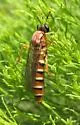
Nemomydas venosus
Nemomydas venosus
Identification: Females (according to Hardy[1950]): Chiefly yellow to rufous; only the face, labella, 4th antennal segment, and bases of some of the abdominal terga discolored with brown to blackish. Males: Tergites 1-7 of males black or brownish-bl
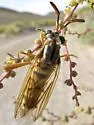
Opomydas limbatus
Opomydas limbatus
Williston's original 1886 description can be read here . Kondratieff & Fitzgerald state: "There are 2 color morphs of O. limbatus , an orange and a dark brown or black morph. The orange morph comprises =53% and the darker morph 47% of specimens exami
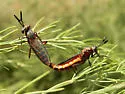
Phyllomydas scitulus
Phyllomydas scitulus
Identification: Male has relative length of antennal club much longer than any other of our mydid taxa, nearly twice as long as the preceding segments combined. The club is flared at base (much wider than preceding segment), and gradually tapering wi
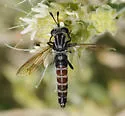
Pseudonomoneura californica
Pseudonomoneura californica
Identification: Antennal "club" (terminal segment) and legs entirely black.
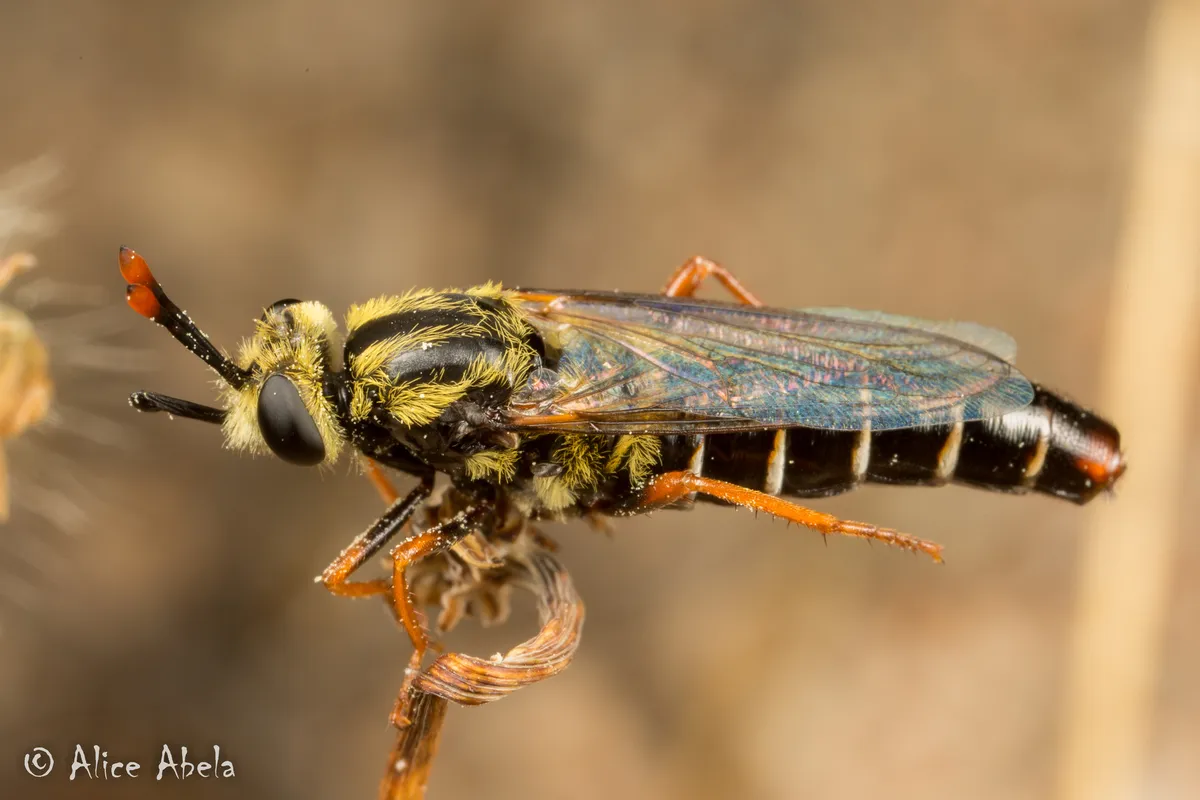
Pseudonomoneura hirta
Pseudonomoneura hirta
Identification: A variable species usually distinguished from other Southwestern Pseudonomoneura by the combination of long proboscis (extending about to the club of the antenna), abdomen with some black (not all red) and with yellow hair, and legs m
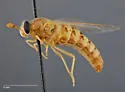
Pseudonomoneura nelsoni
Pseudonomoneura nelsoni
Identification: Females are distinctively "globose" (i.e. thorax and abdomen appearing somewhat more inflated than in most female Pseudonomoneura ); and are typically yellowish, with brown markings on thorax and abdomen. Males are smaller and narrowe
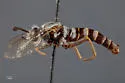
Pseudonomoneura tinkhami
Pseudonomoneura tinkhami
Identification: Proboscis visible but short, about half the length of antennae or less...shorter than in P. californica, P. hirta and P. micheneri . (Proboscis in P. nelsoni is vestigial and virtually invisible.)
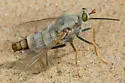
Rhaphiomidas parkeri
Rhaphiomidas parkeri
Identification: Description on pg. 206 of Cazier . Author is Mont A. Cazier (1911-1995), see: Scarab Workers Directory , Gordh and Headrick .
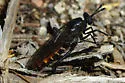
Heteromydas bicolor
Heteromydas bicolor
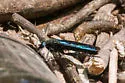
Messiasia californica
Messiasia californica
Mydas atratus
Mydas atratus
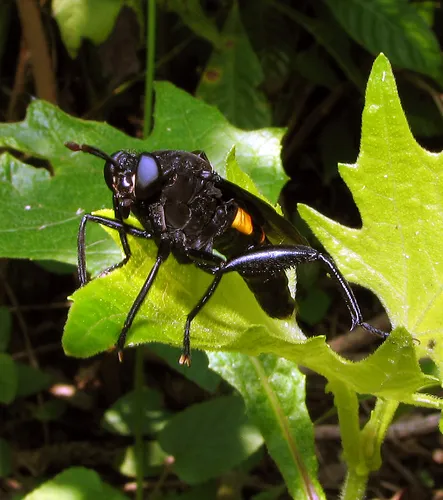
Mydas Fly
Mydas clavatus
Mydas davidsoni
Mydas davidsoni
Mydas floridensis
Mydas floridensis
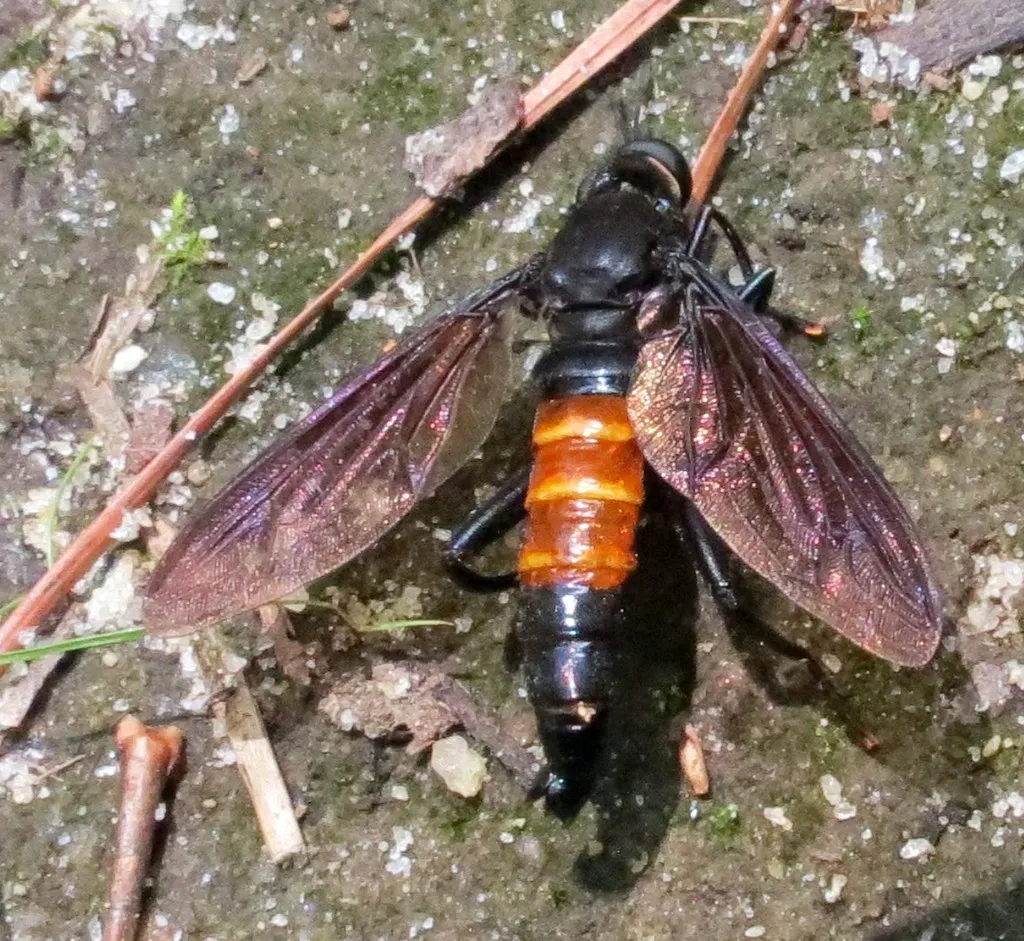
Mydas fulvifrons
Mydas fulvifrons
Mydas luteipennis
Mydas luteipennis
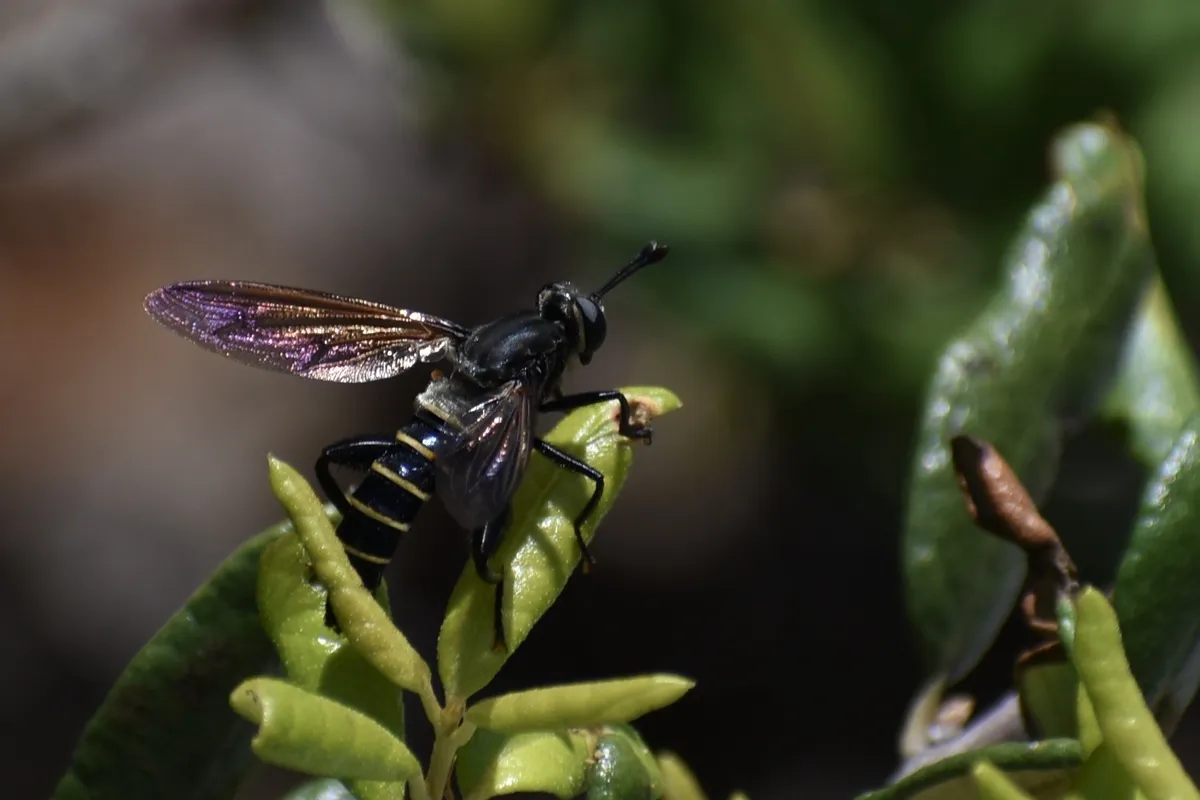
Mydas weemsi
Mydas weemsi
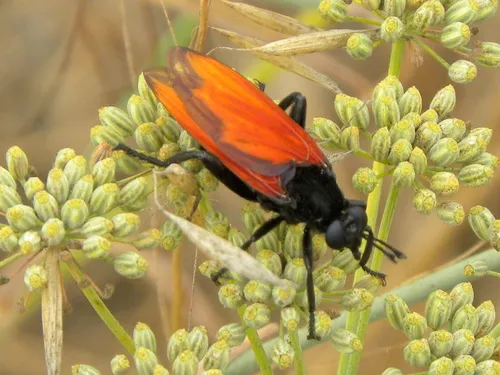
Mydas xanthopterus
Mydas xanthopterus
Nemomydas desideratus
Nemomydas desideratus
Nemomydas jonesii
Nemomydas jonesii
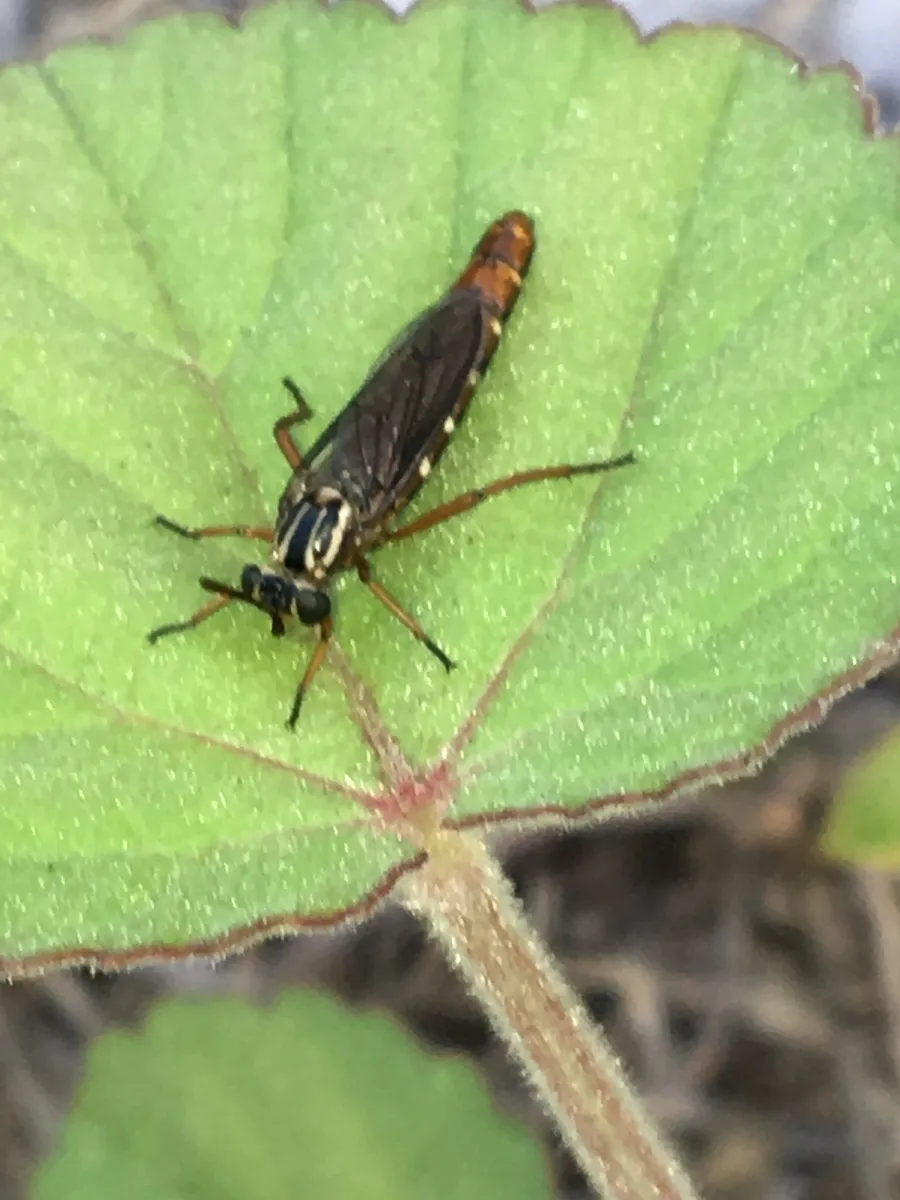
Nemomydas melanopogon
Nemomydas melanopogon
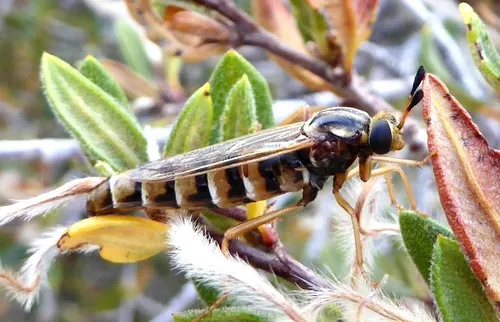
Nemomydas pantherinus
Nemomydas pantherinus
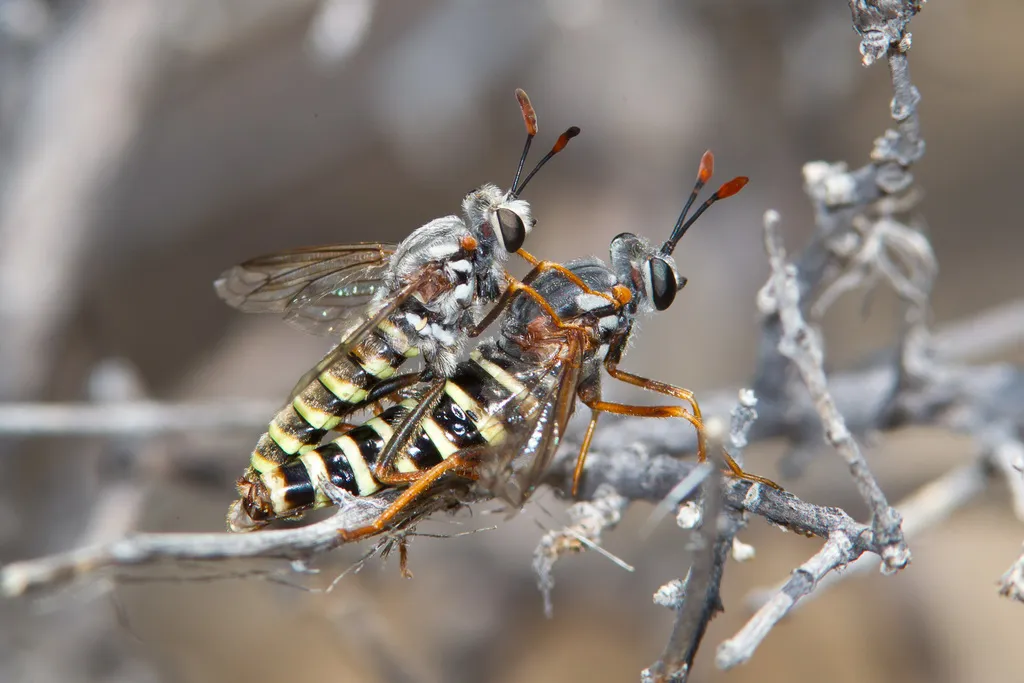
Opomydas townsendi
Opomydas townsendi
Phyllomydas bruesii
Phyllomydas bruesii
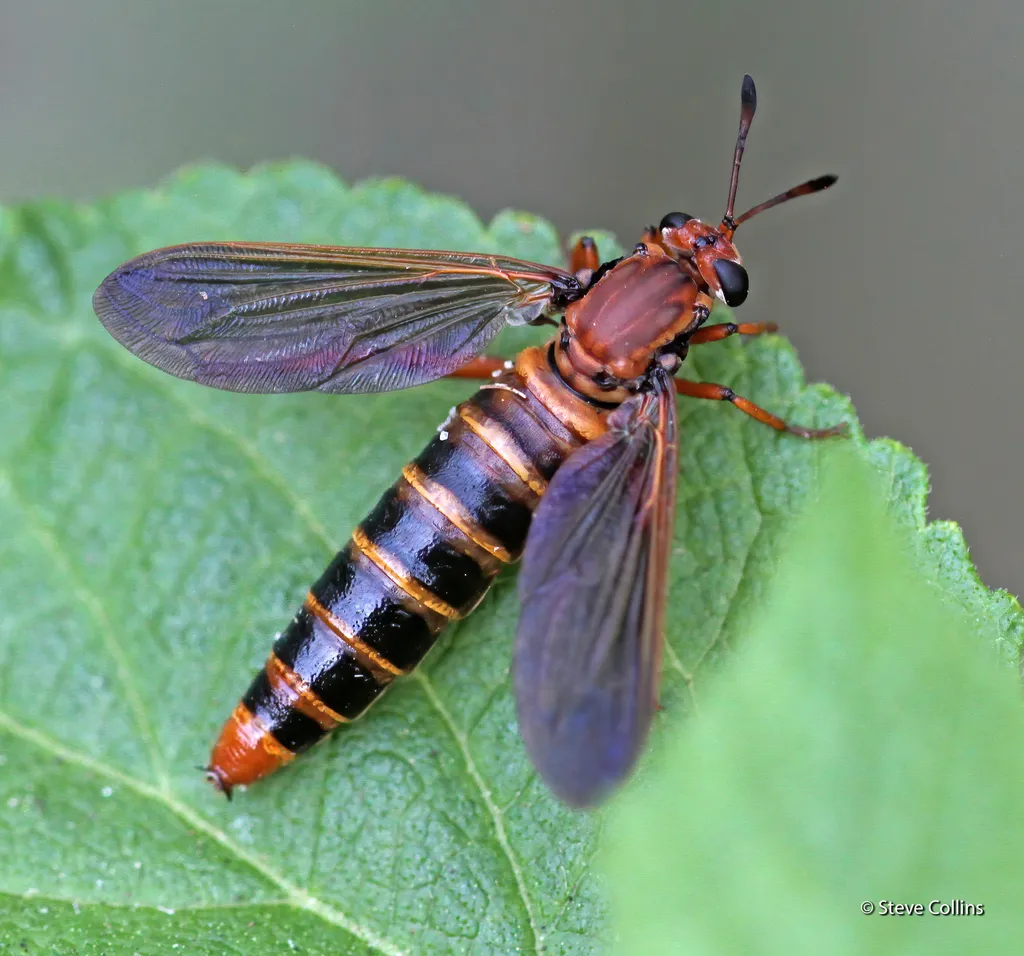
Phyllomydas parvulus
Phyllomydas parvulus
Phyllomydas phyllocerus
Phyllomydas phyllocerus
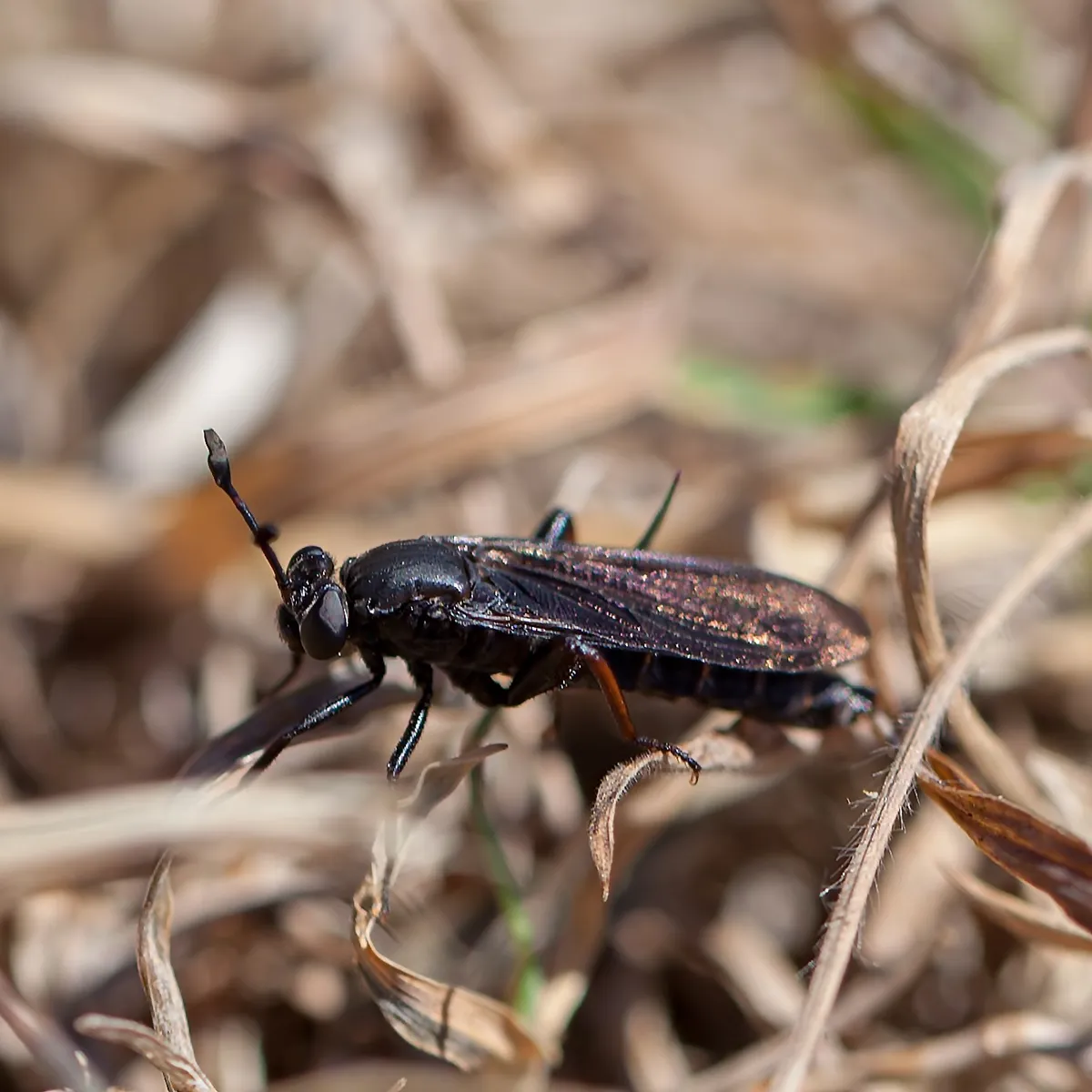
Phyllomydas quercus
Phyllomydas quercus
Phyllomydas weemsi
Phyllomydas weemsi
Pseudonomoneura micheneri
Pseudonomoneura micheneri
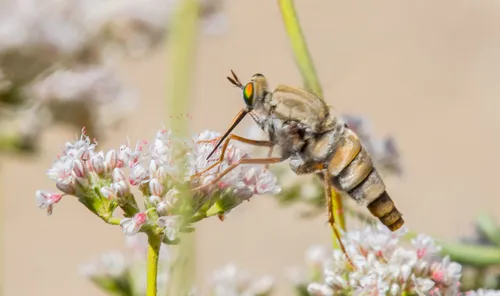
Rhaphiomidas acton
Rhaphiomidas acton
Rhaphiomidas aitkeni
Rhaphiomidas aitkeni
Rhaphiomidas hasbroucki
Rhaphiomidas hasbroucki
Rhaphiomidas nigricaudis
Rhaphiomidas nigricaudis
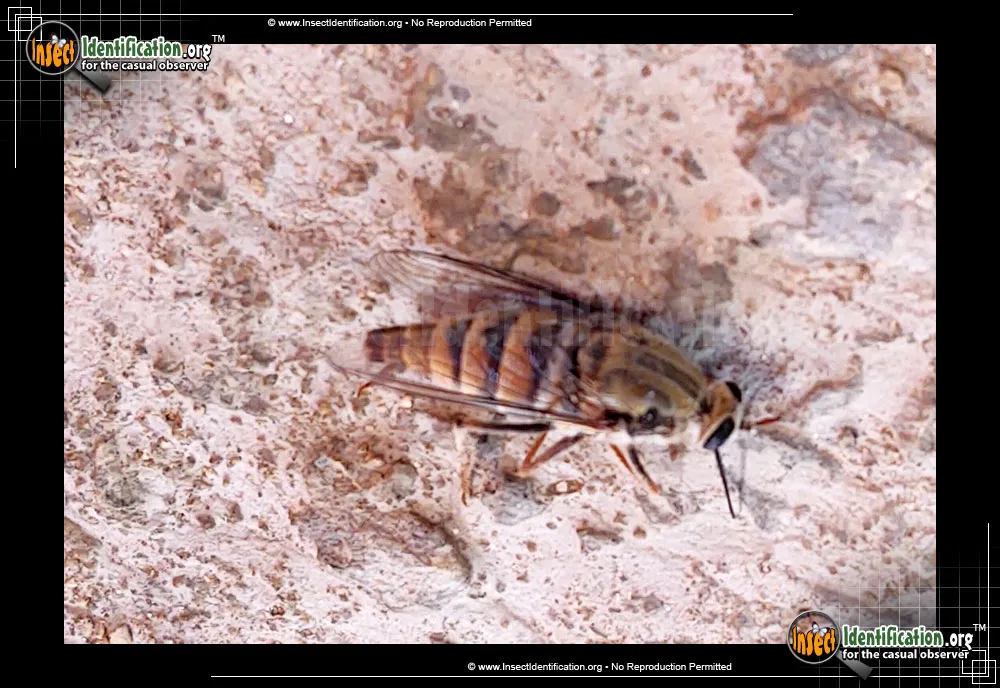
Delhi Sands Flower-loving Fly
Rhaphiomidas terminatus abdominalis