
Family Dung Flies (Scathophagidae)
Scathophagidae is a family in the order Diptera. Browse 65 named species recorded in this family, or open an individual profile for its available identification and natural-history information.
Species in Scathophagidae (65)
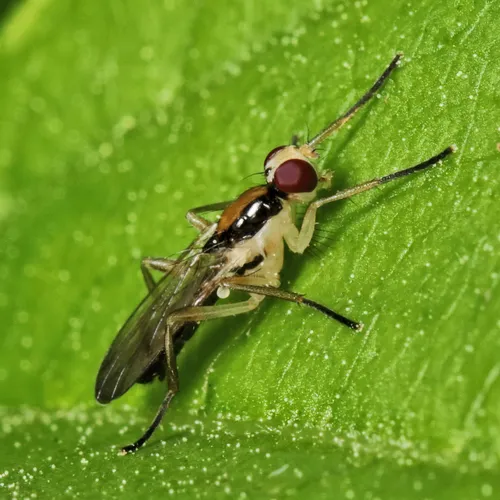
Americina adusta
Americina adusta
Identification: Head, thorax, and legs largely pale with 2 black stripes on the mesonotum, a black stripe on the pleura below the wing base, and blackened tarsi. Scutellum with 2 pairs of strong bristles. A1 vein reaching the wing margin. Apex of win
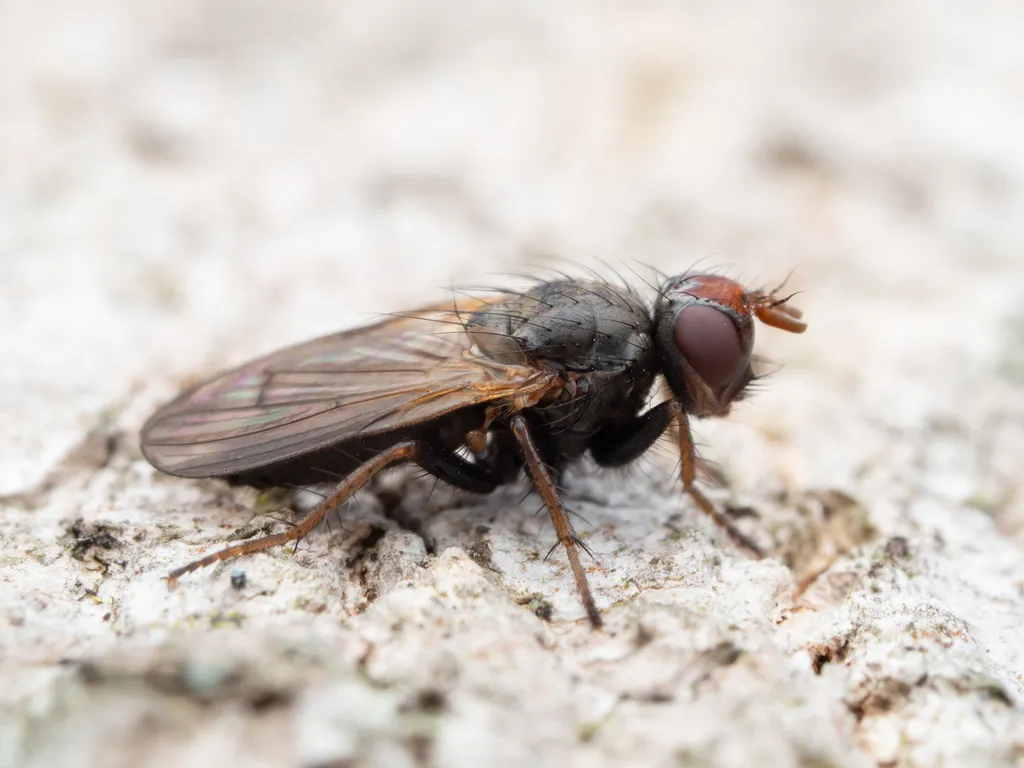
Bucephalina megacephala
Bucephalina megacephala
Identification: Dark body+femora and orange tibiae+tarsi are unique
Bucephalina setipes
Bucephalina setipes
Identification: Differs from B. megacephala by the mostly orange head, completely yellow legs, and orange markings (sometimes extensive) on the thorax.
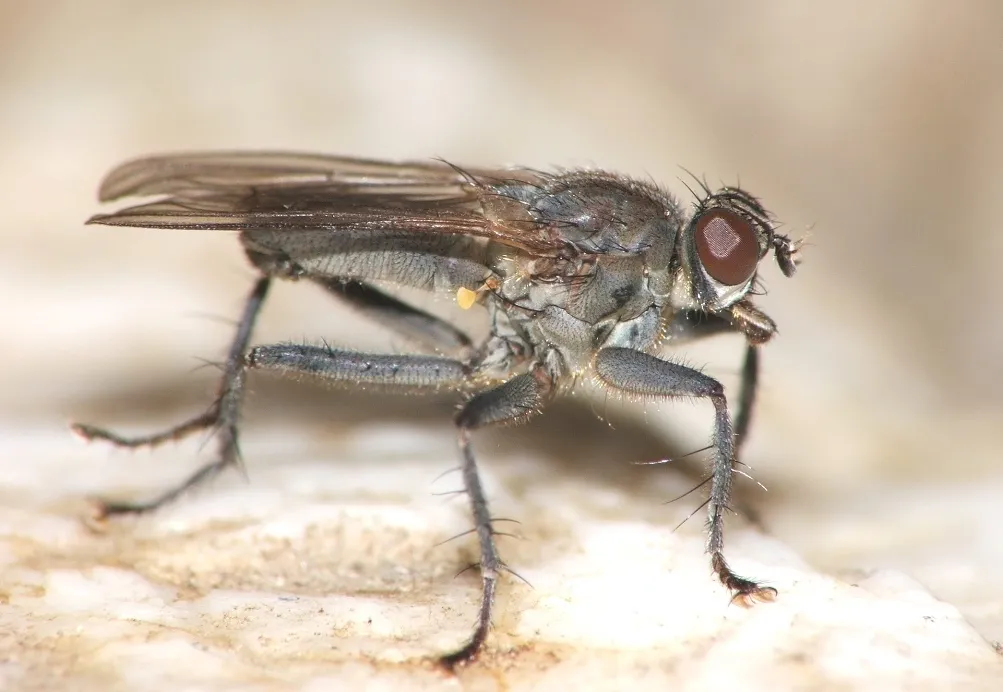
Ceratinostoma ostiorum
Ceratinostoma ostiorum
Identification: Body dark grey, with very long palpi and long anteroventral bristles on the fore tibia.
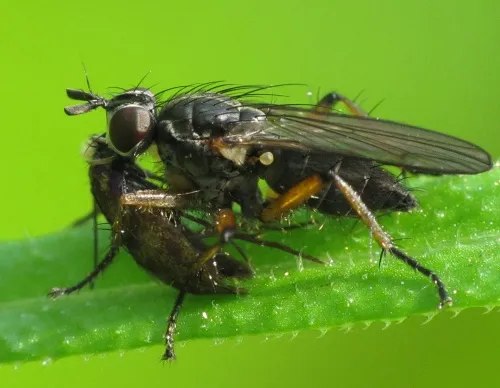
Cleigastra apicalis
Cleigastra apicalis
Unless identified by a recognised expert, a photo is required and the specimen should be examined with a microscope. In the comments box, state the key or ID method used and describe the size and identifying characters. Damp areas near the larval foo
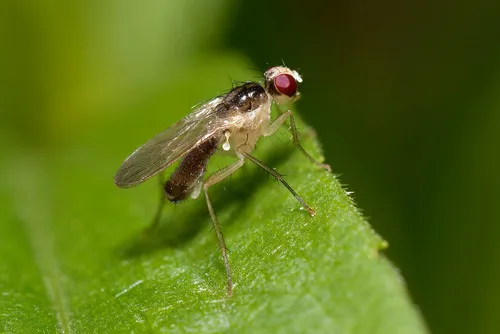
Cordilura albipes
Cordilura albipes
Wing length 3.6 - 5.2mm. A small, distinctive fly with the shiny black thoracic dorsum contrasting with the pale yellow legs, sides of thorax and abdomen. Damp grassland, marshes and fens. Also damp woodlands and trees near water. Widespread in Engla
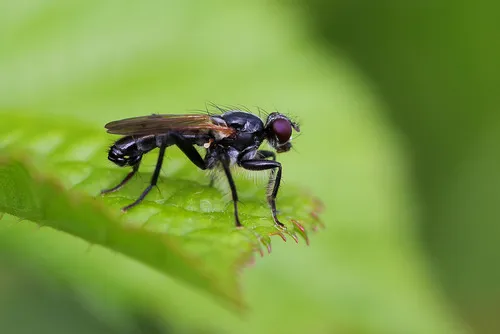
Cordilura ciliata
Cordilura ciliata
A large black species with wing length 6 - 8mm. The thorax and abdomen are shining black, and all femora and tibia are also black. This contrasts strongly with areas of silvery dusting on the face including the lower margin and hind corner of the eye
Cordilura confusa
Cordilura confusa
Identification: Apical scutellar bristles almost as long as the lateral scutellars, palpi yellow, face not receding, antenna almost entirely black. James suggested that " C. confusa is very closely related to, possibly only a subspecies of, what has
Cordilura deceptiva 0
Cordilura deceptiva
Identification: Almost identical to Cordilura varipes, but with two small postocellar bristles. "Malloch erected the genus Achaetella to include 1 species, Lissa varipes Walker. This species lacks postvertical bristles, and the 6th wing vein is disti
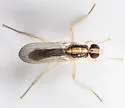
Cordilura emarginata
Cordilura emarginata
Identification: Mesonotum black on either side with pale central stripe, pleura pale (rarely thorax mostly blackened). Notopleuron with 2 bristles. Crossveins and apex of wing infuscated. Male without black bristles ventrally on mid and hind femora.
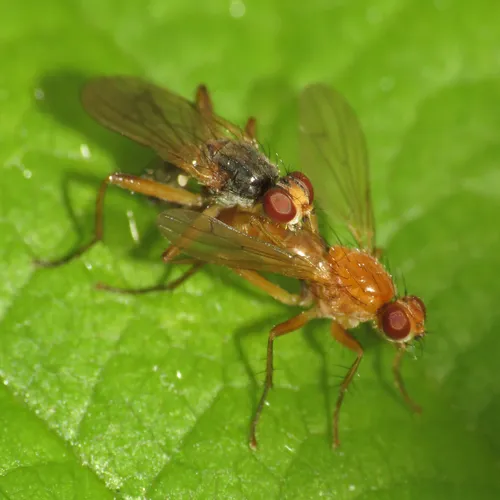
Cordilura fuscipes
Cordilura fuscipes
James (1955) wrote, treating this species as Cordilura vittipes Loew: "This is an extremely variable species; it is little wonder that it has been described under six different names. Loew described vittipes from a male and lutea from a female, both
Cordilura glabra
Cordilura glabra
Identification: Thorax usually mostly yellow, sometimes with two narrow linear brown vittae on the mesonotum (rarely the mesonotum almost entirely blackish). Apex and crossveins of wings infuscated. A1 vein tapered off, approaching wing margin but st
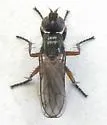
Cordilura intermedia
Cordilura intermedia
Identification: Face strongly recessed, dorsal scutellar bristles much stronger than apical scutellar bristles, apical scutellars about 2/3 as long as dorsal scutellars. Fore femur and basal half of middle and hind femora black, rest of the legs yell
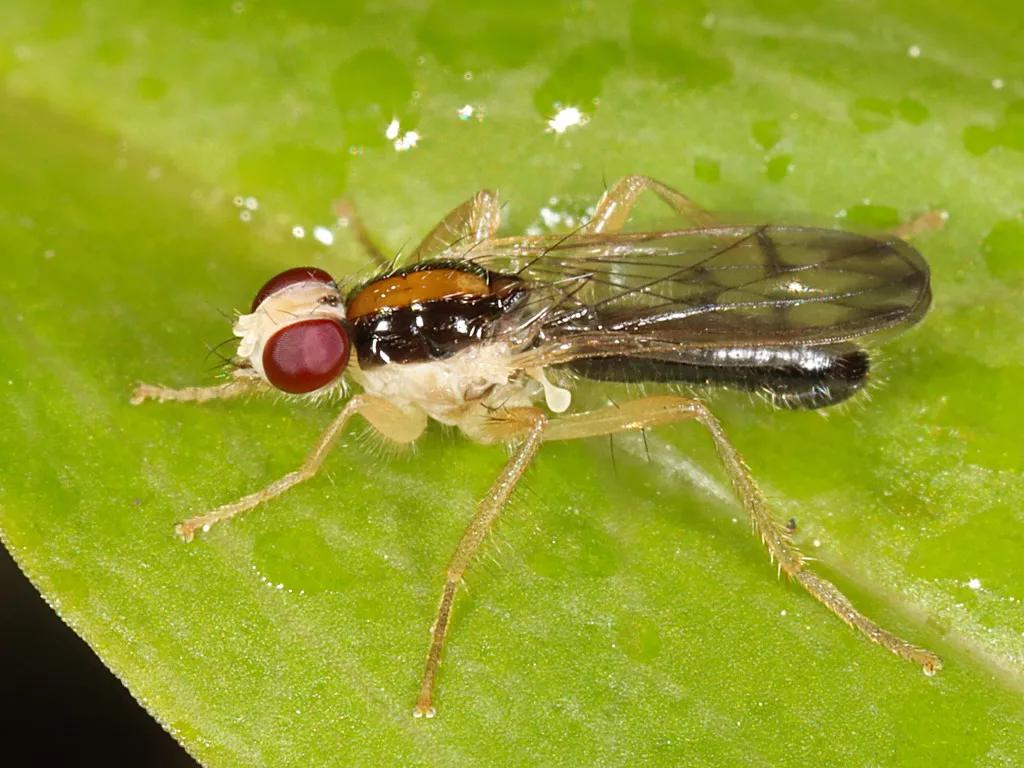
Cordilura munda
Cordilura munda
Identification: Mesonotum either entirely black or with pale stripe in the center. Pleura pale. Notopleuron with only one bristle, the posterior bristle absent. Wing strongly infuscated. Male with black bristles ventrally on mid and hind femora.
Cordilura pleuritica
Cordilura pleuritica
Identification: Mesonotum entirely black, postpronotal lobes black. Pleura with black longitudinal stripe or broadly blackened. Wing with strong infuscations. Hind femur often darkened in both sexes. Male without black ventral bristles on mid and hin
Cordilura praeusta
Cordilura praeusta
Identification: Yellow species with dark wing infuscations and the legs and antennae yellow. Presutural acrostichal hairs absent.
Cordilura proboscidea 0
Cordilura proboscidea
Identification: Apical scutellar bristles strong. Palpi blackish. Arista pubescent. Dorsal apex of first flagellomere pointed. Presutural dorsocentrals often apparently 3 or more.
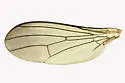
Cordilura scapularis
Cordilura scapularis
Identification: Crossveins not infuscated. A1 vein not reaching the wing margin. Pleura entirely pale yellow. Females lacking ventral bristles on hind femur and on the apical half of the fore femur.
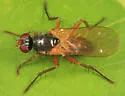
Cordilura setosa
Cordilura setosa
Identification: A black species with yellow to red legs and antenna, very short apical scutellar bristles (apparently only one, lateral pair), 2+2 dorsocentrals, 2 posterior preapical bristles on mid femur.
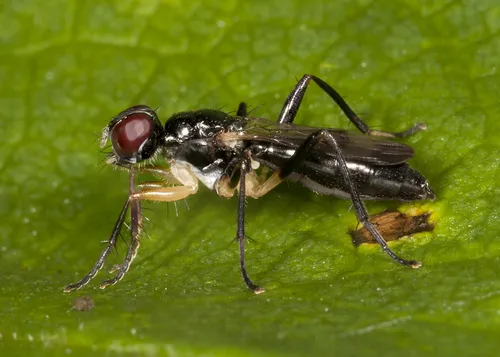
Cordilura varipes
Cordilura varipes
Identification: Distinctive black and yellow patterned legs, and wing with darkened tip and dm-cu crossvein. Thoracic bristles reduced. Postocellar bristles absent. C. deceptiva is almost identical, but possesses small postocellar bristles (Neff & Wa
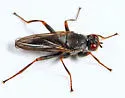
Hydromyza confluens
Hydromyza confluens
"The eggs are deposited singly at irregular intervals on the surface of the floating leaf petioles of the yellow water lily Nymphaea americana ." (Welch, 1917) Larvae form brown swellings, which Welch did not consider true galls because they were no
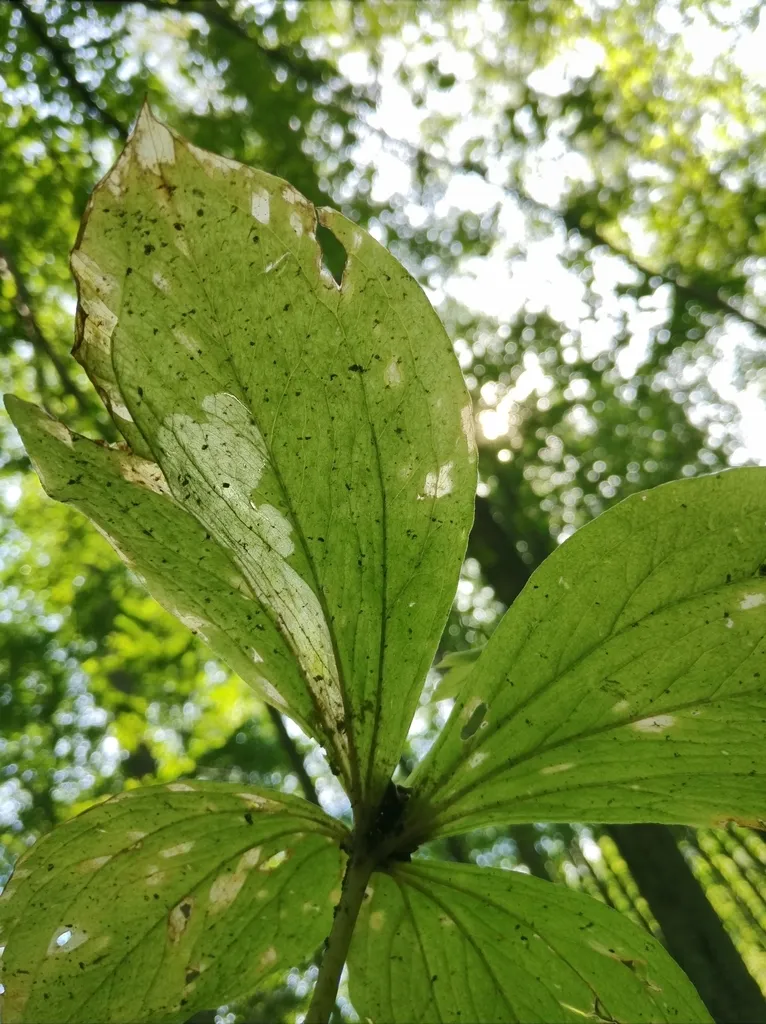
Leptopa vittata
Leptopa vittata
Identification: Wings uninfuscated. Femora without strong ventral bristles. Katepisternum with 1 bristle. Pleura with a black line below the base of the wing. Leaf miner in several genera of orchids.
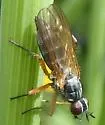
Iris Bud Fly
Neorthacheta dissimilis
Identification: 3 katepisternal bristles, only 1 pair of strong scutellar bristles, and R1 with setulae dorsally. Frons black.
Norellia spinipes
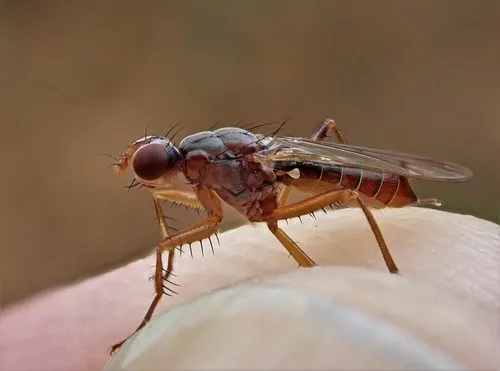
Norellia spinipes
Norellia spinipes is a little orangey fly with long legs and at first sight looks more like a stilt-fly than a dung-fly. It is associated with daffodils, although not exclusively so. Most likely to be encountered in spring, on or around daffodils, bu
Norellisoma opacum
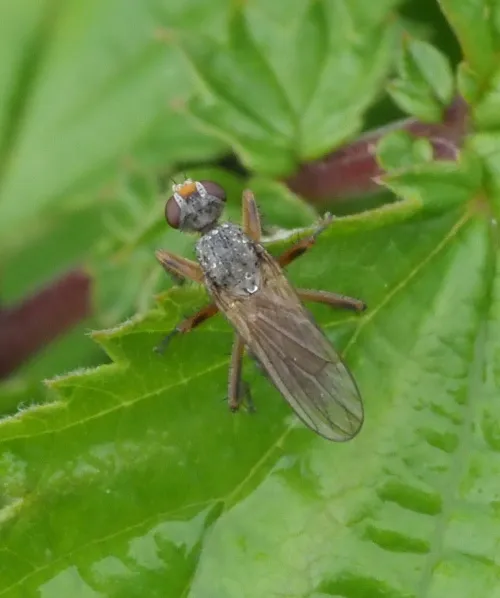
Norellisoma opacum
Up to 5mm with a densely dusted grey thorax and abdomen, except for the final abdominal segment (terminalia) that is glossy black. The legs, the front of the frons and the antennae are orange. The arista are pubescent. N. spinimanum is larger (~6.5mm
Norellisoma spinimanum
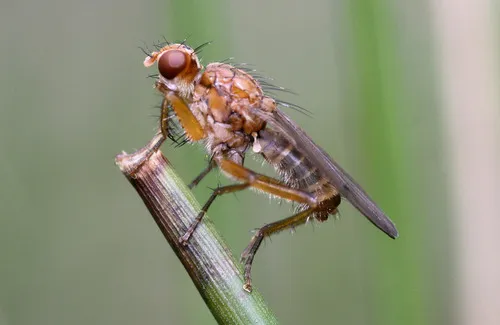
Norellisoma spinimanum
This orange plant fly is distinguished from similar species by a double row of spines on the front tibia. The thorax and legs are orange, the abdomen orangey-grey. Unless identified by a recognised expert, a photo is required and the specimen should
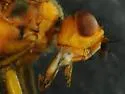
Scathophaga aldrichi
Scathophaga aldrichi
Identification: The female is rather similar to S. spurca (brownish and gray coloration, pale legs, plumose arista) but with the antennae blackish, a very strong cloud on crossvein dm-cu, and a small grey streak on the fore femur. The male is general
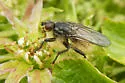
Scathophaga crinita
Scathophaga crinita
Identification: Legs deep black (without coating of pollen on femora as in stercoraria ), male with extremely long hair on abdomen, first and fifth segments of fore tarsus each nearly as long as segments 2-4 combined.
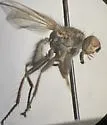
Scathophaga frigida
Scathophaga frigida
Identification: The only Scathophaga in the guide's area with both hairs on the Pteropleuron and a few long, very fine, translucent hairs on the upper border of the hypopleuron, near the posterior thoracic spiracle.
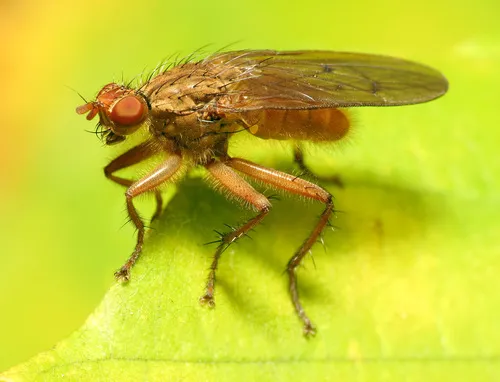
Scathophaga furcata
Scathophaga furcata
Wing length: male 4.5 to 6.0 mm female 5.0 to 6 mm but size variable. Scathophaga furcata tends to be dull yellow with yellow legs and a dark mark on the outer side of the front femora (similar to S. lutaria which has a plumose arista). Antennae are
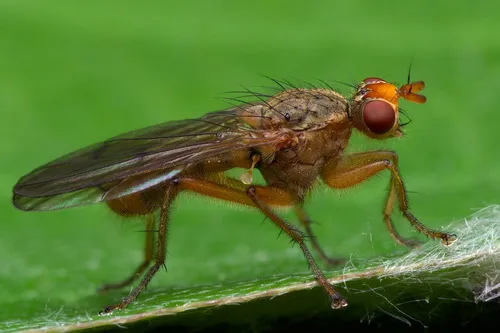
Scathophaga inquinata
Scathophaga inquinata
It has a pale orangey brown abdomen, orange legs and plumose arista. Unless identified by a recognised expert, a photo is required and the specimen should be examined with a microscope. In the comments box, state the key or ID method used and describ
Scathophaga intermedia
Scathophaga intermedia
Identification: Arista bare. Antennae mostly black, often with yellow on pedicel and scape. Presutural acrostichal bristles strong and in two rows. Anepimeron with fine, erect hairs. Wing without infuscations. Femora pollinose, variable in color; tib
Scathophaga nigrolimbata
Scathophaga nigrolimbata
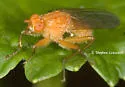
Identification: The palest species of Scathophaga in eastern USA.
Scathophaga orcasae
Scathophaga orcasae
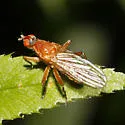
Identification: Almost entirely yellow, with antennae and upper occiput blackened. Anterior postsutural intra-alar setae absent. Wing without infuscations.
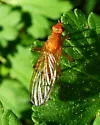
Scathophaga reses
Scathophaga reses
Identification: Yellow antennae, plumose arista, one pair of postsutural intra-alar bristles, long wings with crossveins darkened.
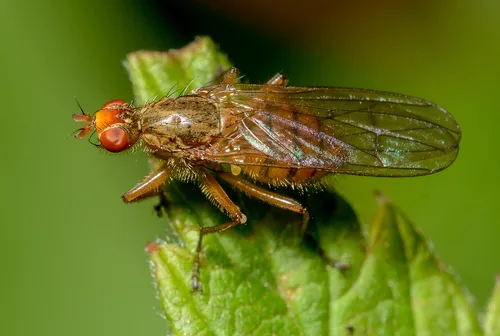
Scathophaga spurca
Scathophaga spurca
Identification: In the southeastern part of its range, distinctive for yellow legs with thorax mostly dark. The antennae are reddish brown with a plumose arista.
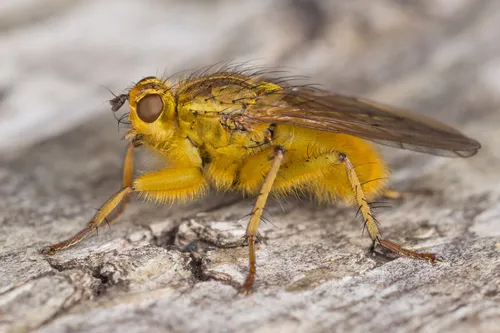
Yellow Dung Fly
Scathophaga stercoraria
One of the most common and widely distributed flies in Britain. The males are golden yellow and furry, whilst females are green/grey and bristly. It is very common in cattle farming areas where it breeds in cow dung but it can be found anywhere. It w
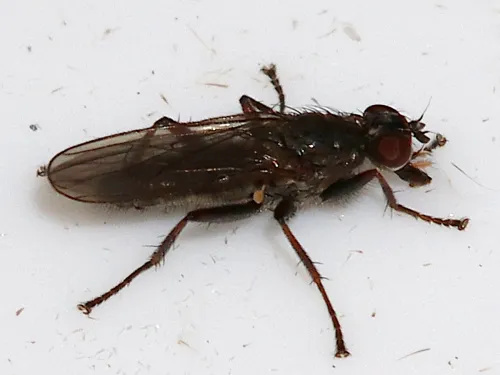
Trichopalpus fraternus
Trichopalpus fraternus
A small greyish species. The femora are dark with yellow at the base and tip. Thorax and abdomen are densely grey-dusted. The front of the frons and sides of the face have a reddish ground colour. The palps are small and brown. It has distinct prople
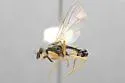
Acerocnema vanga
Acerocnema vanga
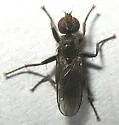
Cordilura adrogans
Cordilura adrogans
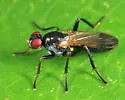
Cordilura carbonaria
Cordilura carbonaria
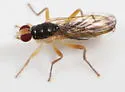
Cordilura dimidiata
Cordilura dimidiata
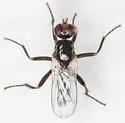
Cordilura gagatina
Cordilura gagatina
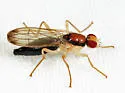
Cordilura gracilipes
Cordilura gracilipes
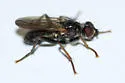
Cordilura latifrons
Cordilura latifrons
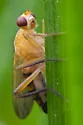
Cordilura luteola
Cordilura luteola
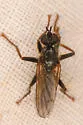
Cordilura pudica
Cordilura pudica
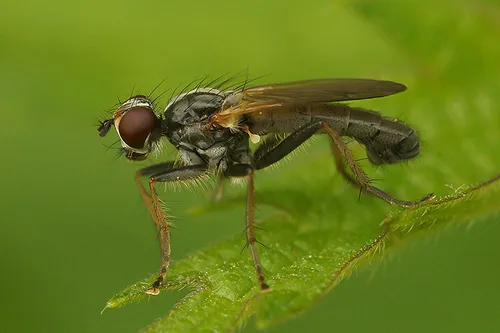
Cordilura rufipes
Cordilura rufipes
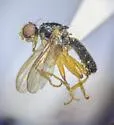
Cordylurella nana
Cordylurella nana
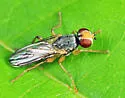
Cordylurella nebulosa
Cordylurella nebulosa
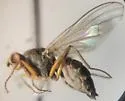
Cosmetopus longus
Cosmetopus longus
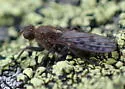
Ernoneura argus
Ernoneura argus
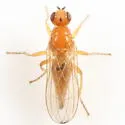
Gimnomera cerea
Gimnomera cerea
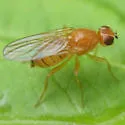
Gimnomera incisurata
Gimnomera incisurata
Gimnomera tibialis 0
Gimnomera tibialis
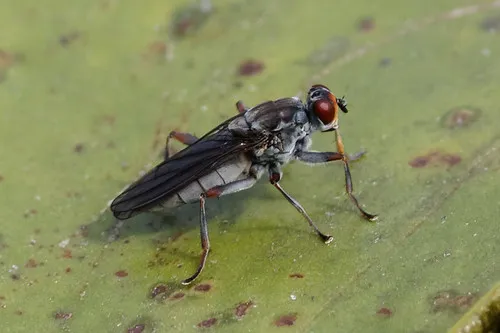
Hydromyza livens
Hydromyza livens
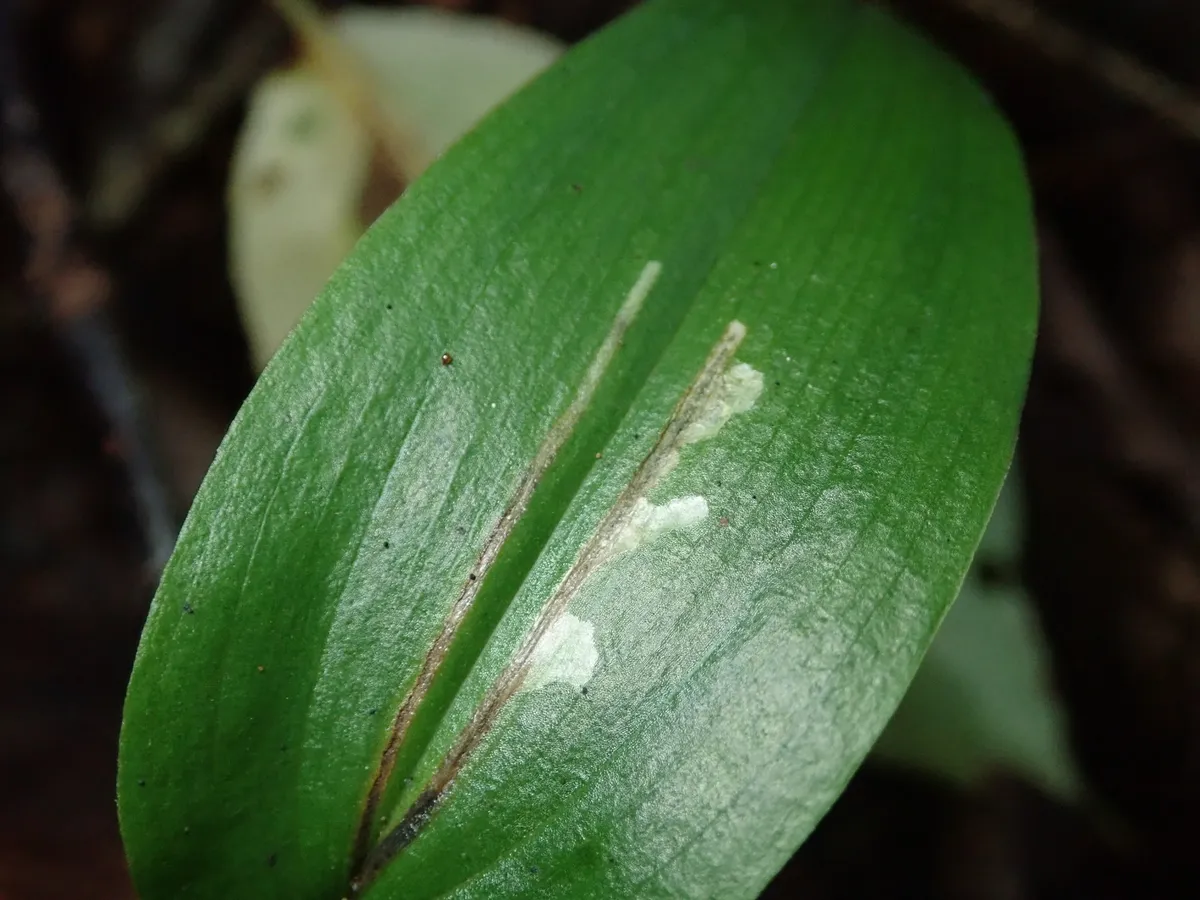
Neochirosia nuda
Neochirosia nuda
Peratomyia vittata
Peratomyia vittata
Plethochaeta testacea
Plethochaeta testacea
Plethochaeta varicolor
Plethochaeta varicolor
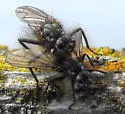
Scathophaga dasythrix
Scathophaga dasythrix
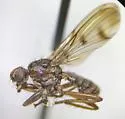
Scathophaga monticola
Scathophaga monticola
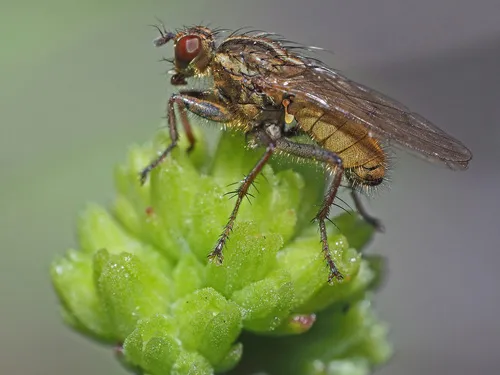
African Dungfly
Scathophaga soror
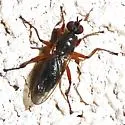
Spaziphora cincta
Spaziphora cincta
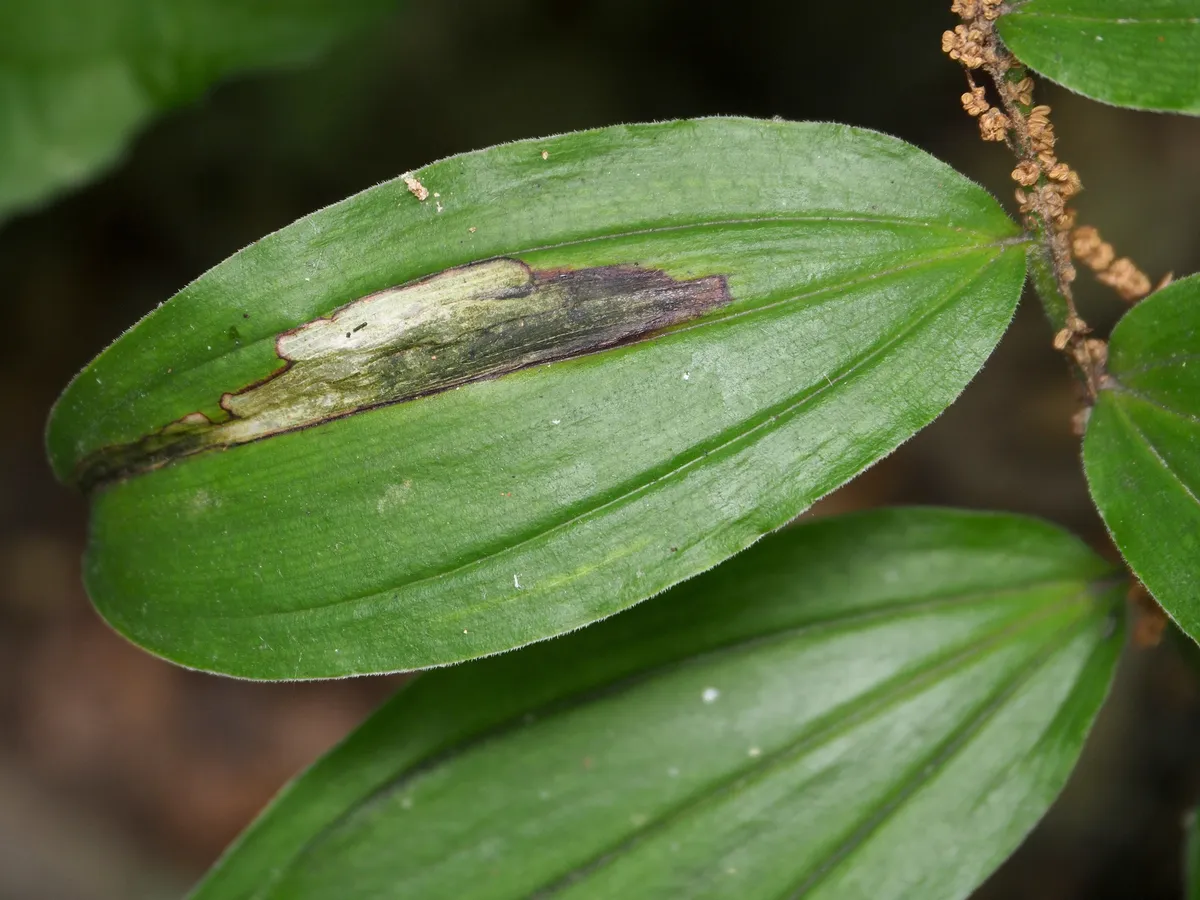
Synchysa tricincta
Synchysa tricincta