
Family Non-biting Midges (Chironomidae)
Chironomidae is a family in the order Diptera. Browse 116 named species recorded in this family, or open an individual profile for its available identification and natural-history information.
Species in Chironomidae (116)
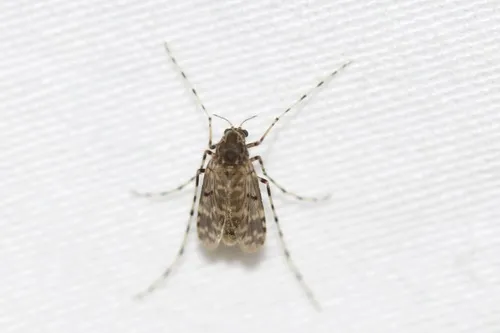
Ablabesmyia annulata
Ablabesmyia annulata
Identification: Recognized by the uneven spacing of the tibial bands and the tendency of the wing spots to run together.
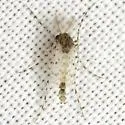
Ablabesmyia cinctipes
Ablabesmyia cinctipes
Identification: The only Ablabesmyia with more than three dark bands on front tibia. Type Locality: Miami, Florida, XII:19, 1912. F. Knab, collector.
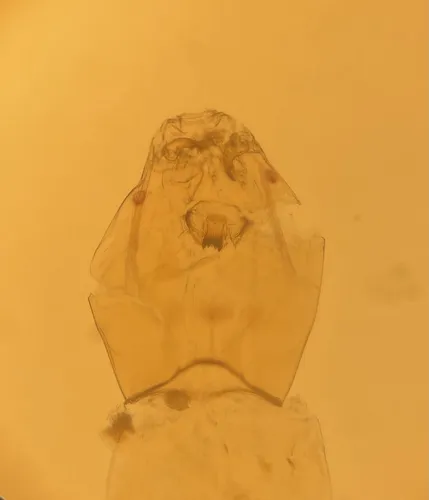
Ablabesmyia mallochi
Ablabesmyia mallochi
Identification: In the Southeast, the 5-segmented maxillary palpus of the mature larva distinguishes this species from other Ablabesmyia .
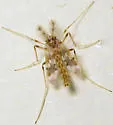
Apsectrotanypus johnsoni
Apsectrotanypus johnsoni
Identification: Male -- about 4.0 mm, head light. AR 2.0-2.1; eyes iridescent; eye ratio 0.7. Pronotum light. Thorax light yellow-brown, vittae not distinct; scutellum, pleura, mesosternum, and postnotum light; Postnotum with dorsal hairs. Legs light
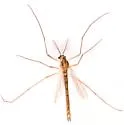
Brillia retifinis
Brillia retifinis
Identification: A western species with subapical lobe of gonostylus slightly shorter than or equal in length to apical lobe. The eastern Brillia parva is nearly identical. The other western species have shorter subapical lobe.
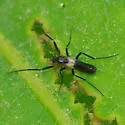
Chasmatonotus bicolor
Chasmatonotus bicolor
Identification: Basal 2/5 of wing and base of abdomen pale.
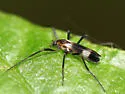
Chasmatonotus maculipennis
Chasmatonotus maculipennis
Identification: Wing with white spot (in addition to white base) extending from R1 nearly to, but not reaching Cu2; narrow unpigmented strip at wing tip.
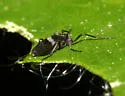
Chasmatonotus unimaculatus
Chasmatonotus unimaculatus
Identification: In the eastern United States, nearly all Chasmatonotus midges with a single white spot near the middle of the wing are C. unimaculatus . There is an uncommon, undescribed species from the southern Appalachian Mountains with a nearly
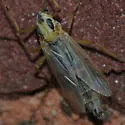
Chironomus dilutus
Chironomus dilutus
Identification: Male genitalia of the subgenus Chironomus (Camptochironomus) are distinctive. Dark abdomen, strongly contrastly dark stripes on light brown or greenish thorax. "Usually the coloration and rather strongly produced middle portion of th
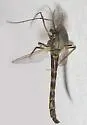
Chironomus melanescens
Chironomus melanescens
A species described based on cytology. Adults may not be morphologically distinguishable from related species.
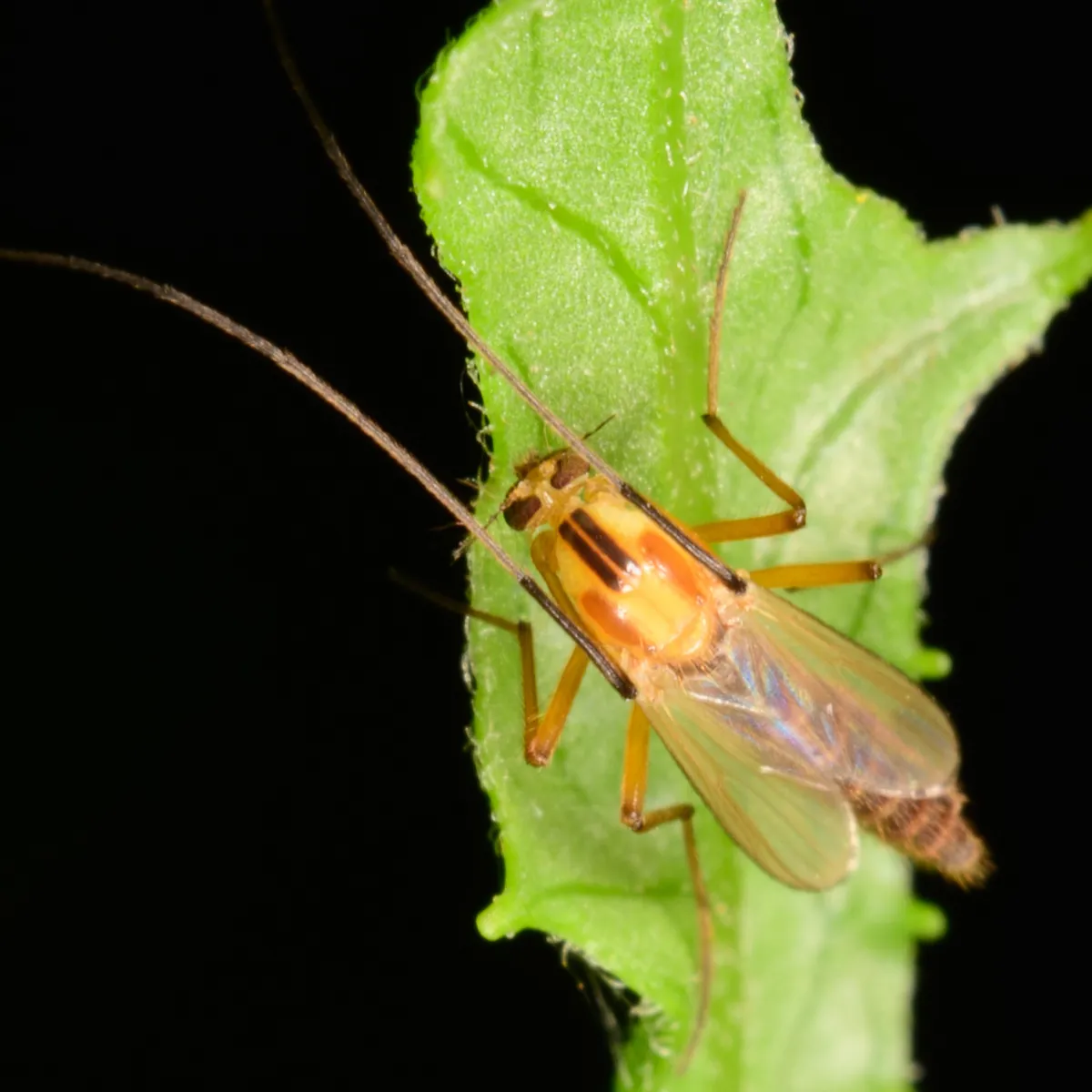
Chironomus ochreatus
Chironomus ochreatus
Identification: Shining. Thorax bright yellow to dark green with reddish stripes, the middle stripe of the female divided longitudinally. Abdomen dark, often with pale rings. Femora yellowish, fore tibiae dark. Superior volsella blunt ended with
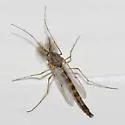
Chironomus plumosus
Chironomus plumosus
Type species of Chironomus . These flies received wide publicity in 2007 when the Lake Erie population swarmed an important baseball game in Cleveland (see reference below).
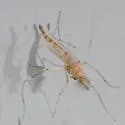
Chironomus staegeri
Chironomus staegeri
Identification: "The short beard, all on the outer side of the tarsus, is distinctive." -- H. K. Townes, "The Nearctic Species of Tendipedini" Probably a complex of morphologically indisginguishable species
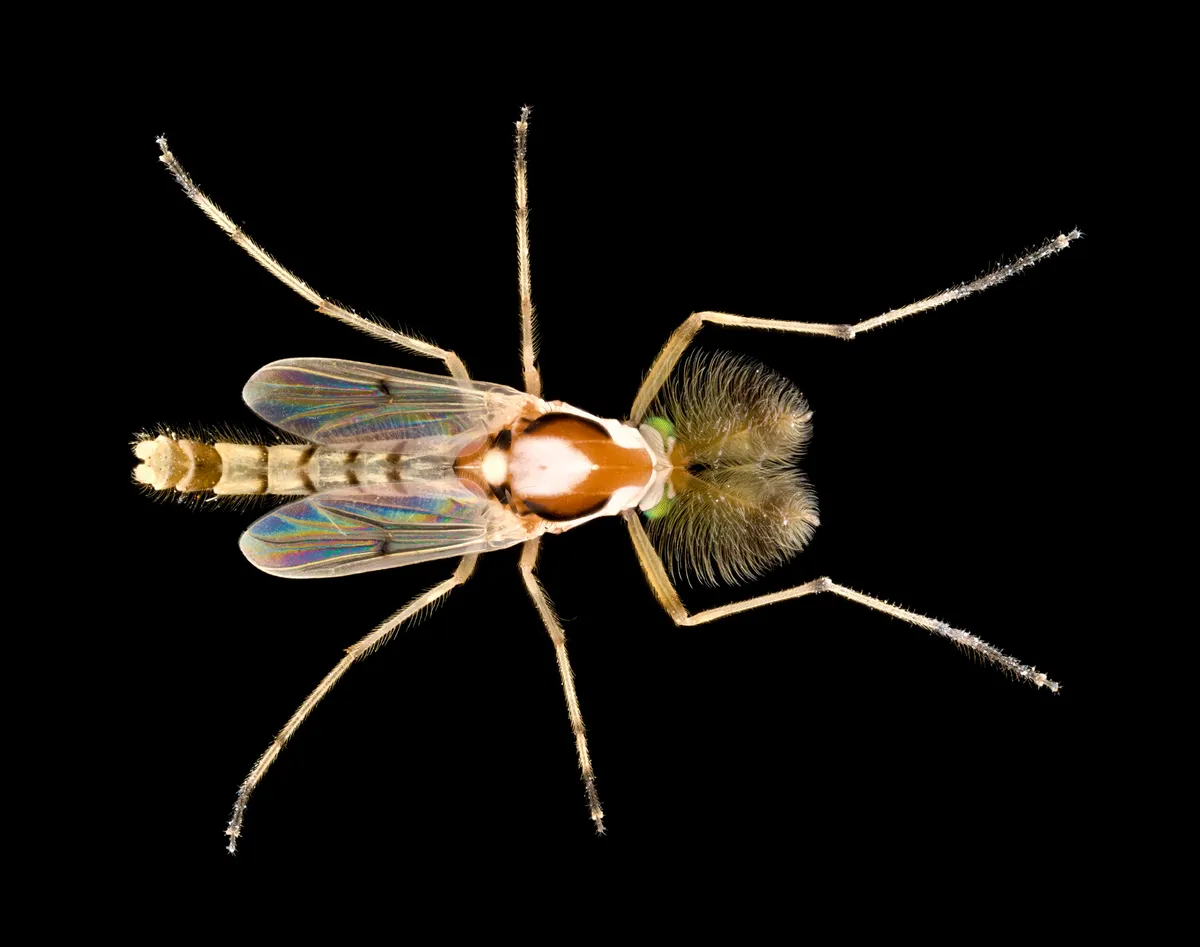
Coelotanypus concinnus
Coelotanypus concinnus
Identification: "Adults of this species are particularly striking, with the body largely pale yellow to cream, with rich brown thoracic vittae margined with black, and abdominal segments narrowly margined with brown. In life the eyes are brilliant gr
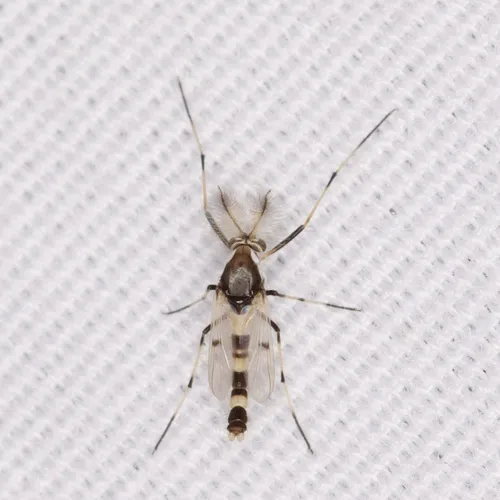
Coelotanypus scapularis
Coelotanypus scapularis
Identification: Colors are variable and sexually dimorphic. This is the most common species of Coelotanypus . Males are distinguished from close relatives by light genitalia, black thorax (except for white patches on sides), and second tarsomere of
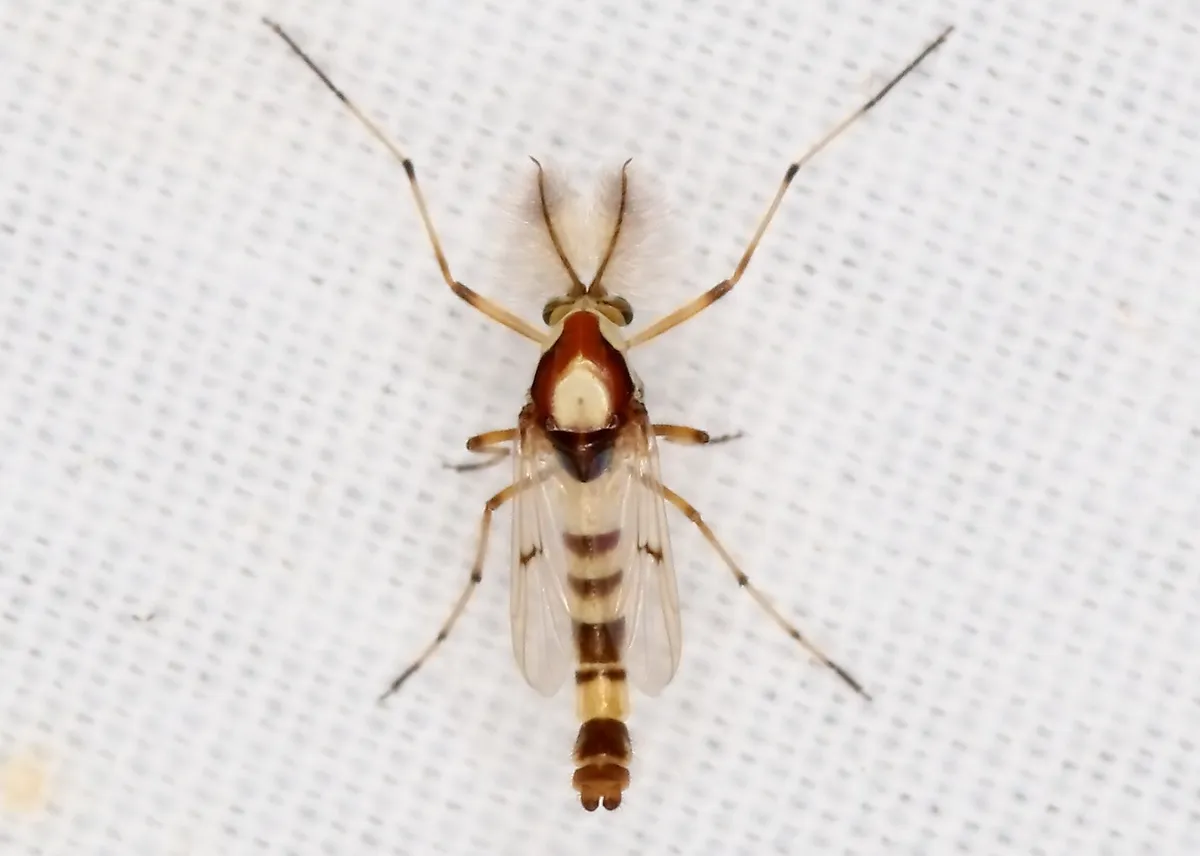
Coelotanypus tricolor
Coelotanypus tricolor
Identification: Distinguished from other members of genus by
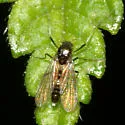
Cricotopus bicinctus
Cricotopus bicinctus
More pollution tolerant than other Cricotopus and more common in inhabited areas. (Boesel, 1983)
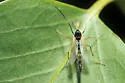
Demeijerea brachialis
Demeijerea brachialis
Differs from D. atrimanus primarily in the pale band on the fore basitarsus. They may not be distinct species. If identical, the name brachialis has priority.
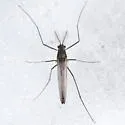
Diamesa nivoriunda
Diamesa nivoriunda
Identification: One of a few species with a very long anal point. The triangular gonostylus is distinctive. One other species may, rarely, have a gonostylus that is a right triangle rather than isosceles. " D. nivoriunda is the most common northeast
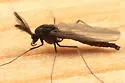
Diplocladius cultriger
Diplocladius cultriger
Diplocladius cultriger (Diplocladius cultriger) is a species in the family Chironomidae, commonly known as non-biting midges, belonging to the order Diptera (Flies). It is classified within the subfamily Orthocladiinae, superfamily Chironomoidea. Thi
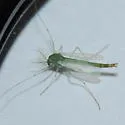
Einfeldia pagana
Einfeldia pagana
Identification: An ordinary-looking green midge with distinctive male genitalia: "The inflated style abruptly constricted near the apex and the broad anal point are distinctive." (Townes 1945)
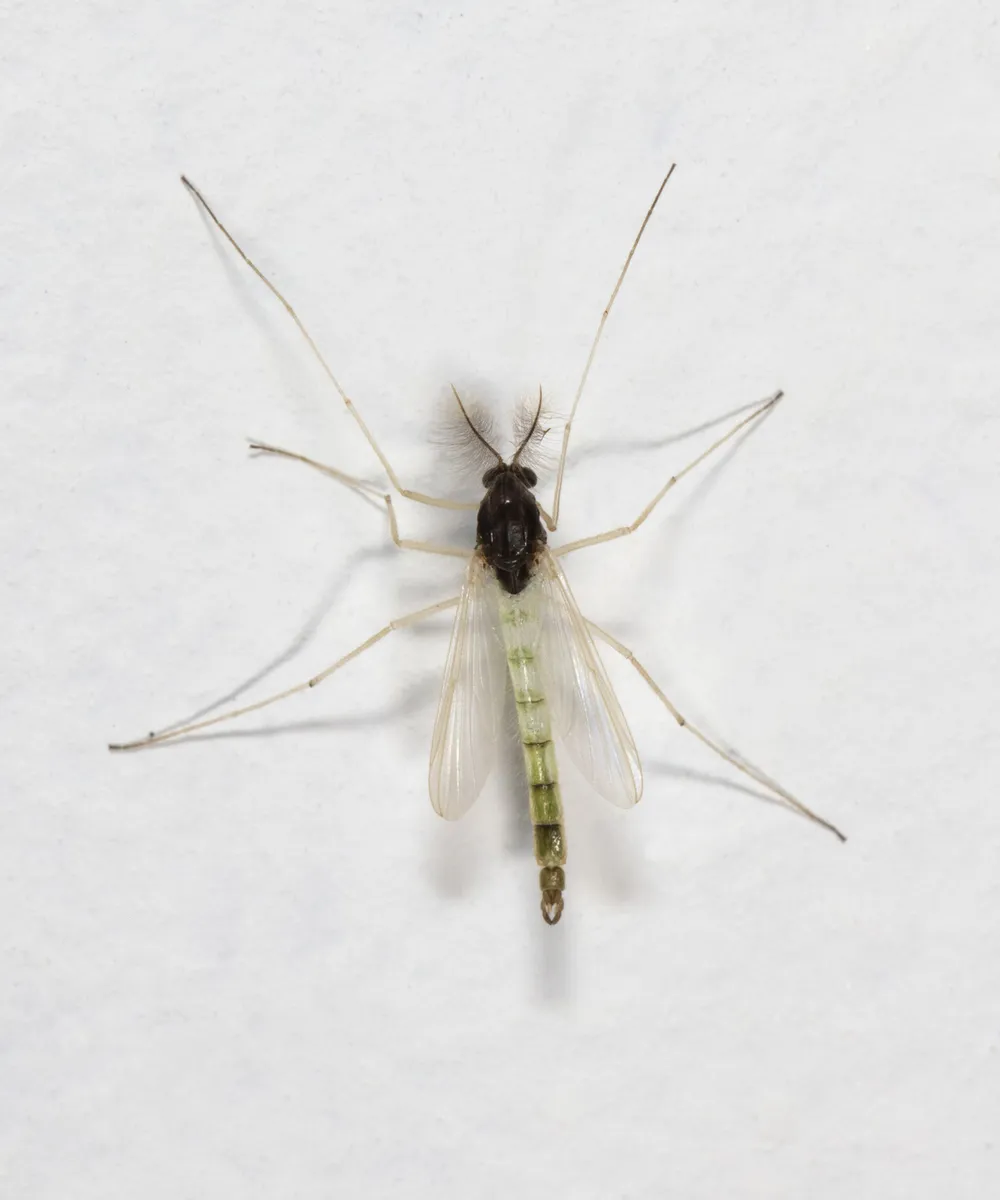
Endochironomus nigricans
Endochironomus nigricans
Identification: Thorax brown to shining black. Male abdomen pale green usually with darker green between segments. Female abdomen darker than male. Legs and wing veins pale. Male antenna 13-segmented (as for all members of genus). Male genital f
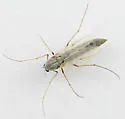
Glyptotendipes barbipes
Glyptotendipes barbipes
Identification: Second segment of fore tarsus shorter than third (male) or equal (female). Fore tarsus of male with long, dense beard.
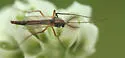
Glyptotendipes testaceus
Glyptotendipes testaceus
Identification: Fore legs much darker than other legs; scar on tergite 6 about 0.7 as long as tergite.
Goeldichironomus amazonicus
Goeldichironomus amazonicus
Identification: Males have their genitalia twisted about 180° to the right or left and have very short middle and hind tarsomeres.
Goeldichironomus carus
Goeldichironomus carus
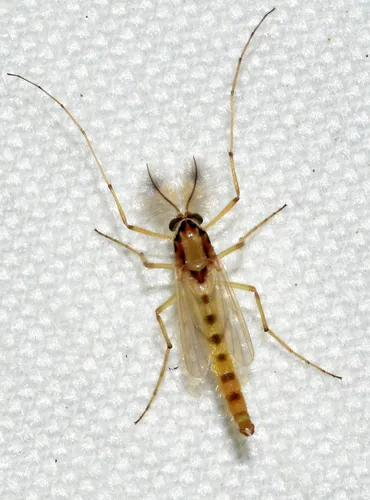
Identification: The three black marks on the side of the thorax are distinctive. Has been described as a nuisance species in Florida due to mass emergence.
Kiefferulus dux
Kiefferulus dux
There is at least one similar, uncommon, undescribed species in Florida.
Paratendipes albimanus
Paratendipes albimanus
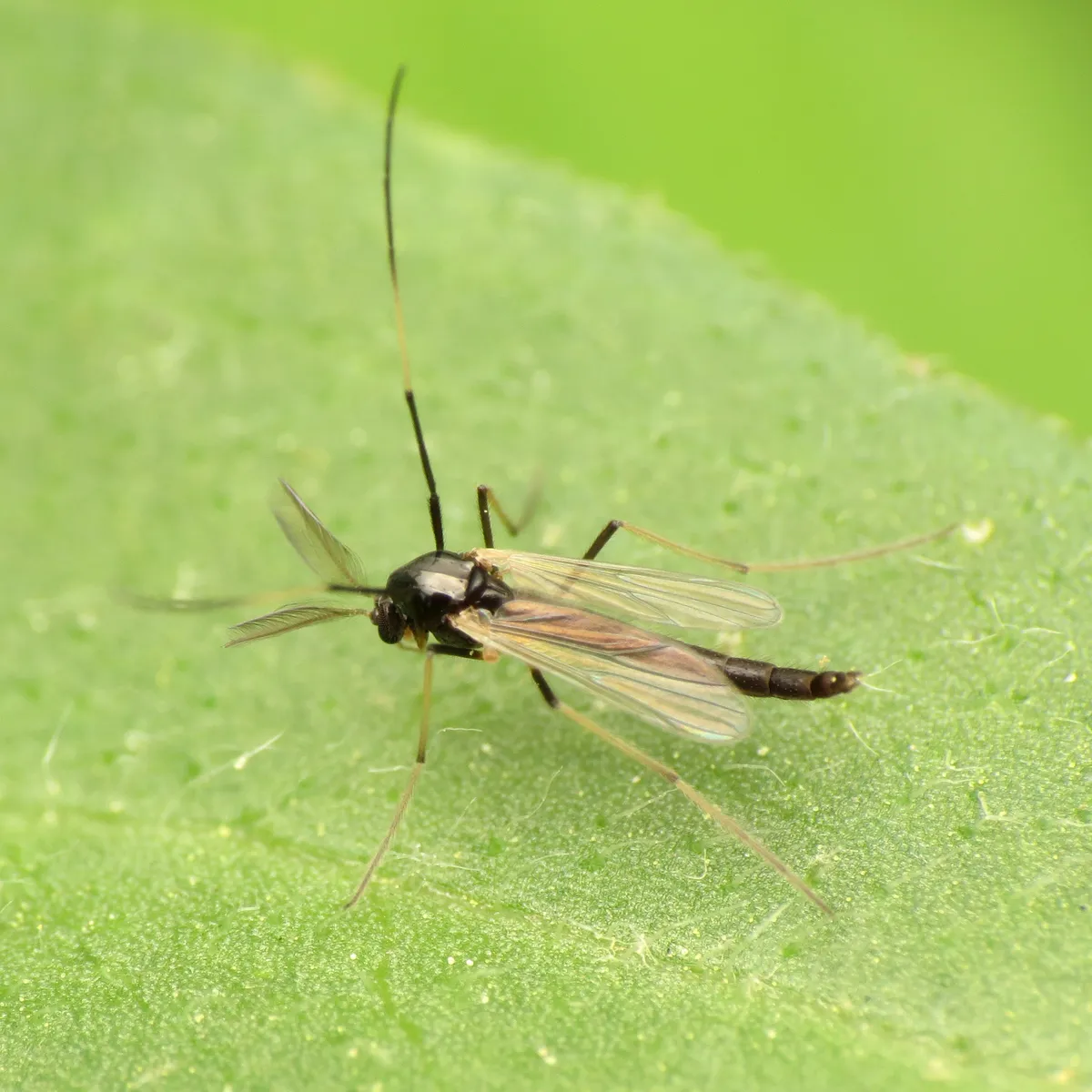
Identification: Male: Glossy black thorax with blackish brown abdomen. Fore legs blackish brown except: basal 0.35 of femora lighter brown; basitarsus white with darkened apex. Mid and hind legs lighter brown except apical 0.65 of femora, apex of tib
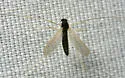
Phaenopsectra flavipes
Phaenopsectra flavipes
Identification: Distinguished from other Chironomini by combination of haired wings, base of tergite 8 broad in male (triangular in Pentapedilum ), fore tarsus of male without beard (bearded in Sergentia ), abdomen uniformly dark (white spots in some
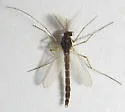
Phaenopsectra profusa
Phaenopsectra profusa
Identification: This is the western counterpart to the eastern Phaenopsectra obediens . It is slightly darker and the fork of Cu slightly nearer wing base.
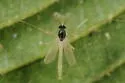
Phaenopsectra punctipes
Phaenopsectra punctipes
Identification: Within genus: Thorax shining black with single row of dorsocentrals. Male abdomen pale green; female abdomen usually darker. Halteres and legs whitish.
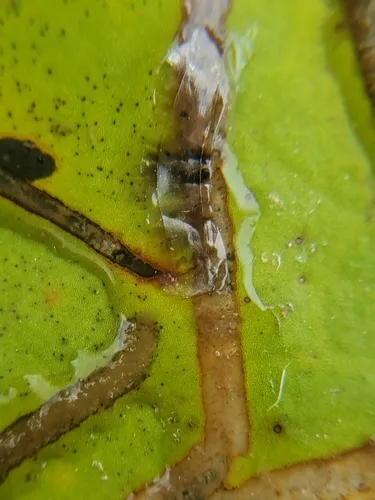
Polypedilum braseniae
Polypedilum braseniae
Identification: The notch between male abdominal segments 7 and 8 is unique to this genus and part of tribe Tanytarsini. The combination of a distinct, angled R-M crossvein and a notch indicate Polypedilum . (taken from a comment by John F. Carr)
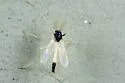
Polypedilum fallax
Polypedilum fallax
Polypedilum fallax is distinguished from close relatives by color pattern, but it it possible that there are more or fewer species than color patterns suggest.
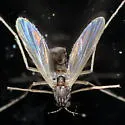
Polypedilum trigonus
Polypedilum trigonus
Identification: Generally brown with white legs and halteres. Male has white patches on the side of some abdominal segments, approximately triangular with point forward. Genital features may be necessary to confirm ID. Most of the males here have
Polypedilum tritum
Polypedilum tritum
Identification: Within genus, identified by hairy wings and single row of dorsocentral setae.
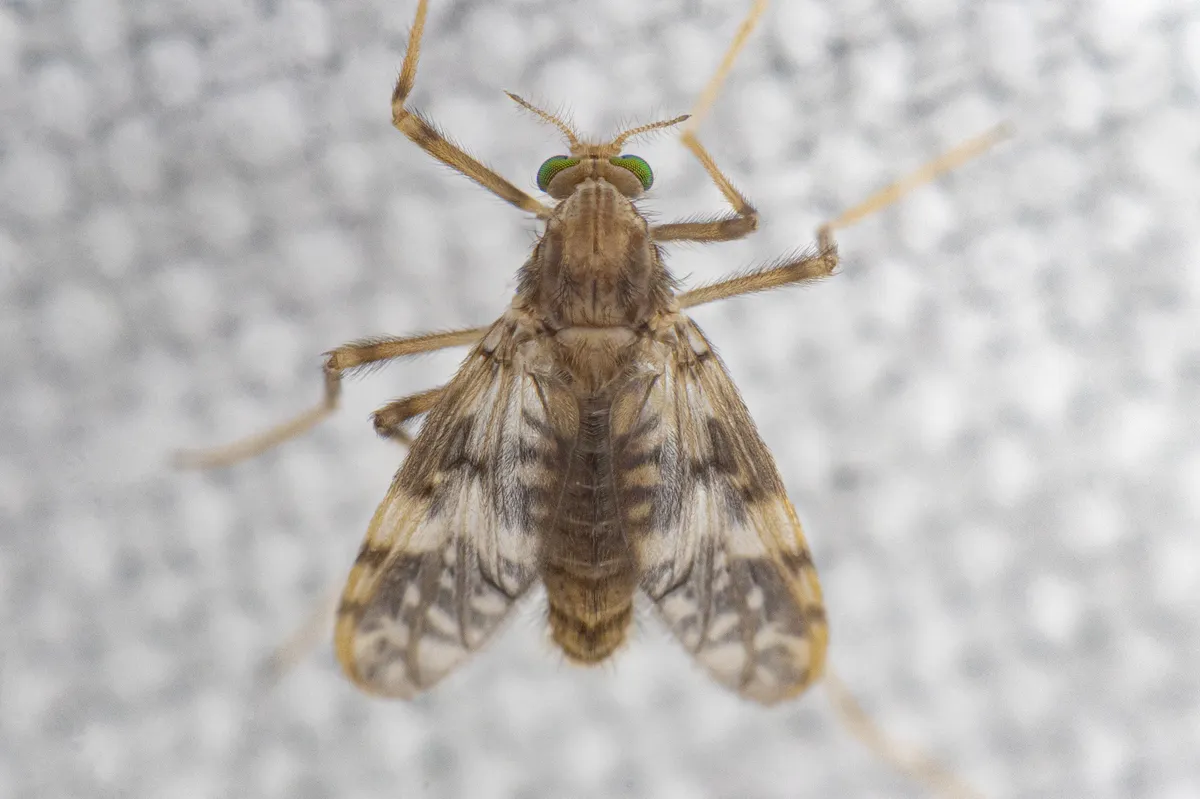
Psectrotanypus dyari
Psectrotanypus dyari
Identification: The details of the wing markings are fairly distinctive, though there are many other Tanypodinae with banded and spotted wings. The yellow color of normal adults may be greenish in freshly emerged individuals. Probably the most commo
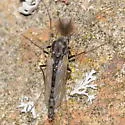
Pseudochironomus richardsoni
Pseudochironomus richardsoni
Pseudochironomus richardsoni is the most widespread species of the genus, but not common. It may turn out to be a species complex. Placement of photos here should be considered tentative, pending revision of the genus. The review by Sæther (1977)
Pseudorthocladius macrostomus
Pseudorthocladius macrostomus
Identification: Note long proboscis. Male / Female I cannot find any biographical information on the author of this species, Annelle R. Soponis. She has a publication record mostly in the late 1970's through the 80's, with one as late as 1992: Soponi
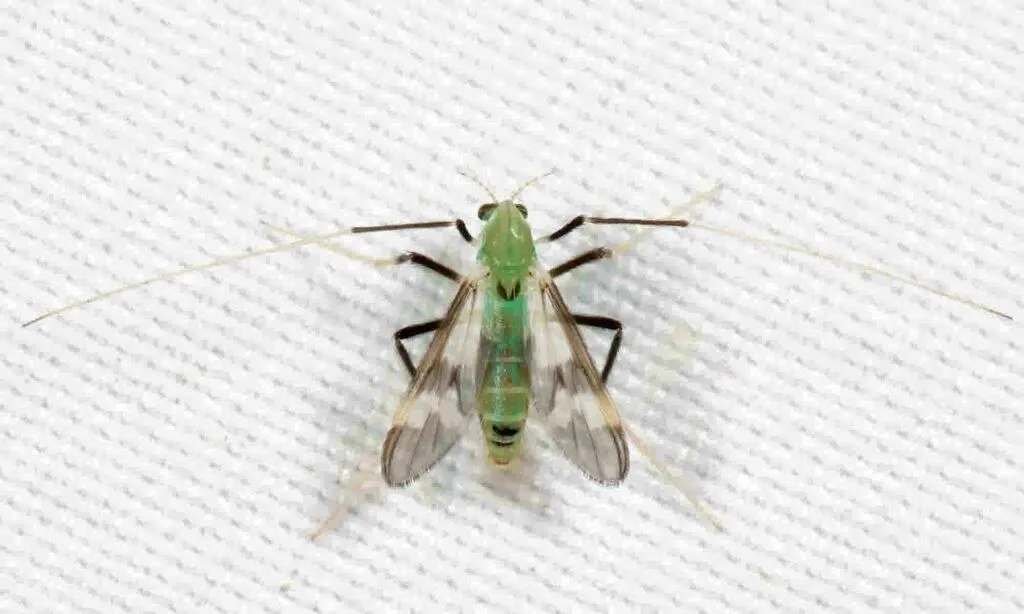
Stenochironomus hilaris
Stenochironomus hilaris
Identification: For the genus Stenochironomus page, quoting from AMN description: Pronotum very narrow medially, far surpassed by the strongly projecting anterior part of the mesoscutum. Fork of Cu slightly beyond R-M. Ends of R1 and R2+3 very near t
Xylotopus par
Xylotopus par
Identification: Within the Brillia group the bold yellow and black pattern and large size identify the species.
Zavreliella marmorata
Zavreliella marmorata
Identification: The combination of wing markings, leg markings, color, and expanded front femur is sufficient to identify this midge. Wing markings may be very faint. Some European populations are parthenogenic.
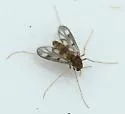
Zavrelimyia fragilis
Zavrelimyia fragilis
Identification: The wing markings of the adult, formed by dark hairs, are distinctive. The larva has not been described.
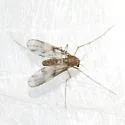
Zavrelimyia sinuosa
Zavrelimyia sinuosa
Identification: Wing pattern is unique in the family.
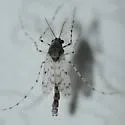
Ablabesmyia peleensis
Ablabesmyia peleensis
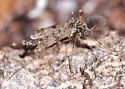
Alotanypus venustus
Alotanypus venustus
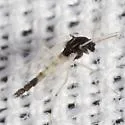
Apedilum elachistus
Apedilum elachistus
Axarus festivus
Axarus festivus
Bryophaenocladius chrissichuckorum
Bryophaenocladius chrissichuckorum
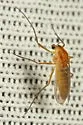
Cardiocladius fulvus
Cardiocladius fulvus
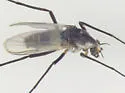
Cardiocladius obscurus
Cardiocladius obscurus
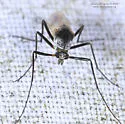
Cardiocladius platypus
Cardiocladius platypus
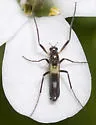
Chasmatonotus atripes
Chasmatonotus atripes
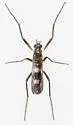
Chasmatonotus bimaculatus
Chasmatonotus bimaculatus
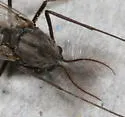
Chironomus atrella
Chironomus atrella
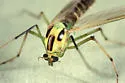
Chironomus atroviridis
Chironomus atroviridis
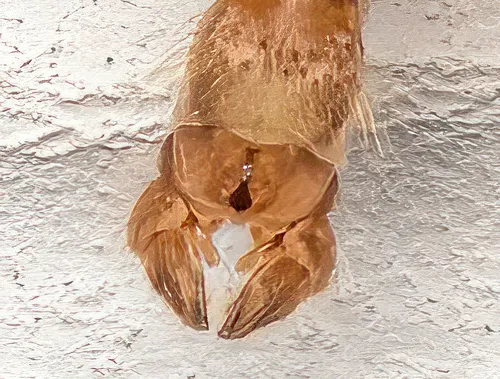
Chironomus crassicaudatus
Chironomus crassicaudatus
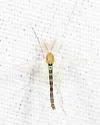
Chironomus dorsalis
Chironomus dorsalis
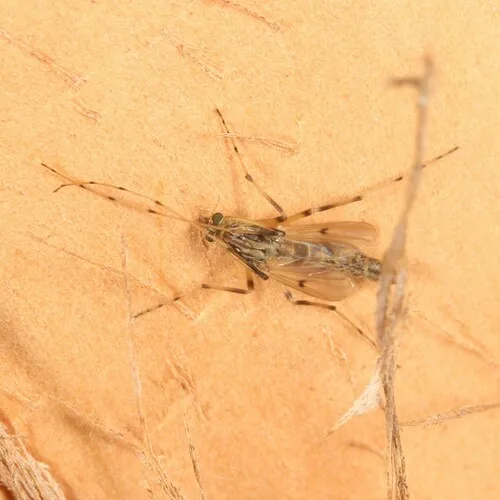
Chironomus nepeanensis
Chironomus nepeanensis
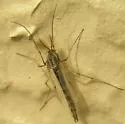
Chironomus tuberculatus
Chironomus tuberculatus
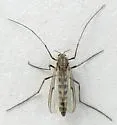
Chironomus whitseli
Chironomus whitseli
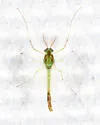
Cladopelma edwardsi
Cladopelma edwardsi
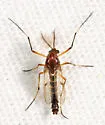
Clinotanypus pinguis
Clinotanypus pinguis
Clunio californiensis
Clunio californiensis
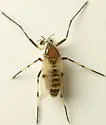
Coelotanypus atus
Coelotanypus atus
Corynoneura lobata
Corynoneura lobata
Hydrilla Tip-mining Midge
Cricotopus lebetis
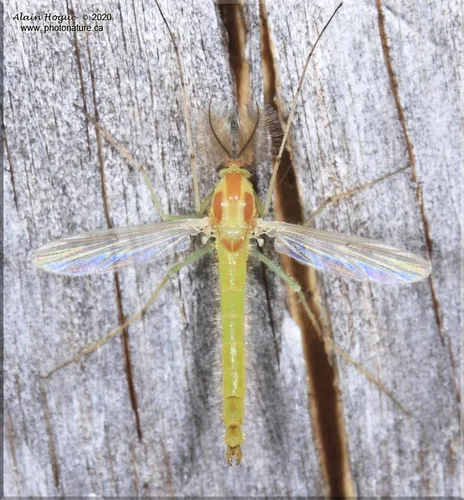
Demeijerea abruptus
Demeijerea abruptus
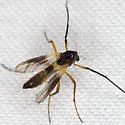
Demeijerea atrimanus
Demeijerea atrimanus
Dicrotendipes fumidus
Dicrotendipes fumidus
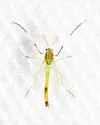
Dicrotendipes leucoscelis
Dicrotendipes leucoscelis
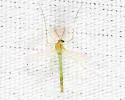
Dicrotendipes modestus
Dicrotendipes modestus
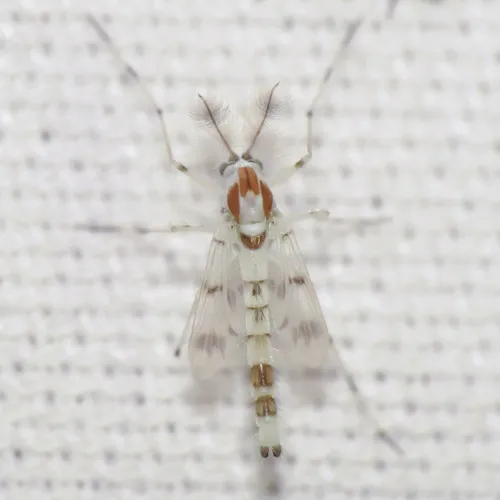
Djalmabatista pulcher
Djalmabatista pulcher
Endochironomus subtendens
Endochironomus subtendens
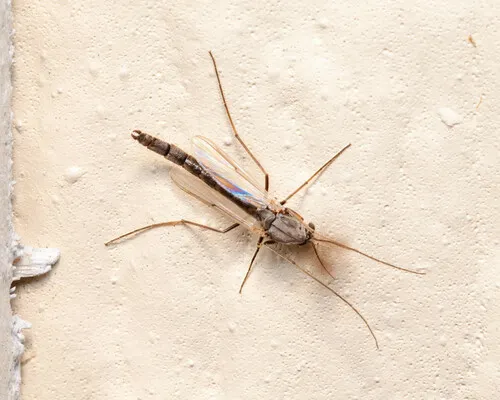
Glyptotendipes paripes
Glyptotendipes paripes
Guttipelopia guttipennis
Guttipelopia guttipennis
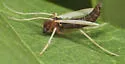
Hyporhygma quadripunctatum
Hyporhygma quadripunctatum
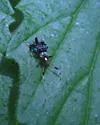
Kribiodorum perpulchrum
Kribiodorum perpulchrum
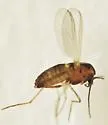
Limnophyes fumosus
Limnophyes fumosus
Limnophyes viribus
Limnophyes viribus
Metriocnemus erythranthei
Metriocnemus erythranthei
Metriocnemus eurynotus
Metriocnemus eurynotus
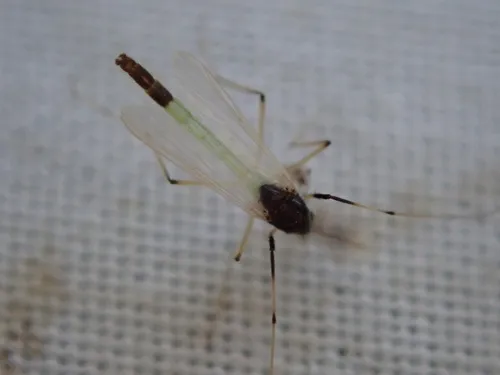
Microtendipes pedellus
Microtendipes pedellus
Natarsia baltimoreus
Natarsia baltimoreus
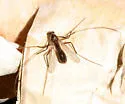
Omisus pica
Omisus pica
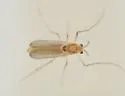
Paraphaenocladius exagitans
Paraphaenocladius exagitans
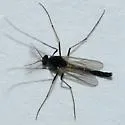
Paratendipes nitidulus
Paratendipes nitidulus
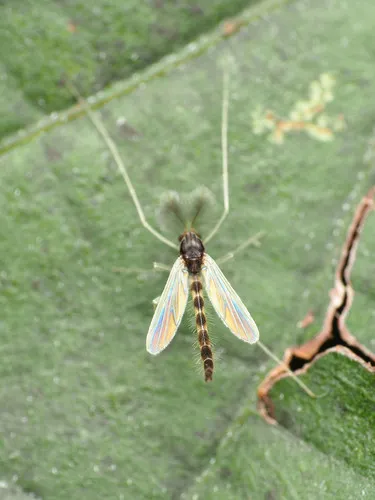
Phaenopsectra obediens
Phaenopsectra obediens
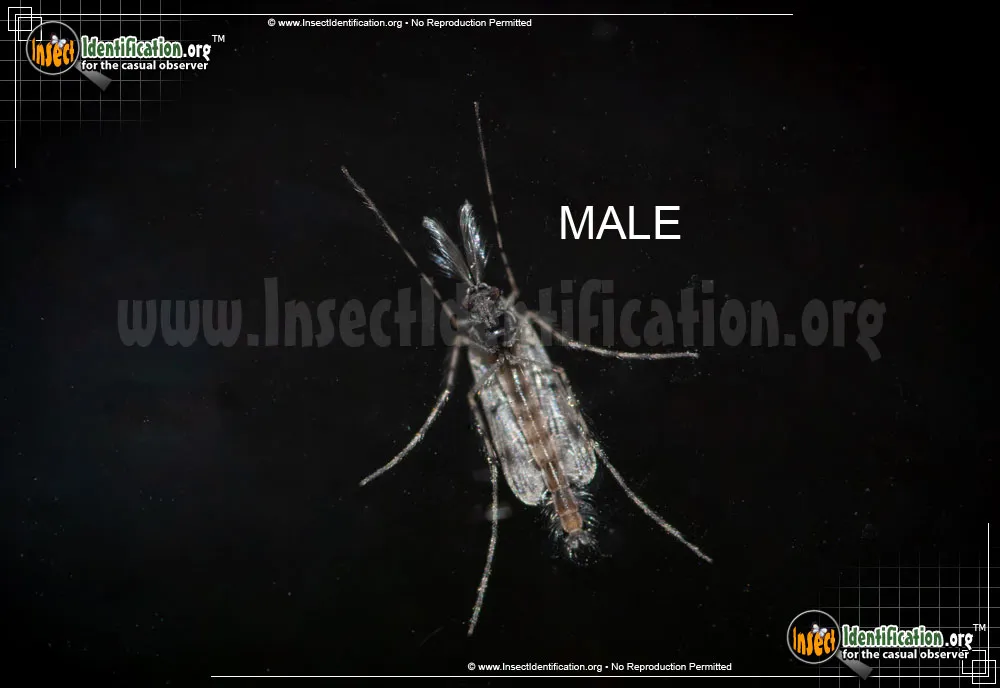
Midge
Polypedilum Group
Polypedilum calopterus
Polypedilum calopterus
Polypedilum griseopunctatum
Polypedilum griseopunctatum
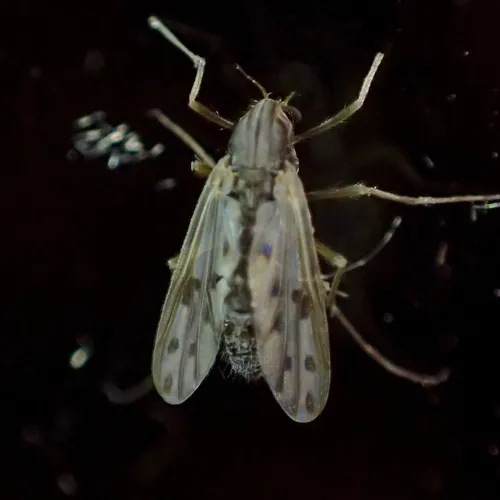
Polypedilum nubifer
Polypedilum nubifer
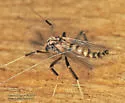
Polypedilum ontario
Polypedilum ontario
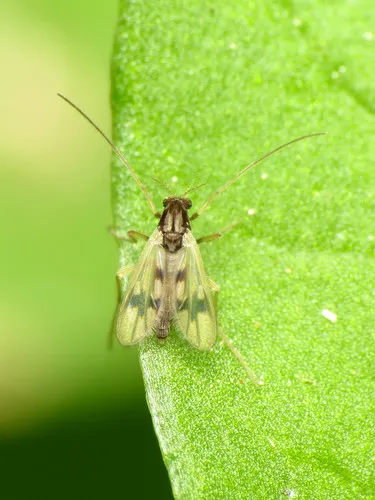
Polypedilum scalaenum
Polypedilum scalaenum
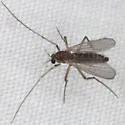
Polypedilum sordens
Polypedilum sordens
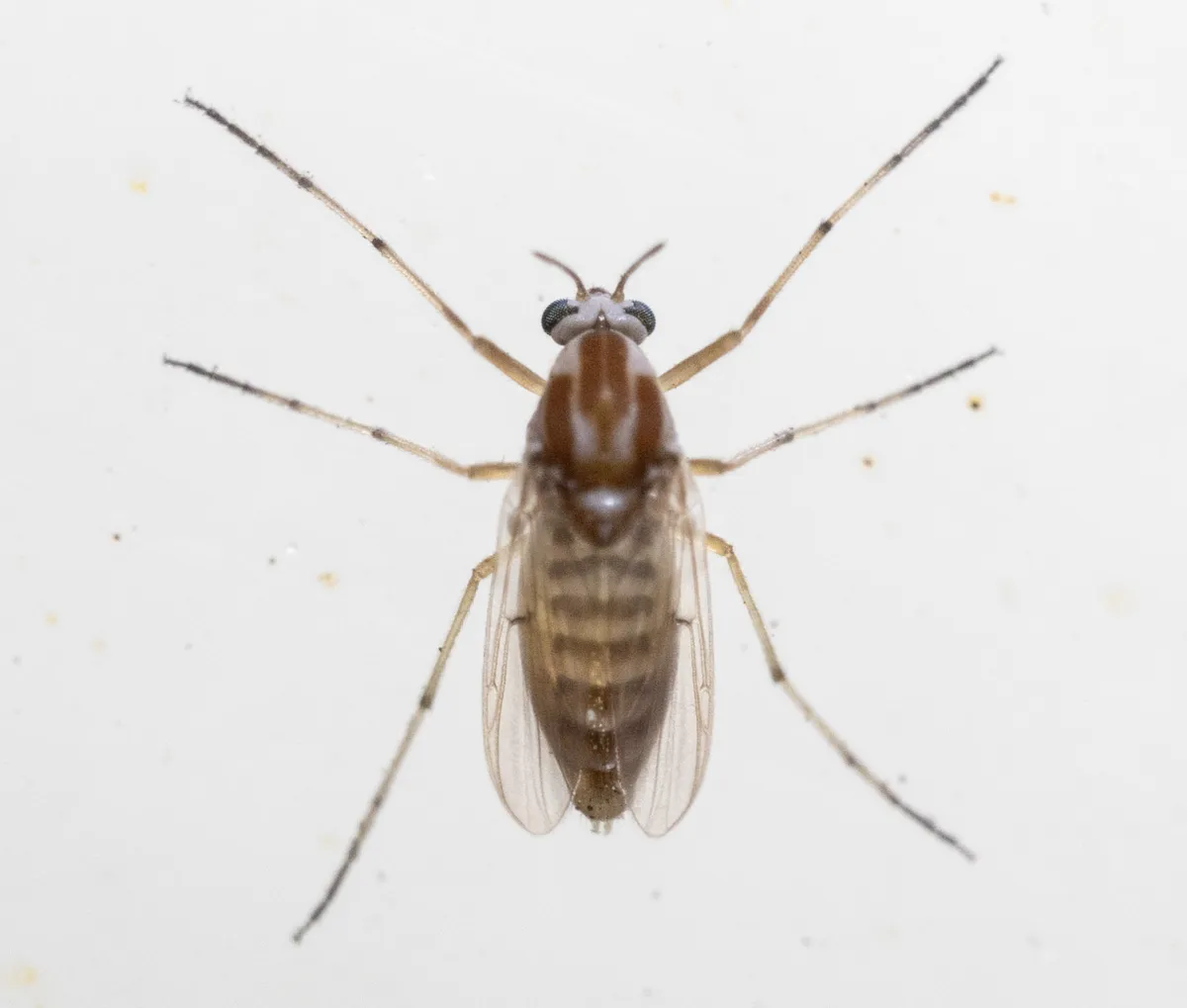
Procladius bellus
Procladius bellus
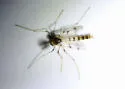
Psectrotanypus discolor
Psectrotanypus discolor
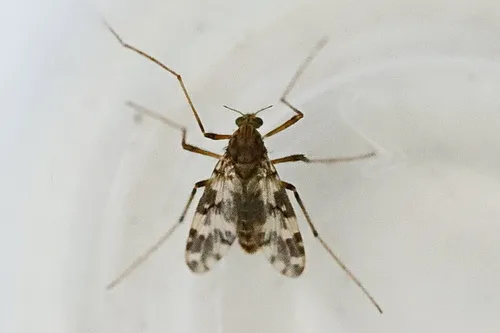
Psectrotanypus varius
Psectrotanypus varius
Radotanypus florens
Radotanypus florens
Stenochironomus albipalpus
Stenochironomus albipalpus
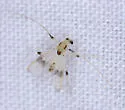
Stenochironomus colei
Stenochironomus colei