
Family Lauxaniidae
Lauxaniidae is a family in the order Diptera. Browse 76 named species recorded in this family, or open an individual profile for its available identification and natural-history information.
Species in Lauxaniidae (76)
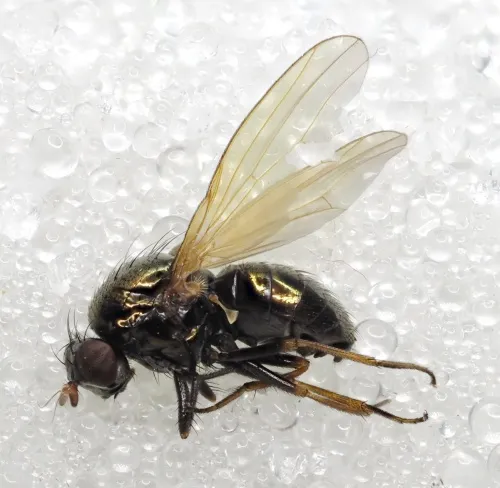
Calliopum aeneum
Calliopum aeneum
Unless identified by a recognised expert, a photo is required and the specimen should be examined with a microscope. In the comments box, state the key or ID method used and describe the size and identifying characters. Some sources suggest that the
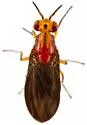
Camptoprosopella dolorosa
Camptoprosopella dolorosa
Identification: A large species with long antennae, dark wings and abdomen, and thorax brown with a darker stripe.
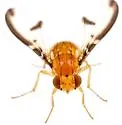
Camptoprosopella maculipennis
Camptoprosopella maculipennis
Identification: The only Camptoprosopella with patterned wings. Most species have clear wings. Dolorosa has dark wings.
Camptoprosopella verticalis
Camptoprosopella verticalis
Identification: 3 pairs dorsocentrals, front pair nearly as long as others; palpi black and very wide at tip; ocellar spot large
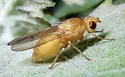
Homoneura littoralis
Homoneura littoralis
Identification: Swollen yellow head, small eyes, anterior fronto-orbital much shorter than posterior, wings clear, two apical spurs on mid tibia.
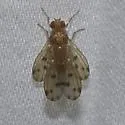
Homoneura philadelphica
Homoneura philadelphica
Identification: The only eastern species with the combination of * Wing with three spots along R4+5 (one at r-m, one intermediate, and one at wing margin) * Two rows of strong acrostichals (possibly with weak setulae outside the main row) * Strong pa
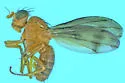
Homoneura sheldoni
Homoneura sheldoni
Identification: Wing darkened along costa from slightly beyond humeral crossvein to apex of wing.
Homoneura shewelli
Homoneura shewelli
Identification: Wing with dark bands along cross veins, weak spots at end of longitudinal veins, and no spots on R4+5 between r-m and apical spot. A strong pair of presutural dorsocentrals.
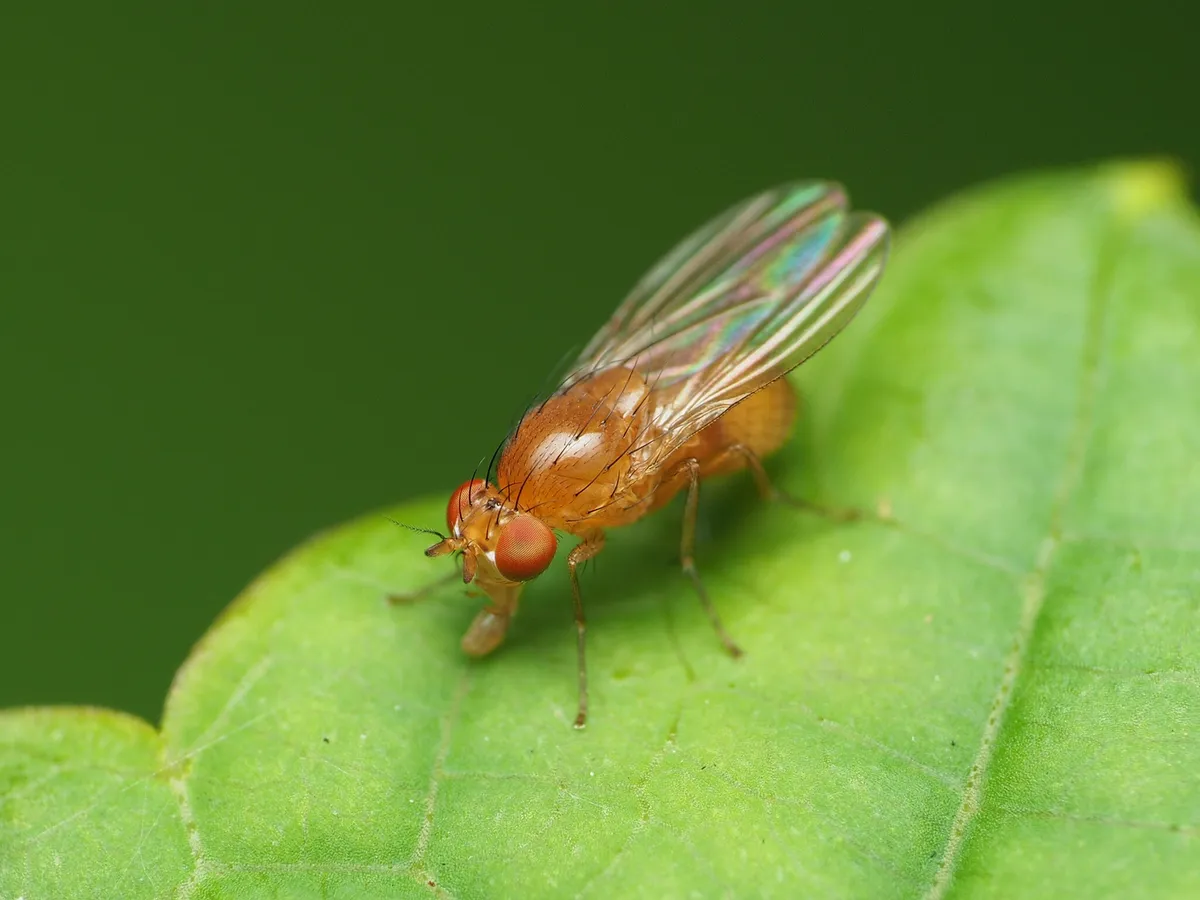
Homoneura unguiculata
Homoneura unguiculata
Identification: Six rows of small acrostichals (native species with 2-4 often larger pairs), wing unmarked, antenna yellow with brown tip (tip not dark in native species), face with conspicuous silvery spots when viewed from above, arista with longer
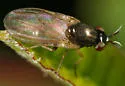
Lauxania albiseta
Lauxania albiseta
Identification: 1+3 pairs dorsocentrals, legs pale except for mid and hind femora, arista white, wing base not darkened.
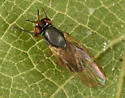
Lauxania glabrifrons
Lauxania glabrifrons
Identification: "This species can be distinguished from other Nearctic species of Lauxania externally by the shining frons, white arista, 0 + 3 dorsocentral setae, four rows of acrostichal setulae, beige halter, and pale wing base." (Pérusse and Whee
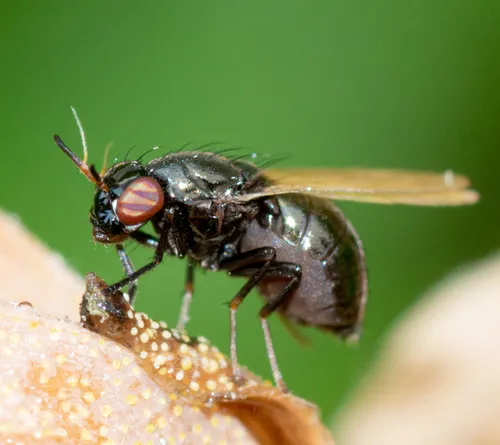
Lauxania shewelli
Lauxania shewelli
"There are five species of Lauxania in North America, but L. shewelli is the only one known east of the Rockies, and is the only one with a dark wing base (the western species have the entire wing yellowish). A lot of older publications list Lauxania
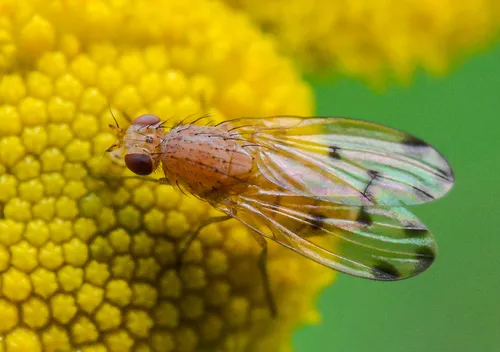
Meiosimyza decempunctata
Meiosimyza decempunctata
A small (4 to 4.5 mm.) orange species with the 10 wing spots giving it the scientific name. Unless identified by a recognised expert, a photo is required and the specimen should be examined with a microscope. In the comments box, state the key or ID
Meiosimyza platycephala
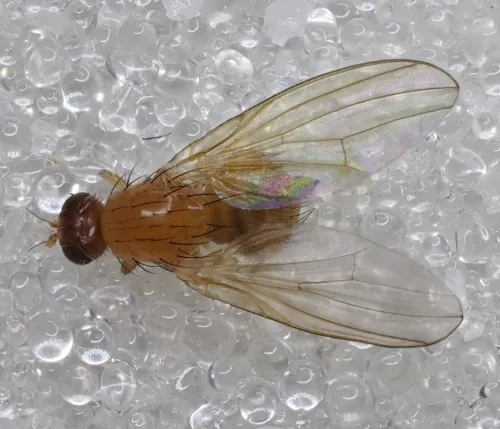
Meiosimyza platycephala
Can only be identified by detailed examination. Widely distributed in the British Isles.
Meiosimyza rorida
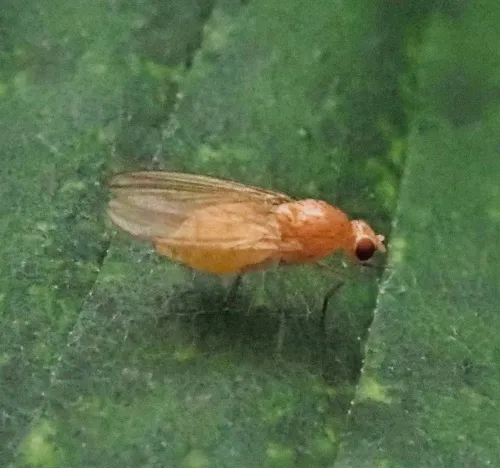
Meiosimyza rorida
3.5-4.5mm. Pale yellow/orange throughout without any significant markings on either body or wings. Unless identified by a recognised expert, a photo is required and the specimen should be examined with a microscope. In the comments box, state the key
Melanomyza femoralis
Melanomyza femoralis
Identification: Femora black, contrasting with white fore tibiae; frons and scutellum mostly black; thorax without distinct stripes; halteres yellow.
Melanomyza manuleata
Melanomyza manuleata
Identification: Differs from femoralis by having more black on the fore legs and darkened wings.
Minettia fasciata
Minettia fasciata
Identification: "The [ Minettia fasciata species] group is characterized by the grey microtrichose mesonotum, a pair of black spots on the lateroventral side of the scutellum, 0+3 dorsocentral setae, 6 rows of acrostichal setulae, only one dorsal pre
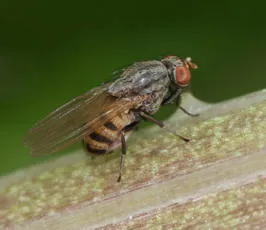
Minettia fasciata agg.
Minettia fasciata agg.
This species group can be generally characterised as having a greyish thorax and a pale brown abdomen with darker stripes. Specimens cannot be determined to species level without microscopic examination. Any records not examined in this detail should
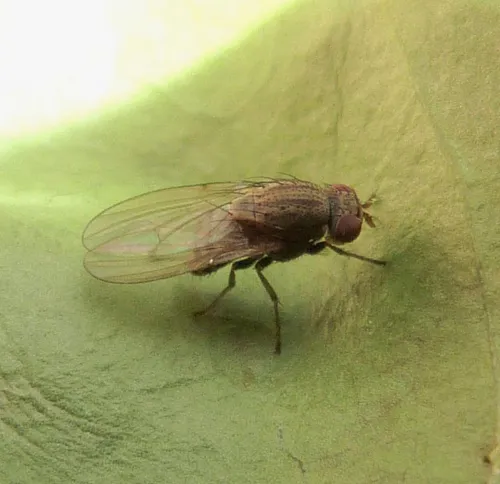
Minettia fasciata sensu stricto
Minettia fasciata sensu stricto
This species group can be generally characterised as having a greyish thorax and a pale brown abdomen with darker stripes. Determination to species level requires detailed examination. Records for specimens that have not been microscopically examined
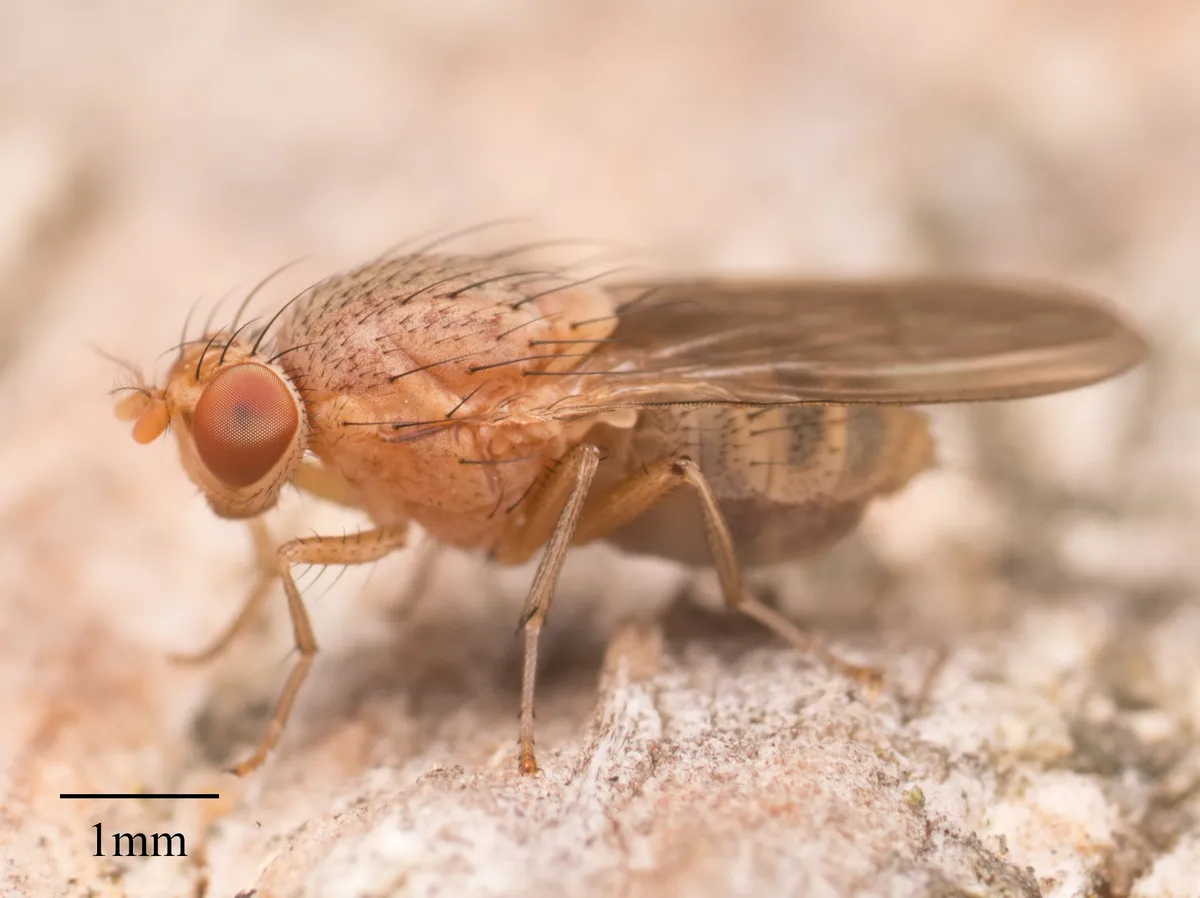
Minettia flaveola
Minettia flaveola
Common in California (and the only yellow Minettia there). Usually all yellow, sometimes with a dark stripe on the thorax (form univittata), sometimes more extensively gray.
Minettia hubbardii
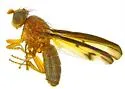
Minettia hubbardii
Identification: The only Minettia in its range with strongly marked wings.
Minettia inusta
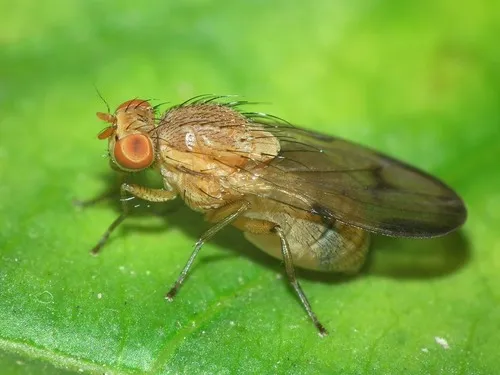
Minettia inusta
A small orange coloured fly with a distinctive dark pattern on the wings. Unless identified by a recognised expert, a photo is required and the specimen should be examined with a microscope. In the comments box, state the key or ID method used and de
Minettia longipennis
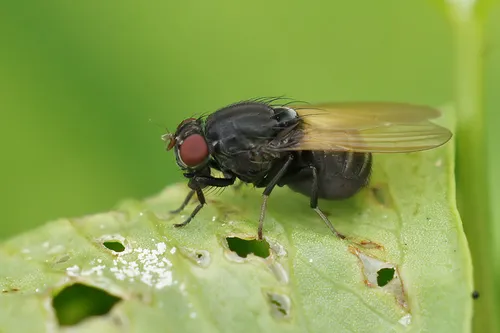
Minettia longipennis
Length: 3 to 4.5 mm). Black fly and orange-tinted wings that are considerably longer than the body and have a black base. The lower face has two rounded swellings. The prosternum is bare.. Unless identified by a recognised expert, a photo is required
Minettia lupulina
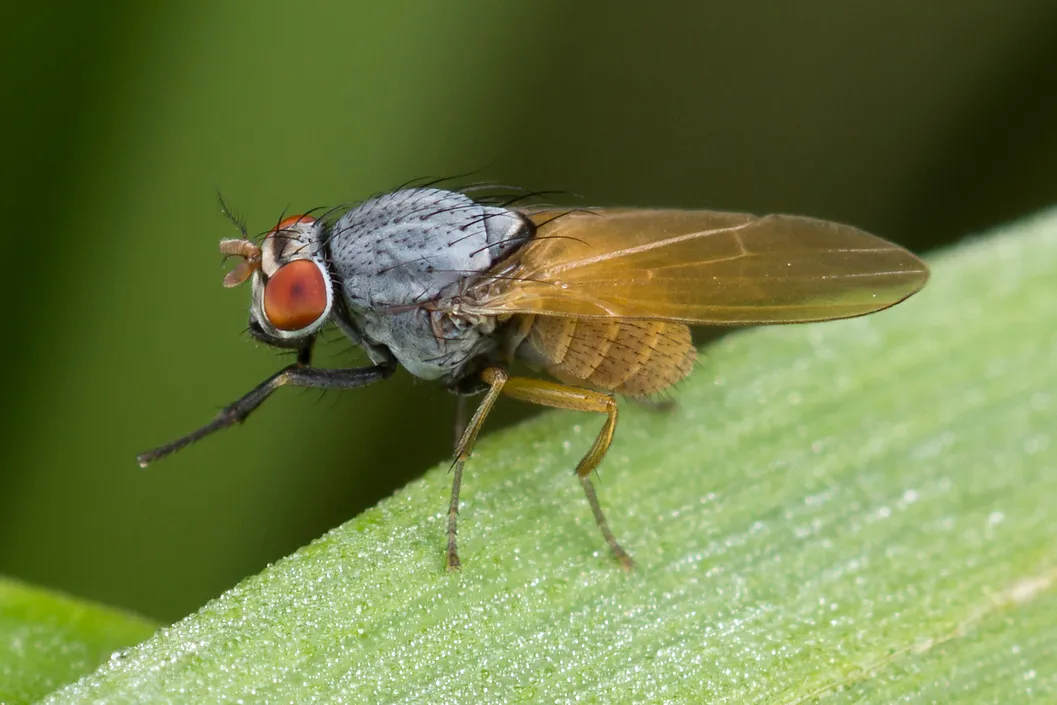
Minettia lupulina
Identification: Thorax including scutellum densely gray pruinescent; scutellum with black margin; abdomen yellow without dark markings; fore and mid femora and fore tibia mostly black; halteres yellow. A common species.
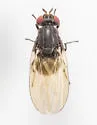
Minettia shewelli
Minettia shewelli
Identification: Falls into the obscura group of species, where male genitalia are useful for ID.
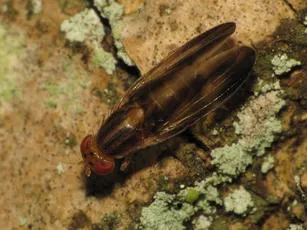
Peplomyza litura
Peplomyza litura
Length 5 mm. A handsome little fly of an overall orangey brown appearance, but with striped thorax, banded eyes and large dark shaded areas on the wings. Unless identified by a recognised expert, a photo is required and the specimen should be examine
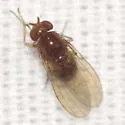
Physoclypeus coquilletti
Physoclypeus coquilletti
Identification: A yellow species with convex face, minute ocellars, two pairs of dorsocentral bristles, and medial black spots on tergites 2-5.
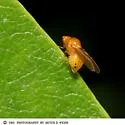
Sapromyza rotundicornis
Sapromyza rotundicornis
Identification: A yellow species with round flagellomere (presumably the source of the species name) and two or three round, black spots on a shining yellow abdomen.
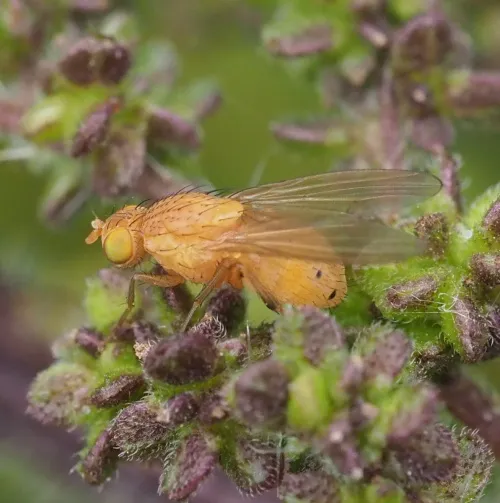
Sapromyza sexpunctata
Sapromyza sexpunctata
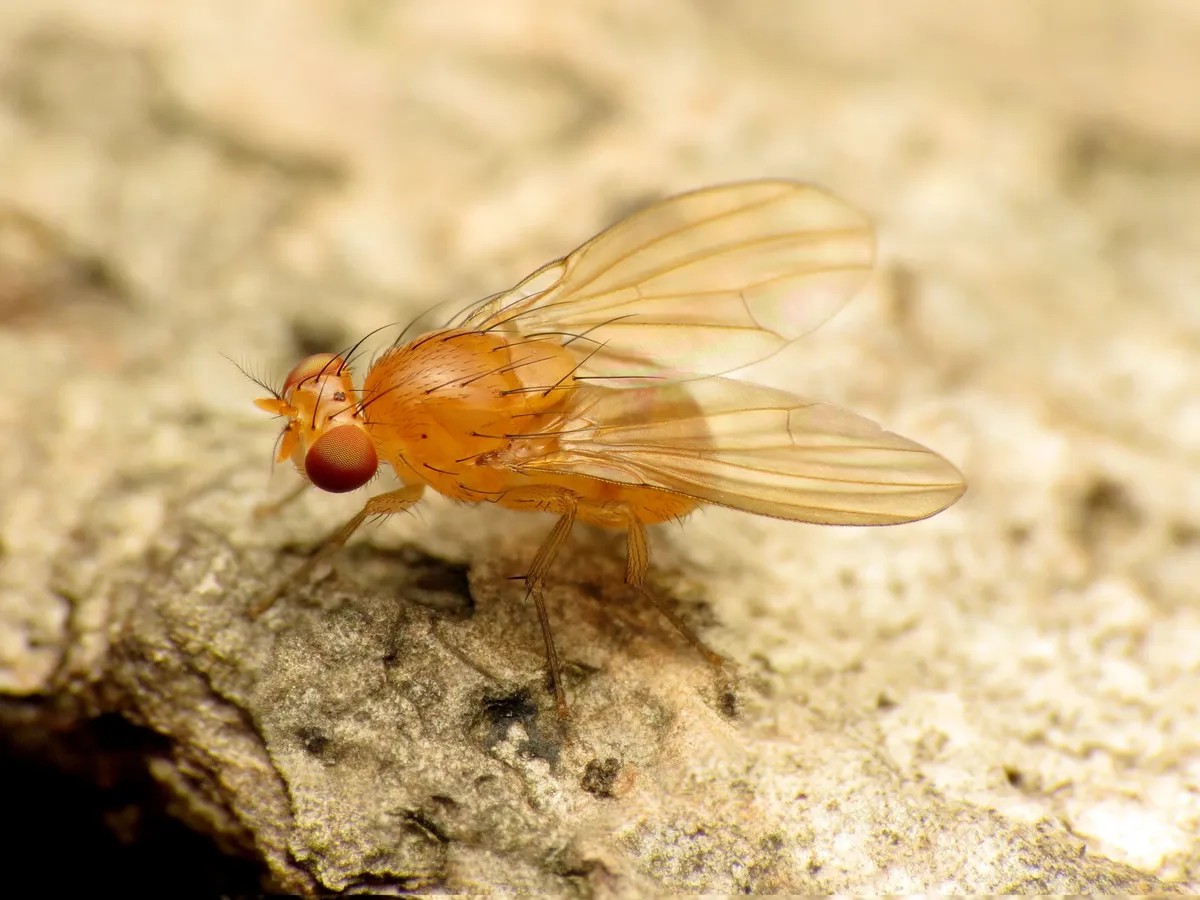
This small fly is all-orange with a shiny thorax. It usually has six black spots on the abdomen (note other Sapromyza species also have black spots). See ID guidance below . Sapromyza opaca has a dull, not shiny, thorax Photographs must be submitted
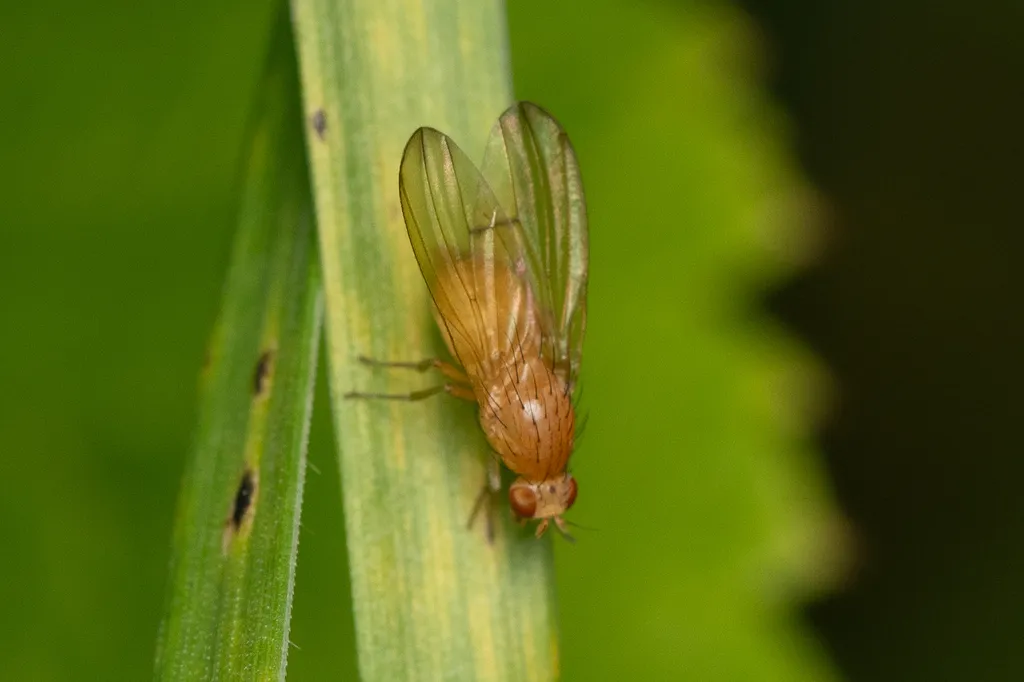
Tricholauxania praeusta
Tricholauxania praeusta
4 mm. Pale orange with a darkened cross-vein and slight shading at the wing tips. See ID guidance below. Unless identified by a recognised expert, a photo is required and the specimen should be examined with a microscope. In the comments box, state t
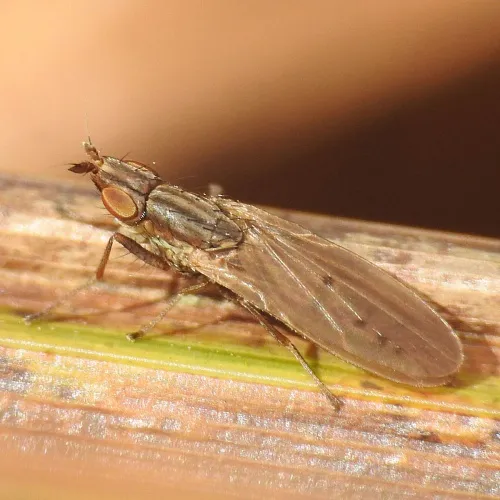
Trigonometopus frontalis
Trigonometopus frontalis
A small brown fly with a wedge-shaped head. The long wings give a narrow shape to the eye. The wings are semi-opaque and have three dark marks. Unless identified by a recognised expert, a photo is required showing the identifying characters. Widespre
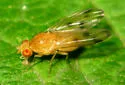
Homoneura americana
Homoneura americana
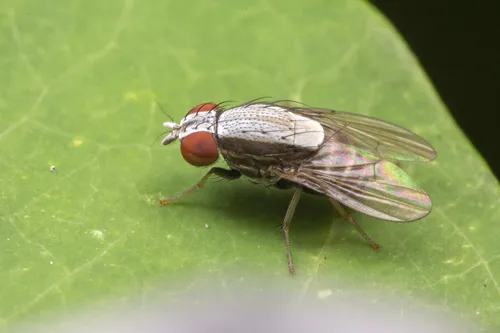
Homoneura conjuncta
Homoneura conjuncta
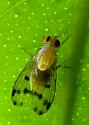
Homoneura discoglauca
Homoneura discoglauca
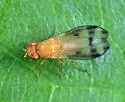
Homoneura fuscibasis
Homoneura fuscibasis
Homoneura houghii
Homoneura houghii
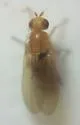
Homoneura imitatrix
Homoneura imitatrix
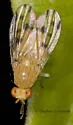
Homoneura incerta
Homoneura incerta
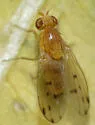
Homoneura occidentalis
Homoneura occidentalis
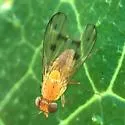
Homoneura trochantera
Homoneura trochantera
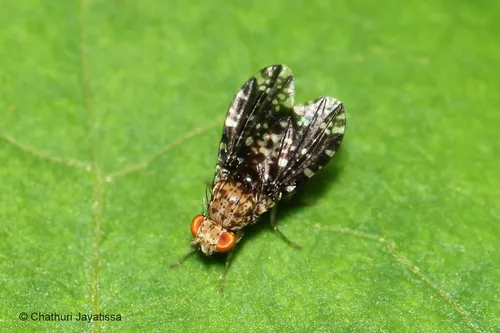
Homoneura trypetoptera
Homoneura trypetoptera
Lauxania nigrimana
Lauxania nigrimana
Meiosimyza discolor
Meiosimyza discolor
Melanomyza gracilipes
Melanomyza gracilipes
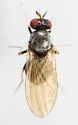
Melanomyza intermedia
Melanomyza intermedia
Melanomyza scutellata
Melanomyza scutellata
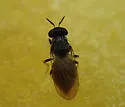
Melanomyza signatifrons
Melanomyza signatifrons
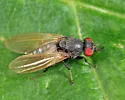
Minettia americanella
Minettia americanella
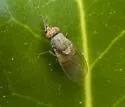
Minettia caesia
Minettia caesia
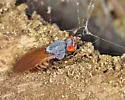
Minettia glauca
Minettia glauca
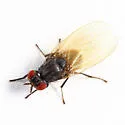
Minettia lobata
Minettia lobata
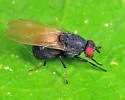
Minettia lyraformis
Minettia lyraformis
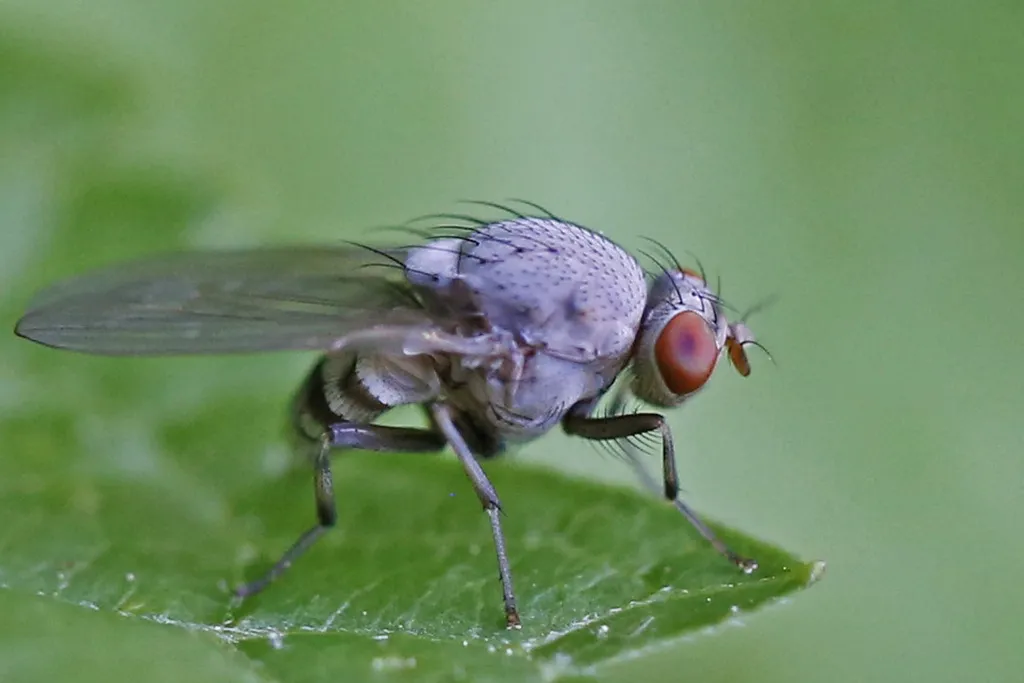
Minettia magna
Minettia magna
Neogriphoneura sordida
Neogriphoneura sordida
Neogriphoneura striatifrons
Neogriphoneura striatifrons
Neogriphoneura striga
Neogriphoneura striga
Oncodometopus umbrosus
Oncodometopus umbrosus
Physegenua obscuripennis
Physegenua obscuripennis
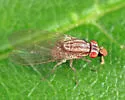
Poecilolycia browni
Poecilolycia browni
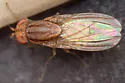
Poecilominettia macula
Poecilominettia macula
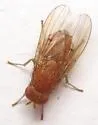
Poecilominettia ordinaria
Poecilominettia ordinaria
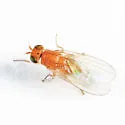
Poecilominettia puncticeps
Poecilominettia puncticeps
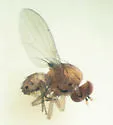
Poecilominettia slossonae
Poecilominettia slossonae
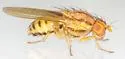
Poecilominettia valida
Poecilominettia valida
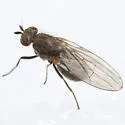
Sapromyza brachysoma
Sapromyza brachysoma
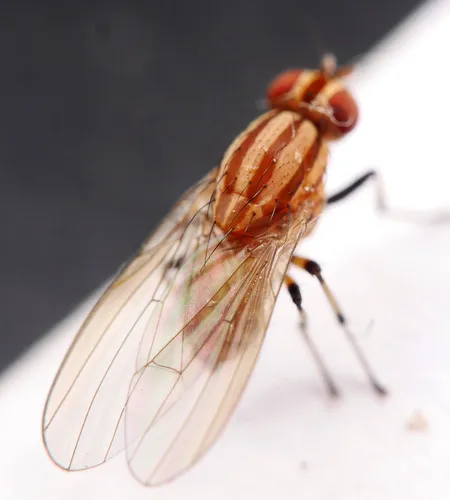
Sapromyza brunneovittata
Sapromyza brunneovittata
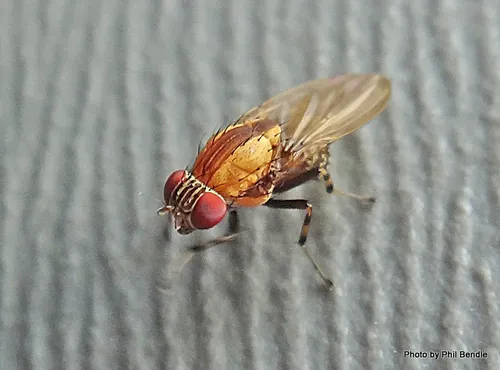
Brown-striped Litter Fly
Sapromyza neozelandica
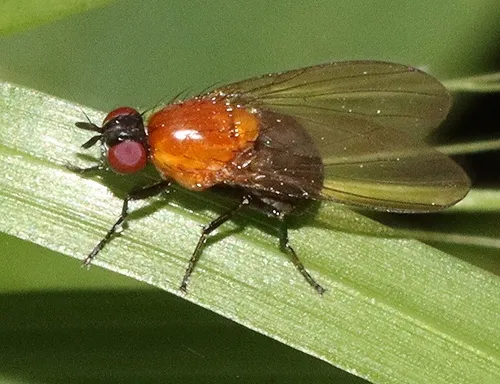
Sapromyza sciomyzina
Sapromyza sciomyzina
Trigonometopus vittatus
Trigonometopus vittatus
Trisapromyza vittigera
Trisapromyza vittigera
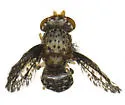
Trypetisoma eutretoides
Trypetisoma eutretoides
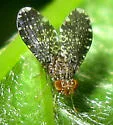
Trypetisoma sticticum
Trypetisoma sticticum
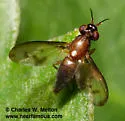
Xeniconeura costalis
Xeniconeura costalis
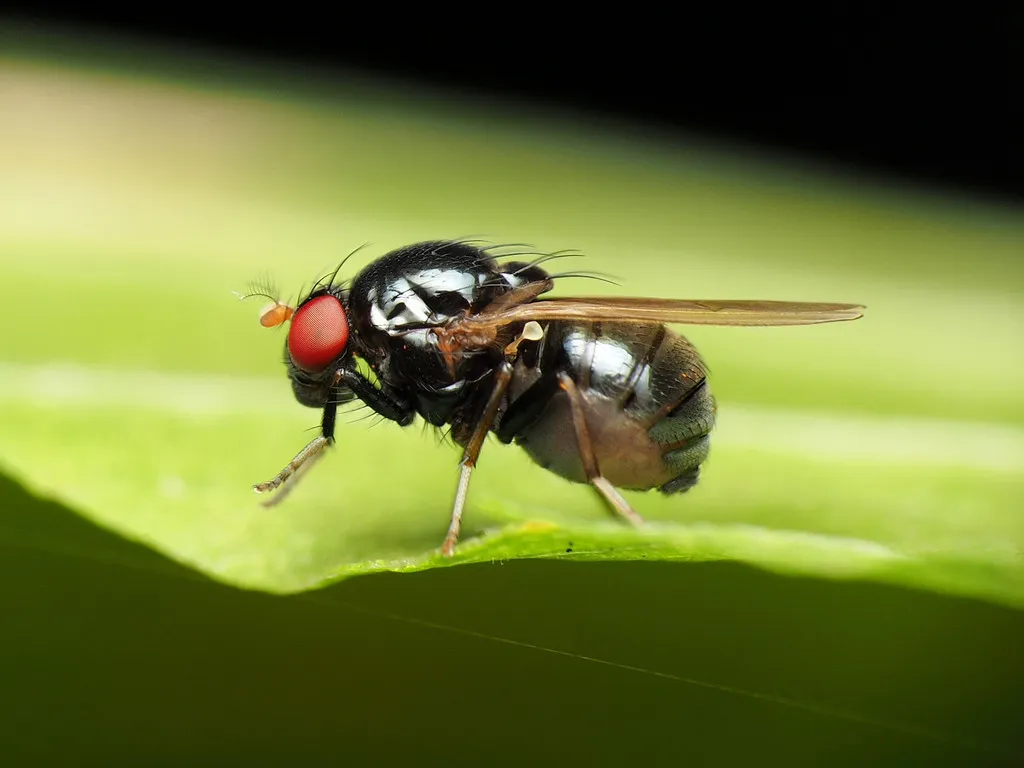
Xenochaetina flavipennis
Xenochaetina flavipennis
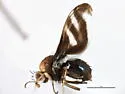
Xenopterella beameri
Xenopterella beameri