
Family Marsh Flies, Snail-killing Flies (Sciomyzidae)
Sciomyzidae is a family in the order Diptera. Browse 78 named species recorded in this family, or open an individual profile for its available identification and natural-history information.
Species in Sciomyzidae (78)
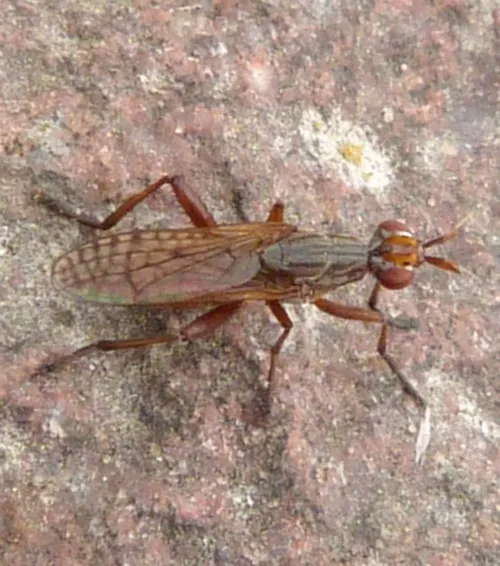
Dichetophora finlandica
Dichetophora finlandica
Length 7 or 8 mm. An attractive fly with a rust coloured abdomen and grey thorax. The legs of this species are also rust coloured with no lighter band on the femora. Dichetophora obliterata is similar, but that species has a pale yellow band at the u
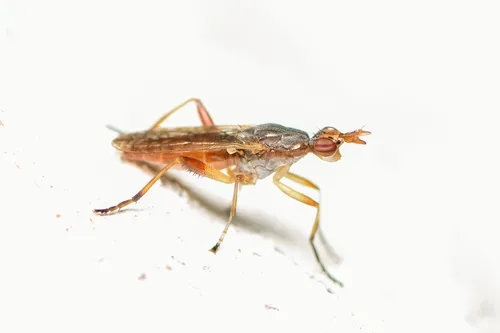
Dichetophora obliterata
Dichetophora obliterata
An attractive fly with a rust coloured abdomen and grey thorax. The thighs are quite distinctive, being orangey-red just above the knee joint but pale in the upper parts nearer to the body. Dichetophora finlandica is similar but it does not have the
Dictya texensis
Dictya texensis
Second most commonly collected Sciomyzid in Indiana.
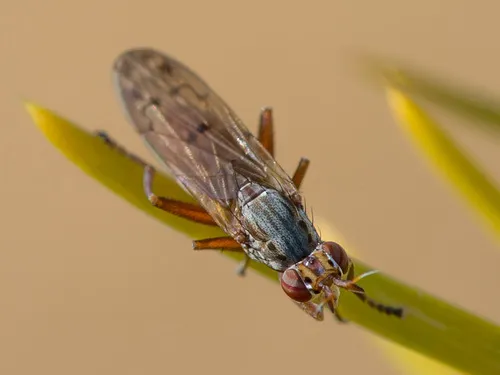
Grey S-veined Snail-killer.
Elgiva cucularia
One of two British Elgiva species, which are medium-sized, slimly-built sciomyzids with a strongly curved posterior cross vein and wings bearing several spots and smudges (notably a spot on each cross vein plus the end of vein R2+3). Elgiva cucularia
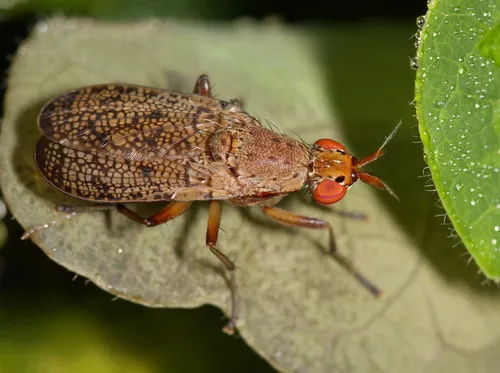
Euthycera flavescens
Euthycera flavescens
Identification: "Very distinctive species with a unique closed-wing shape." --Bill Murphy
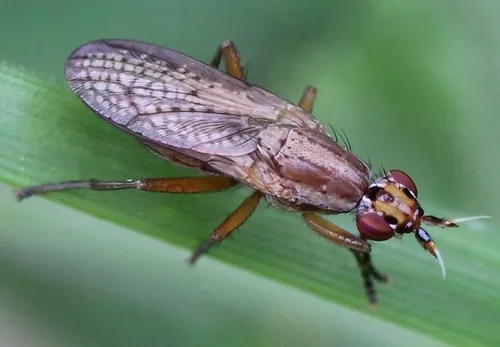
Euthycera fumigata
Euthycera fumigata
Body length 7 to 9 mm. A brown bodied species with a dense pattern of white spots on a brown wing membrane and entirely brown legs. Records must be supported by a photograph. It is typically encountered in fairly tall grassland and well vegetated pla
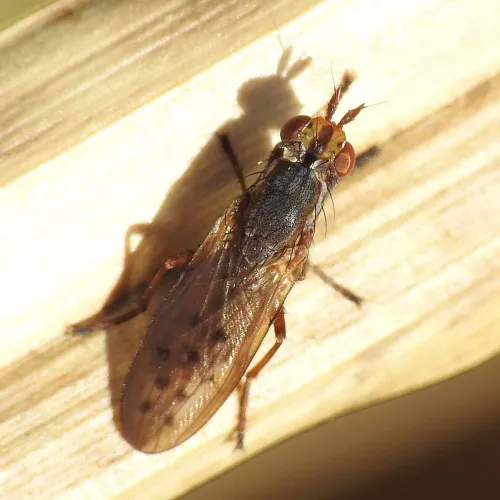
Hydromya dorsalis
Hydromya dorsalis
Length 6-7mm. A reddish-brown species with a grey thorax and five spots on each wing, four along vein M1+2 and one at the base of the s-shaped cross-vein. Unless identified by an expert, good quality photos or examination of a specimen are required.
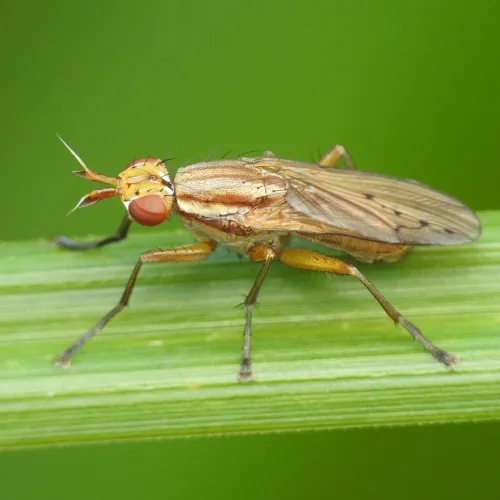
Ilione albiseta
Ilione albiseta
An orangey brown species with striped eyes and thorax. Unless identified by a recognised expert, a photo is required and the specimen should be examined with a microscope. In the comments box, state the key or ID method used and describe the size and
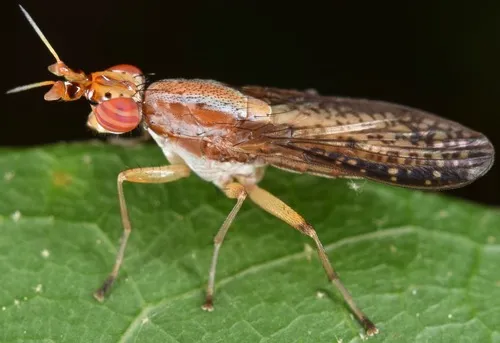
Limnia shannoni
Limnia shannoni
Identification: "One of the few Limnia that can be determined without dissection. The antennae have large brown swelling near the base." -- Bill Murphy
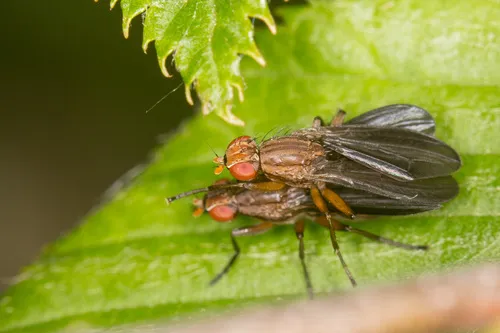
Pelidnoptera fuscipennis
Pelidnoptera fuscipennis
This fly has a red/brown thorax with darker tram lines along its length, reddish eyes and very dark wings. Woodland and well wooded areas, often in damp areas. Local but widespread in England and Wales, less well recorded in Scotland. No additional i
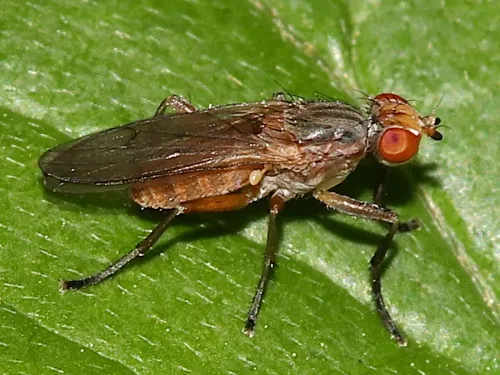
Pherbellia dubia
Pherbellia dubia
A medium-large, rather slim and long-legged Pherbellia with a greyish mesonotum and the apical two-thirds of the 3rd antennal segment black (a character not seen in any other British Pherbellia but present in the buff-bodied Renocera pallida ). Unles
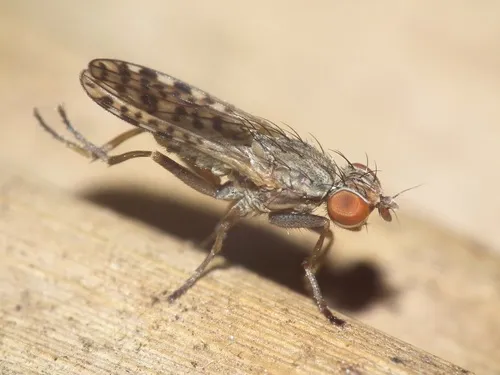
Pherbellia schoenherri
Pherbellia schoenherri
A distinctive species whose prominently spotted wings separate it from others within the genus. The thorax and abdomen are grey-brown. The mid-frontal strip (section of the frons containing the ocelli) can reach to the front edge of the frons. Wing l
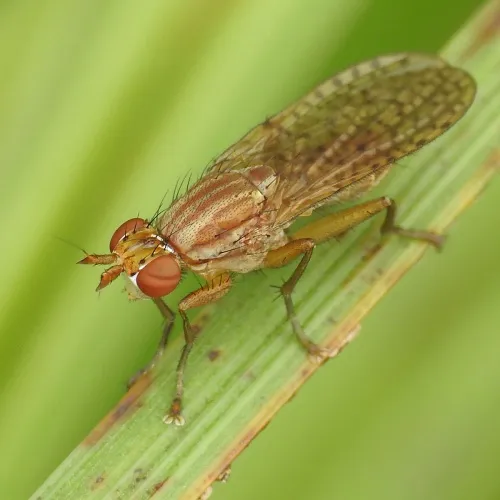
Pherbina coryleti
Pherbina coryleti
Body length 6.8-9.3mm, wing length 5.8-8.0mm The thorax has brownish stripes on a yellowish-grey ground. The wings are yellowish-grey marked with a brown net-like pattern. Along the margins of water bodies including coastal marshes. Larvae are believ
Renocera cressoni
Renocera cressoni
Identification: One fronto-orbital, densely plumose arista
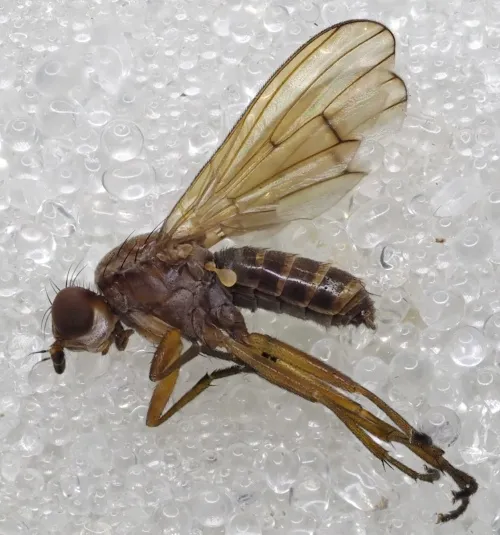
Renocera pallida
Renocera pallida
Size 4.2 to 6.2 mm. Generally orange-brown in colour. Can only be identified by detailed examination. Water margins, wet woodland and areas with waterlogged soil. Appears to be bivoltine with a flight period between May and September. The larvae are
Liverfluke Snail Predator Fly
Sepedomerus macropus
Identification: porrect (forward-pointing) antennae are standard features in the genera Sepedon, Parasepedon, Sepedonea, Sepedomerus . The extremely long, orange hind femora and tibia with the prominent black band is diagnostic for this unique specie
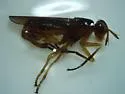
Sepedon armipes
Sepedon armipes
Identification: Males have a distinctively shaped hind femur. The most common small Sepedon of the Northeast.
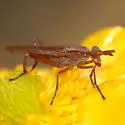
Sepedon fuscipennis
Sepedon fuscipennis
Identification: Antennae with a laterally flattened pedicel (the long part of the antenna).
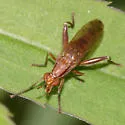
Sepedon gracilicornis
Sepedon gracilicornis
Identification: Note the evenly expanded second antennal segment. --Bill Murphy
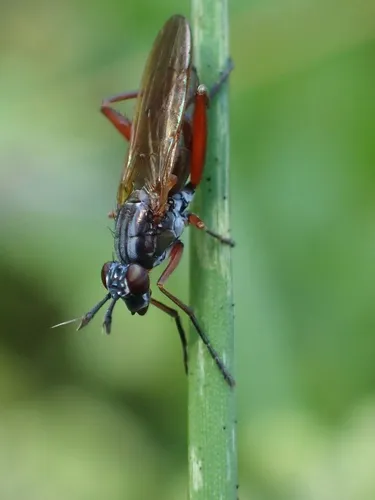
Sepedon sphegea
Sepedon sphegea
Length 8 to 11 mm. The body of this species is mainly brown or blackish, but the femurs are a striking orange-red and the tarsi are black. The hind femurs have a distinctive row of ventral bristles. Unless identified by a recognised expert, a photo i
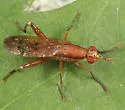
Sepedon tenuicornis
Sepedon tenuicornis
Identification: Katatergite callus bare, pedicel about 5x as long as wide, hind femora usually distinctly darker apically, genitalia distinctive.
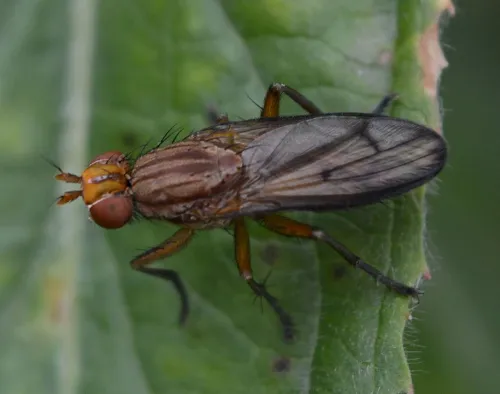
Tetanocera elata
Tetanocera elata
Tetanocera elata has dark shading to the outer edge of the wings and a dark patch on the head behind the ocelli. Unless identified by a recognised expert, a photo is required. If the photo doesn't show the key ID features then in the comments box des
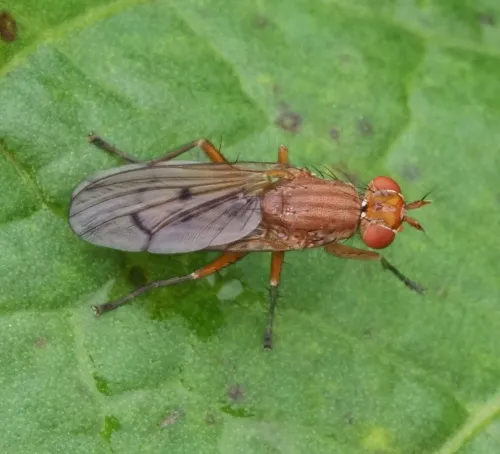
Tetanocera ferruginea
Tetanocera ferruginea
The wings lack a darkened costal area, and the frons is dull with a darkened mid frontal stripe. For further information see link below. Unless identified by a recognised expert, a photo is required, and the specimen should be examined with a microsc
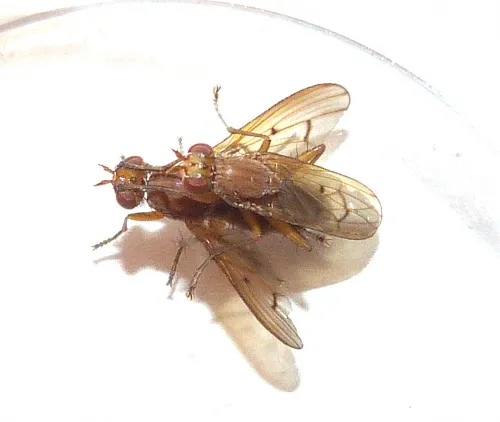
Tetanocera phyllophora
Tetanocera phyllophora
One of three Tetanocera species with the fore margin of the wing distinctly darkened but the only one without a dark mark on the occiput on the back of the head above the 'neck' and typically with a much paler appearance in the field than T. elata or
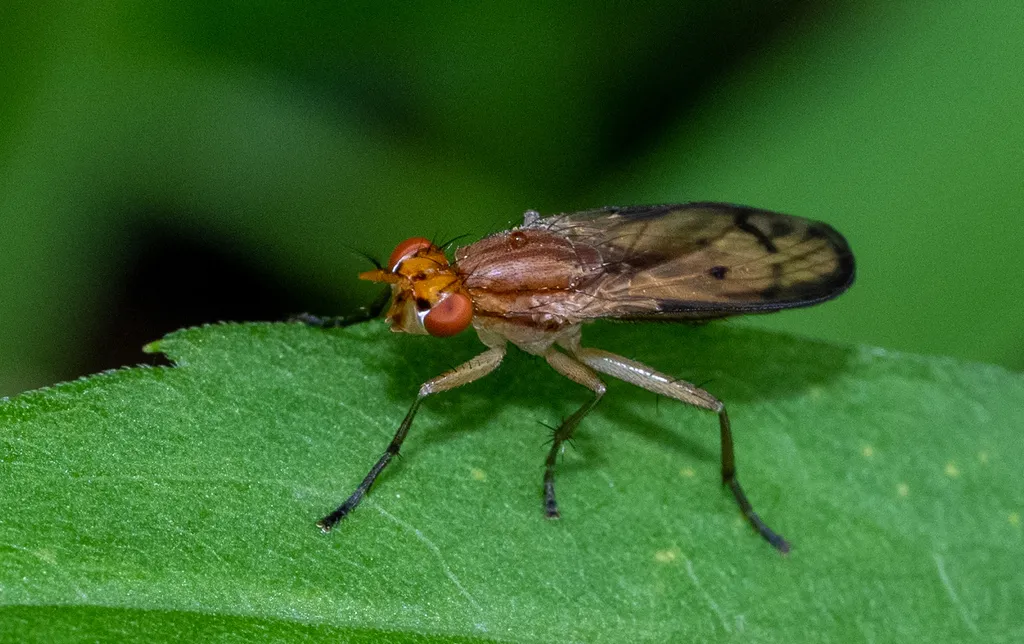
Tetanocera plebeja
Tetanocera plebeja
Identification: "Noting the pattern on the wings is the quickest means of determining this common and widespread species." -- Bill Murphy
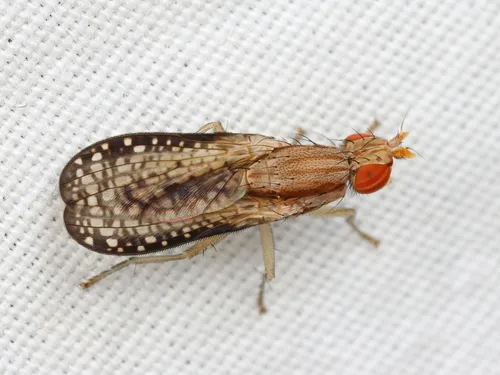
Trypetoptera canadensis
Trypetoptera canadensis
Identification: "The distinctive wing pattern with squarish clear 'windows' on the black leading edge of the wing, along with a rather narrow, waxy vitta running the length of the frons (top of the head), and black arista (not white as in the very si
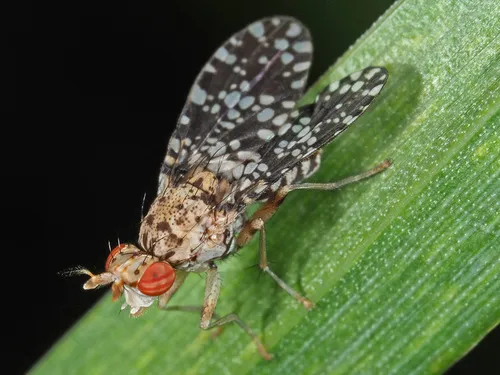
Trypetoptera punctulata
Trypetoptera punctulata
Length: 6-7mm. A beautifully marked fly, belonging to the Scyomizidae family. The wing pattern helps to identify the species. It also has long, forward-pointing antennae, typical of the family. A good field photo is required showing key features. It
Anticheta melanosoma
Anticheta melanosoma
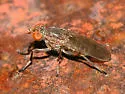
Atrichomelina pubera
Atrichomelina pubera
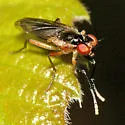
Colobaea americana
Colobaea americana
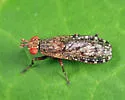
Dictya atlantica
Dictya atlantica
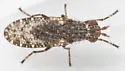
Dictya borealis
Dictya borealis
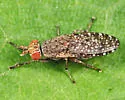
Dictya expansa
Dictya expansa
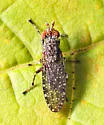
Dictya pictipes
Dictya pictipes
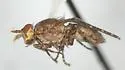
Dictya sabroskyi
Dictya sabroskyi
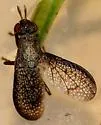
Dictyacium ambiguum
Dictyacium ambiguum
Dictyacium firmum 0
Dictyacium firmum
Ditaeniella parallela
Ditaeniella parallela
Elgiva solicita
Elgiva solicita
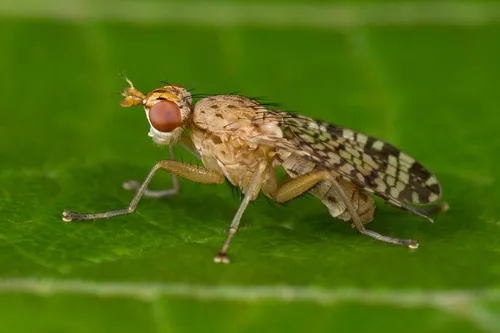
Euthycera chaerophylli
Euthycera chaerophylli
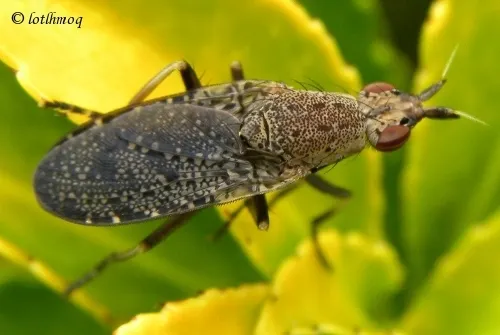
Euthycera cribrata
Euthycera cribrata
Hoplodictya spinicornis
Hoplodictya spinicornis
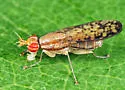
Limnia boscii
Limnia boscii
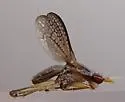
Limnia conica
Limnia conica
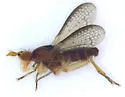
Limnia georgiae
Limnia georgiae
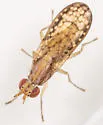
Limnia loewi
Limnia loewi
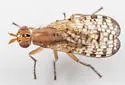
Limnia sparsa
Limnia sparsa
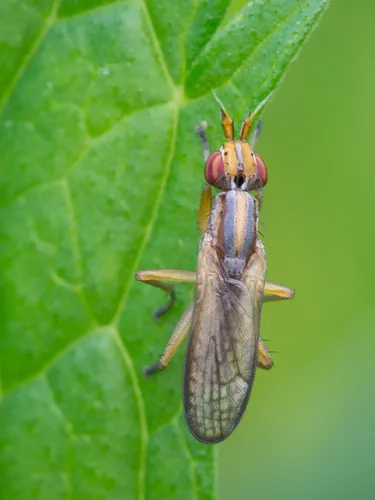
Stripe-backed Snailkiller
Limnia unguicornis
Oidematops ferrugineus
Oidematops ferrugineus
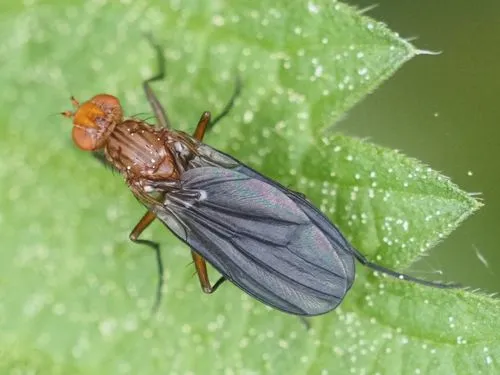
Pelidnoptera leptiformis
Pelidnoptera leptiformis
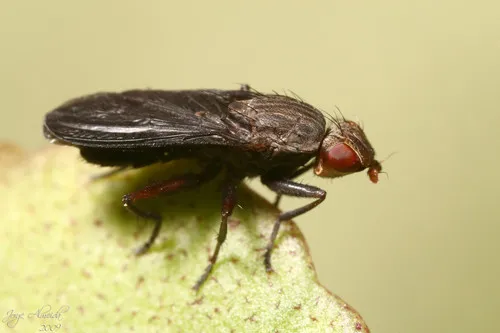
Pelidnoptera nigripennis
Pelidnoptera nigripennis
Pelidnoptera triangularis
Pelidnoptera triangularis
Pherbecta limenitis
Pherbecta limenitis
Pherbellia albovaria
Pherbellia albovaria
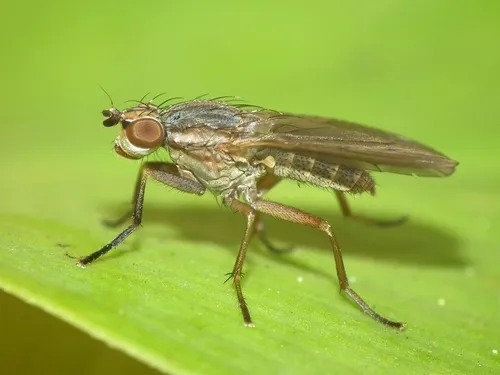
Pherbellia cinerella
Pherbellia cinerella
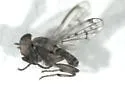
Pherbellia nana
Pherbellia nana
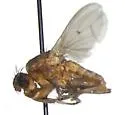
Pherbellia seticoxa
Pherbellia seticoxa
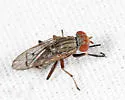
Pherbellia similis
Pherbellia similis
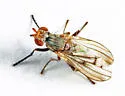
Pherbellia tenuipes
Pherbellia tenuipes
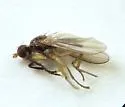
Pteromicra pleuralis
Pteromicra pleuralis
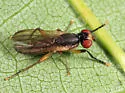
Pteromicra similis
Pteromicra similis
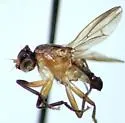
Pteromicra sphenura
Pteromicra sphenura
Renocera johnsoni 0
Renocera johnsoni
Renocera striata 0
Renocera striata
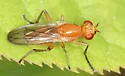
Sciomyza aristalis
Sciomyza aristalis
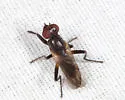
Sciomyza varia
Sciomyza varia
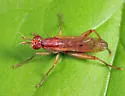
Sepedon americana
Sepedon americana
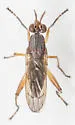
Sepedon borealis
Sepedon borealis
Sepedon floridensis
Sepedon floridensis
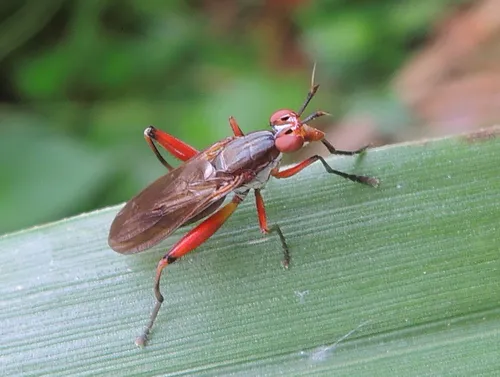
Sepedon lobifera
Sepedon lobifera
Sepedon neili
Sepedon neili
Sepedon pacifica
Sepedon pacifica
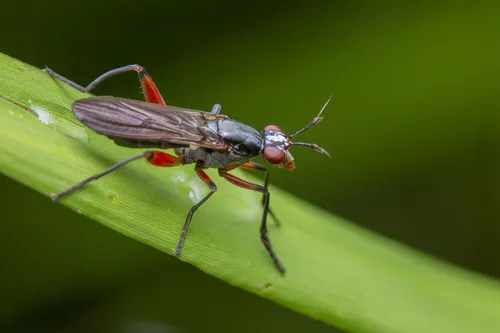
Sepedon plumbella
Sepedon plumbella
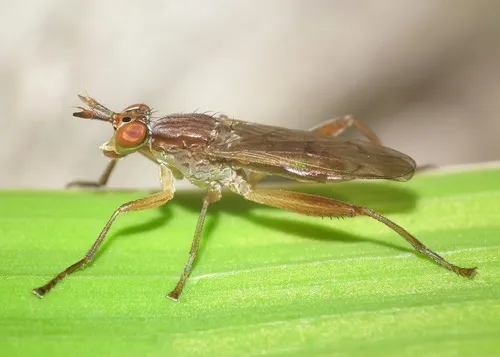
Sepedon spinipes
Sepedon spinipes
Tetanocera melanostigma
Tetanocera melanostigma
Tetanocera plumosa
Tetanocera plumosa
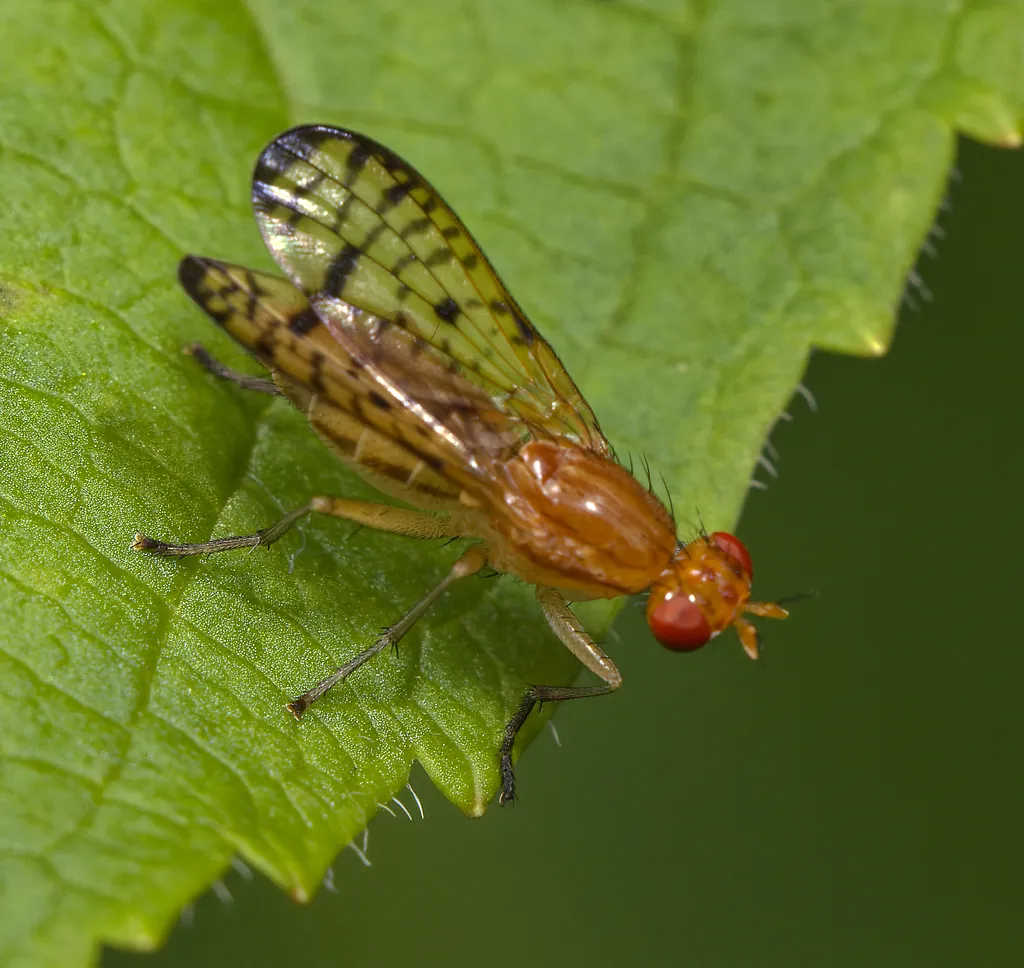
Tetanocera valida
Tetanocera valida
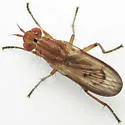
Tetanocera vicina
Tetanocera vicina