
Butterflies and Moths
Order Lepidoptera
The Butterflies and Moths (Order Lepidoptera) includes 11,813 species across 112 families and 2,787 genera in our directory.
About Butterflies and Moths
Lepidoptera includes approximately 180,000 described species of butterflies and moths. Moths outnumber butterflies roughly 10:1. The monarch butterfly's eastern population has declined by more than 80% since the mid-1990s, and the western population by over 95% since the 1980s. The IUCN lists the migratory monarch as Vulnerable.
Economic Impact
Lepidoptera are critical pollinators. In Europe, grassland butterfly species have declined by almost 50% since the early 1990s. In the UK, three-quarters of butterflies are in decline. In the U.S., five butterfly species have gone extinct since 1950, with 29 listed as endangered.
Ecological Role
Butterflies and moths are essential indicators of ecosystem health. As caterpillars, they are a primary food source for birds - a single nest of blue tit chicks requires ~10,000 caterpillars. Adult moths pollinate many night-blooming plants.
Families in Lepidoptera (112)
Species in Lepidoptera (11,813)
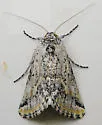
Podagra crassipes - Hodges#9845
Podagra crassipes
Identification: See original description in print references below .
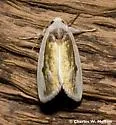
Poetry Moth - Hodges#9737
Neumoegenia poetica
Identification: Adult - Dorsal surface of forewing is a shiny metallic greenish-bronze color with a white strip along the costa.
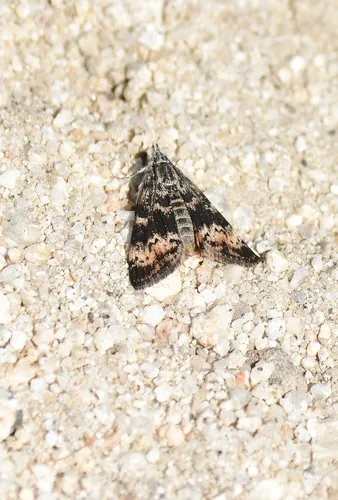
Pogonogenys proximalis - Hodges#4817
Pogonogenys proximalis
Identification: Head, thorax, upper side of abdomen, and fore wings dark brown, overlaid more or less with whitish scales. The outer crossline is represented by an ill-defined, dentate, dark brown line crossing the wing about halfway between the end
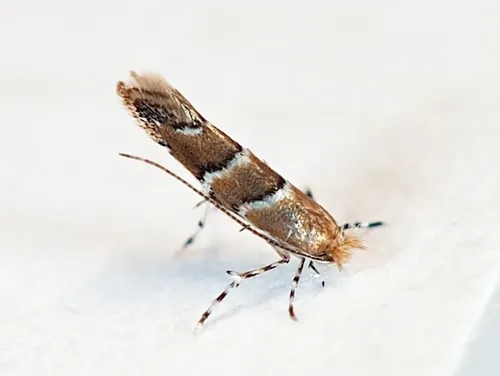
Poison Ivy Leaf-miner Moth
Cameraria guttifinitella
Cameraria guttifinitella is a moth of the Gracillariidae family. It is known from Canada (Manitoba, Québec) and the United States (including Texas, California, Kentucky, Maine, Maryland, Michigan, New York, Vermont, Connecticut and Illinois).
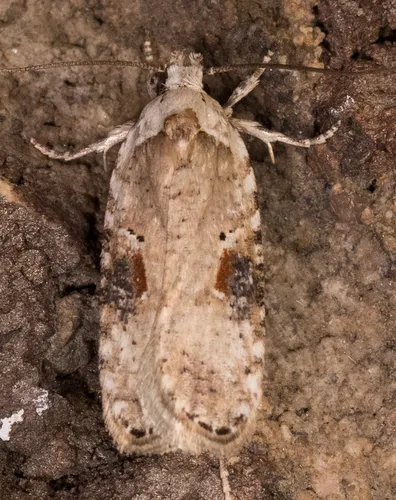
Poison hemlock moth
Agonopterix alstroemeriana
The hemlock moth (Agonopterix alstroemeriana), also known as the defoliating hemlock moth or poison hemlock moth, is a moth species of the family Depressariidae. Of Palaearctic origin, it was first found in North America in 1973 when it was accidenta
Polenta tepperi - Hodges#9755
Polenta tepperi
Identification: Original description online: as Schinia tepperi Morrison. (68)
Polia nugatis - Hodges#10281
Polia nugatis
Identification: Smith (1898) original description as Mamestra nugatis is available online in the print references.
Policocnemis ungulatus - Hodges#9846
Policocnemis ungulatus
Identification: Distinctive forewing pattern. Males have white hindwings. Females have fuscous hindwings and are slightly larger.
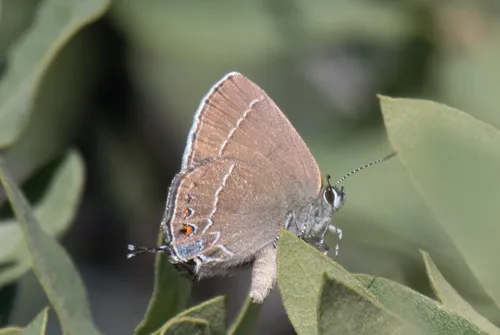
Poling's Hairstreak - Hodges#4333
Satyrium polingi
Identification: Hindwing fringe is dark. Hindwing blue spot without orange cap or capped narrowly with orange. Strong "W" on hindwing post median band or described as black-edged white W near inner margin. Two tails on each hindwing. Dorsal side is d
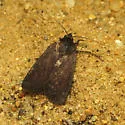
Polished Dart Moth - Hodges#10865
Euxoa perpolita
Identification: Description at Pacific Northwest Moths
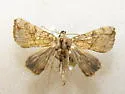
Polychrysia esmeralda - Hodges#8901
Polychrysia esmeralda
Adults are easily caught by hand when visiting flowers (E.H. Strickland Museum).
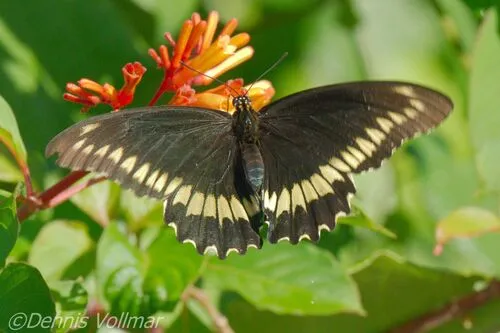
Polydamas Swallowtail - Hodges#4158
Battus polydamas
Identification: Lacks tails. Black above with submarginal yellow band. Larva somewhat similar to Pipevine Swallowtail, but spines are orange and body marked with stripes
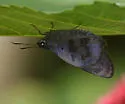
Polygonus histrio - Hodges#3872
Polygonus histrio
Identification: Butterflies of America - BOA Has a short rapid flight, often landing under a leaf, hanging upside down.
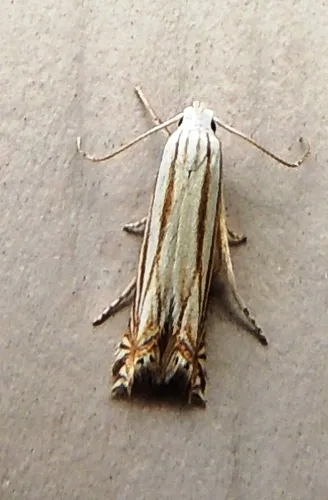
Polyhymno Moth
Polyhymno luteostrigella
Polyhymno luteostrigella, the polyhymno moth, is a moth of the Gelechiidae family. It is found in the United States, where it has been recorded from Texas to Florida, north to Connecticut and Kentucky. It is also found in Cuba and Puerto Rico.
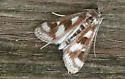
Polymorphic Pondweed Moth - Hodges#4759
Parapoynx maculalis
Identification: Adult : FW grayish brown, boldly marked with large white spots. Darker individual are uniformly gray or brown.
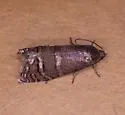
Ponderosa Pine Seedworm Moth - Hodges#3489
Cydia piperana
Identification: Adult - dark brownish gray, finely speckled by whitish scale tips, and with three raised, transverse bars of metallic lead- or bronze-colored scaling. Hindwing is entirely smokey brown Can inflict serious damage on seed crops of Ponde
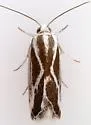
Ponometia alata - Hodges#9099
Ponometia alata
Identification: Smith (1905) original description as Acontia alata is online in the print references.
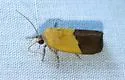
Ponometia bicolorata - Hodges#9084
Ponometia bicolorata
Identification: The adult can be separated from the similar P. semiflava by the ochreous brown scales of the pronotum and head, which contrast with the yellow on the wing ( Jan Metlevski via iNaturalist.com ) and by the outer area of forewing not so
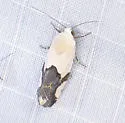
Ponometia cuta - Hodges#9094
Ponometia cuta
Identification: Smith original description as Acontia cuta is available online to read or PDF.
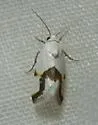
Ponometia dorneri - Hodges#9091
Ponometia dorneri
Identification: Adapted from nearctica.com : The basal half of the forewing is pure white. A dark brown, roughly s-shaped mark occupies the outer half of the wing. This zig-zag brown patch leaves a large white triangle extending basally from the oute
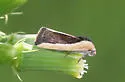
Ponometia exigua - Hodges#9115
Ponometia exigua
Identification: Sexually dimorphic: The Catalogue of the Lepidoptera of the French Antilles - species page
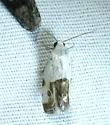
Ponometia huita - Hodges#9092
Ponometia huita
Identification: Adapted from nearctica.com : The basal half of the forewing is pure white with an angular distal margin. There is a small olive-brown spot on the costa and a large, triangular, olive-brown patch arising from the inner margin. The lat
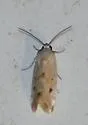
Ponometia hutsoni - Hodges#9103
Ponometia hutsoni
Identification: The original description as Thalpochares hutsoni Smith, is available online in the print references below.
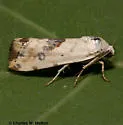
Ponometia libedis - Hodges#9096
Ponometia libedis
Identification: Specimens identified by DNA analysis (BOLD). ( 4 )
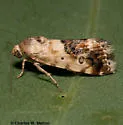
Ponometia nannodes - Hodges#9097
Ponometia nannodes
Identification: Specimens identified by DNA analysis (BOLD).
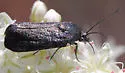
Ponometia nigra - Hodges#9101.1
Ponometia nigra
Identification: "The dorsal forewing is very dark gray with a slight greenish sheen, and lacks any pattern. The hindwing is dark brown, including the fringe. The head and body match the forewing" .
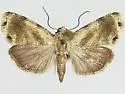
Ponometia septuosa - Hodges#9085.1
Ponometia septuosa
Identification: Forewing is a olive-green color. Fresh specimens have a greenish cast that fades soon after collecting. Specimen identified by DNA analysis (BOLD).
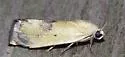
Ponometia tortricina - Hodges#9101
Ponometia tortricina
Identification: Lighter specimens of P. tortricina can be readily identified by the even color and black orbicular spot. Dark specimens are closely similar to Ponometia fumata and cannot be reliably sorted by superficial appearance" ( 4 ) . "Specimen
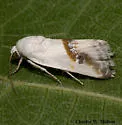
Ponometia virginalis - Hodges#9088
Ponometia virginalis
Identification: Distinguished by the white basal area of the forewing which is tinted yellow. Specimen identified by DNA analysis (BOLD). ( 3 )
Poolea psaphidoides - Hodges#10048.1
Poolea psaphidoides
Identification: Description can be found at link in citations below.
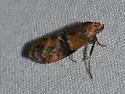
Poplar Bud Borer Moth - Hodges#5786
Meroptera cviatella
Identification: Adult : Basal area, the costa and the inner margin of the FW are broadly bright reddish brown, while the center beyond the base is purplish gray. Mark Dreiling's DNA Specimen
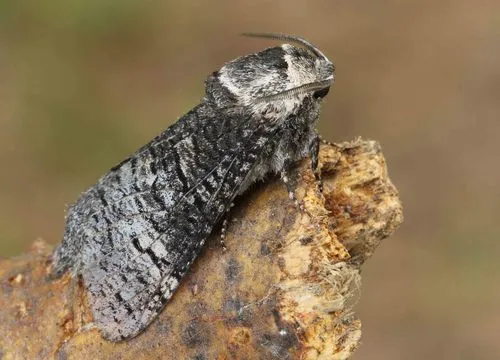
Poplar Carpenterworm Moth
Acossus centerensis
Acossus centerensis, the poplar carpenterworm, is a moth of the Cossidae family. It is found in North America from New Jersey west to Illinois and North Dakota. In Canada it is found from Quebec and Ontario west to British Columbia.
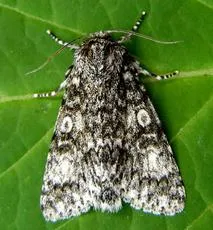
Poplar Grey
Subacronicta megacephala
Wingspan 40-44 mm. One of several powdery-looking greyish moths which can be difficult to identify, this species has however a distinctly round whitish orbicular stigma with a darker centre, and whitish hind wings. The grey-brown caterpillar feeds on
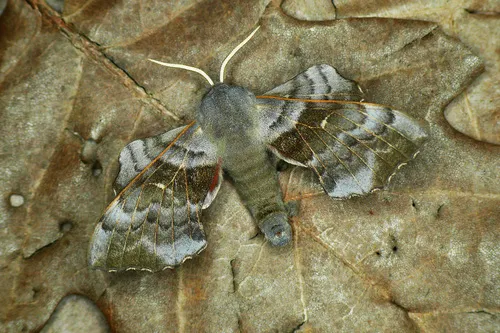
Poplar Hawk-moth
Laothoe populi
Wingspan 65-90 mm. Probably the commonest of our hawk-moths, it has a strange attitude when at rest, with the hindwings held forward of the forewings and the abdomen curved upwards at the rear. If disturbed it can flash the hindwings, which have a co
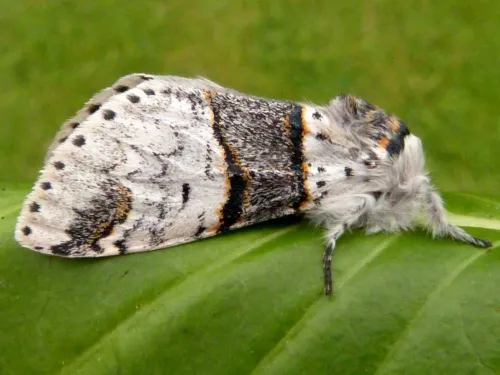
Poplar Kitten
Furcula bifida
Wingspan 35 to 45 mm. Quite similar in appearance to Sallow Kitten, this species is however usually larger, and the outer edge of the grey wing bar is more smoothly curved. The larval foodplants are usually Poplars including Aspen, though sometimes W
Poplar Leafroller - Hodges#2769
Pseudosciaphila duplex
Identification: Adult - forewing of typical form resembles a bird dropping -- dark gray in basal, medial, and terminal areas, and whitish in antemedial (AM) and postmedial (PM) areas; dark medial patch is widest at inner margin, tapering with irregul

Poplar Lutestring
Tethea or
Wingspan 38 to 43 mm. Characterised by its four cross-lines or 'lutestrings' on the inner part of the forewing, this species sometimes shows a slight purplish tinge when fresh. Good photographs and/or the specimen required. June and July is the typic
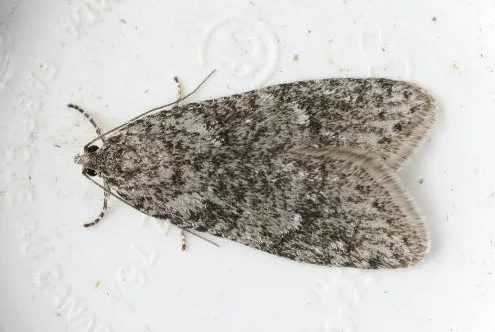
Poplar Micromoth
Semioscopis inornata
The dull flatbody moth (Semioscopis inornata) is a species of moth of the Depressariidae family. It was described by Walsingham in 1882. It is found throughout Canada and northern United States.
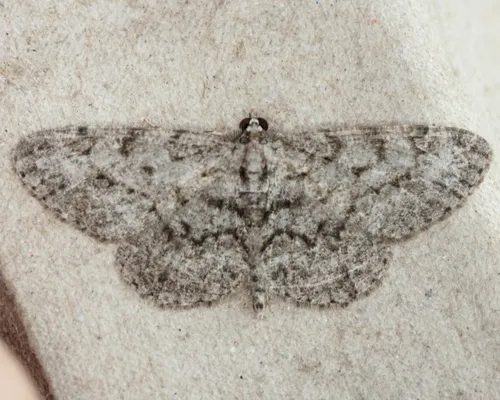
Porcelain Gray
Protoboarmia porcelaria
The Porcelain gray (Protoboarmia porcelaria), also known as the Dash-lined looper, is a Geometrid found throughout North America, except in the far north.
Porphyrosela minuta - Hodges#0843.1
Porphyrosela minuta
The only known native Porphyrosela in the US, P. desmodiella , is very similar as an adult. However, it makes underside tentiform mines, not flat upperside mines like those of P. minuta , and Trifolium is not one of its known hosts.
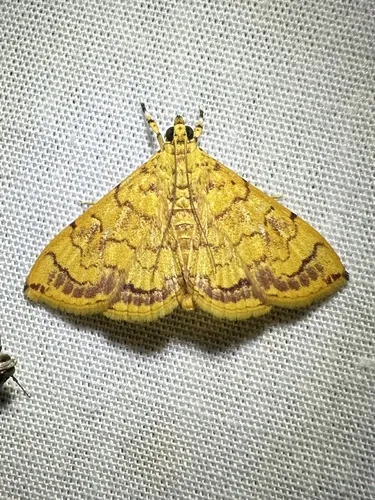
Portentomorpha xanthialis - Hodges#5078
Portentomorpha xanthialis
Portentomorpha xanthialis - Hodges#5078 (Portentomorpha xanthialis) is a species in the family Crambidae, commonly known as crambid snout moths, belonging to the order Lepidoptera (Butterflies and Moths). It is classified within the subfamily Pyraust
Post-burn Datana - Hodges#7911
Datana ranaeceps
Identification: Dark reddish brown with scattered white scales overlaying the forewing, giving a frosted appearance. Determined by J. Bolling Sullivan This species is associated with certain ericaceous shrubs growing in recently burned areas. It can
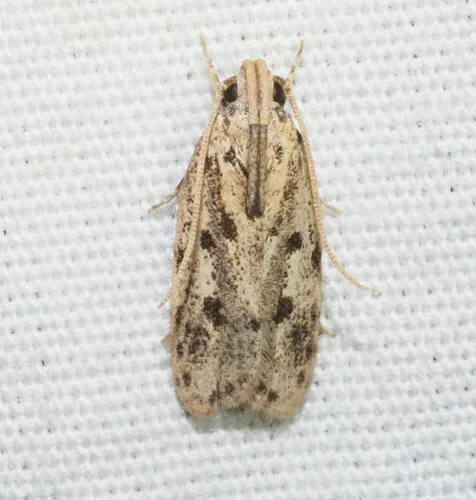
Potato Moth
Stoeberhinus testaceus
Stoeberhinus testaceus, the potato moth, is a gelechioid moth, supposedly the only species of its genus Stoeberhinus. However, the genus might also include some related moths presently placed in Autosticha. It belongs to the subfamily Autostichinae,
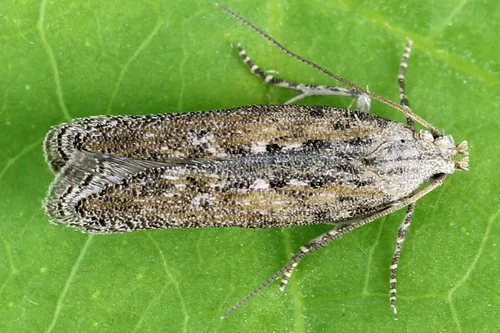
Potato Moth - Hodges#2011
Phthorimaea operculella
Identification: Adult: forewing slender, brownish-gray with scattered dark markings, especially along inner margin near base and along outer margin; hindwing slender, gray with long hairlike scales along inner and outer margins Larva: body pale pinki
Potrillo Skipper - Hodges#3916
Cabares potrillo
Identification: Upperside is brown with 2 darker bands across both wings. Forewing cell contains a double U-shaped transparent spot. Hindwing margin has shallow scallops; underside of hindwing with 2 dark bands
Powder Moth - Hodges#6638
Eufidonia notataria
Identification: Eufidonia convergaria is separated by dissection.
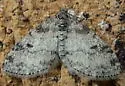
Powdered Bigwing - Hodges#7640
Lobophora nivigerata
Identification: Adult: forewing powdery gray marked with four darker gray bands, heaviest at costa; discal spot diffuse, blackish; forewing in melanic specimens almost unmarked, dark gray; hindwing white with tiny black discal dot and faint median li
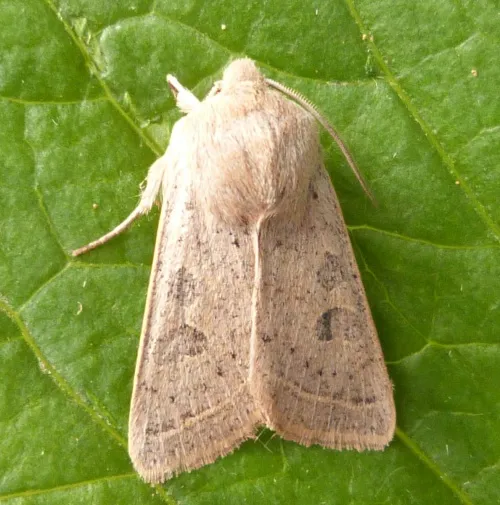
Powdered Quaker
Orthosia gracilis
Wingspan 35 to 40 mm. A quite variable species in colouration, but the row of dots between the kidney mark and the outer cross line helps with identification. The more widely varying individuals are usually those feeding on bog myrtle in Scotland and
Poweshiek Skipperling - Hodges#4006
Oarisma poweshiek
As of October 24 2014 this species was listed as threatened. As of October 2018, it is listed as Critically Endangered. ICUN Redlist
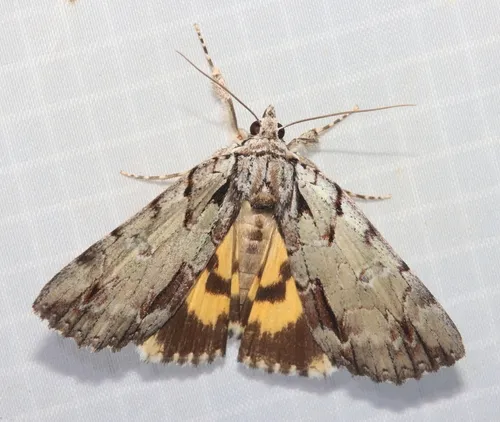
Praeclara Underwing - Hodges#8865
Catocala praeclara
Identification: A medium-size moth with dull greenish or purple grey forewings. The antemedial line is black and distinct, the other cross-lines less so, mainly indicated by dark marks at the costa. The basal dash is indistinct or absent. A short dar
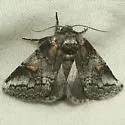
Praeschausia zapata - Hodges#8001
Praeschausia zapata
Mexican species not often encountered in the United States. Bruce Walsh collected two dozen from Harshaw, Portal, Pena Blanca, and Brown Canyon in southern Arizona during the "banner year" of 2011. ( 4 )
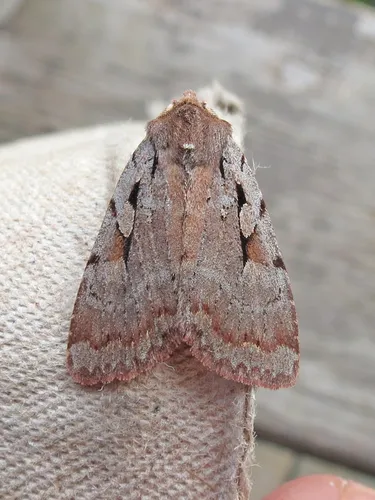
Praevia Dart - Hodges#10968.1
Xestia praevia
Identification: Adult: forewing medium brown with slightly paler double AM and PM lines, and slightly darker diffuse ST line; reniform, orbicular, and claviform spots slightly paler than ground color; conspicuous triangular black spot basal to orbicu
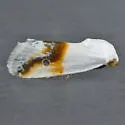
Prairie Bird-dropping Moth - Hodges#9089
Ponometia binocula
Identification: forewing is bright white with the outer half crossed by a wide, dark brown and gray band. The costa is white for the basal two-thirds then divided by an orange patch. A dark round spot ringed with paler scales is at the end of the dis
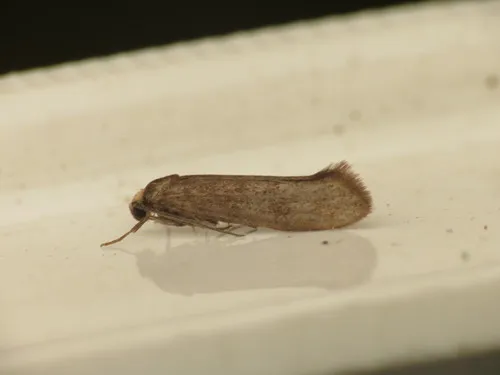
Prays ruficeps
Prays ruficeps
Wingspan 14-17 mm. Originally thought a dark form of Prays fraxinella (Ash Bud Moth). DNA bar coding indicates that P. ruficeps is a species distinct from P. fraxinella. The latter does have a dark form but in it the faint fraxinella markings can sti
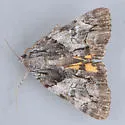
Precious Underwing - Hodges#8858.1
Catocala pretiosa
Identification: Adults - lighter median and basal area than the similar Catocala crataegi and Catocala mira Larvae - figured in Rare, Declining, and Poorly Known Butterflies and Moths of Forests and Woodlands in the Eastern United States fig. 260, 26
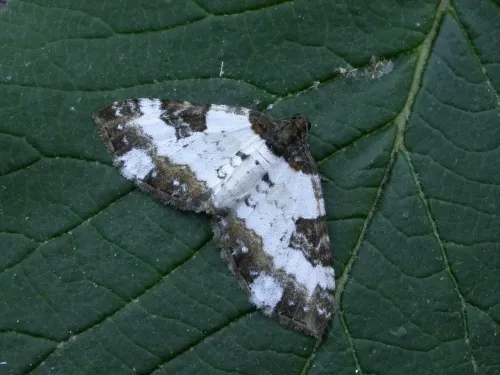
Pretty Chalk Carpet
Melanthia procellata
Wingspan 27-32 mm. This species has chalky wings with the dark brown central cross band stopping abruptly before the middle and a white blotch in the dark brown outer border. It occupies hedgerows and scrubland, particularly in chalky localities, and
Pristerognatha agilana - Hodges#2831
Pristerognatha agilana
Identification: DNA confirmed but as of 4/2017 BOLD still uses the name Pristerognatha fuligana which is extralimital. The species page includes two BIN groups with one being strictly new world and the other old world. The new world group refers to P
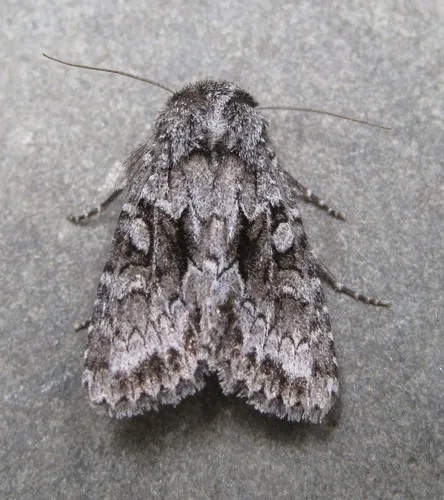
Private Sallow Moth - Hodges#9989
Sutyna privata
Identification: "Peppery ash gray FW has darker gray basal and median areas. All lines and spots are indistinct and edged white. Thick bar in inner median area is conspicuous. ST has black wedges at midpoint and anal angle." Head: Speckled gray-white
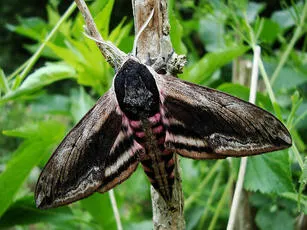
Privet Hawk-moth
Sphinx ligustri
Wingspan 90 to120 mm. Our largest resident hawk-moth, which has distinctive pink and black barring on the body. The similarly-striped hindwings are often concealed. It frequents woodland and suburban habitats. Flies in June and July, with a single ge
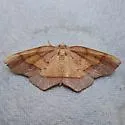
Probole nepiasaria - Hodges#6839
Probole nepiasaria
I created this page for the moths below that probably would have been considered this species in the past. However, I since read this notice from Steve Nanz and later comments by Chris Schmidt under 'Remarks' here , and I have decided to placed thos
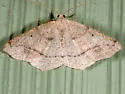
Prochoerodes forficaria - Hodges#6981
Prochoerodes forficaria
Identification: forewing falcate, light tan to orangish-brown with or without blackish speckling and shading; AM line wavy, PM line slightly concave for most of length, with sharply-pointed concave bend near costa (similar to but not as pronounced as
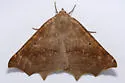
Prochoerodes truxaliata - Hodges#6977
Prochoerodes truxaliata
Identification: Identification confirmed by Cliff Ferris
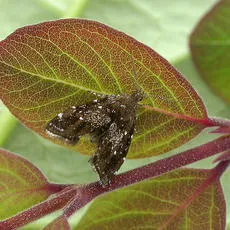
Prochoreutis myllerana
Prochoreutis myllerana
Wingspan 10 to14 mm. It closely resembles Prochoreutis sehestediana. Prochoreutis myllerana is believed to be more common in our region than Prochoreutis sehestediana but both have been recorded in VC55. Adults are not reliably separated without gen
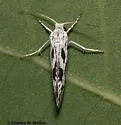
Prodoxus barberella - Hodges#0210
Prodoxus barberella
Genus Agavenema was synonymized with Prodoxus by Pellmyr et al. 2005
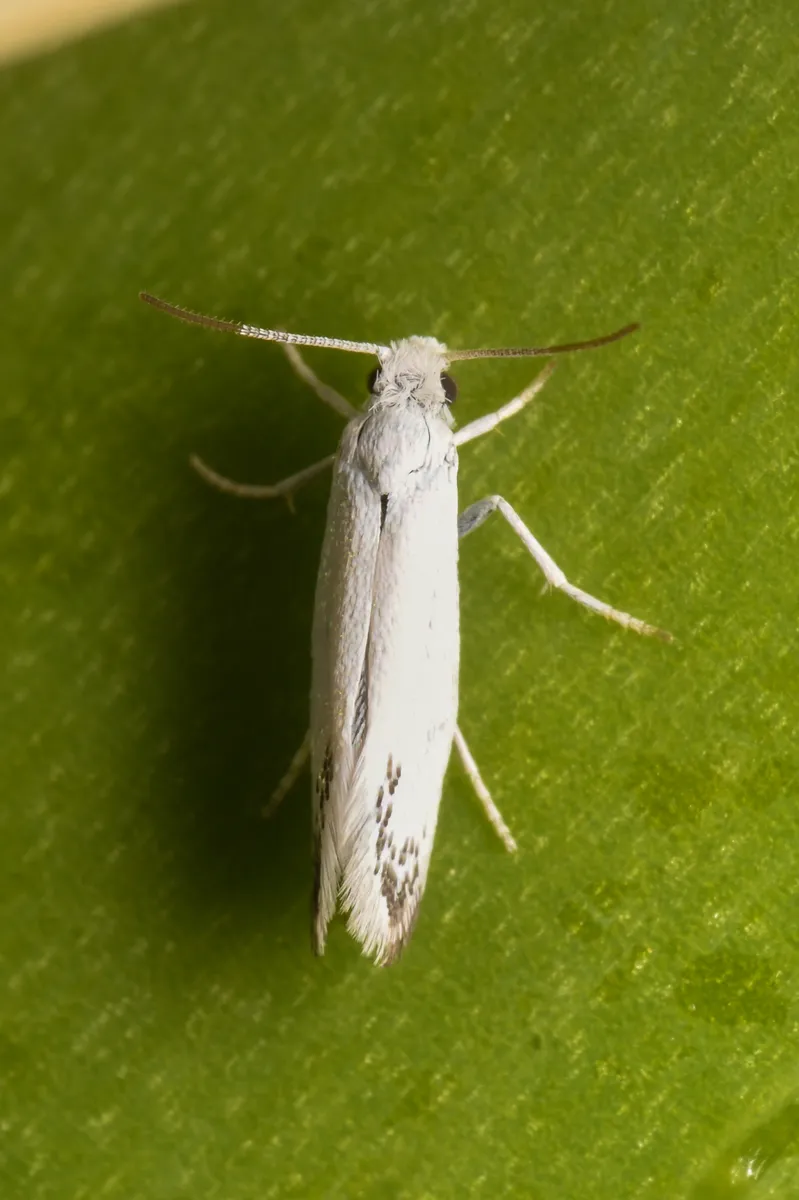
Prodoxus marginatus - Hodges#0205
Prodoxus marginatus
Prodoxus marginatus and P. pulverulentus appear different with the latter having outer half of wings more densely specked with dark scales and a more southernly distribution. Powell & Mackie (1966?) treated P. pulverulentus as a synonym of P. margina
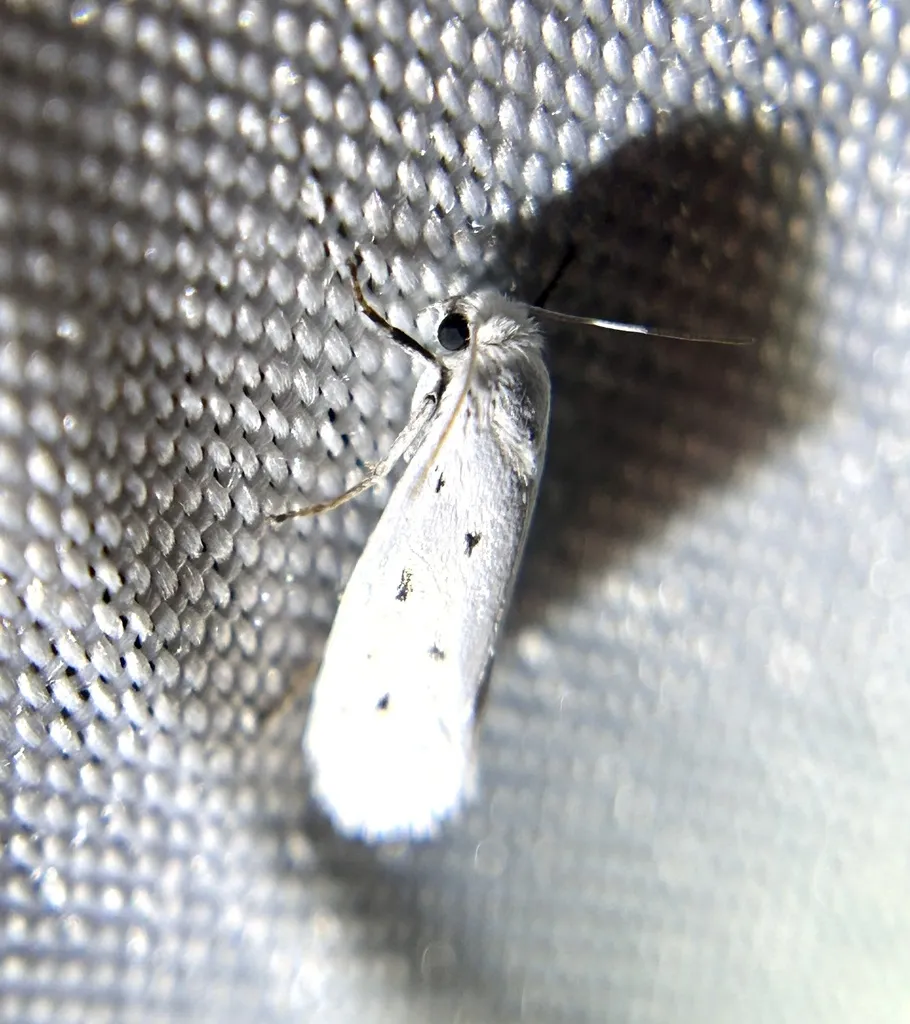
Prodoxus quinquepunctella - Hodges#0200
Prodoxus quinquepunctella
Identification: Forewing variable with up to 18 black spots. Determined by Dr. Olle Pellmyr, specialist in this group at the University of Idaho.
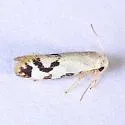
Prodoxus sonorensis - Hodges#0208.2
Prodoxus sonorensis
Identification: Description available at link in citations below.
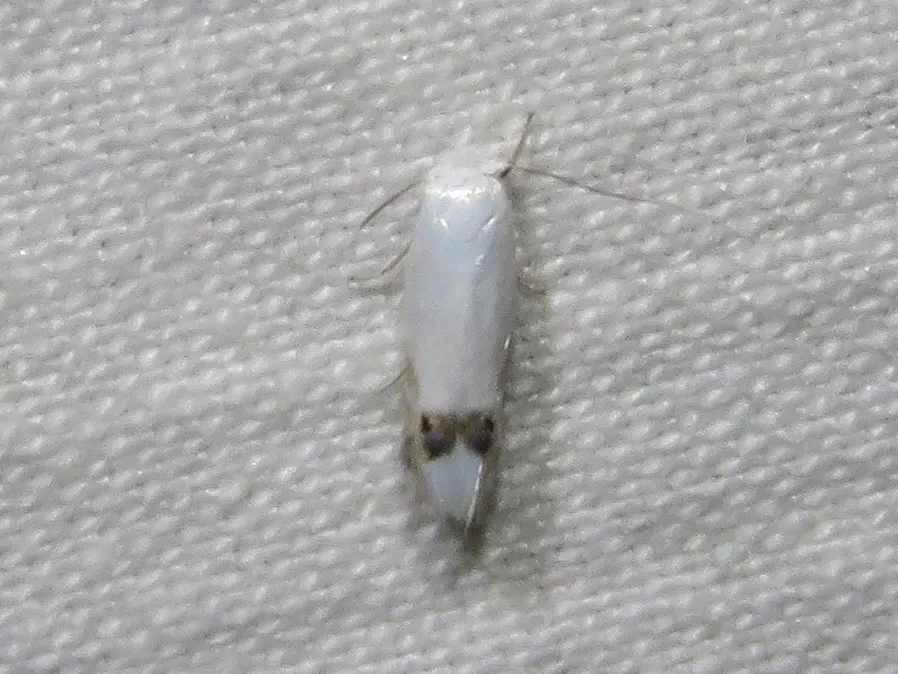
Proleucoptera smilaciella - Hodges#0474
Proleucoptera smilaciella
Identification: The original description as Leucoptera smilaciella Busck is available online in the print references below. Proleucoptera smilaciella larvae are primary host to the Chalcidoid wasps of Aprostocetus .
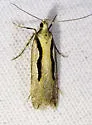
Prolita princeps - Hodges#1894
Prolita princeps
Identification: Adult : The scales on the costal half at the base and the costal margin on the forewings are buff white with brown tips, while the scales on the area costad and distad of the medial brown streak are white to buff white with pale brown
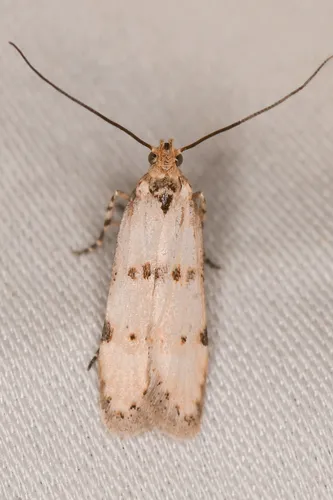
Prolita puertella - Hodges#1895
Prolita puertella
Identification: The original description is available online as Gelechia puertella Busck.
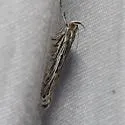
Prolita recens - Hodges#1896
Prolita recens
Identification: Specimen determined by DNA analysis (BOLD). ( 4 )
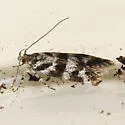
Prolita sexpunctella - Hodges#1898
Prolita sexpunctella
Identification: Photo by Libby & Rick Avis of a specimen identified by DNA. A day flying species.
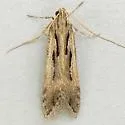
Prolita variabilis - Hodges#1902
Prolita variabilis
Identification: Forewing has variable color and markings.
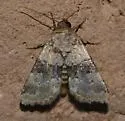
Properigea continens - Hodges#9590
Properigea continens
Edwards' original description indicates the ground color of the FWs is "pale fawn". Most Arizona examples are typically darker on the FWs than *most* from Texas, although there is considerable variation in both regions. Left: Arizona; Right: Texas.
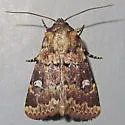
Properigea tapeta - Hodges#9592
Properigea tapeta
Identification: The original description as Hadena tapeta is in PDF format or view online in the print references .
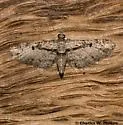
Prorella desperata - Hodges#7619
Prorella desperata
Identification: Original description is online as Gymnocelis desperata (Hulst).
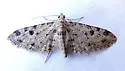
Prorella discoidalis - Hodges#7612
Prorella discoidalis
Identification: "Easily recognizable by the extremely large discal spot of primaries on a whitish background" .
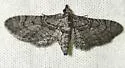
Prorella protoptata - Hodges#7624
Prorella protoptata
Original description . McDunnough's 1949 revision of the group does not include a description of this species, but it includes descriptions of several similar species.
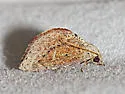
Proroblemma testa - Hodges#9080
Proroblemma testa
Identification: The original description is available online in the print references below. Photos determined by Bob Patterson.
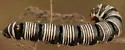
Proserpinus vega - Hodges#7878
Proserpinus vega
Identification: Dark green basal patch at base of forewings distinguishes this species from similar sympatric species Proserpinus terlooii. Not commonly reported.

Prosoparia anormalis - Hodges#8419.1
Prosoparia anormalis
Identification: LaFontaine & Dickel revised description is available online in print references. (PDF)
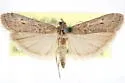
Protasia mirabilicornella - Hodges#5993.1
Protasia mirabilicornella
The identified specimens on BOLD yielded only partial barcodes; a specimen from the Los Angeles area may also represent this species. If so, Protasia is likely a junior synonym of Eumysia ; refer to remarks here .
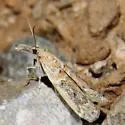
Protasia nr. mirabilicornella
Protasia nr-mirabilicornella
These specimens may represent an undescribed species near Protasia mirabilicornella , which was described from San Diego. The pinned specimens shown here are misidentified on BOLD as Eumysia fuscatella , which they do not closely resemble in maculati

Proteoteras naracana - Hodges#3234
Proteoteras naracana
Identification: Adult - see original description in Print References. Genitalia: ♂
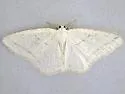
Protitame subalbaria - Hodges#6266
Protitame subalbaria
Protitame subalbaria - Hodges#6266 (Protitame subalbaria) is a species in the family Geometridae, commonly known as geometrid moths, belonging to the order Lepidoptera (Butterflies and Moths). It is classified within the subfamily Ennominae, tribe Ca
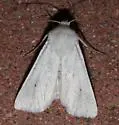
Protogygia album - Hodges#10692
Protogygia album
Identification: White forewing with scattered fuscous or dark scales, with the dark scales sometimes concentrated to form dark spot at the location of the reniform. There is also a slightly yellowing patch on forehead between the antennae.
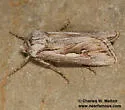
Protogygia biclavis - Hodges#10899
Protogygia biclavis
Identification: Grote (1879) original description as Agrotis biclavis is available online in print references.
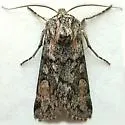
Protogygia milleri - Hodges#10898
Protogygia milleri
Identification: The original description as Agrotis milleri Grote, is available online in the print references below. Adult: ( 4 ) , ( 5 ) The only Protogygia species with transverse lines across the forewing. Forewing median area is slightly darker.
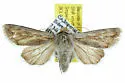
Protogygia polingi - Hodges#10896
Protogygia polingi
Identification: Specimen determined by DNA analysis (BOLD). ( 3 )
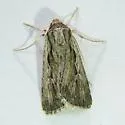
Protogygia postera - Hodges#10892.1
Protogygia postera
Identification: Detailed description. , Adults: Forewings appear streaky with the dark veins and lighter color near them. Thin back basal dash. Orbicular spot is of the forewing ground color and a long diamond shape. Reniform spots are also of the gr
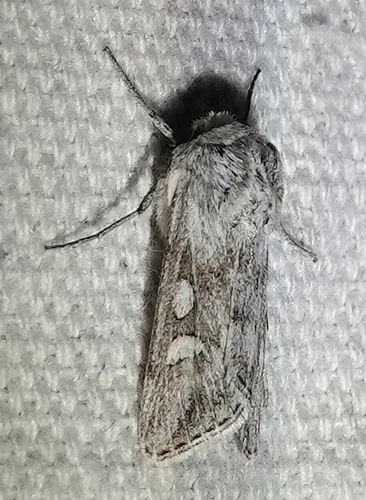
Protogygia pryorensis - Hodges#10898.1
Protogygia pryorensis
The adult male has been dissected and described. The adult female is unknown, but is likely to resemble the male based on the females of other species in the genus. (Crabo & Kirst, 2023)
Protogygia rufescens - Hodges#10892.2
Protogygia rufescens
Identification: Detailed description can be found in MONA Fascicle 27-1 at link in citations below.
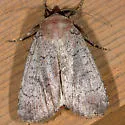
Protolampra rufipectus - Hodges#11004
Protolampra rufipectus
Identification: Forewing is light gray with a pale purplish or brownish tinge. The head and prothoracic collar are dark brownish-red and contrast with the much paler thorax and wings. The tips of the scales of the prothoracic collar are white and cre
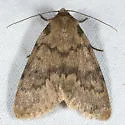
Protoperigea anotha - Hodges#9642
Protoperigea anotha
Identification: A fairly small, brownish/grayish moth with a somewhat silky shine. There is a wavy antemedian line and a toothed postmedian line which curves. There are poorly defined blackish markings where the lines meet the costa and sometimes a
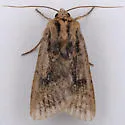
Protoperigea umbricata - Hodges#9643.1
Protoperigea umbricata
Identification: Mustelin original description in PDF.
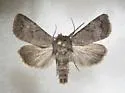
Protorthodes variabilis - Hodges#10561
Nudorthodes variabilis
Identification: The Barnes & McDunnough (1912) original description is available online in the print references below.
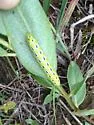
Proud Sphinx - Hodges#7874
Proserpinus gaurae
Identification: Adults of Proserpinus gaurae similar to Proserpinus juanita , though guarae is more reddish than the more green juanita . Also, the hindwing of guarae has subtle to no dark shading on the submarginal edge, while in juanita the same ar
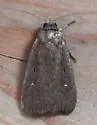
Proxenus mendosa - Hodges#9649
Proxenus mendosa
Proxenus mendosa - Hodges#9649 (Proxenus mendosa) is a species in the family Noctuidae, commonly known as owlet moths, belonging to the order Lepidoptera (Butterflies and Moths). It is classified within the subfamily Noctuinae, tribe Caradrinini, sup
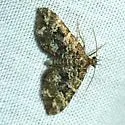
Psaliodes fervescens - Hodges#7315
Psaliodes fervescens
Identification: Dyar original description online in PDF.
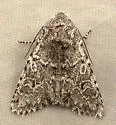
Psammopolia arietis - Hodges#10364
Psammopolia arietis
Identification: Adult: forewing light gray with thick white scalloped AM and PM lines bordered in black; reniform and orbicular spots large, pale; fringe checkered; hindwing pale yelllowish-gray with whitish median band; top of head and thorax same c