
Flies
Order Diptera
The Flies (Order Diptera) includes 6,350 species across 141 families and 1,800 genera in our directory.
About Flies
Diptera includes over 150,000 described species of flies, mosquitoes, and midges. Mosquitoes are the deadliest animal on Earth (CDC). Malaria alone causes ~249 million cases and over 608,000 deaths annually, mostly children under 5 (WHO). Vector-borne diseases account for over 17% of all infectious diseases, causing 700,000+ deaths per year.
Economic Impact
In the U.S., vector-borne disease cases tripled between 2004-2016, with over 640,000 cases reported in that period (CDC). Tickborne diseases doubled from 22,000 to 48,000 annual reports. Globally, mosquito-borne diseases cost billions in healthcare and lost productivity.
Ecological Role
Despite their disease impact, flies are critical decomposers and pollinators. Hoverflies alone pollinate hundreds of crop and wildflower species. Flies are also the primary food source for many birds, bats, and fish. Forensic entomology relies heavily on fly species for crime scene analysis.
Families in Diptera (141)
Species in Diptera (6,350)
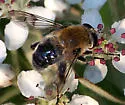
Mallota mississipensis
Mallota mississipensis
Identification: Eyes bare; thorax and scutellum yellow/reddish pilose; abdomen pale pilose, but black pilose medially; wing obfuscation restricted to the area around the veins. Cell c microtrichose basally and distally.
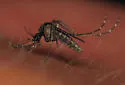
Mansonia titillans
Mansonia titillans
Identification: Florida Medical Entomology Laboratory The females are troublesome out-of-doors biters and are known to fly several miles from marshes, ponds, and lakes where their immature stages occur. Venezuelan equine encephalitis virus recovered
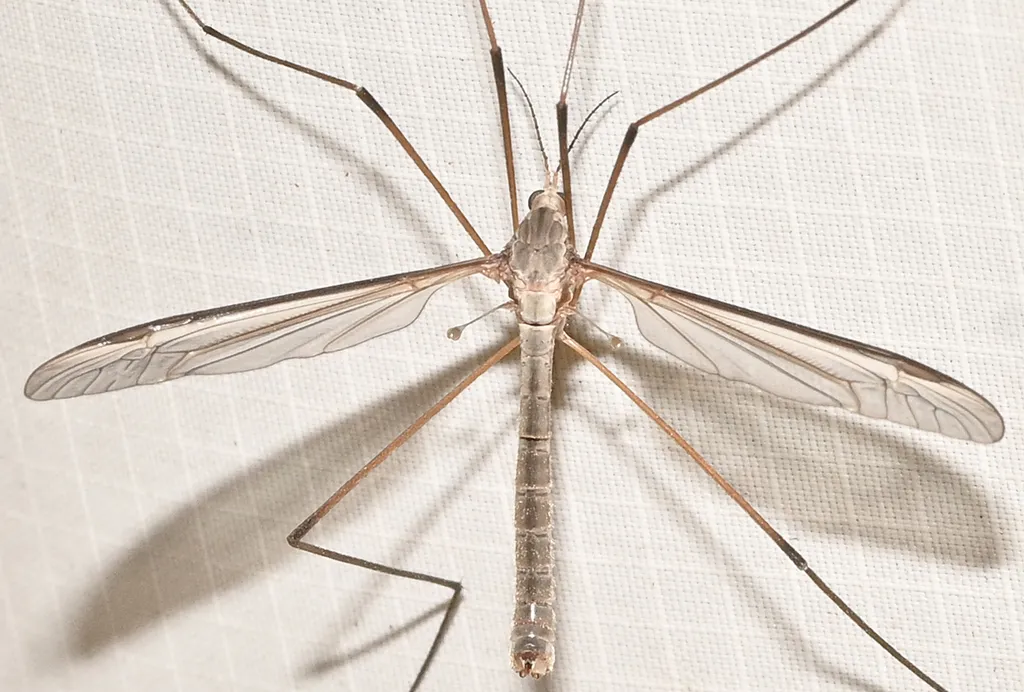
Marsh Crane Fly
Tipula oleracea
Identification: Antennae 13 segments; space between the eyes on ventral surface of the head narrow; in females wings reach the tip of abdomen. The Crane Flies (Diptera:Tipulidae) of Pennsylvania Non native. Introduced from Europe before 1955
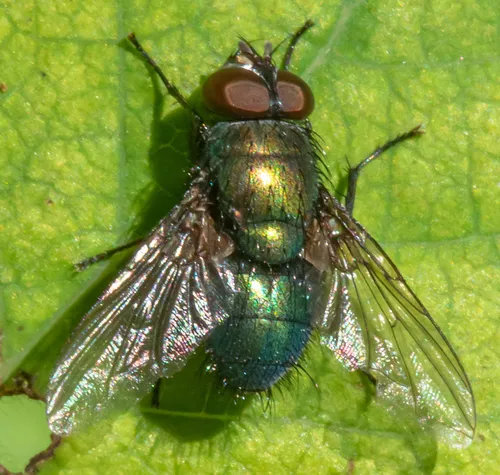
Marsh Greenbottle
Lucilia silvarum
Wing length 4.5-8.5mm. Tergites 1+2 are blackish from all angles. Tergite 4 with very long marginals, tergite 3 with median marginals nearly as long (in male) or half as long (in female) as the length of tergite 4. Unless identified by a recognised e
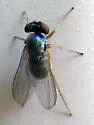
Medetera aberrans
Medetera aberrans
Identification: A relatively shining, green species with yellow legs. Lateral scutellar bristles half as long as apical. Male with modified fore tarsus.
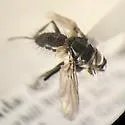
Medina barbata
Medina barbata
Only member of the genus found outside of Eastern North America.
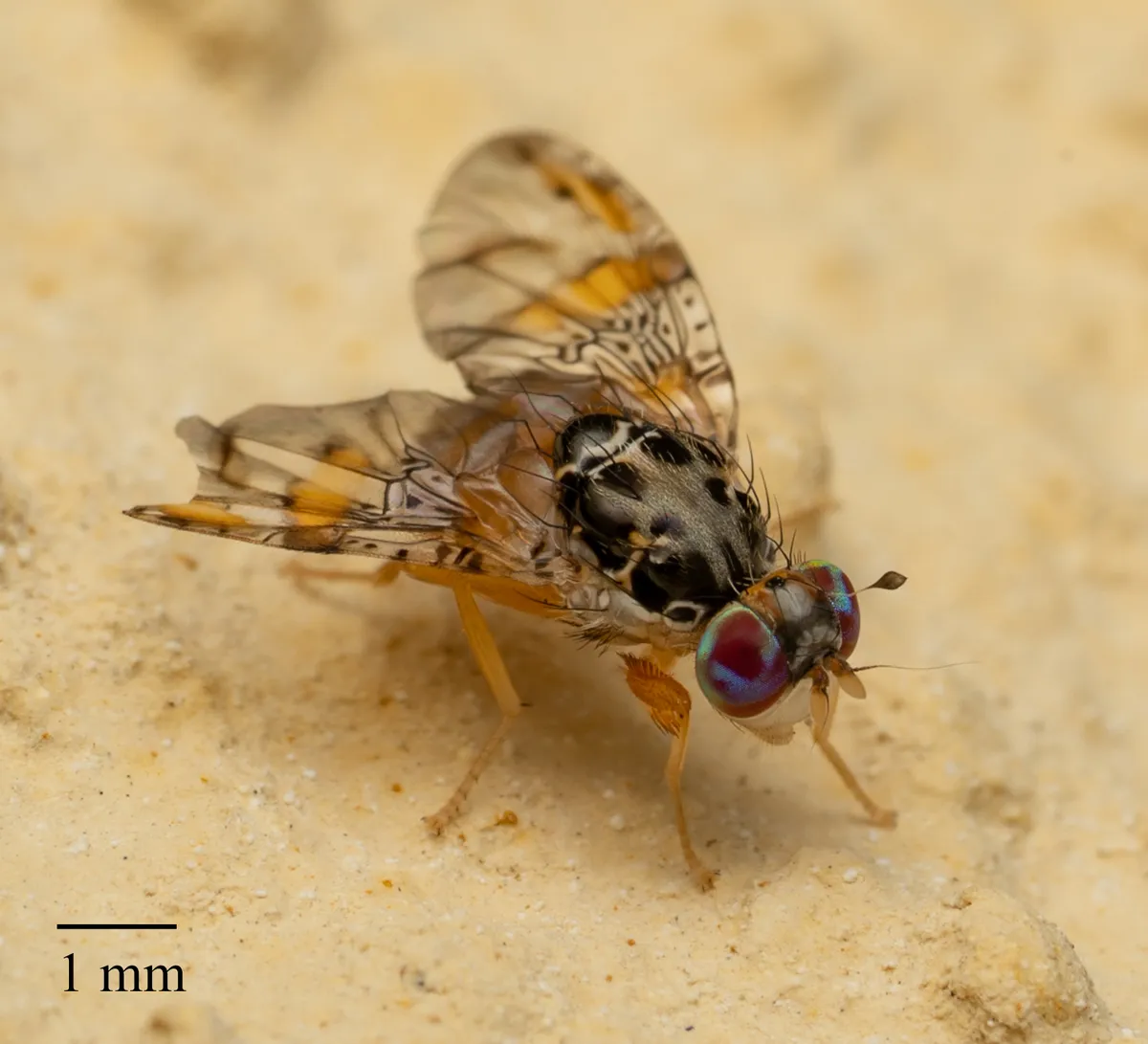
Mediterranean Fruit Fly
Ceratitis capitata
One of the world's most destructive fruit pests, and the most economically important fruit fly species. Each infestation detected in FL and CA triggered massive eradication and detection effort. In CA, large numbers of sterile males are released and
Megapariopsis opaca 0
Megapariopsis opaca
The only host record is the sugarcane beetle. Recorded range of the parasite is about the same as the host: southeast USA northwest to Nebraska.
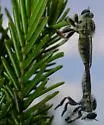
Megaphorus minutus
Megaphorus minutus
Identification: See discussion on images. Differentiation from related species may be difficult from photos. The costa ends at the tip of the wing, femora are black basally, dorsum of abdominal segments 3 or 4-7 are covered in short black pile, the h
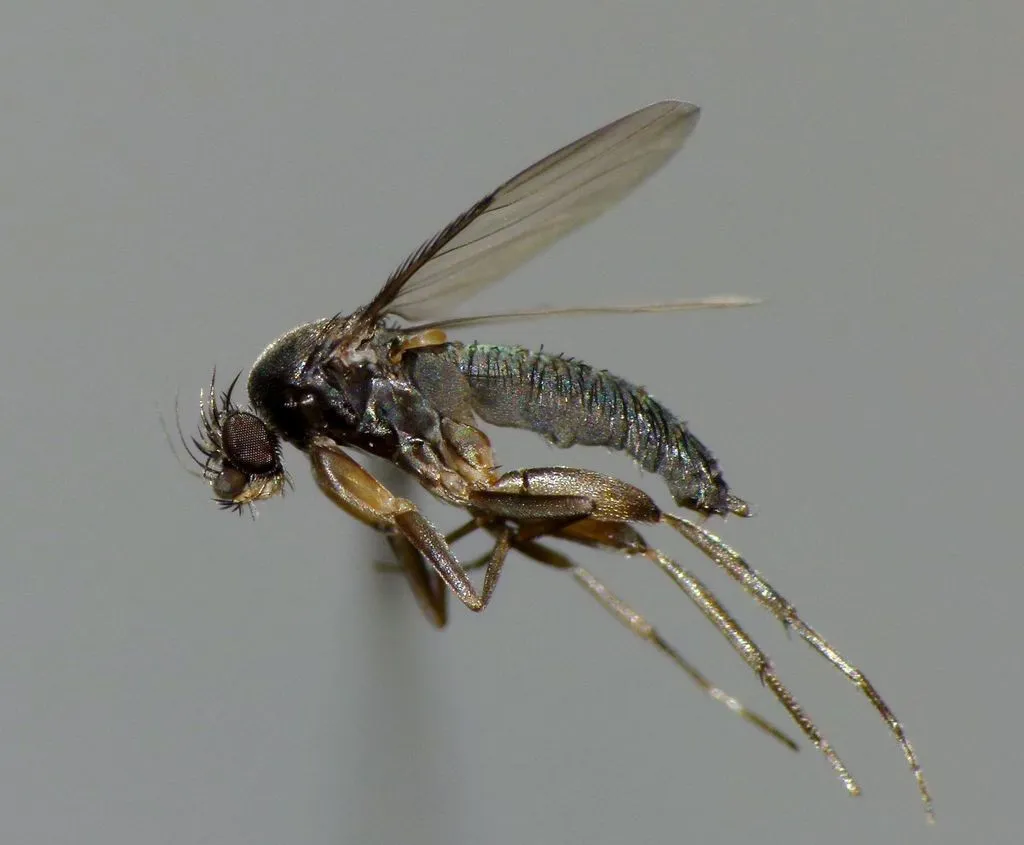
Megaselia rufipes
Megaselia rufipes
"They are scavengers and are often found inside homes." -- Brian V. Brown Larvae can cause myiasis. They have been reported parasitizing honey bees in Italy. Taylor & Francis on line . Megaselia rufipes (Diptera: Phoridae): a new cause of facultative
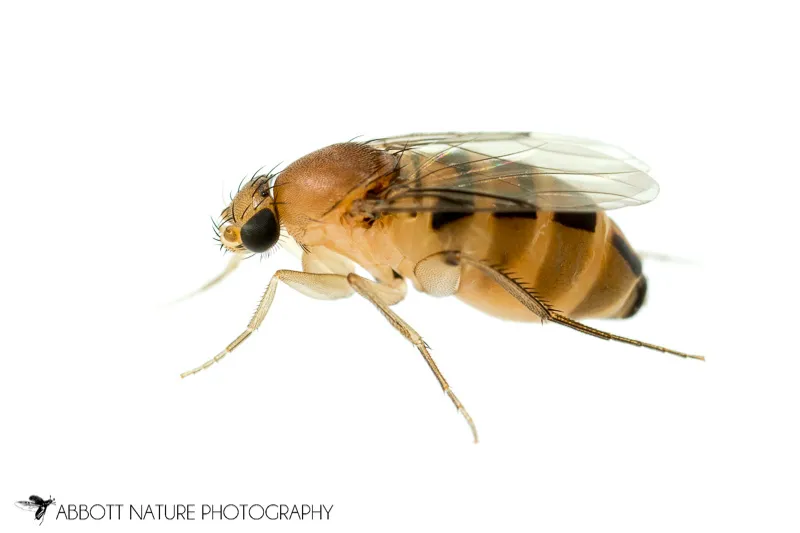
Megaselia scalaris
Megaselia scalaris
Identification: the female's abdominal tergite 6 is short, narrow, shiny, and extends laterally on the segment, unlike tergites of preceding segments [this feature can only be seen in a clear close-up photo taken at the proper angle, or by examinatio
Megistocera longipennis
Megistocera longipennis
Identification: Note A2 vein short as in Trichocera , but straight.
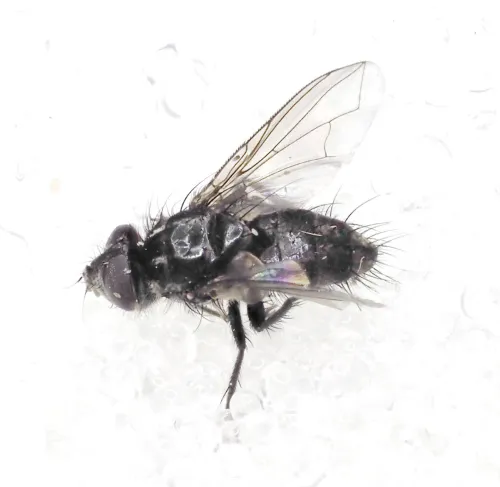
Meigenia mutabilis
Meigenia mutabilis
3-8.5 mm. A grey dusted tachinid with different looking males and females (males are darker). There are two forms where the smaller form (3-5mm) is generally darker. Males have a pair of narrow white stripes on the thorax which are aligned with the d
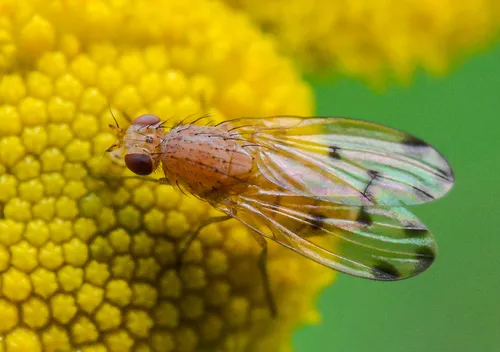
Meiosimyza decempunctata
Meiosimyza decempunctata
A small (4 to 4.5 mm.) orange species with the 10 wing spots giving it the scientific name. Unless identified by a recognised expert, a photo is required and the specimen should be examined with a microscope. In the comments box, state the key or ID
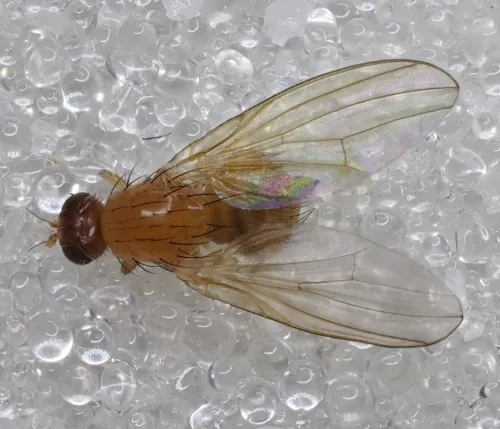
Meiosimyza platycephala
Meiosimyza platycephala
Can only be identified by detailed examination. Widely distributed in the British Isles.
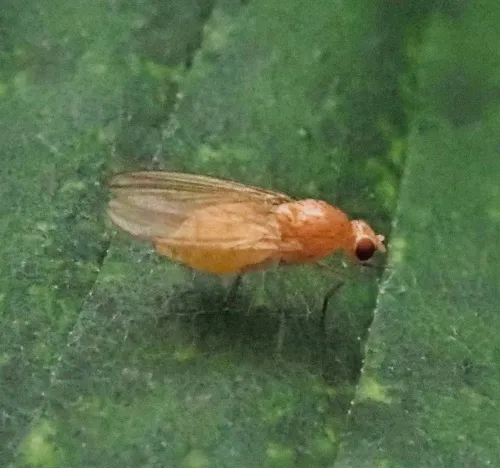
Meiosimyza rorida
Meiosimyza rorida
3.5-4.5mm. Pale yellow/orange throughout without any significant markings on either body or wings. Unless identified by a recognised expert, a photo is required and the specimen should be examined with a microscope. In the comments box, state the key
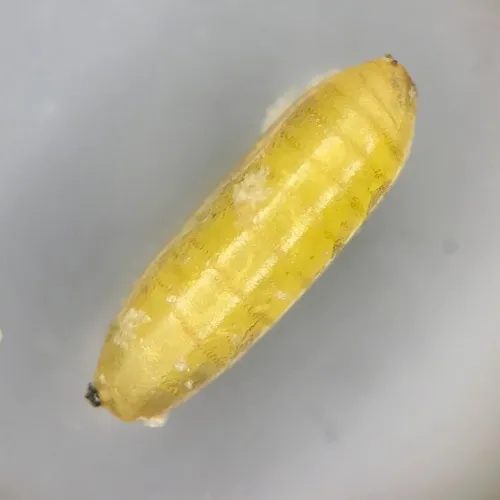
Melanagromyza angeliciphaga
Melanagromyza angeliciphaga
Melanagromyza angeliciphaga is an internal stem borer. It is very difficult to identify from the adult fly but can be identified by examination of the pale yellow puparium within the stem of the host plant. See the National Agromyzidae Recording Sche
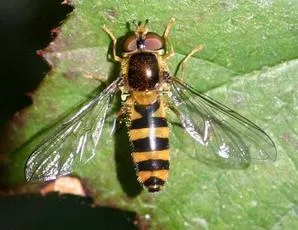
Melangyna cincta
Melangyna cincta
The only narrow-bodied hoverfly with parallel yellow bands on tergites 3 and 4, which also has triangular spots on tergite 2. It can be found from April until November but with numbers peaking in May. Larvae have been found in association with the ap
Melangyna coei
Melangyna coei
Identification: Densely haired eyes (vs. M. lasiophthalma though there is some overlap here). Spots on tergite 2 subquadrate. Scutellum not black on posterior border. Wing nearly entirely trichose (vs. M. umbellatarum ).
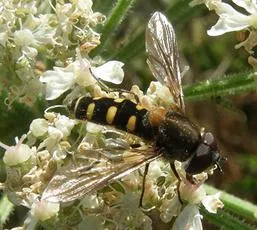
Melangyna labiatarum
Melangyna labiatarum
There is much debate as to the validity of taxonomic distinctions between the two species M. labiatarum and M. compositarum . The range of each species is more clearly defined. Melangyna labiatarum records come mainly from England and are denser in t
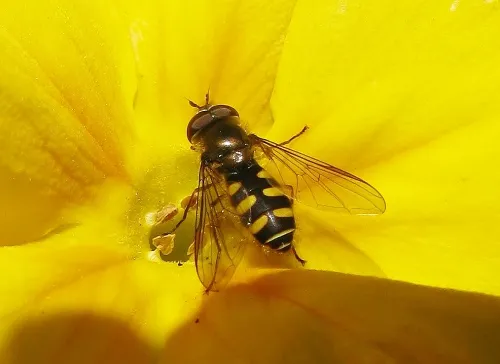
Melangyna lasiophthalma
Melangyna lasiophthalma
Similar to several other Melangyna species but can be identified by careful examination. Deciduous woodland and other well wooded areas. Fond of sunbathing on tree trunks. Frequent on Willow catkins and Wild Cherry blossom in spring. Widespread and f
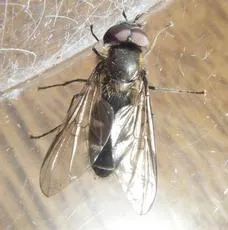
Melangyna quadrimaculata
Melangyna quadrimaculata
The males are unusual in having only four spots on the abdomen (hence the scientific name), this together with long pale hairs on both the thorasic dorsum and pale yellow scutellum are identifying features. The eyes are also very hairy. Females are d
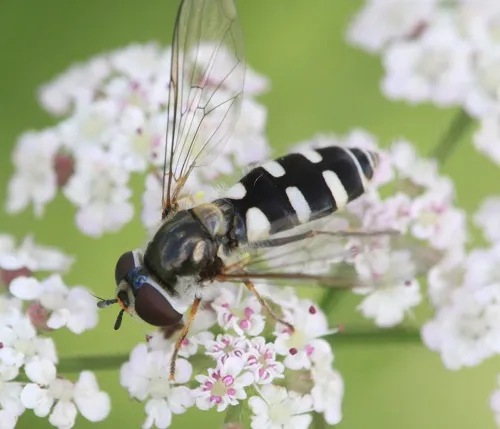
Melangyna umbellatarum
Melangyna umbellatarum
A small, narrowly built hoverfly with pairs of creamy-white spots. Usually seen around umbellifers such as Hogweed. It is found from April to November, peaking in August. It breeds on umbellifers where its larvae predate aphids. It is a widespread sp
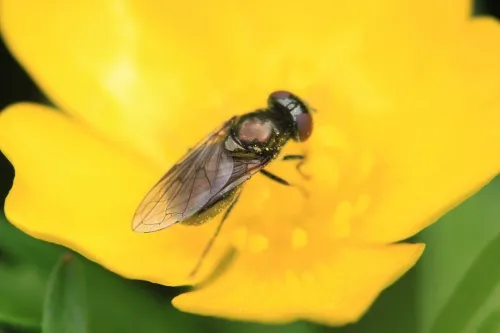
Melanogaster hirtella
Melanogaster hirtella
Wing length 5 to 6 mm. Fairly small and blackish in colour including the antennae. The wings are clear or only slightly shaded. The females often have a shining abdomen. Rich marshes and watersides with emergent vegetation. May to mid August peaking
Melanomyza femoralis
Melanomyza femoralis
Identification: Femora black, contrasting with white fore tibiae; frons and scutellum mostly black; thorax without distinct stripes; halteres yellow.
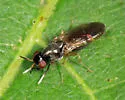
Melanomyza manuleata
Melanomyza manuleata
Identification: Differs from femoralis by having more black on the fore legs and darkened wings.
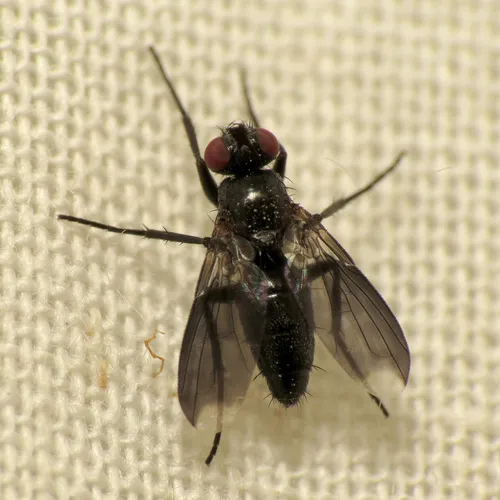
Melanophora roralis
Melanophora roralis
Identification: Female with white wing tip, male with evenly infuscated wings. Introduced from Europe
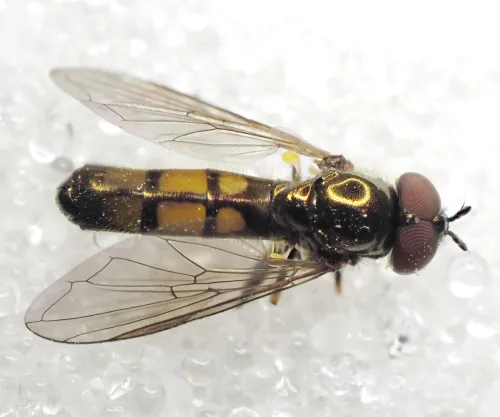
Melanostoma mellinum
Melanostoma mellinum
Identification: Note abdominal markings on tergites 2-4: quadrate (male), triangular (female) . likely an unresolved species complex
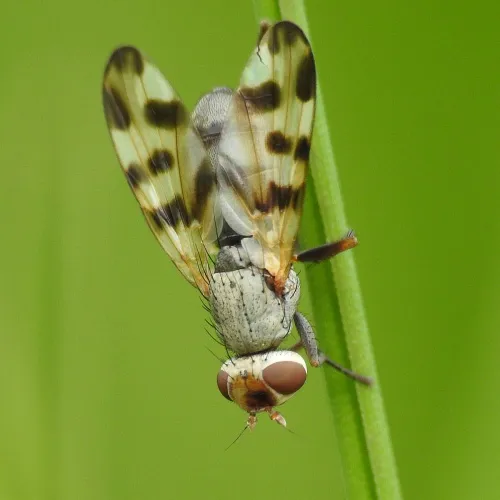
Melieria crassipennis
Melieria crassipennis
Length: 10mm. This species has spotted wings that help with identification. It also has a square-like head with a pale frons. Very similar to Melieria omissa but this species is usually only found in coastal areas. Unless identified by a recognised e
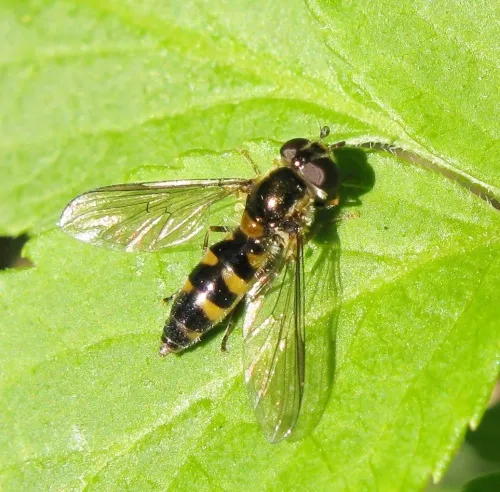
Meligramma trianguliferum
Meligramma trianguliferum
As the name suggest, the markings on the abdomen are rather triangular. It is a narrow-bodied species with a yellowish scutellum. The species has a preference for quite well wooded areas and hedgerows, and a liking for spring flowering shrubs such as
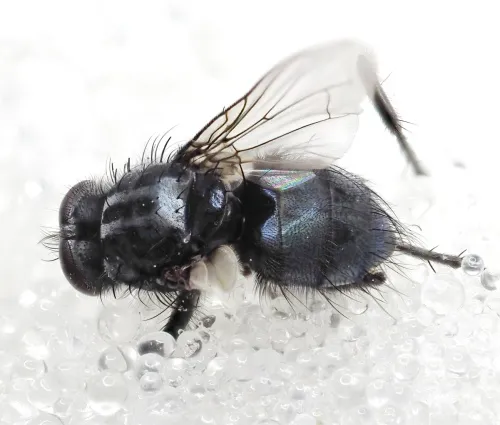
Melinda viridicyanea
Melinda viridicyanea
5-9mm. Abdomen metallic blue, thorax black. Long bristles makes it resemble a tachinid. The front of the thorax has three dark stripes. Palps are black. Unless identified by a recognised expert, a photo is required and the specimen should be examined
Meromacrus acutus
Meromacrus acutus
Identification: Boldly marked Batesian mimic of wasps. Yellow markings are composed of dense yellow pile. Note black stripe on face and orange pile on dorsal side of metatarsus . Clearly a Batesian mimic of Hymenoptera, perhaps specifically a mimic o
Meromyza communis
Meromyza communis
Identification: One of the diagnostic characters is the narrow broken stripe on the dorsum of the abdomen. [George Foster, per. com.]
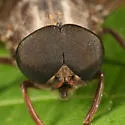
Merycomyia whitneyi
Merycomyia whitneyi
Identification: abdomen with large white patches laterally on at least tergites 4 and 5
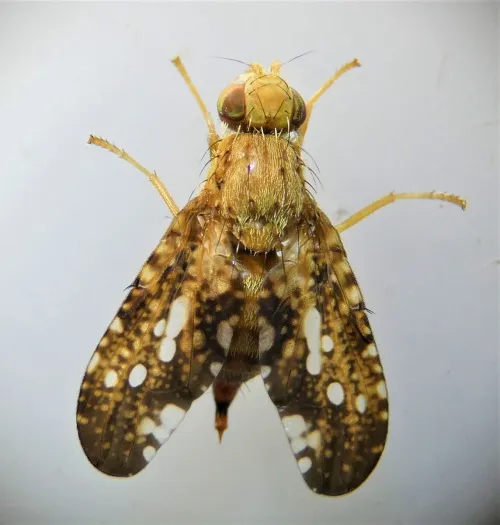
Merzomyia westermanni
Merzomyia westermanni
Larger species, wing length up to 7mm. Wing with extensive reticulated markings with brown and golden-yellow colours as well as black, and a distinctive large, rounded and irregularly shaped clear area in the centre of the wing. Two pairs of frontal
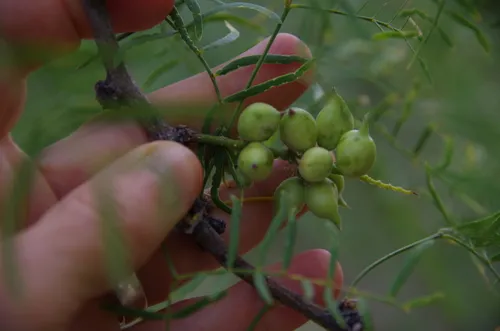
Mesquite Gall Midge
Asphondylia prosopidis
Identification: Adult midges have simplified wing veination; females have an unusual ovipositor, needle-shaped with a structure at the base that may infect host plants with the midge's symbiotic fungus. The pupal stage has a pair of sclerotized horns
Messiasia pertenuis
Messiasia pertenuis
Identification: Head, thorax, legs, mainly black (with perhaps with some reddish cast, especially in tibiae & other parts of legs). Antennae mostly black, with club somewhat reddish. Abdomen with 1st segment black , subsequent segments bright red-ora
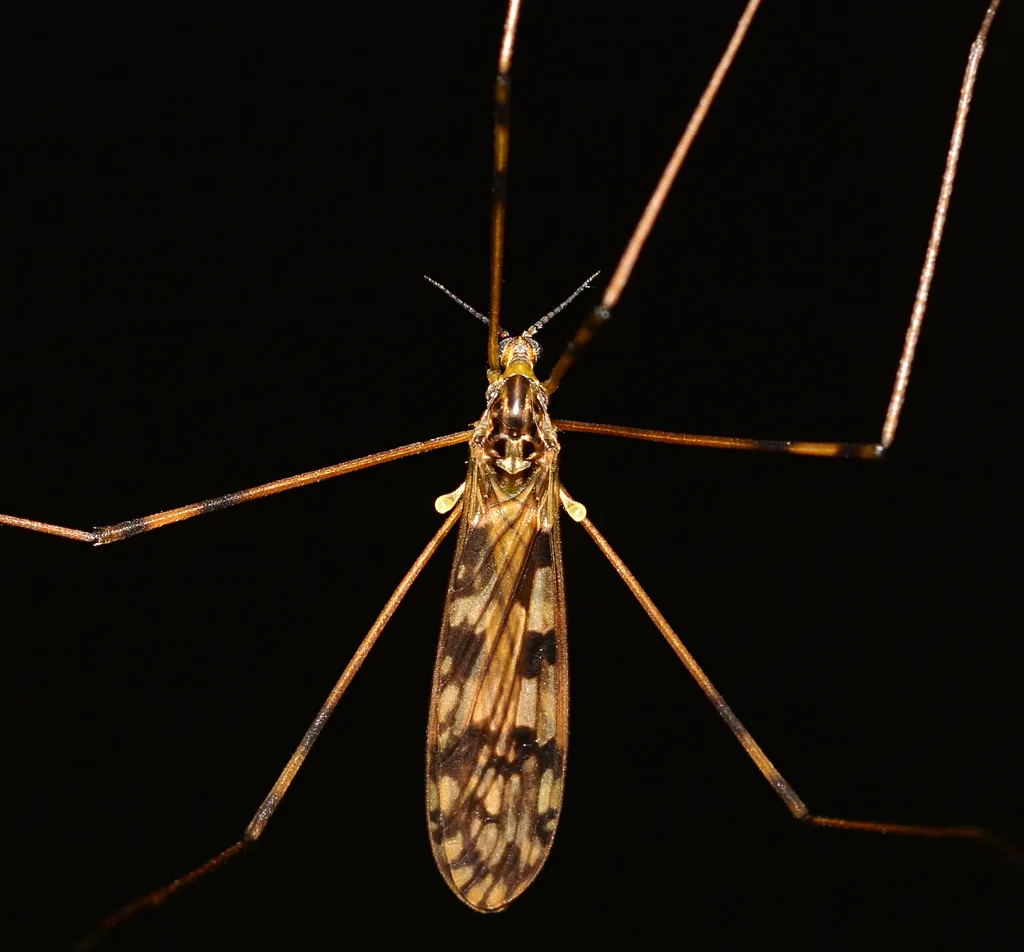
Metalimnobia cinctipes
Metalimnobia cinctipes
Identification: wings with four black patches along costa and several dark gray patches elsewhere; legs orangish-yellow; each femur has two dark bands near the tip (a distinguishing feature) page creation based on Dr. Chen Young's identification of t
Metalimnobia novaeangliae
Metalimnobia novaeangliae
Identification: Halteres dark, cell r without dark spots in basal half, first dark band on femora weak or absent (compare M. cinctipes for the strongly banded condition).
Mexican Cactus Fly
Copestylum mexicanum
Identification: Alula entirely covered with microtrichae.
Mexican Fruit Fly
Anastrepha ludens
Identification: Notable for the female's long ovipositor and sheath relative to its body size Eyes are beautiful iridescent green with other colors appearing depending on the angle and intensity of light. Body is mostly yellowish; dorsal surface of t
Miastor metraloas
Miastor metraloas
Identification: Tarsi with only four tarsomeres and wings with reduced venation. Most Cecidomyiidae have five tarsomeres, usually with the first short and hard to distinguish. A few species have two or three.
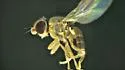
Microcercis trifeminarum
Microcercis trifeminarum
Identification: "This species is distinguished from other Microcercis species by the yellow propleuron, the dorsal third of the katepisternum, and a small portion of the meron. The remainder of the pleuron is mostly grey tomentose with only the propl
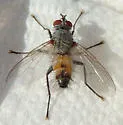
Microchaetina teleta
Microchaetina teleta
Identification: Males are yellower than other Microchaetina .
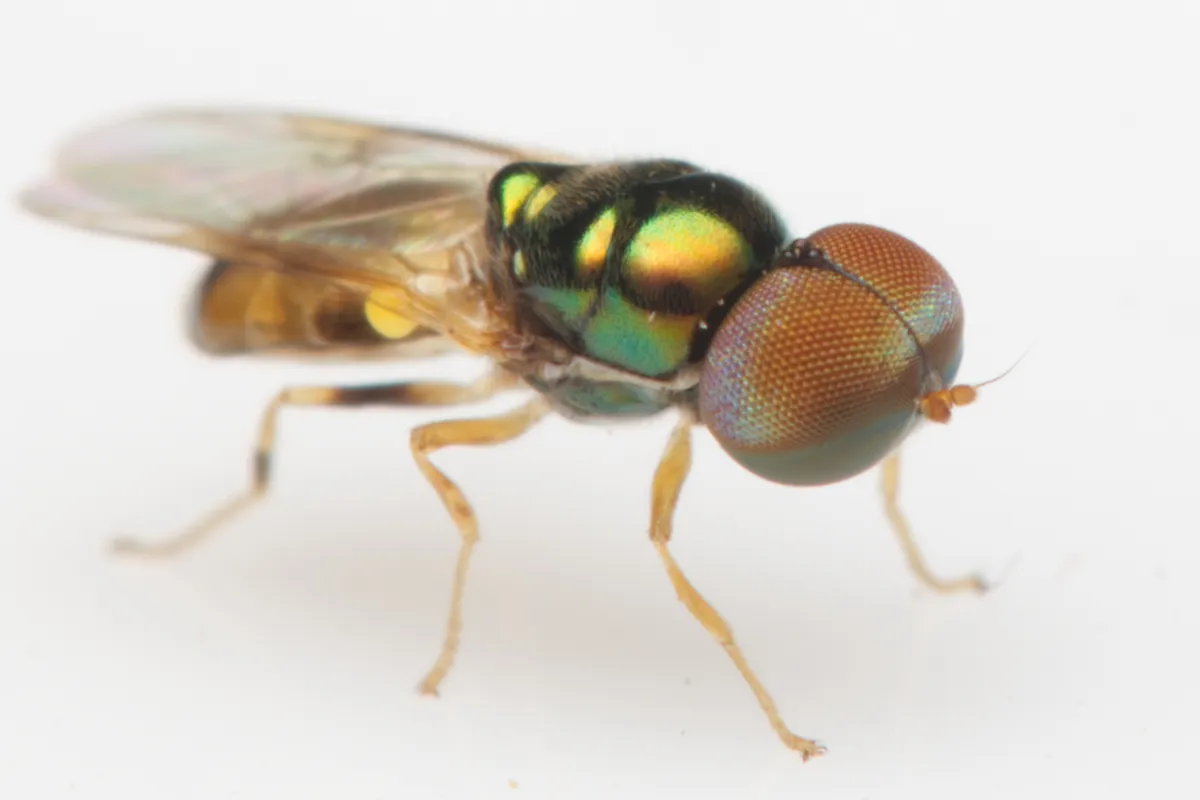
Microchrysa flaviventris
Microchrysa flaviventris
Identification: Abdomen yellow in males, metallic green in females (and in both sexes of other US congeners). The wing cell d is half open (closed in flavicornis ). (Based on Martin Hauser's comments) first record in our area: VA 2007
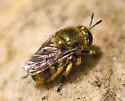
Microdon aurulentus
Microdon aurulentus
Identification: The most modern description can be found in Curran, 1924 .
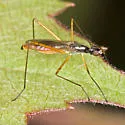
Micropeza abnormis
Micropeza abnormis
Identification: Merritt & James remark that the species M. abnormis "differs from others in the genus Micropeza by having a black thorax and a white arista." The detailed species description by Cresson appears here .
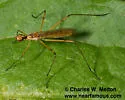
Micropeza compar
Micropeza compar
Identification: A mostly pale species with one notopleural bristle and less black on the head than turcana or compar .
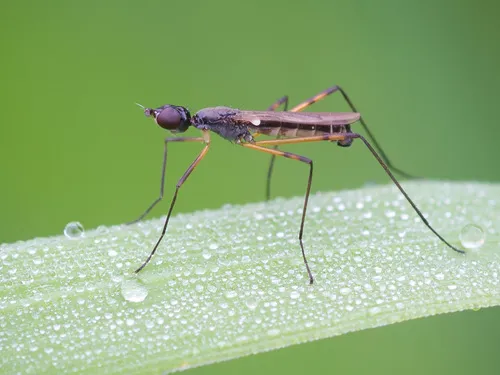
Micropeza corrigiolata
Micropeza corrigiolata
Identification: Morphologically distinct from North American native species (male lacks genital graspers, head and body nearly entirely black, dark rings on mid- and hind-femora). A Eurasian species, introduced recently. First recorded in 1993. "This
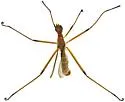
Micropeza ruficeps
Micropeza ruficeps
Identification: The shape of the male sternite 5 appendage is distinctive.
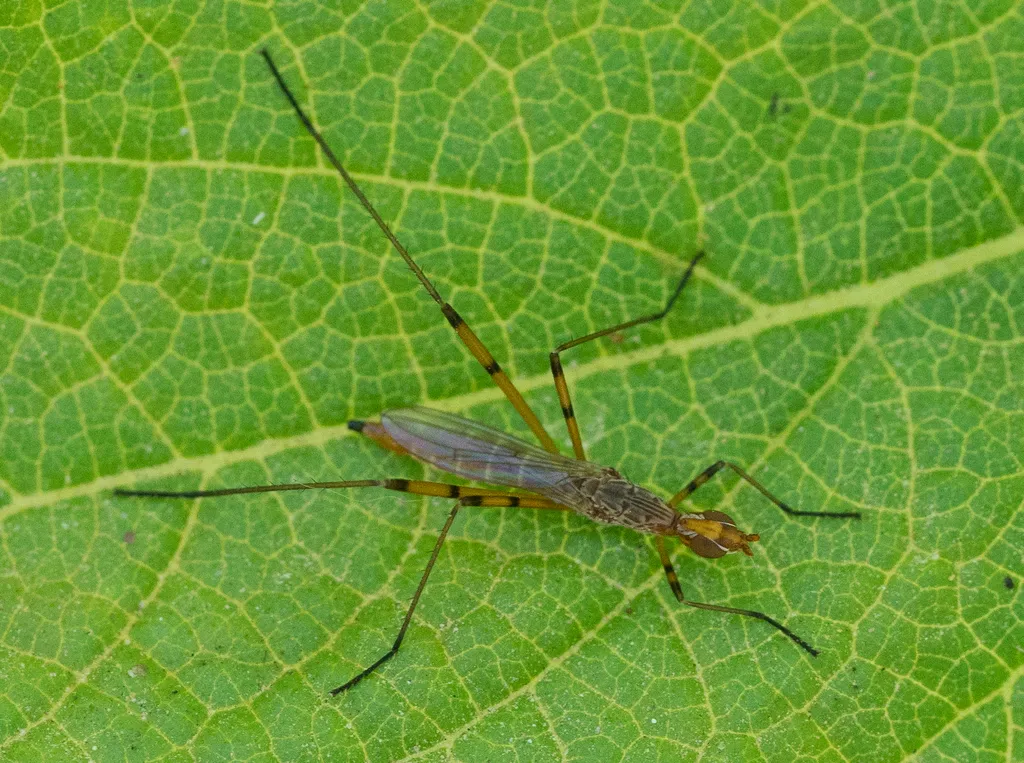
Micropeza stigmatica
Micropeza stigmatica
Identification: A predominantly tawny to reddish species with: two black bands on each femur; pale arista; and characteristic markings on the thorax. A detailed description by Cresson appears here (under Neriocephalus stigmaticus ). From the 1972 ref
Microphthalma disjuncta
Microphthalma disjuncta
Identification: Distinguished from other North American species by the contrasting white bands on the abdomen.
Milesia scutellata
Milesia scutellata
Identification: Most notably, the scutellum is wholly yellow, with only a small black band at its base, unlike Milesia virginiensis and M. bella . Thorax markings also differ: Hull writes "Thorax black, marked with yellow, similarly to virginiensis ,
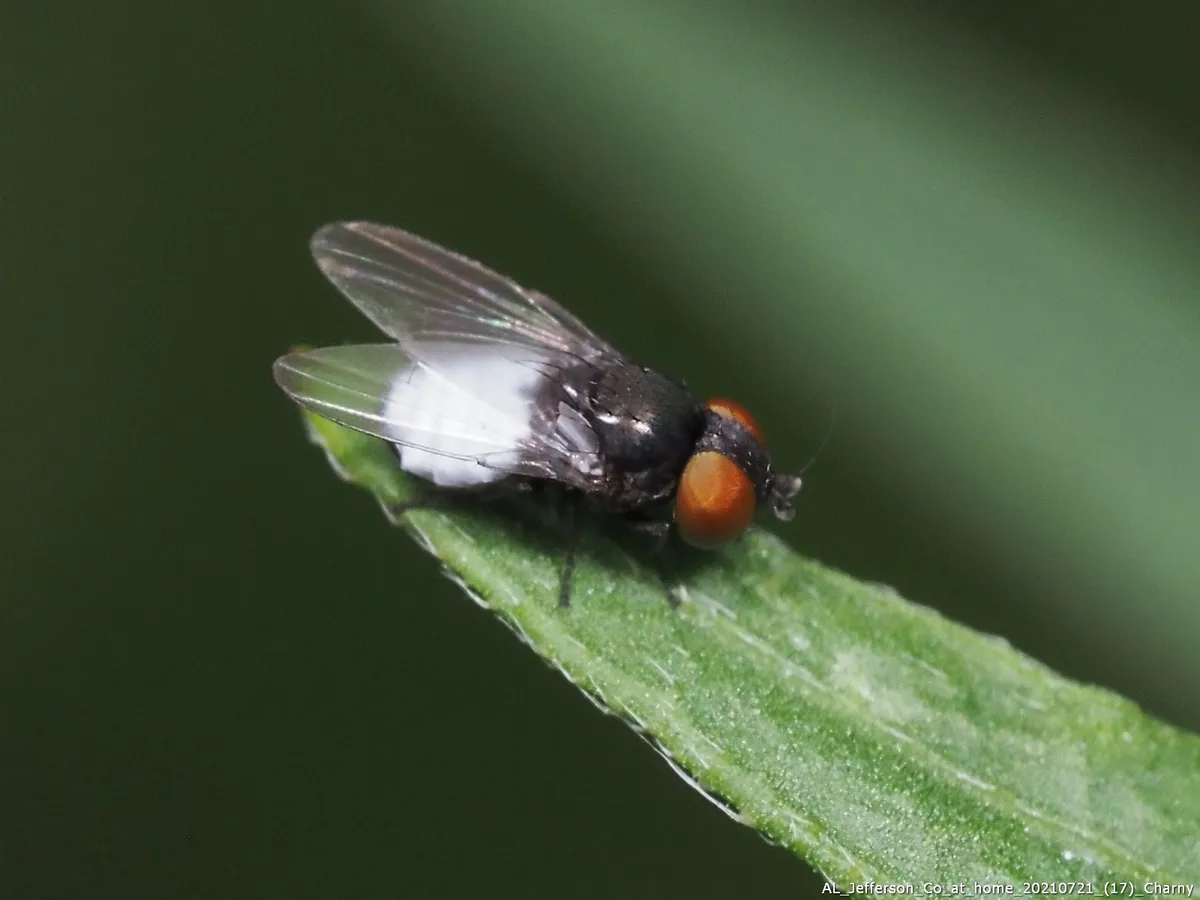
Milichiella arcuata
Milichiella arcuata
Identification: Thorax shining black. Veins R4+5 and M convergent at wingtip. Male with most of top of abdomen silvery.
Milichiella bisignata
Milichiella bisignata
Identification: Mostly shining black. Male with a prominent silver spot on each side of the second segment of the abdomen.
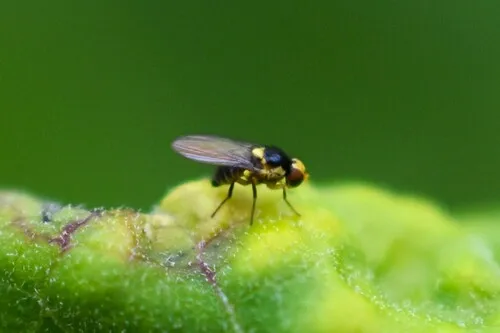
Milkweed Leaf-Miner Fly
Liriomyza asclepiadis
Identification: larvae: puparium pale, yellowish, posterior spiracles each with ellipse of about 10 bulbs : adult: Flickr parasitized by this Eulophidae
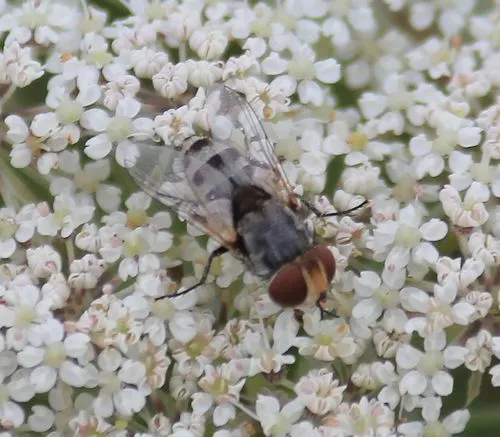
Miltogramma punctata
Miltogramma punctata
A medium-sized (body length 5.5 to 9.5 mm), heavily-dusted and solidly-built Sarcophagid. The eyes are unusually large, and the antennae inserted quite low on the face. Unless identified by a recognised expert, a photo is required, and the specimen s
Mines resembling Ophiomyia asterovora
Ophiomyia asterovora-like
Spencer (1969) described Ophiomyia maura from material reared from Symphyotrichum cordifolium in Ontario. Unlike other Ophiomyia mines on asters, the mine of this species alternates between the upper and lower leaf surface.
Minettia fasciata
Minettia fasciata
Identification: "The [ Minettia fasciata species] group is characterized by the grey microtrichose mesonotum, a pair of black spots on the lateroventral side of the scutellum, 0+3 dorsocentral setae, 6 rows of acrostichal setulae, only one dorsal pre
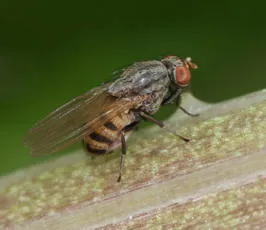
Minettia fasciata agg.
Minettia fasciata agg.
This species group can be generally characterised as having a greyish thorax and a pale brown abdomen with darker stripes. Specimens cannot be determined to species level without microscopic examination. Any records not examined in this detail should
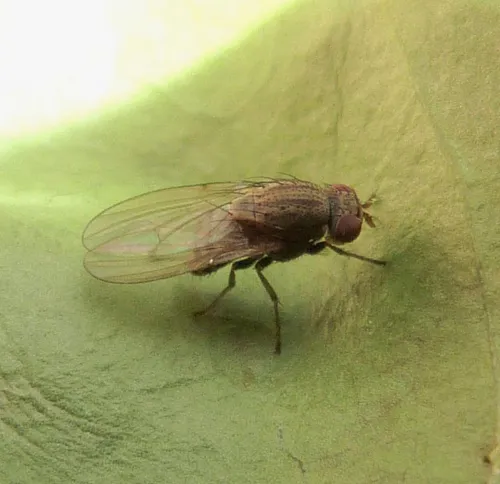
Minettia fasciata sensu stricto
Minettia fasciata sensu stricto
This species group can be generally characterised as having a greyish thorax and a pale brown abdomen with darker stripes. Determination to species level requires detailed examination. Records for specimens that have not been microscopically examined
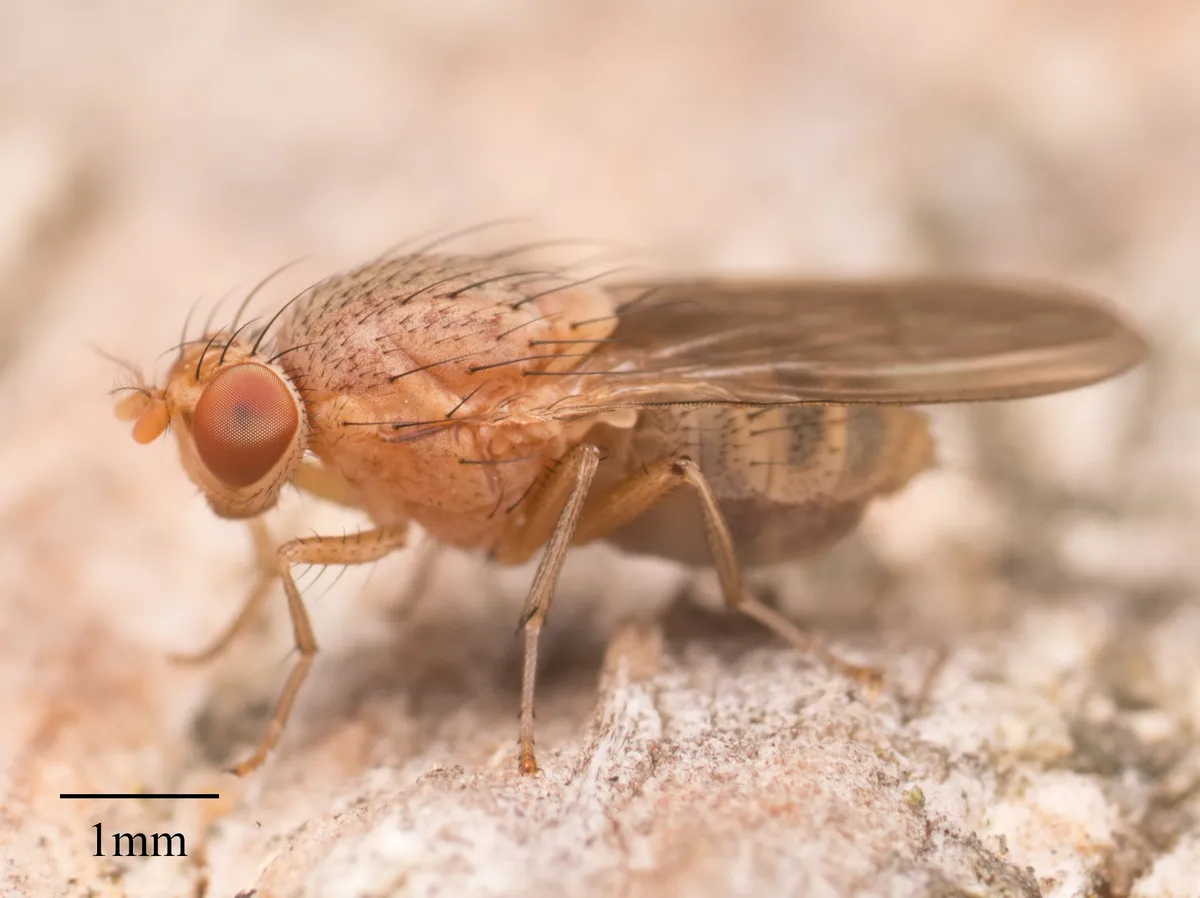
Minettia flaveola
Minettia flaveola
Common in California (and the only yellow Minettia there). Usually all yellow, sometimes with a dark stripe on the thorax (form univittata), sometimes more extensively gray.
Minettia hubbardii
Minettia hubbardii
Identification: The only Minettia in its range with strongly marked wings.
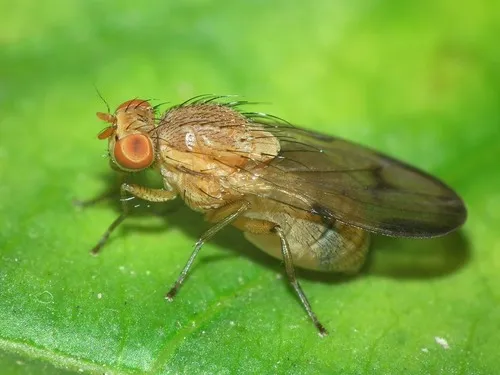
Minettia inusta
Minettia inusta
A small orange coloured fly with a distinctive dark pattern on the wings. Unless identified by a recognised expert, a photo is required and the specimen should be examined with a microscope. In the comments box, state the key or ID method used and de
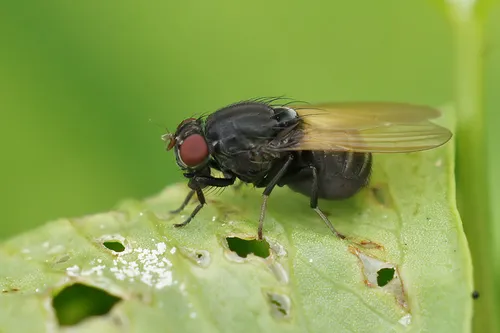
Minettia longipennis
Minettia longipennis
Length: 3 to 4.5 mm). Black fly and orange-tinted wings that are considerably longer than the body and have a black base. The lower face has two rounded swellings. The prosternum is bare.. Unless identified by a recognised expert, a photo is required
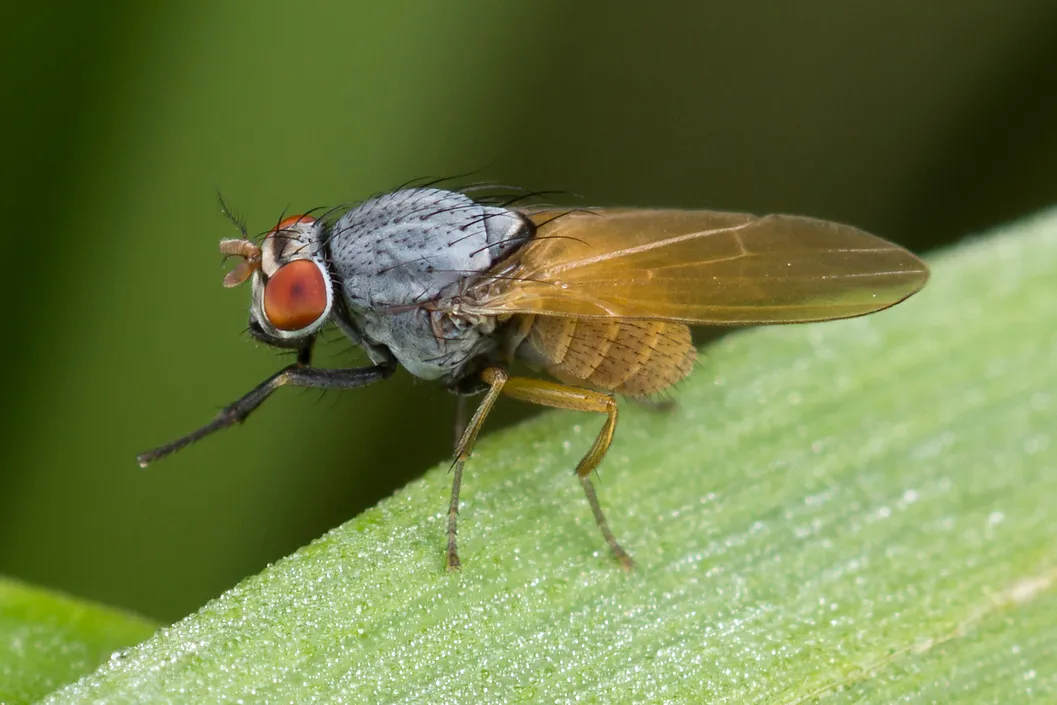
Minettia lupulina
Minettia lupulina
Identification: Thorax including scutellum densely gray pruinescent; scutellum with black margin; abdomen yellow without dark markings; fore and mid femora and fore tibia mostly black; halteres yellow. A common species.
Minettia shewelli
Minettia shewelli
Identification: Falls into the obscura group of species, where male genitalia are useful for ID.
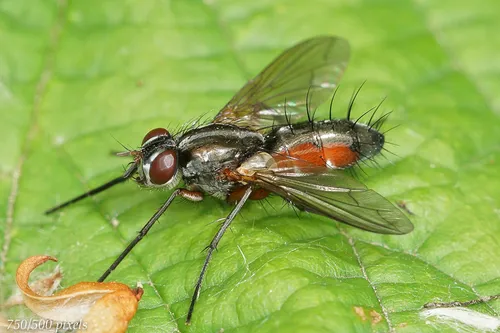
Mintho rufiventris
Mintho rufiventris
Length 8 to 11 mm. This is a relatively small and slender tachnid fly. It is a dark, bristly species with red markings on the sides of its abdomen. It has two broad longitudinal black bars on the thorax and the abdomen laterally compressed (higher th
Missouri Hanging Thief
Diogmites missouriensis
Identification: pale reddish golden species; proboscis reddish brown, abdomen yellow without distinct blackish markings
Mitromyia feei
Mitromyia feei
Identification: Much redder than the Taeniaptera spp. found in the US
Mochlosoma opipare
Mochlosoma opipare
Identification: The only species north of Mexico with a mostly red abdomen. The scutum is paler around the edges.
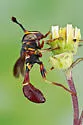
Monoceromyia floridensis
Monoceromyia floridensis
At present, this is the only species of Monoceromyia known to occur in the coverage area of BugGuide (i.e. North America north of Mexico).
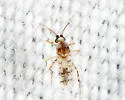
Monohelea jamnbacki
Monohelea jamnbacki
Identification: Males have characteristic genitalia; females cannot be separated from closely related species (e.g. texana and macfiei).
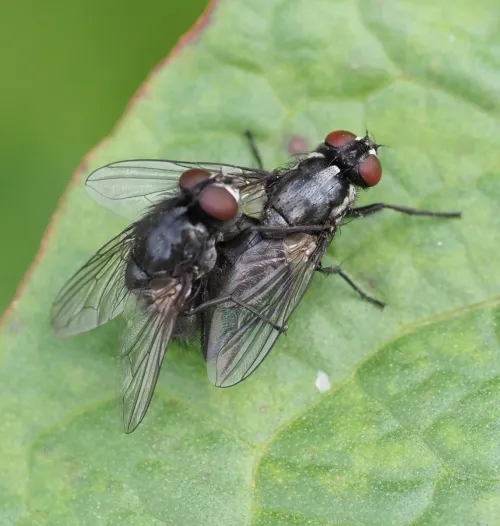
Morellia aenescens
Morellia aenescens
A relatively small muscid (5-7.5mm), largely black but with a pale central stripe on the thorax. See ID Guidance below. There are three UK Morellia species that all look very similar. M. simplex has bristles on the edge of the prosternum (lacking in
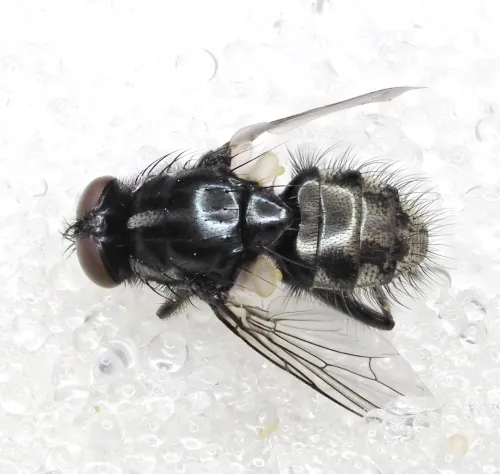
Morellia hortorum
Morellia hortorum
Length 7.5 to 9 mm. Prosternum with strongly convex sides (narrowing at the base) and lacking any bristles on the edges. Hind tibia with a prominent row of anteroventral bristles. Middle and hind tibiae more or less straight. Male with dense hairs on
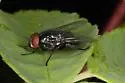
Morellia podagrica
Morellia podagrica
Identification: Male with mid tibia slightly swollen near base, with short spines.
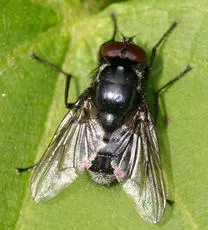
Morellia simplex
Morellia simplex
Around 9-10mm, a dark grey/black fly with a bold but short white stripe at the front of the thorax. The dark grey abdomen typically has a pale tip. The Morellia genus can be recognised by this generally dark colour, with vein m gently curving towards
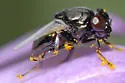
Mosillus bidentatus
Mosillus bidentatus
Identification: Face with a pair of small, white spots between antennae and eyes. Other North American species have a large white area instead of small spots.
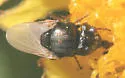
Mosillus tibialis
Mosillus tibialis
Identification: Face with a more or less square white patch on each side between antenna and eye. This patch is reduced to two spots in bidentata (a mostly western species) and drawn out into a point in stegmaieri (a coastal species).
Mountain Mahogany Gall Midge
Dasineura cercocarpi
Identification: Produces bud galls on Cercocarpus montanus and betuloides. The galls consist of several very pubescent leaves with a swollen base. The gall is much hairier than unaffected plant parts.
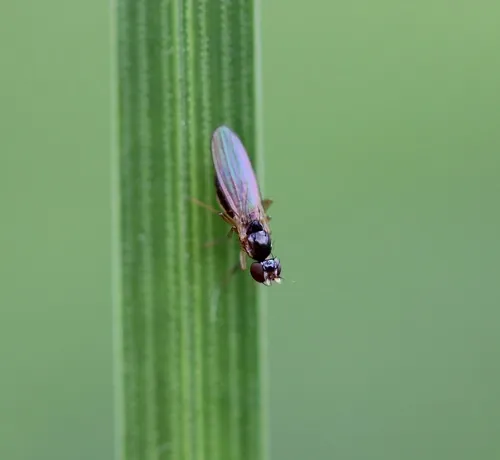
Mumetopia occipitalis
Mumetopia occipitalis
Identification: Wings unmarked, fore femur with ventral spine (as usual in the family), legs yellow, ocellar triangle shining black, only one strong pair of orbital bristles.
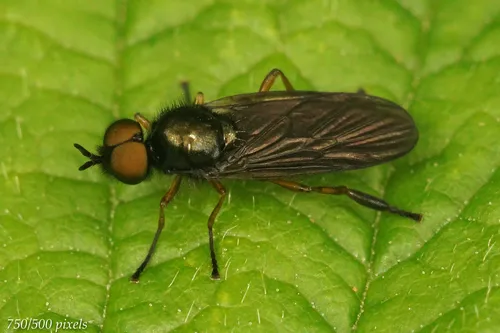
Murky-legged Black Legionnaire
Beris chalybata
5-6mm. Males and females are noticeably different. Beris , as a genus, can generally be recognised by having 6 spines projecting from the scutellum (Four spines in Choriceps , however occasionally variants can have 5). Males (eyes touching) have a da
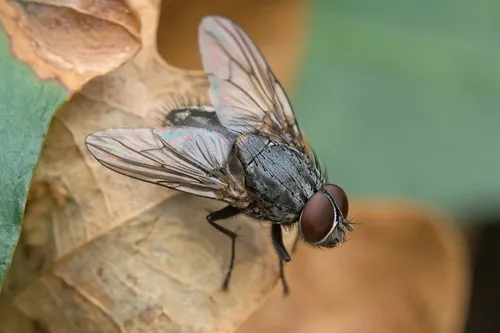
Muscina levida
Muscina levida
The Muscina genus is characterised by a striped thorax, a red tip to the scutellum and the discal vein turning up so that the first posterior cell is narrowed towards the wing apex. There are four UK species. Muscina levida is 6-8.5mm, has black legs
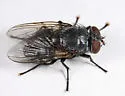
Muscina pascuorum
Muscina pascuorum
Identification: Tibiae all black, third antennal segment partly reddish at base, lower calypter broad.
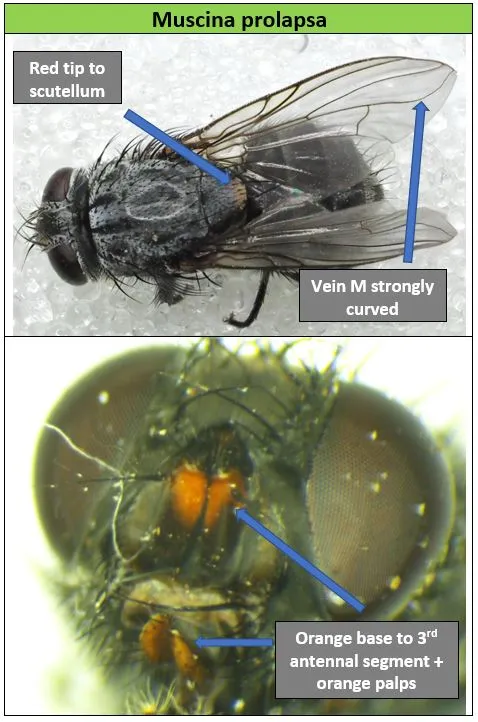
Muscina prolapsa
Muscina prolapsa
Length 7 or 8 mm, bluish grey with black stripes on the thorax. Muscina flies have a reddish tip to the scutellum and the discal vein curves upwards so that the first posterior cell narrows towards the wing apex. M. levida can be distinguished from p
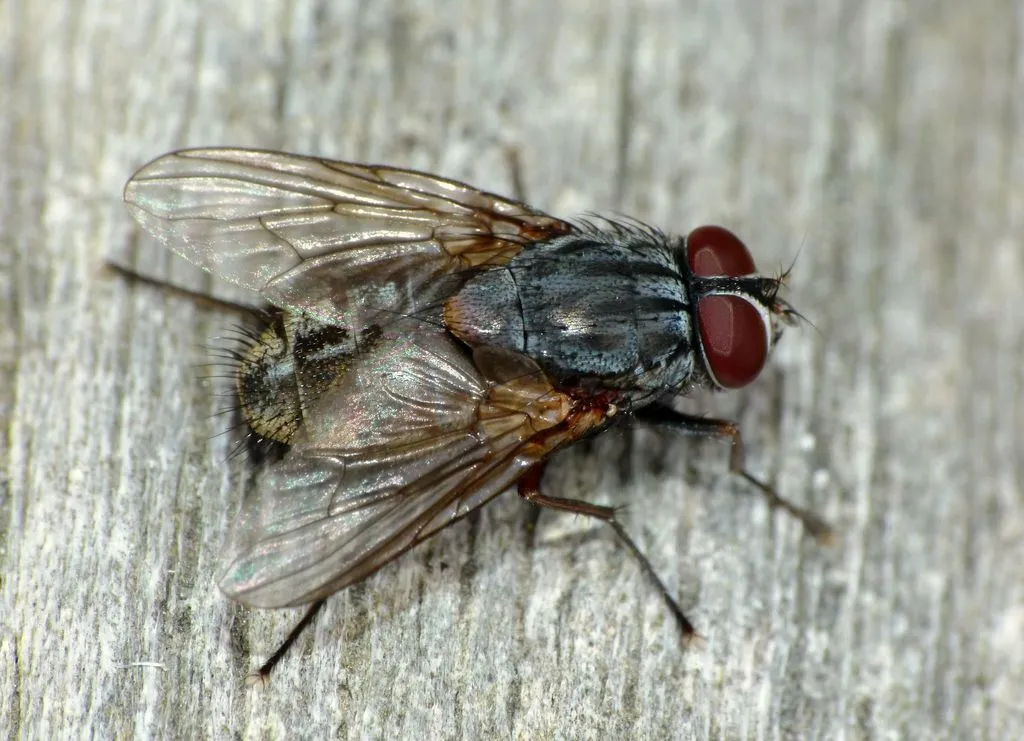
Muscina stabulans
Muscina stabulans
Identification: Tibiae yellow, second segment of antennae mostly dark. "Adults are known to frequent buildings for animal and human habitation in search of food, shelter, and for oviposition. The flies are commonly found in the presence of tainted fo
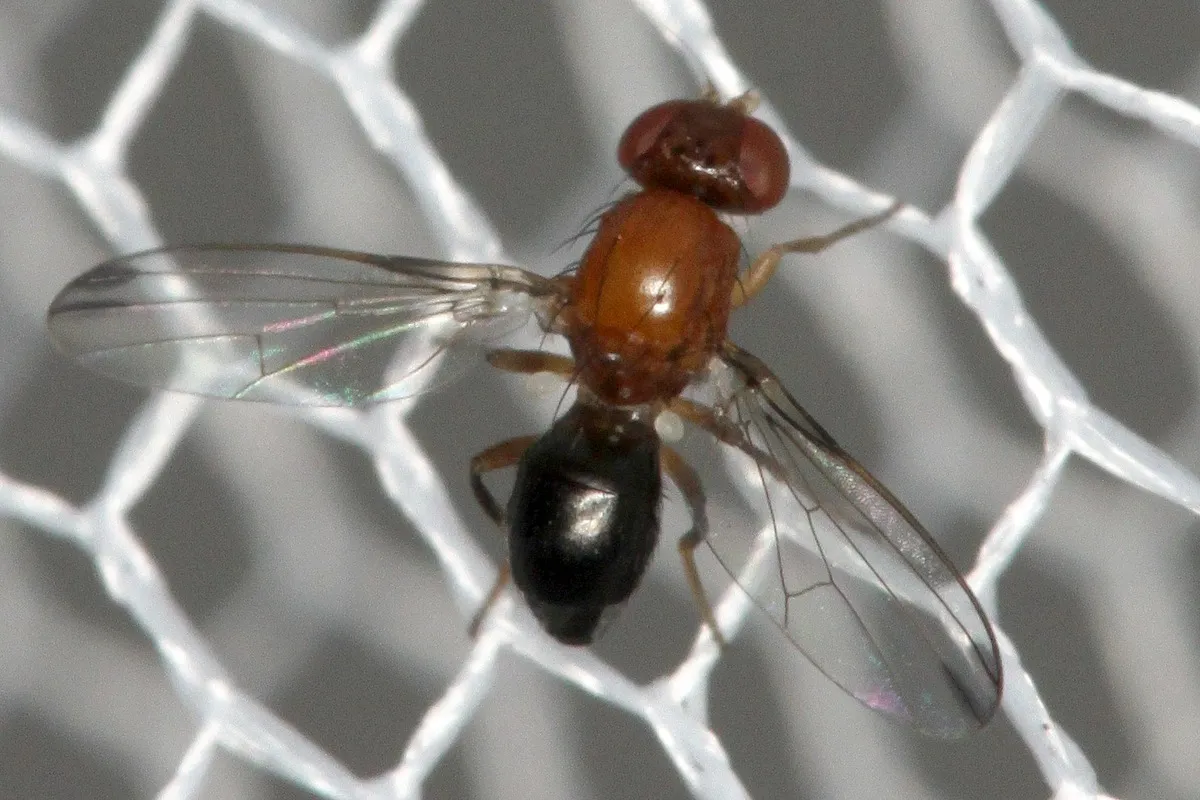
Mycetaulus costalis
Mycetaulus costalis
Identification: Apical wing spot divided in two. Costa fumose.
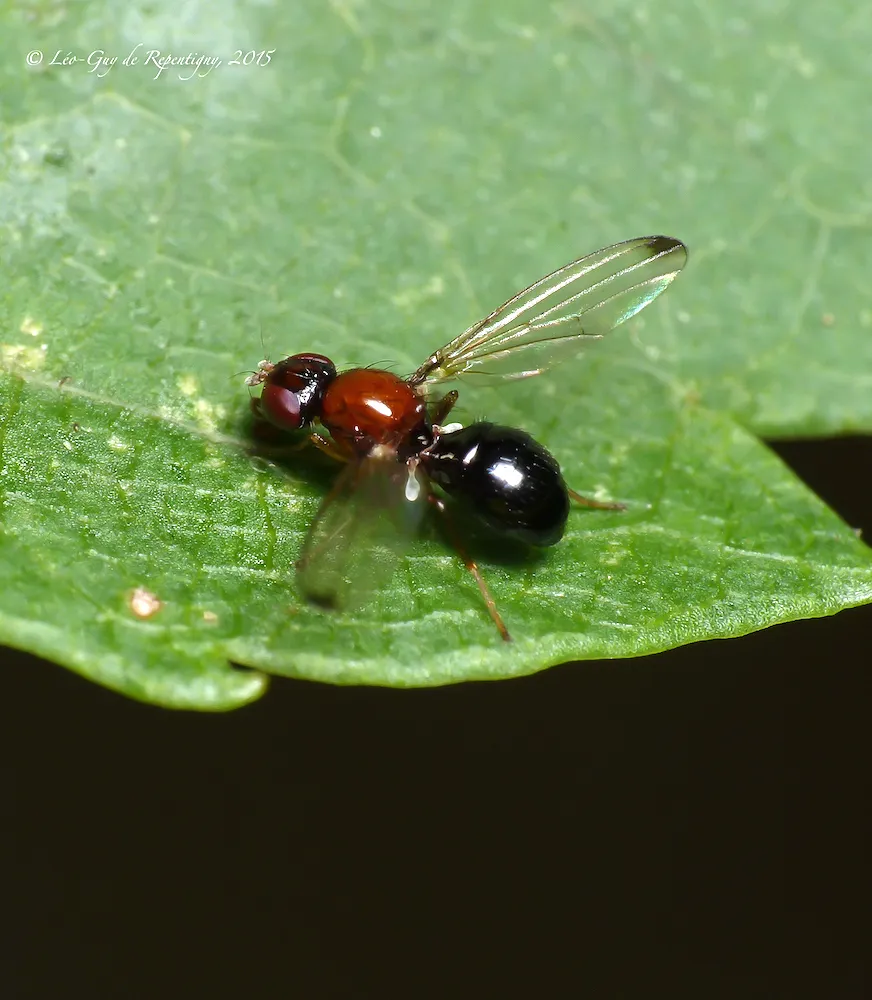
Mycetaulus longipennis
Mycetaulus longipennis
Identification: Costal cell hyaline, 2 pairs of dosocentrals, wing spot reaching apex of wing
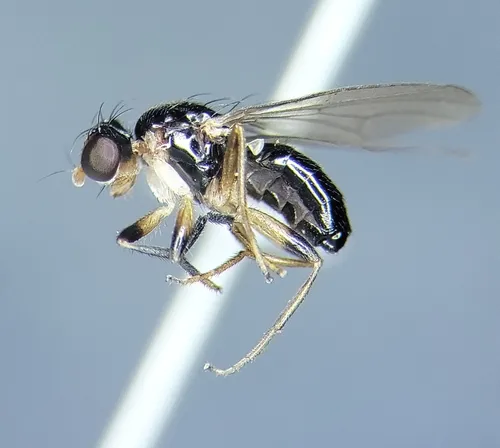
Mycetaulus nigritellus
Mycetaulus nigritellus
Identification: The only Mycetaulus species with wings unmarked
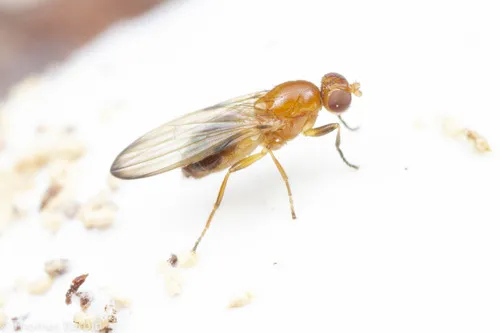
Mycetaulus polypori
Mycetaulus polypori
Identification: The combination of apical wing spot and black basitarsus on foreleg distinguishes it from other Mycetaulus spp.
Mycodrosophila dimidiata
Mycodrosophila dimidiata
Identification: The other two species north of Mexico have the dark band on tergite 4 undivided.
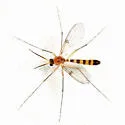
Mycomya hirticollis
Mycomya hirticollis
Identification: Genitalia need to be examined for ID. Genitalia extremely similar to M. hirticauda Van Duzee, known from CA, WA, and OR.
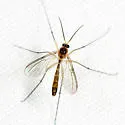
Mycomya kaurii
Mycomya kaurii
Identification: Using older keys such as Fisher, this species will key towards Mycomya dichaeta but it can be distinguished by the male genitalia (distinct medial process on tergite 9). It is similar to M. woodi Väisänen (known only from Maine).
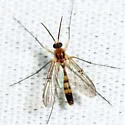
Mycomya obliqua
Mycomya obliqua
Coher states this is one of the most common species in the north and east, and could be the same as the European Mycomya circumdata (Staeg.).
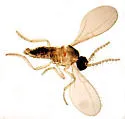
Mycophila speyeri
Mycophila speyeri
A pest of cultivated mushrooms. "It was first identified from Great Britain. It is now known from Europe, China and Japan. In the US its distribution is from Michigan, Pennsylvania, Maryland to Virginia. The larvae attack cultivated mushrooms and thr
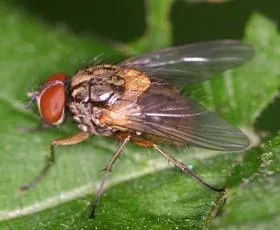
Mydaea corni
Mydaea corni
Various habitats including well wooded areas. Larvae associated with Lactarius and Russula fungi. Widespread but not well recorded in Britain. No additional images available for this species.
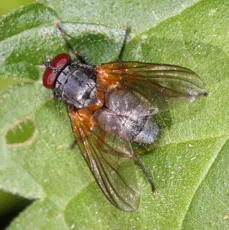
Mydaea setifemur
Mydaea setifemur
Quite a grey looking member of the family with large yellow flaps at the base of its wings. It is very similar in appearance to Mydaea humeralis and the two cannot be reliably separated without detailed examination. Hedgerows and well wooded areas, f
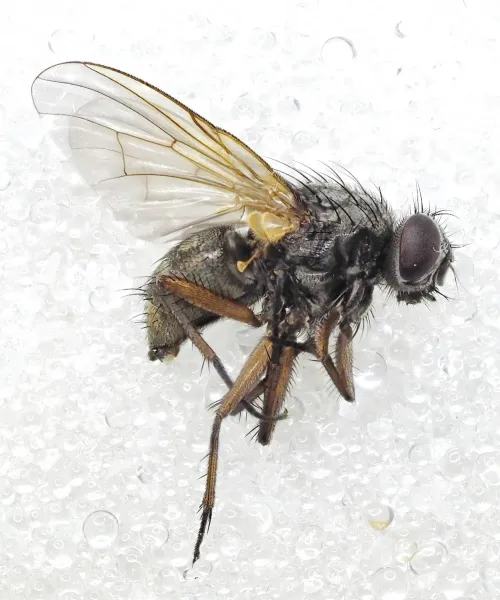
Mydaea urbana
Mydaea urbana
Mydaea is a genus characterised by seta on both the dorsal and ventral wings at the radio-cubital node. Very similar to a number of other related species – detailed examination may be needed to identify to species level. Various habitats, especially
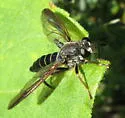
Mydas arizonensis
Mydas arizonensis
Our US specimens are most likely Mydas arizonensis Wilcox, Papavero & Pimentel 1989. The similar species annularis is restricted to Mexico. Wilcox, Papavero & Pimentel described six new US species of Mydas (arizonensis, davidsoni, fisheri, floride
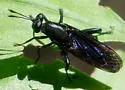
Mydas audax
Mydas audax
Identification: "Because the orange coloring goes all the way around the abdomen, [...] this is [...] Mydas audax ." ‒ Even Dankowicz