
Muscina stabulans
This record describes Muscina stabulans (species). Recorded family: Muscidae. Recorded order: Diptera.
Identification and Appearance
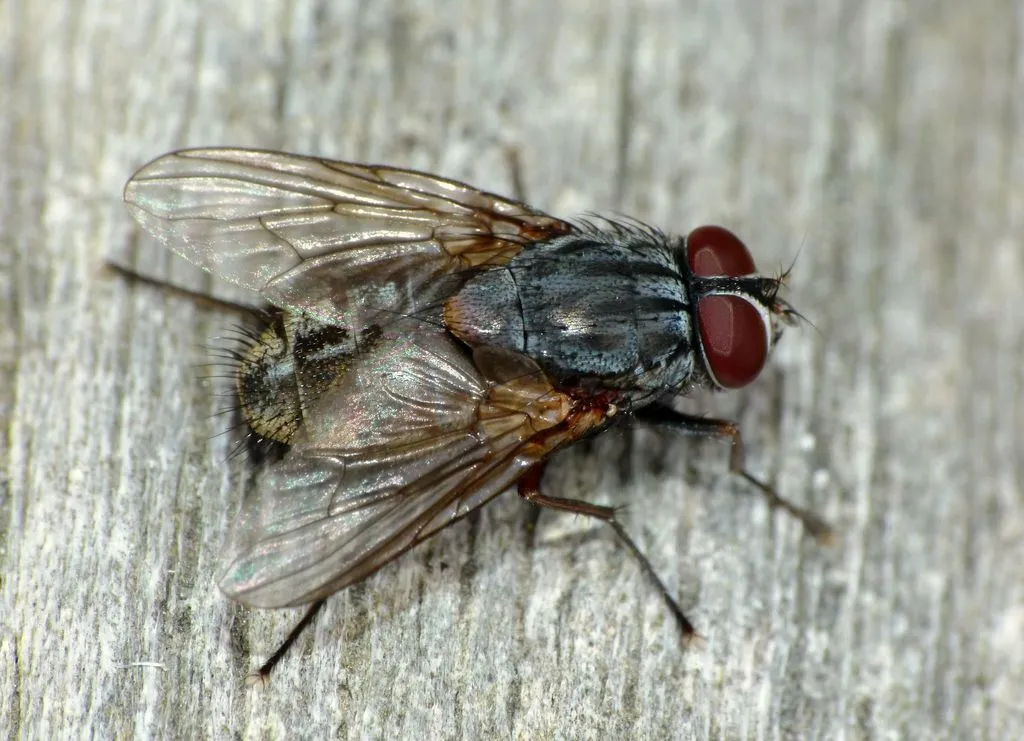
Tibiae yellow, second segment of antennae mostly dark. Adults are known to frequent buildings for animal and human habitation in search of food, shelter, and for oviposition. The flies are commonly found in the presence of tainted food or decomposing organic matter. Larvae have been bred from blemished or partly decayed fruits and vegetables, various fungi, animal dung, human excreta, carrion, nests of starlings, sparrows, swallows, and from dead snails and earthworms. They have been recorded as parasites or predators on a wide variety of insects in the immature stages, belonging to the orders Lepidoptera, Hymenoptera, Orthopera, Diptera, and Coleoptera.
Wikipedia reference for Muscina stabulans: http://en.wikipedia.org/wiki/Muscina_stabulans.
Classification
Habitat and Range
Geographic Range
Cosmopolitan
Additional species information
Species notes from the sources
Etymology: Musca stabulans Fallén 1823
About Flies: the wider group
Order-level background for Diptera, the group containing Muscina stabulans. Species-specific details appear above.
Group overview
Diptera includes over 150,000 described species of flies, mosquitoes, and midges. Mosquitoes are the deadliest animal on Earth (CDC). Malaria alone causes ~249 million cases and over 608,000 deaths annually, mostly children under 5 (WHO). Vector-borne diseases account for over 17% of all infectious diseases, causing 700,000+ deaths per year.
Ecological role of the group
Despite their disease impact, flies are critical decomposers and pollinators. Hoverflies alone pollinate hundreds of crop and wildflower species. Flies are also the primary food source for many birds, bats, and fish. Forensic entomology relies heavily on fly species for crime scene analysis.
Economic and practical significance of the group
In the U.S., vector-borne disease cases tripled between 2004-2016, with over 640,000 cases reported in that period (CDC). Tickborne diseases doubled from 22,000 to 48,000 annual reports. Globally, mosquito-borne diseases cost billions in healthcare and lost productivity.
Recorded sources for this group: WHO, CDC, PNAS. Imported estimates may describe particular regions or reporting periods.
Photos of Muscina stabulans (3)
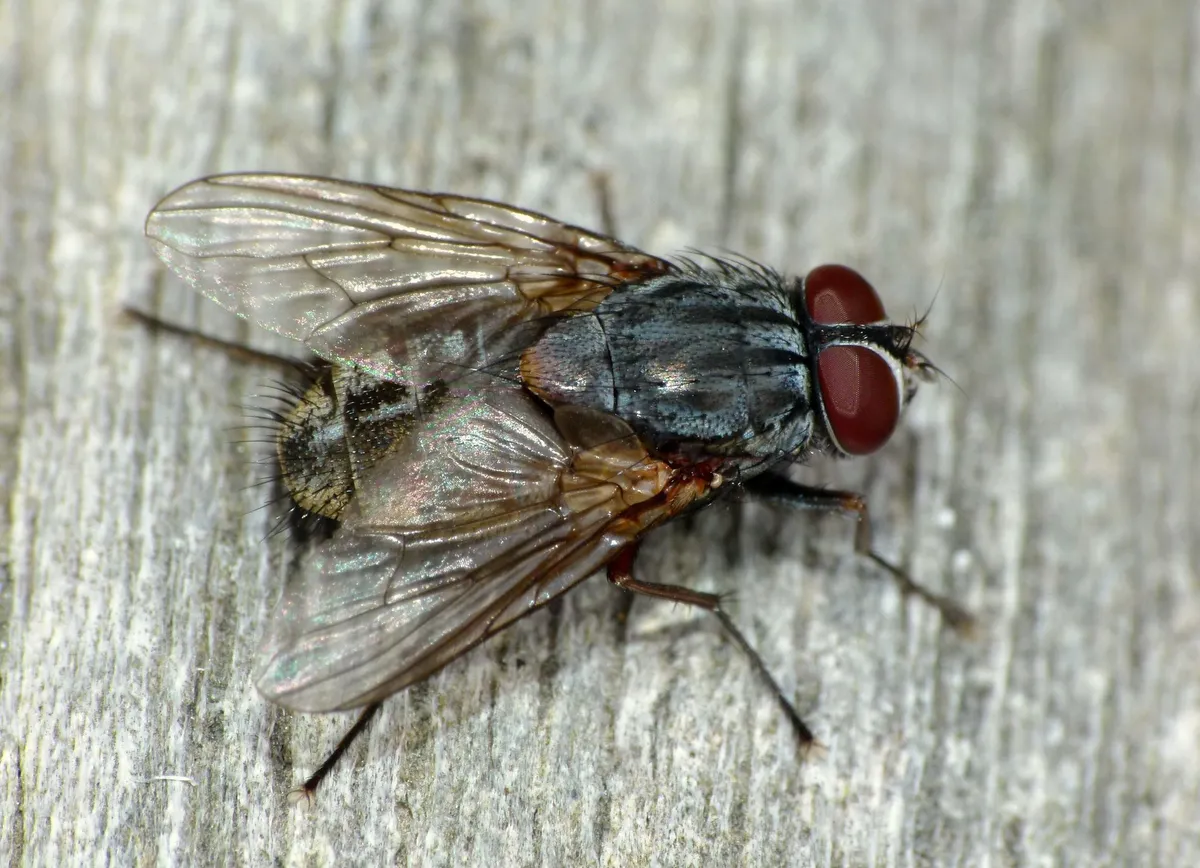
Photo credits: Contributed by John F. Carr; Additional contributions by v belov , mpintar
Frequently Asked Questions About Muscina stabulans
What is Muscina stabulans?
Muscina stabulans is a species in the family Muscidae, within the order Diptera.
How do you identify Muscina stabulans?
Tibiae yellow, second segment of antennae mostly dark.
Where is Muscina stabulans found?
Range: Cosmopolitan