
Butterflies and Moths
Order Lepidoptera
The Butterflies and Moths (Order Lepidoptera) includes 11,813 species across 112 families and 2,787 genera in our directory.
About Butterflies and Moths
Lepidoptera includes approximately 180,000 described species of butterflies and moths. Moths outnumber butterflies roughly 10:1. The monarch butterfly's eastern population has declined by more than 80% since the mid-1990s, and the western population by over 95% since the 1980s. The IUCN lists the migratory monarch as Vulnerable.
Economic Impact
Lepidoptera are critical pollinators. In Europe, grassland butterfly species have declined by almost 50% since the early 1990s. In the UK, three-quarters of butterflies are in decline. In the U.S., five butterfly species have gone extinct since 1950, with 29 listed as endangered.
Ecological Role
Butterflies and moths are essential indicators of ecosystem health. As caterpillars, they are a primary food source for birds - a single nest of blue tit chicks requires ~10,000 caterpillars. Adult moths pollinate many night-blooming plants.
Families in Lepidoptera (112)
Species in Lepidoptera (11,813)
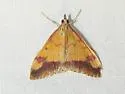
Pyrausta perrubralis - Hodges#5064
Pyrausta perrubralis
Identification: See print references below. Type locality: USA, California
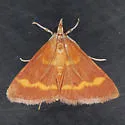
Pyrausta pseuderosnealis - Hodges#5053
Pyrausta pseuderosnealis
Identification: Specimen identified by DNA analysis: Type locality: USA, Texas, Georgetown
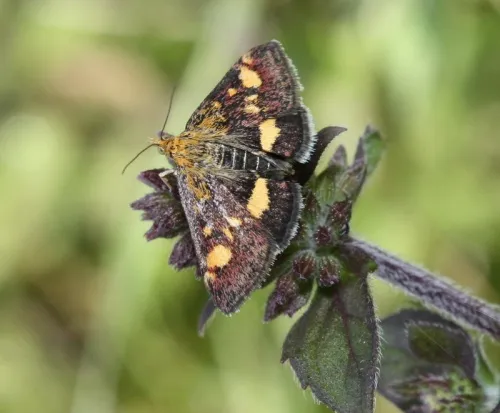
Pyrausta purpuralis
Pyrausta purpuralis
Wingspan around 20 mm. In this species the postmedian markings can form a continuous broad band but it is usually broken into three substantial marks. The mark near the dorsum is always much more substantial than that, if any, on P. aurata and turns
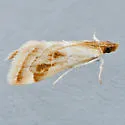
Pyrausta sartoralis - Hodges#5020
Pyrausta sartoralis
Identification: Barnes & McDunnough (1914) original description is online and linked in the print references.
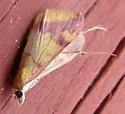
Pyrausta scurralis - Hodges#5065
Pyrausta scurralis
Identification: See print references below. Type locality: USA, Arizona
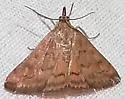
Pyrausta tatalis - Hodges#5061
Pyrausta tatalis
Identification: Specimen identified by DNA analysis (BOLD).
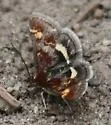
Pyrausta tuolumnalis - Hodges#5059
Pyrausta tuolumnalis
Identification: See print references below. Type locality: USA, California, Tuolumne Meadows
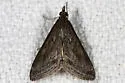
Pyrausta zonalis - Hodges#5022
Pyrausta zonalis
Identification: See link to original description by Barnes & McDunnough in print references below. An updated, detailed description is available in MONA Fascicle 13.2B at the link in citations below. Important points from this description include rat
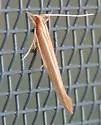
Pyroderces albistrigella - Hodges#1514
Pyroderces albistrigella
Pyroderces albistrigella - Hodges#1514 (Pyroderces albistrigella) is a species in the family Cosmopterigidae, commonly known as cosmet moths, belonging to the order Lepidoptera (Butterflies and Moths). It is classified within the subfamily Cosmopteri
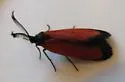
Pyromorpha latercula - Hodges#4633
Pyromorpha latercula
Identification: Edwards (1882) described the adult. Forewing is brick red with a wide band along outer margin continuing along the outer third of the costa and a narrow band along inner margin. All of a blue-black shade. Hind wing is blue-black with
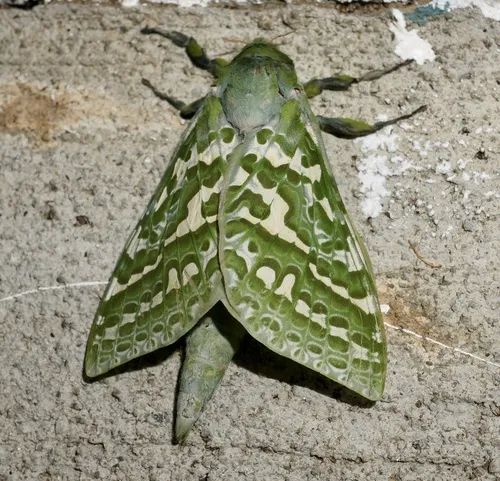
Pūriri moth
Aenetus virescens
The puriri moth (Aenetus virescens) is a moth of the family Hepialidae, endemic to the North Island of New Zealand. It is New Zealand's largest moth, with a wingspan of up to 150 mm. It is also called the ghost moth or pepetuna.
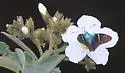
Qian's Flasher - Hodges#3896
Telegonus tsongae
Identification: Several species of Astraptes have a similar metallic blue color on the body and inner wings. One study in Costa Rica concluded that there were at least ten cryptic species within A. fulgerator there, with virtually identical adults bu
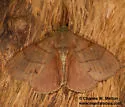
Quadrina diazoma - Hodges#7691
Quadrina diazoma
Identification: The original description of Quadrina diazoma Grote, is available below.
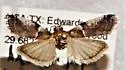
Quasisalebria fructella - Hodges#5777
Quasisalebria fructetella
Identification: Genitalia: Ann Hendrickson, July 6, 2024 While DNA shows that this species can be found in Texas, I believe it to be uncommon. Although I see quite a few in the Genus, this is the only specimen that has tested Q. fructella .
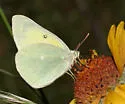
Queen Alexandra's Sulphur - Hodges#4211
Colias alexandra
Identification: Upper surface of male bright yellow with pale yellow at wing bases; wings edged by narrow black border crossed by yellow veins; cell spot small. Female yellow, sometimes white, with forewing border faded or absent. Underside of hindwi
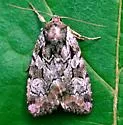
Quivering Dart Moth - Hodges#10999
Aplectoides condita
Identification: Specimen identified by DNA analysis: Genitalia: ♂
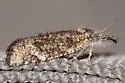
Rabbitbrush Webbing Moth - Hodges#3746
Synnoma lynosyrana
Identification: Adult - body and legs are covered in short black and long white scales. Males with pale ochreous yellow forewing and two diffuse, oblique, silvery white fasciae. Hindwing dark gray brown. Females dark gray with blue iridescence and sc
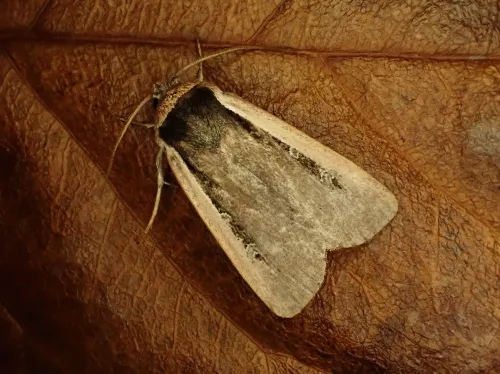
Radford's Flame Shoulder
Ochropleura leucogaster
Wingspan 34-37 mm. Rather similar to the Flame Shoulder (Ochropleura plecta ) but has longer forewings with smaller stigmata. However these features can be subjective and variable. The whiter hindwings, white dorsal hairs at top of abdomen and tegula
Ragweed Borer - Hodges#3172
Epiblema strenuana
Identification: See redescription in Gilligan et al. Specimen identified by DNA analysis (BOLD) - Adult: forewing medium to dark brownish-gray extensively covered with fine pale dots; pale patch at anal angle usually contains two small black marks; h
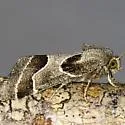
Ragweed Flower Moth - Hodges#11135
Schinia rivulosa
Identification: Adult: forewing blackish-gray in basal area and beyond PM line, and lighter gray in median area; AM and PM lines white, conspicuous; AM line arc-shaped, and PM line deeply curved; ST line straight, white, faint or sometimes absent; hi
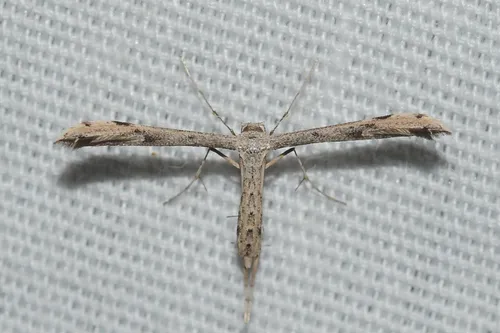
Ragweed Plume Moth
Adaina ambrosiae
Adaina ambrosiae (ambrosia plume moth or ragweed plume moth) is a moth of the family Pterophoridae. It is found in North America from California east to Florida and north to Ontario. It is also known from Bermuda, Costa Rica, Jamaica, Puerto Rico and
Ragwort Stem Borer Moth - Hodges#9488
Papaipema insulidens
Ragwort Stem Borer Moth - Hodges#9488 (Papaipema insulidens) is a species in the family Noctuidae, commonly known as owlet moths, belonging to the order Lepidoptera (Butterflies and Moths). It is classified within the subfamily Noctuinae, tribe Apame
Raisin moth - Hodges#6023
Cadra figulilella
Identification: Specimen determined by DNA analysis (BOLD). The species was first described from Liverpool, England where it was a pest of imported fruits. Probably introduced
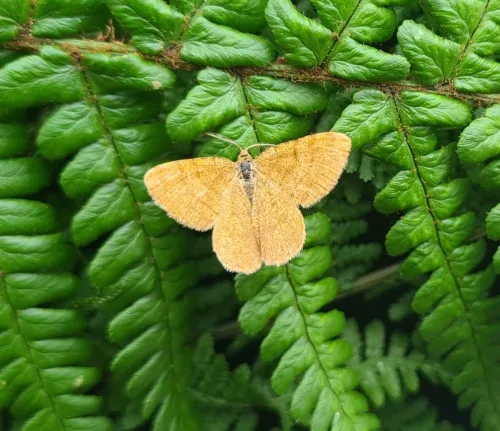
Rannoch Looper
Macaria brunneata
Wingspan 25 to 30 mm. A brown moth - both sexes have darker brownish crosslines on the wings, although the female is usually more strongly marked than the male. Please provide photograph to support your record. Favouring areas where the larval foodpl
Rare Sand Quaker - Hodges#9654
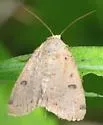
Caradrina meralis
Identification: Adult: forewing medium gray with darker gray reniform and orbicular spots; lines either very faint or not visible; may have darker shading in subterminal area, with pale ST line running through it. A distinctive element in most indivi
Rascal Dart - Hodges#10661
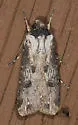
Agrotis malefida
Identification: Adult - forewing brownish in male, gray to blackish in female; reniform spot large, dark; claviform spot short, wide, solid black; orbicular spot outlined in black, and keyhole-shaped (broadly oval basally, with elongate "tail" distal
Raspberry Bud Moth - Hodges#0180.1
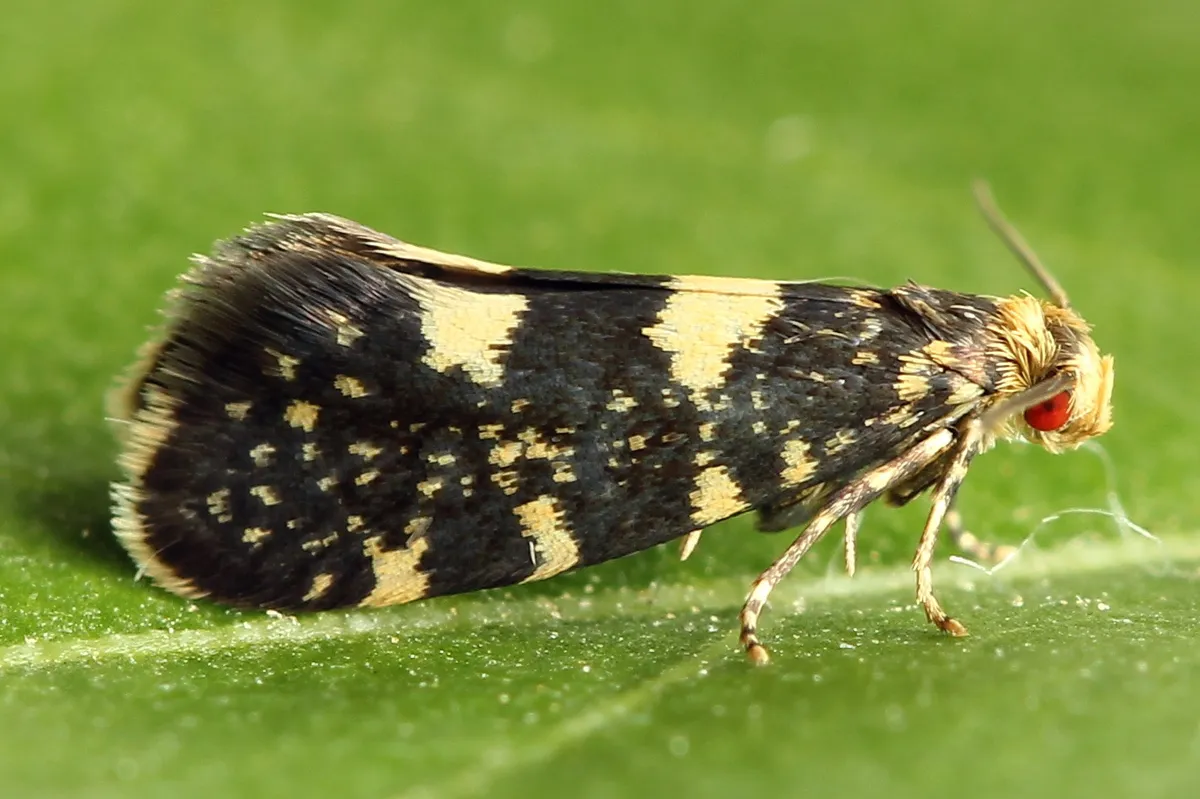
Lampronia corticella
Not a native species. Original distribution Europe and Asia. First found in North America in N. Brunswick, Canada in 1936.
Raspberry Crown Borer - Hodges#2513
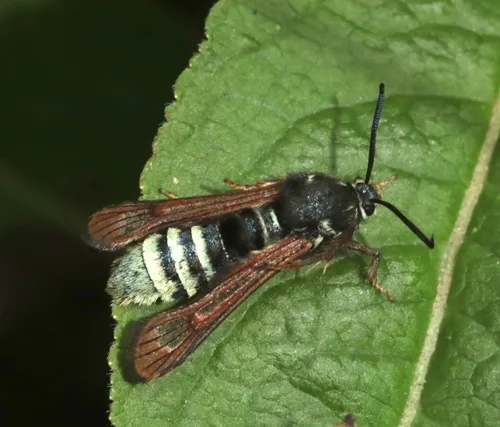
Pennisetia marginatum
Identification: Adult - resembles a yellow jacket. Body black with some yellow streaking and four or more narrow yellow bands around abdomen; legs dull yellow; forewing dark olive and reddish-brown with prominent dark discal bar; antennae black, pect
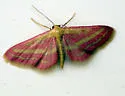
Raspberry Wave Moth - Hodges#7177
Leptostales laevitaria
Identification: Adult: forewing pink with pale yellow PM line, subterminal line, and basal strip extending halfway along costa; PM line broad; subterminal line thin, double; both lines smooth, almost straight; hindwing similar color and pattern as fo
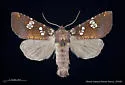
Rattlesnake-master borer moth - Hodges#9494
Papaipema eryngii
Identification: Image (MPG) FWS Listing Status: Listing Warranted But Precluded - August 2013 Considered by Oklahoma to be a "Species of Greatest Conservation Need" (SGCN) Listed as endangered in Illinois since 1991 - Illinois DNR
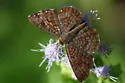
Rawson's Metalmark - Hodges#4392
Calephelis rawsoni
Identification: median area generally not as dark as Fatal Metalmark and forewing postmedian metallic bulge not as obvious as Rounded Metalmark also, fringes seemingly more checkered then either Fatal or Rounded Metalmarks
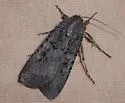
Reaper Dart - Hodges#10705
Euxoa messoria
Identification: Adult: forewing brownish-gray with black double scalloped AM and PM lines; reniform and orbicular spots same color as ground color with black perimeter; subterminal line pale, irregular; some dark shading in terminal area, especially
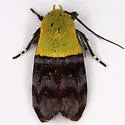
Rectiostoma fernaldella - Hodges#1027
Rectiostoma fernaldella
Identification: The original description as Setiostoma fernaldella Riley, is available online in the print references below. Day flier (diurnal) , yet rarely seen.
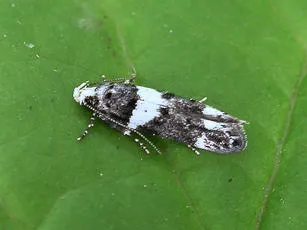
Recurvaria leucatella
Recurvaria leucatella
Wingspan 14 to 15 mm. A distinctive pied species. Areas where the larval foodplants are plentiful. Flying in June and July, the adults can be attracted to light, and can also be obtained by beating the foodplant in suitable localities. The larva feed
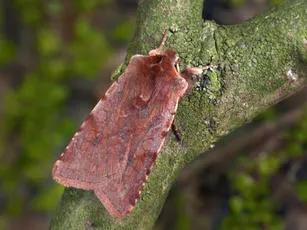
Red Chestnut
Cerastis rubricosa
Wingspan 32 to 38 mm. The ground colour is a uniform rich pale or dark reddish brown or purplish brown. The markings are often quite pale. Occupying mainly woodland in the south, and wet moorland in the north. This is a spring flying species, appeari
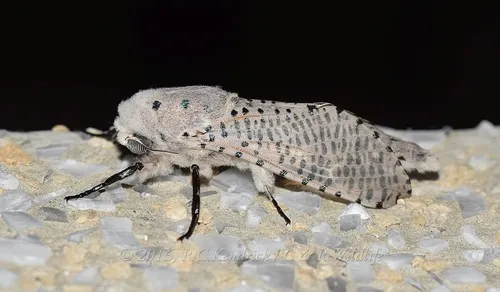
Red Coffee borer
Polyphagozerra coffeae
Polyphagozerra coffeae, the red coffee borer or coffee carpenter, is a moth of the family Cossidae. It was described by John Nietner in 1861 and is found in Asia. Records from the Moluccas and New Guinea refer to Polyphagozerra reticulata, which was
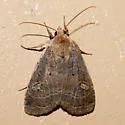
Red Dart - Hodges#10917
Diarsia rubifera
Identification: Larva - dorsal surface brown, mottled with white, grey below; head deep brown with pale spot on each side. ( 3 ) genitalia
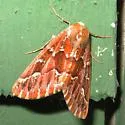
Red Girdle - Hodges#6865
Caripeta aequaliaria
Identification: Adult - forewing reddish-brown with jagged AM and PM lines, pale yellowish discal spot, and prominent orange arrow-shaped streaks in subterminal area. Hindwing whitish basally with diffuse pale yellow streaks radiating distally. Larva
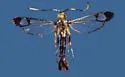
Red Maple Borer - Hodges#2546
Synanthedon acerrubri
Identification: Larva - body dull white, deeply segmented, with brown head that is wider than long.
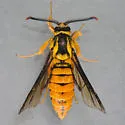
Red Oak Clearwing Moth - Hodges#2527
Paranthrene simulans
Identification: Adult - closely resembles a queen southern yellowjacket, Vespula squamosa . Larva - purple-brown with black head and yellow-brown thoracic shield. Prominent elliptical spiracles.
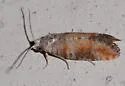
Red Pine Tip Moth - Hodges#2879
Rhyacionia busckana
Red Pine Tip Moth - Hodges#2879 (Rhyacionia busckana) is a species in the family Tortricidae, commonly known as tortricid moths, belonging to the order Lepidoptera (Butterflies and Moths). It is classified within the subfamily Olethreutinae, tribe Eu
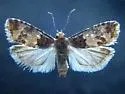
Red Pinecone Borer Moth - Hodges#3073
Eucopina monitorana
Identification: Broad white median band distinguishes this species from the similar E. tocullionana
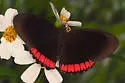
Red Rim - Hodges#4539
Biblis hyperia
Identification: Adults are unmistakeable. Larvae are grayish brown with green warts and spines.
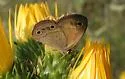
Red Satyr - Hodges#4579
Megisto rubricata
Identification: Below, the adult has a red patch on the forewing (not always visible depending how wings are held). Above, red patches and one eyespot on each wing.
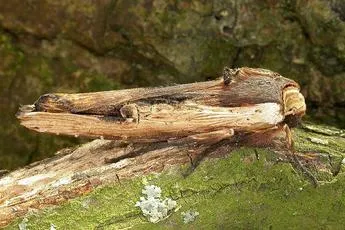
Red Sword-grass
Xylena vetusta
Wingspan 50 to 57 mm. A large species, which rests with the wings furled tightly around the abdomen, tapering to a point. Damp woodland, mountain moorland and marshy places. The flight period is September and October, after which it hibernates, appea
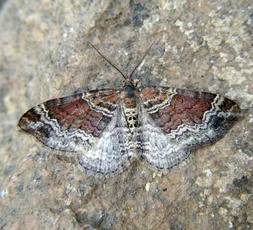
Red Twin-spot Carpet
Xanthorhoe spadicearia
Wingspan 24-27 mm. Similar to Dark-barred Twin-spot Carpet, but more common in VC55. The presence or absence of a notch on the inner edge of the median fascia close to the costa is no longer considered a reliable character to separate the two species
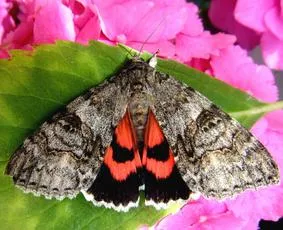
Red Underwing
Catocala nupta
Wingspan 65-75 mm. Unmistakable large moth, but check the colour of the underwing carefully as other, scarcer species such as Light Crimson Underwing and Dark Crimson Underwing can be easily missed. Adult a photograph showing the colour of the underw
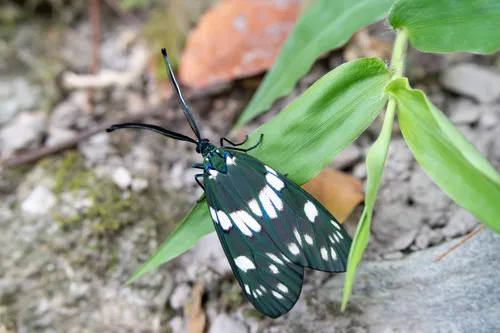
Red slug caterpillar
Eterusia aedea
Eterusia aedea, the red slug caterpillar, is a species of moth in the family Zygaenidae. It was described by Carl Linnaeus in his 1763 Centuria Insectorum. It is found in Sri Lanka, India, Taiwan, Japan and China.
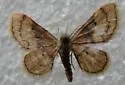
Red-Bordered Wave Moth - Hodges#7114
Idaea demissaria
Identification: Adult : Straw-colored wings have reddish shading in basal area and beyond PM. Slightly scalloped lines are reddish brown. All wings are marked in tiny black discal dots. ( 3 )
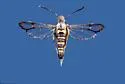
Red-Lined Clearwing - Hodges#2566
Synanthedon refulgens
Meyer & Cranshaw caught them on (E,Z)-2,13-ODDA/(Z,Z)-3,13-ODDA blended pheromone lures (Meyer & Cranshaw, 1994).
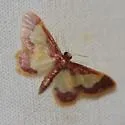
Red-and-white Wave - Hodges#7110
Idaea basinta
Identification: Adult: forewing white with broad reddish bands in basal and terminal areas; fringe yellowish; hindwing white with broad reddish terminal band.
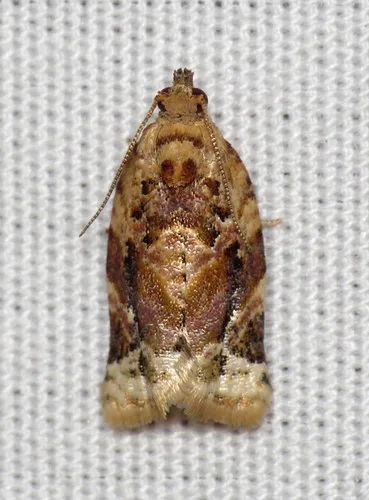
Red-banded Leafroller Moth
Argyrotaenia velutinana
Argyrotaenia velutinana, the red-banded leafroller moth, is a species of moth of the Tortricidae family. It is found in the eastern United States and south-eastern Canada, from Quebec and Ontario to Florida, west to Texas and at least Iowa. It has al
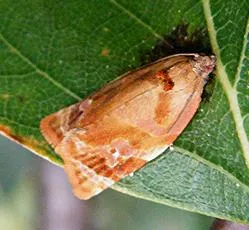
Red-barred Tortrix
Ditula angustiorana
Wingspan 12-18 mm. With an average wingspan of around 15 mm, this is quite a small species, though the females are usually slightly larger and differ slightly in markings and colour. Adults are on the wing in June and July. The males sometimes fly in
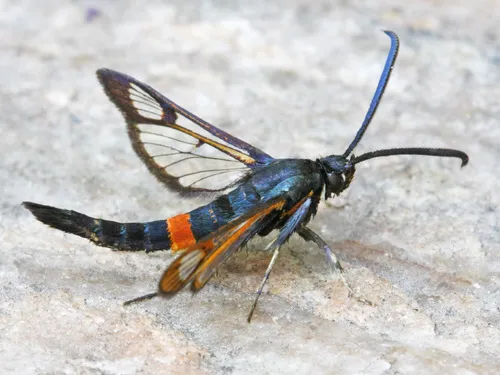
Red-belted Clearwing
Synanthedon myopaeformis
When adding a record please state whether a pheromone lure was used. Allotments, orchards, gardens and woodland. They occur from June to early August. The moths fly during the day but are not often seen, except by the use of pheromone lures. The larv
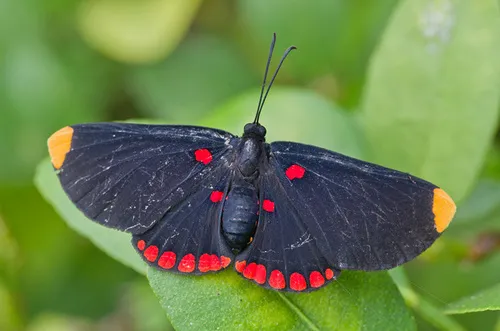
Red-bordered Pixie
Melanis pixe
Melanis pixe, the red-bordered pixie, is a species in the butterfly family Riodinidae. It was described by Jean Baptiste Boisduval in 1936.
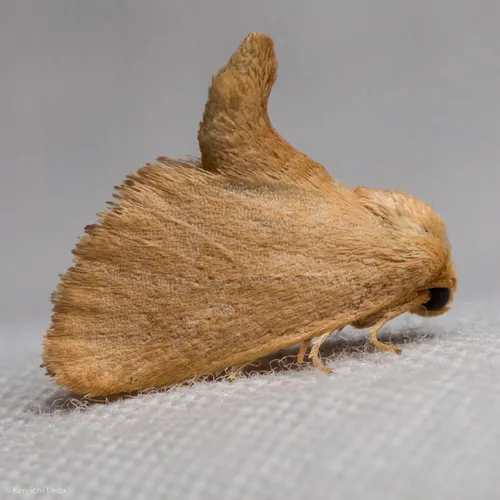
Red-crossed Button Slug Moth
Tortricidia pallida
Tortricidia pallida, the red-crossed button slug, is a moth of the family Limacodidae described by Gottlieb August Wilhelm Herrich-Schäffer in 1854. It is found in eastern North America from Nova Scotia west to Minnesota and south to Louisiana.
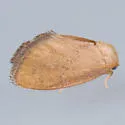
Red-eyed Button Slug Moth - Hodges#4657
Heterogenea shurtleffi
Identification: Specimens identified by DNA analysis:
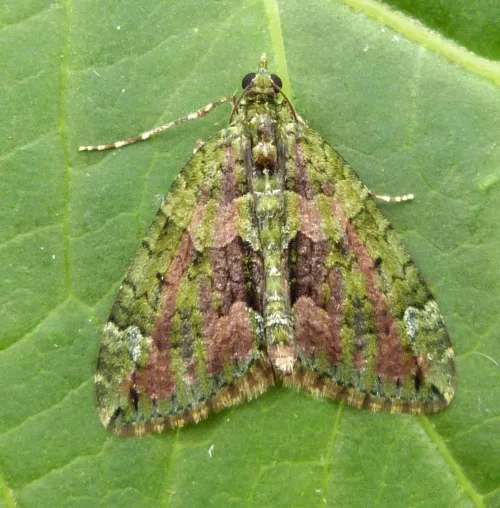
Red-green Carpet
Chloroclysta siterata
Wingspan 30-36 mm. The adult has a subtle combination of reddish and green colours which seem to change in the light. An autumn species, occurring in September and October. The adult moth hibernates flying again in early spring. The larval foodplants
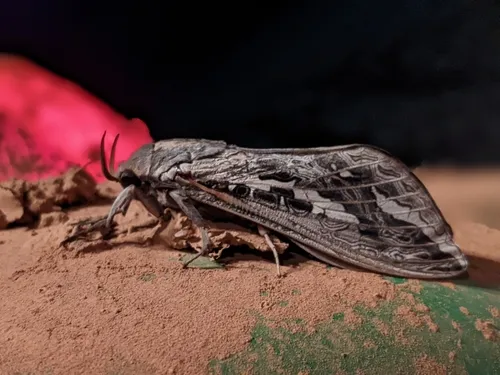
Red-gum Ghost Moth
Abantiades marcidus
Abantiades marcidus is a moth of the family Hepialidae. It is endemic to Australia, where it is found in New South Wales, Queensland, South Australia and Victoria. The larvae are a favoured bait for fishing.
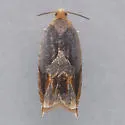
Red-headed Ancylis - Hodges#3377
Ancylis muricana
Identification: Adult - original description : Palpi short, whitish, the apical point almost concealed: head and patagia pale ferruginous; antennae slightly darker; thorax purplish grey. Fore wings - the costa arched; apex falcate - with the basal po
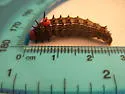
Red-humped Caterpillar Moth - Hodges#8010
Oedemasia concinna
Identification: Specimen identified by DNA analysis: Caterpillar has bright red head and red hump over segment A1. Striping is variable but includes black, yellow and white pinstripes. Takes up a defensive posture raising the rear end when disturbe
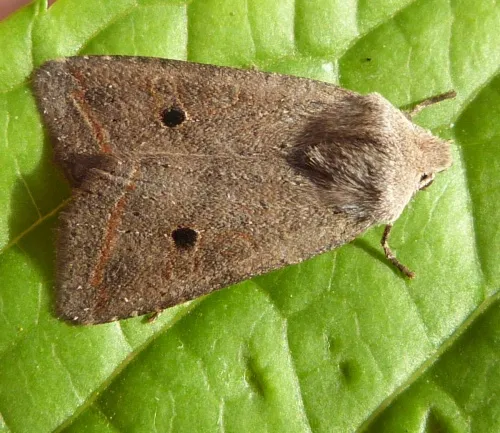
Red-line Quaker
Leptologia lota
Wingspan 33 to 40 mm. A dull brown moth with red-brown lines forming a 'V' shape towards the rear end of the wings. Frequenting open woodland, heathland and damp localities. The single generation flies in September and October, and is readily attract
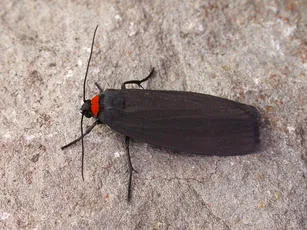
Red-necked Footman
Atolmis rubricollis
Wingspan 25 to 35 mm. A dark species but notable for its distinctive red neck. The single generation flies in June and July, when it can sometimes be found flying in the daytime. It is also nocturnal, coming to light Feeding on lichens and algae grow
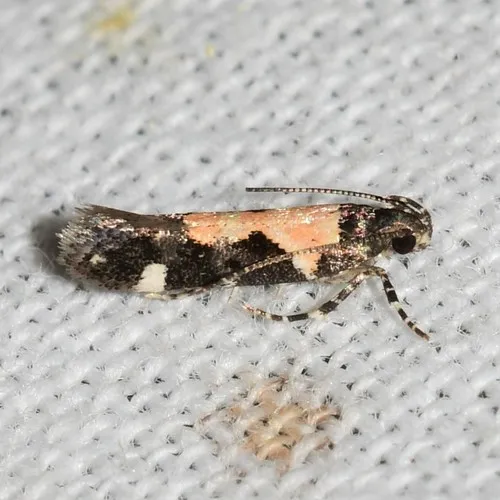
Red-necked Peanutworm Moth
Stegasta bosqueella
Stegasta bosqueella (red-necked peanutworm moth) is a species of moth of the family Gelechiidae. It is found in North America, including Alabama, Florida, Georgia, Illinois, Iowa, North Carolina, Oklahoma, South Carolina, Texas and Virginia.
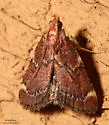
Red-shawled Moth - Hodges#5526
Hypsopygia intermedialis
Identification: Adult: forewing dark brownish-red; AM and PM lines black, bordered with pale yellow; no discal spot; AM line zigzagged; PM line slightly jagged, curving inward near costa to terminate in a pale yellow crescent hindwing light brownish-
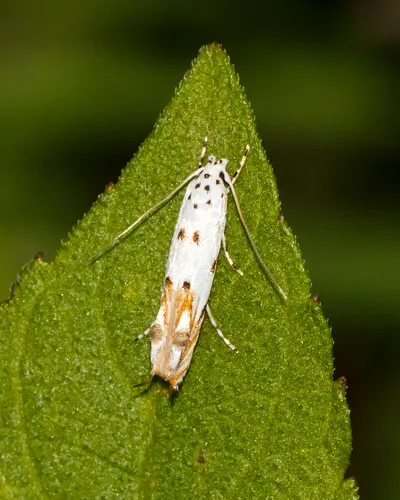
Red-streaked Mompha - Hodges#1443
Mompha eloisella
Identification: Distinctive species easily recognized. Genitalia: ♀ ♂
Red-striped Fireworm Moth - Hodges#2198
Aroga trialbamaculella
Identification: Specimen identified by DNA analysis (BOLD). ( 3 )
Red-tailed Specter - Hodges#8141
Euerythra phasma
Identification: Harvey original description is available online. Uncommon , rare in Florida .
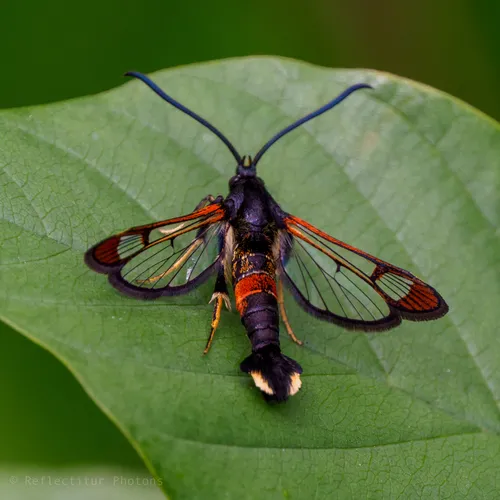
Red-tipped Clearwing
Synanthedon formicaeformis
Wingspan 17 to19 mm. This moth derives its English name from the reddish patches at the tips of the forewings. When adding a record please state whether a pheromone lure was used. The species inhabits fens, marshes and other damp localities. Larvae f
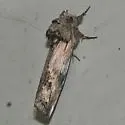
Red-washed Prominent - Hodges#8012
Oedemasia semirufescens
Identification: Variable grayish brown, FW variably streaked with yellowish, red, and black. Usually has a black basal dot, and reniform spot. HW light yellowish with gray shading. Caterpillar "Yellow, pink or brown with extensive netwrk of brown mot
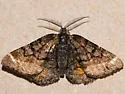
Red-winged Wave - Hodges#6426
Dasyfidonia avuncularia
Identification: Adult: forewing brown with black AM, PM, and median lines, and many transverse streaks or striations; subterminal area paler than remainder of wing; small but distinct white patch at costa near apex; hindwing mostly bright reddish-ora
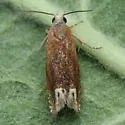
Reddish Eucosma - Hodges#2928
Eucosma raracana
Identification: Adult - see original description in Print References.
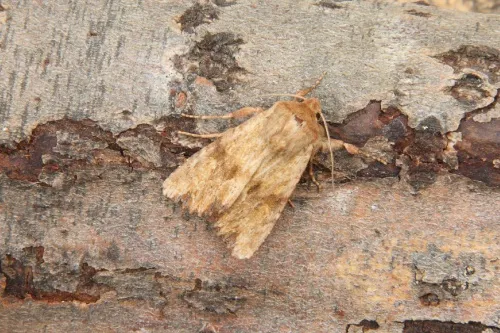
Reddish Light Arches
Apamea sublustris
Wingspan 42 to 48 mm. Resembling a pale version of Clouded-bordered Brindle (Apamea crenata) or a darker Light Arches (A. lithoxylaea). The early stages are incompletely known, but the larva is said to feed on the roots of grasses. It is distributed
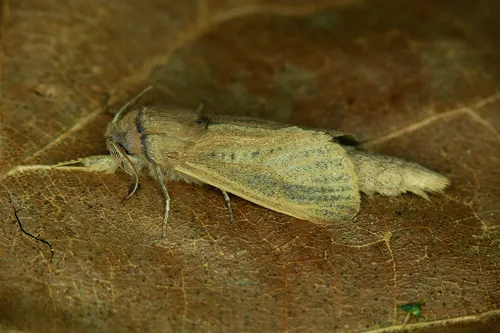
Reed Leopard
Phragmataecia castaneae
Phragmataecia castaneae, the reed leopard or giant borer, is a moth of the family Cossidae. It was described by Jacob Hübner in 1790. It is found in central and southern Europe, the Middle East, the Caucasus, Transcaucasia, Turkmenistan, Kazakhstan,
Regal Fritillary - Hodges#4452
Speyeria idalia
Identification: "Large. Upperside of forewing bright red-orange with black markings. Upperside of hindwing black with postmedian row of white spots; submarginal row of spots is orange in male and white in female." "Rapidly vanishing or declining in m
Relict Fritillary - Hodges#4468
Boloria kriemhild
Identification: Extremely similar to, and perhaps best treated as a subspecies of Boloria epithore . Best distinguished by where found ( B. epithore occurs further to the north and west), but differing in less dark scaling than usual on the upper su
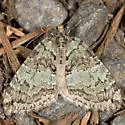
Renounced Hydriomena - Hodges#7236
Hydriomena renunciata
Identification: Specimen identified by DNA analysis: Some of the BOLD specimens here are said to not match this species 100%, which seems confusing. However, this may be due to the fact that this species is very similar to some others in this genus a
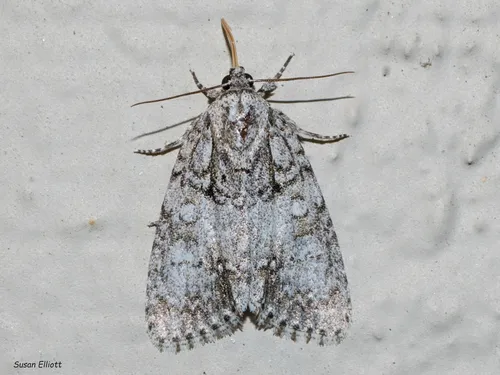
Retarded Dagger Moth - Hodges#9251
Acronicta retardata
Identification: Adult: forewing pale gray; AM line distinctly double, often with a black spot midway on its outer side; median area usually whitish hindwing whitish with heavy gray shading and dark discal spot [adapted from description by Charles Cov
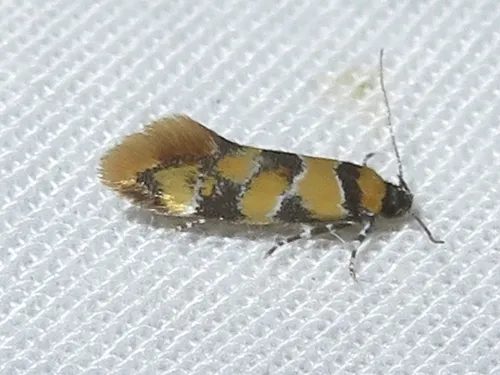
Reticulated Decantha Moth - Hodges#1042
Decantha boreasella
Identification: Head: Dark brown, face smooth; two tufts on top of head. Palpi reddish-brown, curved up over head, underside scaled, last segment brown and white. Antenna: Brown with white rings. Thorax: Golden yellow, slightly scaled. Sides brown, c
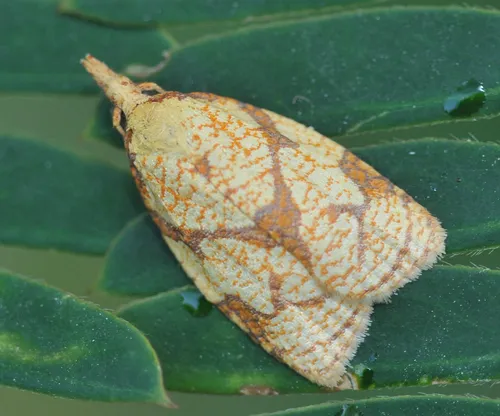
Reticulated Fruitworm Moth
Cenopis reticulatana
The reticulated sparganothis (Sparganothis reticulatana) is a moth of the Tortricidae family. It is found in most of eastern North America.
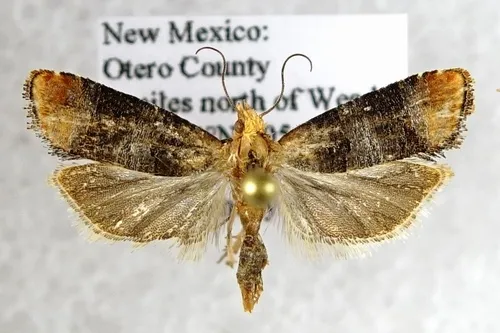
Retinia edemoidana - Hodges#2897
Retinia edemoidana
Identification: Dyar (1903) original description as Eucosma(?) edemoidana . "Resembles Lord Walsingham's figure of Semasia bucephaloides , but it is smaller, the head and thorax marked in yellow and brown. Palpi ocherous brown; head light ocher, brow
Retinia metallica - Hodges#2894
Retinia metallica
Identification: The original description as Evetria metallica Busck, 1914 is available online in the print references below.
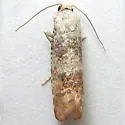
Retinia nr-metallica - Hodges#2894.85
Retinia nr-metallica
Identification: This is BOLD JMMMB035-11 (Sample ID: BIOUG00847-C11 ), the only member of BIN BOLD:AHQ5223 . DNA barcode places this BIN a cluster with BOLD:AAN3305 (a BIN with specimens erroneously identified as sabiniana ; 98.78% match) and BOLD:AH
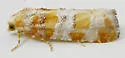
Retinia sabiniana - Hodges#2896
Retinia sabiniana
Retinia sabiniana - Hodges#2896 (Retinia sabiniana) is a species in the family Tortricidae, commonly known as tortricid moths, belonging to the order Lepidoptera (Butterflies and Moths). It is classified within the subfamily Olethreutinae, tribe Euco
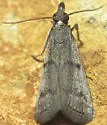
Reynosa floscella - Hodges#6072
Reynosa floscella
Identification: Determined by Ed Knudson (Texas Lepidoptera Survey)
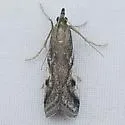
Rhagea packardella - Hodges#5966
Rhagea packardella
Identification: Description can be found in MONA Fascicle 15-4 at link in citations below.
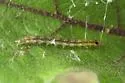
Rhectocraspeda periusalis - Hodges#5157
Rhectocraspeda periusalis
Identification: See Microlepidoptera on Solanaceae species page
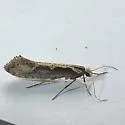
Rhigognostis poulella - Hodges#2364
Rhigognostis poulella
From Busck, A. 1904. Proceedings of the United States National Museum. 27 (1375): 753: "Antennae light fuscous. Labial palpi dark brown exteriorly, ochreous white on the inner side; tuft not large. Face whitish in the middle, brown along the sides. T
Rhodocantha diagonalis - Hodges#4797
Rhodocantha diagonalis
Identification: Determined by Ed Knudson, Texas Lepidoptera Survey, Houston Type locality: USA, New Mexico, Otero Co., Alamogordo
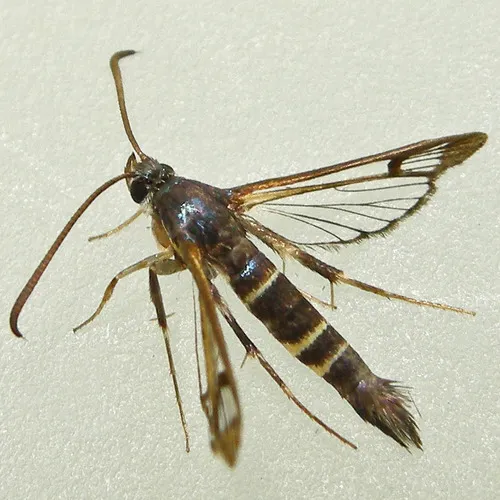
Rhododendron Borer Moth - Hodges#2551
Synanthedon rhododendri
Identification: The original description as Sesia rhododendri Beutenmueller is available online in the print references below. "The key to this species is the yellow posterior banding on abdominal segment 2, 4, and 5." William H. Taft Please see note
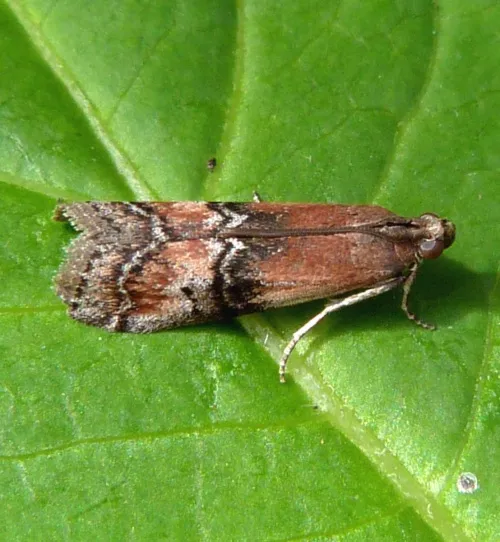
Rhodophaea formosa
Rhodophaea formosa
Wingspan 20 to 23mm. An attractive red, grey and black species. Rather secretive in habits. It is not often encountered by day but can be attracted to light at night. The adults are on the wing from June until August. The larvae feed in a slight web
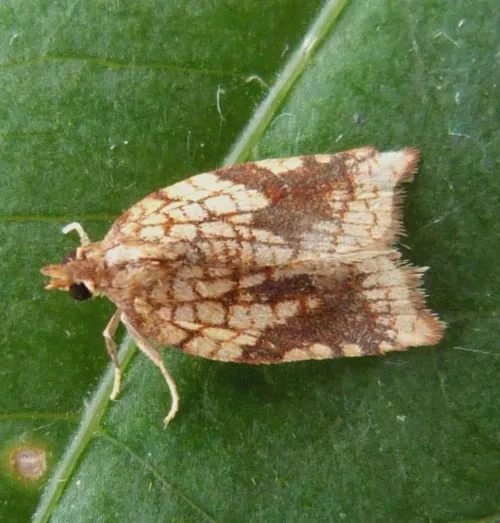
Rhomboid Tortrix
Acleris rhombana
Wingspan 13-19 mm. With the slightly hooked tips and reticulated pattern of the forewings, this species is fairly easy to identify, despite being rather variable. It can often be found around hedgerows and gardens. The adults fly in autumn from Augus
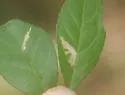
Rhopobota finitimana - Hodges#3278
Rhopobota finitimana
Identification: Pupa - characteristic with large, protruding orange yellow spiracles. Male genitalia: Female genitalia: This is the smallest of the North American Rhopobota .
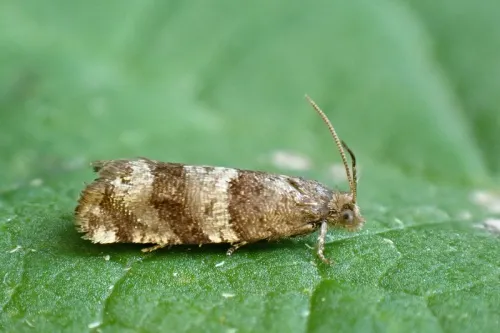
Rhopobota myrtillana
Rhopobota myrtillana
Unless identified by a recognised expert, a photo is required. If the photo doesn't show the key ID features, then in the comments box describe the size and identifying characters you have observed. A moorland and heathland species found in areas whe
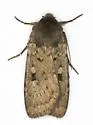
Rhyacia quadrangula - Hodges#10925
Rhyacia quadrangula
Identification: Specimen determined by DNA analysis (BOLD).
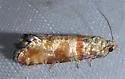
Rhyacionia bushnelli - Hodges#2883
Rhyacionia bushnelli
The adults is indistinguishable from the Nantucket pine tip moth ( R. frustrana ), altho it tends to be larger. It is believed this species is separate because of its overwintering habit and size. ( 5 ) - See also Miller's taxonomic review.
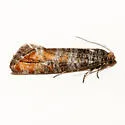
Rhyacionia granti - Hodges#2879.1
Rhyacionia granti
Identification: Superficially, R. granti resembles R. zozana (Kearfott), R. fumosana Powell, R. jenningsi Powell, R. adana Heinrich, R. blanchardi Miller, and its sibling, R. busckana. Structurally, it most resembles the last. The two species differ
Rhyacionia jenningsi - Hodges#2878
Rhyacionia jenningsi
Rhyacionia jenningsi - Hodges#2878 (Rhyacionia jenningsi) is a species in the family Tortricidae, commonly known as tortricid moths, belonging to the order Lepidoptera (Butterflies and Moths). It is classified within the subfamily Olethreutinae, trib
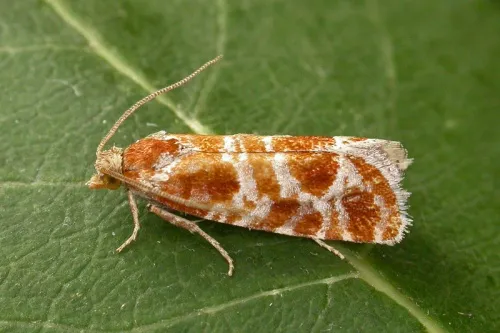
Rhyacionia pinicolana
Rhyacionia pinicolana
Wingspan 16 to 23 mm.This species bears a close resemblance to R. buoliana, but has generally slightly stronger markings on the forewing and a shallower 'V' marking towards the rear. In difficult cases it may be necessary to refer to genitalia dissec
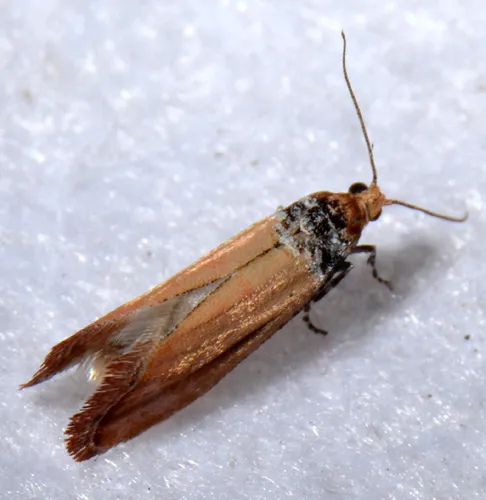
Rhyacionia salmonicolor - Hodges#2874
Rhyacionia salmonicolor
Identification: Forewings salmon-colored with a thin dark longitudinal streak through the cell .