
Butterflies and Moths
Order Lepidoptera
The Butterflies and Moths (Order Lepidoptera) includes 11,813 species across 112 families and 2,787 genera in our directory.
About Butterflies and Moths
Lepidoptera includes approximately 180,000 described species of butterflies and moths. Moths outnumber butterflies roughly 10:1. The monarch butterfly's eastern population has declined by more than 80% since the mid-1990s, and the western population by over 95% since the 1980s. The IUCN lists the migratory monarch as Vulnerable.
Economic Impact
Lepidoptera are critical pollinators. In Europe, grassland butterfly species have declined by almost 50% since the early 1990s. In the UK, three-quarters of butterflies are in decline. In the U.S., five butterfly species have gone extinct since 1950, with 29 listed as endangered.
Ecological Role
Butterflies and moths are essential indicators of ecosystem health. As caterpillars, they are a primary food source for birds - a single nest of blue tit chicks requires ~10,000 caterpillars. Adult moths pollinate many night-blooming plants.
Families in Lepidoptera (112)
Species in Lepidoptera (11,813)
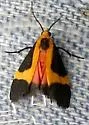
Kentucky Lichen Moth - Hodges#8061
Cisthene kentuckiensis
Identification: Adult is best identified by the black ground color, dark thoracic disk, and wide orange or yellow basal streak which is well connected to the wide PM band. The basal edge of the PM band is broadly and evenly concave (contrast with One
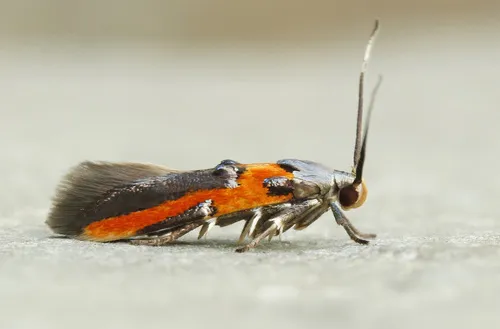
Kermes Scale Moth
Euclemensia bassettella
Euclemensia bassettella, the kermes scale moth, is a moth in the family Cosmopterigidae. It was described by James Brackenridge Clemens in 1864. It is found in North America in New Hampshire, southern Ontario, Illinois and from Florida to eastern Tex
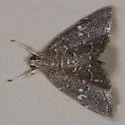
Kidney Moth - Hodges#4857
Nephrogramma reniculalis
Identification: Adult: forewing dark brownish-gray with white reniform spot, noticeably curved or bent in middle; AM line pale, scalloped, indistinct; PM line pale, indistinct, curving around reniform spot and terminating in small wedge at costa; hin
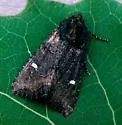
Kidney-spotted Rustic - Hodges#9453
Helotropha reniformis
Identification: Adult: forewing dark brown with lighter brown subterminal band and small basal patch; reniform spot either solid white or brown with white outline and white streak in middle; two diverging white lines extend from inner corner of renif
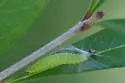
Kimball's Palpita Moth - Hodges#5219
Palpita kimballi
Identification: Adult : Semi-translucent satin white FW, with narrow orange streak along costa Type locality: USA, Florida, Englewood
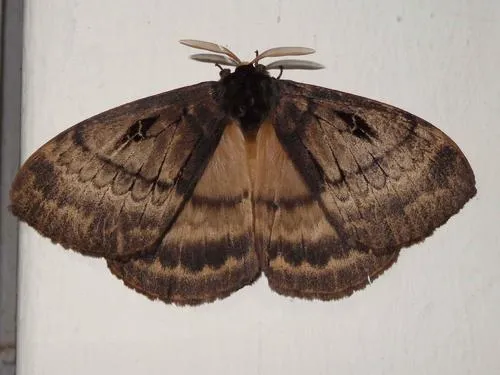
King Monkey
Tantaliana tantalus
Tantaliana tantalus is a moth in the family Eupterotidae. It was described by Gottlieb August Wilhelm Herrich-Schäffer in 1854. It is found in South Africa and the Gambia.
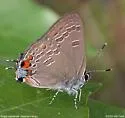
King's Hairstreak - Hodges#4284
Satyrium kingi
There does not seem to be much information available about H.L. King. He appears to have been an amateur lepidopterist, but I have been unable to find any biographical information. The original species description is clear that King lived in Sarasota
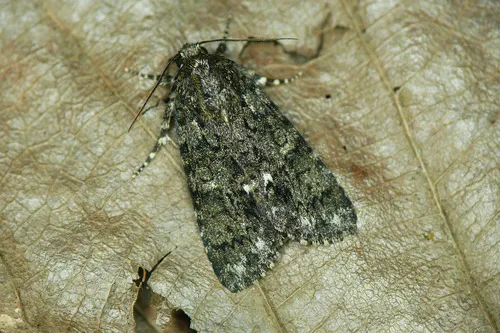
Knot Grass
Acronicta rumicis
Wingspan 30-35 mm. A variable species, some examples of which can resemble other Acronicta species, but this moth usually shows a curved white mark near the rear edge of the forewing, even in melanic specimens. On the wing in May to July, there is a
Kutis' Plume Moth - Hodges#6154.2
Pselnophorus kutisi
Identification: The four Pselnophorus species occurring north of Mexico are treated in .
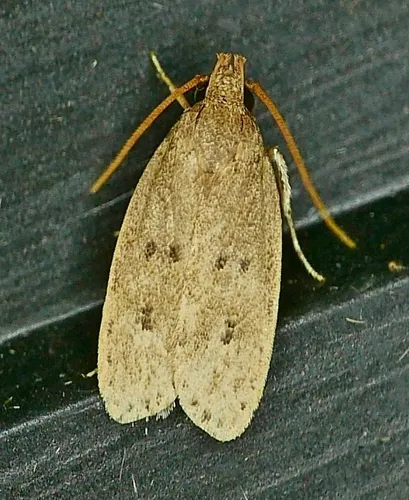
Kyoto Moth
Autosticha kyotensis
Autosticha kyotensis, the Kyoto moth, is a moth in the family Autostichidae. It was described by Matsumura in 1931. It is found in Japan on the island of Honshu. It is an introduced species in the United States, where it has been recorded from Alabam
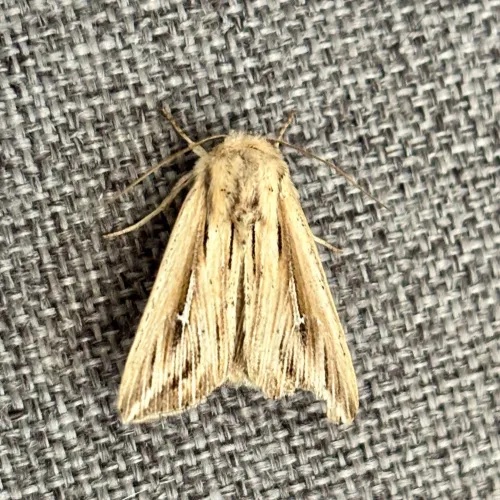
L-album Wainscot
Mythimna l-album
Wingspan 30 to 35 mm. One of the more distinctively-marked of the wainscots. Good quality photograph required to support your record. If possible please retain specimen until id is confirmed. The adults fly in two generations; in July and again in Se
Labrador Carpet Moth - Hodges#7368
Xanthorhoe labradorensis
Identification: Adult : A flimsy moth with a small body and broad wings. FW light grey, slightly mottled. Basal area is red brown, with prominent black AM. Median area, between AM and PM, is rust-red, with a small red-brown patch on the costa, before
Labrador Tiger Moth - Hodges#8172
Apantesis quenseli
Identification: Detailed description at Pacific Northwest Moths ( 3 ) Males have bipectinate antennae and smokey gray hindwing. Females have simple antennae and pale orange or pale white hindwings. - The later description by Hampson as Apantesis quen
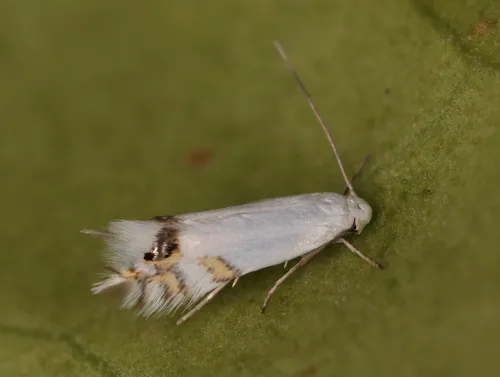
Laburnum Leaf Miner
Leucoptera laburnella
Wingspan 7 to 9 mm. A small but very attractive mainly white moth. The larvae mine Laburnum leaves, beginning with a narrow gallery abruptly widening into a large blotch marked with concentric arcs of frass. Leafmine occurs on Laburnum (occasionally
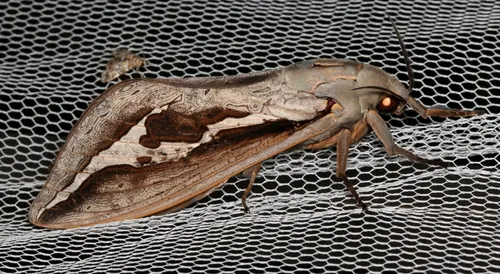
Labyrinthine Ghost Moth
Abantiades labyrinthicus
Abantiades labyrinthicus is a moth of the family Hepialidae. It is endemic to Australia, where it is found in the Australian Capital Territory, New South Wales, Queensland, Tasmania and Victoria.
Lacinipolia acutipennis - Hodges#10394.1
Lacinipolia acutipennis
Identification: See Schmidt 2015 p. 111 Part of the Lacinipolia vicina (Grote) species complex. Highly variable. Two forms, Great Basin (formerly L. doira ) and southern California (formerly L. subalba ).
Lacinipolia aileenae - Hodges#10406.6
Lacinipolia aileenae
Identification: Selman & Leuschner description is available in PDF. The horizontal black bar near the tornus will distinguish Lacinipolia aileenae from all other North American species in the genus.
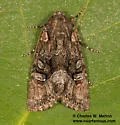
Lacinipolia basiplaga - Hodges#10396
Lacinipolia basiplaga
Lacinipolia basiplaga - Hodges#10396 (Lacinipolia basiplaga) is a species in the family Noctuidae, commonly known as owlet moths, belonging to the order Lepidoptera (Butterflies and Moths). It is classified within the subfamily Noctuinae, tribe Eriop
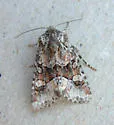
Lacinipolia bucketti - Hodges#10406.1
Lacinipolia bucketti
Identification: Specimen identified by Lars Crabo .
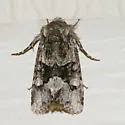
Lacinipolia comis - Hodges#10408
Lacinipolia comis
Identification: Specimens identified by DNA analysis:
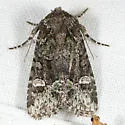
Lacinipolia davena - Hodges#10407
Lacinipolia davena
Identification: Adult: forewing dark gray to blackish to PM line; subterminal area pale gray; beyond ST line slight darker; reniform spot pale; orbicular spot and AM line dark, edged in black; hindwing brownish-gray with dark veins and discal lunule,
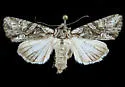
Lacinipolia dimocki - Hodges#10395.2
Lacinipolia dimocki
Identification: See Schmidt 2015 Genitalia: Part of the Lacinipolia vicina (Grote) species complex
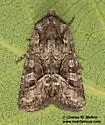
Lacinipolia fordi - Hodges#10406.4
Lacinipolia fordi
Identification: Description can be found in Selman & Louschner at link in citations below.
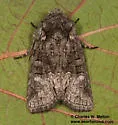
Lacinipolia incurva - Hodges#10373
Lacinipolia incurva
Identification: Superficially very similar to L. anguina . The hindwing of anguina not as light as in incurva . The median area of fore wing of anguina is usually contrastingly darker than the rest of wing, whereas this area of incurva is nearly conc
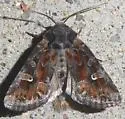
Lacinipolia lepidula - Hodges#10401
Lacinipolia lepidula
Identification: Adult: forewing orangish-brown, lighter and with more orange in subterminal area; reniform spot trapezoidal, wider at upper end, whitish with yellowish-gray shading in basal half, and black smudge in lower corner; AM and PM lines pale
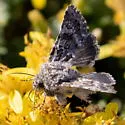
Lacinipolia leucogramma - Hodges#10392
Lacinipolia leucogramma
Identification: Smith (1891) description in PDF. ( 4 )
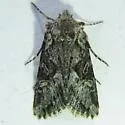
Lacinipolia longiclava - Hodges#10374
Lacinipolia longiclava
Identification: Original description online: (265) Forewing fringe appears checkered with white at the veins
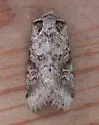
Lacinipolia lustralis - Hodges#10370
Lacinipolia lustralis
Identification: The original description as Dianthoecia lustralis Grote, is available online in the print references below. Godfrey (1972) describes the larva. ( 3 ) Determined from photo by Dr. Gerald Fauske, NDSIRC, NSDU
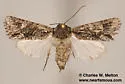
Lacinipolia martini - Hodges#10422.1
Lacinipolia martini
Identification: First described by Selman and again later by Selman & Leuschner. Detailed descriptions available at links in citations below.
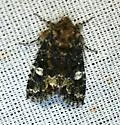
Lacinipolia mimula - Hodges#10351
Lacinipolia mimula
Identification: Grote (1883) original description as Mamestra mimula is online in the print references. "Male. Small-sized, a miniature of Adjuncta . Blackish, with an olive tinge to the ground color, recalling Glaciata . Reniform oval, yellowish whi
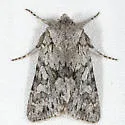
Lacinipolia patalis - Hodges#10423
Lacinipolia patalis
Identification: See Pacific Northwest Moths (PNM) in Internet References below. Specimens identified by DNA analysis:
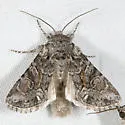
Lacinipolia pensilis - Hodges#10395
Lacinipolia pensilis
Identification: See Schmidt 2015 p. 110 Part of the Lacinipolia vicina (Grote) species complex
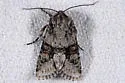
Lacinipolia quadrilineata - Hodges#10422
Lacinipolia quadrilineata
Identification: Detailed description by Selman is available at the link in citations below. Selman describes quadrilineata as a "highly variable species" and cautions his description is based on a "typical" specimen. According to Selman, the median a
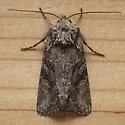
Lacinipolia sareta - Hodges#10395.1
Lacinipolia sareta
Identification: See Schmidt 2015 p. 115 Part of the Lacinipolia vicina (Grote) species complex
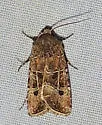
Lacinipolia spiculosa - Hodges#10400
Lacinipolia spiculosa
Identification: Smith (1891) stated "Readily distinguished by the irregular ordinary spots and the pale median lines." ( 3 )
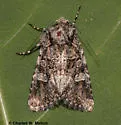
Lacinipolia stenotis - Hodges#10382
Lacinipolia stenotis
Identification: Specimen identified by DNA analysis (BOLD). ( 3 )
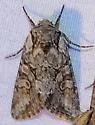
Lacinipolia teligera - Hodges#10393
Lacinipolia teligera
Identification: See Schmidt 2015 p. 109 Part of the Lacinipolia vicina (Grote) species complex
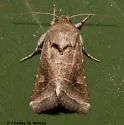
Lacinipolia triplehorni - Hodges#10403.1
Lacinipolia triplehorni
Identification: Adult - sexually dimorphic. Males much paler than females, so much so that maculation of males is very difficult to discern. Much darker females have a wavy subterminal line and a sinuate postmedial line that does not touch the renifo
Lacinipolia vicina - Hodges#10394
Lacinipolia vicina
Identification: See Schmidt 2015 p. 107 Part of the Lacinipolia vicina (Grote) species complex
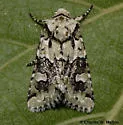
Lacinipolia viridifera - Hodges#10419
Lacinipolia viridifera
Identification: Males have a white hindwing and females are shaded darker grayish-black.
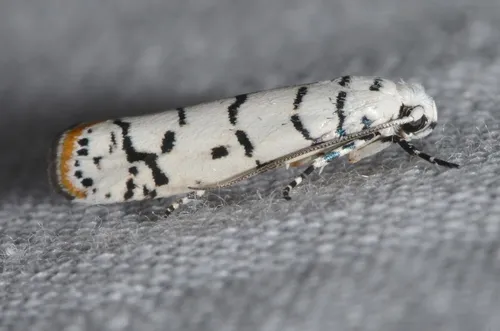
Ladder-backed Ethmia Moth
Ethmia delliella
The ladder-backed ethmia moth (Ethmia delliella) is a moth in the family Depressariidae. It is found from the Gulf region of Texas and Mexico to the west coastal plain of Mexico, Chiapas, El Salvador and Costa Rica.
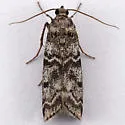
Laetilia zamacrella - Hodges#5950
Laetilia zamacrella
Identification: Description notes adapted from Heinrich. Forewing has small area of black at base. The white antemedial line is slightly indented at fold, and bordered on both sides with blackish brown. The discal spot is black. The white subterminal
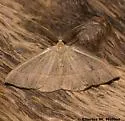
Lambdina laeta - Hodges#6891
Lambdina laeta
Identification: Specimen identified by DNA (BOLD) ( 3 )
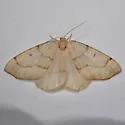
Lambdina phantoma - Hodges#6896
Lambdina phantoma
Identification: "Expanse 27-29 mm" (Barnes & McDunnough, 1916).
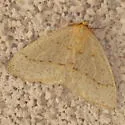
Lambdina punctata - Hodges#6895.1
Lambdina punctata
Identification: Wingspan: 42mm; "Near T. vitrifia , Grt., but much larger, wings more extended, much more thickly scaled, and outer line much more sinuous." (Hulst, 1898).
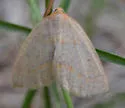
Lambdina vitraria - Hodges#6895
Lambdina vitraria
Identification: Wingspan ( vitraria ): 31 mm (Grote, 1883). Wingspan ( jacularia ): 35-38 mm (Barnes & McDunnough, 1917).
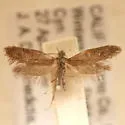
Lampronia aenescens - Hodges#0184
Lampronia aenescens
Identification: The adults are small, slender moths with narrow, pale brown to pale yellow forewings (females lighter) and grey hindwings (Davis 1978, Pellmyr 2000). Antennae 27-28 segmented, ocelli absent, maxillary palpi usually 4-segmented and lab
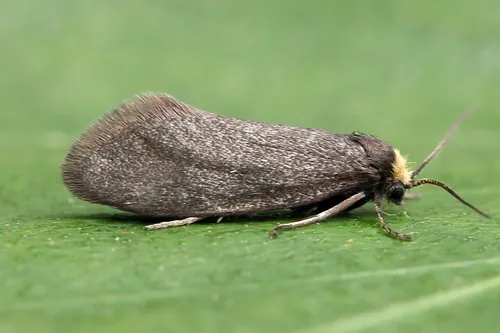
Lampronia fuscatella
Lampronia fuscatella
Wingspan 14-18 mm. A relatively plain blackish moth with a yellow head. Associated with Birch, and most likely to be encountered in areas where Birch is present. The larva feeds within Birch twigs (usually at a node) causing a swelling which sometime
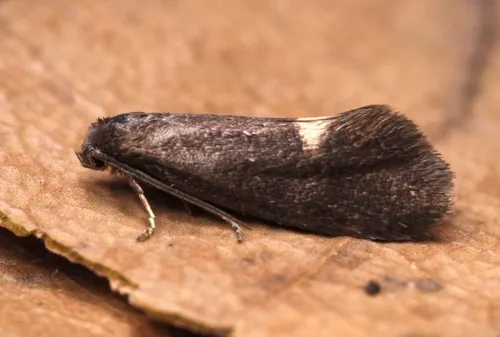
Lampronia morosa
Lampronia morosa
Wingspan about 12 to 15 mm. As the scientific name morosa suggests, the adult moths are rather dingy in colour, with generally just a single faint yellowish dorsal spot, unlike most of the other species in the group which tend to be rather more brigh
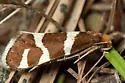
Lampronia oregonella - Hodges#0176
Lampronia oregonella
Identification: "Forewing cinnamon brown, with a cream white basal transverse band, a second transverse band on mid wing, and a costal spot that extends about 2/3 across the wing . Hindwing medium gray" .
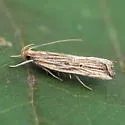
Lanceolate Helcystogramma - Hodges#2268
Helcystogramma hystricella
Identification: Adult - forewing slender with pointed apex; ground color whitish or pale gray with several dark stripes running length of wing; three dark spots arranged in a triangle in median area; top of thorax and inner margin of forewing near ba
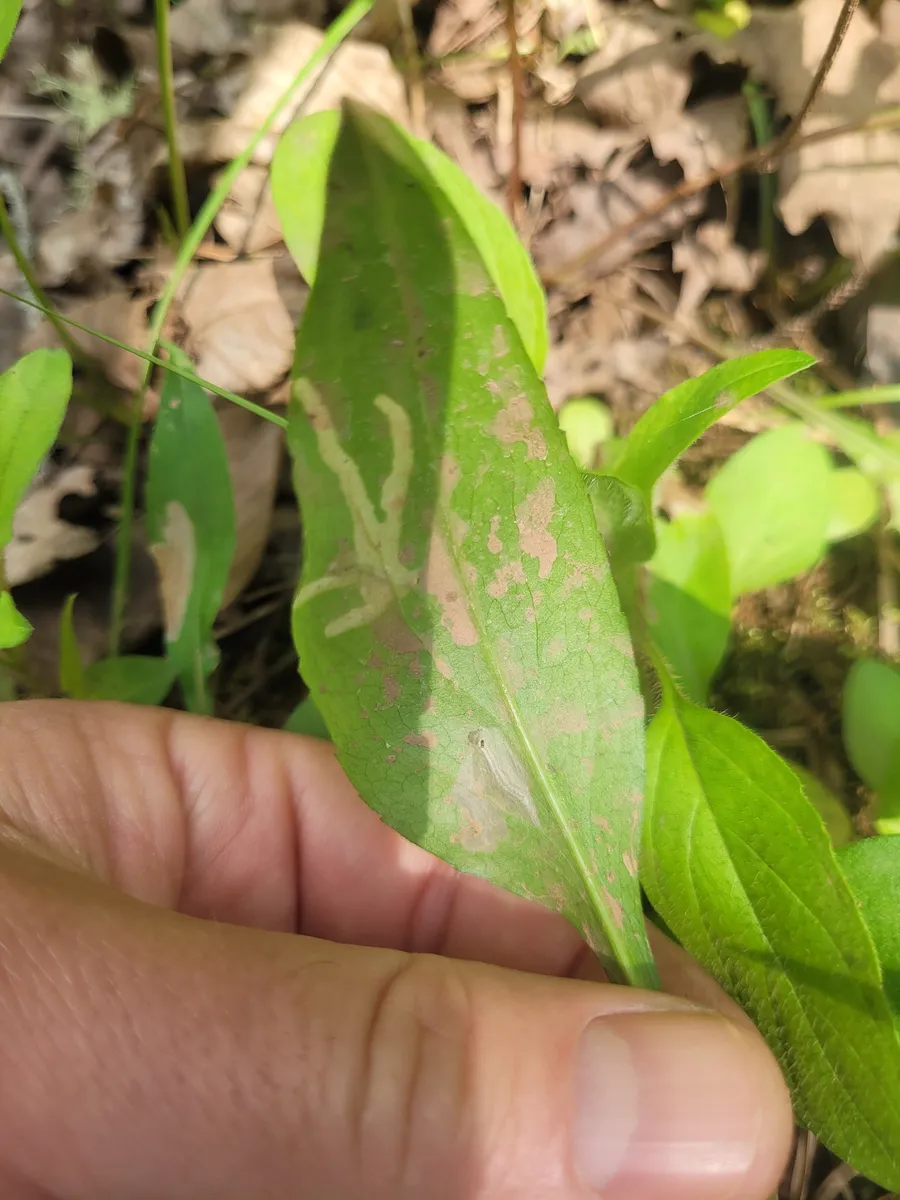
Landryia impositella - Hodges#1662
Landryia impositella
Identification: Adult - see description in Forbes (1923) under S. impositella ( 349 ).
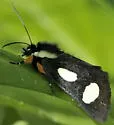
Langton's Forester Moth - Hodges#9318
Alypia langtoni
The most widespread Forester in Canada, ranging from Newfoundland & Labrador all the way to the Yukon. Adults with just one spot on each hindwing coupled with two on each forewing gives the species its common name. Larvae feed on Fireweed (Epilobium)
Laniifera cyclades - Hodges#5236
Laniifera cyclades
Considered a pest of the commercial production of Opuntia prickly pear cactus or nopal.
Lantana Flower-Cluster Moth - Hodges#3279
Crocidosema lantana
Identification: Larva - fuscous colored with a slight reddish tinge.
Lantana Moth - Hodges#9067
Diastema tigris
Identification: Diastema leo (below) is found in FL and GA as well as the Bahamas and likely the Greater Antilles; D. lantana occurs from Central America to central TX. The two may be morphologically indistinguishable in many or most cases except by
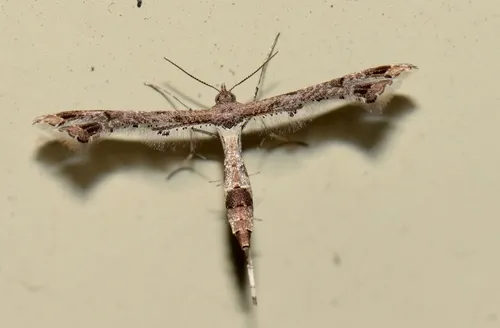
Lantana Plume Moth
Lantanophaga pusillidactylus
Lantanophaga pusillidactyla, the lantana plume moth, is a moth of the family Pterophoridae. It is native to the southern United States, Mexico, the Caribbean and South America. It was introduced to Australia accidentally in 1936 and is now found from
Lantana Scrub-Hairstreak - Hodges#4348
Strymon bazochii
Identification: Tailless, gray eyes, top of HW forms a sharp angle, brown with some dark brown and white markings.
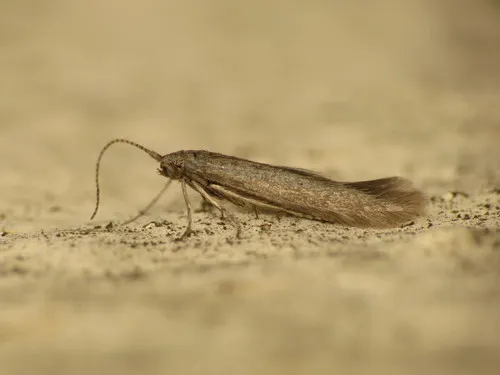
Larch Case-bearer
Coleophora laricella
Wingspan 8 to10 mm. This is quite a dark species. Photograph the cased larva on host; note host species in comments The adults fly in June and July and are attracted to light. The larvae feed on the needles of European Larch. When occurring in large
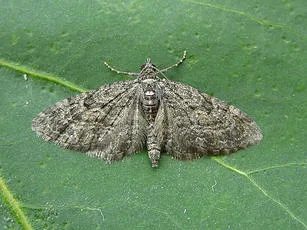
Larch Pug
Eupithecia lariciata
Wingspan 19 to 22 mm. A rather plain brownish species. As the name suggests, this is a species generally found in and around plantations of Larch. It flies during May and June, when it can be attracted to light. The small stripy caterpillar feeds on
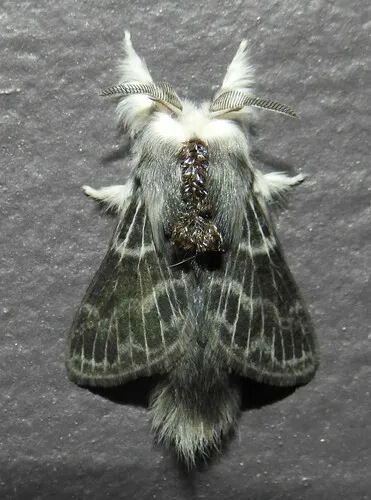
Larch Tolype Moth
Tolype laricis
Tolype laricis, known generally as the larch tolype or larch lappet moth, is a species in the moth family Lasiocampidae found in eastern North America.
Large Aspen Tortrix - Hodges#3637
Choristoneura conflictana
Identification: Adult - pale grey to brownish grey with indistinct markings. Larvae - initially pale yellowish-green later turning deep green or almost black with reddish brown to black head capsule.
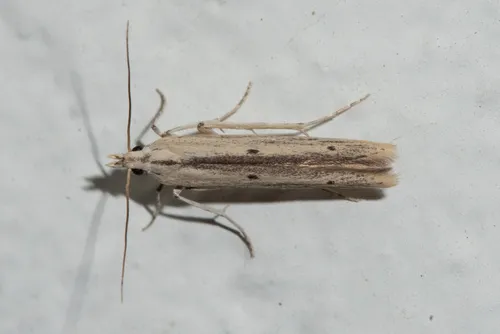
Large Batrachedra Moth - Hodges#1413
Batrachedra enormis
Identification: Adult : Head ochreous-whitish, with dark gray median stripe, sometimes a dark gray spot behind eye. Palpi pale yellowish, with second joint with rather strong projecting apical tuft and blackish-gray band above base and before apex. A
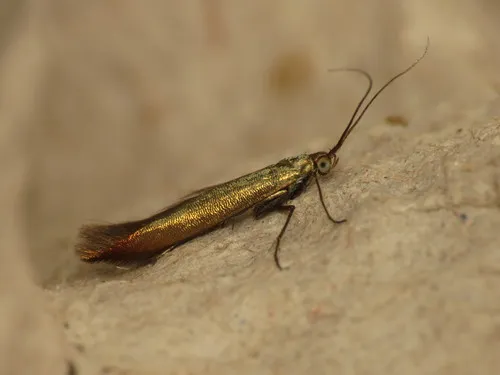
Large Clover Case-bearer
Coleophora trifolii
Wingspan 15 to 20 mm. One of the larger of the Coleophoridae, this species has a metallic green sheen to the forewings. It occurs in areas of open waste ground and grassland. On the wing in June and July. The adults fly in the daytime, but are also a
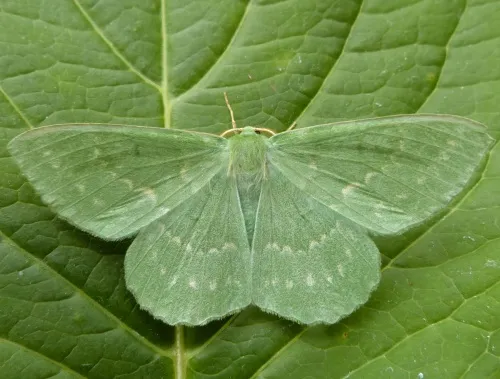
Large Emerald
Geometra papilionaria
Wingspan 40 to 50 mm. This is the largest of the 'emeralds'. Flies at night in June and July, when it is easily attracted by light. The caterpillar is brown at first, but after overwintering becomes green with brownish 'warts', and feeds mainly on bi
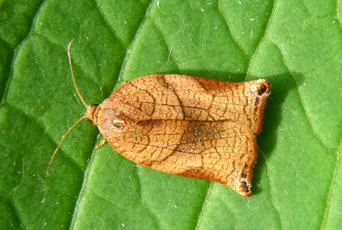
Large Fruit-tree Tortrix
Archips podana
Wingspan 18-26 mm. Sexual dimorphism is quite pronounced. The male has a costal fold on the forewing and is usually smaller and more brightly coloured than the female. The female has no costal fold and a much more protruding apex on the forewing. Gar
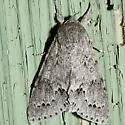
Large Gray Dagger - Hodges#9202
Acronicta insita
Identification: Adult : Powdery gray FW with darker markings and whitish HW. FW with the normal markings somewhat broken and blurred, the outer part of the PM and a partial reniform spot most prominent. The orbicular spot is a small, hollow ring. The
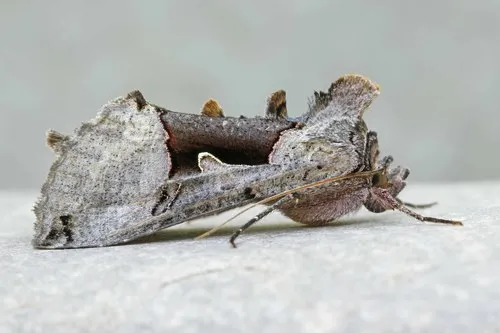
Large Looper Moth - Hodges#8923
Autographa ampla
Identification: Adults - forewing gray with dark brown or black apical dash and sharply-defined blackish or dark reddish-brown lower median area; stigma white, diagonal, U-shaped, forming upper border of median patch; small pinkish patch distal to re
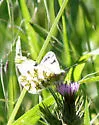
Large Marble - Hodges#4200
Euchloe ausonides
Identification: Adult: forewing upperside chalky white with large black discal spot (black bar that touches costa) with extensive dusting of white scales, and dark pattern at apex; underside of hindwing with dense reticulate pattern of yellowish-gree
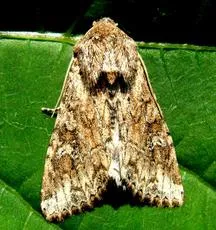
Large Nutmeg
Apamea anceps
Wingspan 35-40 mm. Fairly distinctive, with light ochreous forewing often longer and narrower than in other Apamea species. Inhabiting dry pasture and woodland fringes. Adults fly in June and July and are attracted to light and sugar. The larvae feed
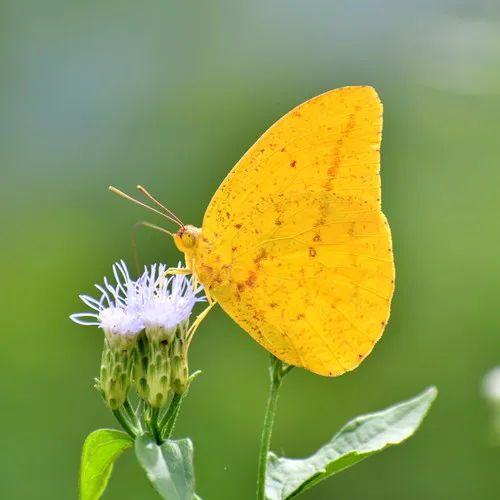
Large Orange Sulphur
Phoebis agarithe
Phoebis agarithe, the orange giant sulphur or large orange sulphur, is a butterfly in the family Pieridae. It is found from Peru north to southern Texas and peninsular Florida. Rare strays can be found up to Colorado, South Dakota, Wisconsin, and New
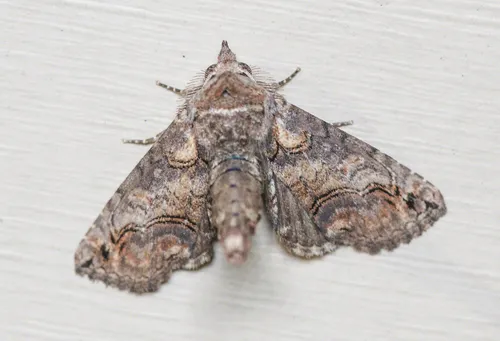
Large Paectes Moth
Paectes abrostoloides
The Large Paectes Moth or Sweetgum Defoliator (Paectes abrostoloides) is a species of moth of the Noctuidae family. It is found from Massachusetts to Florida, west to Arizona and north to Utah. It has also been recorded from the Antilles and Honduras
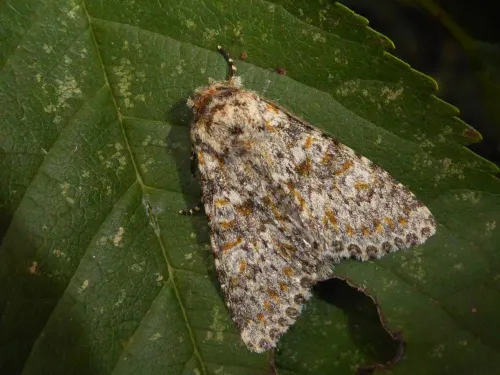
Large Ranunculus
Polymixis flavicincta
Wingspan 40 to 50 mm. A variable species, with the brightest individuals occurring in the south-east. It is to be found in suburban habitats, waste ground and coastal cliffs. It flies in September and October, when it visits light. A range of herbace
Large Red-belted Clearwing - Hodges#2561
Synanthedon culiciformis
Identification: Larva - body light colored with dark brown head and light brown thoracic shield. ( 3 ) Adults attracted to (Z,Z)-3,13-ODDA and (Z,Z)-3,13-ODDA/(E,Z)-3,13-ODDA/(Z,Z)-3,13-ODDOH blended pheromone lures (Meyer & Cranshaw, 1994).
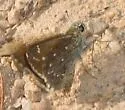
Large Roadside-Skipper - Hodges#4090
Amblyscirtes exoteria
Identification: Adult: upperside brown with orange tint; forewing has line of 4 white spots running from center of wing toward apex, and the most distal spot comes closer to the apex than in almost all other species of Amblyscirtes ; male has long st
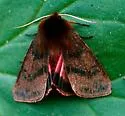
Large Ruby Tiger Moth - Hodges#8158
Phragmatobia assimilans
Identification: Adult: forewing opaque dark reddish-brown with dark speckling and faint black AM, PM, and ST lines; female larger and darker with more prominent forewing pattern; hindwing reddish or pinkish with broad black terminal band but no black
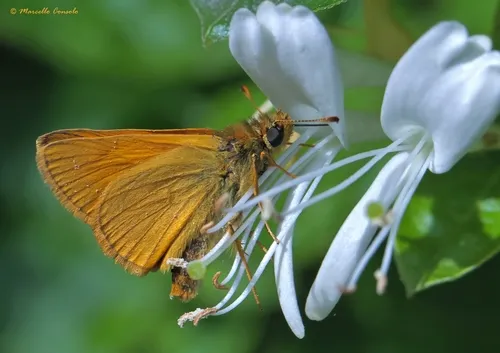
Large Skipper
Ochlodes sylvanus
This is one of the largest of our 'golden' Skippers and, like these other Skippers, the male has a distinctive sex brand on its forewings containing specialised scent scales. Both males and females have a dark checker markings on the lower part of th
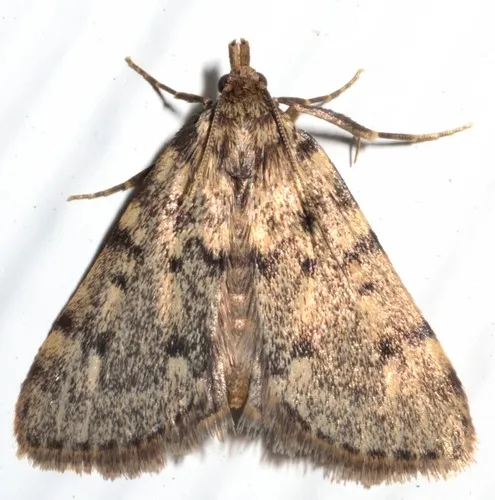
Large Tabby
Aglossa pinguinalis
Wingspan 29 to 38 mm. A dullish moth with a grey brown mottled appearance. An unusual species which inhabits buildings such as barns and warehouses, hiding in dark corners during the day. The adults fly between June and August, and occasionally visit
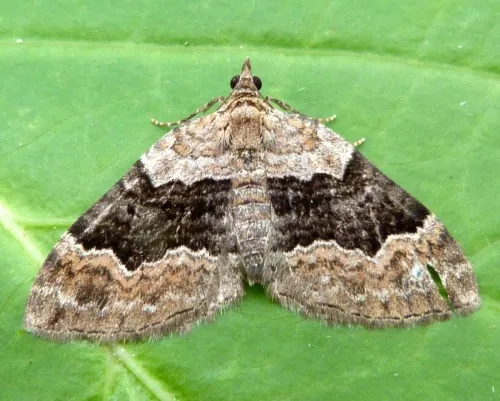
Large Twin-spot Carpet
Xanthorhoe quadrifasiata
Wingspan 29-32 mm. The outer edge of the dark central cross-band is slightly crenulate throughout its length in the Large Twin-spot. Inhabiting woodland habitats and rough grassland in well wooded areas. A single-brooded species, the adult flies in J
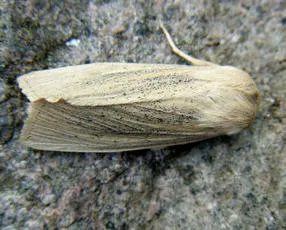
Large Wainscot
Rhizedra lutosa
Wingspan 42 to 50 mm. This is a larger moth than the similar Common Wainscot and often has a more sooty appearance with numerous tiny black dust like spots. Ranges in ground colour from pale beige to a more pinky shade. The adults are readily attract
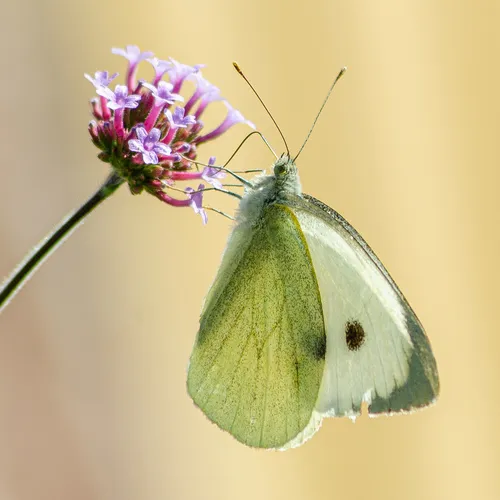
Large White
Pieris brassicae
This is the largest of our 'white' butterflies. The female is distinguished from the male by the presence of two black spots, together with a black dash, on the forewing upper side. Whilst the Large White and Small White can usually be distinguished
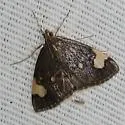
Large-spotted Evergestis - Hodges#4901
Evergestis unimacula
Identification: Adult - forewing dark grayish-brown with irregular pale patch along outer half of costa; small pale discal spot in lower half of wing; terminal line and fringe dark; hindwing similarly colored but pale patch more diffuse and fringe so
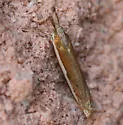
Large-striped Grass-veneer Moth - Hodges#5369
Crambus quinquareatus
Identification: Very similar to Crambus leachellus but the area beyond the tip of the silver streak is also white, thus appearing to connect the larger streak with the small white terminal triangle. This same area in leachellus is yellowish. Also,
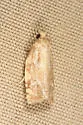
Larger Boxelder Leafroller Moth - Hodges#3654
Archips negundana
Identification: Adult - paler than Archips argyrospila (Walker). Females have "huge brushes of erect scales on the abdominal venter, which are laid in neat, imbricate rows across the egg masses."
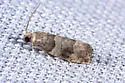
Larisa's Tortrix - Hodges#3423
Larisa subsolana
Identification: FW length is approximately 2.8 X width; ground color of upper side brown; basal patch sharply delineated; middle cross-band grayish brown, grading apically to darker brown, a thin brown line centrally from costa to dorsum; distal thir
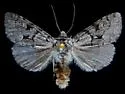
Lasionycta conjugata - Hodges#10362
Lasionycta conjugata
Identification: Description can be found in Crabo & Lafontaine at link in citations below. ]
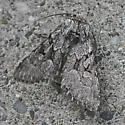
Lasionycta fergusoni - Hodges#10362.1
Lasionycta fergusoni
Identification: The description of Lasionycta fergusoni Crabo & Lafontaine is avaiable in PDF.
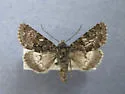
Lasionycta leucocycla - Hodges#10336
Lasionycta leucocycla
Identification: Specimen determined by DNA analysis (BOLD).
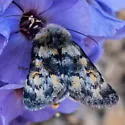
Lasionycta mono - Hodges#10340.1
Lasionycta mono
Identification: "Lasionycta mono is a distinctive species from the high Sierra Nevada and can not be confused with any other Lasionycta. The forewing is checkered dark and light gray. The ventral hindwing is whitish gray with gray discal spot and dis
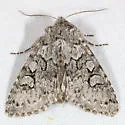
Lasionycta mutilata - Hodges#10360
Lasionycta mutilata
Identification: Forewing is gray with a large reniform spot outlined in black.
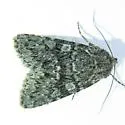
Lasionycta perplexa - Hodges#10352
Lasionycta perplexa
Identification: Detailed description can be found in Crabo & Lafontaine (2009) and at Pacific Northwest Moths at links in citations and references below. ( 3 )
Lasionycta perplexella - Hodges#10352.1
Lasionycta perplexella
Identification: Detailed description by Crabo & Lafontaine can be found at link in citations below.
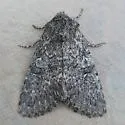
Lasionycta subalpina - Hodges#10352.2
Lasionycta subalpina
Identification: Detailed description found in Crabo & Lafontaine.
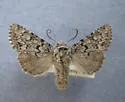
Lasionycta subdita - Hodges#10356
Lasionycta subdita
Identification: Specimen determined by DNA analysis (BOLD).
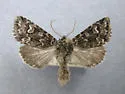
Lasionycta taigata - Hodges#10339.4
Lasionycta taigata
Identification: Specimen determined by DNA analysis (BOLD).
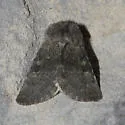
Lasionycta uniformis - Hodges#10346
Lasionycta uniformis
Identification: See Pacific Northwest Moths here Identified by Lars Crabo who has written a paper on Lasionycta.
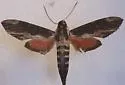
Lassaux's Sphinx - Hodges#7833
Erinnyis lassauxii
Identification: Adult: forewing dark brown with gray streaks along inner margin, and gray patch at apex; hindwing dark brown with varying amounts of dark orange basally; abdomen with conspicuous black and white transverse bands Larva: mature caterpil
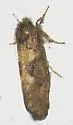
Late Tubeworm Moth - Hodges#0367
Acrolophus mora
Identification: Most easily distinguished from others in the genus by its late flight season (September-October), long after other Acrolophus in its range have peaked. It is mostly a Northeastern/Appalachian species, flying along with other late-seas
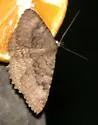
Latebraria amphipyroides - Hodges#8646
Latebraria amphipyroides
Identification: All four wings have cryptic brown uppersides but conspicuously banded undersides. Wing margins are wavy. Uncommon, but regular in southmost Texas
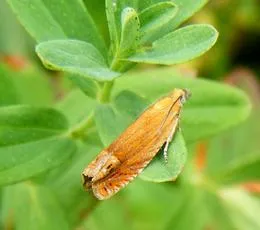
Lathronympha strigana
Lathronympha strigana
Wingspan 14-18 mm. A distinctive species with bright orange-rufous forewings and several greyish metallic markings towards the rear of the wing. It frequents open woodland and similar areas. The adults fly at sunrise and later from dusk onwards. They