
Large White
Pieris brassicae
This record describes Pieris brassicae (species). Recorded family: Pieridae. Recorded order: Lepidoptera.
Identification and Appearance
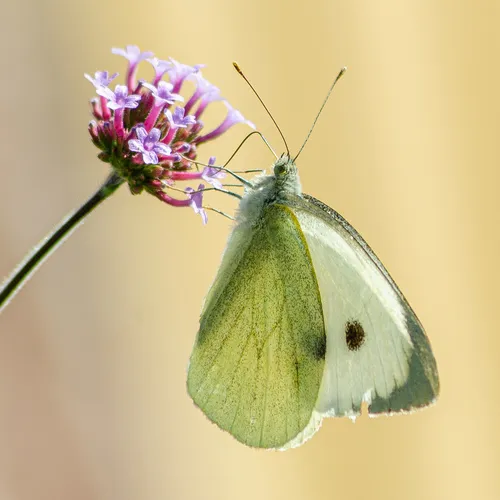
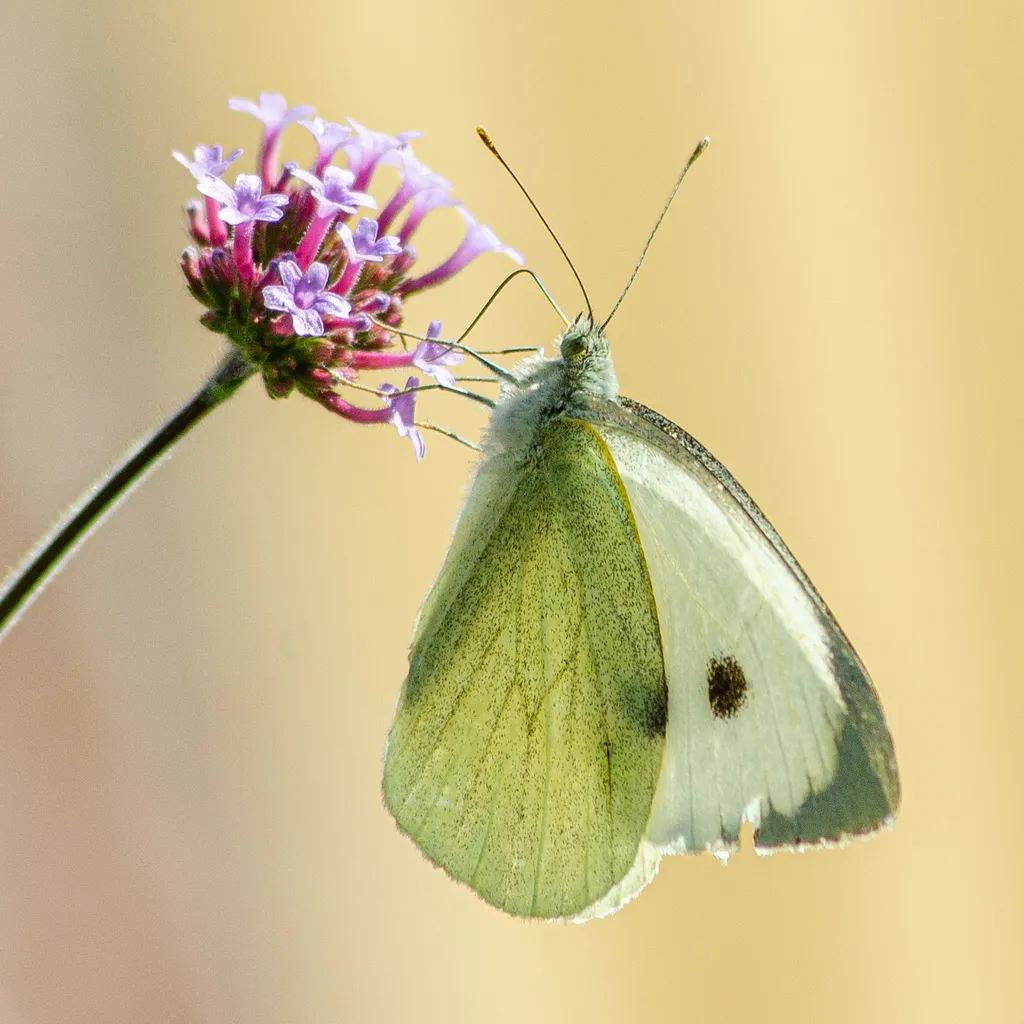
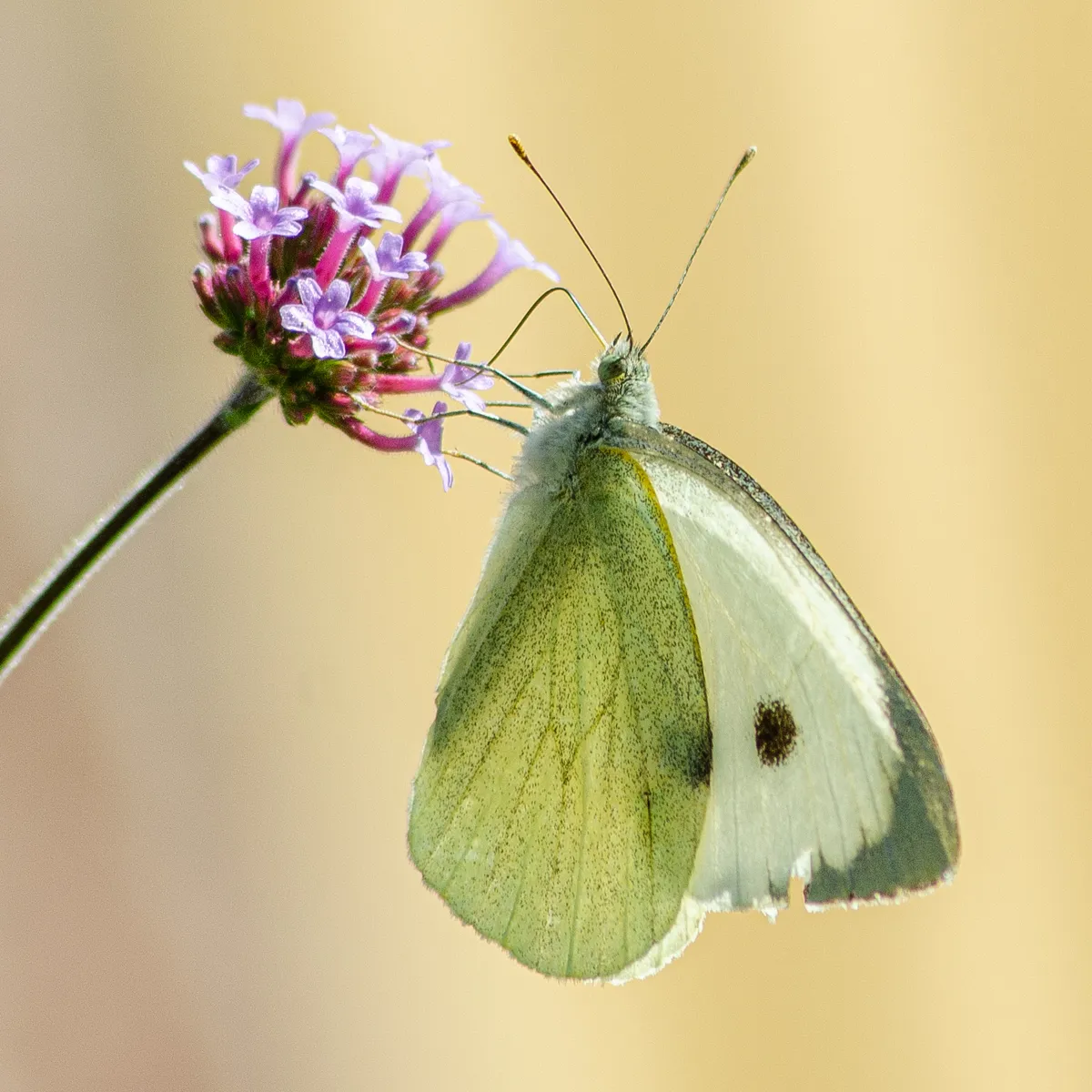
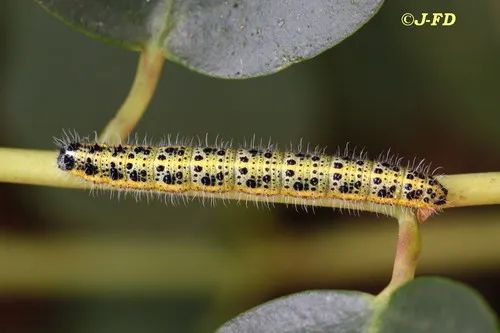
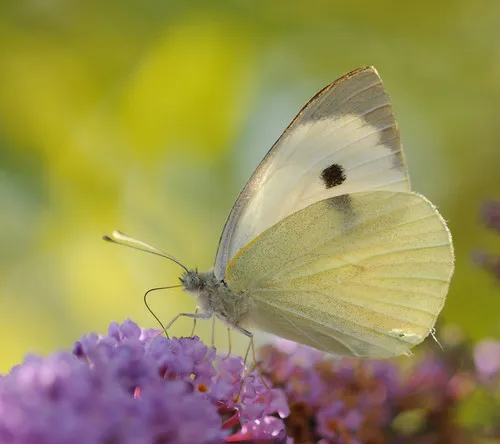
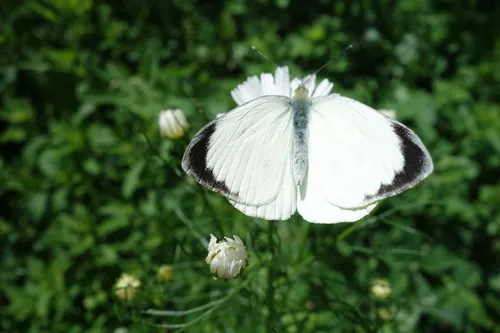
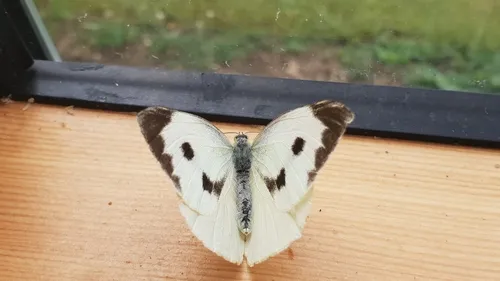
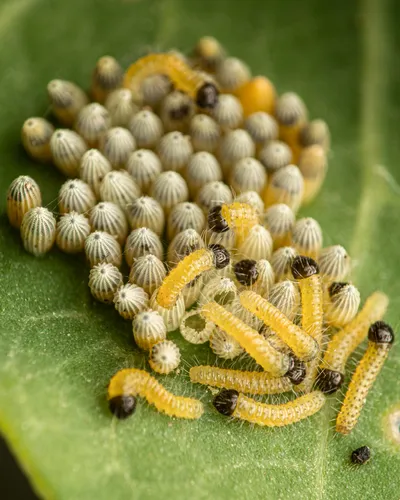
This is the largest of our 'white' butterflies. The female is distinguished from the male by the presence of two black spots, together with a black dash, on the forewing upper side. Whilst the Large White and Small White can usually be distinguished by size, this isn't always useful in a photo. However there are differences in the shape of the black mark on the forewing tip. In the Large White, this black tip wraps around both the leading edge and trailing edge with the inner boundary strongly curved. In the Small White the black tip has a more or less straight inner line and it doesn't extend very far along the trailing edge. This species is found in a wide variety of habitats and can turn up almost anywhere, including gardens, allotments, parks, meadows, open grassland and hedgerows. April to September. The first brood emerges in April, with a peak in May. In typical years their offspring emerge in July and fly through August and into early September. There is sometimes a third brood. The main larval foodplants are various Crucifers (Cabbage family) but Nasturtium ( Tropaeolum majus ) may be used. The larva of this species can reach pest proportions and decimate cabbages to the point that they become mere skeletons. This is one of the most widespread species found in the British Isles and can be found almost everywhere. This species is also known to migrate to the British Isles from the Continent, augmenting the resident population in the process.
Wikipedia reference for Pieris brassicae: https://en.wikipedia.org/wiki/Pieris brassicae.
Classification
- Kingdom
- Animalia
- Phylum
- Arthropoda
- Class
- Insecta
- Order
- Lepidoptera (Butterflies and Moths)
- Superfamily
- Papilionoidea
- Family
- Pieridae (Whites, Yellows, and Sulphurs)
- Subfamily
- Pierinae
- Tribe
- Pierini
- Genus
- Pieris (Garden Whites)
Imported taxonomy record. Source availability varies; see the source references and editorial policy below.
Habitat and Range
Habitat
This species is found in a wide variety of habitats and can turn up almost anywhere, including gardens, allotments, parks, meadows, open grassland and hedgerows.
Seasonal Activity
April to September. The first brood emerges in April, with a peak in May. In typical years their offspring emerge in July and fly through August and into early September. There is sometimes a third brood.
Diet and Behavior
Life History
The main larval foodplants are various Crucifers (Cabbage family) but Nasturtium (
Additional species information
Recorded status
This is one of the most widespread species found in the British Isles and can be found almost everywhere. This species is also known to migrate to the British Isles from the Continent, augmenting the resident population in the process.
About Butterflies and Moths: the wider group
Order-level background for Lepidoptera, the group containing Pieris brassicae. Species-specific details appear above.
Group overview
Lepidoptera includes approximately 180,000 described species of butterflies and moths. Moths outnumber butterflies roughly 10:1. The monarch butterfly's eastern population has declined by more than 80% since the mid-1990s, and the western population by over 95% since the 1980s. The IUCN lists the migratory monarch as Vulnerable.
Ecological role of the group
Butterflies and moths are essential indicators of ecosystem health. As caterpillars, they are a primary food source for birds - a single nest of blue tit chicks requires ~10,000 caterpillars. Adult moths pollinate many night-blooming plants.
Economic and practical significance of the group
Lepidoptera are critical pollinators. In Europe, grassland butterfly species have declined by almost 50% since the early 1990s. In the UK, three-quarters of butterflies are in decline. In the U.S., five butterfly species have gone extinct since 1950, with 29 listed as endangered.
Recorded sources for this group: IUCN Red List, Xerces Society, USFWS, PNAS, WWF. Imported estimates may describe particular regions or reporting periods.
Photos of Large White (10)
Frequently Asked Questions About Large White
What is Large White?
Large White (Pieris brassicae) is a species in the family Pieridae, within the order Lepidoptera.
Where is Large White found?
Habitat: This species is found in a wide variety of habitats and can turn up almost anywhere, including gardens, allotments, parks, meadows, open grassland and hedgerows.
When is Large White active?
Large White: seasonal activity - April to September. The first brood emerges in April, with a peak in May. In typical years their offspring emerge in July and fly through August and into early September. There is sometimes a third brood..
What is the life cycle of a Large White?
The main larval foodplants are various Crucifers (Cabbage family) but Nasturtium (