
Lampronia morosa
This record describes Lampronia morosa (species). Recorded family: Prodoxidae. Recorded order: Lepidoptera.
Identification and Appearance
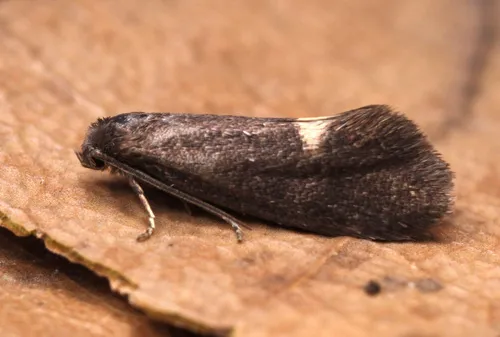
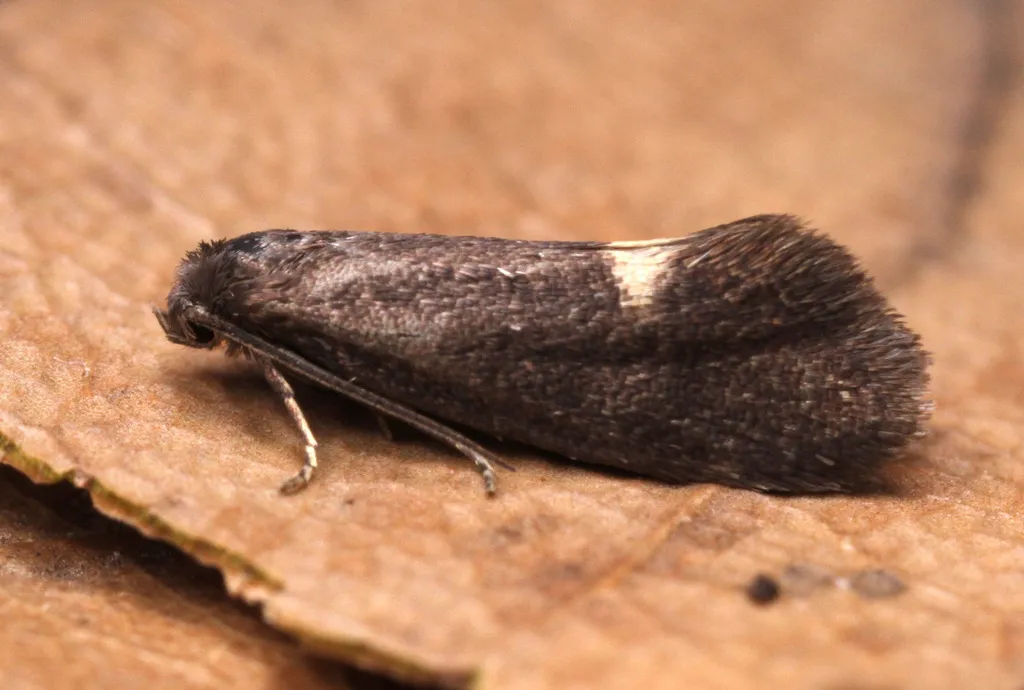
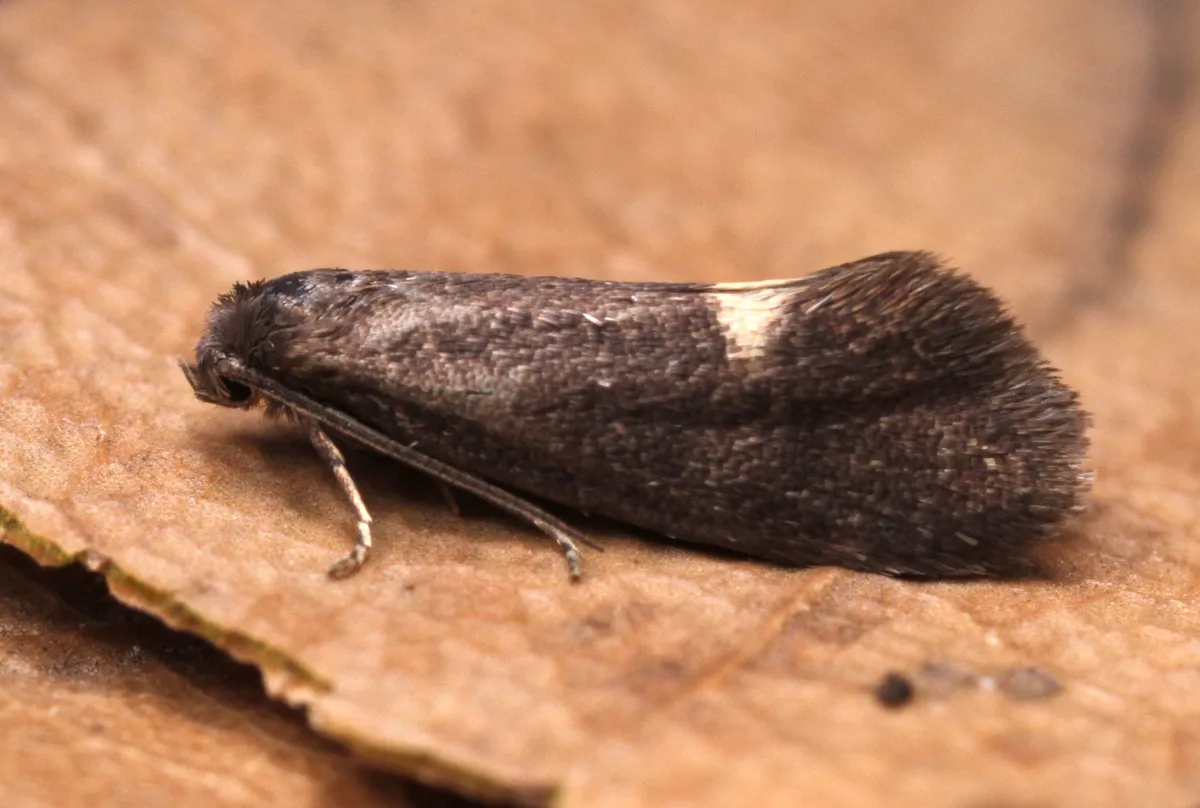
Wingspan about 12 to 15 mm. As the scientific name morosa suggests, the adult moths are rather dingy in colour, with generally just a single faint yellowish dorsal spot, unlike most of the other species in the group which tend to be rather more brightly marked. Unless identified by a recognised expert, a photo is required and the specimen should be examined with a microscope. In the comments box, state the key or ID method used and describe the size and identifying characters. Adult moths are on the wing in May and June. The host foodplant is rose (Rosa), the larvae feeding inside the buds. A rather local species throughout much of the British mainland, with records from Cornwall to northern Scotland, but nowhere common. In the Butterfly Conservation's Microlepidoptera Report 2011 this species was classified as Nationally Scarce B.
Wikipedia reference for Lampronia morosa: http://en.wikipedia.org/wiki/Lampronia_morosa.
Classification
- Kingdom
- Animalia
- Phylum
- Arthropoda
- Class
- Insecta
- Order
- Lepidoptera
- Family
- Prodoxidae
- Genus
- Lampronia
Imported taxonomy record. Source availability varies; see the source references and editorial policy below.
Habitat and Range
Habitat
Wherever Rose species occur.
Seasonal Activity
Adult moths are on the wing in May and June.
Diet and Behavior
Life History
The host foodplant is rose (Rosa), the larvae feeding inside the buds.
Additional species information
Recorded status
A rather local species throughout much of the British mainland, with records from Cornwall to northern Scotland, but nowhere common. In the Butterfly Conservation's Microlepidoptera Report 2011 this species was classified as Nationally Scarce B.
About Butterflies and Moths: the wider group
Order-level background for Lepidoptera, the group containing Lampronia morosa. Species-specific details appear above.
Group overview
Lepidoptera includes approximately 180,000 described species of butterflies and moths. Moths outnumber butterflies roughly 10:1. The monarch butterfly's eastern population has declined by more than 80% since the mid-1990s, and the western population by over 95% since the 1980s. The IUCN lists the migratory monarch as Vulnerable.
Ecological role of the group
Butterflies and moths are essential indicators of ecosystem health. As caterpillars, they are a primary food source for birds - a single nest of blue tit chicks requires ~10,000 caterpillars. Adult moths pollinate many night-blooming plants.
Economic and practical significance of the group
Lepidoptera are critical pollinators. In Europe, grassland butterfly species have declined by almost 50% since the early 1990s. In the UK, three-quarters of butterflies are in decline. In the U.S., five butterfly species have gone extinct since 1950, with 29 listed as endangered.
Recorded sources for this group: IUCN Red List, Xerces Society, USFWS, PNAS, WWF. Imported estimates may describe particular regions or reporting periods.
Photos of Lampronia morosa (3)
Frequently Asked Questions About Lampronia morosa
What is Lampronia morosa?
Lampronia morosa is a species in the family Prodoxidae, within the order Lepidoptera.
Where is Lampronia morosa found?
Habitat: Wherever Rose species occur.
When is Lampronia morosa active?
Lampronia morosa: seasonal activity - Adult moths are on the wing in May and June..
What is the life cycle of a Lampronia morosa?
The host foodplant is rose (Rosa), the larvae feeding inside the buds.