
Butterflies and Moths
Order Lepidoptera
The Butterflies and Moths (Order Lepidoptera) includes 11,813 species across 112 families and 2,787 genera in our directory.
About Butterflies and Moths
Lepidoptera includes approximately 180,000 described species of butterflies and moths. Moths outnumber butterflies roughly 10:1. The monarch butterfly's eastern population has declined by more than 80% since the mid-1990s, and the western population by over 95% since the 1980s. The IUCN lists the migratory monarch as Vulnerable.
Economic Impact
Lepidoptera are critical pollinators. In Europe, grassland butterfly species have declined by almost 50% since the early 1990s. In the UK, three-quarters of butterflies are in decline. In the U.S., five butterfly species have gone extinct since 1950, with 29 listed as endangered.
Ecological Role
Butterflies and moths are essential indicators of ecosystem health. As caterpillars, they are a primary food source for birds - a single nest of blue tit chicks requires ~10,000 caterpillars. Adult moths pollinate many night-blooming plants.
Families in Lepidoptera (112)
Species in Lepidoptera (11,813)
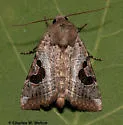
Hypotrix lunata - Hodges#10606
Hypotrix lunata
Identification: "The forewing is a hoary gray with a large entirely black crescent-shaped reniform spot that is fused posteriorly with the black orbicular spot" . This moth is unlikely to be confused with any species found north of Mexico.
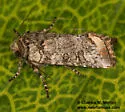
Hypotrix naglei - Hodges#10620.3
Hypotrix naglei
Identification: See original description in print references below .
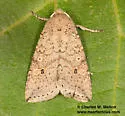
Hypotrix ocularis - Hodges#10620.1
Hypotrix ocularis
Identification: " Hypotrix ocularis can be recognized by the pale gray, or brownish-gray fore wing, the pale rounded orbicular spot with a black central pupil or 'bull's eye,' and the irregular subterminal line" .
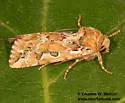
Hypotrix optima - Hodges#10604
Hypotrix optima
Identification: "The mainly orange and gray pattern is dominated by the pale yellow shading around the orbicular spot that forms a flat-bottomed wedge mark between the dark gray reniform and orbicular spots, and the yellow streak at the forewing apex
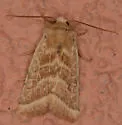
Hypotrix trifascia - Hodges#10597
Hypotrix trifascia
Identification: "Variable in forewing ground color, varying from pale yellowish buff to dark reddish orange. As the name implies, the two transverse lines and the subterminal line are prominently marked by light and dark lines and are relatively stra
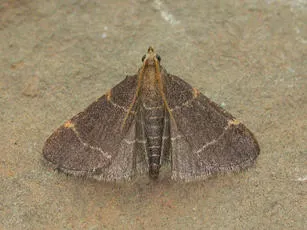
Hypsopygia glaucinalis
Hypsopygia glaucinalis
Wingspan 23-30 mm. A mid brown coloured moth with two pale lines running across the wings. It frequents sheds and farm buildings, gardens, hay-stacks, thatched roofs and bird nests. On the wing in July and August, when it comes to light. The larvae f
Hypsopygia newspecies - Hodges#5533.86
Hypsopygia new-species-two
Identification: "This I [is] the nicest specimen I have seen of a moth first discovered by Mike Rickard in 2015 [2012] at Santa Ana NWR. It is a species of Hypsopygia according to Alma Solis probably undescribed.” - Ed Knudson, pers. comm., 2018. Ful
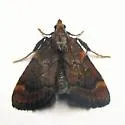
Hypsopygia phoezalis - Hodges#5527
Hypsopygia phoezalis
Dolichomia, Herculia, Cisse, Buzala, Ocrasa, Bejuda, Pseudasopia, and Orthopygia were synonymized with Hypsopygia in Leraut (2006a) .
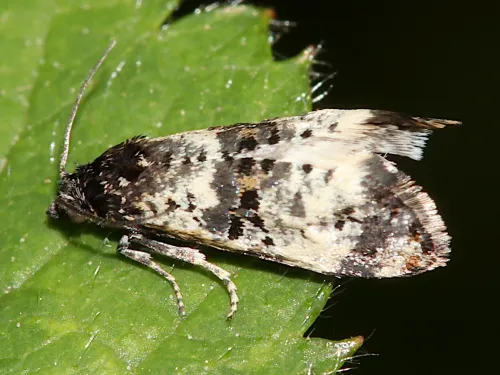
Hysterophora maculosana
Hysterophora maculosana
Wingspan 10 to 14 mm. Although the sexes are superficially similar, the hindwings of the males are whitish, whereas those of the female are dark. Occupying woodland habitat especially bluebell woods. The adults fly in May and June, the larvae subsequ
Hystrichophora loricana - Hodges#3397
Hystrichophora loricana
Identification: Adult - recognized by the projecting apex, prominent orange markings, and strong metallic reflections of the forewing. ( 4 )
Hystrichophora stygiana - Hodges#3391
Hystrichophora stygiana
Identification: Adult - variable, nearly black to gray, light tan to whitish. ( 3 )
Hystrichophora taleana - Hodges#3395
Hystrichophora taleana
Heinrich did not include this species in his revision of Eucosminae as he found it "impossible to recognize from the description." ( 4 )
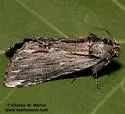
Ianassa coloradensis - Hodges#8015
Ianassa coloradensis
Identification: Powell & Opler (2009) reported the black basal streak is usually present. The hindwing of the female is smoky gray. ( 3 )
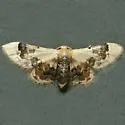
Idaea asceta - Hodges#7117.1
Idaea asceta
Identification: Determined by Charles V. Covell Jr. Charles V. Covell Jr. discovered this to be new to the North American fauna after a visit to the Natural History Museum of London in 1987. He recognized the unknown Texas specimens in the United Sta
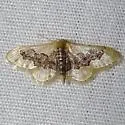
Idaea gemmata - Hodges#7116
Idaea gemmata
Identification: Forewing off-white to cream-colored except for brownish to dark gray median area; discal spot dull orangish; PM line wavy; diffuse dark smudges in subterminal area; terminal line composed of dark dots at ends of veins; fringe pale; hi
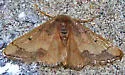
Idaea kendallaria - Hodges#7111.2
Idaea kendallaria
Identification: "This species is very similar to reddish-shaded specimens of the common and widespread Idaea demissaria in color, pattern, and genital features. It can be separated from most I. demissaria by being slightly smaller on average, with br
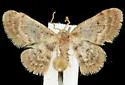
Idaea microphysa - Hodges#7104
Idaea microphysa
Identification: Specimen determined by DNA analysis (BOLD).
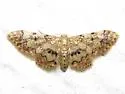
Idaea pervertipennis - Hodges#7107
Idaea pervertipennis
Identification: Hulst original description as Cysteophora pervertipennis is available online in the print references below.
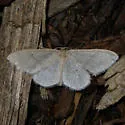
Idaea productata - Hodges#7112
Idaea productata
Identification: Original description is online as Eois subochreata Hulst. (187)
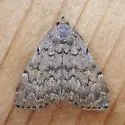
Idia concisa of authors - Hodges#8323.1
Idia concisa-of-authors
This species is listed in The Owlet Moths of Ohio as Idia species near aemula and is pictured as figure 2 on Plate IX. The text notes that the species has in the past been misidentified as Idia concisa (presumably refering to Idia concisa (Walker, 18
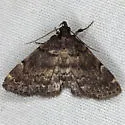
Idia forbesii - Hodges#8327
Idia forbesii
Identification: Photo from Mark Dreiling of a specimen determined by DNA.
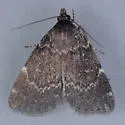
Idia julia - Hodges#8328
Idia julia
Identification: Averages larger than I. rotundalis and is paler. There are pale markings where the lines meet the costa. Along the subterminal line, these extend the full width of the forewing as a faint line. The postmedian line is bent more sharply
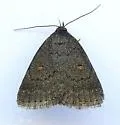
Idia terrebralis - Hodges#8332
Idia terrebralis
Identification: An all-dark species of the American Southwest.
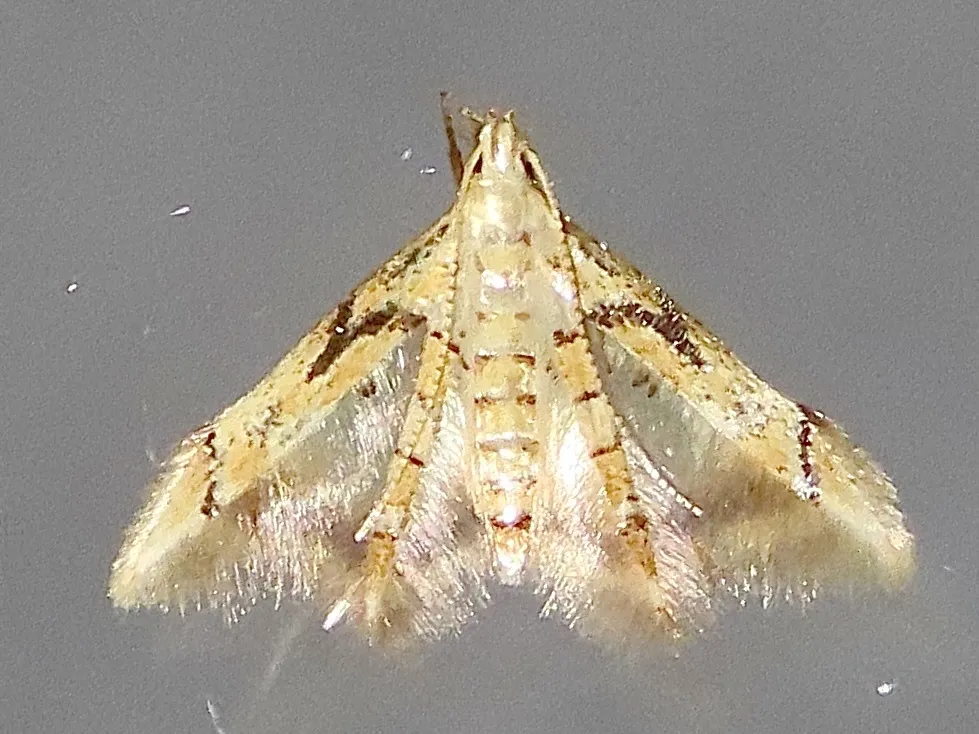
Idioglossa miraculosa - Hodges#1072
Idioglossa miraculosa
Identification: Adult : Yellow with metallic fasciae on the hind wings only (our only microlep species to feature this), and its very distinctive resting posture, in which the wings are held partially spread at a characteristic angle.
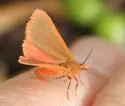
Immaculate Virbia - Hodges#8124
Virbia immaculata
Identification: The original description as Crocota immaculata Reakirt, is available online in the print references below. The Zaspel, Weller & Cardé revised description of Virbia immaculata is in PDF.
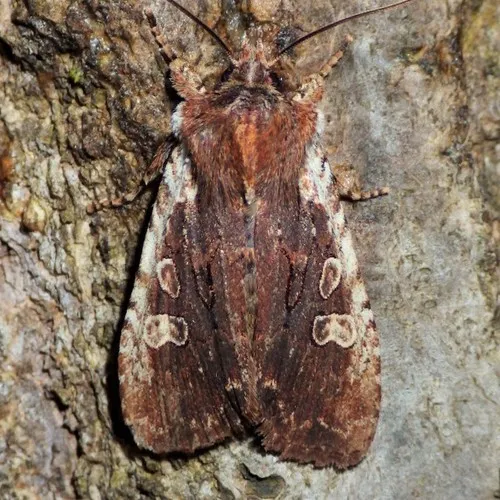
Immigrant Pinion - Hodges#9894
Lithophane oriunda
Identification: Adult: forewing dark brown with tan strip and dark markings along costa; reniform and orbicular spots with pale perimeter; reniform spot pale in upper half and dark in lower half; orbicular spot oblique and completely filled by ground
Immyrla nigrovittella - Hodges#5766
Immyrla nigrovittella
Identification: Dyar (1906) original description online. 108 Engel (1909) reported the species is not often attracted to lights.
Impudent Hulda - Hodges#2747
Hulda impudens
Identification: Adult - see original description in Print References.
Inane Acleris - Hodges#3551
Acleris inana
WARNING: Do Not Add Images! Acleris inana is indistinguishable from Acleris flavivittana (Clemens, 1864) and the two are probably the same species. Because flavivittana has priority, images identified as inana should be treated as that species. Also,
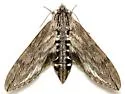
Incense Cedar Sphinx - Hodges#7804
Sphinx libocedrus
Identification: Forewings and most of body nondescript gray, cryptic. Hindwings darker gray with a narrow pale tranverse band. Abdomen has black sides with a row of five bold white spots, concealed beneath the wings when at rest. G3 - threatened due
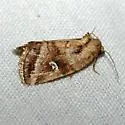
Included Cordgrass Borer - Hodges#9434
Photedes includens
Identification: Adult: forewing orangish-brown with paler straight subterminal band; reniform spot white, conspicuous, C-shaped, with short white bar in middle; hindwing light brownish-gray, paler toward base, with dark veins, thin dark terminal line
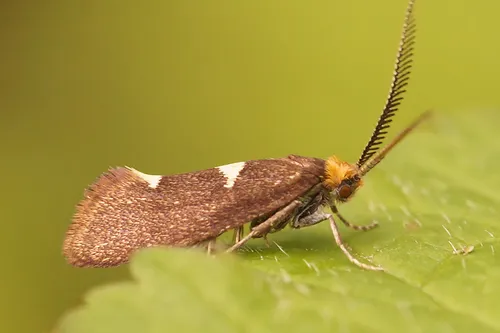
Incurvaria masculella
Incurvaria masculella
Wingspan 12-16 mm. The males of this moth have comb-like antennae, a feature unusual amongst the 'micros'. When viewed from certain angles, they also show a purplish metallic sheen. In areas with plenty of bushes and trees. The larvae mine leaves at
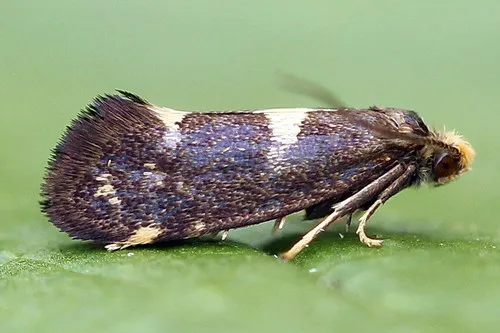
Incurvaria oehlmanniella
Incurvaria oehlmanniella
Wingspan about 14 mm. This species can be confused with I. masculella , but the yellowish marking on the costa, if present on masculella is closer to the head than the opposing tornal spot. In oehlmanniella , it is closer to the wingtip. In addition,
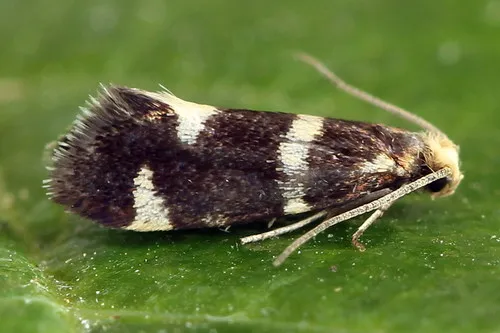
Incurvaria praelatella
Incurvaria praelatella
Wingspan 11 to 14 mm. This moth is characterised by the whitish markings against a bronzy-purple background colour, with a noticeable pale streak at the base of the wing and a yellowish head. The moths fly in sunshine during May and June. The larvae
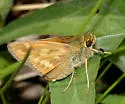
Indian Skipper - Hodges#4033
Hesperia sassacus
Identification: Ventrally, chevron shaped light markings, not well defined in males, but more distinct in females. Dorsally, male has a black stigma on FW, and female FW mostly orange. Both gender have a dark oval at the apex of the FW. HW mostly ora
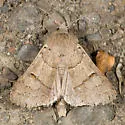
Indiscrete Cissusa Moth - Hodges#8594
Cissusa indiscreta
Identification: Miller & Hammond (2003) describe the larva as mottled silver, grey and black. ( 5 )
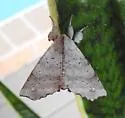
Indistinct Angel - Hodges#7666
Olceclostera indistincta
Identification: "only C. indistincta occurs in FL. Very little has been done in regards to understanding the true expanse of the range of C. angelica vs. C. indistincta in the south." (R.St.Laurent) In peninsular Florida, C. indistincta has less shar
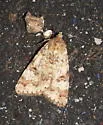
Inept Drasteria - Hodges#8622
Drasteria inepta
Identification: Adult: dull, drab, and unremarkable compared to bright colors and bold patterns of other Drasteria species; forewing variably yellowish-gray to orangish-brown with dark C-shaped reniform spot surrounded by pale spots; AM, PM, and term
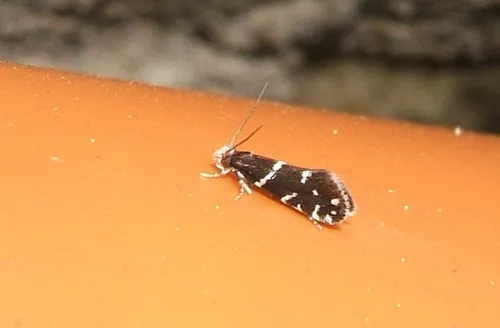
Infurcitinea argentimaculella
Infurcitinea argentimaculella
Unless identified by a recognised expert, a photo is required and the specimen should be examined with a microscope. In the comments box, state the key or ID method used and describe the size and identifying characters. Around lichen covered shady ro
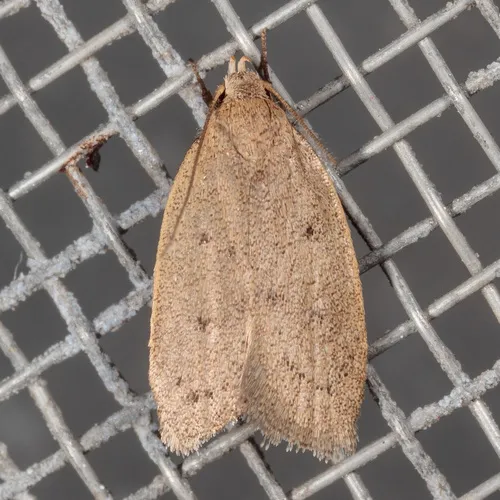
Inga obscuromaculella - Hodges#1037
Inga obscuromaculella
Identification: This species has long been confused with Exaeretia sordidella here and on MPG. However, I. obscuromaculella differs significantly in pattern from E. sordidella based on the images on the BOLD taxon pages for each species. None of the
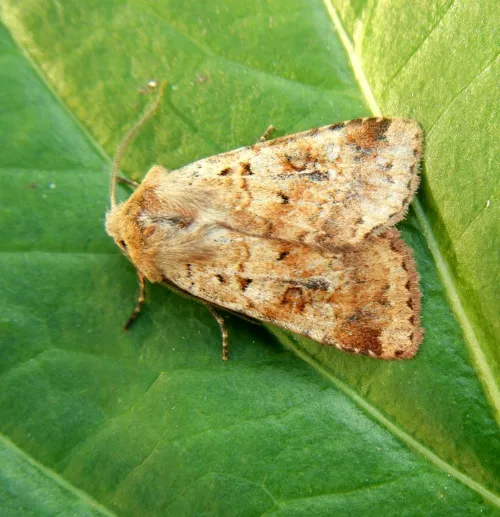
Ingrailed Clay
Diarsia mendica
Wingspan 28-35 mm. A highly variable species, ranging from rather pale individuals in the south, to much darker ones in Scotland, with some island variants in Orkney and Shetland being afforded subspecies status. Flying in a single generation from Ju
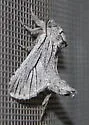
Inguromorpha itzalana - Hodges#2657
Inguromorpha itzalana
Identification: The original description as Hypopta itzalana Strecker , and the Barnes & McDunnough description, are both available in PDF and online in the print references below.
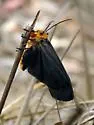
Inopsis modulata - Hodges#8055
Inopsis modulata
Identification: Forewing is black with a brass sheen and with orange head, collar, and lower side of the abdomen. The original description as Ctenucha modulata Edwards, is available online in the print references below.
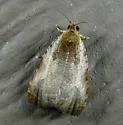
Inornate Olethreutes - Hodges#2788
Olethreutes inornatana
Identification: Adult - forewing pale yellowish or silvery-gray with scattered black speckling; dark shading around perimeter (along outer margin and mid-way along costa) may extend inward to cover more of wing surface in some individuals; thorax che
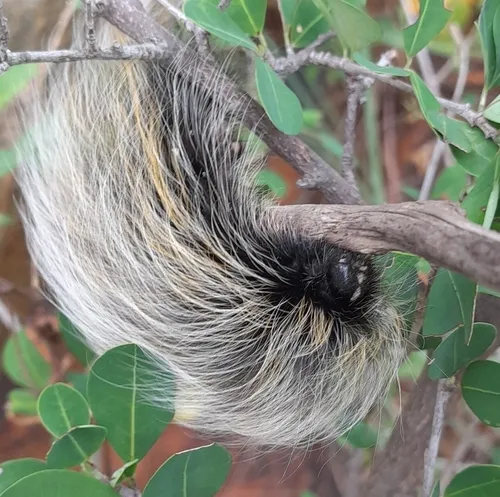
Inquisitive Monkey
Janomima mariana
Janomima mariana, the Inquisative Monkey, is a moth in the Eupterotidae family. It was described by White in 1843. It is found in the Democratic Republic of Congo, Eritrea, Mozambique, Rwanda, South Africa, Tanzania, Zambia and Zimbabwe.
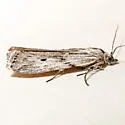
Interjectio denticulella - Hodges#5755
Interjectio denticulella
Identification: Forewing white with thin, black longitudinal streaks and conspicuous, narrow, triangular black spot just before the AM line. Some specimens exhibit only weakly formed dark marks on forewings; some are dark overall with usual white gro
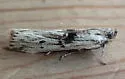
Interjectio niviella - Hodges#5758
Interjectio niviella
Identification: The Heinrich revised description is available in PDF or view online in the print references below.
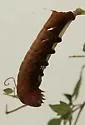
Intermediate Sphinx Moth - Hodges#7860
Eumorpha intermedia
Identification: Brou revised description is available in PDF. Eumorpha intermedia is the smallest of the three species in North America. The subterminal line is scalloped compared to just slightly waved in Eumorpha pandorus .
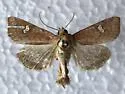
Interoceanic Ear Moth - Hodges#9456
Amphipoea interoceanica
Identification: virtually identical to American Ear Moth ( A. americana ) but slightly smaller with a stouter body.The white scales or lack of white scales in the reniform spot is not useful in determining the species. Genitalia: In A. interoceanica,
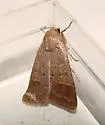
Intractable Quaker - Hodges#10502
Kocakina fidelis
Identification: Adult: forewing grayish to reddish-brown; lines yellowish, broken; spots outlined with yellow; heavy black spot on basal line, fainter black spots on AM and PM lines near inner margin; hindwing grayish-brown, darker toward outer margi
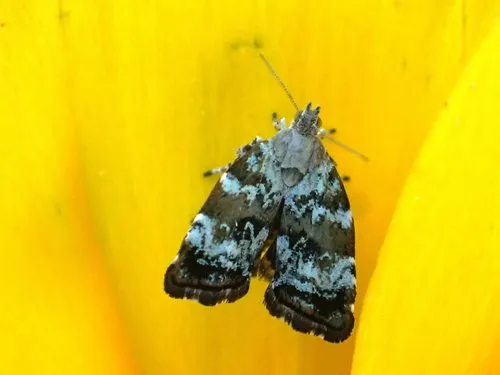
Inverness Twitcher
Choreutis diana
Choreutis diana, Diana's choreutis moth, is a moth of the Choreutidae family. It is found in northern North America and most of Europe.
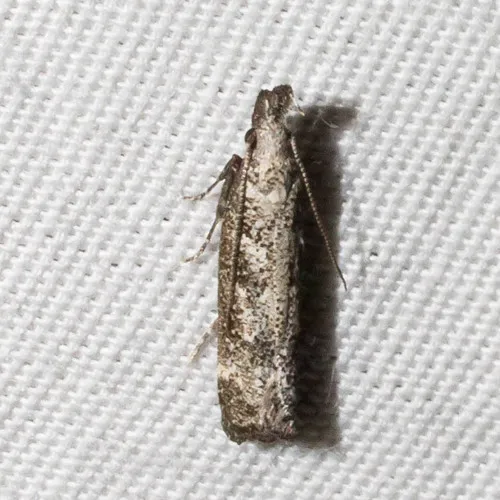
Inverse Dichomeris Moth
Dichomeris inversella
Dichomeris inversella is a moth of the family Gelechiidae. It was described by Zeller in 1873. It is found in North America, where it has been recorded from Wisconsin and southern Ontario, east to New Jersey, south to Florida and west to central Texa
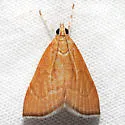
Invisible Crambid - Hodges#4877
Aethiophysa invisalis
Identification: "12mm . Ailes super, squammeuses, d'un fauve-isabelle uni , avec la frange noirâtre, à extrémité blanche et précédée d'une série terminale de petits points noirs arrondis. Aucune ligne ni tache. Ailes infér. blanches, avec un double l
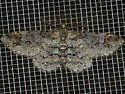
Iridopsis emasculatum - Hodges#6589
Iridopsis emasculatum
Identification: Adult - resembles Bent-line Gray ( Iridopsis larvaria ) but waviness of forewing PM line is more regular and has smaller amplitude, and hindwing PM line is not as sharply bent. Larva - green, yellow, or orange with irregular red bands
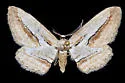
Iridopsis jacumbaria - Hodges#6572
Iridopsis jacumbaria
Identification: Rindge described the adults including genitalia and stated "This small species can be recognized by the prominent and straight t. a. [antemedial] and t. p. [postmedial] lines, and by the reddish brown color of the basal and subtermina
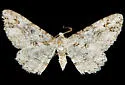
Iridopsis perfectaria - Hodges#6581
Iridopsis perfectaria
Identification: The revised description by Rindge as Anacamptodes defectaria McDunnough, is available online and in PDF.
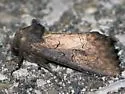
Iris Borer - Hodges#9452
Macronoctua onusta
Identification: forewing brown with darker brown or gray margins; AM and PM lines thin, black, and zigzagged; wingtips with several concave scallops; hindwing uniformly pale brown Genitalia: much information on caterpillar damage and control on the w
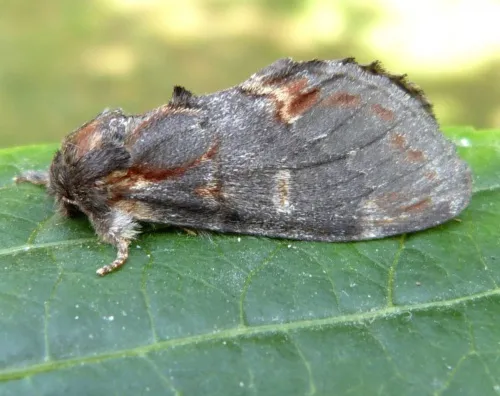
Iron Prominent
Notodonta dromedarius
Wingspan 35-40 mm. Specimens from the more northern parts of its range tend to be darker, with less orange and yellow. Broad-leaved woodland, heathland, river banks and sometimes gardens. Except in the north, there are two broods, flying in May and J
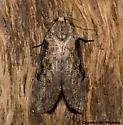
Iscadia aperta - Hodges#8980
Iscadia aperta
Identification: Hampson 1905 description is online in the print references below.
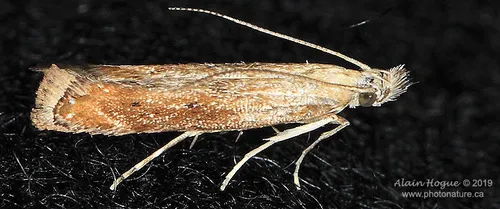
Isophrictis anteliella - Hodges#1690
Isophrictis anteliella
Images of this species were previously misplaced to I. magnella on BugGuide and on MPG. Additionally, both images shown for this species here (and both pinned specimens on MPG) were actually I. magnella . However, magnella and anteliella are not espe
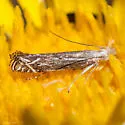
Isophrictis magnella - Hodges#1694
Isophrictis magnella
This species was previously confused with I. anteliella here and on MPG. Images of both species were placed to magnella , and the two images placed here and the two shown for this species on MPG were all magnella . The species appears to be represent
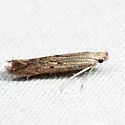
Isophrictis rudbeckiella - Hodges#1700
Isophrictis rudbeckiella
Identification: "Both species have the harpe of the male genitalia divided, but in the new species [ rudbeckiella ] it is nearly twice as long as in similiella ." - Bottimer (1926)
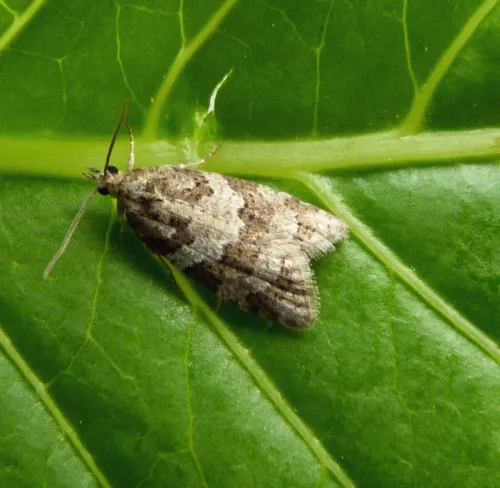
Isotrias rectifasciana
Isotrias rectifasciana
Wingspan 11 to 16 mm. This species is sexually dimorphic, with the males being generally larger and with less distinct forewing markings. The adult moths fly in May and June, from dusk onwards. The life history of the early stages is imperfectly know
Istar Sphinx - Hodges#7799
Lintneria istar
Identification: Adult: forewing gray with brown tint and blackish band running from base to middle of outer margin; hindwing black with two white bands.
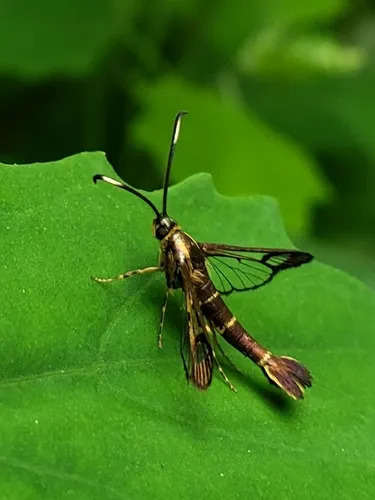
Ithaca Clearwing Moth
Carmenta ithacae
Carmenta ithacae is a moth of the Sesiidae family. It was described by William Beutenmüller in 1897. It is known from North America, including Florida, Arizona, Illinois, Michigan, Nebraska, New York, Virginia and Wisconsin.
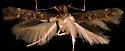
Ithome aquila - Hodges#1642
Ithome aquila
Identification: Best separated from other Ithome spp. through dissection.
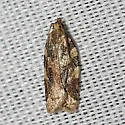
Ivana leafroller moth - Hodges#3627
Argyrotaenia ivana
Ivana leafroller moth - Hodges#3627 (Argyrotaenia ivana) is a species in the family Tortricidae, commonly known as tortricid moths, belonging to the order Lepidoptera (Butterflies and Moths). It is classified within the subfamily Tortricinae, tribe A
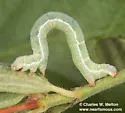
Ixala desperaria - Hodges#6695
Ixala desperaria
Identification: one round white spot near middle of hindwing
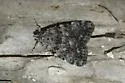
Jair Underwing - Hodges#8879
Catocala jair
Identification: Member of the Catocala amica complex in which species lack a black medial hindwing band; see Gall & Schweitzer (2026) for full description. ( 4 ) Caution : In Gall & Schweitzer (2026) figure 2, the specimen labeled A is a lineella and
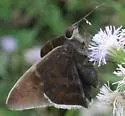
Jalapus Cloudywing - Hodges#3908
Thessia jalapus
Identification: Nearly identical to the more common and widespread Coyote Cloudywing (Achalarus toxeus) but with a pronounced tail or lobe on the inside corner of each hindwing
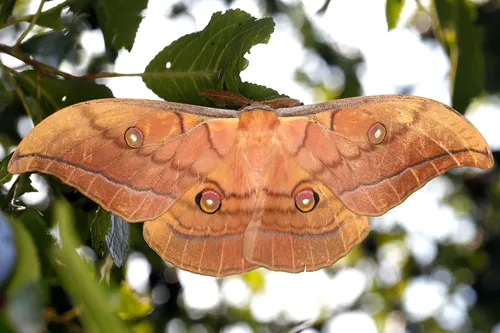
Japanese Silk Moth
Antheraea yamamai
The Japanese silk moth or Japanese oak silkmoth (Antheraea yamamai, Japanese: Yamamayu(ga) (山繭(蛾)・ヤママユ(ガ)) or tensan (天蚕)) is a moth of the Saturniidae family. It is endemic to east Asia, but has been imported to Europe for Tussar silk production and
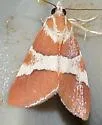
Jativa castanealis - Hodges#4827
Jativa castanealis
Identification: Adult - forewing orangish-brown with broad white median band, splitting into a Y shape at the costa; oblique white band near base; hindwing slightly paler with wavy grayish median line; top of head white.
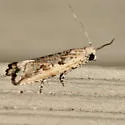
Javelin Moth - Hodges#2707
Bactra verutana
Identification: The FW are light brown, narrow-pointed at the apex and with a number of darker brown areas. The HW are sooty-brown in color. Similar in appearance to B. furfurana but easily distinguished by the male genitalia as the cucullus bears st
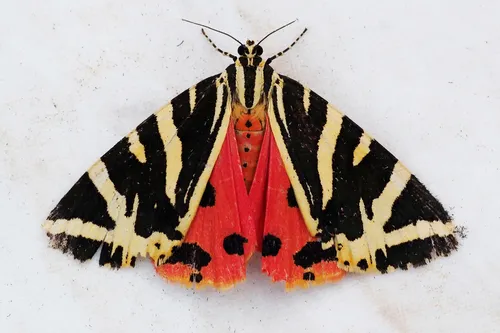
Jersey Tiger
Euplagia quadripunctaria
Euplagia quadripunctaria, the Jersey tiger, is a day-flying moth of the family Erebidae. The adult wingspan is 52–65 millimetres (2.0–2.6 in), and they fly from July to September, depending on the location. They tend to fly close to Eupatorium cannab
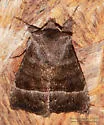
Joe-Pye-Weed Borer - Hodges#9501
Papaipema eupatorii
Identification: forewing dark grayish-brown with sparse dusting of tiny pale flecks; reniform, orbicular, and claviform spots represented by vague dark smudges; PM line straight, untoothed, showing sharp contrast between dark median area and paler su
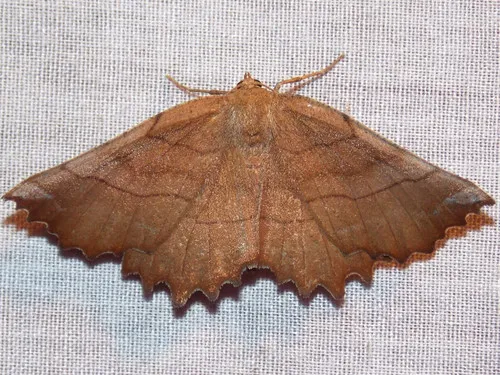
Johnson's Euchlaena - Hodges#6729
Euchlaena johnsonaria
Identification: Ground colour varies from light to dark rust-brown, AM and PM line thin and well defined, median line diffuse. Most specimens have diffuse black spots in the forewing subterminal space (but may be without any black at all). Similar to
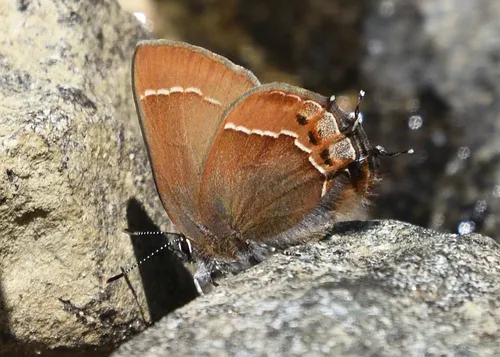
Johnson's Hairstreak - Hodges#4311
Callophrys johnsoni
Identification: Adult can be distinguished from similar Thicket Hairstreak (C. spinetorum) based on the following characteristics: 1) Dorsal side is orange-brown instead of blue 2) Submarginal black spots on ventral hindwing extends only halfway arou
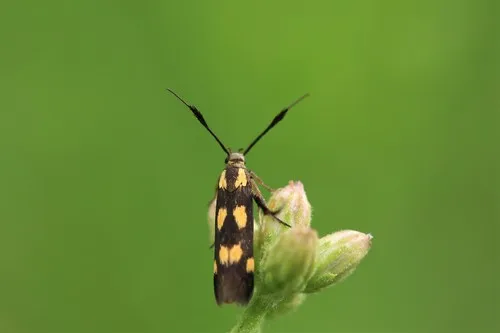
Joyful Moth
Eretmocera laetissima
Eretmocera laetissima is a moth of the family Scythrididae. This species is known from Gambia, Congo, Comoros, Madagascar, Sierra Leone and South Africa.
Joyful Virbia - Hodges#8114
Virbia laeta
Identification: Adult : FW fuscous to dark grayish brown with a light salmon band. The hindwings are geranium pink.
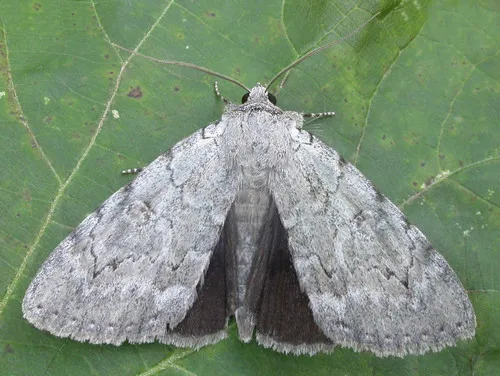
Judith's Underwing Moth - Hodges#8781
Catocala judith
Identification: Grote (1867) described the forewing greenish gray with fine black transverse lines. Hindwing is black with black fringe. Determined by James Adams (Dalton State University)
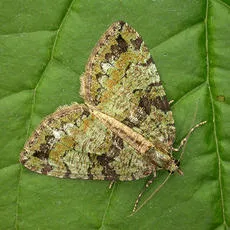
July Highflyer
Hydriomena furcata
Wingspan 23-30 mm. A very variable species both in markings as well as colour with some showing a distinct green colour, others reddish-brown. The larvae feed on Willow and Bilberry among others. It is fairly common over most of Britain. In a recent
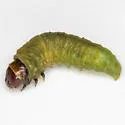
Juniper Budworm - Hodges#3647
Choristoneura houstonana
Identification: Adult - checkered with raised patches of pale rust and rose lavender scales. Hindwing white. ( 3 ) Type Locality: Texas
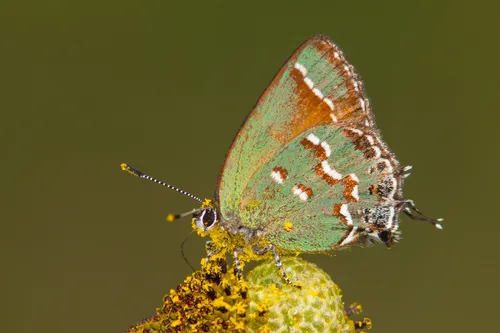
Juniper Hairstreak - Hodges#4318
Callophrys gryneus
Identification: Det. M. A. Quinn, 2010 Shows regional variation, with those east from the Great Plains usually largely green below, and with distinct markings in the discal area of the lower hind wing. West from the Great Plains the white discal mark
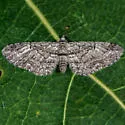
Juniper Looper - Hodges#7551
Eupithecia interruptofasciata
Identification: Adult: forewing grayish-brown with numerous dark transverse lines: single basal and median lines, and triple AM and PM lines; AM line sharply angled in middle; PM line jogs outward from costa; black oval discal spot interrupts median
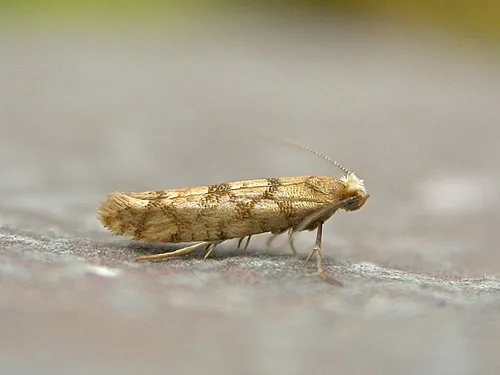
Juniper Seed Moth
Argyresthia alternatella
Argyresthia alternatella is a moth of the family Yponomeutidae. It is found in North America, including Arkansas, Kentucky, Maryland, Massachusetts, Mississippi, New Jersey, Ohio, Oklahoma, Ontario, Quebec and Texas.
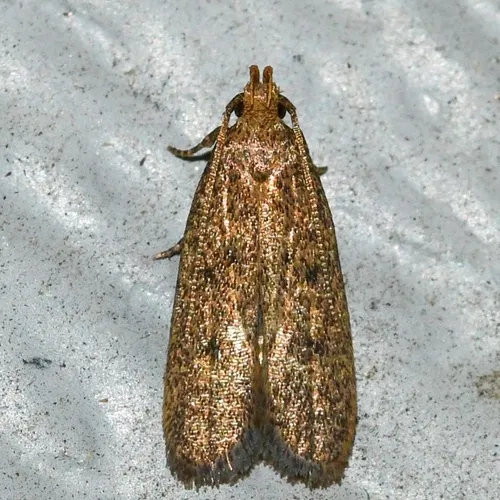
Juniper Tip Moth
Glyphidocera juniperella
Glyphidocera juniperella, the juniper tip moth, is a moth of the Autostichidae family. It is found in North America, where it has been recorded from Alabama, Florida, Indiana, Louisiana, Maryland, Mississippi, Oklahoma, South Carolina, Tennessee and
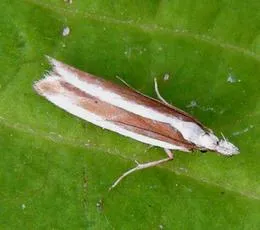
Juniper Webber
Dichomeris marginella
Wingspan 13-17 mm. Superficially like one of the Crambinae or grass moths, this species is rather neater and more compact. Occurs in chalk and limestone districts, as well as in gardens and parks. Larvae feed on both wild and cultivated Juniper formi
Juno Buck Moth - Hodges#7735
Hemileuca juno
Identification: Adult: forewing black or dark gray with band of large white spots in PM area; reniform spot white or pale yellow; white basal dash near costa; hindwing black, usually with some white spots in female; abomen black, with reddish tip in
Juno Heliconian - Hodges#4414.1
Dione juno
This is the first U.S. record for this species. Initial identification by Javier DeLeon and Dan Jones.
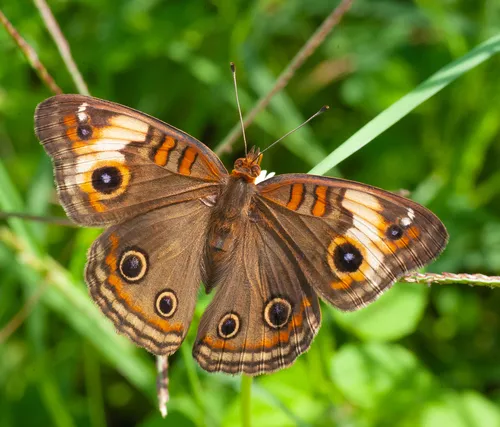
Junonia zonalis - Hodges#4441.2
Junonia zonalis
Identification: "The dark coloring to the lower inside of the eye spot on the front wing, and a missing to narrow orange border on the hind wing above are characteristic of this species. A bold pale stripe on the lower hind wing and small eye spots a
Karwinski's Beauty - Hodges#4547
Smyrna karwinskii
Identification: Nearly identical to Blomfild's Beauty (S. blomfildia) but has one or no little black triangular tails on the underside of the trailing corner of the hindwing, where Blomfild's has two. Never confirmed in the US but occurs very close t
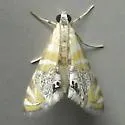
Kearfott's Petrophila - Hodges#4773
Petrophila kearfottalis
The Hind wing has a white background and a light circular black line near the black fringe line. My [A. Hendrickson] wing length measurement was 8-9 mm.
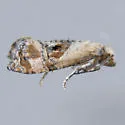
Kearfott's Rolandylis Moth - Hodges#3838
Rolandylis maiana
Identification: See Pogue, 2001, in Print References below.
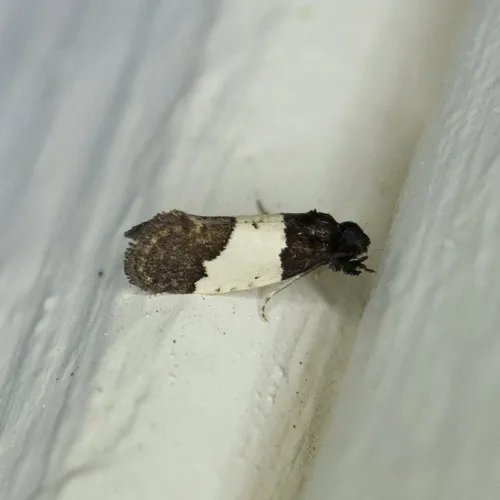
Kearfottia albifasciella - Hodges#0319
Kearfottia albifasciella
Identification: Head: Dark brown, long haired (scaled). Palpi long, folded, dark brown, scaled (hairy) on underside. Antenna: Dark brown. Thorax: Dark brown. Underside yellowish-white. Wings: Dark brown-bronzy. Wide white stripe covering about half w
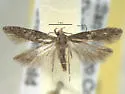
Keiferia elmorei - Hodges#2047.1
Keiferia elmorei
Identification: Specimen determined by DNA analysis (BOLD).
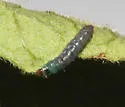
Keiferia georgei - Hodges#2048.1
Keiferia georgei
Identification: Examination of genital morphology is necessary for accurate determination, because of the substantial number of other gnorimoschemine spp. that are externally indistinguishable from K. georgei . Genitalia: One of a bewildering array o
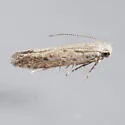
Keiferia glochinella - Hodges#2049
Keiferia glochinella
Identification: Keiferia glochinella is not distinguishable from Keiferia inconspicuella or Keiferia georgei by wing maculation. ( 3 ) Dissection or DNA to determine. - Specimen identified by DNA analysis (BOLD). ( 4 ) Listed as a pest species in Cal
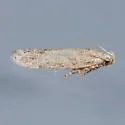
Keiferia inconspicuella - Hodges#2050
Keiferia inconspicuella
Identification: Keiferia inconspicuella is not distinguishable from Keiferia glochinella or Keiferia georgei by wing maculation. ( 3 ) Dissection or DNA to determine. - Specimen identified by DNA analysis (BOLD)
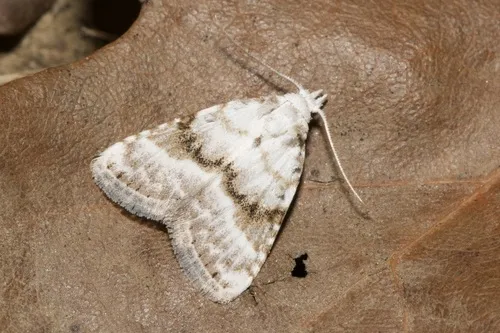
Kent Black Arches
Meganola albula
A fairly distinctive species, but records must be supported by images due to the scarcity of this species in our area. Occupying open woodland and coastal habitats. The species flies at night from June to August, and can be attracted to light. The sm
Kent's Geometer - Hodges#6818
Selenia kentaria
Identification: adults mimic wilted leaves and hold wings over head at rest, while the larvae resemble twigs