
Butterflies and Moths
Order Lepidoptera
The Butterflies and Moths (Order Lepidoptera) includes 11,813 species across 112 families and 2,787 genera in our directory.
About Butterflies and Moths
Lepidoptera includes approximately 180,000 described species of butterflies and moths. Moths outnumber butterflies roughly 10:1. The monarch butterfly's eastern population has declined by more than 80% since the mid-1990s, and the western population by over 95% since the 1980s. The IUCN lists the migratory monarch as Vulnerable.
Economic Impact
Lepidoptera are critical pollinators. In Europe, grassland butterfly species have declined by almost 50% since the early 1990s. In the UK, three-quarters of butterflies are in decline. In the U.S., five butterfly species have gone extinct since 1950, with 29 listed as endangered.
Ecological Role
Butterflies and moths are essential indicators of ecosystem health. As caterpillars, they are a primary food source for birds - a single nest of blue tit chicks requires ~10,000 caterpillars. Adult moths pollinate many night-blooming plants.
Families in Lepidoptera (112)
Species in Lepidoptera (11,813)
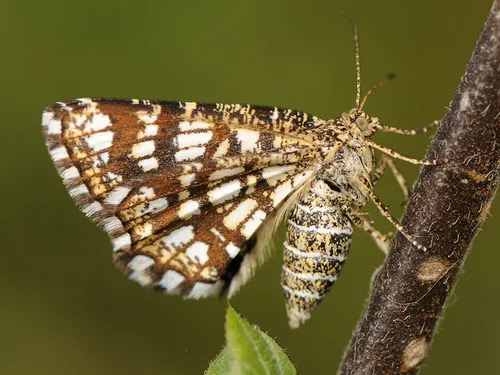
Latticed Heath
Chiasmia clathrata
Wingspan 20-25 mm. Quite a variable species, with several named forms and subspecies, and the ground colour varying from yellowish to white. It occurs in a range of open habitats, including moorland, grassland and waste ground. There are usually two
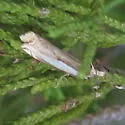
Leach's Grass-veneer - Hodges#5357
Crambus leachellus
Identification: Adult: forewing brown with broad silvery-white stripe running from base to subterminal area, tapered at both ends (i.e. spindle-shaped); width of stripe at base is greater than distance between stripe and costa; subterminal line curve
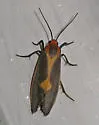
Lead-colored Lichen Moth - Hodges#8067
Cisthene plumbea
Identification: Recognized by the flat medium gray ground color, extensive yellowish or orange streak along the costal margin, single PM spot on the inner FW margin, and lack of a corresponding spot on the costal margin. The amount of yellow/orange
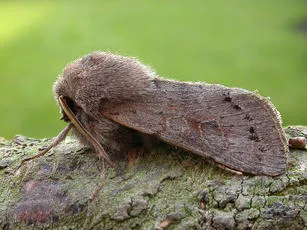
Lead-coloured Drab
Orthosia populeti
Wingspan 34 to 40 mm. Can be rather similar to the Clouded Drab, but usually smaller with a more rounded termen. There are also subtle differences in the hindwing. The antennae of male Lead-coloured Drabs are much more obviously feathered than the an
Leadplant Flower Moth - Hodges#11174
Schinia lucens
This species is threatened or endangered in parts of its range, usually from disappearance of the hostplant due to habitat loss
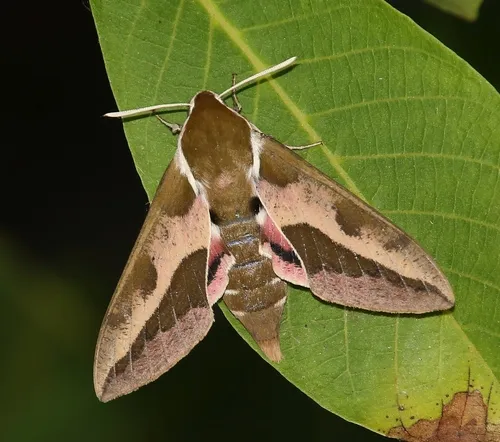
Leafy Spurge Hawkmoth
Hyles euphorbiae
Hyles euphorbiae (spurge hawk-moth) is a European moth of the family Sphingidae. This hawk moth is used as an agent of biological pest control against the noxious weed known as leafy spurge (Euphorbia esula), but usually only in conjunction with othe
Leanira Checkerspot - Hodges#4505
Chlosyne leanira
Identification: White stripes on the back of the abdomen distinguish this from Chalcedon Checkerspot (which has white spots on the back of the abdomen). Also, the underside coloration is quite different. From very similar C. fulvia & cyneus (which d
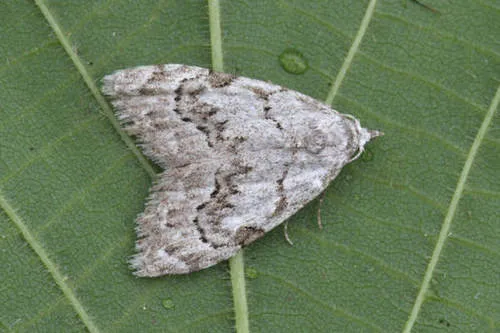
Least Black Arches
Nola confusalis
Wingspan 16-18 mm. Narrow forewing usually whitish with fine black cross lines, the innermost of which is elbowed or 'V' shaped, and the outer middle one strongly curved in the leading half and often shaped like a question mark. Usually a narrow but
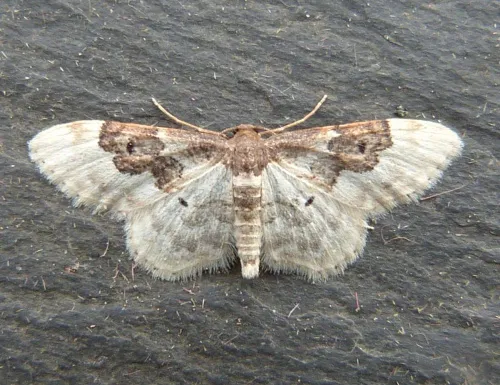
Least Carpet
Idaea rusticata
Wingspan 19 to 21 mm. This is a small but delicately-marked moth. May be found in various habitats especially in areas where the larval food plants are found. Normally on the wing in July and August, it flies at night and can be attracted to light. T
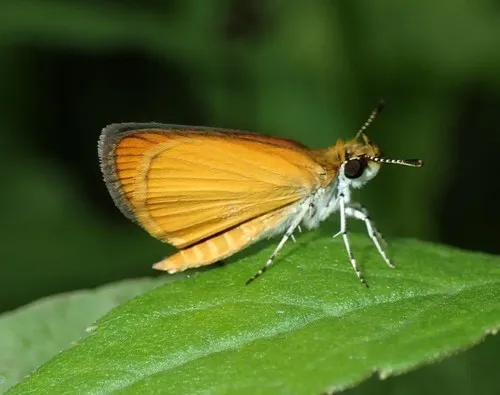
Least Skipper
Ancyloxypha numitor
Ancyloxypha numitor, the least skipper, is a North American butterfly in the family Hesperiidae. They have a weak, Satyrinae-like flight.
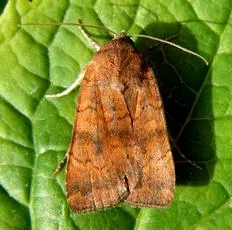
Least Yellow Underwing
Noctua interjecta
Wingspan 31-36 mm. A relatively small Noctua , with a rich reddish-brown upperwing. The adults are on the wing in July and August. The larvae feed on grasses and other herbaceous plants, and overwinter. It is widespread and fairly frequent, mainly in
Least-marked Euchlaena - Hodges#6739
Euchlaena irraria
Identification: wings powdery yellowish or brownish-gray with fine speckling; forewing has faint brown AM line and brown sinuous, usually complete PM line; dark brown shading along lower half of PM line, fading back to ground color toward outer margi
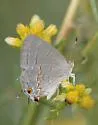
Leda Ministreak - Hodges#4291
Ministrymon leda
Identification: Dull grayish to brownish below, with dark lines usually (not always) edged in orange; with postmedian line continuous but disjointed at veins and "W"-shaped near tails on hind wing; there is a dark dash at the end of the discal cell o
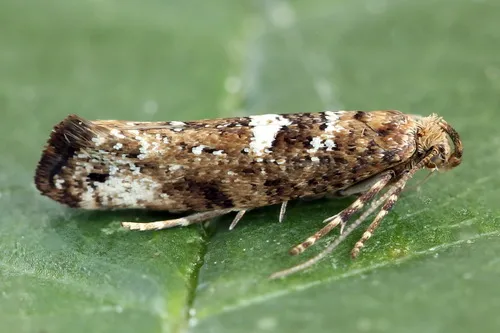
Leek Moth
Acrolepiopsis assectella
Wingspan about 12 mm. A small brown species with a distinctive dorsal white blotch. The larvae initially mine the leaves of Allium species (onions, leek, garlic etc.). Acrolepiopsis betulella is very similar. adult: detailed examination of a specimen
Lemmer's Pinion - Hodges#9899
Lithophane lemmeri
Identification: genitalia Conservation Status: G3 - per NatureServe , but that status apparently only applies to populations in the mid-Atlantic coastal area (New Jersey south to South Carolina).
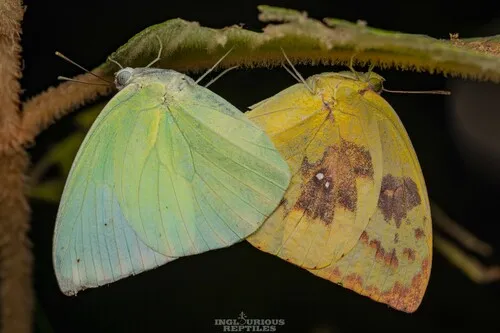
Lemon Migrant
Catopsilia pomona
Catopsilia pomona, the common emigrant or lemon emigrant, is a medium-sized pierid butterfly found in Asia and parts of Australia. The species gets its name from its habit of migration. Some early authors considered them as two distinct species Catop
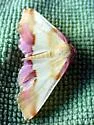
Lemon Plagodis - Hodges#6840
Plagodis serinaria
Identification: Largest Plagodis . Pale lemon-yellow forewing with shades of pink.
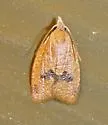
Lentiginos Moth - Hodges#3731
Sparganothoides lentiginosana
Identification: Forewing variably light brown to dull orangish with dark dots scattered across wing. A diffuse dark spot near center of wing often appears smudged. HW light gray, semitransparent. Head pale gray, with prominent snout.
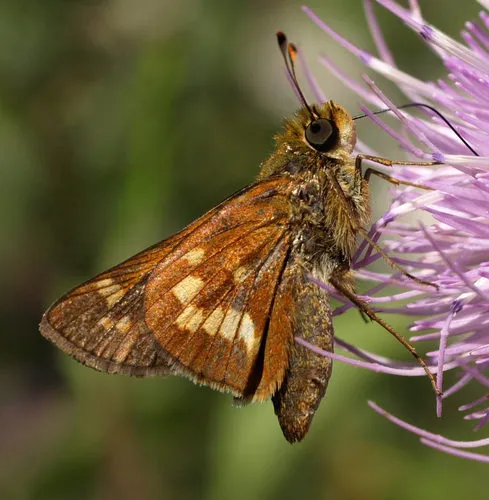
Leonard's Skipper - Hodges#4023
Hesperia leonardus
Identification: The nominate subspecies is easily recognized by the reddish hindwing underside with a white spot band. The Pawnee subspecies has a yellow-orange hindwing underside with a reduced to lacking yellow spot-band. The Pawnee Montane subspec
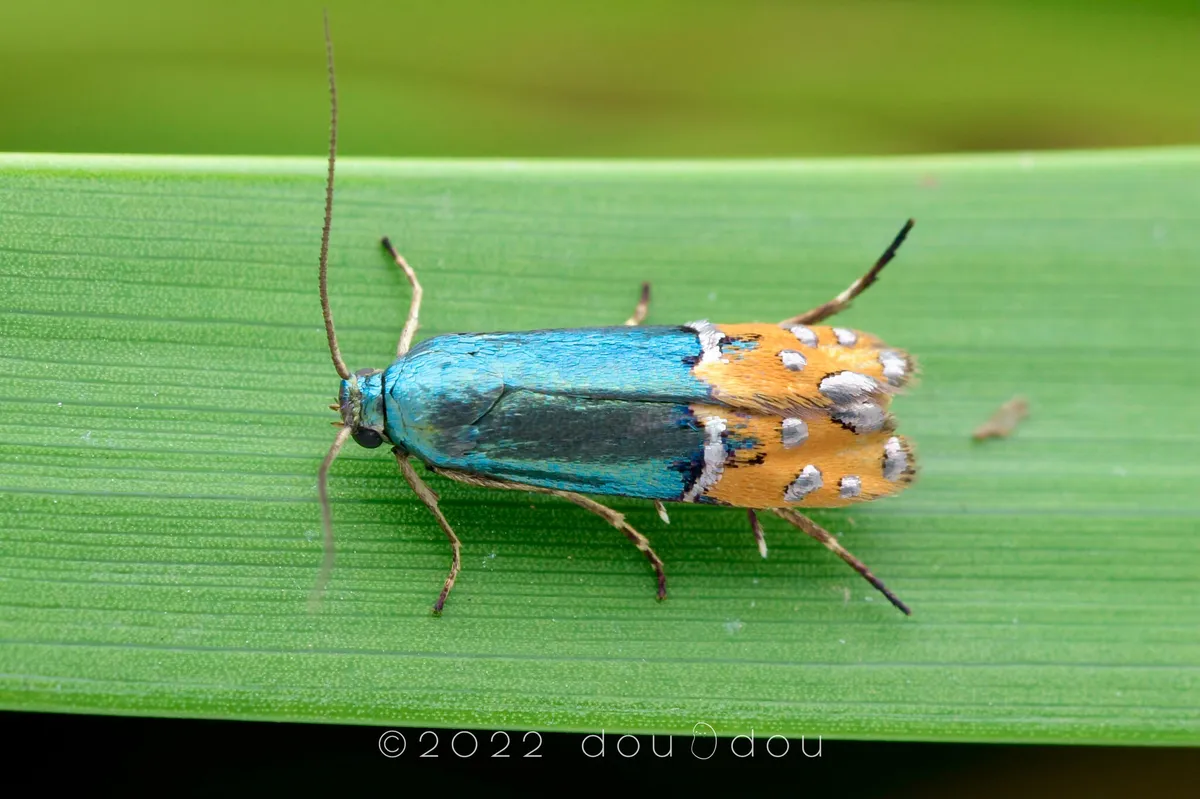
Lepidotarphius perornatella - Hodges#2346.5
Lepidotarphius perornatella
Identification: " Lepidotarphius perornatella can be easily distinguished from any other described species of North American micromoth by the metallic blue-green coloration of the head, thorax and basal three-fifths of the forewings, and the bright o
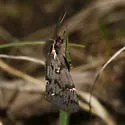
Leptarctia californiae - Hodges#8126
Leptarctia californiae
Identification: Adult: forewing dark gray to black with or without white spots (usually along costa at AM, PM, and/or subterminal lines); hindwing varies from mostly black to mostly orange, sometimes black with bold yellow, white, or orange markings;
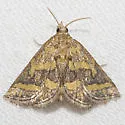
Leptosteges flavifascialis - Hodges#5302
Leptosteges flavifascialis
Identification: Adult: forewing white with golden-brown discal patch between two similarly-colored bands crossing wing; strip of same color along basal half of costa, and another strip from subterminal band to center of outer margin; terminal line br
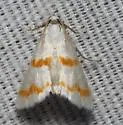
Leptosteges xantholeucalis - Hodges#5300
Leptosteges xantholeucalis
Identification: Rough Google translation: "14mm. Forewings, triangular, acute apex, right side: the hind wings narrow, undeveloped and acute, triangular; the four of pure white, silky, with a vague border, ochraceous. Forewings having two strips of a
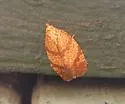
Lesser All-green Leafroller - Hodges#3621
Argyrotaenia quadrifasciana
Identification: Adult - forewing yellowish-tan completely covered with medium reddish-brown blotches forming an "alligator pattern"; AM and PM lines dark reddish-brown, oblique, usually complete; PM line has small "Y" branch at costa, and terminates
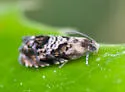
Lesser Appleworm Moth - Hodges#3429
Aspila prunivora
Identification: Adult - forewing pattern is distinctive with pale-yellow costal strigulae, silvery striae, a line of yellow scales preceding the black terminal line, and a well-developed ocellus with 3-4 black dashes. Genitalia: Larva - late instar l
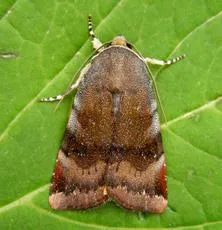
Lesser Broad-bordered Yellow Underwing
Noctua janthe
Wingspan 30-40 mm. Although it is less variable than some of its close relatives, this moth does show some variation, with many individuals showing a purplish tinge. The thorax has a sharply defined pale buff frontal area, giving a very neat appearan
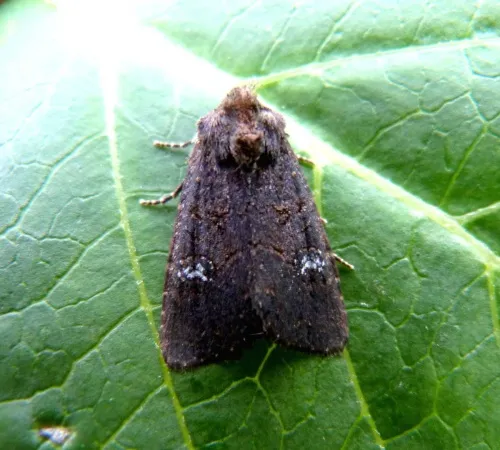
Lesser Common Rustic
Mesapamea didyma
Wingspan 22 to 30 mm. Almost identical in appearance to Common Rustic, the two species (and M. remmi, Remm's Rustic) can only be reliably separated by examination of the genitalia. The adults fly in a single generation in July and August. The larvae
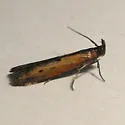
Lesser Cornstalk Borer - Hodges#5896
Elasmopalpus lignosella
Identification: Adult - sexually dimorphic. Males are tan with dark streaks along the costa and inner margin. The tan coloring is reduced to a longitudinal stripe in the females and they have much more dark scaling. Some females are basically black w
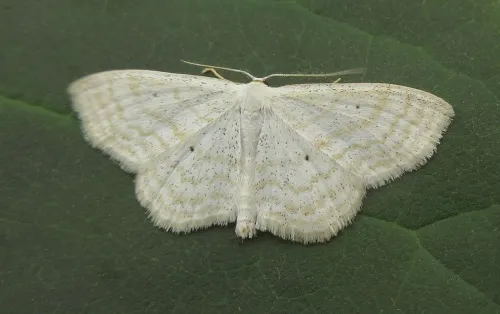
Lesser Cream Wave
Scopula immutata
Wingspan 24 to 27 mm. A relatively small member of the Geometridae. A good photograph is generally required to support your record. A note of size would also be useful. Inhabits damp areas such as fens, bogs and damp meadows. Flies from dusk into the
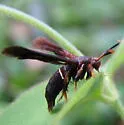
Lesser Grape Root Borer - Hodges#2531
Vitacea scepsiformis
Identification: Adult - hindwing, which is not visible, is key to positive identification. We will never really know since the HW fold(CuP)is really hidden. Both P.dollii and V. scepsiformis are closely related (same tribe) and are variable within th
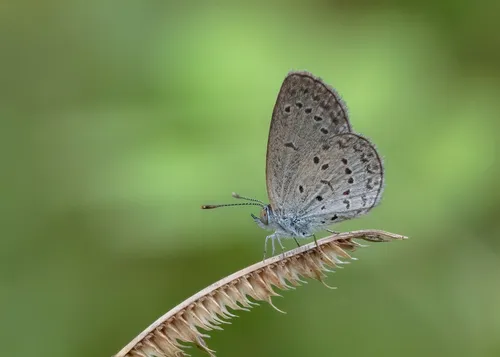
Lesser Grass Blue
Zizina otis
Zizina otis, the lesser grass blue, is a species of blue (Lycaenidae) butterfly found in south Asia. The lesser grass blue is often misidentified as Zizina labradus, the common grass blue.
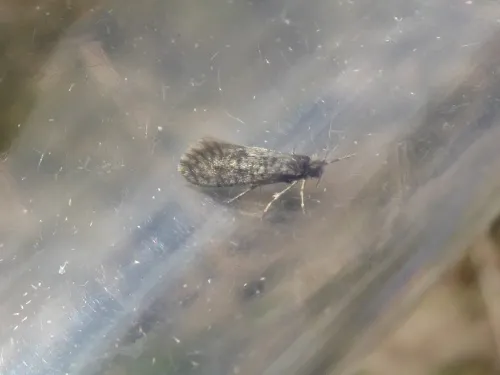
Lesser Lichen Case-bearer
Dahlica inconspicuella
Wingspan (male) 9 to 13 mm. The females are wingless. Confirmation by County Recorder is advised before adding a record for this uncommon species. Areas where lichens and moss are common. . The larva and its case are similar to the other Dahlica spec
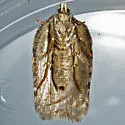
Lesser Maple Leafroller - Hodges#3539
Acleris chalybeana
Identification: Larva - light green. ( 3 ) genitalia
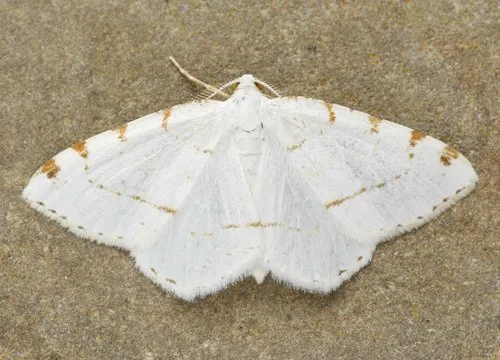
Lesser Maple Spanworm Moth
Macaria pustularia
Speranza pustularia, the lesser maple spanworm, is a moth of the family Geometridae. It is found from Nova Scotia to Florida, west to Mississippi, north to North Dakota and Saskatchewan.
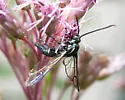
Lesser Peachtree Borer - Hodges#2550
Synanthedon pictipes
Identification: Adult male has yellow scales on top of head between the eyes, and black scales between the antennae, which differentiates if from male Peachtree Borer (see See Also section below).
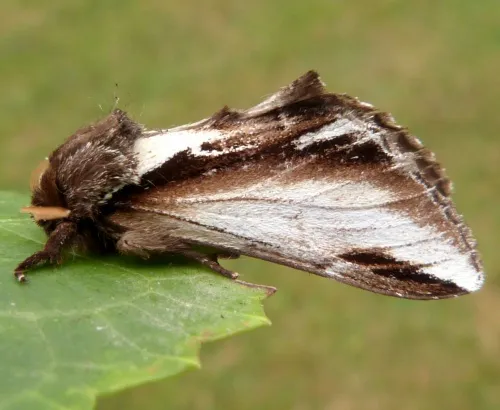
Lesser Swallow Prominent
Pheosia gnoma
Wingspan 45-50 mm. This species is very similar to Swallow Prominent ( P. tremula ) but can be identified with care. It is brown and white with a white triangular wedge near the corner of the hind wing, and it lacks the wavy white line in the blackis
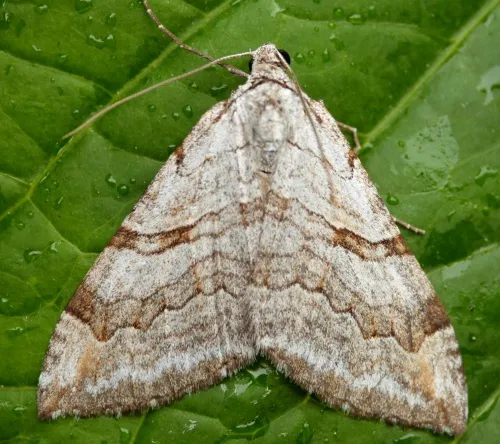
Lesser Treble-bar
Aplocera efformata
Wingspan 35 to 41 mm. Very similar to the Treble-bar ( A. plagiata ), but can be separated by its slightly smaller size, paler ground colour, and the shape of the inner wingbar, which tends to be straighter and more sharply angled. In the male the cl
Lesser Vagabond Sod Webworm - Hodges#5399
Agriphila ruricolellus
Identification: Adult: forewing pale yellowish with reddish-brown speckling between veins, giving a streaked appearance to the wing; median line represented by a diagonal smear or diffuse smudge (sometimes faint) across veins; subterminal (ST) line i
Lesser Wainscot - Hodges#10436
Mythimna oxygala
Identification: Adult: FW uniformly light tan or yellowish, evenly striated with thin brown lines between veins and three black spots arranged in triangular pattern in middle of wing. Whitish streak extending through central median area, diverges at
Lesser Wasp Moth - Hodges#8286
Pseudocharis minima
Lesser Wasp Moth - Hodges#8286 (Pseudocharis minima) is a species in the family Erebidae, belonging to the order Lepidoptera (Butterflies and Moths). It is classified within the subfamily Arctiinae, tribe Arctiini, superfamily Noctuoidea. This specie
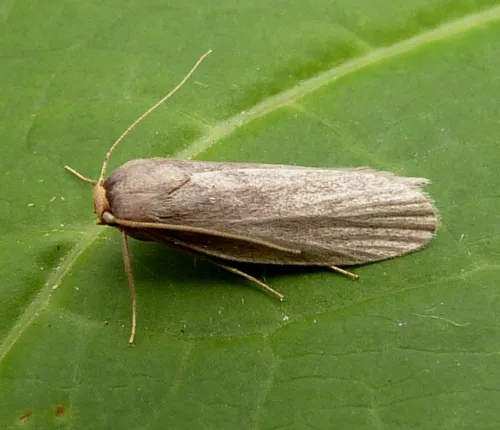
Lesser Wax Moth
Achroia grisella
Wingspan 16-24 mm. This is a rather small and plain-looking grey-brown moth. Often in areas where bee hives are present. The adults occur from July into the autumn and can sometimes be attracted to light. This moth has an interesting life-history. Th
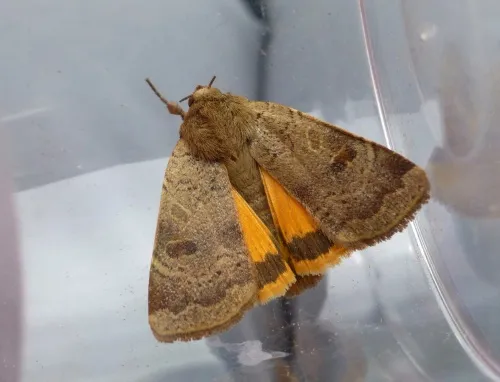
Lesser Yellow Underwing
Noctua comes
Wingspan 37-45 mm. Like its larger cousin, the Large Yellow Underwing ( N. pronuba ), it shows a wide range of variation in colour and pattern of the forewings. The adults are on the wing between July and September, when they are often attracted to l
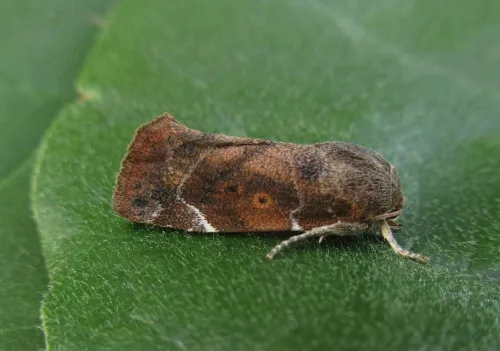
Lesser-spotted Pinion
Cosmia affinis
Wingspan 28 to 35 mm. One of three rather similar British species. Frequents woodland, gardens and hedgerows especially were the larval foodplants, English Elm and Wych Elm are present. The larval foodplants are English Elm and Wych Elm - the species
Letis xylia - Hodges#8646.1
Letis xylia
Identification: The forewings are variable from dark to pale, with both sexes similar. The first U.S. record was collected in Port Alto, Calhoun County, Texas, 16-X-1960, A. & M.E. Blanchard, determined by E. Todd.
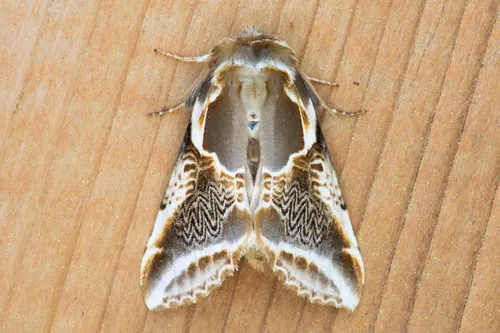
Lettered Habrosyne Moth
Habrosyne scripta
The Lettered Habrosyne or Scribe (Habrosyne scripta) is a moth of the Drepanidae family. It is found in southern Canada and the northern United States, from Labrador to Vancouver Island, south in the Appalachians, Ozarks and Rocky Mountains to North
Lettered Zanclognatha - Hodges#8340
Zanclognatha lituralis
Identification: Adult: Three bold dark spots spaced along costa of forewing (and sometimes a fourth, faint, spot at base); thin black chevron near middle of wing; remainder of forewing medium brown with no conspicuous markings. Larvae: See "Prelimina
Leucania commoides - Hodges#10447
Leucania commoides
Identification: Genitalia: Dark-lined Wainscot would be a fitting name for this species.
Leucania incognita - Hodges#10450
Leucania incognita
Identification: There are two principal North American populations, significantly different in superficial appearance. TEXAS Male FW is dirty light brown. A dark streak runs from the base of the wing to the discal dot and just beyond. Discal dot is a
Leucania insueta - Hodges#10449
Leucania insueta
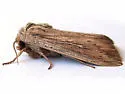
Identification: Adult: forewing light brownish-yellow with brown shading between pale veins; dark brown shading on either side of pale Cu vein and in subterminal area; postmedial (PM) line composed of several dark dots in lower three-quarters, usuall
Leucania lapidaria - Hodges#10446.1
Leucania lapidaria
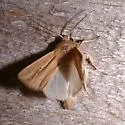
Identification: forewings appear striate with a white line running from the wing base to a small, black discal dot. The white line is shaded with dark brown. Hindwing is white with a few black spots along the outer margin. Genitalia:
Leucania lobrega - Hodges#10451.1
Leucania lobrega
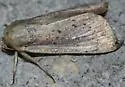
Leucania lobrega Adams, 2001 was first recorded in the US from Florida as L. opalisans by Dickel (1991).
Leucania solita - Hodges#10458.1
Leucania solita
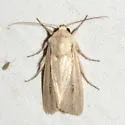
Identification: Medium sized, pale moth. Distinguished from other noctuids by its forwing pattern: a long dark dash delimited above by a white line, running from base to middle. One source discussing the species in Mexico said that the color or the w
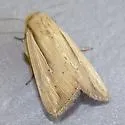
Leucania stolata - Hodges#10453
Leucania stolata
Identification: See Noctuidae of North America (nearctica.com) here Genitalia:
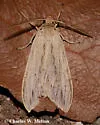
Leucanopsis lurida - Hodges#8217.2
Leucanopsis lurida
Identification: Barnes (1901) description as Euhalisidota otho available in print references.
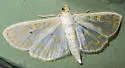
Leucochroma corope - Hodges#5210
Leucochroma corope
In 1959 the United States Department of Agriculture reported Leucochroma corope was intercepted in Florida. Transported by airplane from from Panama.
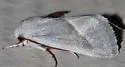
Leucocnemis nivalis - Hodges#10050
Leucocnemis nivalis
Identification: The original description as Oxycnemis nivalis Smith, and the Hampson (1909) revised description are both available online in the print references below. Determined by Ed Knudson (Texas Lepidoptera Survey)
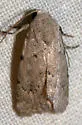
Leucocnemis perfundis - Hodges#10049
Leucocnemis perfundis
Identification: The original description as Oxycnemis perfundis Smith, is available online in the print references below.
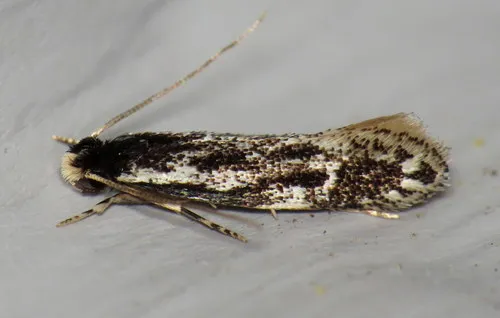
Leucomele miriamella - Hodges#0282
Leucomele miriamella
Identification: Head: Top of head rough haired (scaled), face yellowish-white. Palpi long, folded, mostly dark. Antenna: Dark, simple, thick; over half as long as wing. Thorax: Dark purplish-brown. Underside silvery-gray. Wings: Dark brown with patch
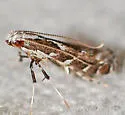
Leucospilapteryx venustella - Hodges#0698
Leucospilapteryx venustella
Identification: The dorsal margin is white/pale in the basal half, as seen in this reared individual: This feature is not present in any of the reared specimens of Acrocercops astericola uploaded to BugGuide. An undescribed species in an undescribed
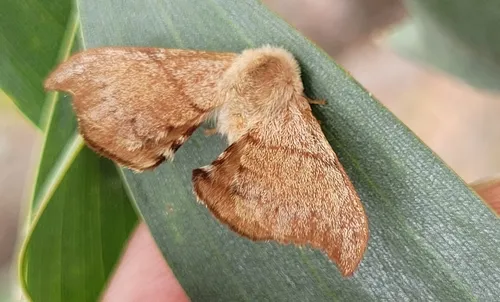
Lewin’s Bag Shelter Moth
Panacela lewinae
Panacela lewinae, or Lewin's bag shelter moth, is a moth of the family Eupterotidae. The species was first described by Lewin in 1805. It is found in Australia from southern Queensland to southern New South Wales.
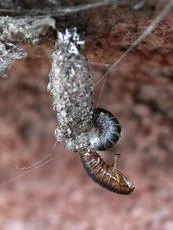
Lichen Case-bearer
Dahlica lichenella
Only the wingless females and larvae have been recorded in Britain. Positive identification depends on dissection of the genitalia, or examination of the head plate of the pupal exuviae. Specimens should be taken sparingly as excessive collecting cou
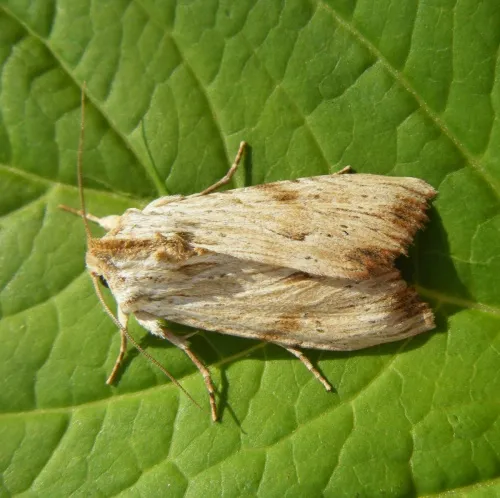
Light Arches
Apamea lithoxylaea
Wingspan 43-50 mm. Has a pale and rather ragged appearance. It inhabits dry pastures and similarly grassy places The flight period is between June and August, this species responds to light to a certain extent , but is more frequent at sugar The larv
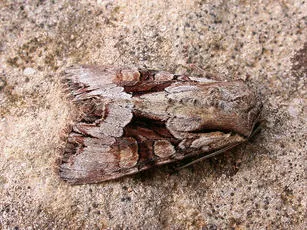
Light Brocade
Lacanobia w-latinum
This species shows a preference for calcareous soils, where it occupies rough ground and heathland. The single generation is on the wing in May and June, sometimes into July. A number of plants are used by the larvae as foodplants, including Broom an
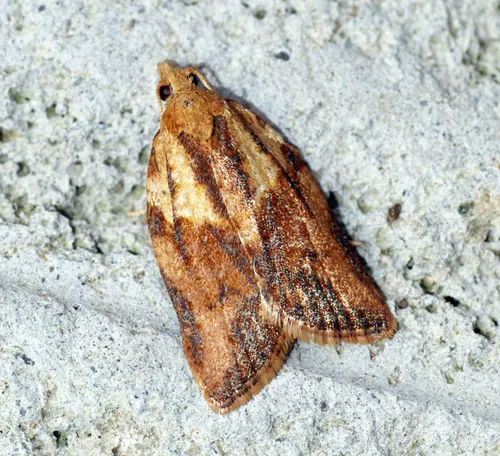
Light Brown Apple Moth
Epiphyas postvittana
Wingspan 16-25 mm. A really variable moth, the underlying wing colour being various shades of orangey brown and typically but not always, paler towards the shoulder. Gardens, particularly in built up areas. It flies in two generations between May and
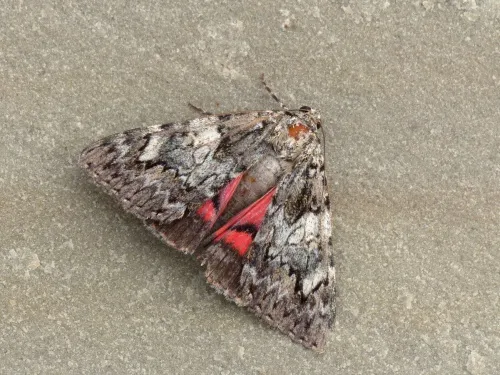
Light Crimson Underwing
Catocala promissa
Wingspan 60 to 65 mm. Similar to the more common Red Underwing and should be checked with care (especially the underwing). In view of the rarity of this species any possible records should be reported to the VC55 Recorder for Moths and the specimen s
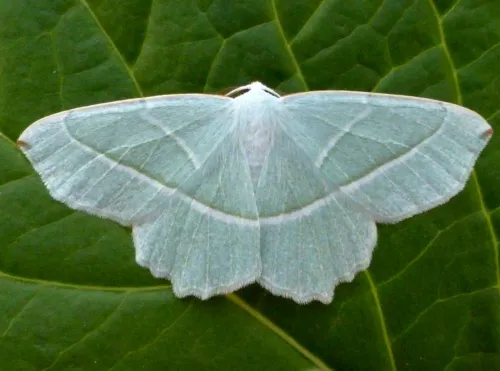
Light Emerald
Campaea margaritaria
Wingspan 30-40 mm. An attractive pale-green species, which has a blood-red tip to the forewing, sometimes extending as a line along the outer edge of both fore and hindwings. Broad-leaved woodland, areas with scattered trees, scrub, hedgerows, parks
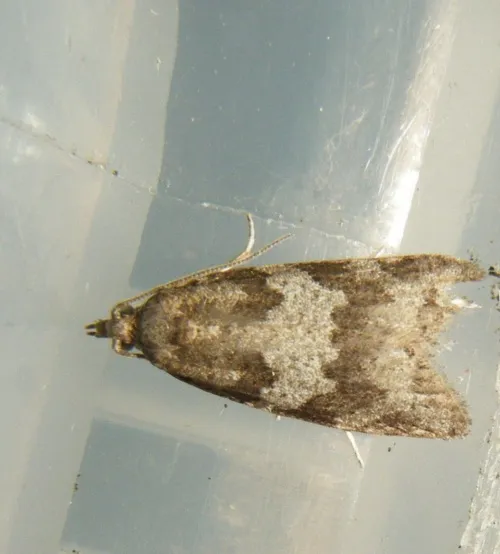
Light Grey Tortrix
Cnephasia incertana
Wingspan 14 to18mm. One of several similar Cnephasia species but also one of the smallest. The habitat preference is for woodland edges and hedgerows. The adults are at large during June and July. The overwintering larvae feed in a spinning on a rang
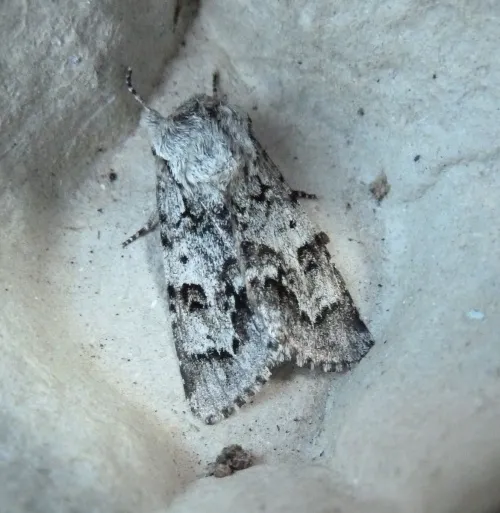
Light Knot Grass
Acronicta menyanthidis
Unless identified by a recognised expert, a photo is required. If the photo doesn't show the key ID features then in the comments box describe the size and identifying characters you have observed. A species of acid moorland and damp heathland. The m
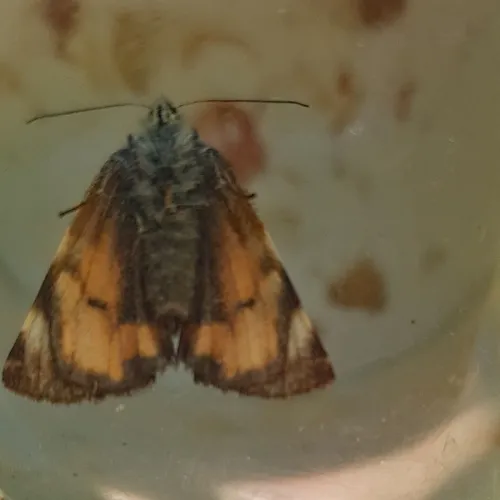
Light Orange Underwing
Archiearis notha
Wingspan about 35 mm. The adults have rather less variegated forewings than A. parthenias and subtle differences in the black suffusion of the hindwing, though these are difficult to establish in the field. Orange Underwing ( Archiearis parthenias )
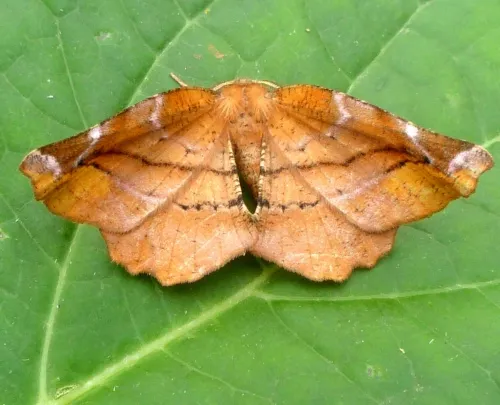
Lilac Beauty
Apeira syringaria
Wingspan 38-42 mm. A member of the 'Thorn' family, this moth has an unusual aspect when at rest, with the front margins of the wings curiously folded. This, in combination with the colour and pattern, gives a crumpled leaf-like appearance. The caterp
Lilac Borer - Hodges#2589
Podosesia syringae
Identification: Adult - a yellow color variation is found in the northern states and Canada (William H. Taft). Genitalia: Larva - body white with amber head, thoracic shield and spiracles. ( 3 ) Adults respond to (Z,Z)-3,13-ODDA (and blends) pheromon
Lilac-bordered Copper - Hodges#4263
Lycaena nivalis
Identification: Similar to Dorcas, Bog, & Purplish Coppers ( Lycaena dorcas, helloides, & episanthe ). Difficult to distinguish just looking at upper side, but lower side of hind wing is distinctly yellowish toward base and pinkish or purplish on th
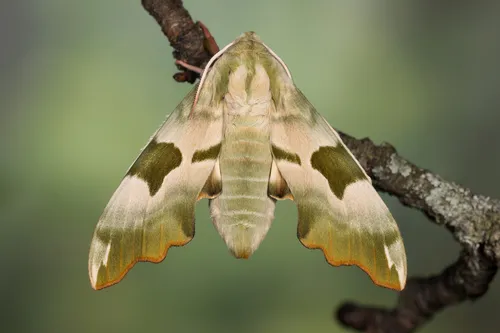
Lime Hawk-moth
Mimas tiliae
Wingspan 55-70 mm. It has a distinctive scalloped-edged forewing, subtly coloured in pinkish and green. The central dark band is quite variable in size and extent. Occupying woodland and suburban habitats. It flies in May and June, and often comes to
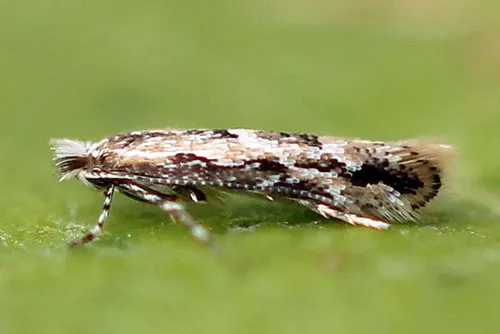
Lime Leafminer
Phyllonorycter issikii
The lime leaf miner (Phyllonorycter issikii) is a moth of the family Gracillariidae. It is native to Japan, Korea and eastern Russia, but was probably introduced to eastern Europe around 1970. It is now widespread in the Czech Republic and Slovakia a
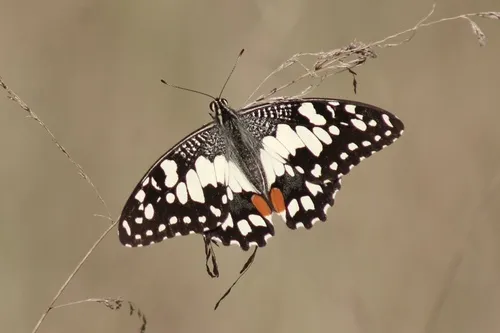
Lime Swallowtail
Papilio demoleus
Papilio demoleus is a common and widespread swallowtail butterfly. The butterfly is also known as the common lime butterfly, lemon butterfly, lime swallowtail, small citrus butterfly, chequered swallowtail, dingy swallowtail and citrus swallowtail. T
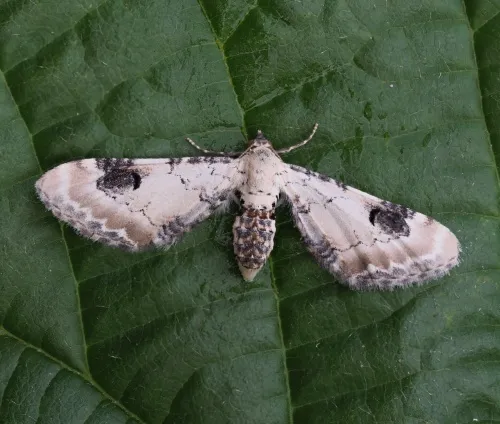
Lime-speck Pug
Eupithecia centaureata
Wingspan 16-20 mm. A distinctive and slender-winged Pug, it is thought that this species may resemble a bird-dropping and thus reduce attraction to predators. The species has one or two broods, being found on the wing from April to September. The cat
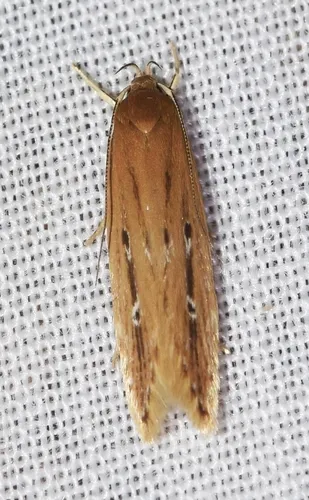
Limnaecia phragmitella
Limnaecia phragmitella
Wingspan 22 mm. A pale buff or brownish species with a couple of darker 'eye' patterns on each wing. The adults fly in July from dusk into the night. The larvae feed inside the seedheads of Bulrush ( Typha sp.) throughout the winter. They can often b
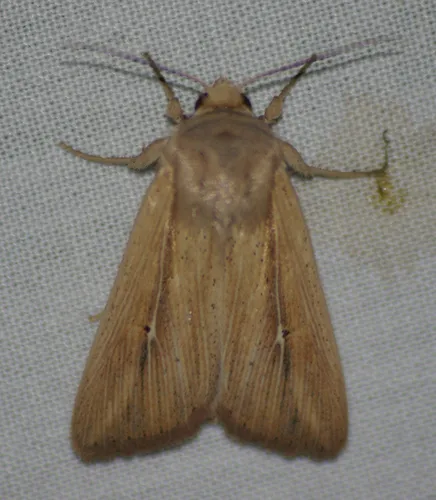
Linda Wainscot - Hodges#10445
Leucania linda
Identification: Specimens identified by DNA analysis: Genitalia:
Linda's Roadside-Skipper - Hodges#4093
Amblyscirtes linda
This species is considered by the Oklahoma Department of Wildlife Conservation to be a "Species of Greatest Conservation Need" (SGCN)
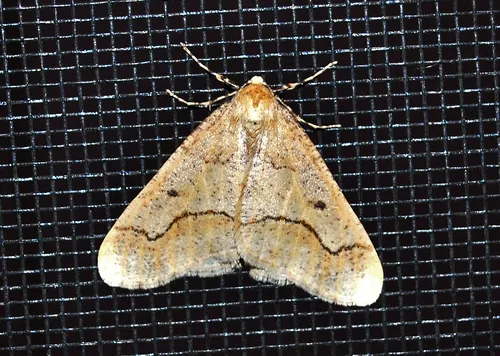
Linden Looper - Hodges#6665
Erannis tiliaria
Identification: Male : FW unicolorous yellowish brown, brown, or pale ochraceous salmon ● May have darker brown bands, basad of AM and distad of PM ● FW display considerable variability in color and degree of maculation ● HW pale grayish white, more
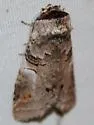
Linden Prominent - Hodges#7930
Ellida caniplaga
Identification: Adult: the triple antemedial (AM) line, fading part-way across the wing, is diagnostic. Larva: color and markings vary depending on age; at mid-stage, head is pale green with a pair of conspicuous black spots on top; body is darker gr
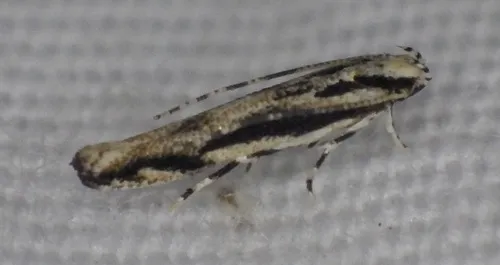
Lined Melanocinclis Moth
Melanocinclis lineigera
Melanocinclis lineigera is a moth in the Cosmopterigidae family. It is found in North America, where it has been recorded from New Jersey to Florida, Arkansas, Louisiana and Texas.
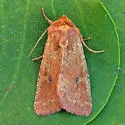
Lined Quaker - Hodges#9369
Apamea inficita
Identification: A medium-sized rusty-brown or yellow-brown, or ocassionaly pink moth with few markings, the most prominent being the dark, somewhat smeared and elongated reniform spot. The postmedian and subterminal lines are usually visible as faint
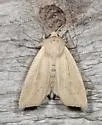
Linen Wainscot Moth - Hodges#10440
Leucania linita
Identification: Adult : Pale straw-colored FW is evenly striated with faint brown lines between veins. Darker brown central streak ends at black-edged white reniform dot. PM is a complete row of tiny dots. NOTE: In darker specimens, the discal dot is
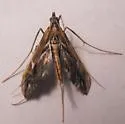
Lineodes elcodes - Hodges#5109.1
Lineodes elcodes
Identification: The original description as Ciraphorus elcodes Dyar, is available in PDF or online in the print references below. Determined by Jerry Powell Introduced species that is considered a pest.
Lineodes triangulalis - Hodges#5109
Lineodes triangulalis
Lineodes triangulalis - Hodges#5109 (Lineodes triangulalis) is a species in the family Crambidae, commonly known as crambid snout moths, belonging to the order Lepidoptera (Butterflies and Moths). It is classified within the subfamily Spilomelinae, t
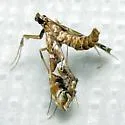
Lineodes vulnifica - Hodges#5109.3
Lineodes vulnifica
Identification: See Hayden et al., species page at idtools.org This species has beed confused with Lineodes triangulalis in collections including the USNM collection where the lectotypes are kept, possibly the source of the confusion - paraphrased fr
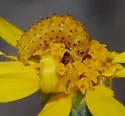
Lineostriastiria hachita - Hodges#9758
Lineostriastiria hachita
Identification: Adult: bright yellow-orange forewing with broad white median band is diagnostic; AM and PM lines black, wavy; subterminal line composed of several black spots; hindwing pale yellow-orange
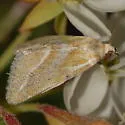
Lineostriastiria hutsoni - Hodges#9756
Lineostriastiria hutsoni
Identification: Specimen determined by DNA analysis (BOLD). ( 3 )
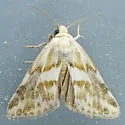
Lineostriastiria olivalis - Hodges#9757
Lineostriastiria olivalis
Identification: Original description is online as Stiria olivalis Barnes & McDunnough, 1916. (12) Wide variation on the amount of darker scales on the forewing. Females tend to be more yelloish than males -
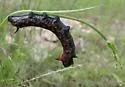
Lintneria separatus - Hodges#7798
Lintneria separatus
Identification: FW upperside with prominent; transverse wavy lines; lacking the pale area with dark distal band that runs from the base to outer margin behind the apex in Lintneria istar .
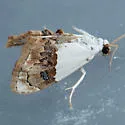
Lipocosma albinibasalis - Hodges#4886
Lipocosma albinibasalis
Identification: Adult - white proximal half of forewing sharply divided from mostly dark brownish-gray distal half.
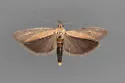
Lipographis unicolor - Hodges#5888.1
Lipographis unicolor
Described from seven males and two females collected one night 31 July, 2011 in recently burned pine forest in Gila National Forest, Catron County, NM
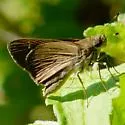
Liris Skipper - Hodges#3999
Lerema liris
Identification: no white dashes on forewing coastal margin
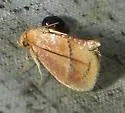
Lithacodes fiskeanus - Hodges#4663
Lithacodes fiskeanus
Identification: Forewing with two blackish transverse line. In fresh specimens the nearly straight inner line is sharply defined from inner margin to just short of the costal margin. Tornus is rounded. Hindwing dark brown black with paler fringe. Lon
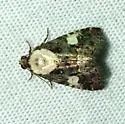
Lithacodia phya - Hodges#9055
Lithacodia phya
Identification: The off-white thorax and basal patch on the forewing are distinctive.
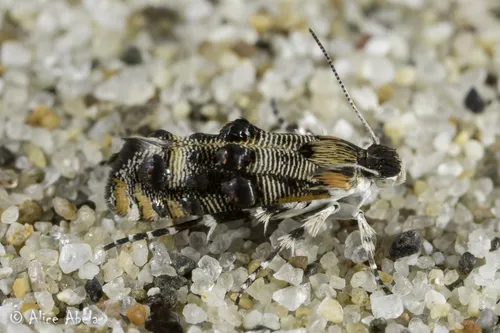
Lithariapteryx elegans - Hodges#2512.1
Lithariapteryx elegans
Identification: FW costal area margined with orange at base, lacking silver spots in basal 1/2. Snow white venter and peculiarly stubby forewings adorned with large, upraised scale tufts of shining steel- purplish. Excerpted from Powell: "The adults
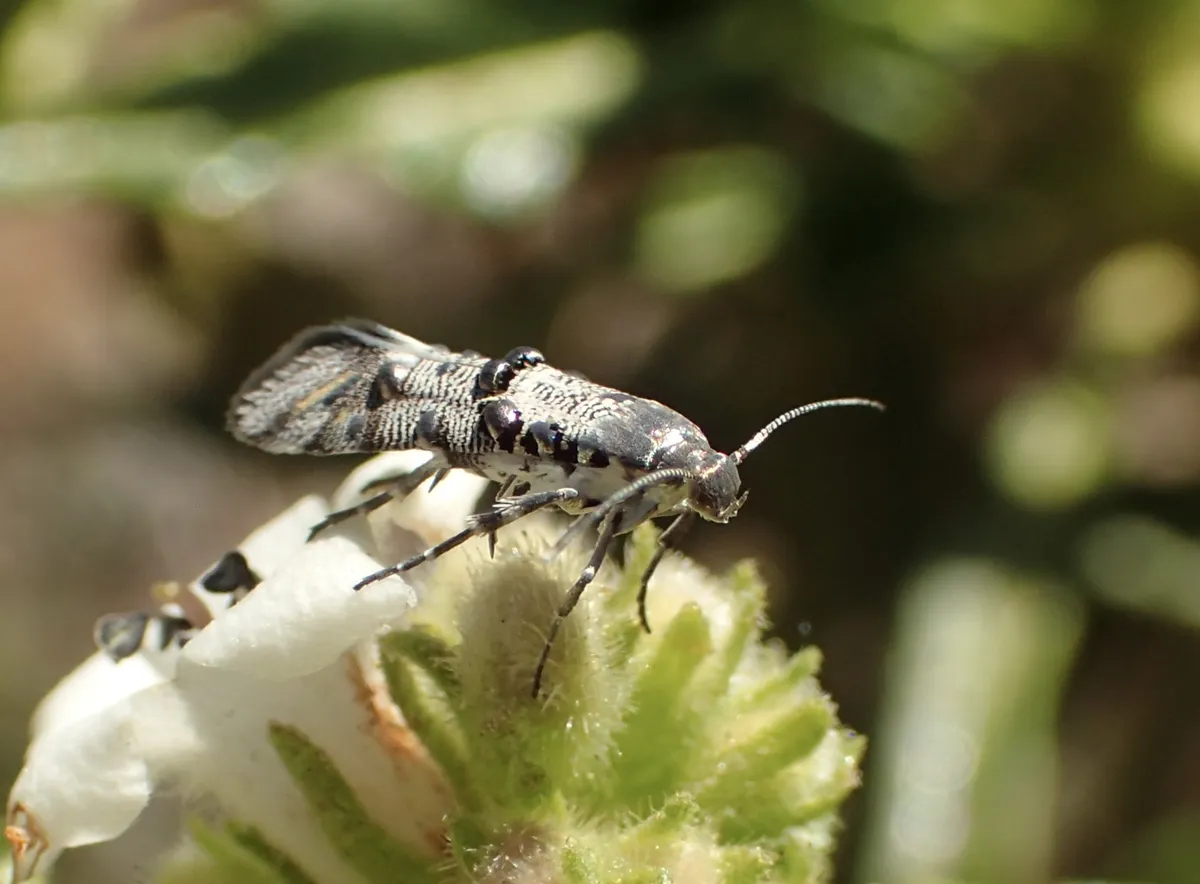
Lithariapteryx mirabilinella - Hodges#2512
Lithariapteryx mirabilinella
Comstock's original 1940 description can be read at this BHL link . A black & white photographic plate accompanies the description. Further discussion can be found in Powell.
Lithophane abita - Hodges#9928.1
Lithophane abita
Identification: Most conclusively identified by male genitalia
Lithophane contenta - Hodges#9901
Lithophane contenta
Identification: Grote original description available online in the print references. Pacific Northwest Moths has a detailed description. Crumb described the larvae. Determined by Lars Crabo. Genitalia: ♀ ♂