
Flies
Order Diptera
The Flies (Order Diptera) includes 6,350 species across 141 families and 1,800 genera in our directory.
About Flies
Diptera includes over 150,000 described species of flies, mosquitoes, and midges. Mosquitoes are the deadliest animal on Earth (CDC). Malaria alone causes ~249 million cases and over 608,000 deaths annually, mostly children under 5 (WHO). Vector-borne diseases account for over 17% of all infectious diseases, causing 700,000+ deaths per year.
Economic Impact
In the U.S., vector-borne disease cases tripled between 2004-2016, with over 640,000 cases reported in that period (CDC). Tickborne diseases doubled from 22,000 to 48,000 annual reports. Globally, mosquito-borne diseases cost billions in healthcare and lost productivity.
Ecological Role
Despite their disease impact, flies are critical decomposers and pollinators. Hoverflies alone pollinate hundreds of crop and wildflower species. Flies are also the primary food source for many birds, bats, and fish. Forensic entomology relies heavily on fly species for crime scene analysis.
Families in Diptera (141)
Species in Diptera (6,350)
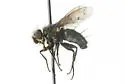
Cyrtophleba horrida
Cyrtophleba horrida
Identification: Differs from the other North American species by having crossvein m-cu more perpendicular to wing axis.
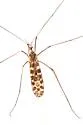
Dactylolabis postiana
Dactylolabis postiana
Identification: "This is one of the most distinct species of the genus so far made known. It is readily distinguished from all other Nearctic species by the very heavy dark wing pattern that is in part ocelliform, with pale centers." (Alexander, 1944
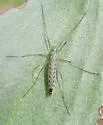
Dactylolabis vestigipennis
Dactylolabis vestigipennis
Identification: " D. vestigipennis is a small cranefly with extremely minute wings with the venation completely atrophied in both sexes. It is uniformly dark brownish-black in body color with the wings whitish. The legs are lighter brown, darkened
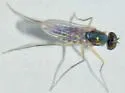
Dactylomyia lateralis
Dactylomyia lateralis
Identification: The only species of Neurigoninae north of Mexico where veins R4+5 and M end very close together, before the tip of the wing. Thorax metallic green (unlike Neurigona , but like Viridigona ).
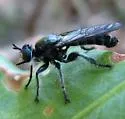
Dagger Laphria
Laphria sicula
Identification: Difficult to impossible to distinguish from several other species from photographs. Photos that are not conclusively identified from genitalia should be placed here .
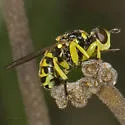
Dalmannia blaisdelli
Dalmannia blaisdelli
Identification: From the key on pg 45 of Camras & Hurd : "Scutellum and humeri partly yellow; size at least 6mm; thoracic pile relatively short (shorter than arista..."distinctly" so according to Bohart ); pile on dorsum of thorax predominantly black
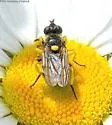
Dalmannia pacifica
Dalmannia pacifica
Identification: In discussing D. pacifica , Bohart (1938) states... "This species is characterized by the hind and middle metatarsi of the female, which are greatly elongated, and each bears along more than the half of its inner surface an elongate p
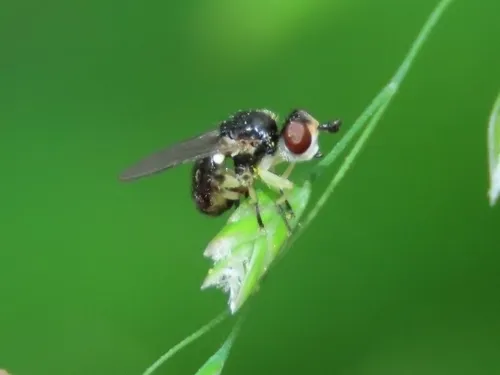
Dalmannia vitiosa
Dalmannia vitiosa
Identification: This is the only Dalmannia species with both humeri and scutellum pure black (all others have some yellow in those parts). Also, D. vitosa is unique among nearctic Dalmannia in that cross-vein "bm-cu" (see bottom of this page ) is ent
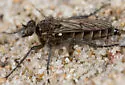
Dark Pismo Sandpirate
Lasiopogon bitumineus
Identification: According to Tristan McKnight, "They're distinguishable in the field by the long thoracic bristles and dark brown color (as opposed to the other local species L. littoris, which is silvery-grey)."
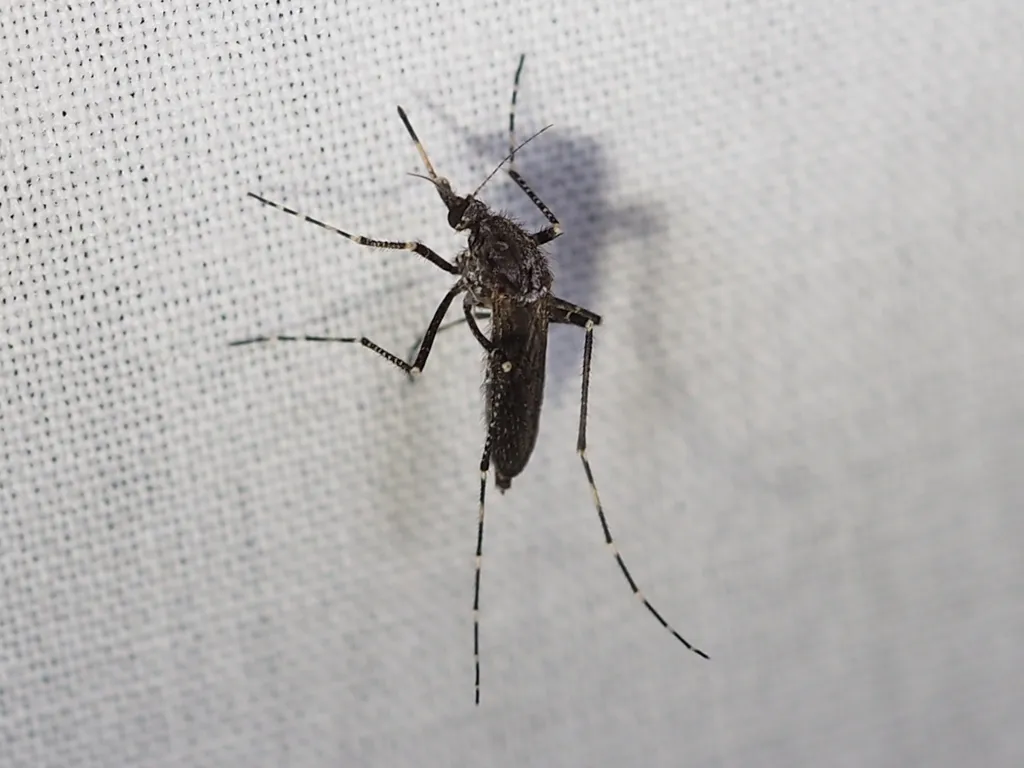
Dark Ricefield Mosquito
Psorophora columbiae
Identification: large dark mosquito - FMEL - banded abdomen and legs - FMEL - base of proboscis has wide pale band - FMEL Florida Medical Entomology Lab - FMEL Adult: Medium-sized, dark brown or dull black in color. Proboscis dark on apical quarter,
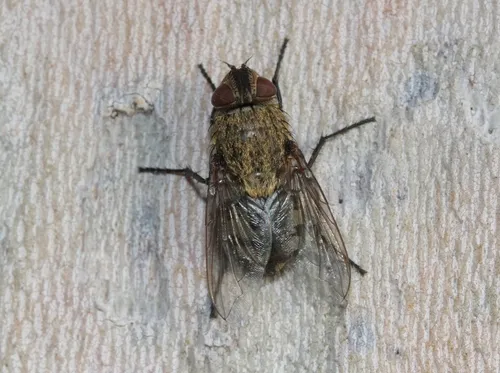
Dark-based Clusterfly
Pollenia labialis
It can be distinguished from P. rudis and all other Pollenia species except P. amentaria (which has a black abdomen) by the dark hind thoracic spiracle and dark basicosta at each wing base. There are 8 Pollenia species recorded in Britain, most of wh
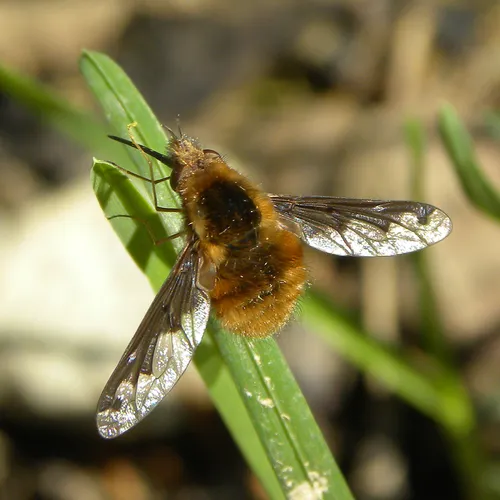
Dark-edged Bee-fly
Bombylius major
Size up to 25mm with a hairy body resembling a bumblebee. The body is typically brown and relatively uniform in colour (c.f. Bombylius discolor ). The wings are long and narrow, often held outstretched at rest, with a black front edge. If you can obs
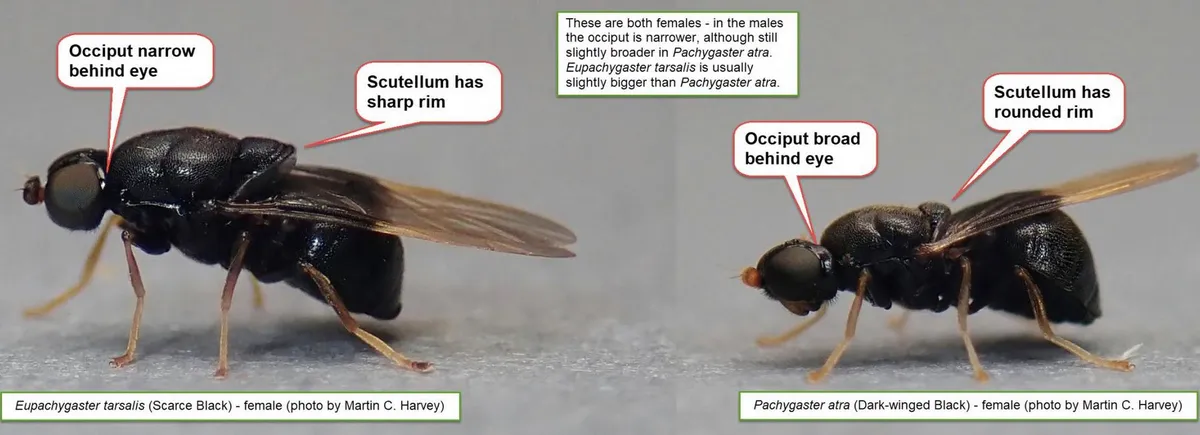
Dark-winged Black
Pachygaster atra
One of our five pachygasterine soldierflies - small, black, dumpy species with mouth edge not produced (in contrast to similar looking Nemotelus like N. nigrinus ). This is one of only two pachygasterines with the wings darkened at the base. It can b
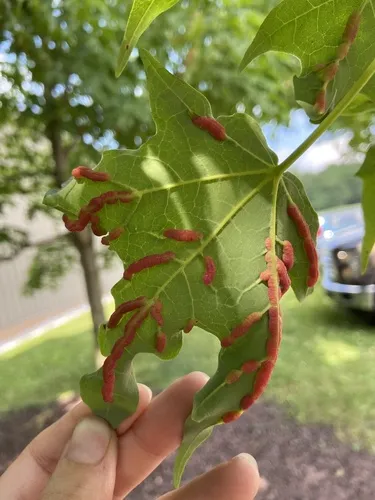
Dasineura communis
Dasineura communis
Larvae develop in galls on maple leaves. Expanding leaves may be crumpled, whereas full-grown leaves may have a small pouch along the veins. These galls are variable and may actually be caused by more than one species of midge.
Dasineura investita
Dasineura investita
Develops in galls on wood nettle ( Laportea ). "Ovoid, smooth, translucent gall with short terminal nipple, connected to plant by narrow pedicel . . . Commonly found on leaves in June, the galls can be seen also on petioles, stems, and flower parts l
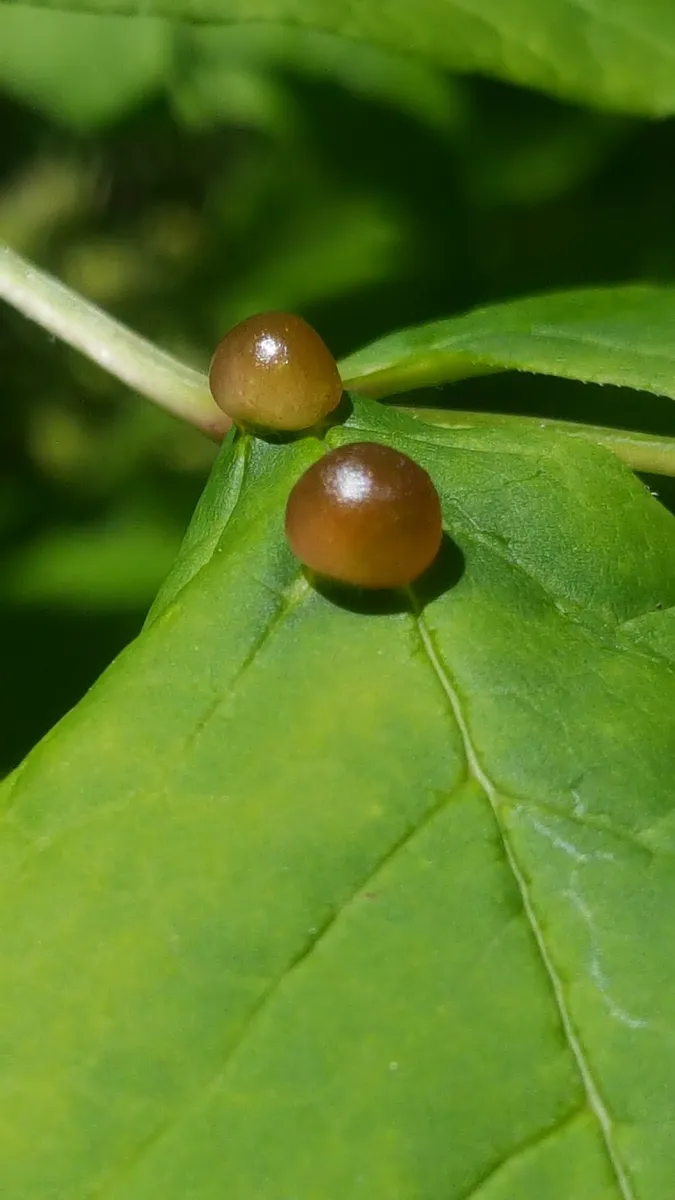
Dasineura pellex
Dasineura pellex
Induces globular swellings on the upperside of ash ( Fraxinus ) leaflets along the veins. Adults of this species have not been reared.
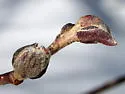
Dasineura serrulatae
Dasineura serrulatae
Causes alder ( Alnus ) buds to swell to 6-12 mm in diameter. Each gall contains several reddish larvae.
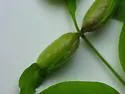
Dasineura tumidosae
Dasineura tumidosae
Causes succulent midrib or petiole swellings on ash ( Fraxinus ) leaflets. Contarinia thalictri has also been reared from these galls, but less commonly, so this species may be an inquiline.
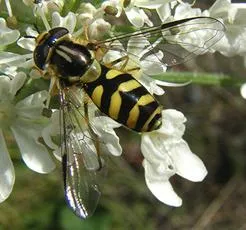
Dasysyrphus albostriatus
Dasysyrphus albostriatus
The downward facing yellow bars help to identify this species, sometimes fused into inverted 'V's. Two grey stripes on the thorax are also a distinguishing feature. Often found on warm spring days in April and May, though can be found until November.
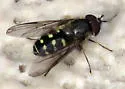
Dasysyrphus occidualis
Dasysyrphus occidualis
Identification: Maculae on tergites not reaching edge of abdomen, maculae deeply incised to divided.
Dasysyrphus venustus
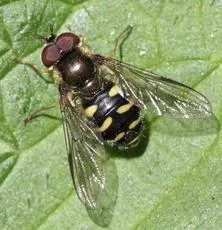
Dasysyrphus venustus
The yellow bars reach the margins of the abdomen with inflated inner ends, so appearing to curve upwards. It flies from April to September, peaking May and early June, and is most commonly seen in spring. This species is widespread in most of Britain
Daylily Leafminer
Ophiomyia kwansonis
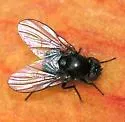
Non native, from Japan. First detected in Florida on 17 March 2011 "The first possible evidence of this insect in the U.S. is an image posted at Bugguide.net , taken 4 July 2006 in Kennebunk, Maine by V.J. Hickey. It was described as a 3 mm fly, alwa
Delia platura
Delia platura
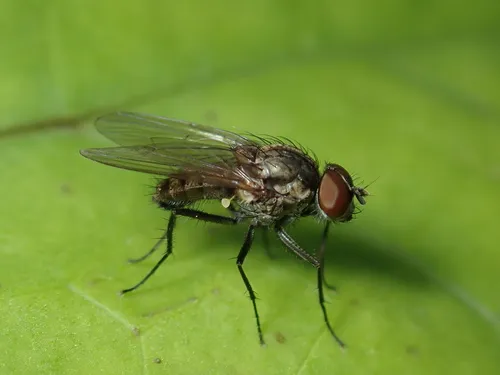
This small greyish fly is the most commonly recorded of the Anthomyiidae and generally abundant everywhere. It is around 8mm with a dark median line at the front of the scutum (top of the thorax). As with many flies it is under-recorded as it can onl
Delia pluvialis
Delia pluvialis
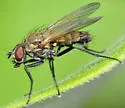
Identification: Male with lower corner of third tergite greatly enlarged (visibly so in lateral view), fifth sternite with very long hairs.
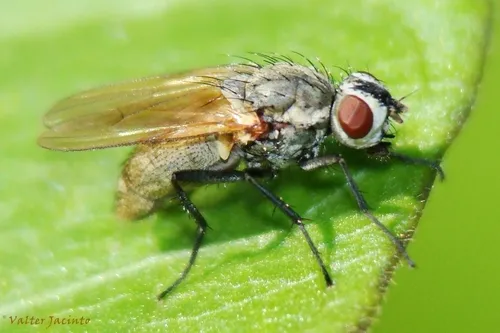
Delia radicum
Delia radicum
The adult flies are approximately 6.5 mm long and are grey-brown in colour with a darker stripe along the back of the abdomen. This species has a red ID rating and unless identified by a known expert you must provide a satisfactory explanation of how
Demeijerea brachialis
Demeijerea brachialis
Differs from D. atrimanus primarily in the pale band on the fore basitarsus. They may not be distinct species. If identical, the name brachialis has priority.
Deopalpus hirsutus
Deopalpus hirsutus
Identification: Ocellar bristles reduced or absent, last visible segment of abdomen contrasting red, parafrontal stripes yellowish for entire length (covered with thin, gray pollen), antenna red at base and blackened at tip.
Deopalpus parksi
Deopalpus parksi
Identification: Ocellar bristles present, pleura with black and white hairs (vs. all black in most species), male frons with two strong rows of bristles, last segment of antenna longer than previous. Other unusual characters are the single strong pa
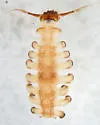
Deuterophlebia shasta
Deuterophlebia shasta
Identification: Mesothorax of pupa with long spine arising from conical base above respiratory organ. Other American species (or most other American species) have no spine or a short spine.
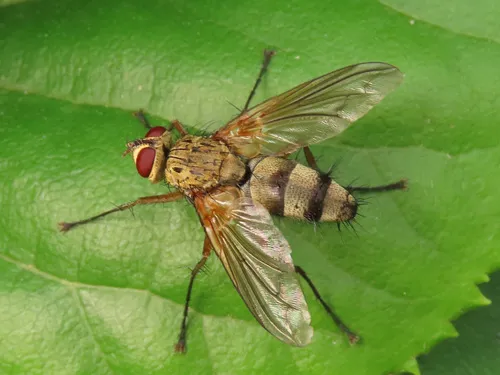
Dexiosoma caninum
Dexiosoma caninum
This is a tachinid fly - a parisitoid which lays its eggs on other species. It is a long-legged, bristly fly. The abdomen appears banded and varies from greyish to buff and brown. It is often seen in woods in Britain sitting on Bracken. The larvae of
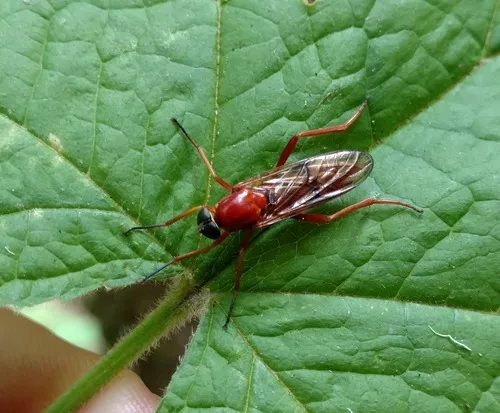
Dialysis dispar
Dialysis dispar
Identification: Distinguished from all but one species of Dialysis by having an outer as well as an inner spur on the front tibia. Male distinguished from D. kesseli "by having indistinct vitta, the mesothorax, scutellum, and hind coxa fuscous, and t
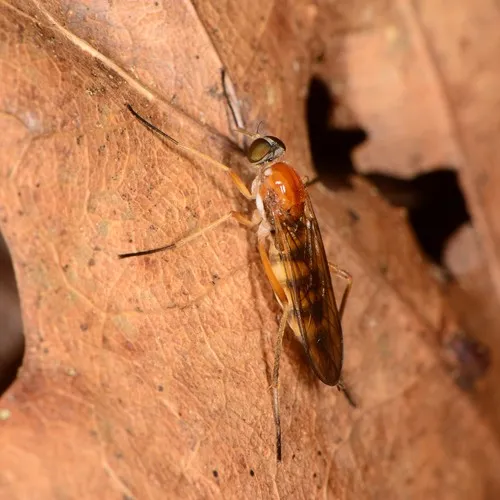
Dialysis elongata
Dialysis elongata
Identification: Major features include cell M3 absent and tergites with large black spot at base, with hind end blunt. Easily recognizable from all other Eastern species by having the fore and mid tibiae pale.
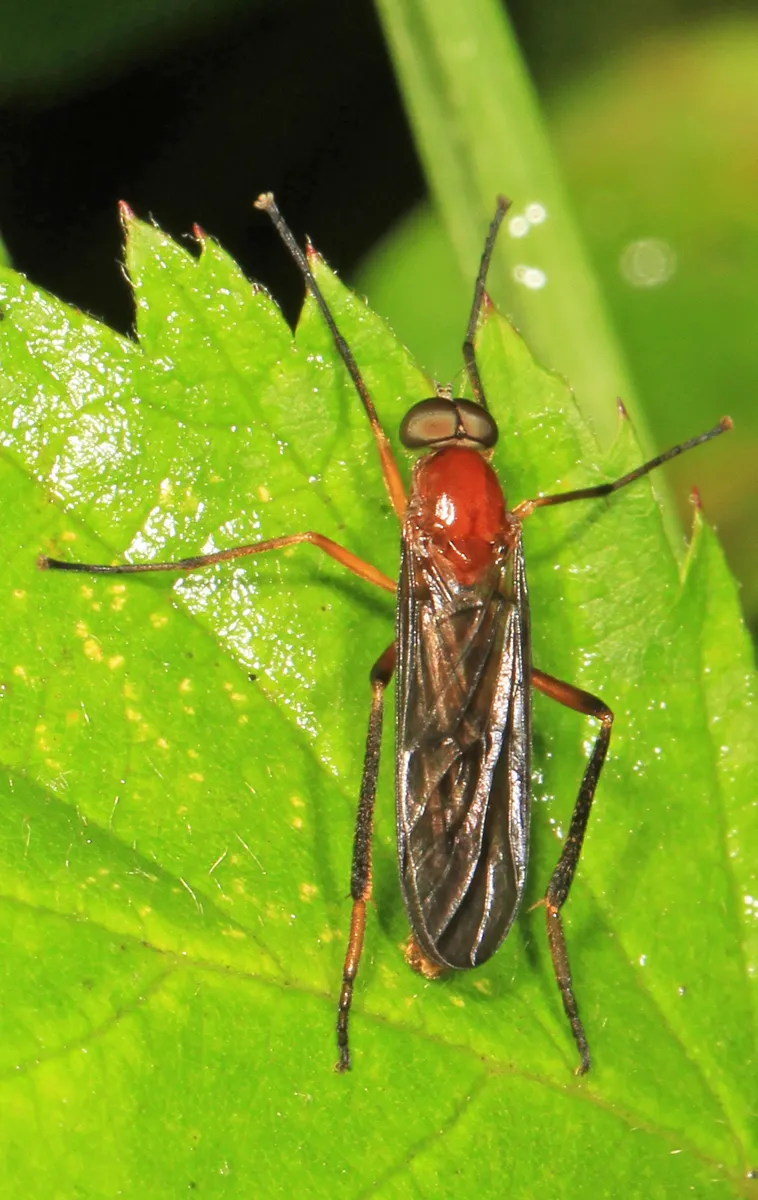
Dialysis rufithorax
Dialysis rufithorax
Identification: Red thorax (top and sides), small black spots on top of abdominal segments 2-6 Easily distinguished from other Eastern species as it is the only one without dark bands on the abdomen.
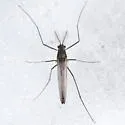
Diamesa nivoriunda
Diamesa nivoriunda
Identification: One of a few species with a very long anal point. The triangular gonostylus is distinctive. One other species may, rarely, have a gonostylus that is a right triangle rather than isosceles. " D. nivoriunda is the most common northeast
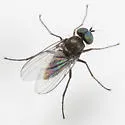
Diaphorus nigricans
Diaphorus nigricans
Identification: Black species, including legs and halteres, eyes of male contiguous on top of head.
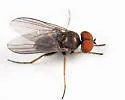
Diaphorus pseudopacus
Diaphorus pseudopacus
This widepsread species (absent from arctic and Pacific states) was only named in 1964 because it had formerly been confused with the even more widespread Diaphorus nigricans . The name means "false opacus" because it had previously been called opac
Dichaeta caudata
Dichaeta caudata
Identification: Examination of male genitalia needed for identification.
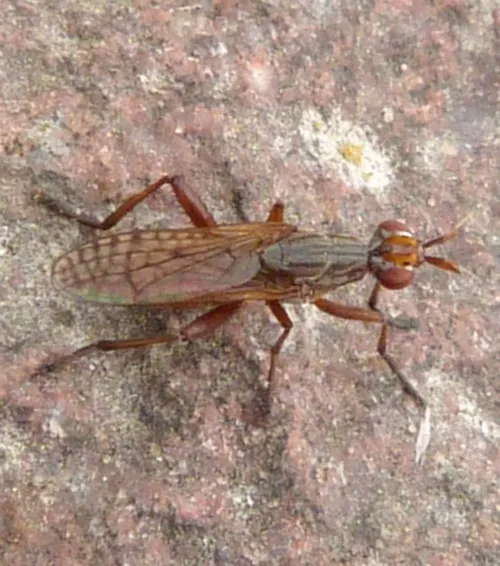
Dichetophora finlandica
Dichetophora finlandica
Length 7 or 8 mm. An attractive fly with a rust coloured abdomen and grey thorax. The legs of this species are also rust coloured with no lighter band on the femora. Dichetophora obliterata is similar, but that species has a pale yellow band at the u
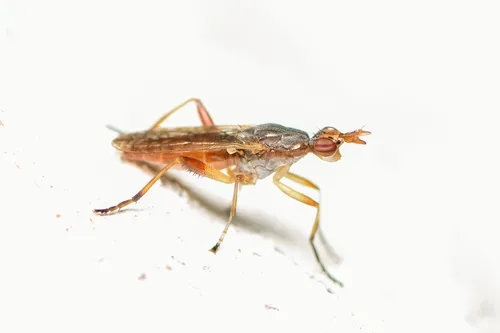
Dichetophora obliterata
Dichetophora obliterata
An attractive fly with a rust coloured abdomen and grey thorax. The thighs are quite distinctive, being orangey-red just above the knee joint but pale in the upper parts nearer to the body. Dichetophora finlandica is similar but it does not have the
Dicranomyia defuncta
Dicranomyia defuncta
Identification: Species of Dicranomyia with spots in wing cells including bm, no spots crossing vein Cu but some spots may touch it on either side, and femora with dark markings aside from the terminal ring. Previously confused with other members of
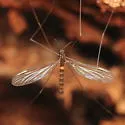
Dicranomyia fusca
Dicranomyia fusca
Identification: Dark-colored Dicranomyia with macrotrichia in outer wing cells. The only species of subgenus Numantia .
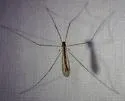
Dicranomyia ypsilon
Dicranomyia ypsilon
Identification: Male with "proctiger appearing as a blackened Y-shaped rod extending from beneath the posterior margin of the tergite ", which according to Alexander 1959c suggested the specific epithet to him.
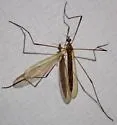
Dicranoptycha melampygia
Dicranoptycha melampygia
Identification: Dorsal dististyle dark, curved, tapering to point. Ventral dististyle narrowest near midlength with blunt apex. " D. melampygia may be distinguished from occidentalis by the dark brown body color, dense costal fringe, and detailed str
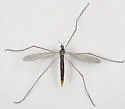
Dicranoptycha sobrina
Dicranoptycha sobrina
Identification: Sternites yellow with anterior (not middle) gray band.
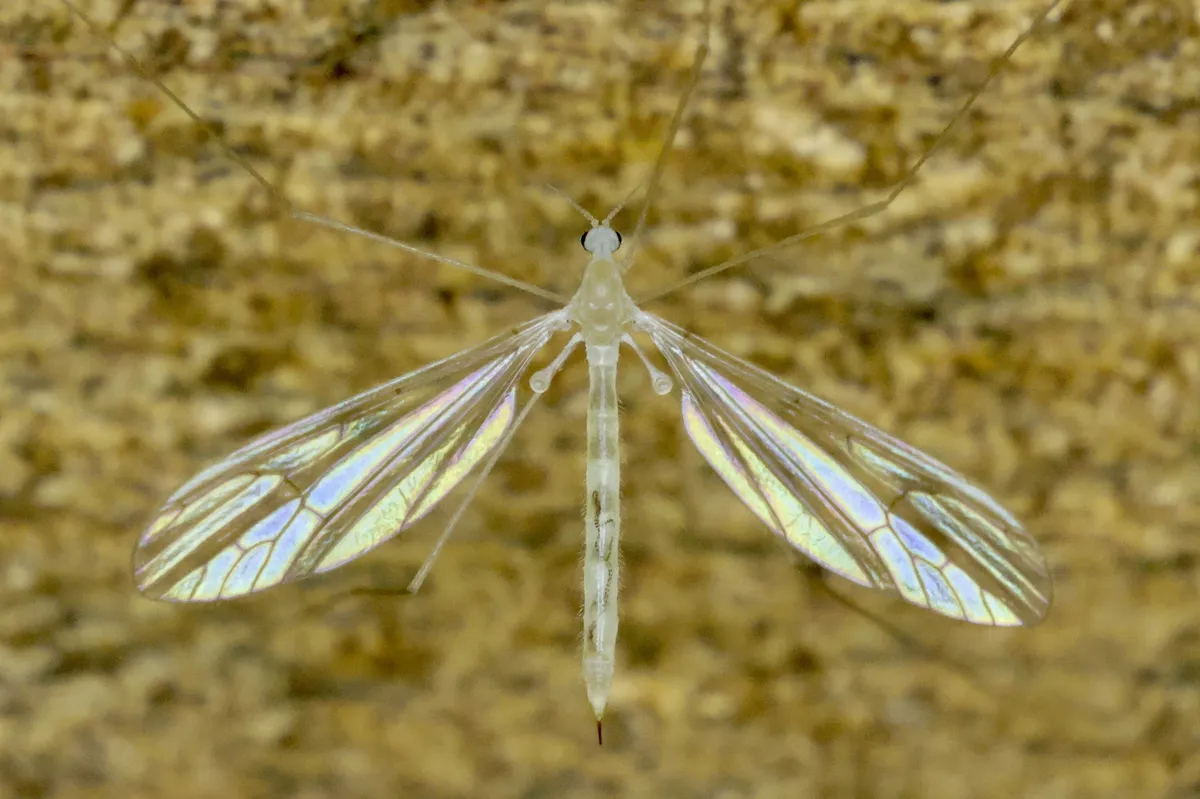
Dicranota flaveola
Dicranota flaveola
The most common insect emerging from cold water springs in southern Ontario, found at 93% of sites. (Gathmann and Williams 2006)
Dicranota rivularis
Dicranota rivularis
Identification: Extra crossvein in cell r1, Rs short with sharp bend, cell m1 absent (M1+2 unforked), scutum with three dark stripes.
Dictya texensis
Dictya texensis
Second most commonly collected Sciomyzid in Indiana.
Didactylomyia longimana
Didactylomyia longimana
Identification: Body bright yellow, possibly with dark spots on thorax and base of abdomen. Antennae brown, yellow at base. Wing yellow, possibly with 1-4 brown spots. Legs with dark joints and yellow hind tibiae and femora, the rest varying from
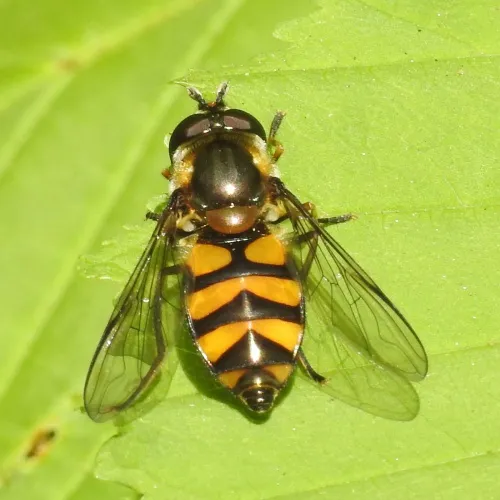
Didea fasciata
Didea fasciata
Wing length 8.25 to 11 mm. The markings of English specimens of this species are usually orange. The presence of a yellow club on the halteres will readily distinguish fasciata from other Didea species. The scutellum has black spots at the front corn
Dilophus arizonaensis
Dilophus arizonaensis
Identification: The female thorax and legs are mostly yellow (one or the other darker in most species). The male has thorax mostly black but the legs are still unusually pale. There are two sets of spines on the front tibia (vs. three in a few spec
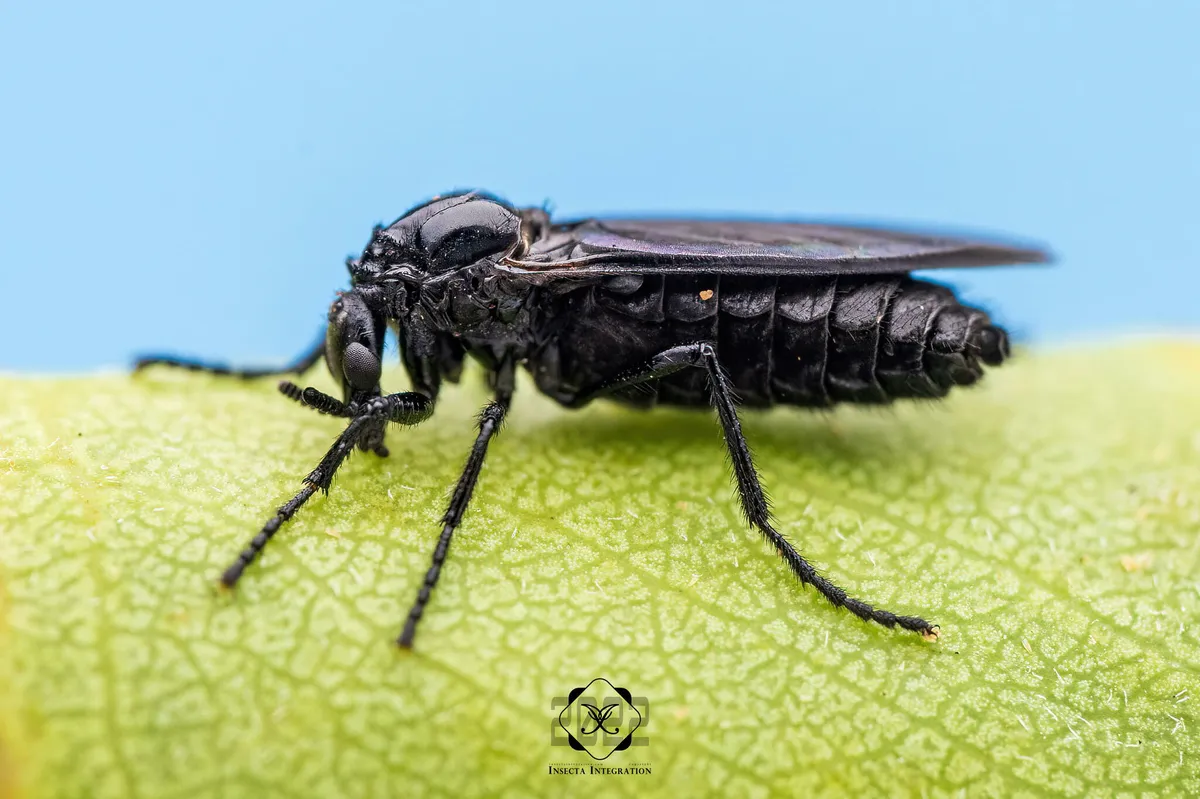
Dilophus orbatus
Dilophus orbatus
Identification: In California the female is easily distinguished from other members of the genus by the all black color with black wings and two sets of spines on the front legs.
Dilophus stigmaterus
Dilophus stigmaterus
Identification: In the Northeast this species is distinguished by the long rostrum ("nose") and two sets of spines on the fore tibia.
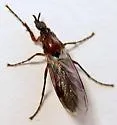
Dilophus strigilatus
Dilophus strigilatus
Identification: Teeth of tibial and thoracic combs very large and blunt. Two sets of "comb-like teeth" on front tibiae (vs. three sets for D. spinipes , which has a similarly reddish thorax). Stigma at apex of radial vein of wing is dark brown to bl
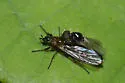
Dilophus tibialis
Dilophus tibialis
Females with red thorax are usually identifiable. Females with black thorax and males are unlikely to be identified from photos.
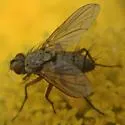
Dinera grisescens
Dinera grisescens
In Europe, a parasitoid of Harpalus (Carabidae) flying from May to October. In America, there is a possible record from Phyllophaga (Scarabeidae). DNA barcoding suggests the American species is distinct from the European species.
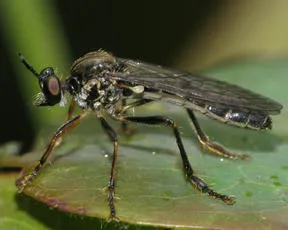
Dioctria baumhaueri
Dioctria baumhaueri
Length 8 to 13 mm. This is a mainly black robber fly, but the front two pairs of legs are orange with a dark stripe along the upper surface. It also has a pale stripe on the side of the thorax. Unless identified by a recognised expert, a photo is req
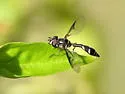
Dioprosopa clavata
Dioprosopa clavata
Identification: Similar to Baccha and Ocyptamus , but scutellum with yellow bands (vs. all black); more here ( 6 )
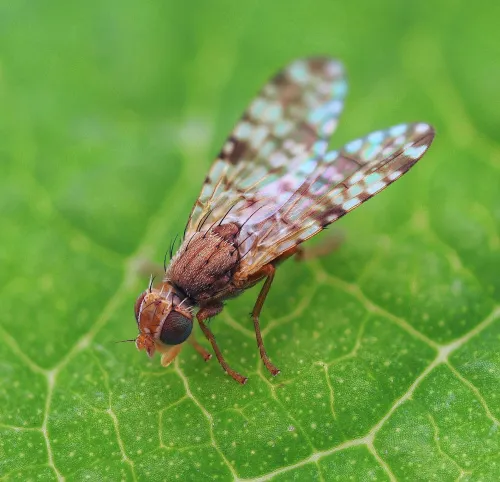
Dioxyna bidentis
Dioxyna bidentis
Wing-length 3.2-3.7mm. Head in profile with prominent lip above mouth edge. Apical scutellar bristles either very reduced or absent, <0.25 length of basal bristles. Wing pigmentation characteristic. Detailed phots of key features required. Feeds on o
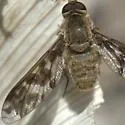
Dipalta serpentina
Dipalta serpentina
Identification: wing venation distinctive: R2+3 contorted into an S-shape and connected by a cross-vein to R4 ―see diagram
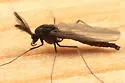
Diplocladius cultriger
Diplocladius cultriger
Diplocladius cultriger (Diplocladius cultriger) is a species in the family Chironomidae, commonly known as non-biting midges, belonging to the order Diptera (Flies). It is classified within the subfamily Orthocladiinae, superfamily Chironomoidea. Thi
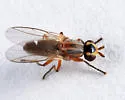
Diplotoxa versicolor
Diplotoxa versicolor
Identification: Distinguished from other Diplotoxa and Neodiplotoxa by the combination of characters The middle stripe on the thorax tends to be redder than the outer stripes.
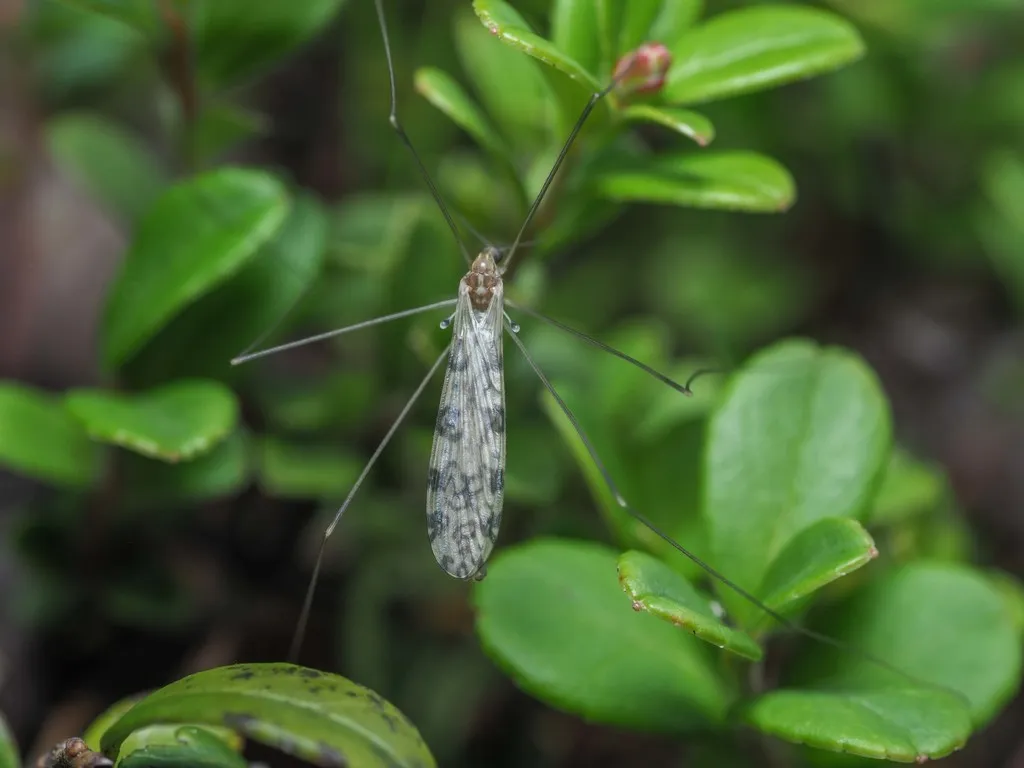
Discobola annulata
Discobola annulata
Identification: body yellowish or greenish-yellow; wings yellow with a supernumerary cross vein in cell 1st A, connecting the two anal veins; series of eye-like brown markings along costal margin; femora with subterminal black ring and clear yellow a
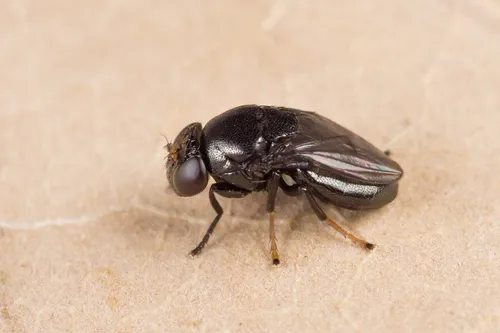
Discomyza incurva
Discomyza incurva
Length 2.5-3mm. A strongly arched, compact thorax gives the fly a hunchbacked appearance in lateral view. The femora and tibiae are primarily dark, but the middle and hind tarsi are orange to yellowish. Most frequently encountered in grasslands, mead
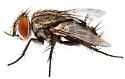
Distichona kansensis
Distichona kansensis
Identification: Strong pre-alar, reclinate ocellars, bare eyes, bare parafacial, cell r5 closed in wing margin or with short petiole, legs black or with tibiae faintly reddish.
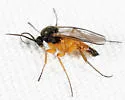
Docosia dichroa
Docosia dichroa
Identification: Black thorax, yellowish-orange abdomen with black tip (males) or orange tip (females). This species cannot be identified without examination of genitalia. Several species (fimbria, paradichroa, and walpurga) as well as at least one u
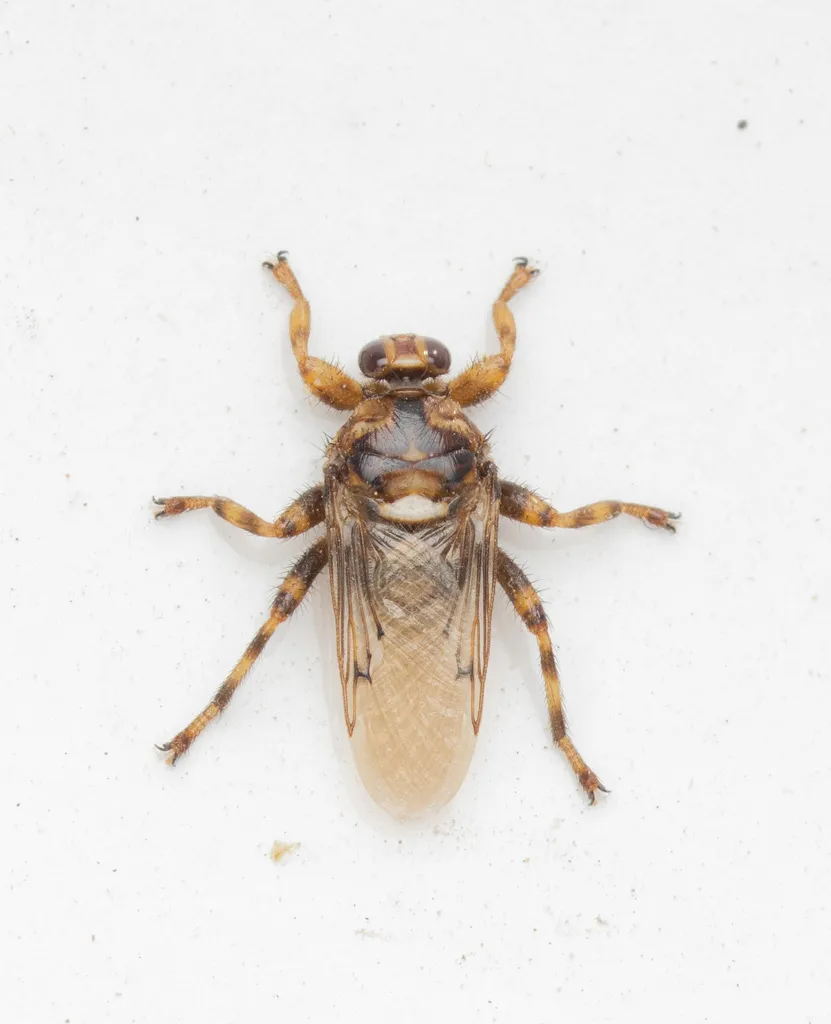
Dog Fly
Hippobosca longipennis
earliest NA record: 1972 (on captive cheetah); may not be established
Dolichopeza carolus
Dolichopeza carolus
Identification: The only eastern species with pure white tarsi
Dolichopus absonus
Dolichopus absonus
Identification: Similar to Dolichopus cuprinus , except in male secondary sexual characters: Female is not distinguishable from species related to cuprinus , except longipennis has wing slightly narrowed at base.
Dolichopus adultus
Dolichopus adultus
Identification: In Group B of Van Duzee (1921): Femora, postocular cilia, and squamal cilia dark. Male antennae long with arista beyond middle of third segment.
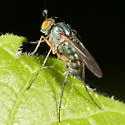
Dolichopus brevimanus
Dolichopus brevimanus
Identification: Distinguished from Dolichopus albicoxa by the plain fore tarsi of the male.
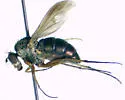
Dolichopus brevipennis
Dolichopus brevipennis
Identification: One of a small number of species with postocular cilia dark, femora pale, and antennae entirely black.
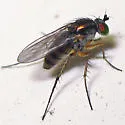
Dolichopus comatus
Dolichopus comatus
Identification: Middle tibia of male with very long bristles; middle basitarsus of male with row of long bristles of decreasing length.
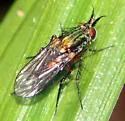
Dolichopus consanguineus
Dolichopus consanguineus
Identification: Orbital cilia black, large, with a conspicuous patch of orange hairs. Antennae long, hairy, black with a large yellow projection below.
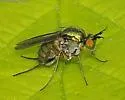
Dolichopus crenatus
Dolichopus crenatus
Identification: Distinguished from other species with lamellicornis -like antennae by the pale setae of the calypters and the thick arista of the male.
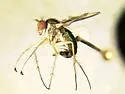
Dolichopus cuprinus
Dolichopus cuprinus
Identification: Males distinguishable from other species with similarly ornamented fore tarsi by the long, yellow hairs under the hind femur (shorter or missing in most other species) and the costa not strongly swollen at the tip of R1.
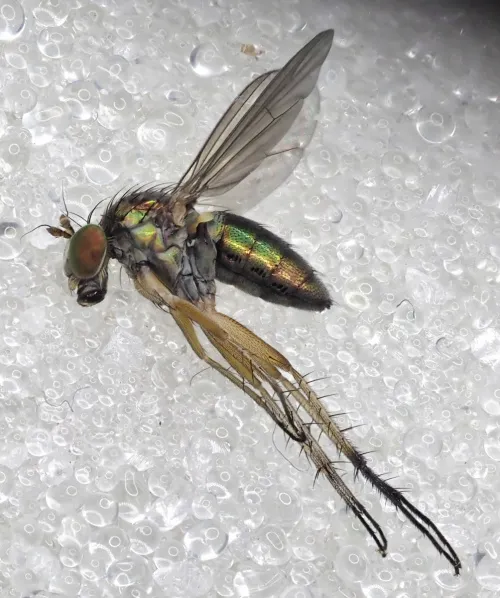
Dolichopus discifer
Dolichopus discifer
5-6.5mm. Typical of the genus with a green, metallic body and long legs. It is a predator of aphids, springtails and similar small invertebrates. Males have enlarged front tarsi used in courtship to woo a female. Identification requires close examina
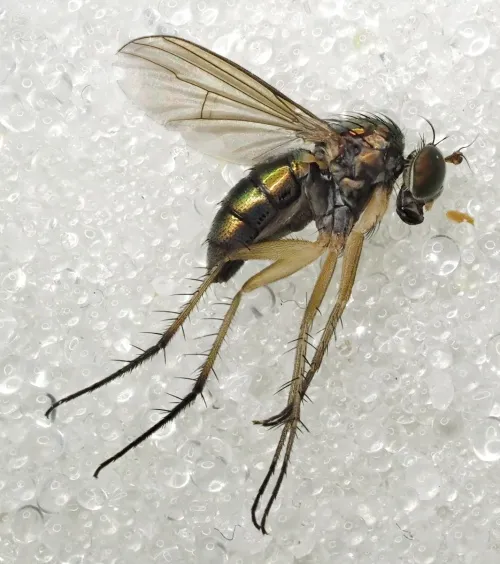
Dolichopus festivus
Dolichopus festivus
5-7mm. A typical Dolichopus species with a metallic green body. See ID Guidance: for detail. Unless identified by a recognised expert, a photo is required, and the specimen should be examined with a microscope. In the comments box, state the key or I
Dolichopus footei
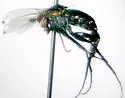
Dolichopus footei
Identification: "The wholly black coloration of body and legs together with the black hypopygial lamellae and small jet-black spot at apex of wing will readily distinguish this species from all of the known members of the genus Dolichopus ." (Harmsto
Dolichopus gratus
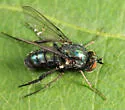
Dolichopus gratus
Identification: One of a few Eastern species with femora, postocular hairs, and hairs of squama all black. Hind tibia black with upper edge yellow at base. Costa of male strongly swollen at tip of R1.
Dolichopus griseipennis
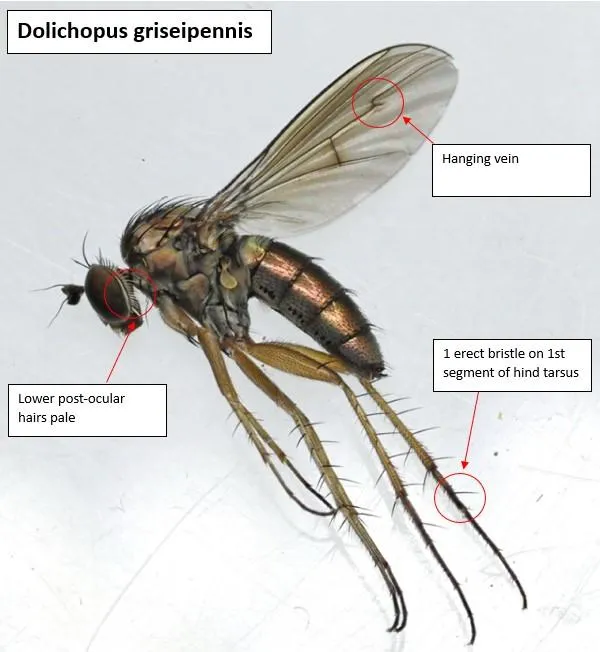
Dolichopus griseipennis
D. griseipennis can be identified by viewing the following combination of features: the lower post-ocular hairs (on the outer rim of the eye) are pale, though dark near the top of the eye; there is a fringe of setae on the inside of the hind femur an
Dolichopus lamellicornis
Dolichopus lamellicornis
Identification: Distinguished from most similar species by the tufts of yellow hair on the second tergite. Dolichopus arizonicus has similar hairs and is distinguished by longer antennae and dark hairs on the calypters.
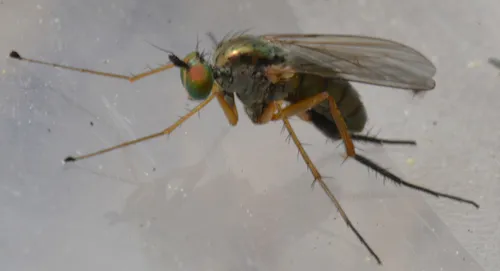
Dolichopus longimanus
Dolichopus longimanus
" Dolichopus longimanus Loew is a species with much elongated front tarsi, the last joint being black and enlarged. I observed the courtship on the trunks of trees at Simpson Park, Big Stone City, South Dakota, in 1896, and although I have no notes I
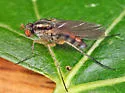
Dolichopus longipennis
Dolichopus longipennis
Identification: Base of male wing modified. See Van Duzee et al. 1921 page 289 and figure 213
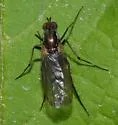
Dolichopus mannerheimi
Dolichopus mannerheimi
Identification: Black femora, male with dark spot near wingtip, white band on mid tibia, and white spot near tip of mid basitarsus. "The only species known from North America which is at all similar to this one is annulipes Zetterstedt ( stehammari o
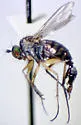
Dolichopus pachycnemus
Dolichopus pachycnemus
Identification: Postocular cilia black. Fore and mid femora and tibiae yellow, hind with black tips. Male with last segments of fore tarsus black and slightly widened.
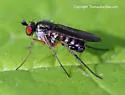
Dolichopus pantomimus
Dolichopus pantomimus
Identification: Antennae black, third segment long. Hind legs black from tip of tibia. Mid legs black from tip of first segment of tarsi. Fore legs darkened near tips, but without sharply defined black region and without ornaments. Hind femora wi
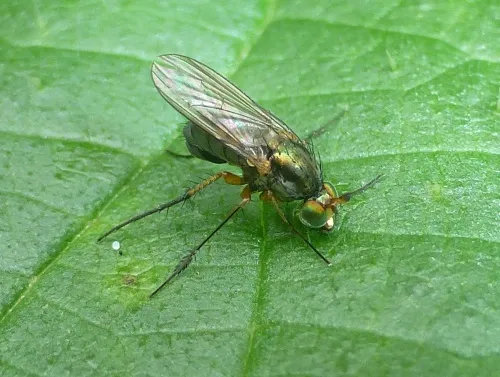
Dolichopus plumipes
Dolichopus plumipes
This is a small dolichopid fly with a metallic green thorax. Males have strangely adorned legs, with which they impress the females. Dolichopus plumipes is very similar to Dolichopus wahlbergi and detailed examination is necessary to distinguish betw
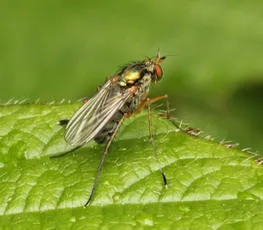
Dolichopus popularis
Dolichopus popularis
This species is typical of the genus where males have very large genitalia tucked under the abdomen and it typically rests with its front end raised - like a begging dog. Most species in the genus also have a brassy gold sheen. D. popularis has a who
Dolichopus ramifer
Dolichopus ramifer
Identification: M with long stump vein at curve. Antennae long, black. Hind legs black from tip of tibiae. Thorax and front dark, shining. Mid tibia with one long bristle below; mid basitarsus without strong bristle above. Mid femora often with
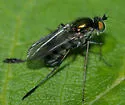
Dolichopus remipes
Dolichopus remipes
Identification: Male with long hairs on last three segments of hind tarsi.
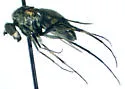
Dolichopus stenhammari
Dolichopus stenhammari
Identification: Usually with a white band on the mid tibia. This is the type species of Melanodolichopus , a group of dark-colored Dolichopus .
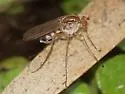
Dolichopus superbus
Dolichopus superbus
Identification: The combination of the fore legs, male genitalia, and general color are distinctive. See Van Duzee 1921, figs. 211-211b .
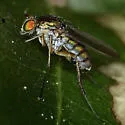
Dolichopus tenuipes
Dolichopus tenuipes
Dolichopus tenuipes "has the fore tarsi in the male exceedingly elongated, and slender, with the last joint in the shape of a comparatively large, oval black disk... I observed in September the maneuvers of the male in courting the female. He would p
Dolichopus trivialis
Dolichopus trivialis
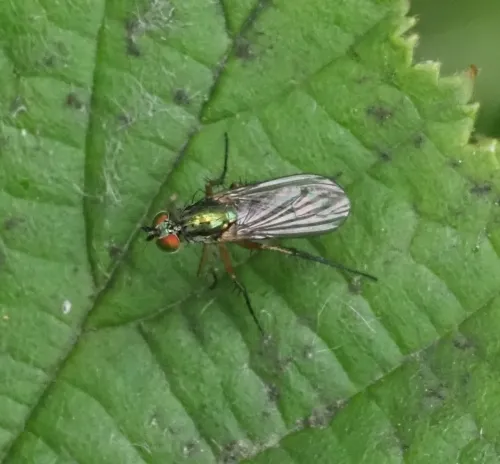
4-5 mm. Metallic green abdomen and thorax, yellow legs with dark tarsi. Pale hair fringe under hind femora. Single apical bristle on the front tarsus (basal segment). Grassland, gardens and post industrial sites. Feeds on midges and other small ins
Dolichopus ungulatus
Dolichopus ungulatus
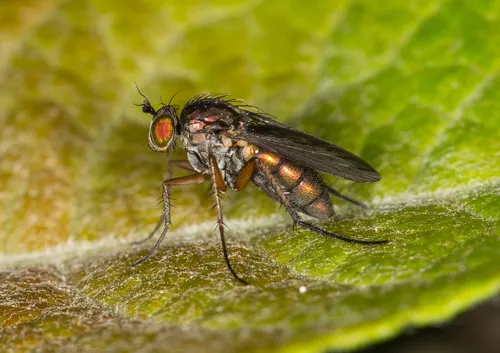
A typical and very common Dolichopid with a metallic green abdomen. See the ID checklist below for the key characteristics. Damp habitats, wet grassland, woodland edge, scrub and hedgerows.
Dolichopus versutus
Dolichopus versutus
Identification: The male is distinguished from related species by the combination of
Dolichopus vigilans
Dolichopus vigilans
Identification: Last three segments of male fore tarsus swollen into a black triangle contrasting with yellow first and second segments. Similar to ornaments of several other species, but different in detail.
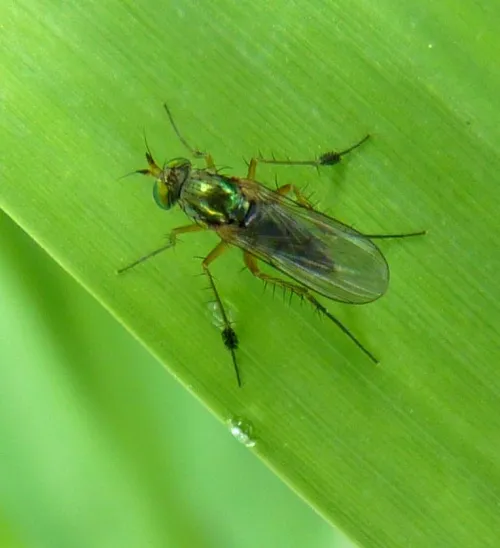
Dolichopus wahlbergi
Dolichopus wahlbergi
4.5-5.5mm. Metallic green. Legs all yellow. Males have the basal segment of the mid tarsus modified into black pennate extensions, looking like a thick feather. Dolichopus plumipes is similar but has a dark anterodorsal streak down the mid tibia. Gra
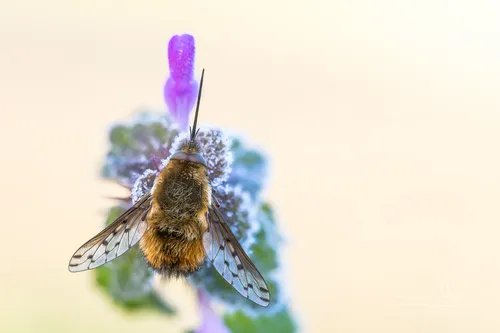
Dotted Bee-fly
Bombylius discolor
Size up to 20mm with a hairy body resembling a bumblebee. The body is typically brown with a distinctive black tip to the abdomen (c.f. Bombylius major ). The wings are long and narrow, often held outstretched at rest, with a faint dark front edge an
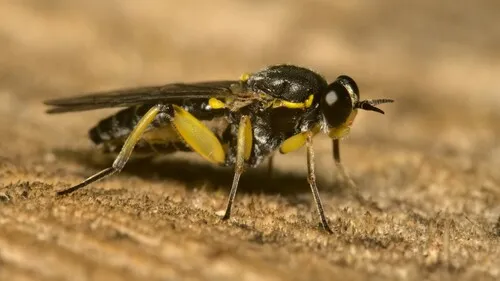
Drab Wood-soldierfly
Solva marginata
Length about 7 mm. This is a black bodied species, the scutellum is pale yellow. Unless identified by a recognised expert, a photo is required. If the photo doesn't show the key ID features then in the comments box describe the size and identifying c