
Butterflies and Moths
Order Lepidoptera
The Butterflies and Moths (Order Lepidoptera) includes 11,813 species across 112 families and 2,787 genera in our directory.
About Butterflies and Moths
Lepidoptera includes approximately 180,000 described species of butterflies and moths. Moths outnumber butterflies roughly 10:1. The monarch butterfly's eastern population has declined by more than 80% since the mid-1990s, and the western population by over 95% since the 1980s. The IUCN lists the migratory monarch as Vulnerable.
Economic Impact
Lepidoptera are critical pollinators. In Europe, grassland butterfly species have declined by almost 50% since the early 1990s. In the UK, three-quarters of butterflies are in decline. In the U.S., five butterfly species have gone extinct since 1950, with 29 listed as endangered.
Ecological Role
Butterflies and moths are essential indicators of ecosystem health. As caterpillars, they are a primary food source for birds - a single nest of blue tit chicks requires ~10,000 caterpillars. Adult moths pollinate many night-blooming plants.
Families in Lepidoptera (112)
Species in Lepidoptera (11,813)
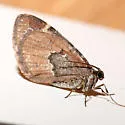
Stamnodes coenonymphata - Hodges#7341
Stamnodes coenonymphata
Identification: Tanner Matson is working on a North American revision of Stamnodes as part of his PhD dissertation; Glenn Fine's specimen "is a less common form of Stamnodes coenonymphata. This species is extremely variable in color but underside pat
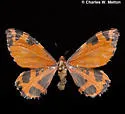
Stamnodes deceptiva - Hodges#7355
Stamnodes deceptiva
Identification: Very closely similar to S. fervefactaria , but usually found at lower elevations and apparently not ranging so far northward nor eastward. Averaging smaller in size. Light coloring variable in hue, but most commonly prevalently oran
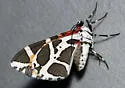
Stamnodes fergusoni - Hodges#7355.1
Stamnodes fergusoni
Identification: Adults can be immediately separated from most Stamnodes by its orange ground color and pattern of lead-gray patches across the forewing and hindwing. North of Mexico, Stamnodes fergusoni may only be confused with Stamnodes deceptiva o
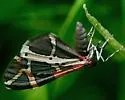
Stamnodes fervefactaria - Hodges#7354
Stamnodes fervefactaria
Identification: Very closely similar to S. deceptiva , but usually found at higher elevations and apparently ranging farther northward. Averaging larger in size. Light coloring variable in hue, often orange above and distinctly pinkish below, or may
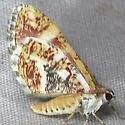
Stamnodes formosata - Hodges#7347
Stamnodes formosata
Stamnodes formosata - Hodges#7347 (Stamnodes formosata) is a species in the family Geometridae, commonly known as geometrid moths, belonging to the order Lepidoptera (Butterflies and Moths). It is classified within the subfamily Larentiinae, tribe St
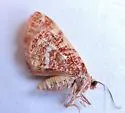
Stamnodes franckata - Hodges#7350
Stamnodes franckata
Identification: See original description in the print references below.
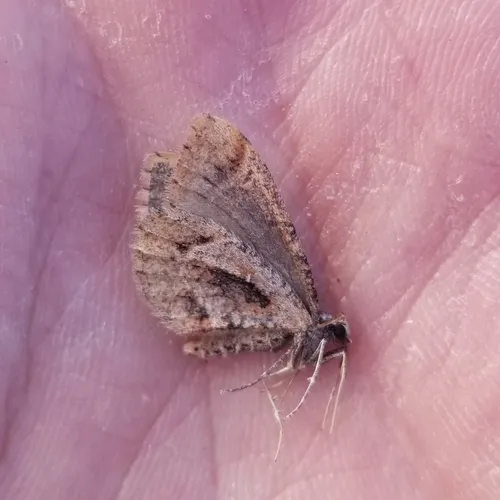
Stamnodes reckseckeri - Hodges#7336
Stamnodes reckseckeri
Stamnodes reckseckeri - Hodges#7336 (Stamnodes reckseckeri) is a species in the family Geometridae, commonly known as geometrid moths, belonging to the order Lepidoptera (Butterflies and Moths). It is classified within the subfamily Larentiinae, trib
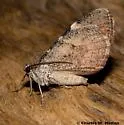
Stamnodes seiferti - Hodges#7353
Stamnodes seiferti
Identification: Upper side and lower front wing dull yellowish orange to orange; front wing crossed part way by bold dark diagonal bar, and above with dark apex often extending narrowly downward along outer margin. Lower hind wing finely mottled or s
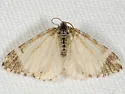
Stamnodes topazata - Hodges#7349
Stamnodes topazata
Identification: Adult: forewing variably pale cream to dark yellow, with contrasting dark gray band across apex; hindwing similarly colored but without the dark apical band
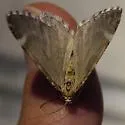
Stamnodes watsoni - Hodges#7365
Stamnodes watsoni
Identification: Distinction from S. marmorata (from further west) is weak.
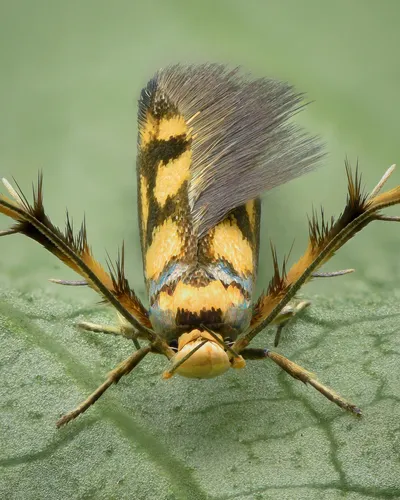
Stathmopoda pedella
Stathmopoda pedella
Wingspan 10 to 14 mm. This small but distinctive moth has a very characteristic resting position. It rests with its enlarged tufted banded hind legs with long spurs almost at right angles to the body and angled slightly upwards. Often around Alder, t
Stegea mexicana - Hodges#4859
Stegea mexicana
Identification: Description available in MONA Fascicle 13-1B at link in citations below. From key to species in the fascicle, forewing PM line more distinct than AM line, the latter chiefly indicated by a contrast between the darker basal and the lig
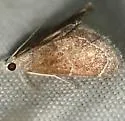
Stegea minutalis - Hodges#4862
Stegea minutalis
Identification: Description can be found in MONA Fascicle 13-1B at link in citations below. Of note, AM line obsolete.
Stegea powelli - Hodges#4863
Stegea powelli
Identification: Description can be found in MONA Fascicle 13-1B at link in citations below. From key to species in the fascicle, forewing PM line considerably more distinct than AM line which is inconspicuous or absent.
Stegea salutalis - Hodges#4865
Stegea salutalis
Identification: Considerable geographic and seasonal variation.
Stegea sola - Hodges#4860
Stegea sola
Identification: Description available in MONA Fascicle 13-1B at link in citations below. From key to species in the fascicle, forewing with AM/PM lines narrow, pale gray, inconspicuous but well defined, about equally distinct; AM line with sharp, di
Steniodes declivalis - Hodges#5178.1
Steniodes declivalis
Identification: Separating Steniodes declivalis and S. mendica is still problematic in our current state of knowledge. Range may help but these are incompletely known. Genitalia: Accepted as a tentative addition at MPG based on barcoded specimen coll
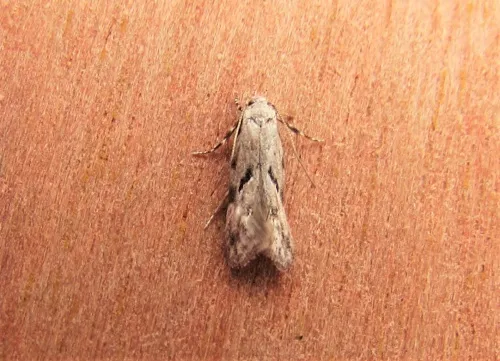
Stenolechia gemmella
Stenolechia gemmella
Wingspan 10 to 11 mm. A fairly distinctive Gelechiid moth. Unless identified by a recognised expert, a photo is required. If the photo doesn't show the key ID features then in the comments box describe the size and identifying characters you have obs
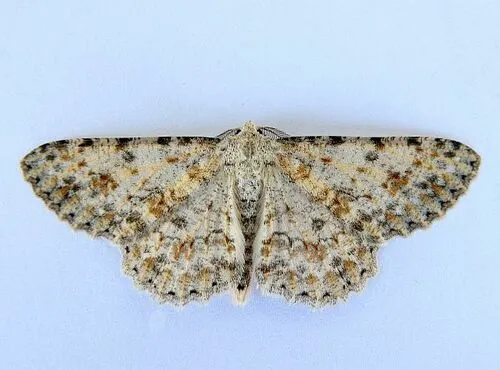
Stenoporpia dionaria - Hodges#6458
Stenoporpia dionaria
Identification: The Rindge revised description is available online in PDF. Specimens identified by DNA analysis (BOLD).
Stenoporpia macdunnoughi - Hodges#6470
Stenoporpia macdunnoughi
Identification: The Rindge revised description in PDF. The pale wings have bold discal spot and wide reddish brown bands along the transverse lines.
Stenoporpia pulmonaria - Hodges#6463
Stenoporpia pulmonaria
Identification: Specimens identified by DNA analysis:
Stenoporpia separataria - Hodges#6473
Stenoporpia separataria
Identification: Detailed description by Rindge can be found at the link in citations below.
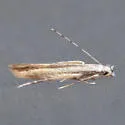
Stereomita andropogonis - Hodges#1725
Stereomita andropogonis
Identification: The original description of Stereomita andropogonis Braun, is available online in the print references below. Specimen identified by DNA analysis (BOLD). ( 3 ) Genitalia: Adults fly at dawn and dusk. ( 4 )
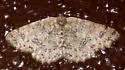
Stergamataea delicatum - Hodges#6710
Stergamataea delicatum
Identification: Head, thorax, abdomen and ground color of wings dark flesh color with a brownish cast, the wings sprinkled over with dark scales, especially in the outer areas. See original description listed below for a complicated description of b
Stergamataea inornata - Hodges#6709
Stergamataea inornata
Identification: Original description by Hulst can be found at link in citations below.
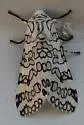
Stictocompe oslari - Hodges#8148
Stictocompe oslari
Identification: Smaller than the other Hypercompe with which it overlaps in range, with the forewing spots proportionately larger and packed more closely together.
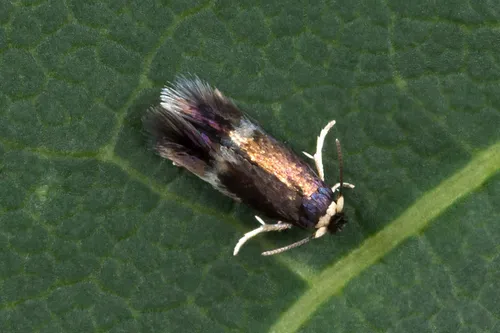
Stigmella aceris
Stigmella aceris
Wingspan 3.7 to 4.7mm. The larva mines the leaves of Field Maple and Norway Maple, making a gallery almost filled with coiled greenish frass; later on the frass darkens. Found in woodland, gardens, hedgerows and parkland in areas where Field Maple is
Stigmella altella - Hodges#0101
Stigmella altella
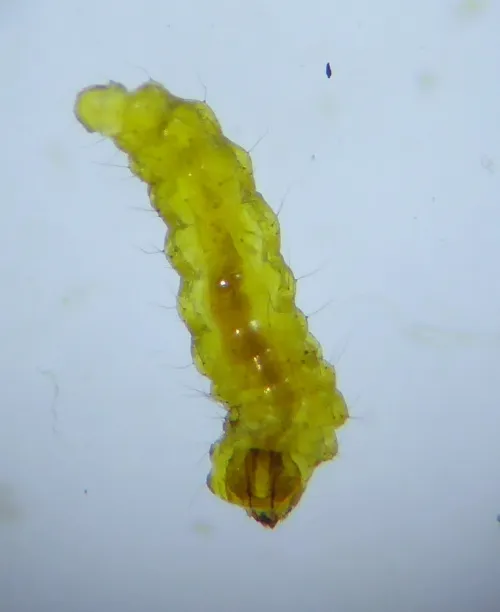
Identification: Adult and larval mine - see Braun in Print References. Larva - yellow with a row of dark brown dashes along the mid-ventral line. The larva makes a contorted linear mine on the underside of an oak leaf.
Stigmella atricapitella
Stigmella atricapitella
Wingspan 4.5 to 6 mm. Stigmella atricapitella has a black head and dark brownish wings with a bronzy sheen. The larva mine the leaves of various oaks in two generations. The first generation produce a short gallery with frass in thick line. The secon
Stigmella aurella
Stigmella aurella
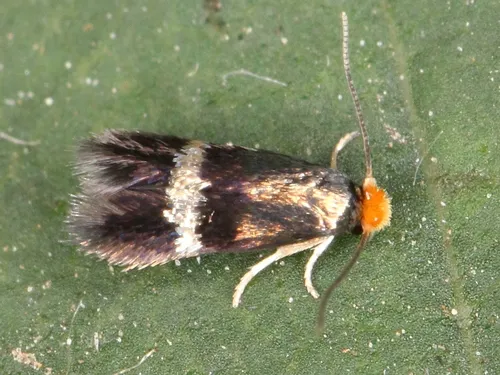
Wingspan 6-7 mm. Adults may only be identified via dissection or if reared from a leaf mine [when orange head colouration separates from black head of S. splendidissimella ]. The leaf mines are common on Bramble and other herbaceous species in the Ro
Stigmella basiguttella
Stigmella basiguttella
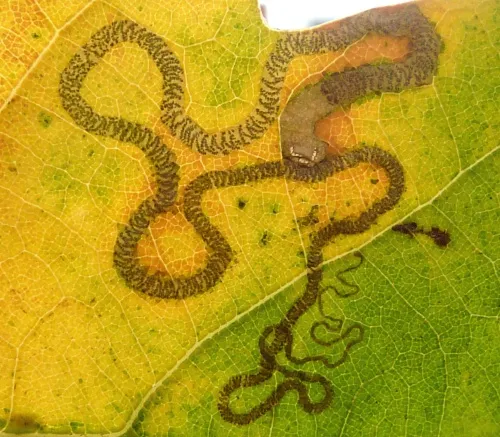
The larvae of Stigmella basiguttella produce leaf mines on Oak. This is a long sinuous gallery, widening gradually and filled with green frass, which becomes brown later in the year. The adult moth has a dark head, bronzy brown forewing with green ti
Stigmella betulicola
Stigmella betulicola
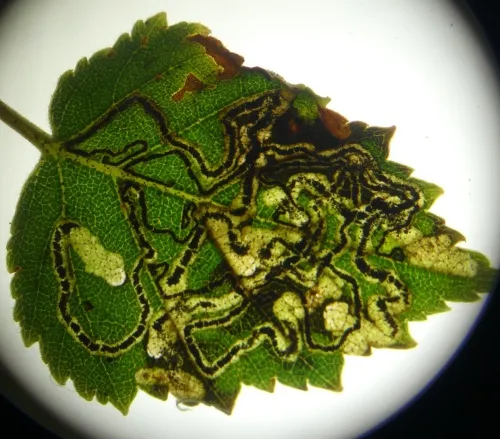
Wingspan about 5 mm. The larva creates a contorted gallery mine in leaves of Birch (Betula), leaving a central irregular line of frass. The mine resembles that of S. luteella, but is far less contorted at the beginning. The larva shows a line of dark
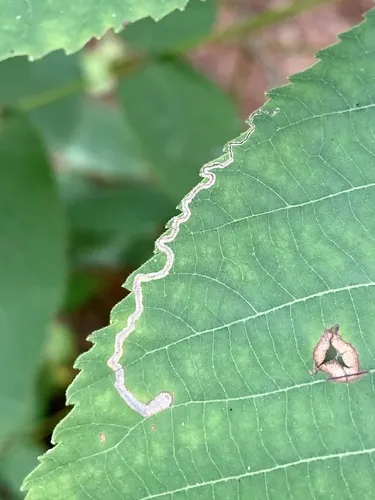
Stigmella caryaefoliella - Hodges#0093.1
Stigmella caryaefoliella
Stigmella caryaefoliella is a species of pygmy eye-capped ,oth in the family Nepticulidae found in North America....
Stigmella castaneaefoliella - Hodges#0090
Stigmella castaneaefoliella
Identification: Larva bright green, cocoon ochraceous
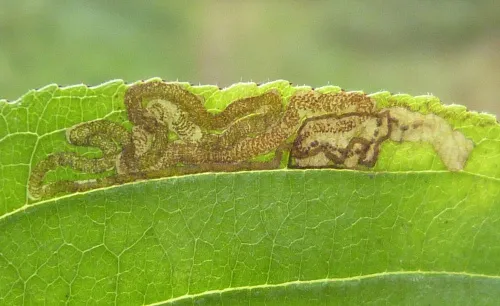
Stigmella catharticella
Stigmella catharticella
The combination of ferruginous-orange head, white collar and eyecaps, and white tornal spot, is distinctive, but the species is much more frequently recorded in the larval stage due to possible confurion of adult with other Stigmella species. The lar
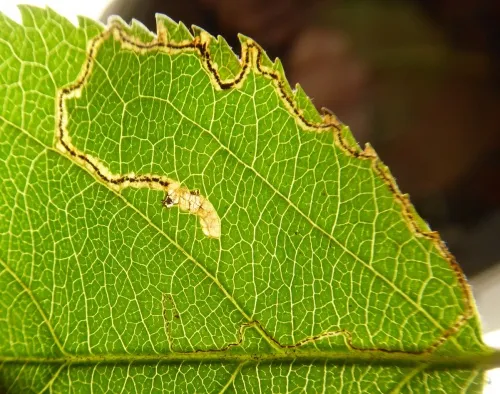
Stigmella confusella
Stigmella confusella
Wingspan 5 to 6 mm. The larva mines the leaves of Birch. The leafmine is similar in appearance to that of S. lapponica , but has a black central line of frass throughout, unlike that species. The adult moths are similar to several other species in th
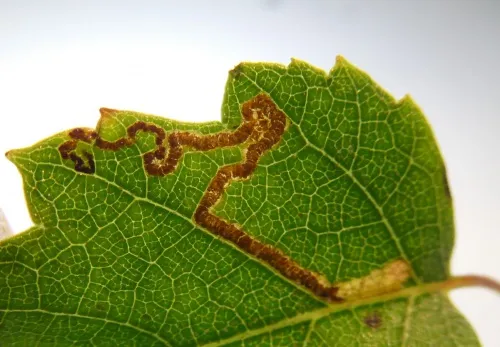
Stigmella continuella
Stigmella continuella
The adult moth has dark wings with a silvery fascia, orange head and white eyecaps. The larva mines the leaves of Birch, creating a gallery with a contorted start, filled with coiled frass.. Stigmella sakhalinella also makes a gallery with coiled fra
Stigmella corylifoliella - Hodges#0092
Stigmella corylifoliella
An unusually polyphagous nepticulid, recorded as mining leaves of various Betulaceae, Ericaceae, Myricaceae, Rhamnaceae, and Rosaceae.
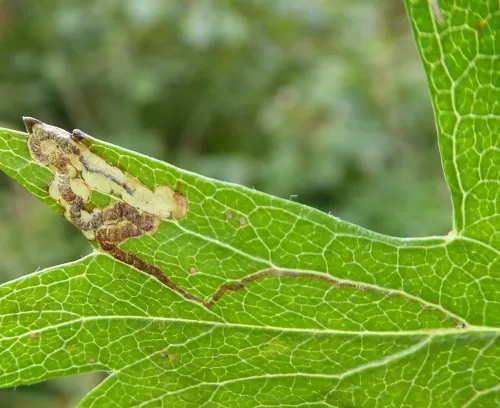
Stigmella crataegella
Stigmella crataegella
Wingspan 4 to 5 mm. The adults are narrow-winged with bronzy forewings which have a broad silvery fascia, and are purplish-tinged outside this. The mine Hawthorn leaves, creating a gallery which begins narrowly with black linear frass. The mine then
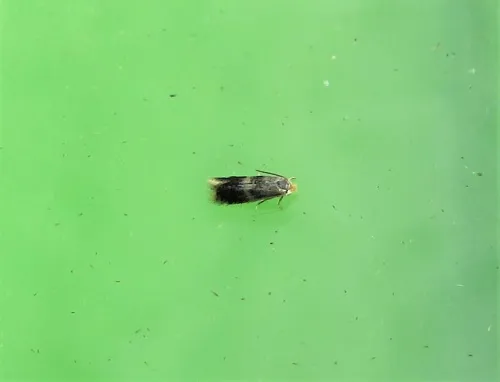
Stigmella floslactella
Stigmella floslactella
Wingspan about 6 mm. The larva mines the leaves of Hazel and possibly Hornbeam. Stigmella floslactella are generally wider, less angular and contain more scattered frass than those of S. microtheriella . The egg is underside, in a leaf-axil, and the
Stigmella glutinosae
Stigmella glutinosae
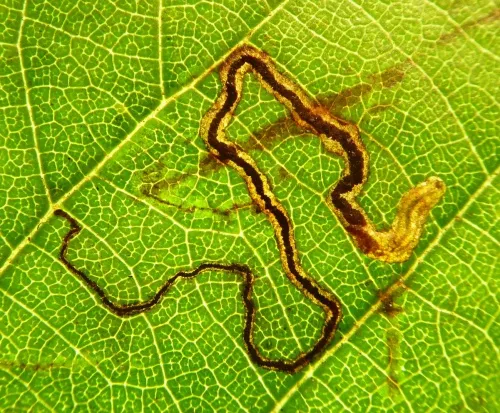
Adult wingspan is 4.4 to 5.2 mm - Similar to many other Stigmella , forewing brown/bronze with pale yellowy-white narrow fascia. The larvae of this moth mine the leaves of Alder, producing a gallery with frass partly dispersed, but sometimes in a thi
Stigmella hemargyrella
Stigmella hemargyrella
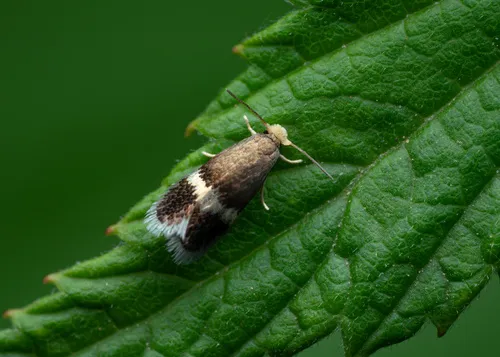
The adults are small and dark, with a pale patch centrally on the forewing, and with a wingspan of only around 6 mm. The larva mines the leaves of \beech. Flying in two generations, April and May, and later in July and August. Like many of its congen
Stigmella incognitella
Stigmella incognitella
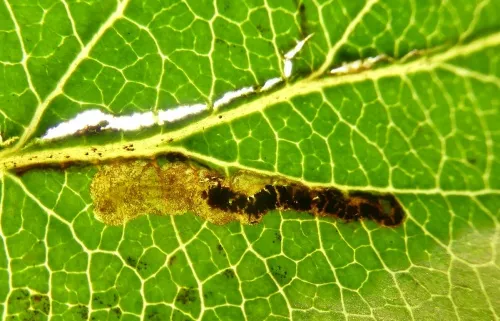
Many Stigmella species are almost impossible to identify as adults, but are easier to record from the leafmines created by their larvae. The larvae of Stigmella incognitella mine the leaves of Apple. The mines are found between veins. The initial gal
Stigmella intermedia - Hodges#0072
Stigmella intermedia
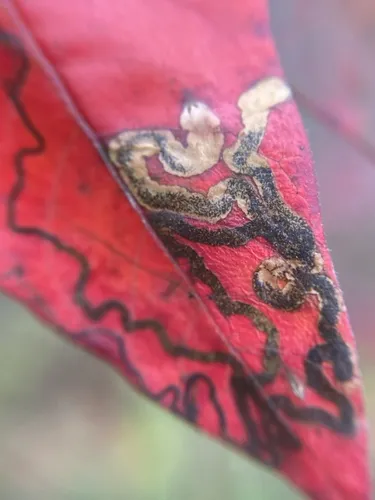
Stigmella intermedia is a moth of the family Nepticulidae. It is found in North America in Ohio, Arkansas, Kentucky and Ontario.
Stigmella lapponica
Stigmella lapponica
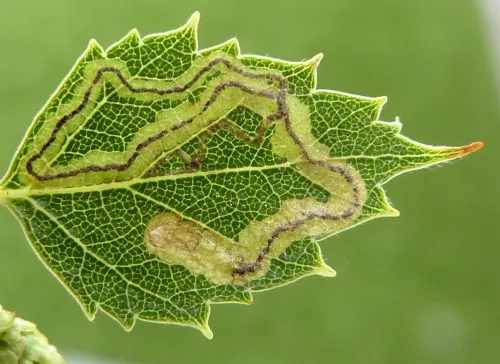
Wingspan 5 to 7 mm. The adults are coarsely-scaled and dull greyish-brown with an indistinct creamy fascia. The larva mine the leaves of Birch. The mine is long, filled with green frass to ¼, and then linear. The larva is a greenish white, head brown
Stigmella lemniscella
Stigmella lemniscella
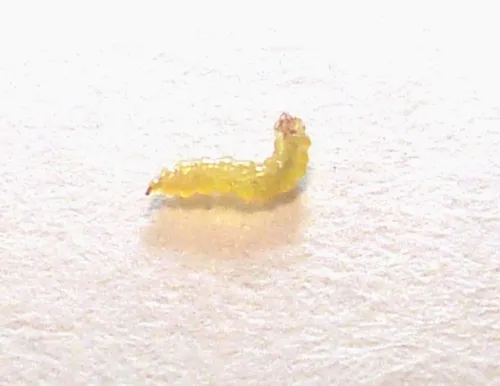
Wingspan 5 to 6 mm. The adult moths have a silvery fascia and a bronzy tinge to the inner part of the wing. The larva mines the leaves of Elm with the exit slit on upper surface. Areas where the larval foodplant occurs. There are two generations, wit
Stigmella luteella
Stigmella luteella
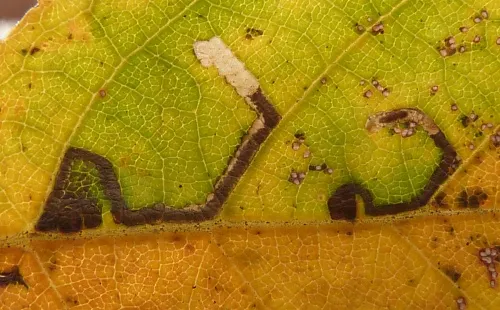
Wingspan 4 to 5 mm. The adult moth is narrow-winged with a purplish-bronzy sheen. There is a whitish fascia which narrows towards the costa, outside which the purple colour is darker. The larva mines the leaves of Birch; the gallery has a contorted s
Stigmella macrocarpae - Hodges#0088
Stigmella macrocarpae
Identification: This species has been confused with Stigmella nigriverticella in the past. According to Erik van Nieukerken, S. macrocarpae has a wider pale fascia in the middle of the wing; for example: For comparison, this specimen has been confir
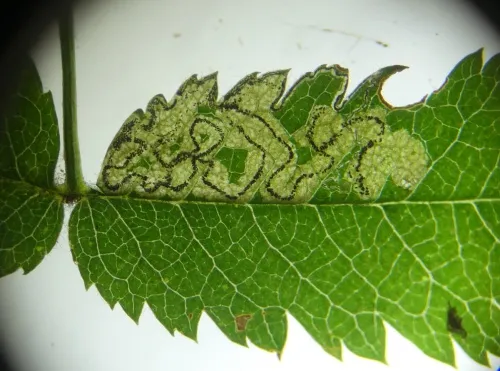
Stigmella magdalenae
Stigmella magdalenae
Adult Stigmella are very difficult to identify and this species is best recorded as a leafmine on Rowan The mine is a long narrow gallery, often contorted, with a thin central line of linear frass. The mine can be very similar to those of Stigmella n
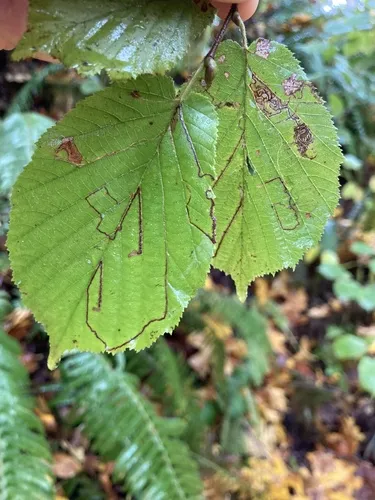
Stigmella microtheriella
Stigmella microtheriella
Wingspan 3 to 4 mm. The adults have purplish-bronzy wings with a silvery fascia, and darker purple outside the fascia. They closely resemble several other family members. The larva mines the leaves of Hazel and Hornbeam, creating a very long narrow m
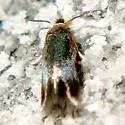
Stigmella multispicata - Hodges#0086.1
Stigmella multispicata
Identification: The only Stigmella in North America with black frontal tuft, white collar, and single fascia on forewing.
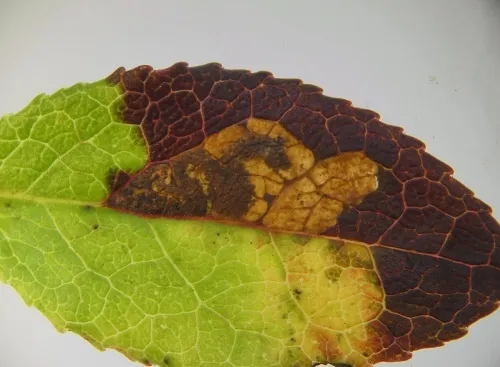
Stigmella myrtillella
Stigmella myrtillella
Adult Stigmella are very difficult to identify and this species is best recorded as a leafmine on Bilberry (see under Life History). Adult: It may not be possible to identify adult Stigmella even by dissection unless reared from the leafmine. Leafmin
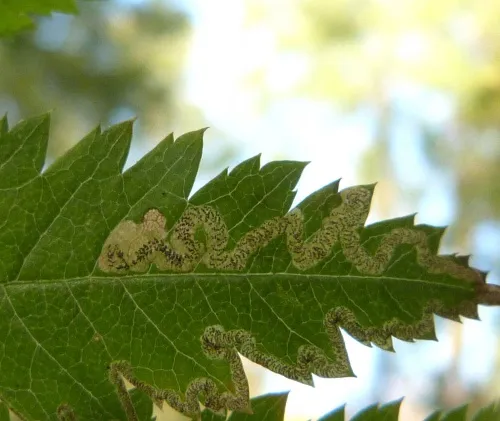
Stigmella nylandriella
Stigmella nylandriella
Wingspan 4 to 5 mm. The adult moth has plain dark brown wings with a bronzy sheen and a yellowish or orange head. Woodland and areas where Rowan is present. There is one generation with adults in May and June, and the larvae feeding from July to Augu
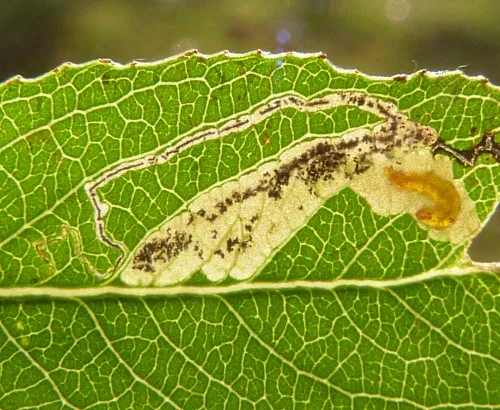
Stigmella obliquella
Stigmella obliquella
Wingspan 4 to 5 mm. The larva mines the leaves of various smooth leaved willows - e.g. Crack Willow and Weeping Willow. causing an angular gallery mine Photogrpah mine with backlight, and note host species (or group - e.g. 'a Wiilow') The adult moths
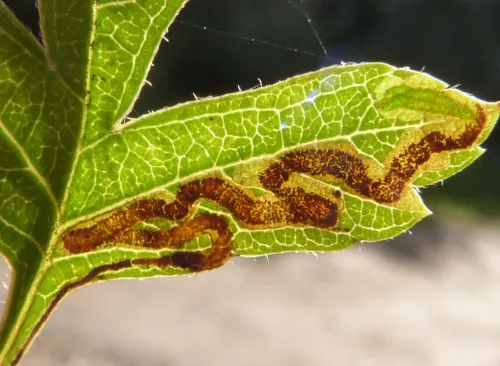
Stigmella oxyacanthella
Stigmella oxyacanthella
Wingspan 5 to 6 mm. The adults have plain dark forewings with a hint of purple, and an orange head. The leafmine occurs commonly on Hawthorn, and also on Apple, Rowan and Pear and some other species of Rosaceae. It has coiled frass and the larva is b
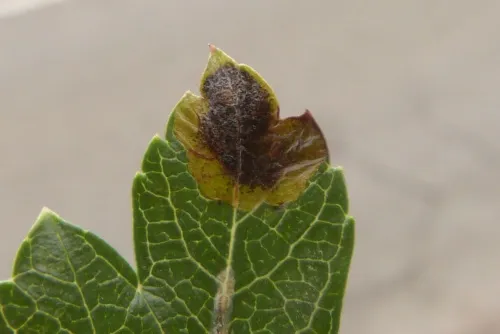
Stigmella paradoxa
Stigmella paradoxa
Many Stigmella species are almost impossible to identify as adults, but are easier to record from the leafmines created by their larvae. The larvae of Stigmella paradoxa mine the leaves of Hawthorn. A blotch mine is formed on the on leaf-lobe with ce
Stigmella perpygmaeella
Stigmella perpygmaeella
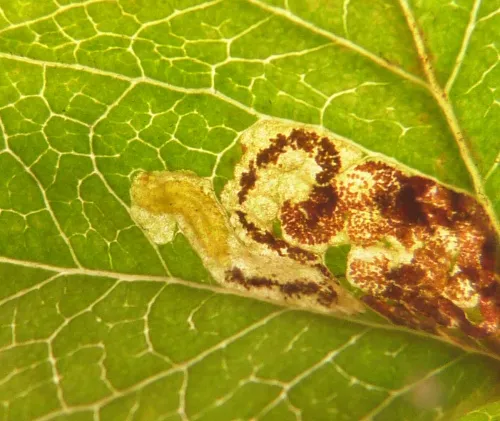
Wingspan about 5 mm. Adult moths are unicolourous, the forewings being greyish to dark brown, with a slight bronzy or purplish sheen. The head is yellow or orange and the eyecaps creamy-white, however the species is usually recorded from the leafmine
Stigmella plagicolella
Stigmella plagicolella
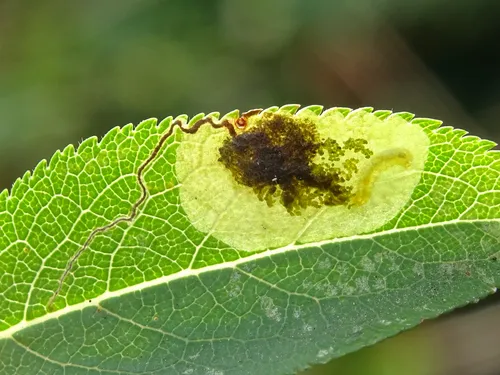
Wingspan 4 to 5 mm. They have dark forewings with bronzy and purple sheens and a neat whitish fascia. Areas where that Blackthorn, the larval foodplant is found. The adults are on the wing from May to June and again in August. The larvae feed on Prun
Stigmella prunifoliella - Hodges#0070
Stigmella prunifoliella
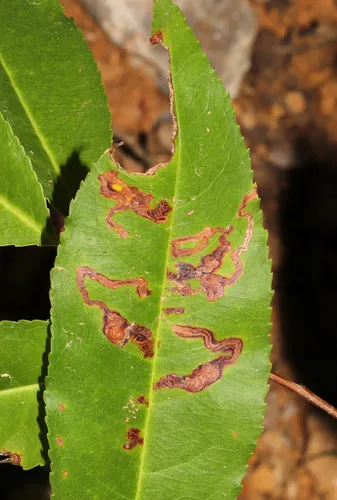
Stigmella prunifoliella is a moth of the family Nepticulidae. It is found in North America in Pennsylvania, Ohio, New York, Kentucky and Ontario.
Stigmella quercipulchella - Hodges#0099
Stigmella quercipulchella
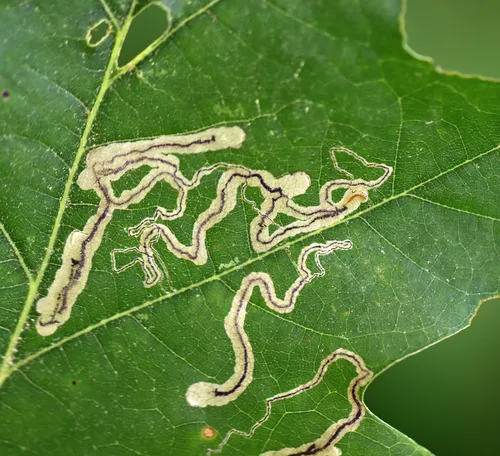
Stigmella quercipulchella is a moth of the Nepticulidae family. It is found in North America in Kentucky, Ohio, Pennsylvania, Illinois and Ontario.
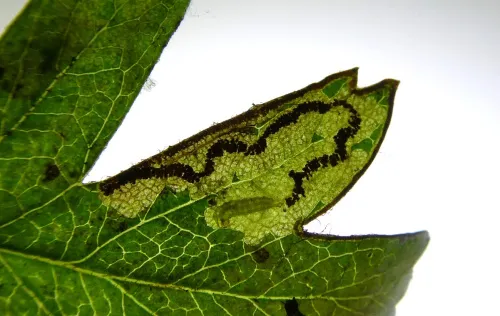
Stigmella regiella
Stigmella regiella
Many Stigmella species are almost impossible to identify as adults, but are easier to record from the leafmines created by their larvae. The larvae of Stigmella regiella mine the leaves of Hawthorn. The initial gallery is narrow and is filled with re
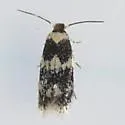
Stigmella rhamnicola - Hodges#0074
Stigmella rhamnicola
Identification: Per Erik van Nieukerken on the image posted here "This is Stigmella rhamnicola, easily recognised by the differently coloured fasciae and white thorax. The collar consists of lamellar scales, which shows it is a Stigmella."
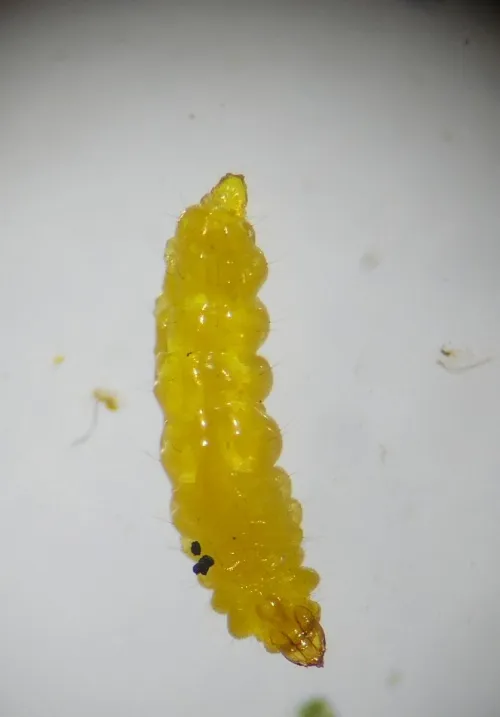
Stigmella roborella
Stigmella roborella
Wingspan around 6 mm. Best recorded from the larval mines which are found on the leaves of Oak - these have a central ine of frass and the larva has a pale brown head without dark sclerites. The adult moths are plain greyish to brown with a bronzy sh
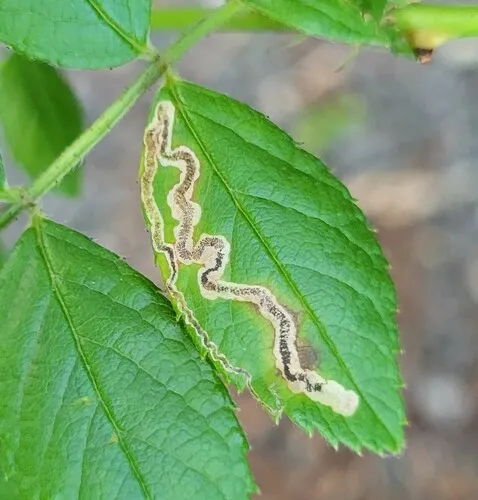
Stigmella rosaefoliella - Hodges#0078
Stigmella rosaefoliella
Stigmella rosaefoliella is a moth of the Nepticulidae family. It is found in North America in Ohio, Pennsylvania, Arkansas, New York, Michigan, Missouri and Ontario.
Stigmella ruficapitella
Stigmella ruficapitella
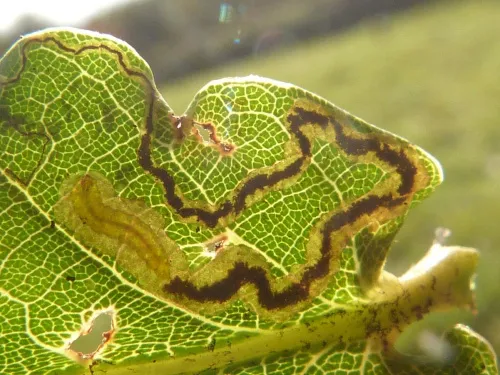
Wingspan 4.5 to 6 mm. The adult moths are similar to several other species in the group, having uniform dark brownish wings with a bronzy sheen and it may not be possible to identify adult to species even by gen det. This species is best recorded fro
Stigmella sakhalinella
Stigmella sakhalinella
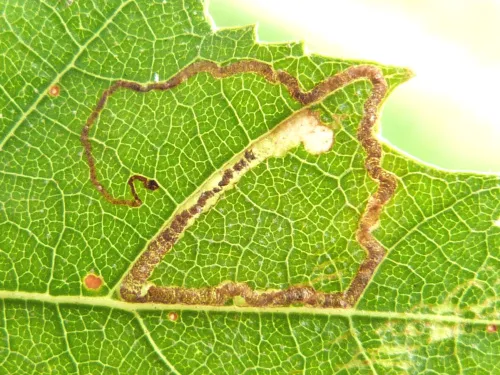
Wingspan 4 to 4.6 mm. The adult moths are similar to several other species in the group, and it may not be possible to identify adult to species level even by gen det. The larvae mine various Birch species. The gallery is almost filled with coiled fr
Stigmella salicis
Stigmella salicis
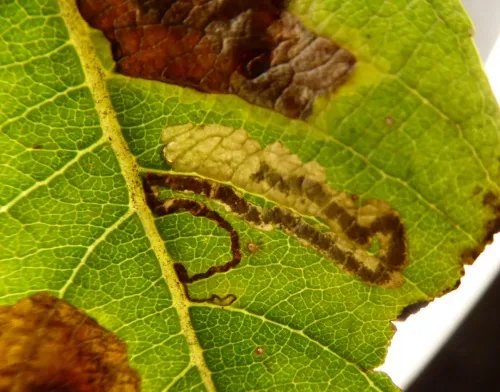
Wingspan 4 to 6 mm. The adults have dark forewings with a purplish sheen and an irregular yellowish fascia. The cilia are noticeably pale and the head is orange. The larva mines the leaves of coarse leaved willows such as Goat Willow and Grey Willow.
Stigmella samiatella
Stigmella samiatella
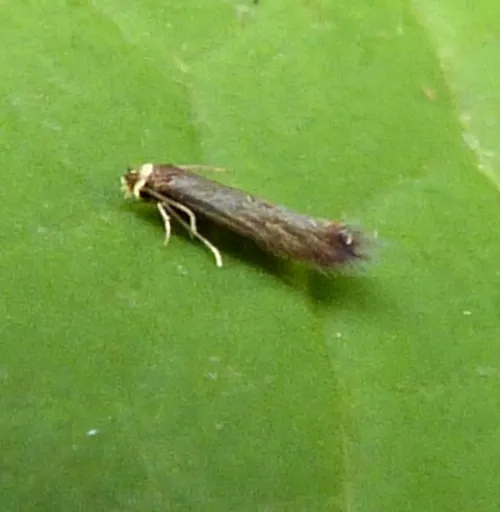
Wingspan 5 to 7 mm. This tiny purple-bronze moth is a member of the unicolorous ruficapitella group of Nepticulidae. The larva creates a quite long and contorted gallery mine in oak ( Quercus ) or sweet chestnut ( Castanea sativa) . The gallery is lo
Stigmella slingerlandella - Hodges#0079
Stigmella slingerlandella
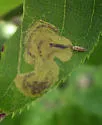
Identification: "Head and frontal tuft orange, antenna eye-caps and side tufts white; antenna whitish gray; thorax bronzy black; abdomen light gray; legs yellowish white, posterior tarsi finely ringed with black. Forewings bronzy black with a shining
Stigmella sorbi
Stigmella sorbi
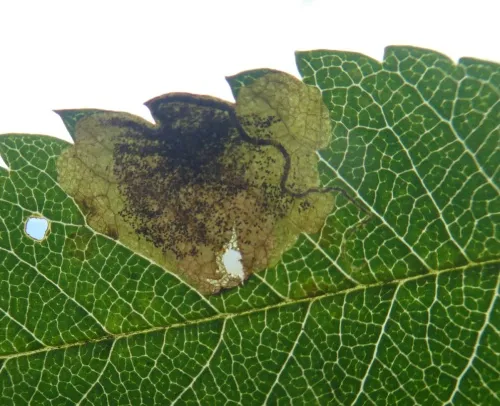
Adult Stigmella are very difficult to identify and this species is best recorded as a leafmine on Rowan, or bred through, the adults are relatively large and often paler than many other Nepticulidae, with pale brownish wings and a broad, poorly defin
Stigmella splendidissimella
Stigmella splendidissimella
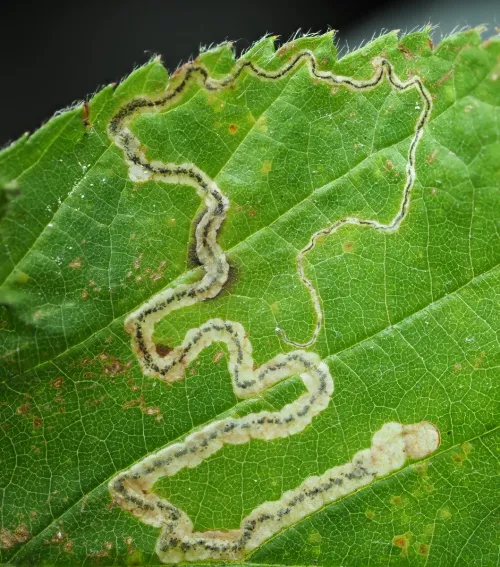
Wingspan 4.5 to 6 mm. Adults may only be identified via dissection or if reared from a leaf mine [when black head colouration separates from orange head of S. aurella]. Leafmine occurs on a number of plants including Bramble, Wild Strawberry, Agrimon
Stigmella suberivora
Stigmella suberivora
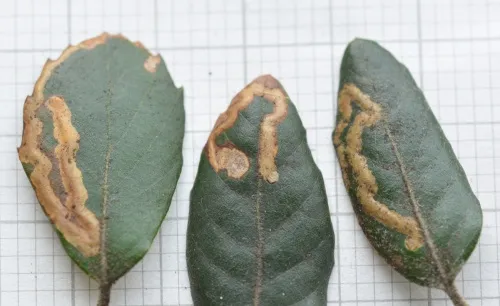
Wingspan about 6 mm. The adults are dark grey/blackish with a faint purplish tinge and a yellow head. Leaf mine on Holm Oak and related evergreen oaks have a wide gallery, usually along leaf-edge before turning towards midrib. There is a broad band o
Stigmella tiliae
Stigmella tiliae
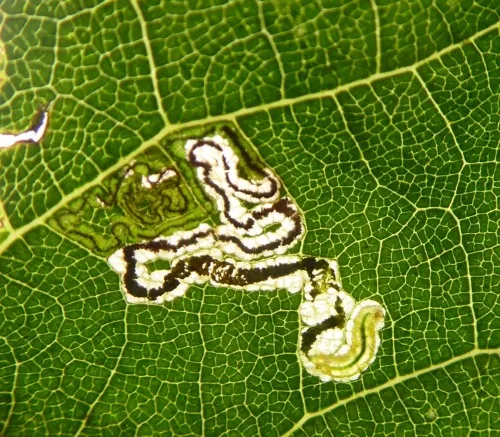
Wingspan 4.5 to 6 mm. Similar to many other Stigmella, having plain dark bronzy brown fore-wings, a white collar and eye-caps. The larva mines the leaves of Lime. The adult flies from May to August in two generations. The larvae mine the leaves of Li
Stigmella tityrella
Stigmella tityrella
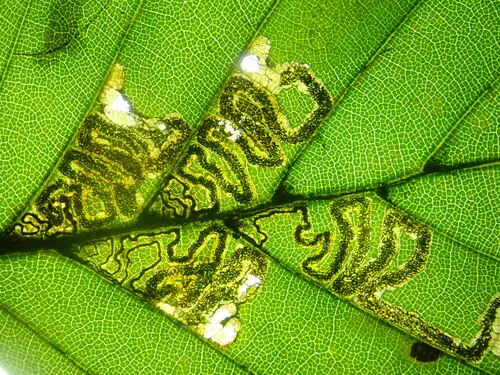
Wingspan 5 to 6 mm. Another of the very similar Nepticulidae, which are best identified by the nature of the larval feeding pattern, usually creating diagnostically-shaped mines in leaves. This species feeds on beech (Fagus sylvatica), creating an S-
Stigmella trimaculella
Stigmella trimaculella
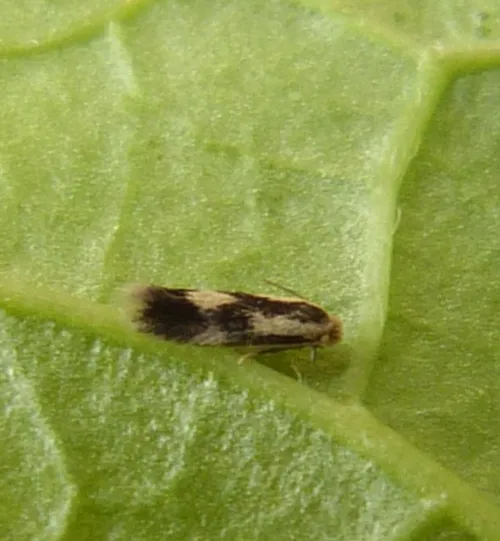
A tiny moth with a wingspan of 5 to 6 mm. The adults are rather attractive, with brownish grey forewings each with three creamy patches. The larva mine the leaves of Lombardy Poplar, Black Poplar and Hybrid Black-poplar. The mines are quite variable
Stigmella ulmivora
Stigmella ulmivora
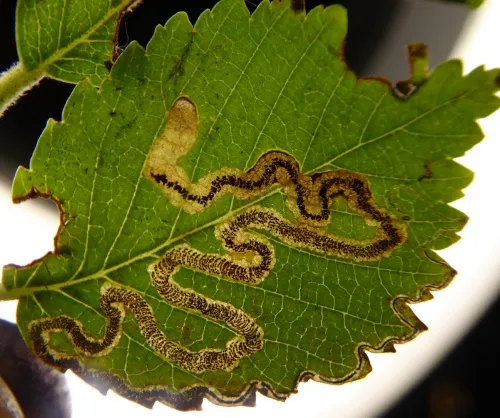
Wingspan about 5 mm. Black head and bright coppery red forewing glossed with purple. Silver fascia. The larva mines the leaves of Elm; the frass is linear in early part of mine, coiled later. The larva is green. Exit hole is underside. Adult Leafmine
Stigmella undescribed-species-on-lyonothamnus
Stigmella undescribed-species-on-lyonothamnus
Larvae mine in leaves of Lyonothamnus floribundus , a plant endemic to the Channel Islands of California
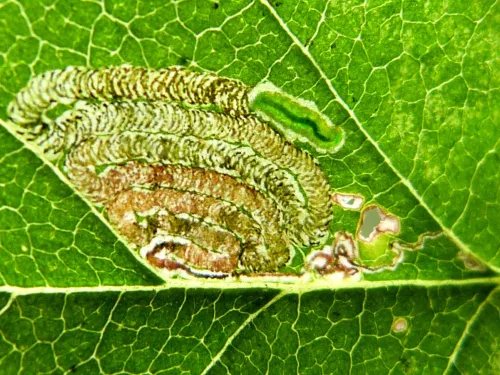
Stigmella viscerella
Stigmella viscerella
Wingspan 5 to 6 mm. Plain looking bronzy olive forewing, darker towards the apex. The larva mines the leaves of Elm. Stigmella lemniscella mines on Elm can occasionally start with a tight coil, but not with intestine-like loops; they can be mistaken
Stilbosis ostryaeella - Hodges#1596
Stilbosis ostryaeella
Identification: Most reliably identified by rearing and/or dissection, as the adult is similar in appearance to several other sympatric spp. in the genus.
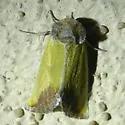
Stiria blanchardi - Hodges#9783
Stiria blanchardi
Identification: The only Stiria species without a median patch along the forewing inner margin.
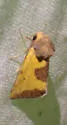
Stiria dyari - Hodges#9786
Stiria dyari
Stiria dyari - Hodges#9786 (Stiria dyari) is a species in the family Noctuidae, commonly known as owlet moths, belonging to the order Lepidoptera (Butterflies and Moths). It is classified within the subfamily Stiriinae, tribe Stiriini, superfamily No
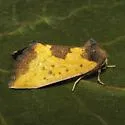
Stiria intermixta - Hodges#9785.1
Stiria intermixta
" Stiria rugifrons and intermixta are extremely close morphologically and superficially. Stiria intermixta may be just the southwestern US Mexican race of rugifrons . The ranges of variability in both the male and female genitalia overlap and cannot
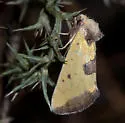
Stiria sulphurea - Hodges#9787
Stiria sulphurea
Identification: The hindwing is brownish in both the male and female.
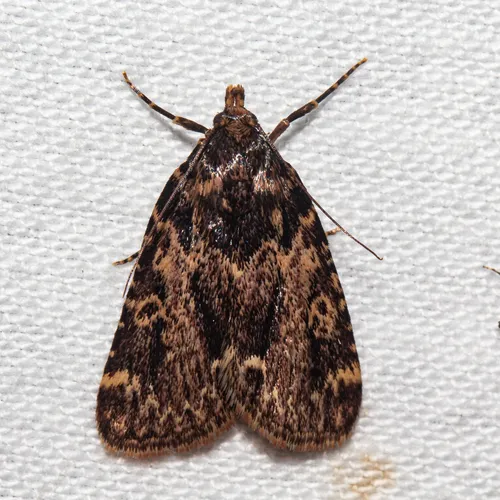
Stored Grain Moth - Hodges#5517
Aglossa caprealis
Identification: Adult: top of head and neck dark; forewing shiny, brownish-gray with pale yellowish patches and lines; reniform spot dark, circular, surrounding by pale ring; AM line thick, sharp-angled but shallow zigzag; ST line thick and straight
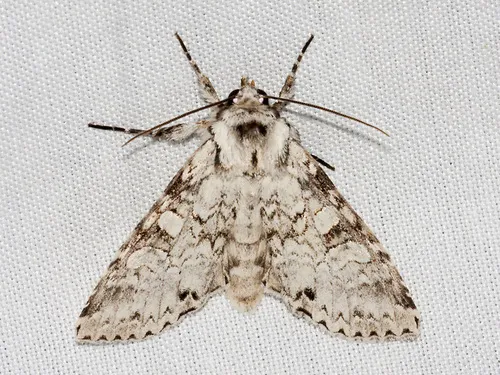
Stormy Arches - Hodges#10275
Polia nimbosa
Identification: Adult: tegulae ("shoulder pads" on thorax) pale with black margins; forewing pale gray, mottled with gray and black; orbicular, claviform, and reniform spots with sharp black outlines; reniform spot strongly curved; AM and PM lines do
Stout Spanworm Moth - Hodges#6651
Lycia ursaria
Identification: Adult: thorax and abdomen bulky, very hairy; male forewing broad, evenly gray, heavily speckled with black; three black wavy lines (sometimes broken) cross the wing; subterminal line white; hindwing similar but color more muted; femal
Straight Lined Mallow Moth - Hodges#9169
Bagisara rectifascia
Identification: Adult: forewing have no darkening at the reniform spot and no noticeable dark shading of the three lines; outer margin rounded; male foretibia and forefemur without black-tipped scale tufts.
Straight-lined Vaxi - Hodges#5466
Vaxi critica
Identification: Adult: forewing silvery white with yellow or orange median band that does not widen distally near inner margin; terminal band and fringe yellow or orange (same color as median band); hindwing white
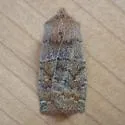
Straight-toothed Sallow - Hodges#9933
Eupsilia vinulenta
Identification: FW is variably pale orange to rusty brown or maroon, with purplish lines. AM is straight, ML angled and PM jagged. Reniform spot is either white or orange with tiny satellite dots on either side. scales
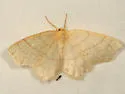
Straw Besma - Hodges#6884
Besma endropiaria
Identification: Adult: forewing pale whitish-yellow with faint (sometimes partial) AM and PM lines; fringe concolorous with wing; no discal spot on forewing or hindwing (see comments in See Also section below). Larva: body greenish-yellow with reddis
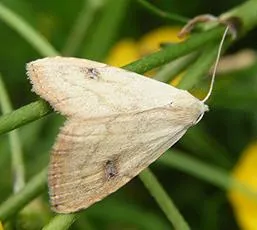
Straw Dot
Rivula sericealis
Wingspan 18-22 mm. A small buff coloured moth with a dark spot on each wing. Damp meadows and woodland are its favourite haunts. The two generations a year fly in June and July and again in August and September.It flies from dusk into the night when
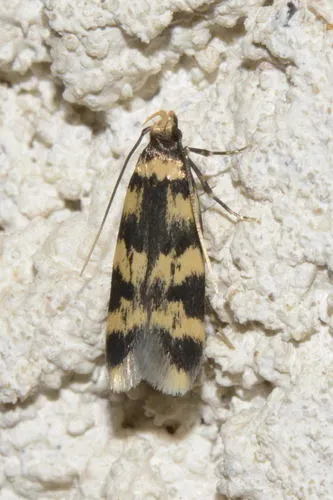
Straw Obscure
Oegoconia caradjai
Oegoconia caradjai is a species of gelechioid moth. It is known from most of Europe, except Fennoscandia and the north-east. It is also found in New Zealand.
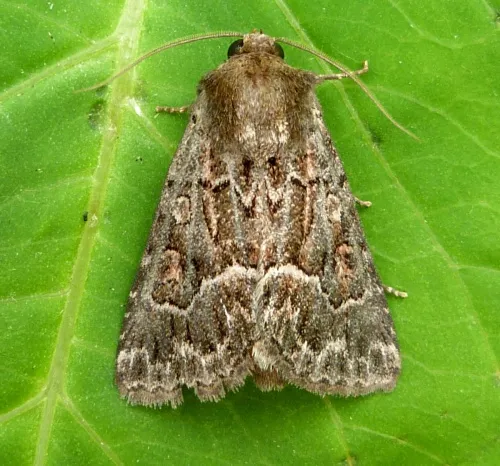
Straw Underwing
Thalpophila matura
Wingspan 38-46 mm. Pale straw yellow underwing with brown border, together with broad dark forewing, white outer cross line and thickset build are diagnostic. It frequents open grassland, moors and downs. The flight period is during July and August a
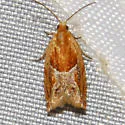
Strawberry Leafroller - Hodges#3374
Ancylis comptana-of-authors
The species represented here is a cryptic undescribed species. True comptana (Frölich, 1828) is Palearctic; conflexana (Walker, 1863) has priority for the North American species.
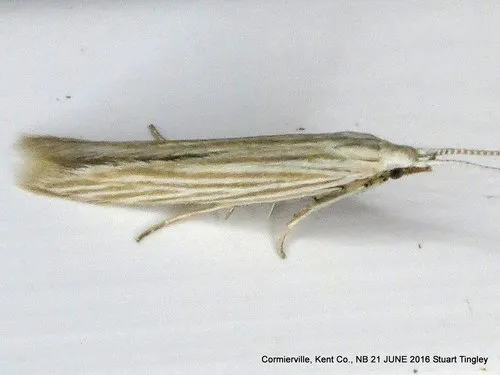
Streaked Coleophora Moth
Coleophora cratipennella
The streaked coleophora moth (Coleophora cratipennella) is a moth of the Coleophoridae family. It is found in the United States, including Kentucky, Pennsylvania, California, Maine and Oklahoma.
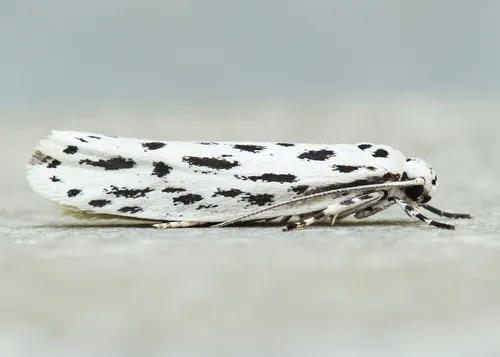
Streaked Ethmia Moth
Ethmia longimaculella
The streaked ethmia moth (Ethmia longimaculella) is a moth in the family Depressariidae. It is found from southern Canada and the northern United States east of the Rocky Mountains. In the Midwest, the range extends south to Texas.
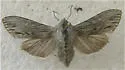
Streaked Hooded Owlet - Hodges#10183
Cucullia strigata
Identification: Adult: forewing medium gray with fine black streaks along veins in subterminal area, and two distinct sets of streaks along inner margin; reniform and orbicular spots light gray, faint but noticeable against ground color; fringe with
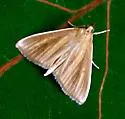
Streaked Orange - Hodges#4937
Nascia acutellus
Identification: Adult: forewing light yellow to orange or brownish with dark brown longitudinal streaks along veins hindwing pale yellowish with whitish or pale gray shading
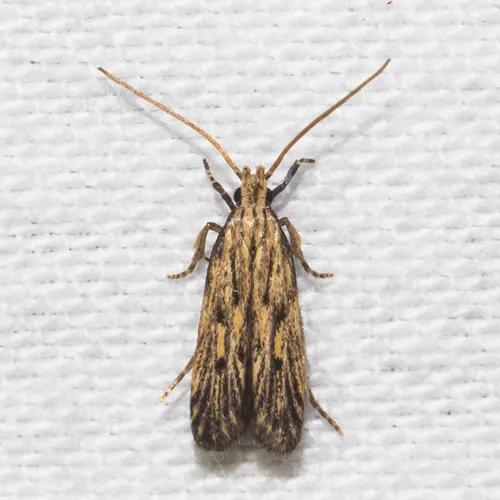
Streaked Spinitibia Moth
Spinitibia hodgesi
Spinitibia is a genus of moths in the Autostichidae family. It contains only one species, Spinitibia hodgesi, which is found in North America, where it has been recorded from Alabama, Arkansas, Florida, Georgia, Indiana, Kansas, Louisiana, Mississipp
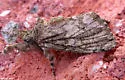
Streaked Tussock Moth - Hodges#8302
Dasychira obliquata
Identification: Tough--variable. Distinctive when shows long thin streaks on forewings. Detailed description available in MONA Fascicle 22-2 at link in citations below.