
Butterflies and Moths
Order Lepidoptera
The Butterflies and Moths (Order Lepidoptera) includes 11,813 species across 112 families and 2,787 genera in our directory.
About Butterflies and Moths
Lepidoptera includes approximately 180,000 described species of butterflies and moths. Moths outnumber butterflies roughly 10:1. The monarch butterfly's eastern population has declined by more than 80% since the mid-1990s, and the western population by over 95% since the 1980s. The IUCN lists the migratory monarch as Vulnerable.
Economic Impact
Lepidoptera are critical pollinators. In Europe, grassland butterfly species have declined by almost 50% since the early 1990s. In the UK, three-quarters of butterflies are in decline. In the U.S., five butterfly species have gone extinct since 1950, with 29 listed as endangered.
Ecological Role
Butterflies and moths are essential indicators of ecosystem health. As caterpillars, they are a primary food source for birds - a single nest of blue tit chicks requires ~10,000 caterpillars. Adult moths pollinate many night-blooming plants.
Families in Lepidoptera (112)
Species in Lepidoptera (11,813)
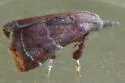
Streptopalpia minusculalis - Hodges#5565
Streptopalpia minusculalis
Moth Musical Chairs: Heliades mulleolella (5574) had previously been thought to be Streptopalpia minusculalis (5564), which had previously been thought to be Salobrena vacuana (5560.1)
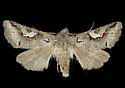
Stretchia inferior - Hodges#10475
Stretchia inferior
Identification: Specimen determined by DNA analysis (BOLD).
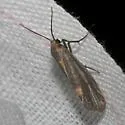
Striated Lichen Moth - Hodges#8068
Cisthene striata
Identification: Similar to Lead-colored Lichen Moth but with blurry whitish to pale gray dusting in three broad bands in basal 2/3 of forewings and similar color between all veins in outer par of the wing. Pink-orange PM spot on inner margin ranges f
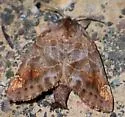
Striped Chocolate-tip - Hodges#7898
Clostera strigosa
Identification: Adult: forewing grayish-brown with conspicuous yellowish/gold subapical patch (a distinguishing feature); dark gray or blackish bar crosses PM line at right-angles just below apical patch; hindwing uniformly grayish-brown Larva: body
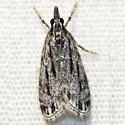
Striped Eudonia - Hodges#4738
Eudonia strigalis
Identification: Dyar (1906) original description as Scoparia strigalis is available in PDF. ( 3 ) Adult: forewing light dappled gray with several short black longitudinal streaks in specific locations: one near the base, two side-by-side in median ar
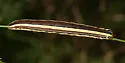
Striped Garden Caterpillar Moth - Hodges#10304
Trichordestra legitima
Identification: Adult: forewing inner half pale gray, and outer (costal) half reddish-brown; AM and PM lines double, slightly scalloped; claviform spot a sharp black triangle; orbicular spot oval, pale gray; reniform spot reddish-brown with blackish
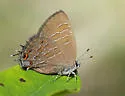
Striped Hairstreak - Hodges#4285
Satyrium liparops
Identification: Two tails, one short, one long. Underwing brown to gray, with many white lines. Blue patch topped in orange, with several other smaller orange spotsalong trailing edge of the wing.
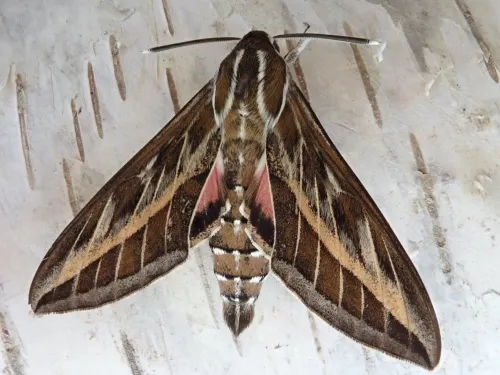
Striped Hawk-moth
Hyles livornica
Wingspan 60 to 80 mm. A large and very distinctive species with brown wings striped with white. Good photographs and/or the specimen required. Most records are of adults attracted to light. This immigrant species generally arrives between May and Oct
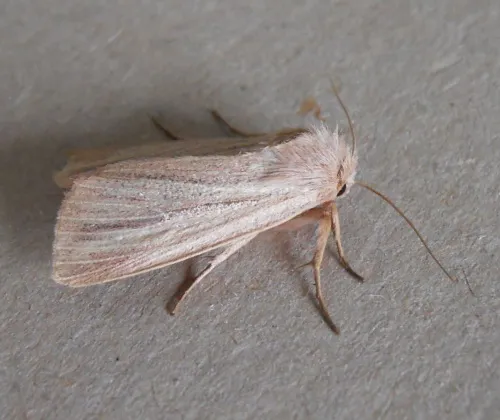
Striped Wainscot
Mythimna pudorina
Please provide a photograph and retain specimen determination by genitalia examination (gen. det.) may be required. This species inhabits marshland and damp heaths. The adults fly in June and July and are attracted to light. The caterpillars are also
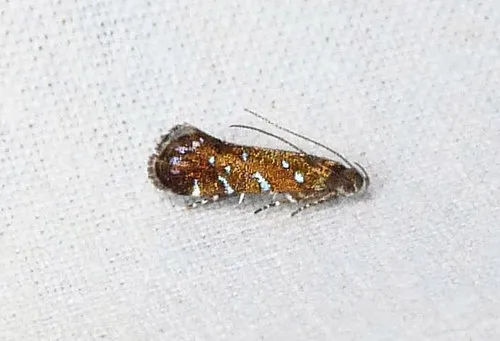
Strobisia iridipennella - Hodges#2253
Strobisia iridipennella
Identification: Adult: forewing slender, dark brown to blackish with three iridescent blue streaks evenly-spaced along costa (and projecting at right-angles toward middle of wing); another blue steak in basal area, and three blue spots in median area
Strobisia proserpinella - Hodges#2254
Strobisia proserpinella
The BIN at Barcode of Life Data Systems (BOLD) for this species may be BOLD:AAJ4626 . The examples in that BIN are shown on the Strobisia iridipennella species page.
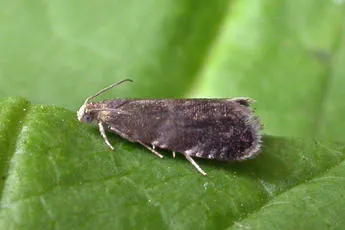
Strophedra weirana
Strophedra weirana
Wingspan about 11 mm. This rather obscurely-marked species is similar to S. nitidana but is less distinctively marked than that species. Beech woods and areas where Beech is present. Adults are on the wing during June, and fly in afternoon sunshine,
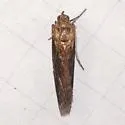
Stylopalpia scobiella - Hodges#5820
Stylopalpia scobiella
Identification: Palpi upturned; head, thorax, and base of FWs mostly unmarked buff, usually with just a few small brown spots, often blending into a dull reddish streak along inner margin of FWs; diffuse creamy white streak along costa speckled with
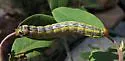
Suave Prominent - Hodges#7954
Symmerista suavis
Identification: Similar to Symmerista zacualpana, which is also common in the Southwest, but paler and more mottled overall
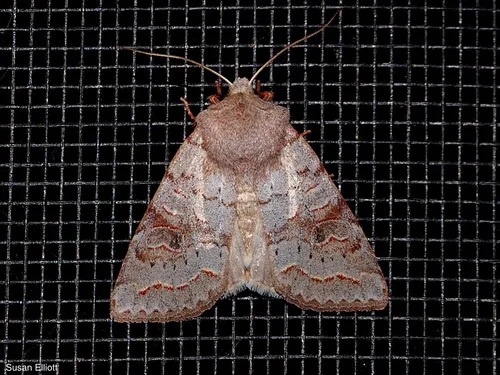
Subdued Quaker - Hodges#10490
Orthosia revicta
Identification: Adult : Ground color is blue-gray , lighter and stronger blue in the western part of range; duskier and plainer gray further east. The FW is variably covered by bright red-brown, occasionally complete but most often leaving some areas
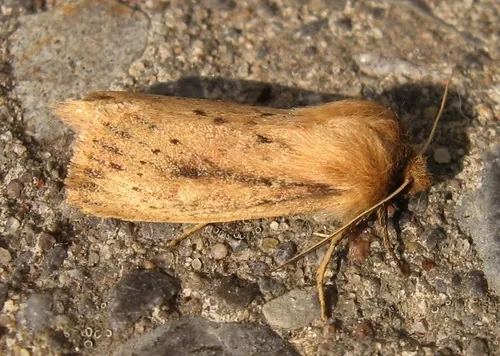
Subflava Sedge Borer - Hodges#9450
Globia subflava
Identification: A medium-size moth with pale yellow brown to deep rust brown forewings with a darker shade along the cubital vein and a prominent row of dark dots marking the postmedian line where it crosses the veins, and a dark shade in the middle
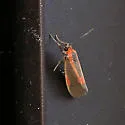
Subject Lichen Moth - Hodges#8071
Cisthene subjecta
Identification: Recognized by a combination of characters: -- Basal red/yellow streak is separated from the inner forewing margin by gray. -- Basal streak connects to the red PM spot on the inner margin at it's "top", i.e. at the point closest to the
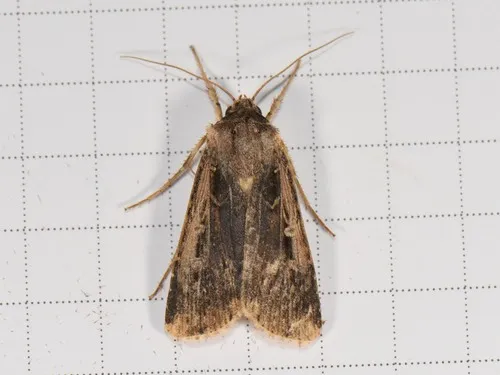
Subterranean Dart - Hodges#10664
Feltia subterranea
Identification: Adult: forewing yellowish to medium brown with blackish shading heavier in female than in male; black bar extending from orbicular to reniform spot is distinctive feature; large dark patch along costa near apex, and usually a smaller
Subtropical Pine Tip Moth - Hodges#2869
Rhyacionia subtropica
Identification: The original description of Rhyacionia subtropica Miller, is available online in PDF. - A variable species that can be difficult to distinguish from Rhyacionia rigidana where the ranges overlap. Forewing costa is brown with 10-12 whit
Sugarbeet Crown Borer Moth - Hodges#5918
Ancylosis undulatella
Identification: Forewing narrow, light brown to grayish-brown with reddish-brown to black band in basal area above AM line; AM line zizag with two large points; PM line jagged with several small points; AM and PM lines not parallel, pale, outlined in
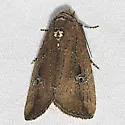
Sugarcane Midget - Hodges#9676
Elaphria nucicolora
Identification: Adult: forewing medium brown with small round blackish reniform spot (sometimes indistinct) and diffuse dark blotch in center of median area; median area may or may not contain slightly darker patch shaped somewhat like a shark's dors
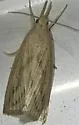
Sugarcane borer moth - Hodges#5475
Diatraea saccharalis
Heppner (2003) reported this species was introduced to North America. Considered invasive in this country (from Central and South America). (Capinera, John L. North American Vegetable Pests. The Pattern of Invasion. American Entomologist. Spring 2002
Suleima baracana - Hodges#3216
Suleima baracana
Identification: Adult - see original description in Print References.
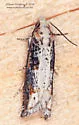
Suleima cinerodorsana - Hodges#3217
Suleima cinerodorsana
Identification: Heinrich description. "Palpi, face and head white ; the outer sides of palpi faintly dusted with fuscous. Thorax dark brownish fuscous; tegulae shaded with white. Fore wing dark brownish fuscous with entire dorsal margin and ocelloid
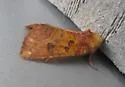
Sullivan’s Switch Cane Borer - Hodges#9464.1
Papaipema sullivani
Identification: This one comes in dark-spotted and white-spotted forms.
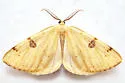
Sulphur Moth - Hodges#6431
Hesperumia sulphuraria
Identification: Adult - Most are primarily yellow, but a small portion has a large brown patch or markedly dark ante and postmedial bands. Rare individuals completely infuscated with brown scaling . Rindge's description follows: Forewings varying fro
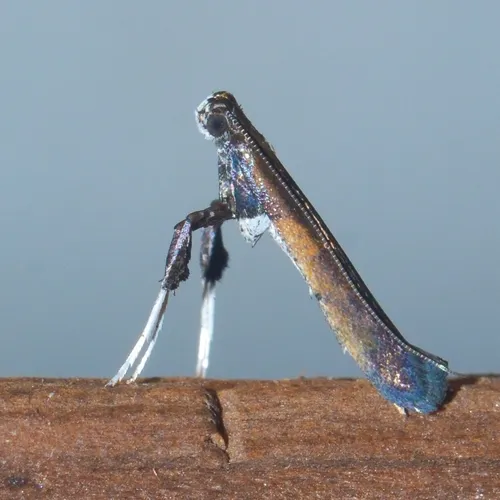
Sumac Leaf Blotch Miner Moth
Caloptilia rhoifoliella
The sumac leafblotch miner (Caloptilia rhoifoliella) is a moth of the Gracillariidae family. It is known from Bermuda, Canada (including Manitoba, Québec and Ontario) the United States (including Mississippi, New York, Kentucky, California, Florida,
Sumac Leaftier Moth - Hodges#2701
Episimus argutana
Identification: FW generally appears dull reddish or grayish brown, finely mottled in various shades of brown to blackish. In fresh specimens, the dull color may appear to be overlaid with purple, a point noted in the description by Forbes. A partial
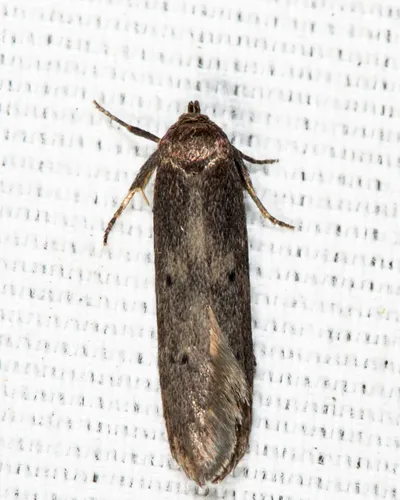
Sumac Micromoth
Holcocera chalcofrontella
Holcocera chalcofrontella is a moth in the family Blastobasidae. It is found in North America, including Pennsylvania, Texas, Missouri, Maryland, West Virginia, Arizona, British Columbia, Florida, Illinois, Maine, Manitoba, Michigan, New Brunswick, O
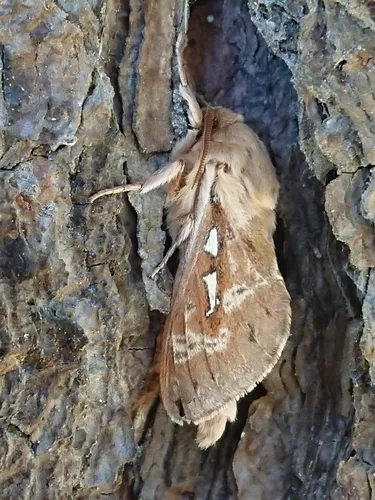
Summer Porina
Wiseana copularis
Wiseana copularis is a species of moth belonging to the family Hepialidae. It was described by Edward Meyrick in 1912, and is endemic to New Zealand.
Sundew Dart - Hodges#10993.1
Hemipachnobia monochromatea
Identification: determined by Hugh McGuinness genitalia
Sundew Plume Moth - Hodges#6098
Buckleria parvulus
Identification: See the identification key for Oxyptilini . See the species account in Matthews and Barnes & Lindsey as Trichoptilus parvulus . Buckleria parvulus adults have: a forewing second lobe that is narrow with an acute apex, as in Trichoptil
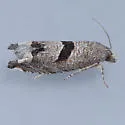
Sunflower Bud Moth - Hodges#3212
Suleima helianthana
Identification: Specimen identified by DNA analysis (BOLD). Serious pest of commercial sunflower producers.
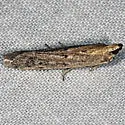
Sunflower moth - Hodges#5935
Homoeosoma electellum
Identification: Powell & Opler (2009) ( 3 ) reported two color phases in both sexes. Gray with a white subcostal streak. Tan with or without the subcostal streak. Specimen identified by DNA analysis (BOLD). ( 4 ) Heinrich (1921) description of larva
Supralathosea baboquivariensis - Hodges#10024
Supralathosea baboquivariensis
Identification: Adult : Male - Head, thorax and abdomen dull gray, mixed with some black and white ● FW ground color dull gray, more or less suffused and irrorated with white ● All ordinary lines and spots more or less obsolescent, not easily disting
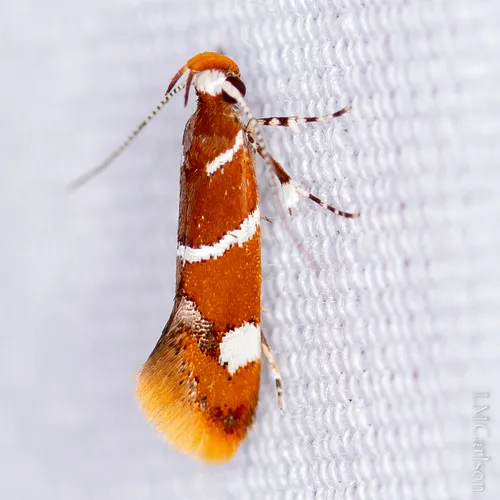
Suzuki's Promalactis Moth
Promalactis suzukiella
Suzuki's promolactis moth (Promalactis suzukiella) is a moth of the Oecophoridae family. It is native to Korea, Japan and Taiwan, but is an introduced species in the United States, where it has been recorded from Maryland, Virginia, New Jersey, New Y
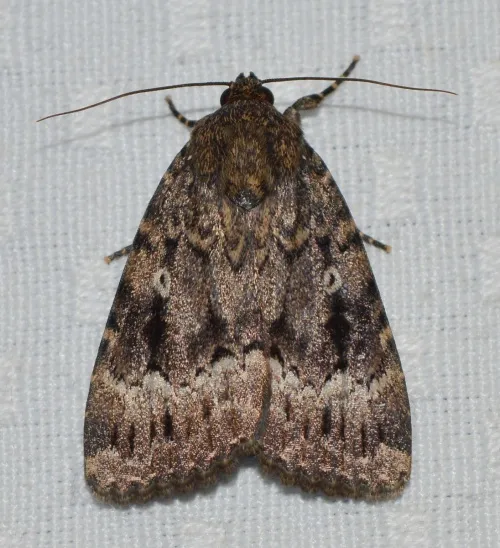
Svensson's Copper Underwing
Amphipyra berbera
Wingspan 47-56 mm. Only separated as a species from Copper Underwing ( A. pyramidea ) in the late 1960's, there are a number of subtle characters which can contribute to the identification, but often reference to the genitalia is needed to be sure. T
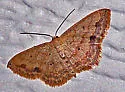
Swag-lined Wave - Hodges#7156
Scopula umbilicata
Identification: Adult: wings white with sparse speckling, and light gray shading beyond PM line; AM, median, and PM lines brown, wavy; black discal dot on all wings, and black spot at apex of forewing (a distinctive feature).
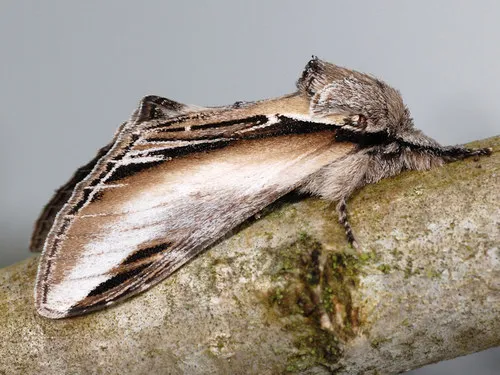
Swallow Prominent
Pheosia tremula
Wingspan 45-55 mm. Similar to Lesser Swallow Prominent ( P. gnoma ), though not necessarily larger. Lesser Swallow Prominent has a more distinct white wedge at the tornus of the forewing and lacks the wavy white line in the blackish area of the hindw
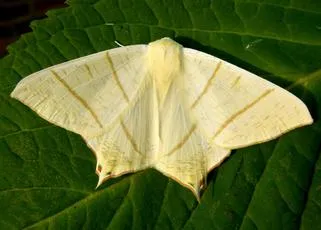
Swallow-tailed Moth
Ourapteryx sambucaria
Wingspan 40 to 50 mm. A spectacular species and one of our largest Geometrids . The wings are pale yellow marked with darker lines. Woodland, scrub, hedgerows, parks and gardens. Being strictly nocturnal and having quite a short emergence period from
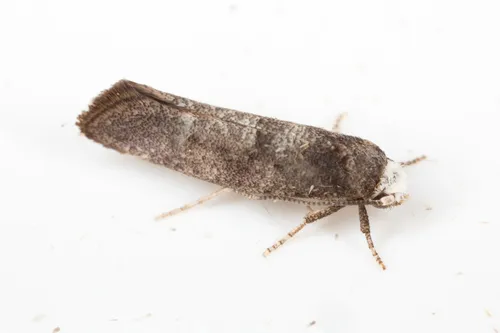
Swammerdamia pyrella
Swammerdamia pyrella
Wingspan 10-13 mm. One of several related and rather similar species which can be difficult to separate as adults without reference to the structure of the genitalia. S. pyrella is distinguished from all other Swammerdamia and Pseudoswammerdamia spec
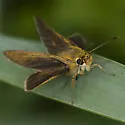
Swarthy Skipper - Hodges#3993
Nastra lherminier
Identification: Swarthy Skippers are small very plain looking butterflies, without any distinct field marks. Dorsal, Plain dark brown, and occasionally shows a faint pair of FW spots. Male and female look alike. Ventral, Plain brown, fresh individual
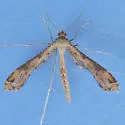
Sweet Broom Plume Moth - Hodges#6122
Stenoptilodes brevipennis
Identification: See the identification key for Platyptiliini . See the species accounts in Matthews et al. (2019a) , Matthews et al. (2019b) , Matthews et al. , Gielis , Landry & Gielis , Lange as Platyptilia crenulata , Barnes & Lindsey as Platyptil
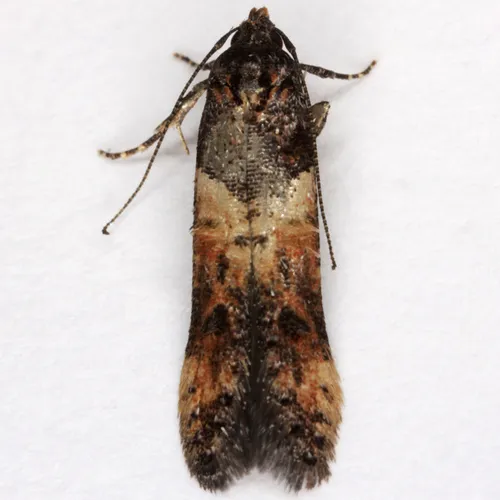
Sweet Clover Root Borer Moth
Walshia miscecolorella
Walshia miscecolorella, the sweetclover root borer moth, is a moth in the Cosmopterigidae family. It was described by Chambers in 1875. It is found in North America, where it has been recorded from southern Canada south to Florida and Texas.
Sweet Pepperbush Nola Moth - Hodges#8996
Nola clethrae
Identification: See Franclemont in Forbes, 1960 p. 55
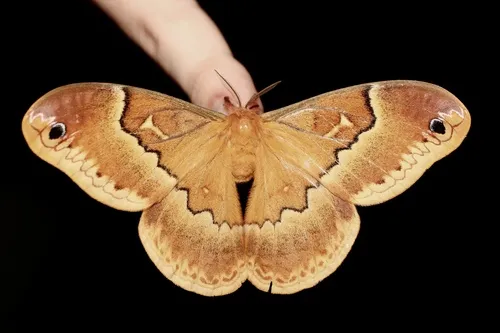
Sweetbay Silk Moth - Hodges#7766
Callosamia securifera
Identification: Yellowish brown with yellowish angular cell spots. Spring femles in the extreme south are often yellowish-orange. Males are darker than females and often missing hind wing cell spots. (from Butterflies and Moths of North America) Se
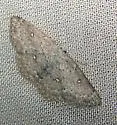
Sweetfern Geometer - Hodges#7139
Cyclophora pendulinaria
Identification: Adult: wings white or various shades of gray to blackish-brown (melanics); discal spots hollow - round on forewing, oval on hindwing; AM and PM lines sharpest but usually broken to dotted; median line more diffuse; shading also variab
Sweetfern Underwing - Hodges#8775
Catocala antinympha
Identification: Adult - FW shiny, mostly bluish black with black lines and some brown shading, especially behinf pm line. Sometimes has a whitish subreniform spot. HW yellow/orange and black bands, mostly black at the outer fringe.
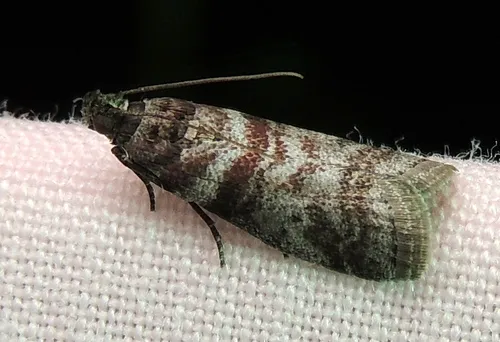
Sweetgum Leafroller Moth
Sciota uvinella
Sciota uvinella, the sweetgum leafroller moth, is a species of snout moth in the genus Sciota. It was described by Ragonot in 1887. It is found in North America, where it has been recorded from New Jersey to Florida, west to Texas and Kentucky.
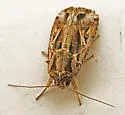
Sweetpotato Armyworm Moth - Hodges#9671
Spodoptera dolichos
Identification: Heppner states Spodoptera dolichos "is most easily distinguished by the dark brown longitudinal stripes on the dorsum of the thorax."
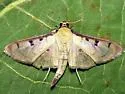
Sweetpotato leafroller - Hodges#5248
Lygropia tripunctata
Identification: Description summary: Wings light yellowish and iridescent. Dark grayish-brown band along the costa that continues along the outer margin of both forewing and hindwing, being widest at the apex. Two black spots along the costa with the
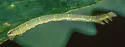
Swett's Eupithecia - Hodges#7530
Eupithecia swettii
Identification: Rindge description in PDF. Genitalia: ♀ ♂ male abdomen - 8th sternite is almost rectangular, with shallow basal cleft and flat at apex.
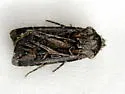
Swordsman Dart - Hodges#10648
Agrotis gladiaria
Identification: Specimen identified by DNA analysis: Genitalia:
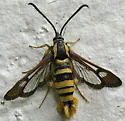
Sycamore Borer - Hodges#2582
Synanthedon resplendens
Identification: Adult - see descriptions by Duckworth & Eichlin and Solomon, as well as Engelhardt figures, available in Print References. Larva - body pinkish white to dark pink, head reddish brown. Regarding the potential management of trees infest
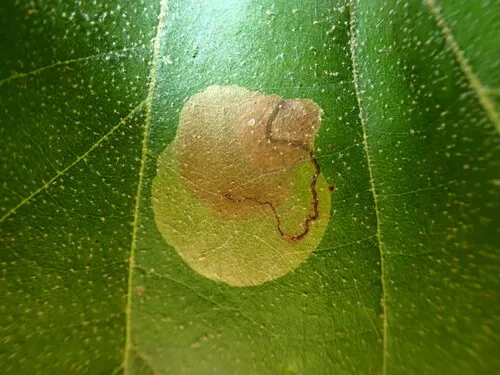
Sycamore Leaf Blotch Miner
Ectoedemia platanella
Ectoedemia platanella, the sycamore leaf blotch miner, is a moth of the family Nepticulidae. It is found in the eastern parts of the United States.
Symmerista zacualpana - Hodges#7955
Symmerista zacualpana
Identification: Specimen identified by DNA analysis (BOLD). ( 3 )
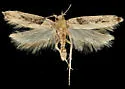
Symmetrischema costaricanum - Hodges#2038
Symmetrischema costaricanum
Identification: Specimen determined by DNA analysis (BOLD).
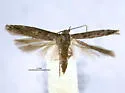
Symmetrischema fercularia - Hodges#2033
Symmetrischema fercularia
Identification: Meyrick original description is online in the print references. Specimen determined by DNA analysis (BOLD).
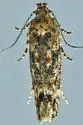
Symmetrischema pallidochrella - Hodges#2037
Symmetrischema pallidochrella
Identification: Specimen identified by DNA analysis (BOLD). ( 3 ) Genitalia:
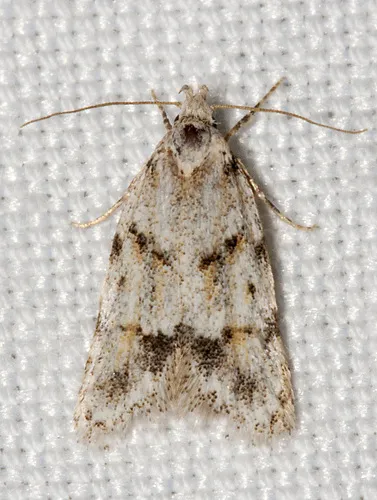
Symmoca signatella - Hodges#1133
Symmoca signatella
Symmoca signatella is a moth of the family Autostichidae. It is known from most of western Europe, but also Lithuania, Croatia, Greece and southern Russia. It has also been recorded from California in North America.
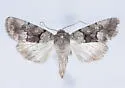
Sympistis apep - Hodges#10164.1
Sympistis apep
Identification: The hind-wings are mostly dark colored, with a sinuous and relatively thin, white-colored PM band. This is a feature that is only shared with a few other species, such as Sympistis aterrima and Sympistis tenuifascia .
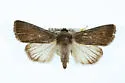
Sympistis astrigata - Hodges#10134
Sympistis astrigata
Identification: Specimen determined by DNA analysis (BOLD). ( 4 )
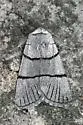
Sympistis barnesii - Hodges#10121
Sympistis barnesii
Identification: Original description as Oncocnemis barnesii is available online.
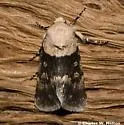
Sympistis basifugens - Hodges#10089
Sympistis basifugens
Identification: Adult: forewing basal area whitish or pale cream; median area dark gray, bounded basally by almost straight AM line, and distally by toothed convex PM line; pale shading beyond PM line blends into dark terminal area; reniform spot usu
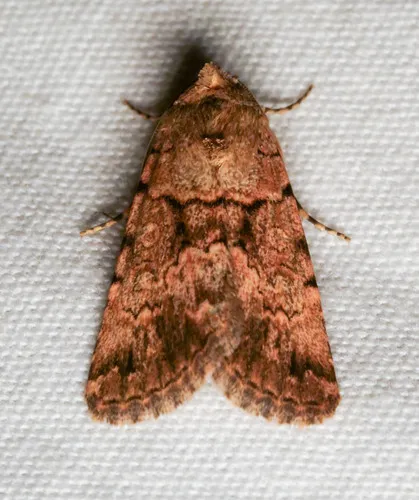
Sympistis buchis - Hodges#10102.2
Sympistis buchis
Identification: Description can be found in Troubridge at link in citations below ($15 fee, but well worth the cost).
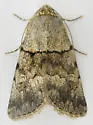
Sympistis cherti - Hodges#10118.3
Sympistis cherti
Identification: Troubridge description can be found at link in citations below.
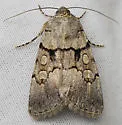
Sympistis columbia - Hodges#10118
Sympistis columbia
Identification: See identification information at Pacific Northwest Moths (PNWM) ( 4 ) .
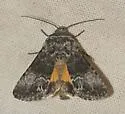
Sympistis corusca - Hodges#10074
Sympistis corusca
Identification: Smith (1899) original description as Oncocnemis corusca is online in the print references.
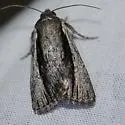
Sympistis cottami - Hodges#10129
Sympistis cottami
Identification: From Blanchard : Oncocnemis cottami is very close to O. atricollaris Harvey. The transverse lines of atricollaris are generally well marked, sometime only partly traceable, rarely completely obsolete; the part of the reniform which fa
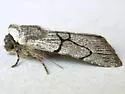
Sympistis figurata - Hodges#10130
Sympistis figurata
Identification: The basal dash on the forewing is distinctive.
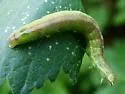
Sympistis forbesi - Hodges#10067.1
Sympistis forbesi
Identification: Description in PDF. Can only reliably be identified by the larva. All images of the adults, that do-not have larva or host information should be placed here: - chionanthi or forbesi
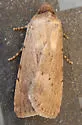
Sympistis fortis - Hodges#10068
Sympistis fortis
Identification: Description can be found at Pacific Northwest Moths.
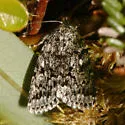
Sympistis heliophila - Hodges#10156
Sympistis heliophila
Identification: Detailed description: Specimen identified by Lars Crabo. Day-flying moth ( diurnal ).
Sympistis jocelynae - Hodges#10094.3
Sympistis jocelynae
Identification: Troubridge original description can be found at link in citations below. According to Troubridge, jocelynae should not be confused with any other species. The pinkish forewing and paler orbicular and reniform spots are similar to that
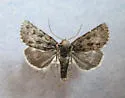
Sympistis lapponica - Hodges#10157
Sympistis lapponica
Identification: Specimen determined by DNA analysis (BOLD).
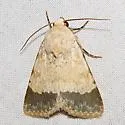
Sympistis modesta - Hodges#10090
Sympistis modesta
Identification: "...Primaries with the basal two-thirds creamy with a slight ochreous tinge; inception of ordinary lines indicated by three small, smoky, equidistant, costal patches; t. a. line scarcely discernable, indicated more by the paler fillin
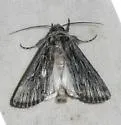
Sympistis mut - Hodges#10135.6
Sympistis mut
Identification: Very similar to Sympistis major (see detailed description of major at Pacific Northwest Moths ) Male hindwing of mut pure white with row of black scales along outer margin and a few black scales on veins; female hindwing white with wi
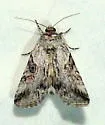
Sympistis orbicularis
Sympistis orbicularis
Identification: Typically has forewings with both am. and pm. lines incomplete. However, there are specimens at BOLD with barcodes matching specimens in BOLD:AAC0956 , the BIN group for orbicularis , with transverse lines reaching the inner margin.
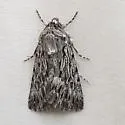
Sympistis poliochroa - Hodges#10094.4
Sympistis poliochroa
Identification: Original description as Oncocnemis poliochroa Hampson, is available at the link in the print references below.
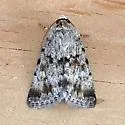
Sympistis ra - Hodges#10104.2
Sympistis ra
Identification: Head white with black scales between antennae; thorax and tegulae a mix of white and black scales. Forewing ground color white, mottled with black and pale blue-gray scales with patches of pale yellow; heavy suffusion of black scales
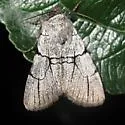
Sympistis ragani - Hodges#10132
Sympistis ragani
Identification: Powell & Opler stated Sympistis ragani can be distinguished from S. semicollaris by the brown head.
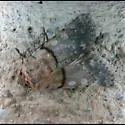
Sympistis rosea - Hodges#10114
Sympistis rosea
Identification: Adult: forewing light gray with pinkish tint toward base and slightly darker gray beyond PM line; AM line bold, black, almost straight; reniform and orbicular spots whitish; PM line scalloped, black, inconspicuous; hindwing medium gra
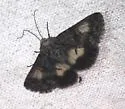
Sympistis saxatilis - Hodges#10042.2
Sympistis saxatilis
Identification: Troubridge & Crabo original description is online in PDF. Rare.
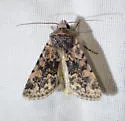
Sympistis singularis - Hodges#10109
Sympistis singularis
Identification: See original description in print references below .
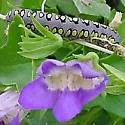
Sympistis sorapis - Hodges#10074.1
Sympistis sorapis
Identification: Similar to Sympistis perscripta but the claviform is larger and extends past the orbicular further. There is no black spots above the reniform.
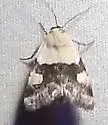
Sympistis toddi - Hodges#10153
Sympistis toddi
Identification: Blanchard original description available in PDF or read online. Determined Ed Knudson (Texas Lepidoptera Survey)
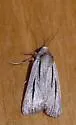
Sympistis utahensis - Hodges#10146
Sympistis utahensis
Identification: This species can be recognized by its southern Idaho distribution, light gray color, long spots, black dashes at the base and in the spots in the cell, and streaked gray terminal area.
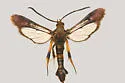
Synanthedon alleri - Hodges#2557
Synanthedon alleri
Identification: Adult - a melanistic form accounts for 5% of specimens in Florida.
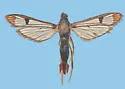
Synanthedon canadensis - Hodges#2560
Synanthedon canadensis
Identification: Adult - orange anal tuft easily distinguish this moth.
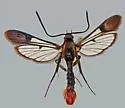
Synanthedon dominicki - Hodges#2562
Synanthedon dominicki
Identification: Adult - male: see Duckworth & Eichlin in Print References. Female: see Brown, Eichlin & Snow.
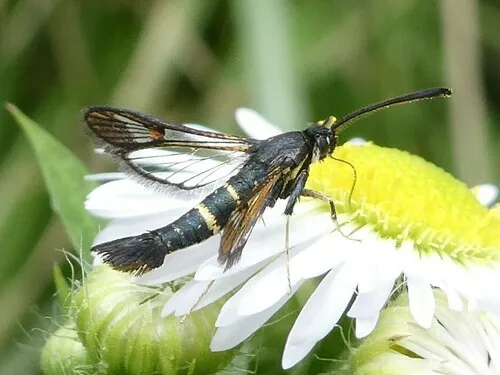
Synanthedon helenis - Hodges#2564
Synanthedon helenis
Identification: Adult: forewing mostly hyaline (clear) except for dark brownish-black scales on veins; discal bar prominent, slanted slightly toward apex, and has a few orange scales mixed with mostly black ones; outer half of area between discal bar
Synchlora cupedinaria - Hodges#7064
Synchlora cupedinaria
Identification: Distinctive brown border along the outer margin.
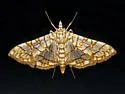
Synclera jarbusalis - Hodges#5196
Synclera jarbusalis
Identification: Page created for photo identified by Bob Patterson.
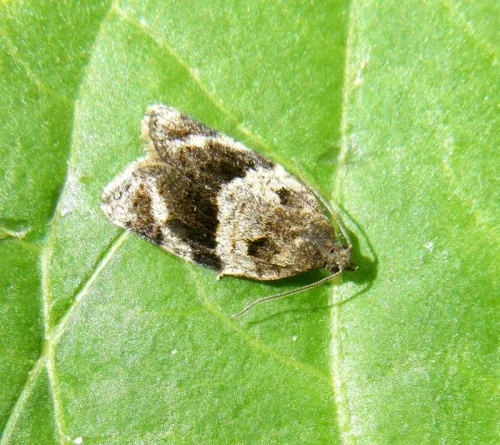
Syndemis musculana
Syndemis musculana
Wingspan 15-22 mm. On this moth, both forewings and hindwings are primarily grey. The forewing ranges from whitish grey to brownish grey, with darker markings which vary in intensity. Some, especially worn specimens, lack discernable markings. Woodla
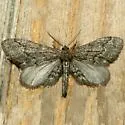
Synglochis perumbraria - Hodges#6519
Synglochis perumbraria
Identification: The head has a unique tubercle visible with a microscope in both genders: Genitalia: ♀ ♂
Syngrapha abstrusa - Hodges#8940
Syngrapha abstrusa
Identification: Syngrapha abstrusa , alias , cryptica and rectangula cannot be reliably separated using DNA barcoding, PLoS ONE 12(6): e0178548; Supplementary Table S8 ( 3 ) . Examiantion of genitalia is usually required. "... In general, abstrusa is
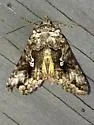
Syngrapha altera - Hodges#8925
Syngrapha altera
Identification: best to confirm ID by genitalia dissection see Remarks under Syngrapha ( 3 ) for separating altera from similar species, based on genitalia.
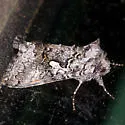
Syngrapha celsa - Hodges#8944
Syngrapha celsa
Syngrapha celsa - Hodges#8944 (Syngrapha celsa) is a species in the family Noctuidae, commonly known as owlet moths, belonging to the order Lepidoptera (Butterflies and Moths). It is classified within the subfamily Plusiinae, tribe Plusiini, superfam
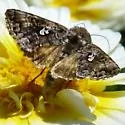
Syngrapha cryptica - Hodges#8941
Syngrapha cryptica
Identification: Syngrapha abstrusa , alias , cryptica and rectangula cannot be reliably separated using DNA barcoding, PLoS ONE 12: e0178548; Supplementary Table S8 . Examiantion of genitalia is usually required. " Syngrapha rectangula is easy to ide
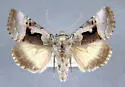
Syngrapha diasema - Hodges#8935
Syngrapha diasema
Identification: Specimen determined by DNA analysis (BOLD).