
Butterflies and Moths
Order Lepidoptera
The Butterflies and Moths (Order Lepidoptera) includes 11,813 species across 112 families and 2,787 genera in our directory.
About Butterflies and Moths
Lepidoptera includes approximately 180,000 described species of butterflies and moths. Moths outnumber butterflies roughly 10:1. The monarch butterfly's eastern population has declined by more than 80% since the mid-1990s, and the western population by over 95% since the 1980s. The IUCN lists the migratory monarch as Vulnerable.
Economic Impact
Lepidoptera are critical pollinators. In Europe, grassland butterfly species have declined by almost 50% since the early 1990s. In the UK, three-quarters of butterflies are in decline. In the U.S., five butterfly species have gone extinct since 1950, with 29 listed as endangered.
Ecological Role
Butterflies and moths are essential indicators of ecosystem health. As caterpillars, they are a primary food source for birds - a single nest of blue tit chicks requires ~10,000 caterpillars. Adult moths pollinate many night-blooming plants.
Families in Lepidoptera (112)
Species in Lepidoptera (11,813)
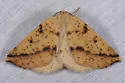
Neoterpes edwardsata - Hodges#6861
Neoterpes edwardsata
Identification: Larva - vary from light green with faint longitudinal lines to yellow tan with light brown, light tan, and grey brown stripes and bands. Spiracles are black with narrow yellow lines, and legs are almost white basally. Last instars ext
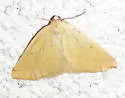
Neoterpes ephelidaria - Hodges#6859
Neoterpes ephelidaria
Identification: Specimens identified by DNA analysis:
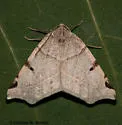
Neoterpes graefiaria - Hodges#6862
Neoterpes graefiaria
Identification: The original description as Chlorosea graefiaria Hulst, and the Ferguson (1969) revised description as Merochlora graefiaria , are both available online in the print references below.
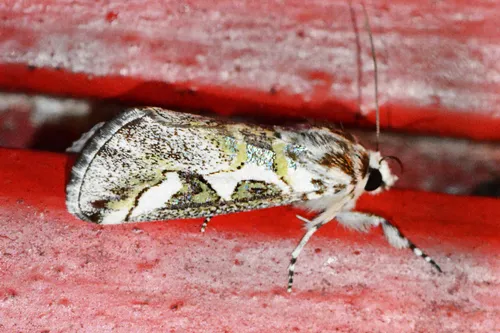
Neotuerta hemicycla - Hodges#9305
Neotuerta hemicycla
Identification: Sexually dimorphic. ♀ hindwing is yellow with a black band along the outer margin. ♂ hindwing is reddish-brown. The earliest collection record appears to be by H.V. Weems, Jr., in Monroe County, Florida in 1966. Todd (1966) ( 5 )
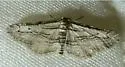
Nepterotaea diagonalis - Hodges#6522
Nepterotaea diagonalis
Identification: Females are less strongly marked than males and the antennae are weakly serrated in the middle.
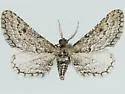
Nepterotaea furva - Hodges#6526
Nepterotaea furva
Identification: Forewing is gray with with bold, black, smoothly bisinuate postmedian line.
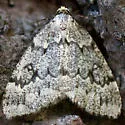
Nepytia janetae - Hodges#6902
Nepytia janetae
Identification: See original description in print references below . The type series was collected at elevations of 8000' or higher .
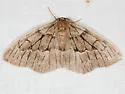
Nepytia umbrosaria - Hodges#6899
Nepytia umbrosaria
Identification: Specimen identified by DNA analysis:
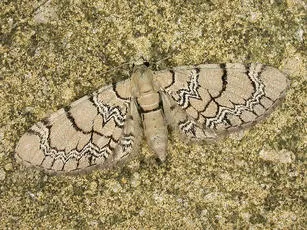
Netted Pug
Eupithecia venosata
Wingspan 17 to 22 mm. A very attractive species with its pale buff wings veined in black and white. Inhabits sea-cliffs, rocky slopes and chalk or limestone areas. It flies in May and June, in a single generation, from dusk into the night. The larvae
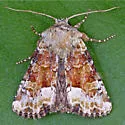
Neumoegen's Quaker - Hodges#9417
Oligia egens
Identification: The forewings are a rather complex and attractive rust-red on the basal two-thirds with some dark and light scales. The orbicular and reniform are outlined with lighter scales and partially filled with rusty orange. The distal third i
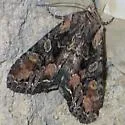
Nevada Arches Moth - Hodges#10296
Lacanobia nevadae
Identification: forewing a mix of dark and light brown: four areas are light-colored - patch at base of wing, orbicular spot, reniform spot, and subterminal area; a conspicuous white "W" is present halfway along the white subterminal line, with the b
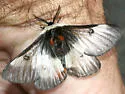
New England Buck Moth - Hodges#7732
Hemileuca lucina
Adults of this species always emerge earlier than Buck Moth ( H. maia ). Caterpillars have stinging hairs and can deliver a painful sting if handled.
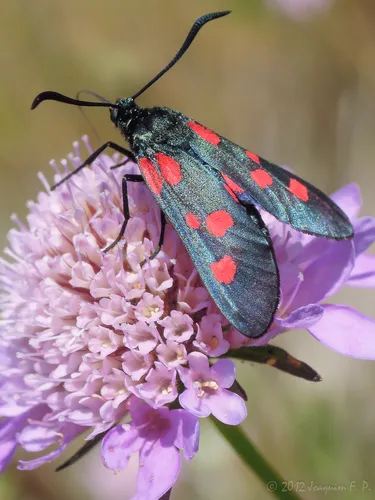
New Forest Burnet
Zygaena viciae
Zygaena viciae, the New Forest burnet, is a member of the Zygaenidae family. It is found in southern and central Europe, west to Scotland. It is also found in southern Scandinavia. In the east, the range extends to Lake Baikal.
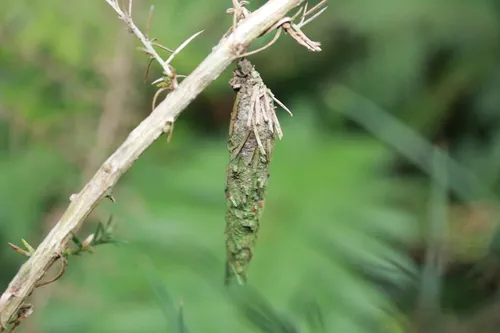
New Zealand Common Bag Moth
Liothula omnivora
Liothula omnivora, the common bag moth, is a psychid moth endemic to New Zealand. It was described by R.W. Fereday in 1878.
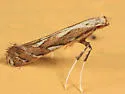
New-genus-on-dichanthelium new-species
New-genus-on-dichanthelium new-species
Identification: White dorsal margin + the legs have the tarsi entirely white. (unmarked) I have tentatively placed this species in Acrocercopinae based on its similarity to Acrocercops astericola and Leucospilapteryx venustella .
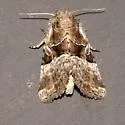
Newman's Brocade Moth - Hodges#9428
Meropleon ambifusca
Identification: The FW is gray with the basal or inner half dark gray and heavily shaded with black, especially toward the inner margin. The outer half of the FW is whitish shaded with light gray. The HW is whitish and pale gray. 1 Genitalia:
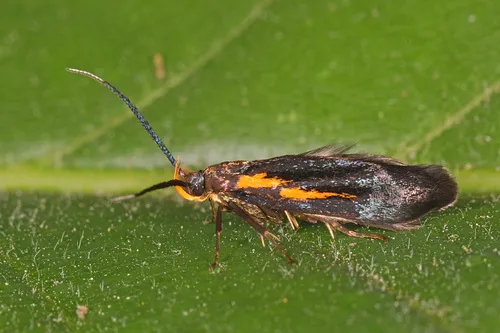
Newman's Mathildana Moth
Mathildana newmanella
Mathildana newmanella, or Newman's mathildana moth, is a species of concealer moth in the family Oecophoridae.
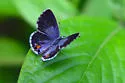
Nickerbean Blue - Hodges#4358.1
Cyclargus ammon
Identification: Dorsal, male blue with thin black border, and 2 black spots on trailing edge of HW, one capped with orange. Female blue with thick black border, 2 large black spots, one capped with orange. Similar to Miami Blue , but has 3 post-basal
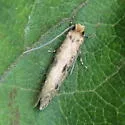
Niditinea orleansella - Hodges#0412
Niditinea orleansella
Identification: Genitalia: ♀ spine at the end of a tube elevated above the surface of the signum. ♂
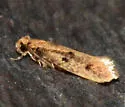
Niditinea sabroskyi - Hodges#0412.1
Niditinea sabroskyi
Identification: Genitalia: ♀ ♂ This species appears to correspond to BOLD:AAC0184 .
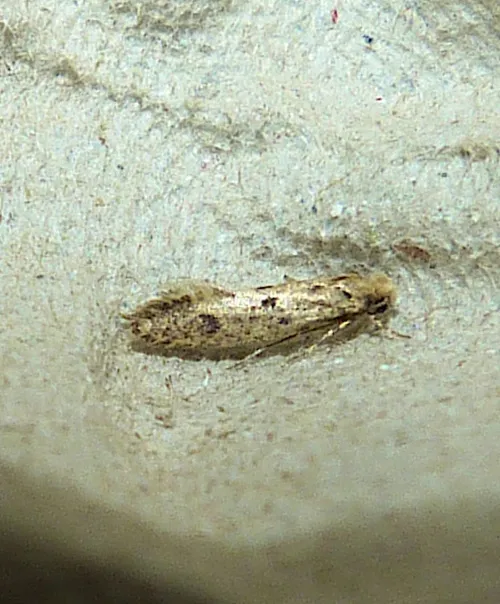
Niditinea striolella
Niditinea striolella
Wingspan about 12mm. Adult moths have a buff ground colour, irrorated with darker scales. Determination by genitalia examination (gen. det.) required. Not much is written about the larval stages, but adults have been reared from birds' nests, especia
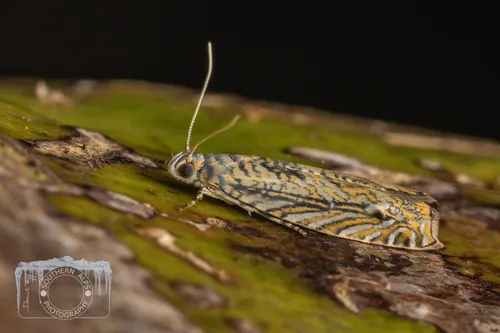
Nikau Moth
Doxophyrtis hydrocosma
Doxophyrtis hydrocosma, also known as the Nikau Palm moth, is a species of moth in the family Plutellidae first described by Edward Meyrick in 1914. It is endemic to New Zealand.
Nocloa alcandra - Hodges#9799
Nocloa alcandra
Nocloa alcandra - Hodges#9799 (Nocloa alcandra) is a species in the family Noctuidae, commonly known as owlet moths, belonging to the order Lepidoptera (Butterflies and Moths). It is classified within the subfamily Amphipyrinae, tribe Psaphidini, sup
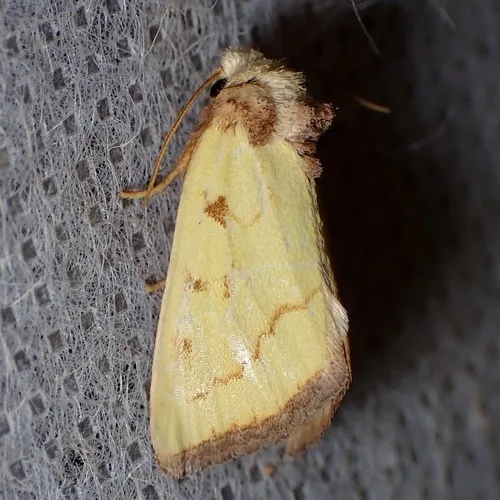
Nocloa aliaga - Hodges#9800
Nocloa aliaga
Nocloa aliaga - Hodges#9800 (Nocloa aliaga) is a species in the family Noctuidae, commonly known as owlet moths, belonging to the order Lepidoptera (Butterflies and Moths). It is classified within the subfamily Amphipyrinae, tribe Psaphidini, superfa

Nocloa pallens - Hodges#9795
Nocloa pallens
Identification: Smith (1883) original description as Aedephron pallens is available in the print references below. Forewing is pale olive green with a bolder olive green medial band.
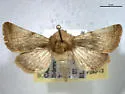
Nocloa rivulosa - Hodges#9794
Nocloa rivulosa
Identification: Smith original description is available online in the print references. Specimen determined by DNA analysis (BOLD).
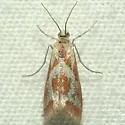
Noctueliopsis aridalis - Hodges#4834
Noctueliopsis aridalis
Type locality: USA, California, Imperial Co., Dixieland
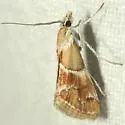
Noctueliopsis bububattalis - Hodges#4837
Noctueliopsis bububattalis
Noctueliopsis bububattalis - Hodges#4837 (Noctueliopsis bububattalis) is a species in the family Crambidae, commonly known as crambid snout moths, belonging to the order Lepidoptera (Butterflies and Moths). It is classified within the subfamily Odont
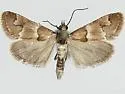
Noctueliopsis palmalis - Hodges#4832
Noctueliopsis palmalis
Identification: The brown forewings have a reddish tinge. Type locality: USA, California, Riverside Co., Palm Springs
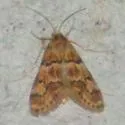
Noctueliopsis puertalis - Hodges#4831
Noctueliopsis puertalis
Identification: Described by Munroe in MONA Fascicle 13-1B as resembling Noctueliposis brunnealis but smaller (FW length 6-8 mm); maculation of FW less contrasting; AM/PM lines and discocellular lunule much weaker or even obsolete; PM line less stron
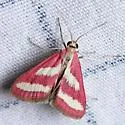
Noctueliopsis rhodoxanthinalis - Hodges#4836
Noctueliopsis rhodoxanthinalis
Identification: Forewing above bright pink. A contrasting, inwardly oblique, straight, yellow antemedial band, extending from R to basal part of posterior margin. A similar, somewhat less strongly inwardly oblique, postmedial band from R, to posterio
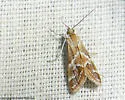
Noctueliopsis virula - Hodges#4838
Noctueliopsis virula
Identification: The original description as Noctuelia virula Barnes & McDunnough is available online in the print references below.
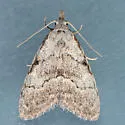
Nola involuta - Hodges#8998
Nola involuta
Identification: Specimen determined by DNA analysis (BOLD).
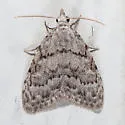
Nola ovilla - Hodges#8995
Nola ovilla
Identification: See Franclemont in Forbes, 1960 p. 55 Per Hugh McGuinness, only males in N. ovilla and clethrae can be reliably separated. The former has antennae that are fasciculate, whereas the latter has antennae that are pectinate. Also, ovilla
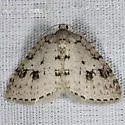
Nomenia duodecemlineata - Hodges#7426
Nomenia duodecemlineata
Identification: Specimens identified by DNA analysis:
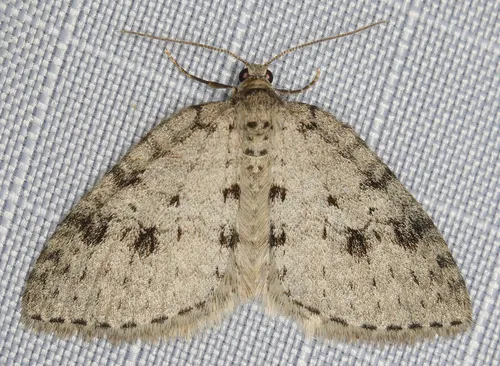
Nomenia obsoleta - Hodges#7427
Nomenia obsoleta
Identification: See Swett (1916) and illustration of type specimen in Rep. Prov. Mus. Nat. Hist. 1916. -- This species has historically been confused in collections and at BOLD with Venusia pearsalli and/or a cryptic species near pearsalli . However
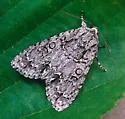
Nondescript Dagger - Hodges#9235
Acronicta spinigera
Identification: The adult of Acronicta clarescens looks very similar. One way to tell the difference is that A. clarescens has a tuft of tan brown on the midthorax. (from Chris Schmidt)
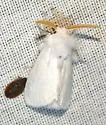
Norape sorpresa - Hodges#4650.1
Norape sorpresa
Identification: Tarsi banded. All wings white with gray shade of basal half of the ventral forewing costa, lacking in similar species.
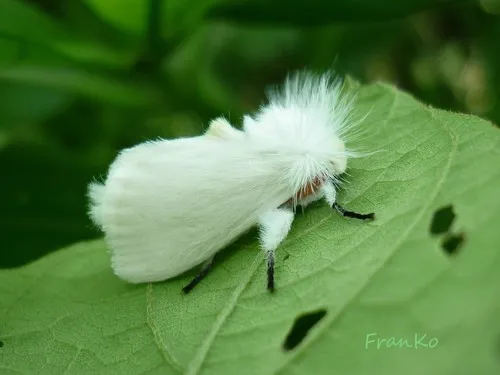
Norape virgo - Hodges#4649
Norape virgo
Norape virgo is a moth of the Megalopygidae family. It was described by Arthur Gardiner Butler in 1877. It is found from southern Texas and southern Arizona to Colombia.
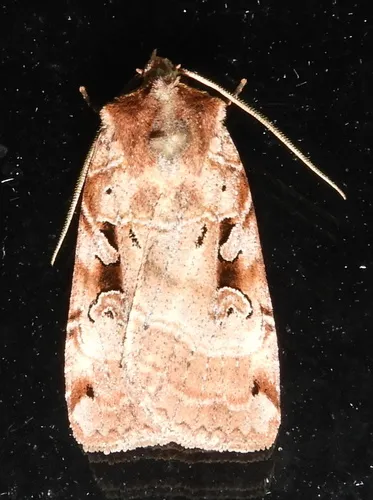
Norman's Dart - Hodges#10943
Xestia normanianus
Identification: forewing ground color light to medium gray or brown; black patches above orbicular spot, between reniform and orbicular spots, and along costa near apex; orbicular spot same color as ground color, oblique, oblong, and extending to cos
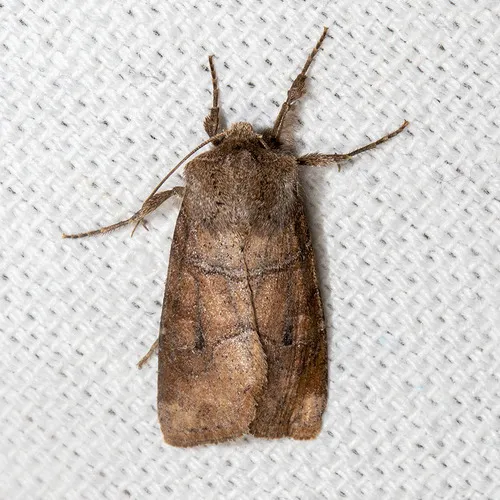
Norman's Quaker - Hodges#10501
Crocigrapha normani
Identification: forewing usually dark brown but may be light or dark yellowish, orangish, reddish, or grayish; pale whitish antemedial (AM) line is fairly straight; pale postmedial (PM) line curves under reniform spot and slants up on both sides to t
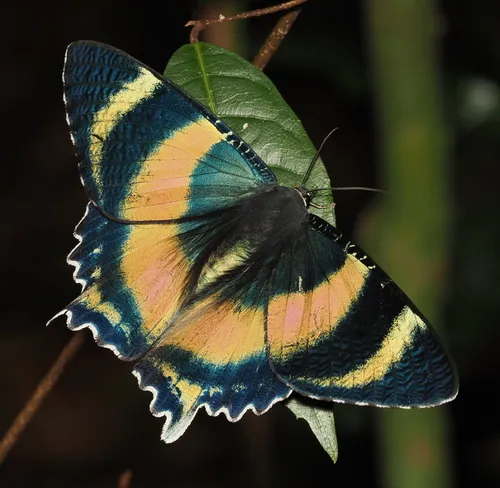
North Queensland Day Moth
Alcides metaurus
Alcides metaurus is a moth of the Uraniidae family. It is known from the tropical north of Queensland, Australia.
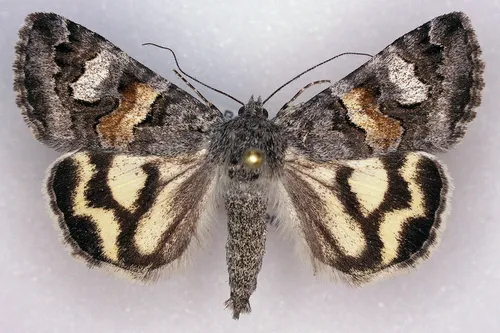
Northern Arches - Hodges#8632
Drasteria hudsonica
Identification: Adult: forewing mottled shades of gray with pale whitish-gray median and subterminal areas; median area often chestnut brown; AM and PM lines variably black to light gray; AM line runs slightly outwardly oblique to the inner margin (r
Northern Banded Quaker - Hodges#9394
Apamea contradicta
Identification: Distinctive orange-brown forewing has a darker median area within two curved black transverse lines. The sexes are nearly identical. - Photo of specimen from MNT Lepidoptera Collection Leg. Henry Hensel
Northern Blue - Hodges#4374
Plebejus idas
Identification: Distinguishable from Anna Blue - Plebejus anna only by more easterly distribution. From other blues by (usually) some marginal orange on ventral hind and front wings. No obvious dark spot on middle of upper front wings of males. In
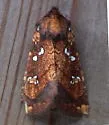
Northern Burdock Borer - Hodges#9471
Papaipema arctivorens
Identification: Adult: forewing light orange with rusty red shading and speckling; area beyond PM line dark purplish-brown except for yellowish apical patch and sometimes a yellow subterminal line; orbicular and claviform spots large, white; clavifor
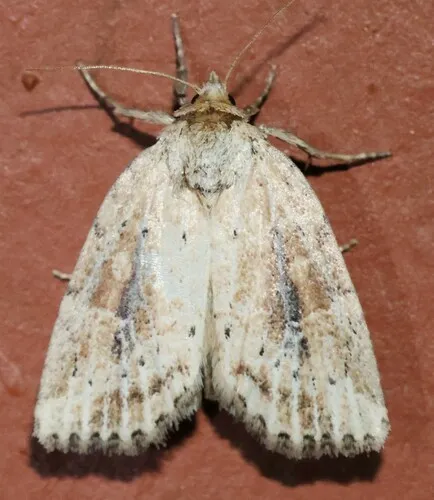
Northern Cordgrass Borer - Hodges#9436
Photedes panatela
Identification: Adult: forewing pale tan or yellowish-gray with some light brown shading; AM and PM lines composed of several dark dots; prominent dark gray streak runs through middle of median area from AM to PM line; orbicular and reniform spots in
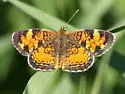
Northern Crescent - Hodges#4481.1
Phyciodes cocyta
Can often be separated from Pearl Crescent by flight season: in areas of overlap, Northern Crescent flies only in June-July and perhaps early September, whereas the Pearl Crescent produces two or more broods per year, flying all year in the southern
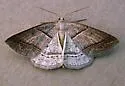
Northern Petrophora - Hodges#6804
Petrophora subaequaria
Identification: Brown, postmedian (pm) line double. Compare Common Petrophora, P. divisata .
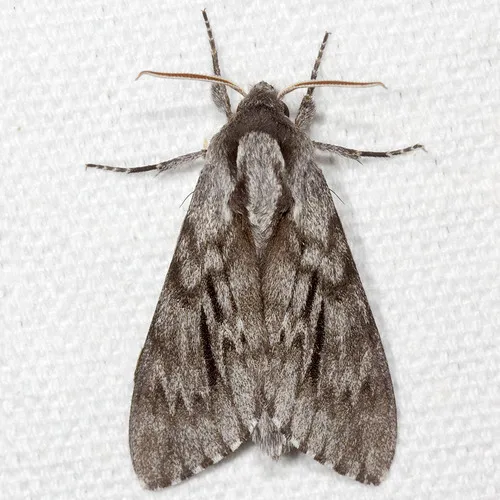
Northern Pine Sphinx - Hodges#7817
Lapara bombycoides
Identification: Adult: forewing gray with heavy black curved AM and zigzag PM lines bordered proximally by pale shading, and distally by dark shading; two or three black dashes in median area, and usually some brownish shading along inner margin near
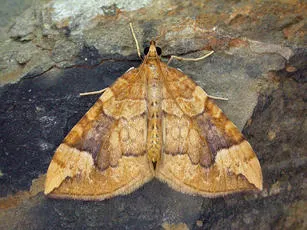
Northern Spinach
Eulithis populata
Wingspan 25 to 32 mm.This species shows a range of colour forms, with generally darker specimens further north. It inhabits peat moorland and grassland. There is one generation, with the moths flying in July and August. Distributed throughout Britain
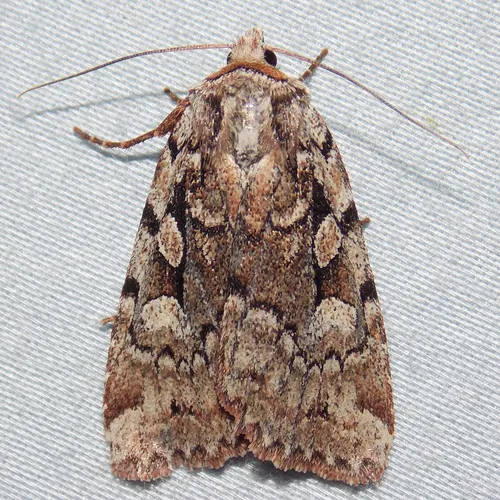
Northern Variable Dart - Hodges#10968
Xestia badicollis
Identification: Adult: forewing gray with slight red or pink shading; lines sharp to obscure, usually widening into spots at costa; black shading on basal side of orbicular spot, and reddish-brown shading between orbicular and reniform spots, with th
Northern Willow Clearwing - Hodges#2559
Synanthedon bolteri
Responds well to Z-ODDA pheromone baits - 99:1 (E,Z)-2,13-ODDA/(Z,Z)-3,13-ODDA (Taft, 2005).
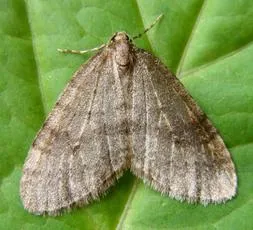
Northern Winter Moth
Operophtera fagata
Wingspan 32 to 40 mm. Male is rather similar to the Winter Moth ( O. brumata ) but paler and silky looking with whitish hindwings. The females have only vestigial wings. Woodland, scrub, heathland, gardens and orchards. Flies from October to December
Notch-winged Wave Moth - Hodges#7108
Idaea furciferata
Identification: Distinct difference in male/female hindwing shape and pattern. On the male, the forewings have a lobe near the base of the inner margin and the hindwings have sinuous indentations on the inner margins, making them look malformed. Com
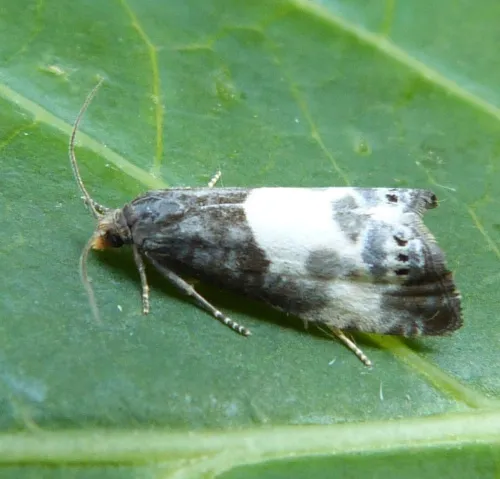
Notocelia cynosbatella
Notocelia cynosbatella
Wingspan 16-22 mm. The yellow labial palps of this moth readily distinguish it from several quite similar species. Flies, mainly at night, from May to July, but can easily be disturbed during the day. The larvae feed mainly on a variety of wild and c
Notocelia illotana - Hodges#3210
Notocelia illotana
Identification: Male genitalia: see Heinrich (1923: fig.281) ( 3 ) .
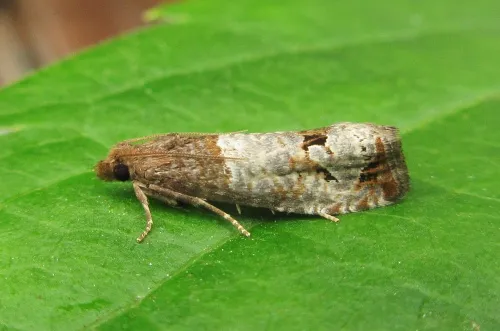
Notocelia roborana
Notocelia roborana
Gardens, parks and other areas where rose species are found. Moths are at large between June and August. The larva feeds mainly on Rose (Rosa), forming a spinning amongst the leaves or shoots. It is fairly common and well distributed through the Brit
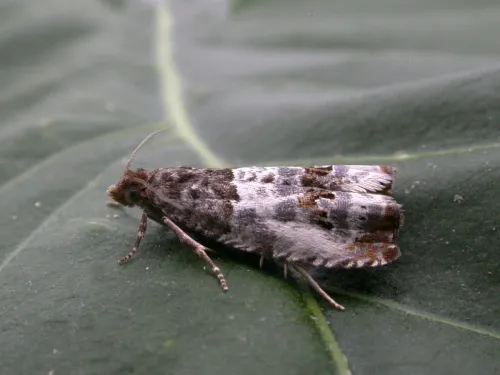
Notocelia rosaecolana
Notocelia rosaecolana
Wingspan 16 to 20 mm. One of three very similar species, also including E. trimaculana and E roborana. It is generally larger than trimaculana and has broader wings and a more strongly curved costa. The dark area at the base of the wing is less dark
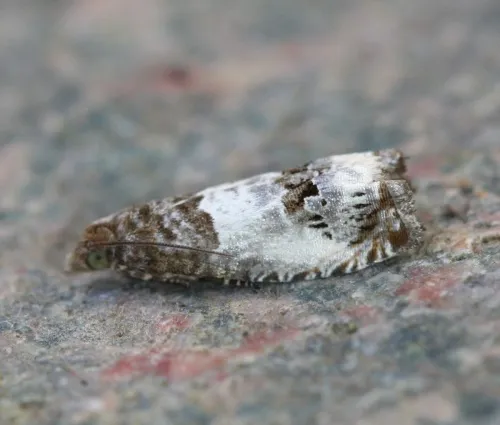
Notocelia trimaculana
Notocelia trimaculana
Wingspan 15-17 mm. Another of the very similar Epiblema species, the distinctive tawny markings towards the outer part of the forewing help to identify this moth. ALERT: It has been highlighted very recently that the identification of Notocelia trima
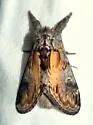
Notodonta manitou - Hodges#7926.1
Notodonta manitou
Identification: Per MONA Fascicle 22.1A, medial and ST areas of manitou forewing are yellowish to reddish brown with pale gray toward the costa. In scitipennis the colors are more to the reddish brown and the gray at costa is a darker slate gray. T
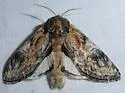
Notodonta ochreata - Hodges#7926.2
Notodonta ochreata
Identification: Characterized by MONA Fascicle 22.1A as not having a smooth, blended pattern as in N. manitou . Instead ochreata has an uneven, dirty look with the costal area between reniform and PM line standing out with a rough, charcoal black pa
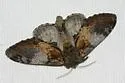
Notodonta pacifica - Hodges#7927
Notodonta pacifica
Identification: N. pacifica "differs from other Notodonta in that the apex of the valvae is greatly swollen and the process of the valva is robust and spatulate; in other species this process is spinose." Fascicle 22.1A
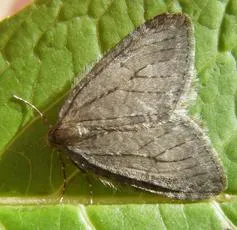
November Moth
Epirrita dilutata
Wingspan 38-44 mm. Three of the members of the genus Epirrita, (November Moth, E. dilutata, Autumnal Moth, E. autumnata, and Pale November Moth, E. chrystyi), can be very difficult to separate on markings alone, especially as some show marked melanis
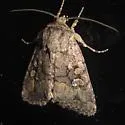
Nudorthodes texana - Hodges#10560
Nudorthodes texana
Identification: Comes in tan-brown and gray color forms. AM and PM lines are single, narrow, black; AM jagged, PM sinuous with a sharp basal turn close to the costa. Basal area is uniformly tan-brown or gray. Pale orbicular and reniform spots are mos
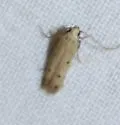
Numata bipunctella - Hodges#1765
Numata bipunctella
Identification: "Antennae yellowish fuscous. Labial palpi straw yellow, second joint blackish on the exterior side. Face, head, and thorax light straw-yellow. Forewings whitish straw-yellow, slightly darker toward apex, sparsely sprinkled with dark b
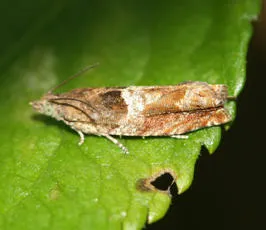
Nut Bud Moth
Epinotia tenerana
Wingspan 12 to16 mm. This is a small rust brown Tortrix , some specimens being darker than others. Woodland and damp areas, particularly where the food plants are present. Flies from dusk onwards and is on the wing from July to early October. They ca
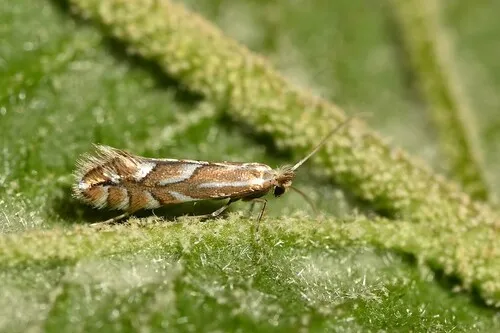
Nut Leaf Blister Moth
Phyllonorycter coryli
Wingspan 7 to 9 mm. This is yet another very small, brown and white Phyllonorycter. The details of the patterning require very careful examination to determine the species and expert confirmation should be sought. The larva mines the leaves of Hazel,
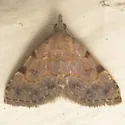
Nychioptera accola - Hodges#8486
Nychioptera accola
Nychioptera accola - Hodges#8486 (Nychioptera accola) is a species in the family Erebidae, belonging to the order Lepidoptera (Butterflies and Moths). It is classified within the subfamily Boletobiinae, tribe Phytometrini, superfamily Noctuoidea. Thi
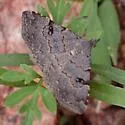
Nychioptera noctuidalis - Hodges#8485
Nychioptera noctuidalis
Identification: The only of the Nychioptera with the reniform filled with black.
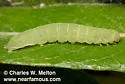
Nycteola fletcheri - Hodges#8979
Nycteola fletcheri
Identification: Adult- see original description in Print References below.
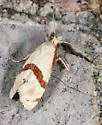
Nycthia pimana - Hodges#3852
Nycthia pimana
Identification: Specimen identified by DNA analysis:
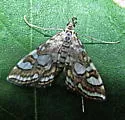
Nymphula Moth - Hodges#4747
Elophila ekthlipsis
Identification: Adult: wings deep yellow with large white patches rimmed by thick black lines; medial area of forewing has large white U-shaped patch, with the base of the "U" touching the costa, and another large oval patch touching the inner margin
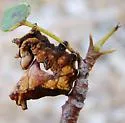
Nystalea eutalanta - Hodges#7947
Nystalea eutalanta
Identification: Original description online: (142) Determined Don Lafontaine
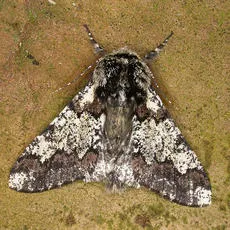
Oak Beauty
Biston strataria
Wingspan 40-50 mm. A large-bodied, attractive species with alternate bands of chestnut and white, speckled with black. Frequents deciduous woodland and suburban habitats. The caterpillars feed on a number of deciduous trees; the species is not restri
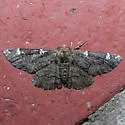
Oak Beauty - Hodges#6763
Phaeoura quernaria
Identification: Adult: wings powdery light to dark olive brown, with variable white patch at forewing apex, and white edging along black AM and PM lines, at least to costa; female with much broader white areas; blackish melanics common. [adapted from
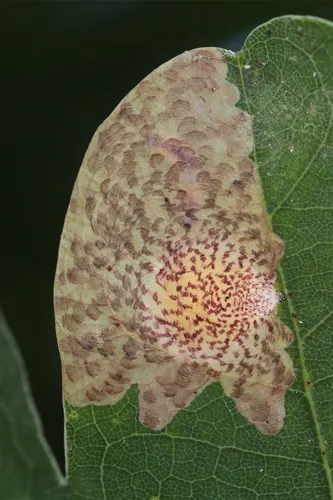
Oak Blotch Miner - Hodges#0144
Tischeria quercitella
Identification: From Microleps.org found here : "Tischeria quercitella (Fig. 1) makes a distinctive upperside blotch mine on oaks of the black oak group. According to Braun (1972), it is the only species of the oak-feeding group that constructs a nid
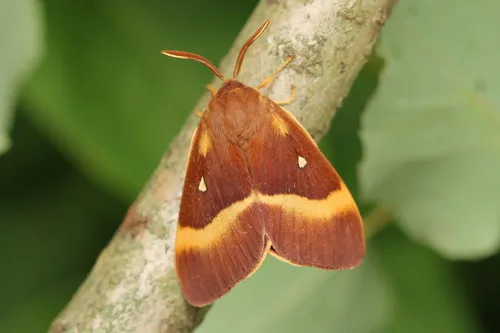
Oak Eggar
Lasiocampa quercus
Wingspan 45-75 mm. The males are red-brown with a yellow band across the wing, whereas the females are larger and a paler cream colour. Adults from northern moors and some dunes and southern heaths are often larger and darker than most southern forms
Oak Gall Borer - Hodges#2571
Synanthedon decipiens
Identification: Adult - see Solomon in Print References. Adults attracted to (Z,Z)-3,13-ODDA and (Z,Z)-3,13-ODDA/(E,Z)-3,13-ODDA/(Z,Z)-3,13-ODDOH blended pheromone lures (Meyer & Cranshaw, 1994).
Oak Hairstreak - Hodges#4331
Satyrium favonius
Identification: Adult: upperside dark brown with dim orange spot near outer margin of forewing, and brighter orange spot near outer margin of hindwing between tails; underside light grayish-brown with jagged black and white line forming a W shape nea
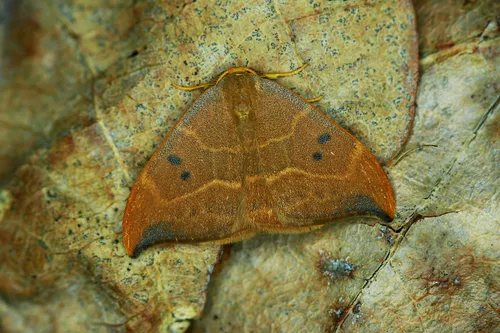
Oak Hook-tip
Watsonalla binaria
Wingspan 18-30 mm. The 'Hook-tip' moths get their name from the shape of the tips of the forewings and this species is one of the smaller members of the group. It is double-brooded, flying in May and June and again in August. Mainly nocturnal in habi
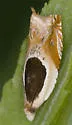
Oak Leaffolder - Hodges#3367
Ancylis burgessiana
Identification: Specimen identified by DNA analysis (BOLD). ( 4 )
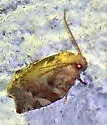
Oak Leafroller Moth - Hodges#3653
Archips semiferanus
Identification: Adult: forewing light yellowish-brown to reddish-brown with pale patches along costa; hindwing pale grayish-brown with whitish fringe. Larva: body various shades of green with black head.
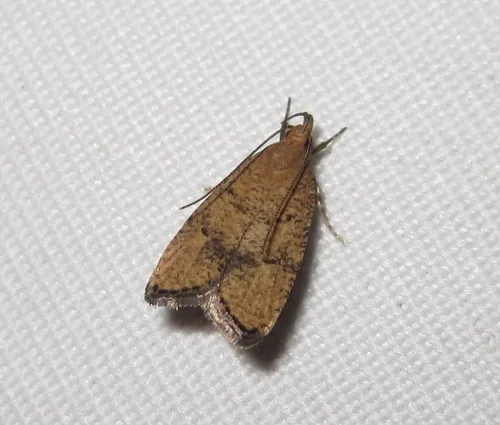
Oak Leaftier Moth
Psilocorsis quercicella
The oak leaftier moth or oak leaf-tying psilocorsis moth (Psilocorsis quercicella) is a species of moth of the Depressariidae family. It is found in the United States, including Florida, Maryland, Massachusetts and Oklahoma.
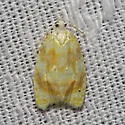
Oak Leaftier Moth - Hodges#3503
Acleris semipurpurana
Identification: Adult: forewing bright yellow with large brown blotch in the center, dusted with metallic gray scales. One or more darker spots within the brown blotch just above the midpoint on each side are apparent in several images. Adult color a
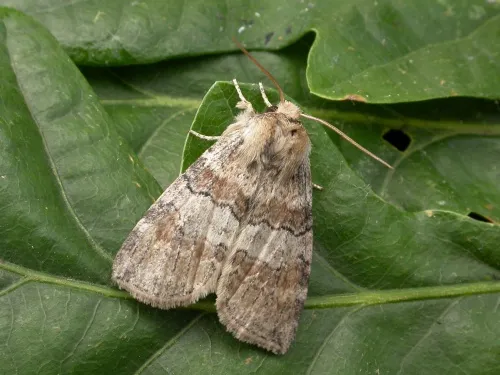
Oak Lutestring
Cymatophorina diluta
Wingspan 33 to 36 mm. Like other lutestrings, it can be variable, and there is a relatively plain, greyish form. The moths occurring in Britain are a separate subspecies, hartwiegi. Good photographs and/or the specimen required. The single generation
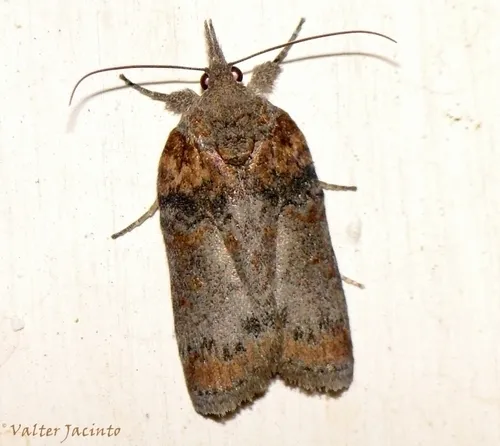
Oak Nycteoline
Nycteola revayana
Wingspan 20-25 mm. A quite small and very variable species, resembling the Tortricidae in general shape and demeanour. In deciduous woodland and areas with Oak The adults appear in late autumn, overwintering and appearing again in early spring. The s
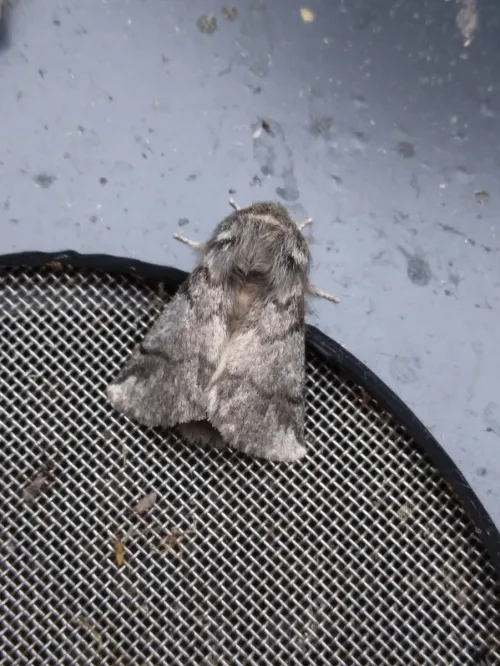
Oak Processionary
Thaumetopoea processionea
Wingspan 25 to 35 mm. It can be distinguished from related species by the pale basal area of the forewing. Please provide a photograph and liaise with the County Recorder prior to record submission. Broadleaved woodland, parkland and open spaces with
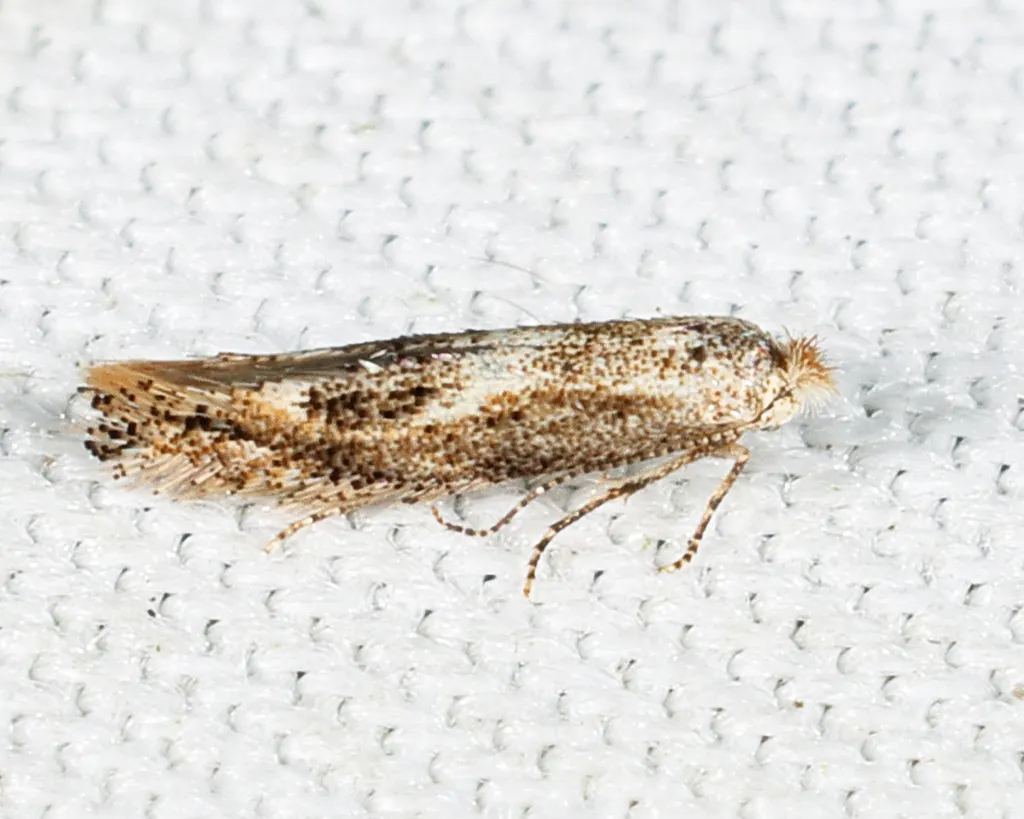
Oak Skeletonizer Moth - Hodges#0572
Bucculatrix ainsliella
Identification: Description. Head: Creamy white. Hair tuft between antenna creamy white with a distinct wide reddish-brown stripe in center. Antenna: Base (scape) pale yellowish. Antenna with 56 – 62 segments in both sexes; grayish-white with dark br
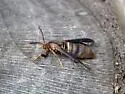
Oak Stump Borer Moth - Hodges#2522
Paranthrene asilipennis
Identification: Larva - white body with brown head, light brown thoracic shield and blackish mandibles.
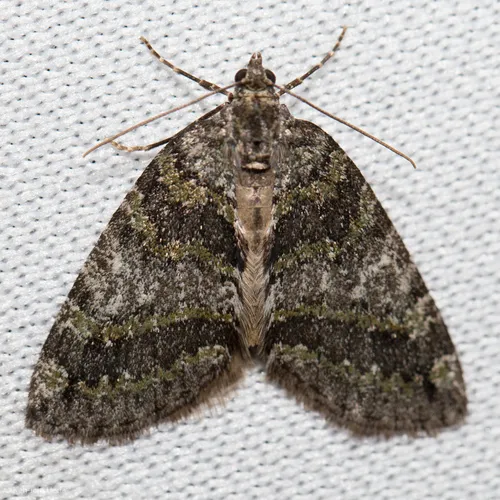
Oak Winter Highflier - Hodges#7276
Hydriomena nubilofasciata
Identification: Adult: FW extremely variable in color and pattern; "typical" specimens have four gray bands alternating with four light gold or greenish bands; PM line forms a smooth concave arc for most of its length, then angles inward near costa (
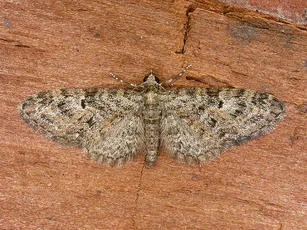
Oak-tree Pug
Eupithecia dodoneata
Wingspan 19 to 22 mm. Quite a small species. Found in deciduous woodland, hedgerows and suburban habitats. The single generation flies in May and June, and is most regularly encountered at light. The larvae feed on the flowers of Hawthorn as well as
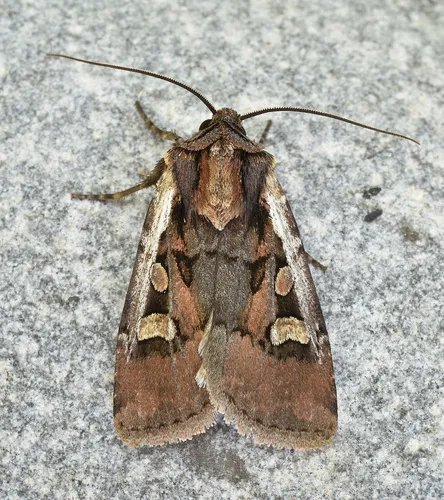
Obelisk Dart - Hodges#10817
Euxoa obeliscoides
Identification: forewing with dirty white strip along costa from base to reniform spot; an adjacent black strip provides a contrasting background for the large pale yellowish reniform and orbicular spots; claviform spot cone-shaped, dark gray; medium
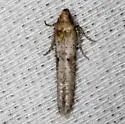
Obithome punctiferella - Hodges#1645
Obithome punctiferella
Identification: Det. Ed Knudson, 2009 Type Locality: Victoria, Texas.
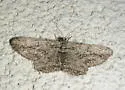
Oblique Looper Moth - Hodges#6577
Iridopsis obliquaria
Identification: Specimens identified by DNA analysis:
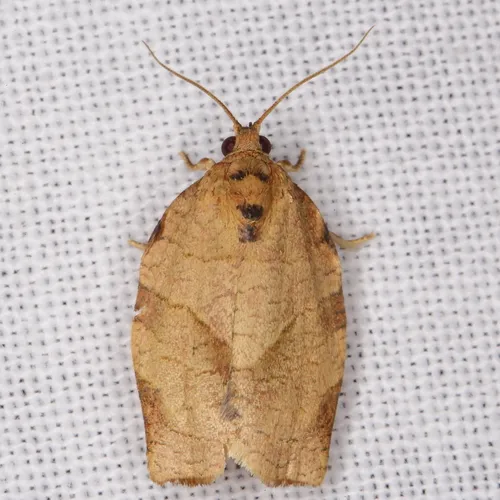
Oblique-banded Leafroller Moth
Choristoneura rosaceana
Choristoneura rosaceana, the oblique banded leaf roller or rosaceous leaf roller, is a moth of the Tortricidae family. It is native to North America, but has been accidentally introduced into other parts of the world.
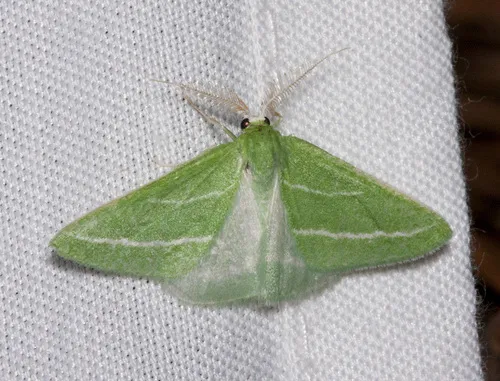
Oblique-striped Emerald - Hodges#7065
Synchlora bistriaria
Identification: Adult: forewing bright green with two almost straight and almost parallel white lines crossing wing at slight angle; hindwing white at base, green only beyond white PM line, more so toward anal angle. As in some other Synchlora specie
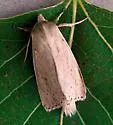
Oblong Sedge Borer - Hodges#9449
Globia oblonga
Identification: Adult: forewing yellowish with grayish-brown shading; orbicular and reniform spots outlined with ground color; PM line and terminal line a series of tiny black dots hindwing colored as forewing but grayish-brown shading darker [descri
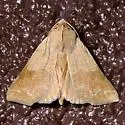
Obrima rinconada - Hodges#8565
Obrima rinconada
Identification: Photo by Charles Melton of a specimen identified by DNA
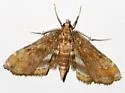
Obscure Pondweed Moth - Hodges#4760
Parapoynx obscuralis
Identification: Adult: forewing of male white with variable brown shading and thick white PM line; forewing of female nearly all dark brown; hindwing white with brown or blackish ST band and orange terminal band Genitalia: ♀ ♂ Larva: branched gills o