
Butterflies and Moths
Order Lepidoptera
The Butterflies and Moths (Order Lepidoptera) includes 11,813 species across 112 families and 2,787 genera in our directory.
About Butterflies and Moths
Lepidoptera includes approximately 180,000 described species of butterflies and moths. Moths outnumber butterflies roughly 10:1. The monarch butterfly's eastern population has declined by more than 80% since the mid-1990s, and the western population by over 95% since the 1980s. The IUCN lists the migratory monarch as Vulnerable.
Economic Impact
Lepidoptera are critical pollinators. In Europe, grassland butterfly species have declined by almost 50% since the early 1990s. In the UK, three-quarters of butterflies are in decline. In the U.S., five butterfly species have gone extinct since 1950, with 29 listed as endangered.
Ecological Role
Butterflies and moths are essential indicators of ecosystem health. As caterpillars, they are a primary food source for birds - a single nest of blue tit chicks requires ~10,000 caterpillars. Adult moths pollinate many night-blooming plants.
Families in Lepidoptera (112)
Species in Lepidoptera (11,813)
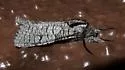
Hamilcara atra - Hodges#2698
Hamilcara atra
Identification: original description can be found at link in citations below
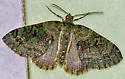
Hammaptera Moth - Hodges#7314
Hammaptera parinotata
Identification: Adult: forewing subterminal area has distinctive pair of dark "fingertip smudges" near apex; green tinting on forewing varies from bright and extensive to virtually non-existent; median area brownish-gray with paler central portion co
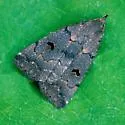
Hanham's Owlet - Hodges#8365
Phalaenostola hanhami
Identification: A small dark chocolate brown or puple-grey moth. The forewings are dark, with the antemedian and postmedian lines indistinct but visible, and with the subterminal line better marked in blackish scales, outlined on the distal side in c
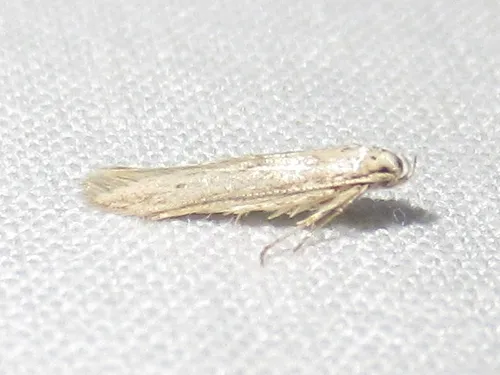
Haplochrois bipunctella - Hodges#1465
Haplochrois bipunctella
Identification: Specimen identified by DNA analysis (BOLD). Mike Quinn
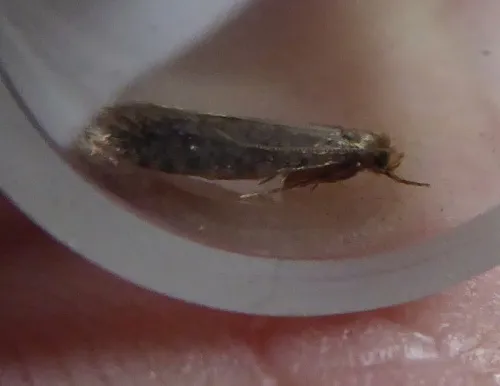
Haplotinea insectella
Haplotinea insectella
Wingspan about 12 mm. A rather drab looking species. The forewings are of a pale ochre mottled with dark fuscous.R Determination by genitalia examination (gen. det.) required. Warehouses, granaries, mills and farm buildings. Larva feeds on dried good
Harford's Sulphur - Hodges#4211.2
Colias harfordii
Identification: Photos of dorsal and ventral views can be found at Butterflies of America Very like Alexandra Sulphur above, but apparently no white female form. Below like Clouded Sulphur, except discal spot below often (usually?) without a small s
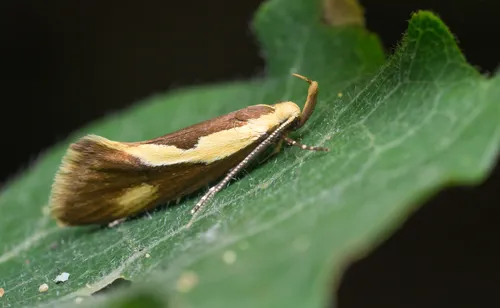
Harpella forficella
Harpella forficella
This is a very distinctively marked brown and cream moth. It has been recorded in Britain in July and August. Adults fly in the afternoon and early evening and again at dawn, and can also be attracted to light. This species is widely distributed on t
Harrisina coracina - Hodges#4622
Harrisina coracina
Identification: Clemens stated "The entire insect is black, without the orange colored prothorax of Harrisina [Aglaope] americana . These two individuals determined by Ed Knudson, Texas Lepidoptera Survey, Houston, TX. First recorded from the US by M
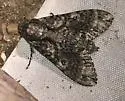
Hartweg's Sphinx - Hodges#7785
Dolbogene hartwegii
Identification: The upperside of the forewing is brown with dark brown and white markings with a light round spot near the end of the cell. The upperside of the hindwing has a dark spot at the lower outer margin, and the forewing has a small dark pat
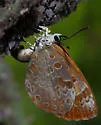
Harvester - Hodges#4249
Feniseca tarquinius
Identification: Distinctive small orange, black, and white-patterned Lycaennid. Underside, with the white circlets, is unique. (This helps it blend in with aphid colonies it visits?) Do not rub wings together like other members of this family. Flight
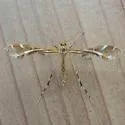
Hawkweed Plume Moth - Hodges#6097
Oxyptilus delawaricus
Identification: See the identification key for Oxyptilini . See the species accounts in Matthews and Landry . Oxyptilus delawaricus adults have: a well developed outer margin on the forewing second lobe, unlike in Dejongia , Megalorhipida , Buckleria
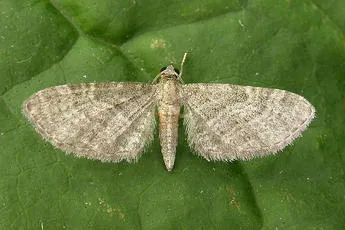
Haworth's Pug
Eupithecia haworthiata
Wingspan 12 to14 mm. One of the more easily recognisable of the Pugs ( Eupithecia spp.), with its orange or yellowish abdomen. The species can be found inhabiting woodland and chalky or limestone downs. The small, greenish caterpillars feed on the bu
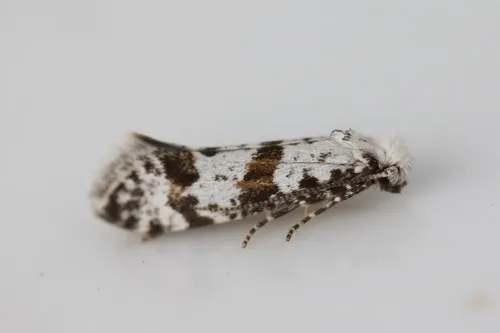
Hawthorn Moth
Scythropia crataegella
Wingspan 11 to 15 mm. A small generally whitish moth, with dark markings which may vary in colour but often reddish. Around areas where the larval foodplants occur. This species is on the wing in June and July, when it can be attracted to light. The
Hawthorn Underwing - Hodges#8858
Catocala crataegi
Identification: Adult - forewing with dark blackish shading in basal area continuing along inner margin to anal angle; postmedial (PM) line bordered distally by broad reddish-brown band - this band is pale and its distal margin is diffuse and indisti
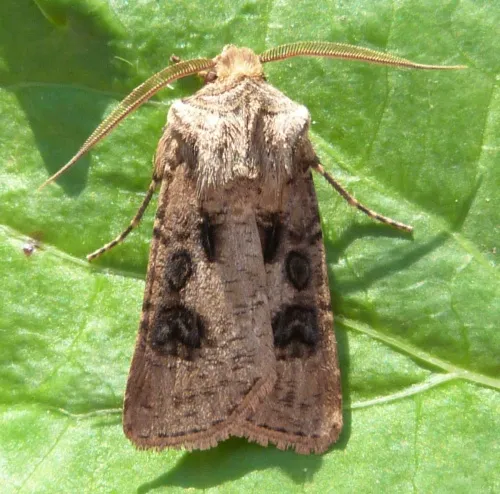
Heart & Club
Agrotis clavis
Wingspan 35 to 40 mm. Similar to the more common Heart & Dart, but the central dart-mark is shorter, blunter and more club like. Collar may have thin dark lines, but rarely has a dark broad band. Frequents sand dunes and waste ground, it is a frequen
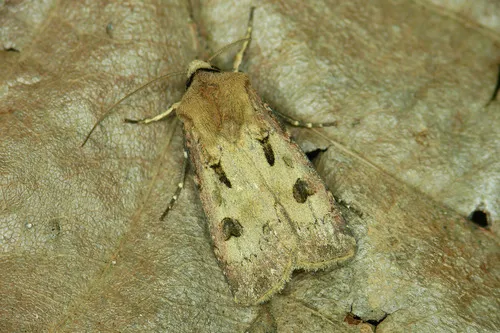
Heart & Dart
Agrotis exclamationis
Wingspan 30-40 mm. One distinctive feature of this species is that it always has a black band across the front of the thorax, when viewed head-on. Main flight period is from May to July, with numbers decreasing later in the season although individual
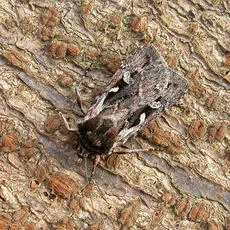
Heath Rustic
Xestia agathina
Wingspan 28 to 36 mm. There are a number of colour forms in different parts of the country, including a blackish form, ab. scopariae in northern England. The flight time of the adults is September, when they can be attracted to light. Widespread, but
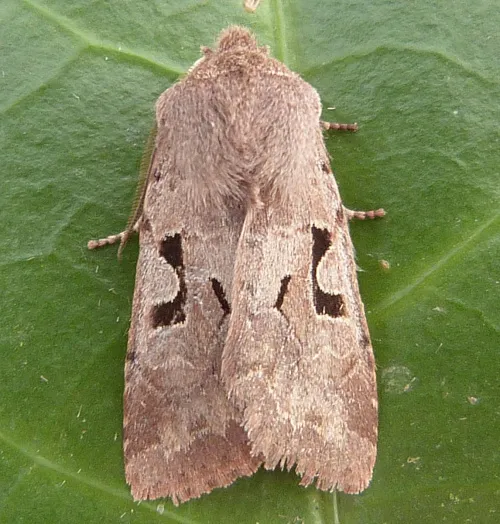
Hebrew Character
Orthosia gothica
Wingspan 30-35 mm. The typical forms have a distinct black mark on the forewing but some forms, especially in northern parts, have this mark the same as the ground colour or even paler. It flies in a single generation during March and April. It can b
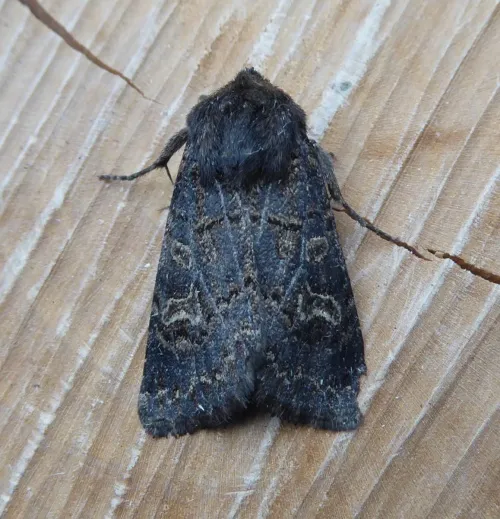
Hedge Rustic
Tholera cespitis
Despite its English name, this is a species of open grassland. It flies in August and September, and can be attracted to light. The caterpillars feed on various grasses, including mat-grass (Nodus stricta) and hair-grass (Deschampsia spp.). Locally c
Hedgenettle Plume Moth - Hodges#6094
Capperia ningoris
Identification: See the identification key for Oxyptilini . See the identification section for Capperia . See the species accounts in Barnes & Lindsey as Pterophorus ningoris and Walsingham as Oxyptilus ningoris . Adult - brown with a dull purplish s
Hedgerow Hairstreak - Hodges#4288
Satyrium saepium
Identification: Underwing brown with dark postmedian band, often with pale cell end bars, blue patch near tail, and no orange.
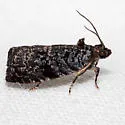
Hedya cyanana - Hodges#2864
Hedya cyanana
Identification: Larva - glossy dark green with dark line along the dorsum. Head polished honey-yellow to olive. Cervical shield nearly same color as head. (Murtfeldt, 1880). Adult - see Murtfeldt in Print References. Genitalia:
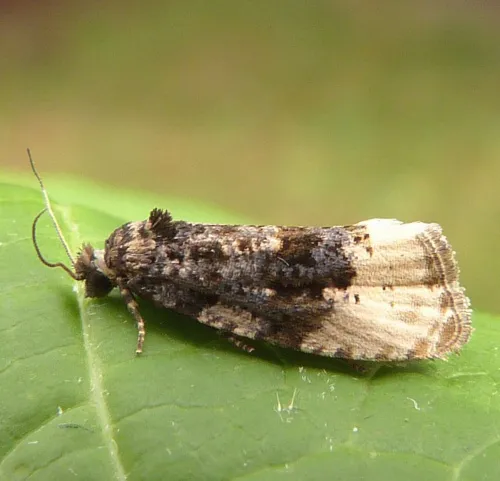
Hedya ochroleucana
Hedya ochroleucana
Wingspan 16 to 21 mm. Rather similar in appearance to some of the other Hedya species, this moth can usually be distinguished by the relatively clean-looking creamy outer part of the forewing. Varied habitats, especially where the larval foodplants a
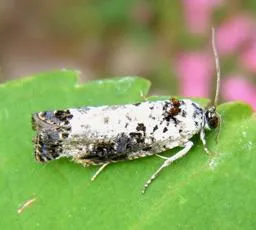
Hedya salicella
Hedya salicella
Wingspan 19-24 mm. A large and distinctive Hedya species, showing large areas of white and a distinctive chestnut and grey crest on the thorax. Various habitats and especially where the food plants are present. The moth flies from June through August
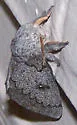
Heiligbrodt's Mesquite Moth - Hodges#7710
Syssphinx heiligbrodti
Identification: Adult moth is paler than the very similar S. hubbardi . Most easily separated by distribution, with S. heiligbrodti found in south and central Texas, and S. hubbardi from west Texas through Arizona. The two species do overlap in the D
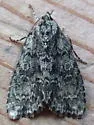
Heitzman's Dagger Moth - Hodges#9241.1
Acronicta heitzmani
Heitzman's Dagger Moth - Hodges#9241.1 (Acronicta heitzmani) is a species in the family Noctuidae, commonly known as owlet moths, belonging to the order Lepidoptera (Butterflies and Moths). It is classified within the subfamily Acronictinae, superfam
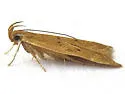
Helcystogramma badia - Hodges#2263
Helcystogramma badia
Identification: The original description as Brachmia badia Braun, is available in the print references below. Powell & Opler (2009) refer to the species as Helcystogramma badium . ( 4 )
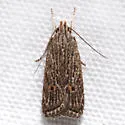
Helcystogramma chambersella - Hodges#2265
Helcystogramma chambersella
Identification: Specimen determined by DNA analysis (BOLD).
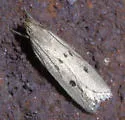
Helcystogramma melanocarpa - Hodges#2269
Helcystogramma melanocarpa
Identification: Specimen identified by DNA analysis (BOLD).
Helcystogramma melantherella - Hodges#2270
Helcystogramma melantherella
Identification: Specimen identified by DNA analysis (BOLD).
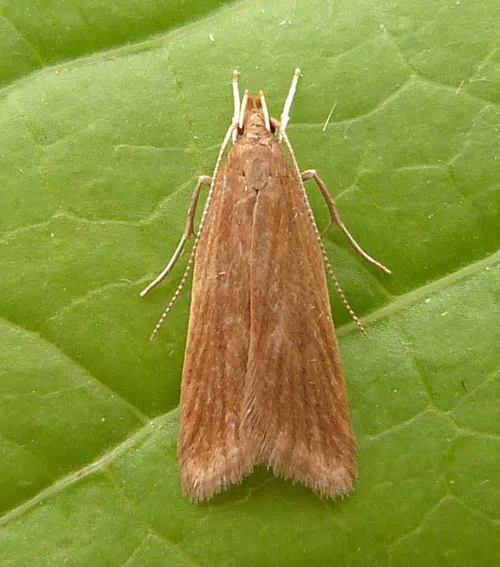
Helcystogramma rufescens
Helcystogramma rufescens
Wingspan 14-18 mm. This reddish-brown species inhabits a range of habitats. Rough pastures, unimproved grassland, downland and woodland rides. The nocturnal adults fly between June and August. The larvae overwinter on a number of grasses, especially
Helia agna - Hodges#8657
Helia agna
Identification: Druce (1890) original description as Selenis agna in print references. Often seen at bait.
Heliades mulleolella - Hodges#5574
Heliades mulleolella
Identification: The original description as Pempelia mulleolella Hulst, is available online in the print references. Thanks to James Hayden , Curator, Florida State Collection of Arthropods, who corrected the identification of this group. Please see
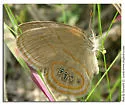
Helicta Satyr - Hodges#4576.1
Neonympha helicta
Identification: Similar to Georgia Satyr except larger, and the shape of the eye-spots on the hindwing is oval to round in Helicta, elongate in Georgia.
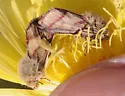
Heliolonche pictipennis - Hodges#11210
Heliolonche pictipennis
Identification: See PNW Moths reference for detailed description of adult
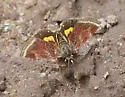
Heliothelopsis arbutalis - Hodges#4841
Heliothelopsis arbutalis
Identification: Forewings dark brown with a narrow grey submarginal line from the apex to the anal angle. The hindwings are black, crossed in the middle with a pale yellow-orange band from the costal margin to the inner margin.
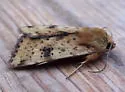
Heliothis acesias - Hodges#11072.1
Heliothis acesias
Identification: Forewing median band is curved at the reniform compared to sharply angled in Heliothis phloxiphaga . Hindwing is pale yellow or bright yellow-orange with a large black curved discal mark. There is a black terminal band which has a obl
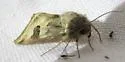
Heliothis australis - Hodges#11072.2
Heliothis australis
Identification: The Hardwick description of the adult, including genitalia, is available in PDF.
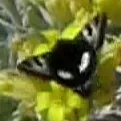
Heliothis belladonna - Hodges#11080
Heliothis belladonna
Identification: Edwards (1881) original description as Melicleptria belladonna is online in the print references. diurnal Males of Heliothis belladonna have been captured in traps baited with commercial pheromone lures placed for Helicoverpa zea (Cor
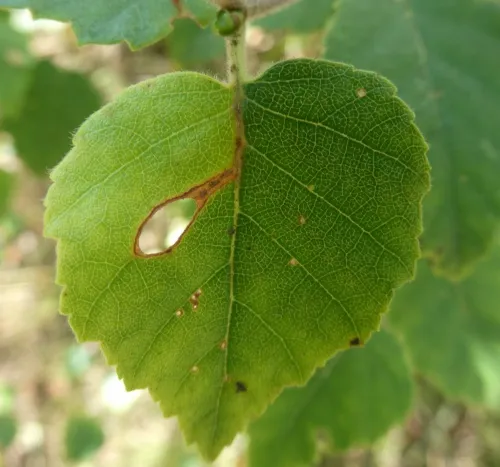
Heliozela hammoniella
Heliozela hammoniella
Wingspan about 6 mm. A tiny species whose larvae mine the leaves of Birch species. The mine is more easily recorded than the adult. It starts in the petiole and midrib then leads to an oval blotch, and finally a cut-out in the leaf-blade. Adult: Plea
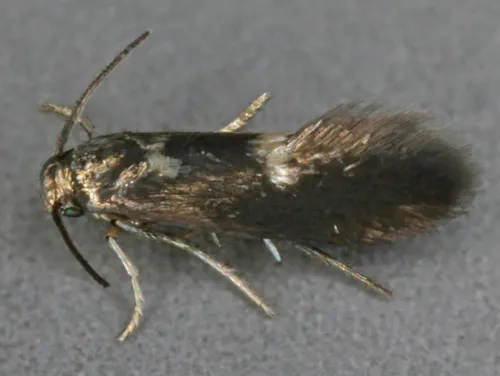
Heliozela resplendella
Heliozela resplendella
Wingspan 5 to 7 mm. There are other similar species and gen det may be needed to confirm identification of adult moths. The larva mines the leaves of Alder, causing a gall within the midrib. The mine is initially in the midrib and then along a side v
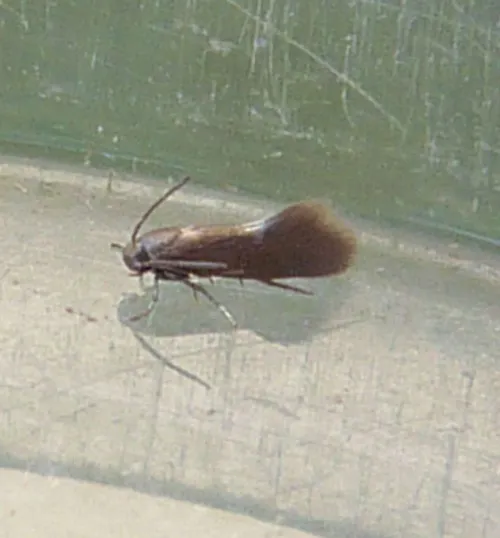
Heliozela sericiella
Heliozela sericiella
Wingspan 6 to 8 mm. A rather plain brown species with just a few lighter markings. The larva mines Oak, first causing a gall in the leaf petiole, it then mines the leaf, finally making a small oval cut-out close to the leaf base. This is the only lea
Hellinsia chlorias - Hodges#6212.1
Hellinsia chlorias
Hellinsia chlorias - Hodges#6212.1 (Hellinsia chlorias) is a species in the family Pterophoridae, commonly known as plume moths, belonging to the order Lepidoptera (Butterflies and Moths). It is classified within the subfamily Pterophorinae, tribe Oi
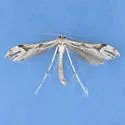
Hellinsia citrites - Hodges#6183
Hellinsia citrites
Identification: Specimen determined by DNA analysis (BOLD).
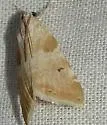
Hellula aqualis - Hodges#4849
Hellula aqualis
Identification: Barnes & McDunnough original description is online. The females are much paler and without the bolder maculation of the males. Specimen determined by DNA analysis (BOLD).
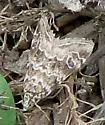
Hellula rogatalis - Hodges#4846
Hellula rogatalis
Identification: Adult - FW brownish-yellow or grayish-yellow with wavy white AM, median, and PM lines; reniform spot smoothly-rounded, oval or kidney-shaped; ST composed of several equally-spaced black dots some distance from outer margin; HW light g
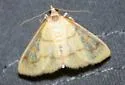
Helvibotys helvialis - Hodges#4980
Helvibotys helvialis
Identification: Adult: forewing variably yellowish, orangish, or tan with brown AM and PM lines; AM line a smooth shallow arc, almost straight; PM line a smooth shallow S-shaped curve; two discal spots in median area near costa are same color as AM a
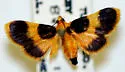
Helvibotys pucilla - Hodges#4984
Helvibotys pucilla
Identification: Adult: forewing black in basal quarter/third and distal half, leaving broad yellow band in median area; hindwing yellow except for broad black terminal band; fringe yellow on all wings; antennae white from tip to beyond middle, then b
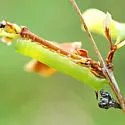
Hemaris thetis - Hodges#7855.1
Hemaris thetis
Identification: As of 2009, all Hemaris diffinis (Hodges # 7855) at BugGuide from west of the Continental Divide should be moved to this newly elevated species. In some places just east of the Divide (Colorado, Alberta) overlap of ranges is known and
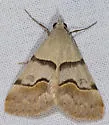
Hemeroplanis incusalis - Hodges#8474
Hemeroplanis incusalis
Identification: Adult - highly variable, with pale and darker forms. Summer specimens rarely as pale as spring specimens (Franclemont, 1966).
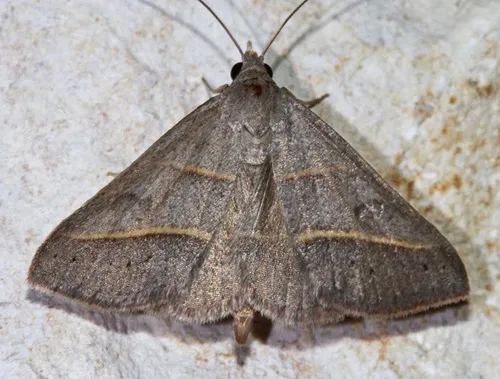
Hemeroplanis parallela - Hodges#8475
Hemeroplanis parallela
Ann Hendrickson 1/16/2023 I am now positive that none of my photographs posted here are Hemeroplanis trilineosa . Unfortunately, none of my specimens has full 658 coi, but all of them fail at the END of the string. All of them have been matched to t
Hemeroplanis rectalis - Hodges#8475.1
Hemeroplanis rectalis
Identification: FWs rather sharply triangular with straight costal margin; ground color varies from pale cream, yellow, or orange, to pinkish red. AM and PM lines narrow, yellowish; AM line perpendicular to inner margin and fairly straight, highligh
Hemieuxoa Moth - Hodges#10914
Hemieuxoa rudens
Identification: The adults have two forms. typical form "pellucida" form This is the type species of the genus Hemieuxoa . The holotype male and female were collected in Texas.
Hemileuca peigleri - Hodges#7744.3
Hemileuca peigleri
Type Locality: Ebony Hill Research Station, Bexar Co., Texas
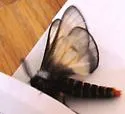
Hemileuca slosseri - Hodges#7744.4
Hemileuca slosseri
considered by Oklahoma to be a "Species of Greatest Conservation Need" (SGCN) ( 4 )
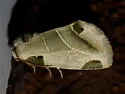
Heminocloa mirabilis - Hodges#9735
Heminocloa mirabilis
Identification: The original description as Basilodes mirabilis Neumoegen, is available online in the print references below.
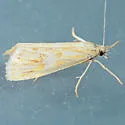
Hemiplatytes epia - Hodges#5507
Hemiplatytes epia
Identification: Sexually dimorphic. Forewing of female is whitish with a trace of brown markings. Hindwing white. Forewing of male is dark brown with black hindwing.
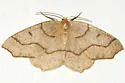
Hemlock Looper - Hodges#6888
Lambdina fiscellaria
There are many online sources with information on the pest status of the species.
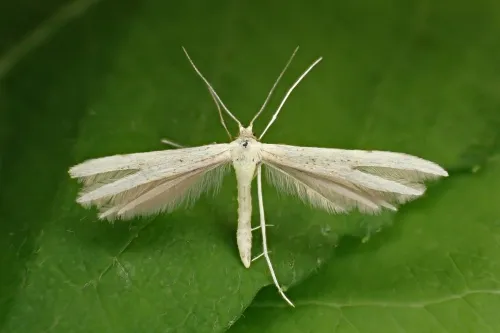
Hemp-agrimony Plume
Adaina microdactyla
Wingspan 13 to 17 mm. The smallest of the British Pterophoridae which is pale buff in colour. The larvae gall the stems of Hemp-agrimony and the species is probably most easily recorded by recording the galls or exit holes in the host plant. Adult: R
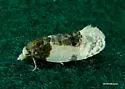
Henricus edwardsiana - Hodges#3797
Henricus edwardsiana
Identification: Adult - see original description in Print References. Also see Razowski.
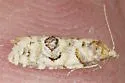
Henricus infernalis - Hodges#3799
Henricus infernalis
Identification: The original description as Commophila infernalis Heinrich, is available in PDF , and online in the print references below. Also see Razowski.
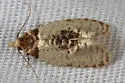
Henricus umbrabasana - Hodges#3801
Henricus umbrabasana
Identification: Adult - see original description in Print References. Specimens identified by DNA analysis:
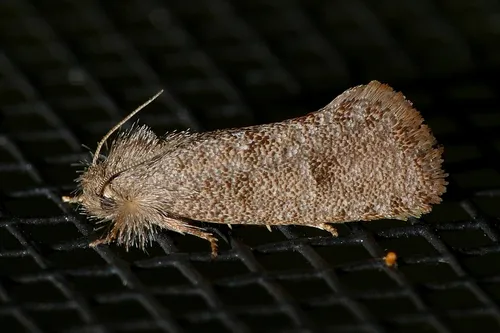
Heppner's Grass Tubeworm Moth
Acrolophus heppneri
Acrolophus heppneri is a moth of the Acrolophidae family. It was described by Davis in 1990. It is found in North America, including Alabama, Florida, Mississippi and Texas.
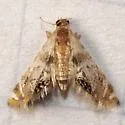
Heppner's Petrophila - Hodges#4784.1
Petrophila heppneri
Identification: Distinguished from other species of Petrophila in Texas and Oklahoma by the thin dark line over the submarginal eyespots on the HW. The postmedian area of the HW is speckled with black. The white medial line on the FW is notably zigza
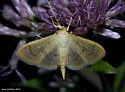
Herbivorous Pleuroptya Moth - Hodges#5243
Patania silicalis
Identification: Adult: forewing yellowish-gray to orangish with dark gray AM and PM lines; AM line slightly ragged but almost straight; PM line toothed, with deep right-angled jog toward base in lower half; discal spot a dark gray crescent, sometimes
Hermit Sphinx - Hodges#7796
Lintneria eremitus
Identification: FW grayish/brown with black dashes and lines. Reniform spot white, sometimes doubled. HW black with two broad white bands, inner band enclosing a black triangle at base of wing . Note the golden hair on the thorax. a the species of er
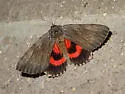
Herodias Underwing - Hodges#8850
Catocala herodias
Identification: Adult - forewing is grey and brown, generally lacking any trace of medial lines. Instead forewing veins are somewhat darkened in the median areas with white streaks from the post medial line to the outer fringe, running parallel to th
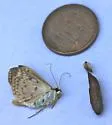
Herpetogramma aquilonalis - Hodges#5277.1
Herpetogramma aquilonalis
Identification: From the key to Canadian species of Herpetogramma - Terminal line of hindwing barely marked, usually represented by dark dots on wing veins.
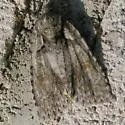
Hesitant Dagger - Hodges#9244
Acronicta modica
Identification: Adult: forewing medium gray with AM and PM line usually conspicuously double; basal dash thick but usually not touching small blackish blotch at middle of AM line; hindwing grayish-brown [description by Charles Covell] Genitalia: Larv
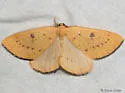
Hesperumia fumosaria - Hodges#6432
Hesperumia fumosaria
The population from southern California is small in size and has a relatively high percentage of the moths with a brown median area of the forewing in both sexes. The moths from central and northern California are larger and have about one-third as m
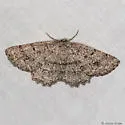
Hesperumia latipennis - Hodges#6433
Hesperumia latipennis
In general, the moths from the Cascade Mountains tend to be slightly grayer and to have more clearly defined maculation than do specimens from the coastal areas of British Columbia, Washington, and central California
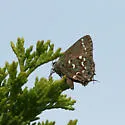
Hessel's Hairstreak - Hodges#4319
Callophrys hesseli
Identification: Very similar to Juniper Hairstreak - Callophrys (Mitoura) gryneus . Distinguished by close association with a different larval host plant and by coloration. In this species the white markings on the underside are often more striking w
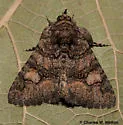
Heteranassa mima - Hodges#8659
Heteranassa mima
Identification: Specimens identified by DNA analysis: Larva - "extraordinarily variable." abundant in s. TX Heteranassa fraterna was synonymized with H. mima by Homziak et al.. Behavior:
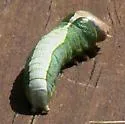
Heterocampa astartoides - Hodges#7978
Heterocampa astartoides
Identification: Adult determined by Ed Knudson, Texas Lepidoptera Survey
Heterocampa secessionis - Hodges#7981
Heterocampa secessionis
Identification: Det. Texas Lepidoptera Survey Type Locality: Alpine, Texas, 1 Jun 1926
Heterusia atalantata - Hodges#7367
Heterusia atalantata
Identification: Unmistakeable upperwing pattern, brilliant yellow with a wide black border. At rest, hides this by folding wings up over its back and showing only the undersurface of the hindwings, which are mottled in various shades of brown. This d
Hexorthodes accurata - Hodges#10601
Hexorthodes accurata
Identification: Hindwings are semitranslucent white, with brown veins.
Hexorthodes nipana - Hodges#10286
Hexorthodes nipana
Identification: Specimen determined by DNA analysis (BOLD).
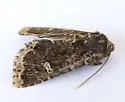
Hexorthodes senatoria - Hodges#10602
Hexorthodes senatoria
Identification: See Smith (1900) in Print References below.
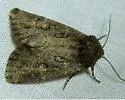
Hexorthodes serrata - Hodges#10592
Hexorthodes serrata
Hexorthodes serrata - Hodges#10592 (Hexorthodes serrata) is a species in the family Noctuidae, commonly known as owlet moths, belonging to the order Lepidoptera (Butterflies and Moths). It is classified within the subfamily Noctuinae, tribe Eriopygin
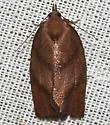
Hickory Leafroller - Hodges#3622
Argyrotaenia juglandana
Identification: Adult - forewing brown with two darker brown diagonal lines across wing; small pale spot at base of wing touches small pale spot at tip of thorax to form conspicuous pale patch when wings are held together at rest; hindwing pale gray
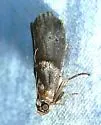
Hickory Shoot Borer Moth - Hodges#5664
Acrobasis caryae
Identification: Larvae - head reddish brown to dark reddish brown usually with dark-brown maculation. Dorsum of body pale yellowish green; dorsum of thorax mostly pale yellow; overlap of segments pale yellow, in some larvae becoming pink; venter pale
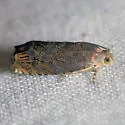
Hickory Shuckworm Moth - Hodges#3471
Cydia caryana
Identification: Genitalia: ♀ ♂ Gathering and destroying nuts in the winter is helpful control when there is an infestation.
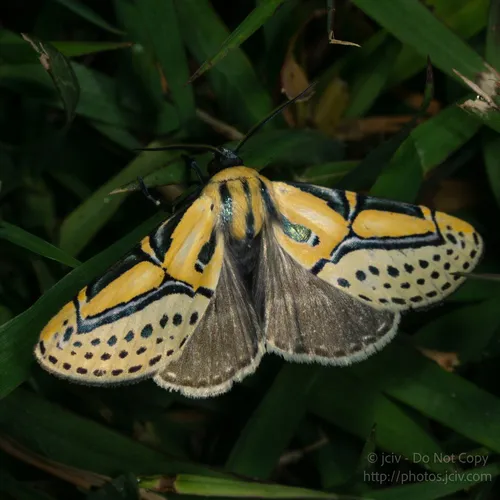
Hieroglyphic Moth
Diphthera festiva
The Hieroglyphic Moth, Diphthera festiva, is a species of moth in the family Nolidae and is the only moth in its subfamily Diphtherinae. It is found in the tropical and subtropical areas of South America (as far south as Bolivia and Brazil), Central
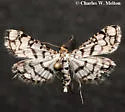
Hileithia aplicalis - Hodges#5188
Hileithia aplicalis
Blepharomastix magualis, aplicalis, rehamalis , and differentialis were transferred to Hileithia in Munroe (1995a).
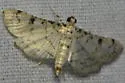
Hileithia differentialis - Hodges#5190
Hileithia differentialis
Identification: Determined by Jim Vargo. Blepharomastix magualis, aplicalis, rehamalis , and differentialis were transferred to Hileithia in Munroe (1995a).
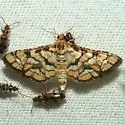
Hileithia magualis - Hodges#5187
Hileithia magualis
Blepharomastix magualis, aplicalis, rehamalis , and differentialis were transferred to Hileithia in Munroe (1995a).
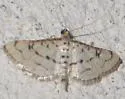
Hileithia rehamalis - Hodges#5189
Hileithia rehamalis
Identification: Adult: wings white with irregular black lines; top of head yellow; top of thorax and abdomen white with black spots Blepharomastix magualis, aplicalis, rehamalis , and differentialis were transferred to Hileithia in Munroe (1995a).
Hill Country Skipper
Hesperia balcones
Identification: Butterflies of America - BOA Type locality: Texas, Travis Co., Volente, along Lime Creek Rd. between GPS 30.4611, −97.9064 and 30.4605, −97.9011.

Himalayan Grain Moth
Martyringa xeraula
Martyringa xeraula, the Himalayan grain moth, is a moth in the Lecithoceridae family. It was described by Meyrick in 1910. It is found in India (Assam), western China, Japan and North America, where it has been recorded from Louisiana, Texas and from
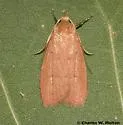
Himmacia huachucella - Hodges#0948
Himmacia huachucella
Identification: Busck original description as Cryptolechia huachucella is online in the print references. Powell & Opler described the adults a bright to pale rust rose-colored.
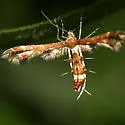
Himmelman's Plume Moth - Hodges#6092
Geina tenuidactylus
Identification: See the identification key for Oxyptilini . See the species accounts in Landry , Hunt & Matthews , McDunnough as Pterophorus cygnus (discussion of synonym), and Barnes & Lindsey as Pterophorus cygnus (redescribed due to a misidentific
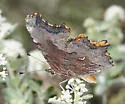
Hoary Comma - Hodges#4427
Polygonia gracilis
Identification: Adult: eastern subspecies best distinguished by dark inner part of underside of wings, contrasting strongly with gray, "hoary" outer part; hindwing upperside with bright yellow spots in dark wing margin; silver comma on underside of h
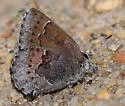
Hoary Elfin - Hodges#4324
Callophrys polios
Identification: Adult: upperside of wings orangish-brown in the east, grayer in the west; underside of hindwing with wide terminal band of pale gray frosting; underside of forewing with narrow terminal band of frosting; hindwing underside lacks dark
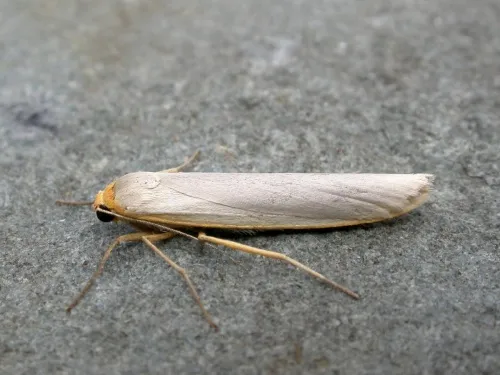
Hoary Footman
Eilema caniola
Wingspan 28 to 35 mm. Paler and greyer than similarly patterned 'footmen'. Very similar to Scarce Footman (E. complana), but hindwing very pale yellowish grey (ochreous yellow in Scarce Footman), a feature which is difficult to see on live specimens.
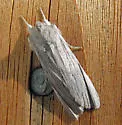
Hoary Pinion - Hodges#9917
Lithophane fagina
Identification: Adult: forewing uniformly light to medium gray with faint black streaks; hoary white strip along basal two-thirds of costa is diagnostic; hindwing dirty yellowish-white with gray veins and pale fringe Larva: body densely speckled pale
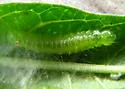
Hodebertia testalis - Hodges#5199.6
Hodebertia testalis
Hodebertia testalis (Fabricius, 1794) is now recognized from Florida and Texas in Hayden & Minno (2016), News Lepid. Soc., 58(4): 166-170.
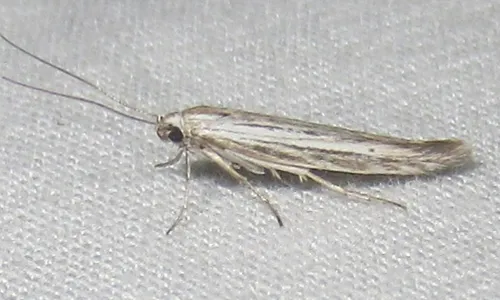
Hodges#1658
Neoscythris fissirostris
Neoscythris fissirostris is a moth of the family Scythrididae. It was described by Edward Meyrick in 1928. It is found in North America, where it has been recorded from Arizona, California, Kansas, New Mexico and Texas.
Hodges#6406.1
Rindgea disparcata
Identification: Cryptic. By dissection only. Douglas C. Ferguson named it as a new species in his Geometroidae fascicle 17.2. "This cryptic species, which is rare in collections, is known only from central and southern Texas. It is the sister spec
Hodges' Plume Moth - Hodges#6154.3
Pselnophorus hodgesi
Identification: The four Pselnophorus species occurring north of Mexico are treated in .