
Harvester - Hodges#4249
Feniseca tarquinius
This record describes Feniseca tarquinius (species). Recorded family: Lycaenidae. Recorded order: Lepidoptera.
Identification and Appearance
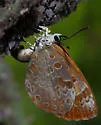
Distinctive small orange, black, and white-patterned Lycaennid. Underside, with the white circlets, is unique. (This helps it blend in with aphid colonies it visits?) Do not rub wings together like other members of this family. Flight erratic, quite dizzying for the butterfly-watcher. Always seem to be rather uncommon and local. One of a handful of carnivorous Lepidoptera
Classification
- Kingdom
- Animalia
- Phylum
- Arthropoda
- Class
- Insecta
- Order
- Lepidoptera (Butterflies and Moths)
- Superfamily
- Papilionoidea
- Family
- Lycaenidae (Blues, Coppers, Hairstreaks, Harvesters)
- Subfamily
- Miletinae
- Genus
- Feniseca
Imported taxonomy record. Source availability varies; see the source references and editorial policy below.
Habitat and Range
Habitat
Woodlands, esp. deciduous forests. Often along streams, near the hos tplant (alders) for its larval prey, wooly aphids. Sometimes in drier woods, such as near American Beech, which also hosts aphids.
Geographic Range
e. N. Amer. - Map (MPG)
Seasonal Activity
mostly: Apr-Sept ( MPG )
Diet and Behavior
Diet: Adults take fluids, e.g., from damp sand, dung, carrion, aphid honeydew. Caterpillars eat other insects, especially woolly aphids.
Life History
Males perch on leaves (near aphid colonies?) on the lookout for females, also patrol. Eggs laid among aphid (or other homopteran) colonies. Larvae are unique, feed on wooly aphids and other homopterans that suck sap from trees, shrubs, and occasionally, herbs. Larvae are reported to feed from under a silken web. Larvae of some species in this subfamily are attended by ants, but this has not been noted for this species. May overwinter as a late-stage larva.
Additional species information
Species notes from the sources
Etymology: Genus name feniseca is Latin meaning a mower, a harvester . Lucius Tarquinus Superbus was the legendary seventh (and last) Etruscan king of Rome who was exiled for cruelty. So this is the "cruel harvester".
About Butterflies and Moths: the wider group
Order-level background for Lepidoptera, the group containing Feniseca tarquinius. Species-specific details appear above.
Group overview
Lepidoptera includes approximately 180,000 described species of butterflies and moths. Moths outnumber butterflies roughly 10:1. The monarch butterfly's eastern population has declined by more than 80% since the mid-1990s, and the western population by over 95% since the 1980s. The IUCN lists the migratory monarch as Vulnerable.
Ecological role of the group
Butterflies and moths are essential indicators of ecosystem health. As caterpillars, they are a primary food source for birds - a single nest of blue tit chicks requires ~10,000 caterpillars. Adult moths pollinate many night-blooming plants.
Economic and practical significance of the group
Lepidoptera are critical pollinators. In Europe, grassland butterfly species have declined by almost 50% since the early 1990s. In the UK, three-quarters of butterflies are in decline. In the U.S., five butterfly species have gone extinct since 1950, with 29 listed as endangered.
Recorded sources for this group: IUCN Red List, Xerces Society, USFWS, PNAS, WWF. Imported estimates may describe particular regions or reporting periods.
Photos of Harvester - Hodges#4249 (5)
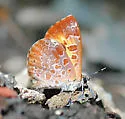
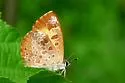
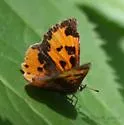
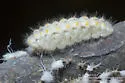
Photo credits: Contributed by Cotinis; Additional contributions by Beatriz Moisset , Mike Quinn , Abigail Parker
Frequently Asked Questions About Harvester - Hodges#4249
What is Harvester - Hodges#4249?
Harvester - Hodges#4249 (Feniseca tarquinius) is a species in the family Lycaenidae, within the order Lepidoptera.
How big is Harvester - Hodges#4249?
Wingspan 23-32 mm
How do you identify Harvester - Hodges#4249?
Distinctive small orange, black, and white-patterned Lycaennid. Underside, with the white circlets, is unique. (This helps it blend in with aphid colonies it visits?) Do not rub wings together like other members of this family. Flight erratic, quite dizzying for the butterfly-watcher.
Where is Harvester - Hodges#4249 found?
| Feature | Details |
|---|---|
| Habitat | Woodlands, esp. deciduous forests. Often along streams, near the hos tplant (alders) for its larval prey, wooly aphids. Sometimes in drier woods, such as near American Beech, which also hosts aphids. |
| Range | e. N. Amer. - Map (MPG) |
What does Harvester - Hodges#4249 eat?
The diet of the Harvester - Hodges#4249 includes Adults take fluids, e.g., from damp sand, dung, carrion, aphid honeydew. Caterpillars eat other insects, especially woolly aphids..
When is Harvester - Hodges#4249 active?
Harvester - Hodges#4249: seasonal activity - mostly: Apr-Sept ( MPG ).
What is the life cycle of a Harvester - Hodges#4249?
Males perch on leaves (near aphid colonies?) on the lookout for females, also patrol. Eggs laid among aphid (or other homopteran) colonies. Larvae are unique, feed on wooly aphids and other homopterans that suck sap from trees, shrubs, and occasionally, herbs. Larvae are reported to feed from under a silken web. Larvae of some species in this subfamily are attended by ants, but this has not been noted for this species. May overwinter as a late-stage larva.