
Butterflies and Moths
Order Lepidoptera
The Butterflies and Moths (Order Lepidoptera) includes 11,813 species across 112 families and 2,787 genera in our directory.
About Butterflies and Moths
Lepidoptera includes approximately 180,000 described species of butterflies and moths. Moths outnumber butterflies roughly 10:1. The monarch butterfly's eastern population has declined by more than 80% since the mid-1990s, and the western population by over 95% since the 1980s. The IUCN lists the migratory monarch as Vulnerable.
Economic Impact
Lepidoptera are critical pollinators. In Europe, grassland butterfly species have declined by almost 50% since the early 1990s. In the UK, three-quarters of butterflies are in decline. In the U.S., five butterfly species have gone extinct since 1950, with 29 listed as endangered.
Ecological Role
Butterflies and moths are essential indicators of ecosystem health. As caterpillars, they are a primary food source for birds - a single nest of blue tit chicks requires ~10,000 caterpillars. Adult moths pollinate many night-blooming plants.
Families in Lepidoptera (112)
Species in Lepidoptera (11,813)
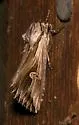
Gray Half-Spot - Hodges#9582
Nedra ramosula
Identification: forewing streaked with silver-gray, brown, and white on black background; orbicular spot elongated, outlined in black and filled with brownish-gray; reniform spot partially outlined in white, especially around lower end, and filled wi
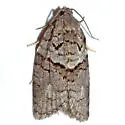
Gray Leafroller - Hodges#3672
Syndemis afflictana
Identification: Adult: wings bicolored - basal half silvery, distal half brownish-gray; surface sprinkled with short squiggly streaks. Larva: head green, unmarked; body yellowish-green with yellowish subdorsal stripe and prominent cream-colored spira
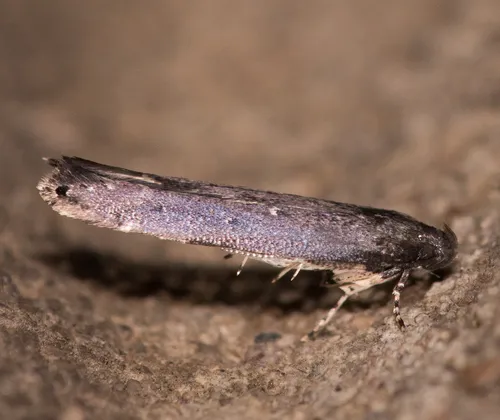
Gray Perimede Moth
Perimede erransella
Perimede erransella is a moth in the Cosmopterigidae family. It was described by Vactor Tousey Chambers in 1874. It is found in North America, where it has been recorded from Nova Scotia and southern Quebec to Florida, Kentucky and Louisiana.
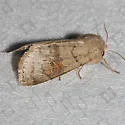
Gray Quaker - Hodges#10491
Orthosia alurina
Identification: Adult: forewing light to medium gray with reddish tinting, especially between spots and on basal side of ST line; lines very inconspicuous; terminal line composed of several black dots; hindwing shiny, pale grayish-brown with faint di
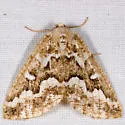
Gray Spruce Looper - Hodges#6863
Caripeta divisata
Identification: Adult: forewing dull grayish-brown with brown shading along costa; lines black, toothed, accented with white; large white discal spot outlined in black hindwing pale grayish-white with lighter dusting of fine brown striations or speck
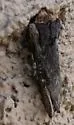
Gray Swordgrass - Hodges#9876
Xylena cineritia
Identification: Adult: forewing lower half dark bluish-gray; upper half light gray basally; light pinkish-yellow streak beyond reniform spot; no basal dash; reniform spot strongly curved, pale-centered with dark outline; orbicular spot black, oval; s
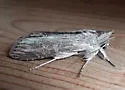
Gray hooded-owlet - Hodges#10197
Cucullia florea
Identification: Rfw 20.3 mm, fw blue-gray, pm line defined by promimal and distal black scales, hw fuscous darker outwardly.
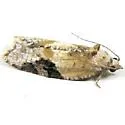
Gray-banded Leafroller - Hodges#3625
Argyrotaenia mariana
Identification: Adult - large dark gray patch (roughly triangular) extends from costa about halfway across forewing, contrasting sharply with pale yellowish or whitish ground color; a greenish-yellow band connects the two dark patches when the wings
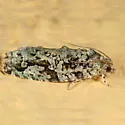
Gray-flanked Proteoteras - Hodges#3235
Proteoteras moffatiana
Identification: Adult - "When fresh, it is immediately distinguishable from most other members of the Tortricidae family by its green forewings" [Lynn Scott]. An irregular blackish line begins about mid-way along costa and extends in an arc to a poin
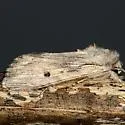
Gray-streaked Armywom Moth - Hodges#9673
Spodoptera albula
Identification: Adult: forewing brownish-gray with dark streaks along veins; thin black basal dash a distinctive feature; reniform spot a small dark dot; lacks diffuse patch around reniform spot and lacks dark streak extending to outer margin (both c
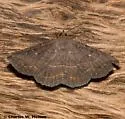
Gray-winged Owlet - Hodges#8654
Lesmone griseipennis
Identification: Adult: sexually dimorphic - male wings greenish-gray with black shading inside ST and PM lines; female forewing purplish-gray with no black shading, but inconspicuous apical dash; hindwing brownish-gray; PM line in male mostly straigh
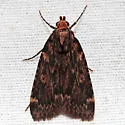
Grease Moth - Hodges#5518
Aglossa cuprina
Identification: top of head and neck pale yellowish; forewing brownish-gray with pale yellowish patches, lines and mottling; AM line has a single large V-shaped "tooth" extending into the medial area as a black streak
Great Basin Fritillary - Hodges#4458
Speyeria egleis
Subspecies are sometimes not separable except by knowing locality found. The value and extent of application of some names (as true in many Speyeria species) can be debated, as geographically adjacent subspecies often tend to be extremely similar, a
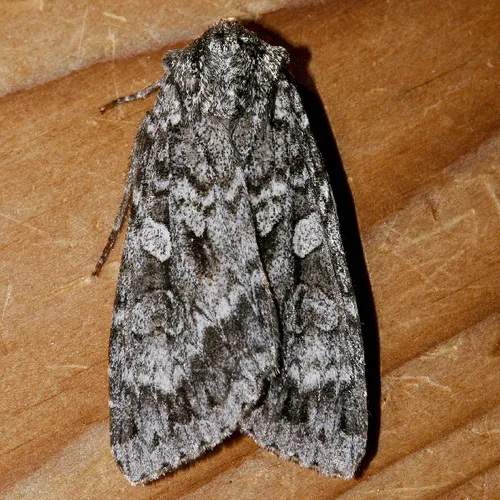
Great Brocade - Hodges#10929
Eurois occulta
Identification: Adult: forewing mottled gray or grayish-brown and black with large white diagonal orbicular spot (occasionally filled with gray); AM and PM lines double, whitish, scalloped; reniform spot dark gray in center, whitish around perimeter;
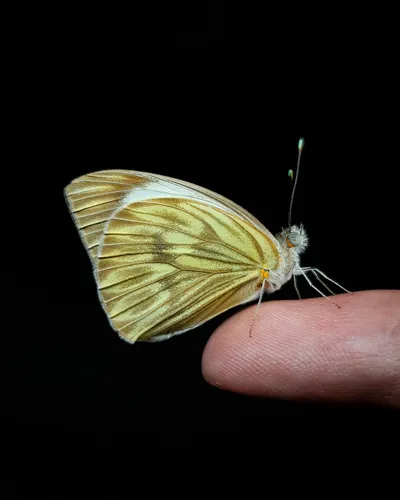
Great Southern White
Ascia monuste
Ascia monuste, the great southern white or pirpinto in Argentina, is a butterfly which is the only species in the genus Ascia of the family Pieridae. In this species the sexes may differ with the female being either light or dark colored. It is found
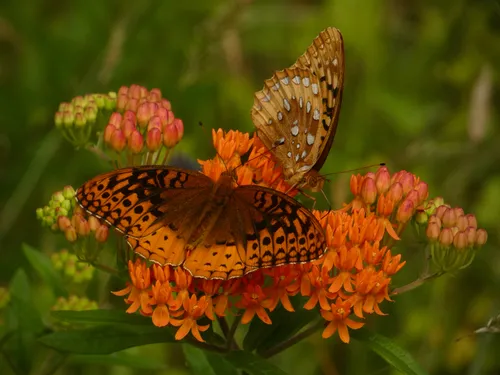
Great Spangled Fritillary
Argynnis cybele
The great spangled fritillary (Speyeria cybele) is a North American butterfly of the family Nymphalidae.
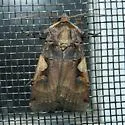
Greater Black-letter Dart - Hodges#10942.1
Xestia dolosa
Identification: Specimen identified by DNA analysis (BOLD). ( 3 ) In The Owlet Moths of Ohio, Roy Rings writes: "The maculation of X. c-nigrum is identical to X. dolosa. The best way to separate the two species is by size. X. c-nigrum averages 6 mm (
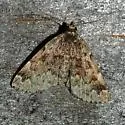
Greater Idia - Hodges#8324
Idia majoralis
Identification: Separation from Idia americalis : The subterminal line (nearer to the costa) of majoralis forms a more squared distad point - like a square protrusion, whereas in americalis it is more a of point, like a small bump. Also, in americali
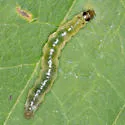
Greater Sweet Potato Webworm Moth - Hodges#5244
Herpetogramma fluctuosalis
Identification: Similar to H. bipunctalis , but lacks the 2 dark brown spots on the second sternite of the abdomen. ( 3 ) Specimen identified by DNA analysis (BOLD). ( 4 )
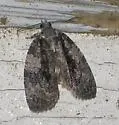
Green Aspen Leafroller - Hodges#2768
Apotomis removana
Identification: Adult - see original description in Print References. Genitalia:
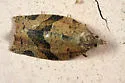
Green Aspen Leaftier Moth - Hodges#3595
Pandemis canadana
Identification: Adult - see original description in Print References.
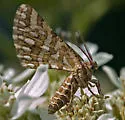
Green Broomweed Looper - Hodges#6420
Narraga fimetaria
Identification: Grote & Robinson (1870) original description as Fidonia fimetaria is available online. ( 3 ) Adults are often mistaken for butterflies because they visit flowers during the day and hold their wings vertically over their back, displayi
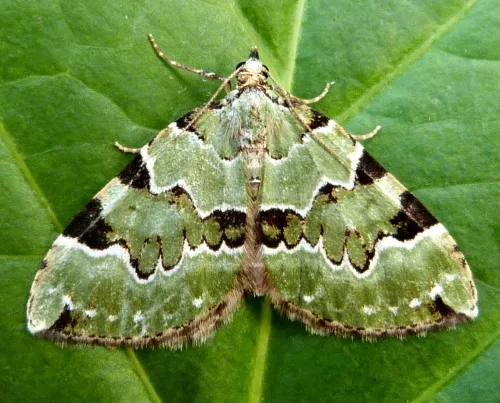
Green Carpet
Colostygia pectinataria
Wingspan 22-27 mm. The bright green colour of this moth when freshly emerged soon fades to a yellowish-brown. It inhabits a range of habitats, including heaths, mosses and woodland. The single generation flies from May to July. Like many of its conge
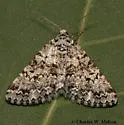
Green Carphoides - Hodges#6623
Carphoides setigera
Identification: Adult: forewing light grayish-green with toothed black lines, black discal spot, and sparse dark speckling; fringe white with dark scales at vein tips; hindwing white with gray speckling/shading and small discal dot; subterminal and t
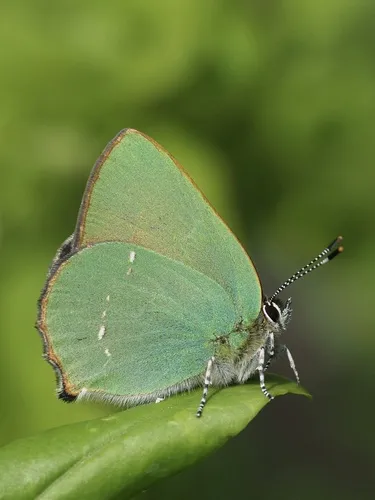
Green Hairstreak
Callophrys rubi
An unmistakeable small, bright metallic green butterfly. Always settles with wings closed, showing green, and resembling the bright green spring foliage, providing excellent camouflage. Male and female are similar in appearance. Grassland habitats ne
Green Leuconycta - Hodges#9065
Leuconycta diphteroides
Identification: Adult: forewing suffused with green (shade may vary from bright green to bluish-green to grayish-green) or rarely all-white; small black rectangular blotch touches costa near base, and another larger blotch half-way along costa, exten
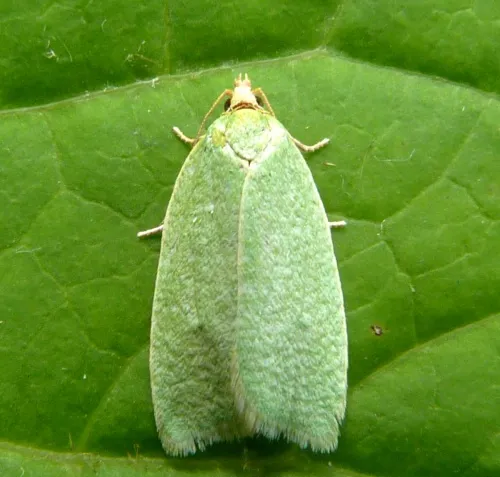
Green Oak Tortrix
Tortrix viridana
Wingspan 18-23 mm. A very distinctive species as this is the only green ' Tortrix ' in the British Isles. Earias clorana is similar but rests with its wings higher a more 'tent like' posture. Well wooded areas, particularly deciduous woodland and oth
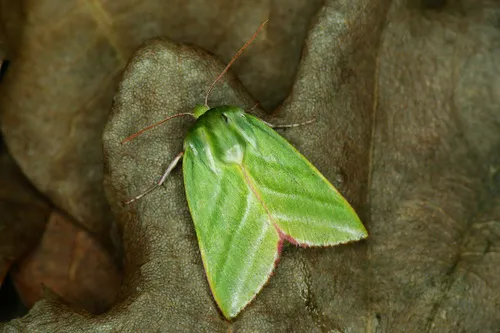
Green Silver-lines
Pseudoips prasinana
Wingspan 30-35 mm. Another of the very few British green moths, it also has its distinctive silvery lines. Flying mainly in June and July, it is often attracted to artificial light. The short, plump caterpillar feeds in August, mostly on Oak and Birc
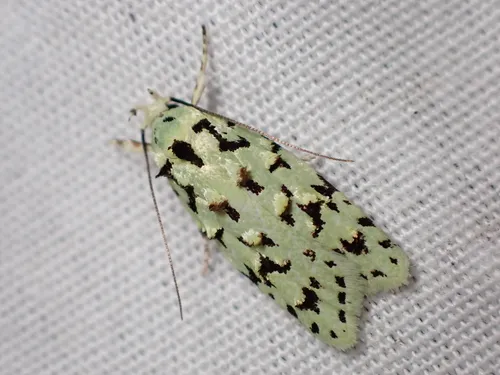
Green lichen tuft moth
Izatha peroneanella
Izatha peroneanella is a moth of the Oecophoridae family. It is endemic to New Zealand, where it is found throughout the North Island, except the Aupouri Peninsula of Northland.
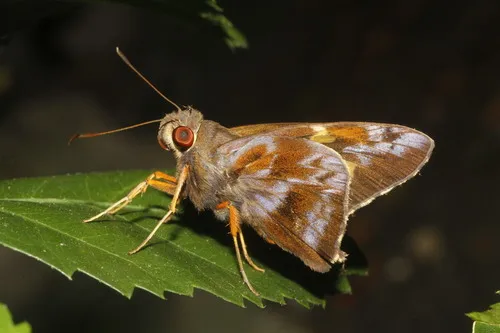
Green-backed Ruby-eye - Hodges#4000
Perichares adela
Identification: Very large for a grass-skipper. Mottled pattern under hindwing. Large yellow spots on forewing. Red eyes show clearly only if lit from right angle. Dorsal surface of thorax sometimes, but not always, iridescent green. First U.S. recor
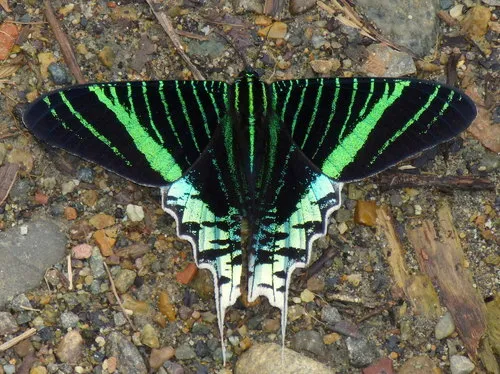
Green-banded Urania
Urania leilus
Urania leilus, the green-banded urania, is a day-flying moth of the Uraniidae family. It is found in tropical South America east of the Andes, including Suriname, French Guiana, east Colombia, Venezuela, east Ecuador, Brazil, north Bolivia, east Peru
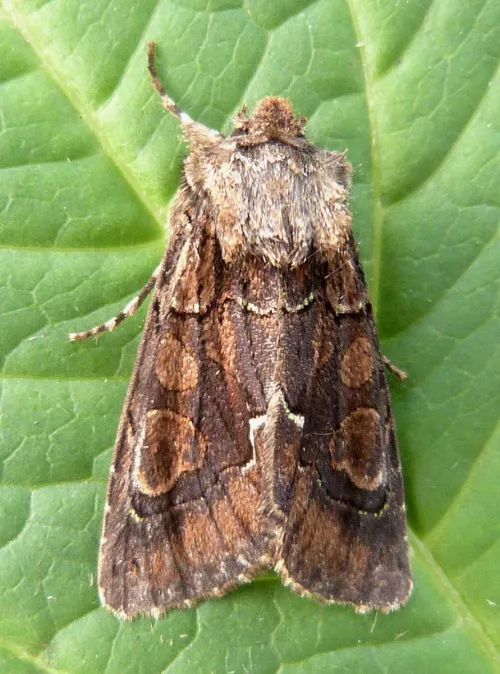
Green-brindled Crescent
Allophyes oxyacanthae
Wingspan 35-45 mm. Although superficially a dull brown species, the typical form of this moth has patches of metallic green scales giving it an attractive sheen in the correct light. A melanic form, ab. capucina is quite common in suburban areas, and
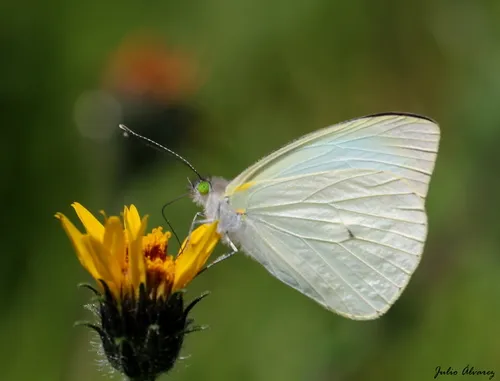
Green-eyed White
Leptophobia aripa
Leptophobia aripa, the common green-eyed white or mountain white, is a butterfly in the Pieridae family. It is native to Mexico, Central America and South America, but strays may be found as far north as southern Texas.
Green-patched Looper - Hodges#8897
Diachrysia balluca
Identification: Adult - forewing with large, highly-metallic rectangular green patch bordering inner margin (may look brown or bronze under certain lighting); basal area and strip along costa light gray; reniform spot brown with pale dot on each side
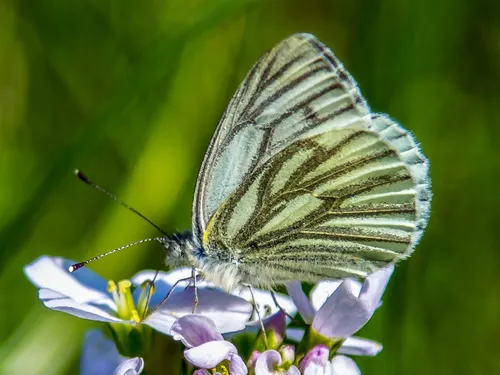
Green-veined White
Pieris napi
It is often mistaken for its cousin, the Small White. The so-called green veins on the underside of the adults are, in fact, an illusion created by a subtle combination of yellow and black scales. The Green-veined White is a similar size to the Small
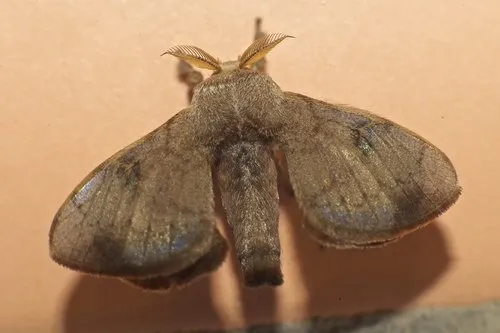
Greenish Silk-Moth
Trilocha varians
Trilocha varians is a moth in the Bombycidae family described by Francis Walker in 1855. It is widespread in the Oriental region from India, Sri Lanka, China, extending to Taiwan, the Philippines, Sulawesi and Java.
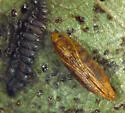
Gregarious Oak Leafminer - Hodges#0815
Cameraria cincinnatiella
Identification: The original description as Lithocolletis cincinnatiella Chambers is available in the print references. Similar in appearance to Cameraria hamadryadella . ( 5 )
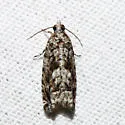
Gretchena amatana - Hodges#3264
Gretchena amatana
Identification: Heinrich stated, "Forewing with a distinct, outwardly angulate, dark basal patch; on middle of dorsal margin a somewhat irregular pale blotch,..."
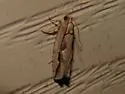
Gretchena nymphana - Hodges#3266.1
Gretchena nymphana
Identification: Adult - wavy black line from apex to dorsal margin near base. Separated from other Gretchena by its pale yellowish brown ground color.
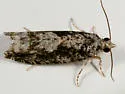
Gretchena watchungana - Hodges#3261
Gretchena watchungana
Identification: Adult - see original description in Print References. Genitalia:
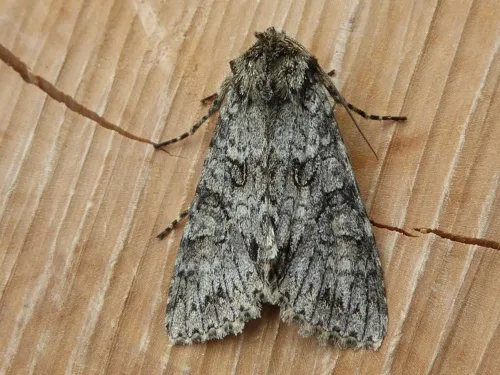
Grey Arches
Polia nebulosa
Wingspan 45 to 55 mm. This species ranges in ground colour from creamy-white to dark brown or blackish. The palest forms tend to occur more north and west. The adults emerge in June and July and can be attracted to light and to sugar. The larvae feed
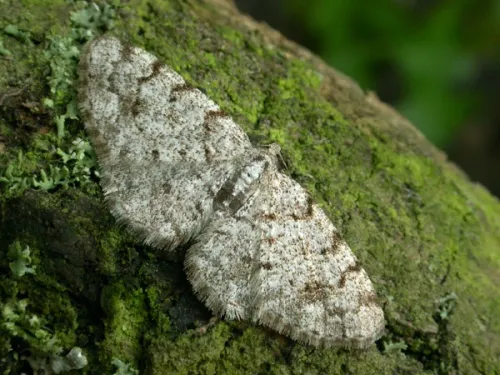
Grey Birch
Aethalura punctulata
Wingspan 30 to 35 mm. This species has a mottled grey ground colour and three darker transverse lines. Frequents wooded habitats especially where Birch is present. Birch is the main foodplant, but occasionally Alder is used. Fairly common over much o
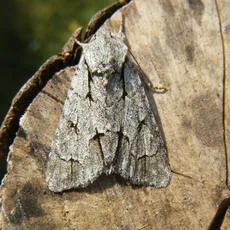
Grey Dagger
Acronicta psi
The grey background is well-marked by black lines, one of which is 'dagger' shaped. Grey and Dark Dagger can only be separated by genital determination. The caterpillars can however be told apart more easily. Adults of Grey and Dark Dagger can only b
Grey Midget - Hodges#8977
Nycteola cinereana
Identification: Genitalia: ♀ ♂ "... Nycteola cinereana is a Poplar feeder and mainly occurs in boreal habitats. It occurs across Canada and southward in the mountains to California and Colorado. Any reports outside of this known area need confirmati
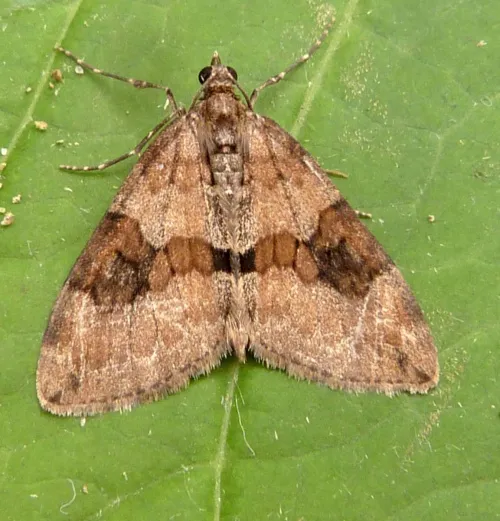
Grey Pine Carpet
Thera obeliscata
Wingspan 28-36 mm. This species shows rather more variation than the similar Pine Carpet as its patterning can be any of a mixture of colours from greyish brown to a richer russet colour. Grey Pine Carpet is similar to the Pine Carpet and Spruce Carp
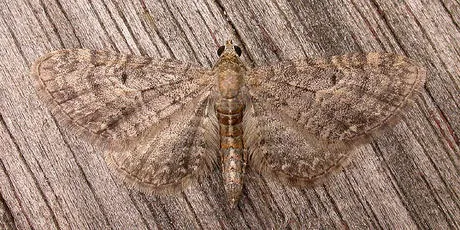
Grey Pug
Eupithecia subfuscata
Wingspan 17 to 21 mm. There are two main forms. The typical form is brownish, but the dark grey form obscurissima is also quite common, especially in urban areas. It can be found in a wide range of habitats. It flies in May and June, and sometimes ag
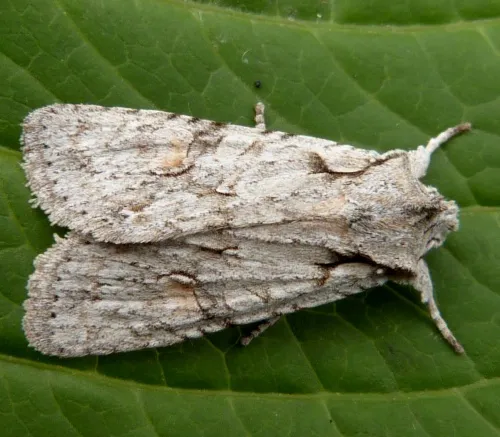
Grey Shoulder-knot
Lithophane ornitopus
The adults emerge in September and October, and overwinter, appearing again from February to April. The caterpillars, like several other Lithophane species, have a tendency towards cannibalism. The foodplant is Oak. Found mainly in the southern part
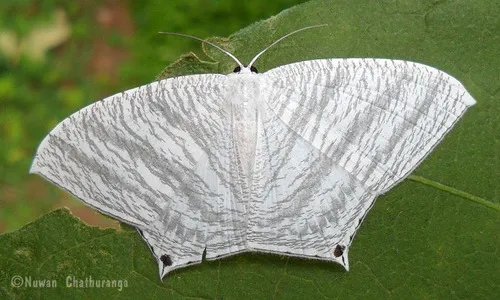
Grey Swallowtail Moth
Micronia aculeata
Micronia aculeata is a species of moth of subfamily Microniinae of Family Uraniidae found in India and Sri Lanka towards Sulawesi.
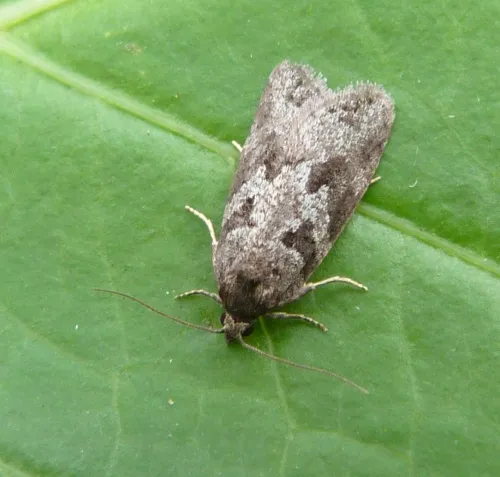
Grey Tortrix
Cnephasia stephensiana
Wingspan 18 to 22 mm. As its English name suggests, this is quite a greyish-brown moth. Specimens from the southern part of the British Isles are often darker than those from further north and Scotland, some of which have an almost whitish ground col
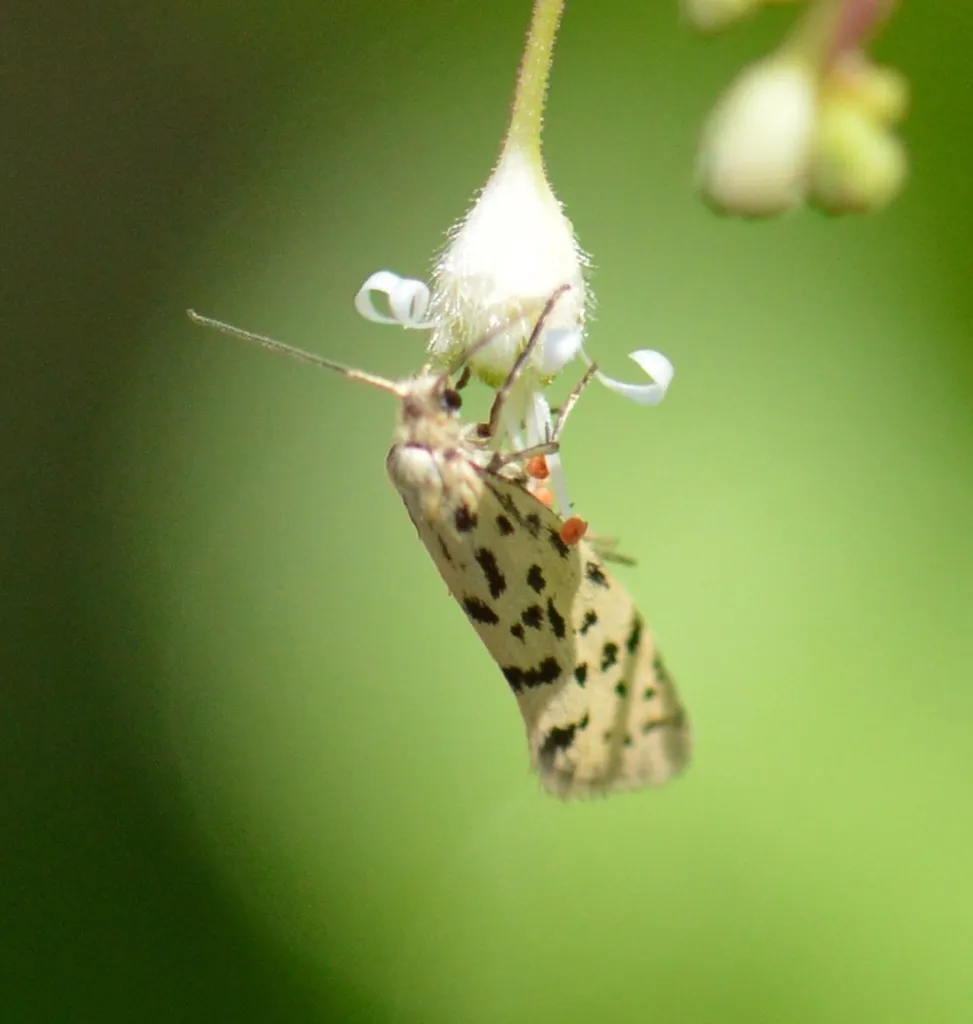
Greya piperella - Hodges#0189.1
Greya piperella
Identification: Adult - white or cream-coloured in females, sometimes with stamineous tinge in Alberta specimens; with gray tinge in male; numerous fine spots; hindwings gray. Egss - pear-shaped, white, about 0.5 x 0.25 mm in diameter.
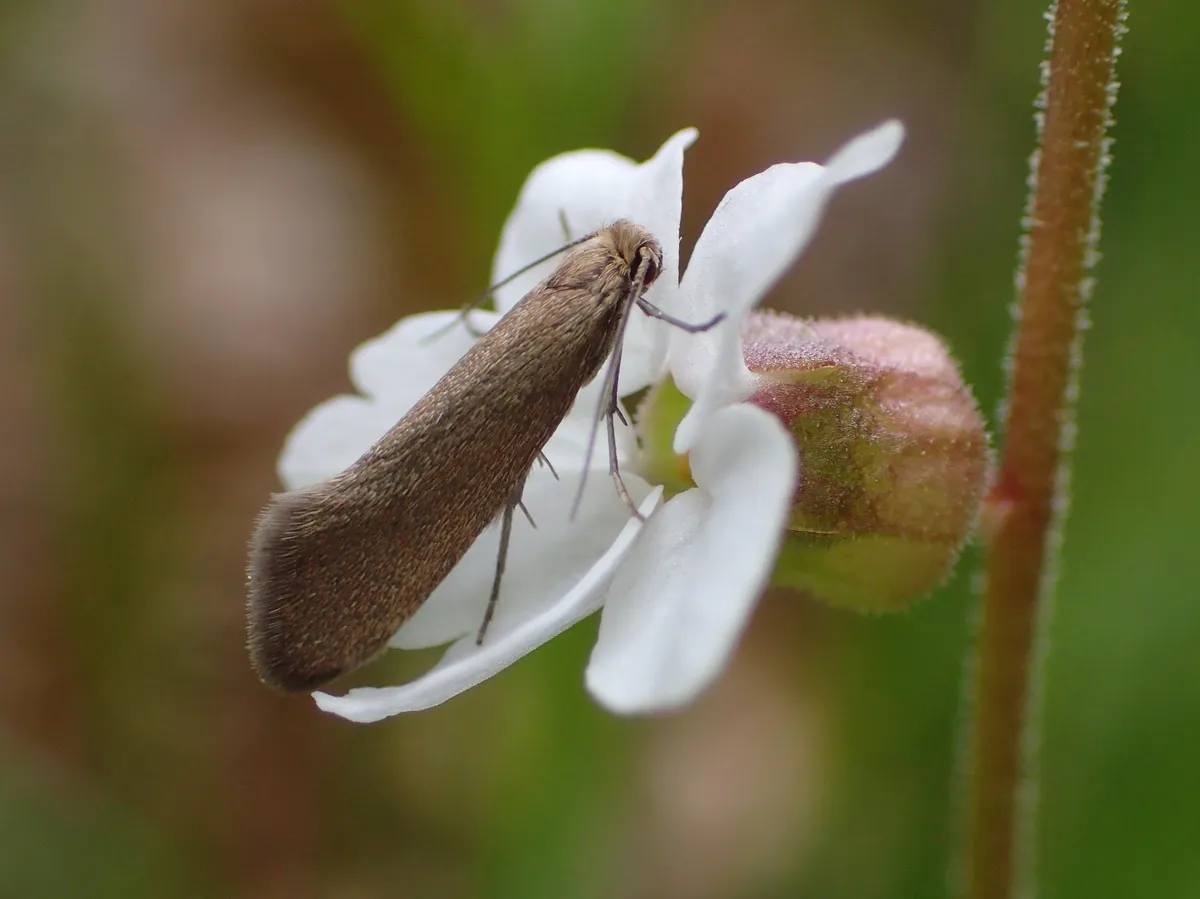
Greya politella - Hodges#0194
Greya politella
Identification: Adult - uniformly brownish gray, irrorated with a sparse scattering of somewhat indistinct grayish white scales, sometimes so heavily as to impart a pale bronzy iridescence. Hindwing gray, usually darker than forewing and without pale
Greya subalba - Hodges#0191
Greya subalba
Identification: Braun original description is online in print references.
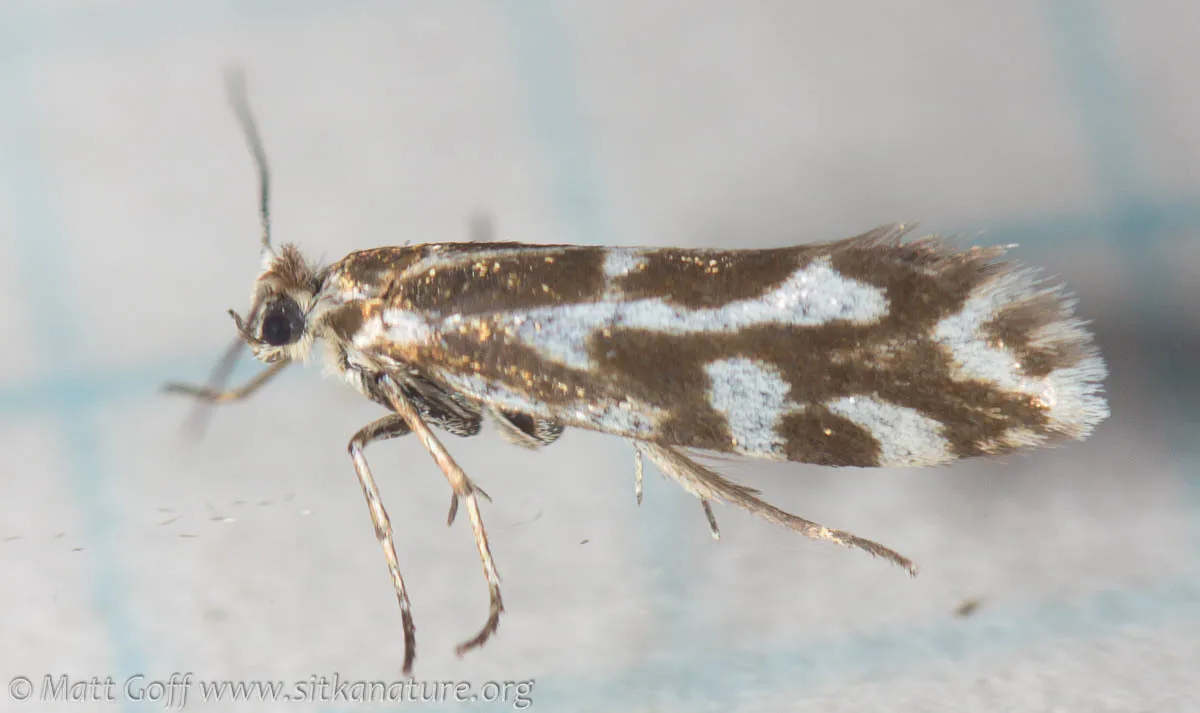
Greya variabilis - Hodges#0194.2
Greya variabilis
As its specific name suggests, this species demonstrates the greatest variation in maculation of all New World Prodoxidae.
Griffin's Sheepmoth - Hodges#7740
Hemileuca griffini
Identification: Male abdomen red tipped, otherwise black. Female abdomen red/black banded. Upperside of wings is white with narrow black markings. Host-plant and locality may also be helpful for ID, since this species has such narrow feeding habits a
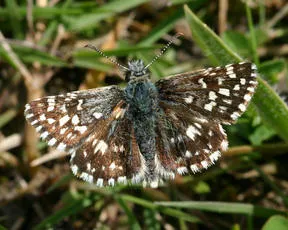
Grizzled Skipper
Pyrgus malvae
Like most skippers, the Grizzled Skipper is extremely difficult to follow when in flight but will stop to feed from various nectar sources. Once settled the black and white pattern on the wings, from which this species gets its name, is unmistakable.
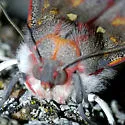
Grote's Bertholdia - Hodges#8258
Bertholdia trigona
Identification: Adult: forewing long, pointed, brown with large pale yellow translucent patch along costa near apex, and 2-3 yellowish spots along inner margin near base; several black dots within translucent patch; shape of patch is approximately re
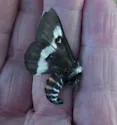
Grote's Buck Moth - Hodges#7733
Hemileuca grotei
Although considered rare in the past, grotei can be locally abundant
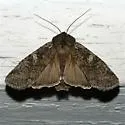
Grote's Pinion - Hodges#9915
Lithophane grotei
A cold-weather species, usually seen in early spring and late fall.
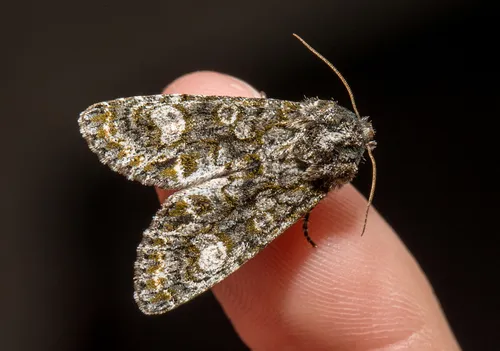
Grote's Sallow - Hodges#10021
Copivaleria grotei
Identification: Overall mottled dark gray with contrasting whitish orbicular and reniform spots and a pale "arrowhead" patch at the junction of the (folded) forewings near anal angle. Many specimens show ochre to gold or olive-brown highlights scatt
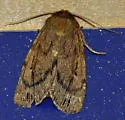
Grote's Satyr - Hodges#11051
Ufeus satyricus
Identification: Lafontaine & Walsh revised description in PDF. Wagner et al. has photo of larva.
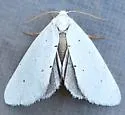
Grotella dis - Hodges#11217
Grotella dis
Identification: Forewing is pure white without cream-white tinge, a few small black dots representing am. and pm. lines; hindwing is grey-brown with pm. line showing little contrast - from Robert W. Poole's species page.
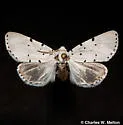
Grotella sampita - Hodges#11215
Grotella sampita
Identification: The original description by Barnes is available online in the print references below. Specimen identified by DNA analysis (BOLD)
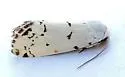
Grotella soror - Hodges#11223
Grotella soror
Identification: Adult : FW is slightly off-white ● Basal line is represented by a small black dot on the FW costa ● PM consists of irregular dots and dashes, with no traces of any orange band ● AM is a series of irregular dots and lines and is slight
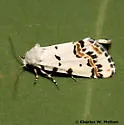
Grotella tricolor - Hodges#11222
Grotella tricolor
Identification: Adult: forewing white to pale yellow with median line of black spots; PM line double, inner line composed of black spots, outer line of reddish-brown spots; subterminal line composed of large oblong black spots; terminal line composed
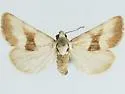
Grotella vauriae - Hodges#11228
Grotella vauriae
Identification: Specimen identified by DNA analysis (BOLD). photo soon
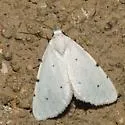
Grotellaforma lactea - Hodges#9042
Grotellaforma lactea
Identification: From Nearctica.com: "Grotellaforma lactea is a small, nearly pure white, species of the southwestern United States and Baja California del Norte. The forewing is white with the maculation reduced to a few black dots representing the a
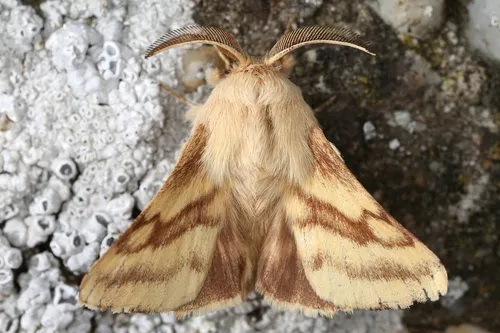
Ground Lackey
Malacosoma castrensis
Malacosoma castrense (or Malacosoma castrensis), the ground lackey, is a moth of the family Lasiocampidae. It is a tent caterpillar found in Europe.
Guatemalan Cracker - Hodges#4541.1
Hamadryas guatemalena
Identification: Simplest character is probably the spots along the hindwing margin, which are gray or brown, surrounded by a thin blue-white circle, surrounded by a thick black circle, surrounded by another thin bluish-white circle. First U.S. Record
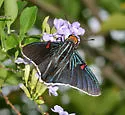
Guava Skipper - Hodges#3866
Phocides lilea
Identification: Unmistakeable; very dark with a golden head, metallic blue streaks on the body and iridescence on the wings, a pair of red spots midway on the leading edge of each forewing. Has become more common in the US due to use of Guava species
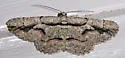
Gulf Coast Gray - Hodges#6591
Anavitrinella atristrigaria
Identification: Thick black line that crosses both forewings is a good fieldmark, and the reddish shading is distictive (Barnes & McDunnough 1913).
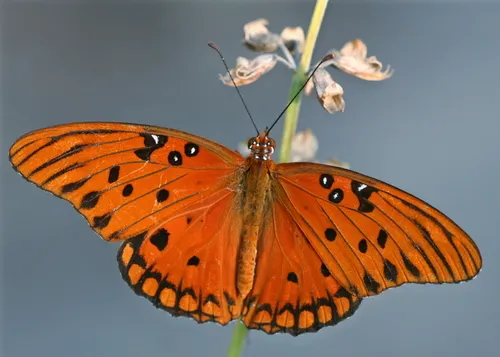
Gulf Fritillary
Dione vanillae
The Gulf fritillary or passion butterfly (Agraulis vanillae) is a bright orange butterfly of the family Nymphalidae and subfamily Heliconiinae. That subfamily was formerly set apart as a separate family, the Heliconiidae. The Heliconiinae are "longwi
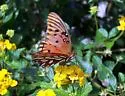
Gulf Fritillary - Hodges#4413
Agraulis incarnata
Identification: Below, the elongated silvery spots on the butterfly's hind wings and the edge of its forewings are characteristic (though quite similar to the pattering of Dione moneta ). Above, bright orange with black markings around the border an
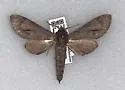
Gulf Pine Sphinx - Hodges#7817.1
Lapara phaeobrachycerous
Identification: This recently-described species is similar in appearance to other members of its genus--see Brou for description. It should be looked for along the Gulf Coast. Det. V. A. Brou Jr., 2013 considered by Louisiana to be a "Species of Grea
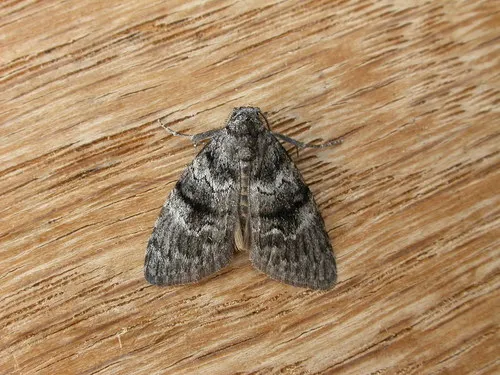
Gum Leaf Skeletoniser
Uraba lugens
Uraba lugens (the gum-leaf skeletoniser) is a moth of the Nolidae family. It is found in Australia and New Zealand. The larvae are a serious pest of Eucalyptus spp. and its close relatives. The wingspan is 25-30 mm. In Australia there are about 1-2 g
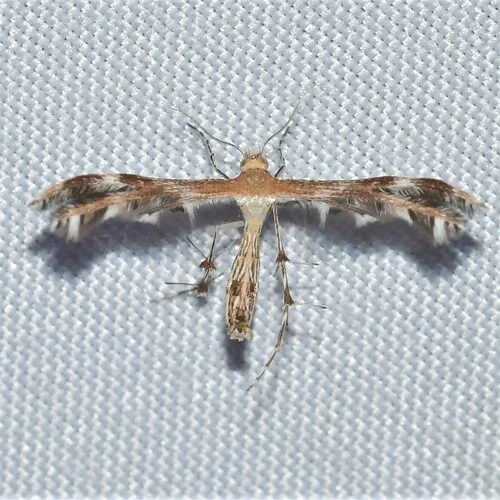
Gumweed Plume Moth - Hodges#6100
Dejongia californicus
Identification: See the identification key for Oxyptilini . See the species accounts in Matthews et al. and Barnes & Lindsey as Trichoptilus californicus . Dejongia californicus adults have: a forewing second lobe that is narrow with an acute apex, a
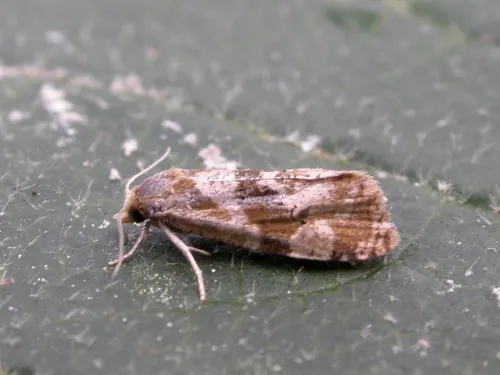
Gynnidomorpha alismana
Gynnidomorpha alismana
Wingspan around 12mm. This small brownish tortrix resembles several other species, and care is needed with identification. Around water, especially where Water-plantain is found. Adult moths are on the wing between June and August, and fly at sunset,
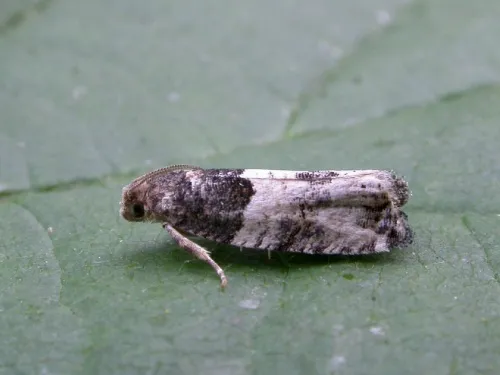
Gypsonoma aceriana
Gypsonoma aceriana
Adults are on the wing in July, and are occasionally attracted to light. The larval foodplant is poplar, where the larva feeds within young shoots and buds to begin with, and later within the stem of a leaf stalk. Occurring locally in the southern ha
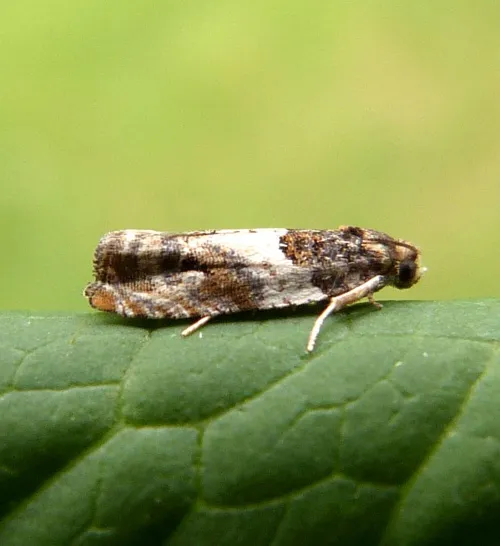
Gypsonoma dealbana
Gypsonoma dealbana
Wingspan 11-14 mm. This species can be distinguished from other Gypsonoma species by the creamy-white patch on the front of the head, which is pure white in G. sociana and darker on others. The larvae mine the midrib of various species of trees and s
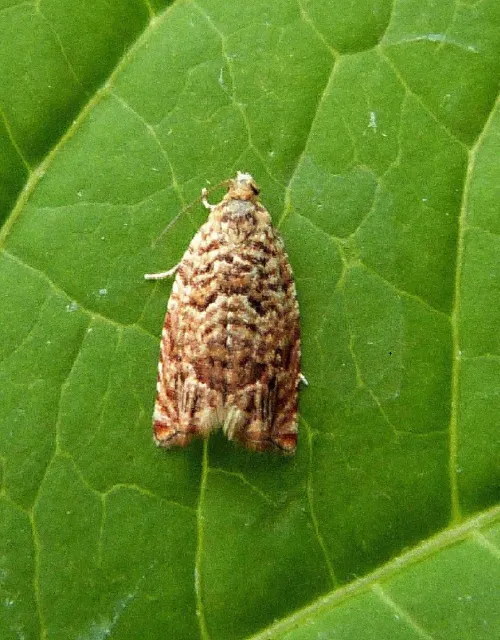
Gypsonoma minutana
Gypsonoma minutana
Wingspan around 12 to 15 mm. This is a rather distinctive, heavily mottled Tortricid. The flight period of the adults is during July when the moths may be found resting on tree-trunks but are often hidden higher up in the canopy. The foodplants are p
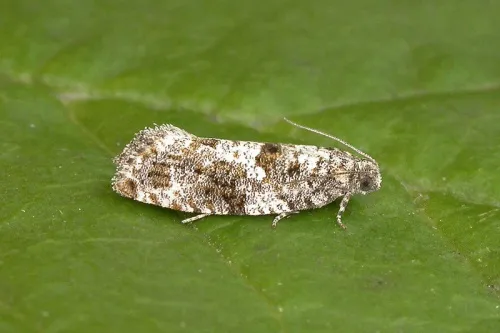
Gypsonoma oppressana
Gypsonoma oppressana
Wingspan about 14 mm. The larva mines the leaves of Poplar species, making a short corridor along midrib and often into the side vein; they then feed on the leaf under-surface inside a silken tube covered in frass. The larva is red-brown, which helps
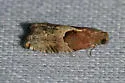
Gypsonoma salicicolana - Hodges#3228
Gypsonoma salicicolana
Identification: Adults are polymorphic in color. Adult: forewing dark grayish-brown from base to AM line and in broad PM band crossing wing; median band and subterminal band paler yellowish-brown; AM line varies from a gently curved arc to a rounded
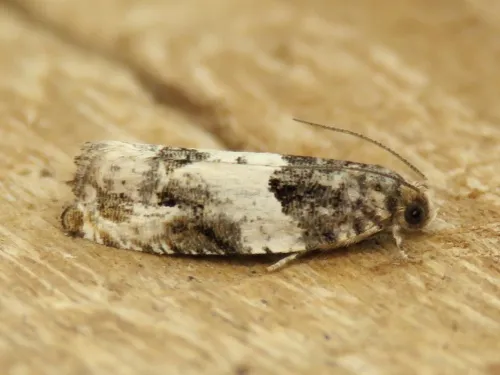
Gypsonoma sociana
Gypsonoma sociana
Wingspan 12-15 mm. This species has a distinctive blackish triangle on the lower edge of each forewing which join together to form a diamond shape when the moth is at rest. Woodland, gardens, orchards, parks, river-banks and ditches. The moth flies f
Gyros muirii - Hodges#4811
Gyros muirii
Identification: Pl. 21.42 in Moths of Western North America. … Bob Patterson, 29 September, 2009 Type locality: USA, California, Tuolumne Co.
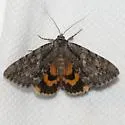
Habilis Underwing - Hodges#8778
Catocala habilis
Identification: Grote (1872) original description. "Smaller and slighter than C. palaeogama , of the same general habit, with paler more evenly colored primaries. Fore wings pale grey with a greenish tint. All the lines black, narrow, often indistinc
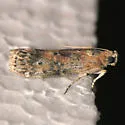
Hackberry Leafroller - Hodges#5803
Sciota celtidella
comes to lights frequently (James McDermott, pers. comm. to MAQ, 2015)
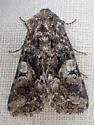
Hadena caelestis - Hodges#10322.1
Hadena caelestis
Identification: Hadena caelestis is nearly identical to Hadena ectrapela . Hadena caelestis has a larger, whiter, and more circular orbicular spot. Original description of Hadena caelestis Troubridge & Crabo is available in PDF.
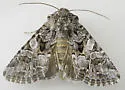
Hadena ectrapela - Hodges#10321
Hadena ectrapela
Identification: For complete description, see referenced Pacific Northwest Moths, below
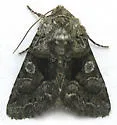
Hadena plumasata - Hodges#10323
Hadena plumasata
Identification: The original description as Anepia plumasata Buckett & Bauer is available online in PDF. - The only Hadena with a dark, charcoal grey forewing and no basal dash. Also has a less distinctive/contrasting "W" shape along the subterminal
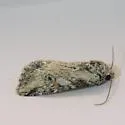
Hadenella pergentilis - Hodges#10221
Hadenella pergentilis
Identification: Detailed description at Pacific Northwest Moths ( 3 )
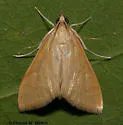
Hahncappsia alpinensis - Hodges#4961
Hahncappsia alpinensis
Identification: A little larger that Hahncappsia fordi with ground color paler and markings weaker. Photo from C. W. Melton of a specimen that was identified by DNA.
Hahncappsia cochisensis - Hodges#4969
Hahncappsia cochisensis
Identification: Much like Hahncappsia perilvalis but ground color usually more ochreous and transverse lines of forewing smoother; PM line of hindwing often lacking, or if present, smooth and diffuse.
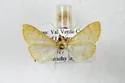
Hahncappsia fordi - Hodges#4960
Hahncappsia fordi
Identification: Described by Munroe in MONA Fascicle 13.2A as "remarkably similar in appearance to Helvibotys helvialis ". The two species can be separated by examination of genitalia and the tibia. However, the range of these two species does not ov
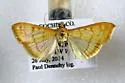
Hahncappsia jaralis - Hodges#4966
Hahncappsia jaralis
Identification: See Capps Type locality: Mexico, Guadalajara
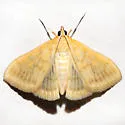
Hahncappsia marculenta - Hodges#4962
Hahncappsia marculenta
Hahncappsia marculenta - Hodges#4962 (Hahncappsia marculenta) is a species in the family Crambidae, commonly known as crambid snout moths, belonging to the order Lepidoptera (Butterflies and Moths). It is classified within the subfamily Pyraustinae,
Hahncappsia mellinialis - Hodges#4973
Hahncappsia mellinialis
Identification: see Capps 1967 Type locality: Guatemala, Dueñas
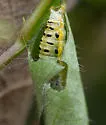
Hahncappsia neobliteralis - Hodges#4965
Hahncappsia neobliteralis
Hahncappsia neobliteralis - Hodges#4965 (Hahncappsia neobliteralis) is a species in the family Crambidae, commonly known as crambid snout moths, belonging to the order Lepidoptera (Butterflies and Moths). It is classified within the subfamily Pyraust
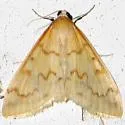
Hahncappsia pergilvalis - Hodges#4968
Hahncappsia pergilvalis
Identification: Adult: forewing light yellowish-tan with brown AM, PM, and ST lines; brown orbicular and reniform spots; AM line arc-shaped with noticeable curving jog near inner margin; PM line wavy, irregular, with abrupt basal jog in lower half;
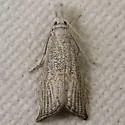
Haimbachia squamulellus - Hodges#5482
Haimbachia squamulellus
Identification: See discussion below. page creation based on Bob Patterson's identification of this image
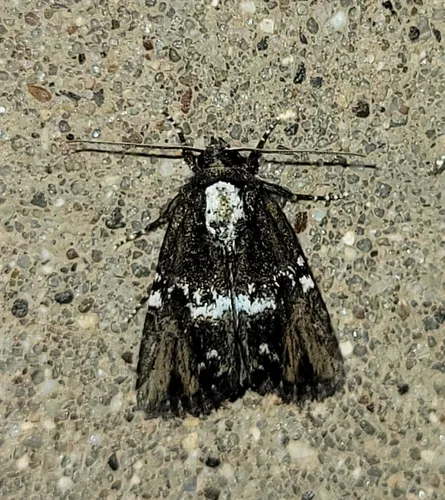
Half-banded Bryolymnia - Hodges#9686
Bryolymnia semifascia
Identification: Adult - forewing dark brown with irregular white patch half-way along inner margin, usually extending about half-way across wing (amount of white is variable, ranging from none to completely crossing the wing); black streak runs on ei
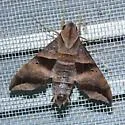
Half-blind Sphinx - Hodges#7846
Perigonia lusca
Identification: Rather similar to Enyo lugubris . Note smooth edge to forewing margin. In North America, restricted to South Florida.