
Butterflies and Moths
Order Lepidoptera
The Butterflies and Moths (Order Lepidoptera) includes 11,813 species across 112 families and 2,787 genera in our directory.
About Butterflies and Moths
Lepidoptera includes approximately 180,000 described species of butterflies and moths. Moths outnumber butterflies roughly 10:1. The monarch butterfly's eastern population has declined by more than 80% since the mid-1990s, and the western population by over 95% since the 1980s. The IUCN lists the migratory monarch as Vulnerable.
Economic Impact
Lepidoptera are critical pollinators. In Europe, grassland butterfly species have declined by almost 50% since the early 1990s. In the UK, three-quarters of butterflies are in decline. In the U.S., five butterfly species have gone extinct since 1950, with 29 listed as endangered.
Ecological Role
Butterflies and moths are essential indicators of ecosystem health. As caterpillars, they are a primary food source for birds - a single nest of blue tit chicks requires ~10,000 caterpillars. Adult moths pollinate many night-blooming plants.
Families in Lepidoptera (112)
Species in Lepidoptera (11,813)
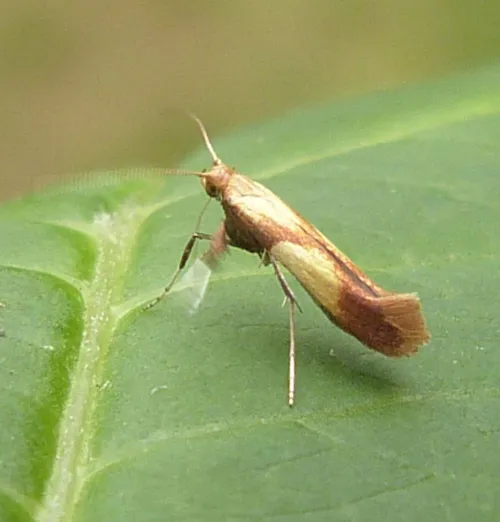
Caloptilia alchimiella
Caloptilia alchimiella
Wingspan 10 to13 mm. The adults are difficult to distinguish from the recently separated Caloptilia robustella, To be certain of identification, dissection of genitalia is necessary. Where dissection has not taken place, records should be submitted a
Caloptilia alnicolella - Hodges#0586
Caloptilia alnicolella
Identification: Specimen determined by DNA analysis (BOLD). Genitalia:
Caloptilia anthobaphes - Hodges#0589
Caloptilia anthobaphes
Identification: "Head purple-bronzy, face whitish. Palpi whitish, terminal joint with dark fuscous subapical band. Thorax bronzy-purple, a brassy-yellow postmedian blotch. Forewings narrow, costa gently arched, apex pointed, termen extremely oblique;
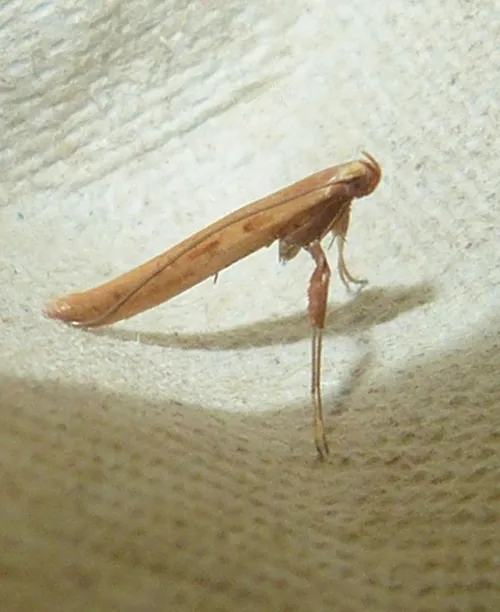
Caloptilia betulicola
Caloptilia betulicola
Wingspan 14 to 16 mm. Very similar to Caloptilia elongella , both species being quite variable. Areas with plenty of Birch – the larval foodplant. There are two generations, flying in June and July, and then in September and October. The second brood
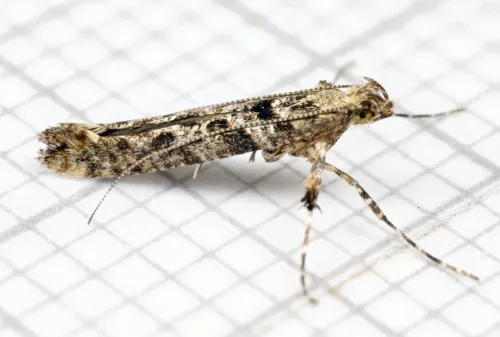
Caloptilia cuculipennella
Caloptilia cuculipennella
Wingspan c.12 mm. The posterior tibiae are smooth above. Forewings are whitish, with numerous ochreous or brown strigulae finely irrorated with black ; an oblique fascia near base hardly reaching costa, a second before middle hardly reaching dorsum,
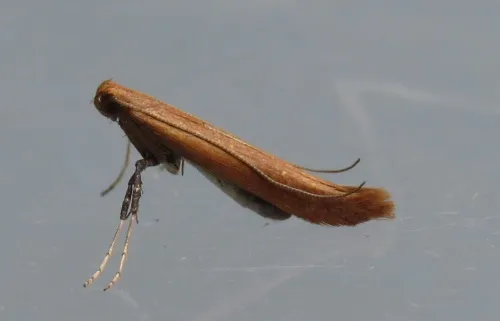
Caloptilia elongella
Caloptilia elongella
Wingspan14 to16mm. A long bodied chestnut brown moth. Like other Caloptilia species, it rests with a distinctive posture, the front part of the body raised high on the forelegs. The larva mines the leaves of Alder, initially in an inconspicuous upper
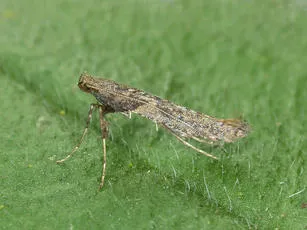
Caloptilia falconipennella
Caloptilia falconipennella
Wingspan about 13mm. The larva mines alder, starting with a short inconsipuous gallery, then a small lower surface tentiform blotch that over-runs the gallery and causes the leaf to contract slightly and the epidermis to turn brown. The larva then le
Caloptilia glutinella - Hodges#0607
Caloptilia glutinella
Identification: Ely (1915) description "Face yellow; head and thorax reddish bronze; labial and maxillary palpi straw color, the labial palpi shaded with dark brown just before apex, darker outwardly. Antennae brown annulate with yellowish at the joi
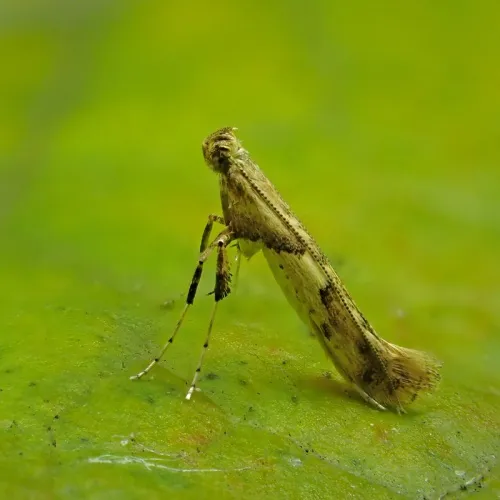
Caloptilia honoratella
Caloptilia honoratella
Caloptilia honoratella is a small moth. It's general colouration is a deep cream colour with brown ‘inverted V’ and other markings. The larva feeds on Sycamore producing a silvery upper surface leafmine. Very similar to some other Caloptilia species,
Caloptilia hypericella - Hodges#0608
Caloptilia hypericella
Identification: Braun (1918) description of the adult and immature stages in the print references . Genitalia:
Caloptilia packardella - Hodges#0620
Caloptilia packardella
Identification: Chambers (1872) original description as Gracilaria packardella is online. 27 . Genitalia: ♀ ♂
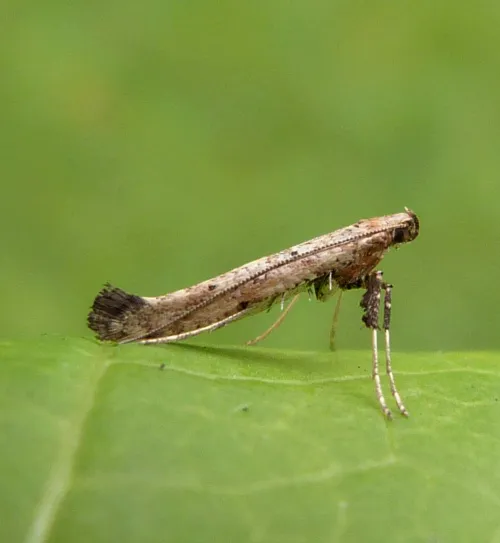
Caloptilia populetorum
Caloptilia populetorum
Wingspan 11 to14 mm. The adults resemble several other Caloptilia species and are best identified by the dark spots on the forewing leading edge and darker cilia. A species of moorland and heath especially where Birch is present. The flight period is
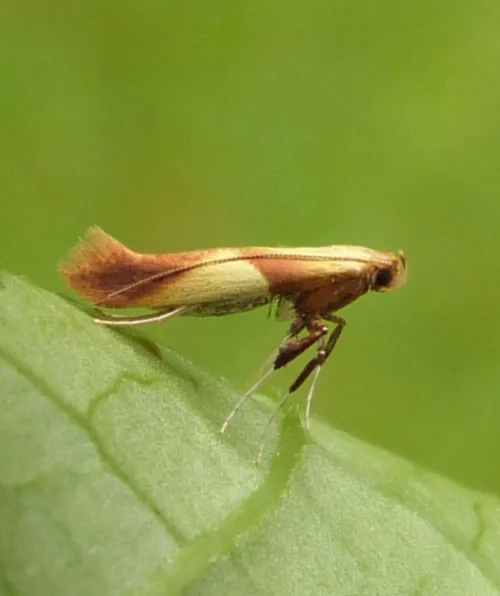
Caloptilia robustella
Caloptilia robustella
Wingspan 10 to13 mm. Very similar to the related Caloptilia alchimiella, differing in several subtle ways including the yellow blotch on the forewing, which is shorter and less clearly defined in this species. However, to be certain of identification
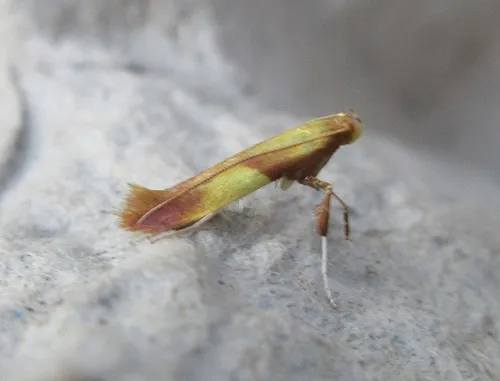
Caloptilia robustella
Caloptilia robustella - alchimiella agg.
Wingspan 10 to13 mm. Caloptilia alchimiella was recently separated from Caloptilia robustella and the two species are very similar (see recording advice). The mines of the two species are very similar. Initially this is a short gallery leading to a b
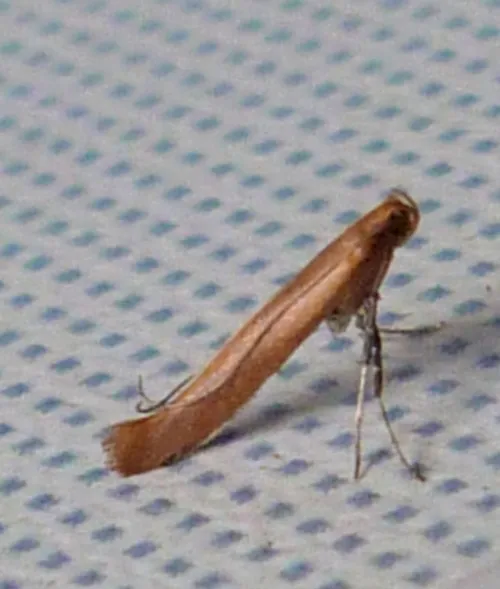
Caloptilia rufipennella
Caloptilia rufipennella
Wingspan 11 to 12 mm. One of several similar species, which can usually be identified by its smaller size and whitish band on the chocolate-brown forelegs. Wherever Acer species are present, notably Field Maple, Sycamore or Norway Maple. The moths em
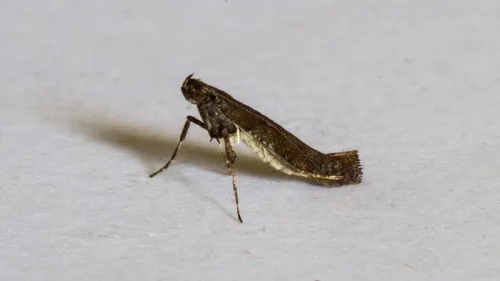
Caloptilia semifascia
Caloptilia semifascia
Caloptilia semifascia is a small moth with a wingspan of 10 to 12 mm. The angled light streak starting at the leading edge of the forewing is characteristic, but it can be obscured on darker specimens. The larva mines the leaves of Sycamore. The earl
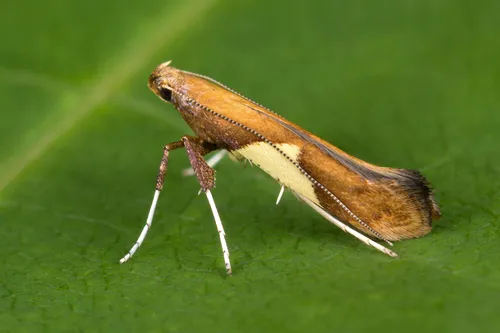
Caloptilia stigmatella
Caloptilia stigmatella
Wingspan 12 to 14 mm. A small but distinctive species, resting in the characteristic erect posture typical of the genus Caloptilia . The forelegs are thickly scaled at the base, appearing 'feathered'. The body is chestnut brown with a noticeable whit
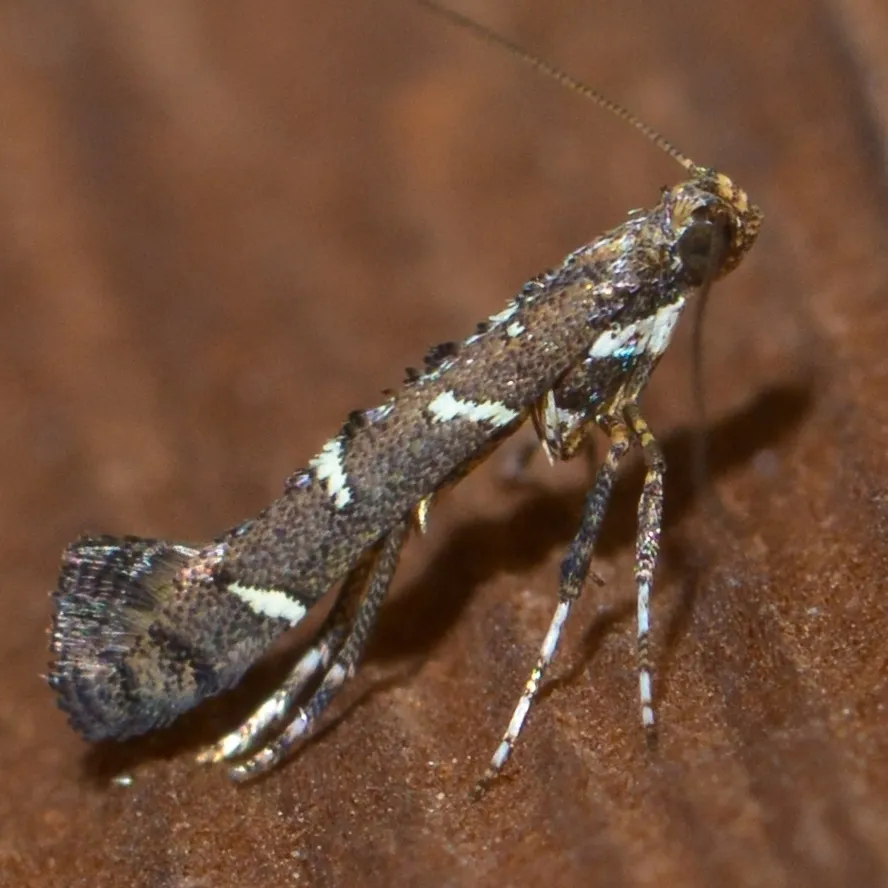
Caloptilia triadicae - Hodges#0644.1
Caloptilia triadicae
Much confusion over the species in recent years as to placement. Acrocercops was considered. Introduced from China; mines and then rolls leaves of the invasive Chinese tallow tree. See forum topic for more information. Also see Terry Harrison's com
Caloptilia umbratella - Hodges#0642
Caloptilia umbratella
Identification: genitalia T. Harrison says these are either Caloptilia umbratella or the Ribes feeder; he has confirmed via dissection that the two are different species. He adds: "I would suggest establishing a page for Caloptilia umbratella , beca
Caloreas apocynoglossa - Hodges#2634
Caloreas apocynoglossa
Identification: University of California, Berkeley - large photo of pinned adult.
Calosima albapenella - Hodges#1647
Calosima albapenella
Identification: BOLD:AAP2599 Type specimen of Holcocera nana Dietz, 1910 (USNM)
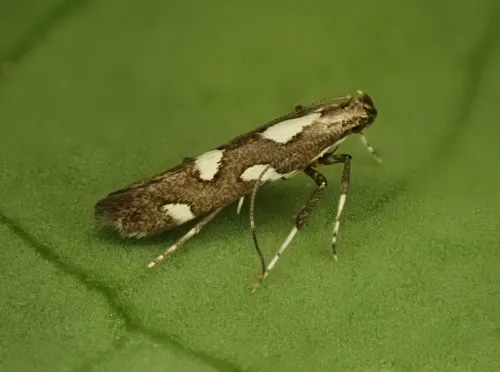
Calybites phasianipennella
Calybites phasianipennella
Wingspan 10 to 11 mm. Two forms occur, the typical one with a large dorsal streak and reduced paler markings elsewhere, and f. quadruplella with four large creamy or whitish markings. There are also intermediates. The larva mines the leaves of variou
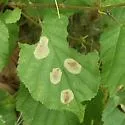
Cameraria corylisella - Hodges#0817
Cameraria corylisella
Lavae form nearly circular, brownish-yellow blotch mines on the upper sides of leaves in the birch family: hazelnut ( Corylus ), musclewood ( Carpinus ), and hophornbeam ( Ostrya ).
Cameraria diabloensis - Hodges#0817.1
Cameraria diabloensis
Identification: Adult: Antennae are equal to forewing length Dorsal of head is white Antemedial and postmedial white bars edged with black along the costal margin. Narrow white line extends from tornus to costa near the apex with a black patch toward
Cameraria fletcherella - Hodges#0820
Cameraria fletcherella
Identification: The original description as Lithocolletis fletcherella Braun, is available in PDF or view online in the print references below. Difficult group that often requires dissection to determine. Determined (T) Terry Harrison
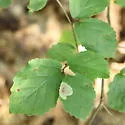
Cameraria hamameliella - Hodges#0824
Cameraria hamameliella
Identification: Young larvae are tiny, flat, and taper toward the read. Full grown larvae are cylindrical and about 5mm long Larvae develop in blotch mines in leaves of witch hazel ( Hamamelis ).
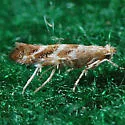
Cameraria macrocarpae - Hodges#0827
Cameraria macrocarpae
Identification: Freeman (1970) description is online in the print references .
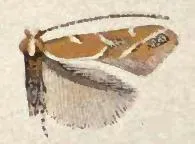
Cameraria mediodorsella - Hodges#0829
Cameraria mediodorsella
Identification: Forewing: Orange-brown ground color with the basal area of the inner margin edged in white. Antemedial white bar along costa. Postmedial white spot along costa. Broken white line extending from tornus to near apex at the costa. A patc
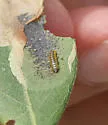
Cameraria picturatella - Hodges#0833
Cameraria picturatella
Larva forms a brownish blotch mine on the upper side of bayberry ( Morella [Myrica] pensylvanica and M. caroliniensis ) leaves.
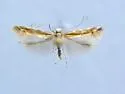
Cameraria serpentinensis - Hodges#0836.3
Cameraria serpentinensis
Identification: Adult: Similar to Cameraria mediodorsella except less heavily marked. Forewing: Inner margin has white edge along the entire length. Antemedial and postmedial white bars along costa and these are edged outwardly in black. Postmedial w
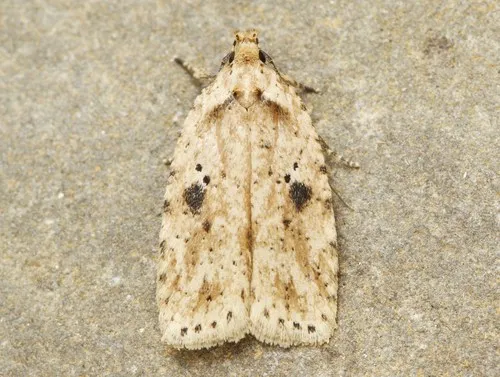
Canadian Agonopterix Moth
Agonopterix canadensis
Agonopterix canadensis, the Canadian agonopterix, is a moth of the Depressariidae family. It is found from the north-eastern United States and southern Canada, south through the Rocky Mountains to Colorado, the Basin Range and the mountains of centra
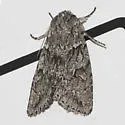
Canadian Giant - Hodges#9564
Andropolia contacta
Identification: Adult: forewing ground color white but covered with black speckling, giving an overall gray appearance; AM, PM, and subterminal lines black, zigzag, with large sharp teeth; thin black line runs along main vein to lower corner of renif
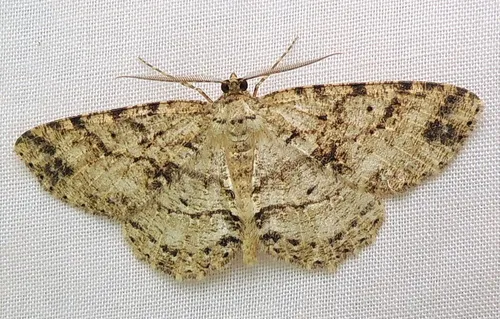
Canadian Melanolophia Moth
Melanolophia canadaria
Melanolophia canadaria, the Canadian melanolophia, is a moth of the family Geometridae. It is found from Florida to Nova Scotia, west to Saskatchewan and south to Texas.
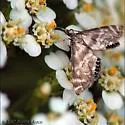
Canadian Petrophila - Hodges#4779
Petrophila canadensis
Identification: Adult: forewing central area lacks triangular arrangement of 3 black spots, present in P. fulicalis ; hindwing with two transverse brownish bands (proximal band broad, and distal one thin) separated by white space; trianglular patch o
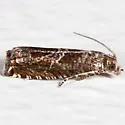
Canadian Sonia - Hodges#3219
Sonia canadana
Identification: Adult - forewing medium to dark brown, especially dark in lower AM and PM patches along inner margin; lower median area noticeably paler than the dark patches on each side; lower PM patch approximately triangular, forming a large dark
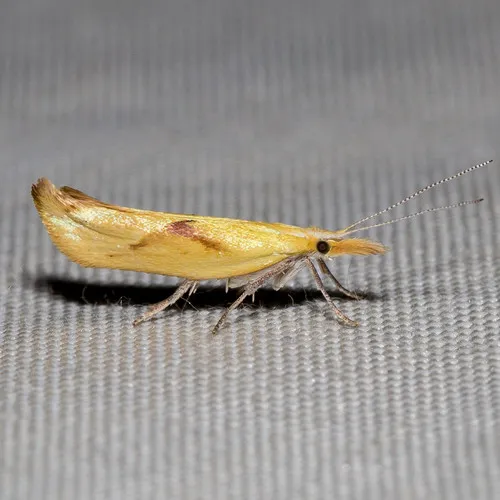
Canary Ypsolopha - Hodges#2371
Ypsolopha canariella
Per Powell & Opler, Ypsolopha dentiferella , frustella and canariella may be conspecific. BOLD mtDNA data seems to support that conjecture. As of 2016, the BIN group, BOLD:AAC0506 , contains all three species with all three placed randomly in the Tax
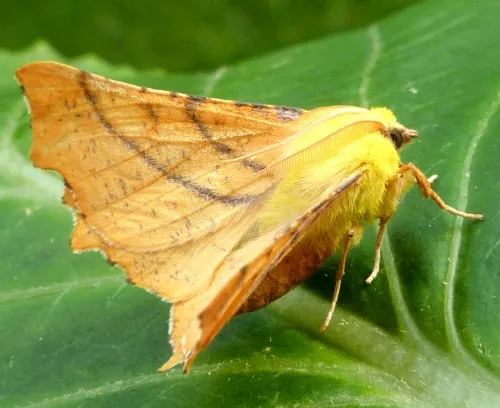
Canary-shouldered Thorn
Ennomos alniaria
Wingspan 38-42 mm. Aptly named after the canary-yellow thorax, or 'shoulders'. It frequents woodland, gardens and a range of other habitats. It has a single generation which flies from July to October and is regularly attracted to artificial light. T
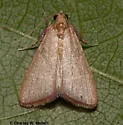
Caphys arizonensis - Hodges#5537
Caphys arizonensis
Identification: Powell & Opler (2009) stated the forewing varies from rust brown to rose brown. The transverse lines are parallel, and the terminal line is red. Transverse lines are sometimes faint. Identified by Brian Sholtens.
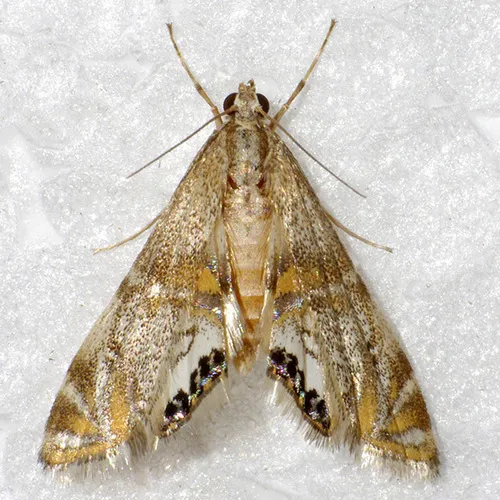
Capps' Petrophila - Hodges#4772
Petrophila cappsi
Identification: FW basal and postmedian area speckled black on white; costal margin brown, especially in basal 1/3; median white line is flanked by yellow bands, the one on the basal side wider than the outer one; four yellow-orange bands in the oute
Capsula laeta - Hodges#9451
Globia laeta
Identification: Morrison (1875) original description as Nonagria laeta is online in the print references.
Capsule Moth - Hodges#10317
Hadena capsularis
Identification: Adult : FW medium gray ground, including a large pale-filled orbicular spot, a pointed claviform spot, and a series of horizontal black lines at the dentate W-mark along the outer margin. AM and PM are black, doubled.
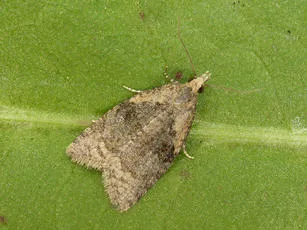
Capua vulgana
Capua vulgana
Wingspan 13 to19 mm. A fairly broad-winged Tortrix moth. The females are less well-marked than the males, which have paler markings on the base of the forewing, and a buff-coloured head. The main flight period is during May and June when the moths ca
Caradrina mona - Hodges#9658
Caradrina mona
Identification: Barnes & McDunnough (1912) description of the adult is available to read online in the print references below. Crumb (1956) described the larva. ( 3 )
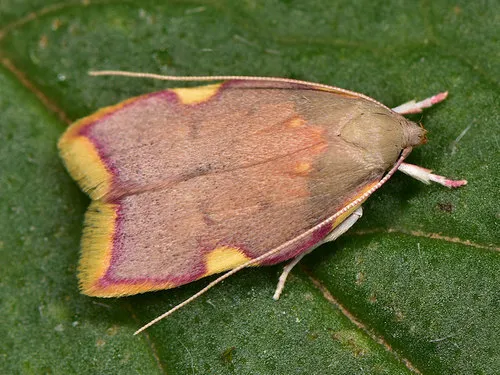
Carcina quercana
Carcina quercana
Wingspan 16-22 mm. A smallish but brightly coloured moth with noticeably long antennae. July and August - it is nocturnal and comes to light. The food plants are various deciduous trees, including Oak and Beech Occurring fairly frequently throughout
Cargida pyrrha - Hodges#7964
Cargida pyrrha
Identification: Godfrey (1984) described the larva as having a black head and body with several lateral yellow and white stripes. ( 3 )
Caribbean Armyworm Moth - Hodges#9668
Spodoptera pulchella
Identification: According to the Moth Photographers Group species page , the curved white line along the posterior margin of the forewing is distinctive.
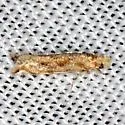
Caribbean Scavenger Moth - Hodges#0304
Erechthias minuscula
Identification: Adult: FW ground color is mostly cream or pale straw-colored. The forewings, which are strongly upturned at the tips, are variably and extensively marked with pale to dark brown scales. Larve: See Zimmerman, E.C., 1978 in Print Refere
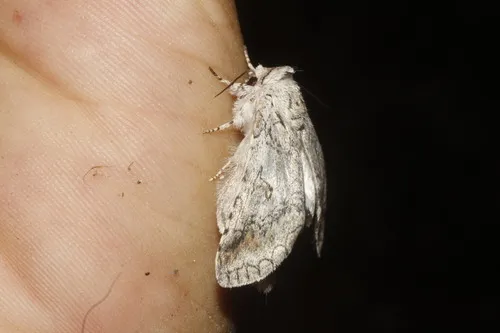
Caribbeana bichorda - Hodges#7965
Caribbeana bichorda
Identification: "Head and thorax grey-white, mixed with black scales; palpi black at sides; patagia with a black line at tips ; metathorax with two black points; tibia and tarsi irrorated with black, the latter with black points; abdomen white, thick
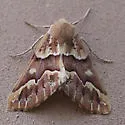
Caripeta interalbicans - Hodges#6866
Caripeta interalbicans
A note by Ferguson in the Smithsonian collection states that Caripeta aequaliaria and Caripeta interalbicans are the same species - Franclemont collected larvae that he considered Caripeta aequaliaria , but Caripeta aequaliaria is known to have two l
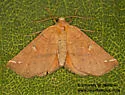
Caripeta macularia - Hodges#6874
Caripeta macularia
Identification: See original description in print references below .
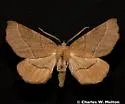
Caripeta ocellaria - Hodges#6873
Caripeta ocellaria
Identification: Specimens identified by DNA analysis:
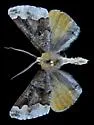
Caripeta pulcherrima - Hodges#6870
Caripeta pulcherrima
Identification: Adult - Orange hindwings distinguish this species from all similar Caripeta species. See original description in Print References.
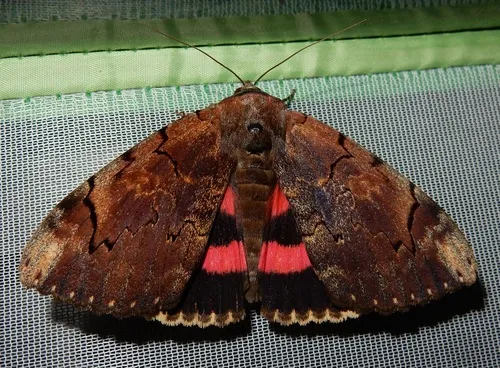
Carissima Underwing - Hodges#8832.1
Catocala carissima
Identification: Adult: forewing dark brown, often with greenish or bluish cast; AM and PM lines black, sharp, heavy near costa; conspicuous pale whitish patch at apex, and pale shading inside PM line, sometimes extending throughout median area and al
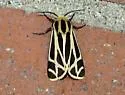
Carlotta's Tiger Moth - Hodges#8171.1
Apantesis carlotta
Identification: Rfw 16.3 mm, dfw costal margin black from base to end of discal cell, hws of male pale orange yellow, hw of female pale orange yellow or pink, always with broken black border. Ptagiae in males are unmarked yellowish, in females ptagia
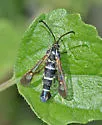
Carmenta engelhardti - Hodges#2598
Carmenta engelhardti
Identification: Adult - see Duckworth & Eichlin in Print References. This species resembles several other species in southern Arizona. I have collected this species on Brickellia foliage found along small creeks in the Patagonia and Huachuca Mountain
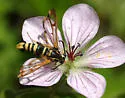
Carmenta giliae - Hodges#2599
Carmenta giliae
Identification: Adult - see Engelhardt description and figures in Print References and E.H. Strickland Entomological Museum page in Internet References.
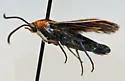
Carmenta mariona - Hodges#2601
Carmenta mariona
Identification: Adult - see Engelhardt in Print References. Carmenta mariona is one of the scarcest clearwing moths in collections.
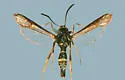
Carmenta odda - Hodges#2603
Carmenta odda
Identification: Adult - see Duckworth & Eichlin in Print References.
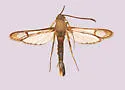
Carmenta pallene - Hodges#2605
Carmenta pallene
This small Carmenta species was originally described from Tabasco, Mexico. The first U.S. record was reported from near Portal, Arizona in 1978 (MONA 5.1 Sesioidea/Sesiidae by Eichlin & Duckworth 1988). Our specimens were collected much farther west
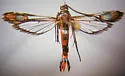
Carmenta rubricincta - Hodges#2610
Carmenta rubricincta
This is one of the rarest clearwing moths in the southwest. ( 4 )
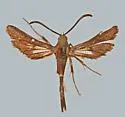
Carmenta suffusata - Hodges#2612
Carmenta suffusata
Identification: Engelhardt original description. Males attracted to pheromone bait (E,Z 3, 13-ODDOH). William H. Taft reports the species as rare.
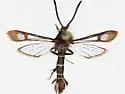
Carmenta tildeni - Hodges#2617.1
Carmenta tildeni
Carmenta tildeni - Hodges#2617.1 (Carmenta tildeni) is a species in the family Sesiidae, commonly known as clearwing moths, belonging to the order Lepidoptera (Butterflies and Moths). It is classified within the subfamily Sesiinae, tribe Synanthedoni
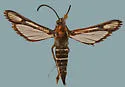
Carmenta verecunda - Hodges#2615
Carmenta verecunda
Identification: Adult - see Duckworth & Eichlin in Print References.
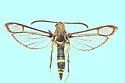
Carmenta wellerae - Hodges#2617
Carmenta wellerae
Identification: Adult - similar to other Carmenta from the southwest but with orange powdering on the antennae, large pale yellow or white area on the ventral abdomen, and white tarsal segments on the hind legs. See Duckworth & Eichlin description in
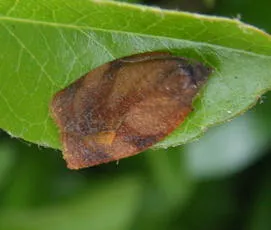
Carnation Tortrix
Cacoecimorpha pronubana
Wingspan 14 to 24 mm. It is a fairly distinctive moth with rounded forewings and bright orange hindwings. Adults can be found on the wing in May and June and again in August and September. The larvae feed on a wide variety of different plants. An adv
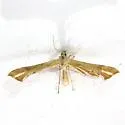
Carolina Plume Moth - Hodges#6125
Paraplatyptilia carolina
Identification: See the identification key for Platyptiliini . See the species accounts in Landry as Stenoptilodes carolina and Barnes & Lindsey as Platyptilia carolina . Adult - see original description in Print References.
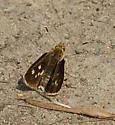
Carolina Roadside-Skipper - Hodges#4100
Amblyscirtes carolina
Identification: Adult: upperside dark brown; forewing with small yellow spots; underside of forewing black with dull yellow apex; underside of hindwing dull yellow with brown spots [adapted from description at nearctica.com]
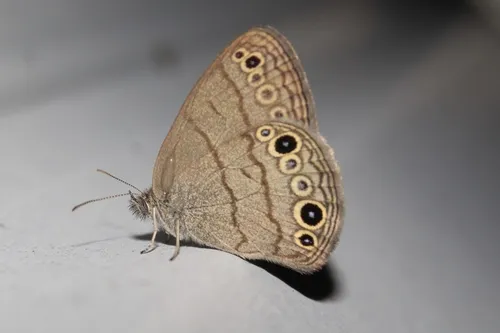
Carolina Satyr - Hodges#4575
Hermeuptychia sosybius
Identification: Adult: While still alive, eyes gray with vertical stripes. Wings dull brown with no eyespots on upperside. Underside of wings have a dark dash in the middle of each wing (may be faint), and a series of yellow-rimmed eyespots along t
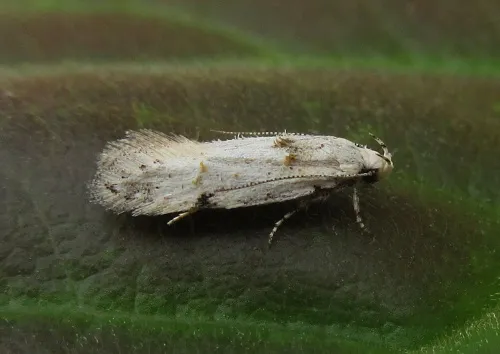
Carpatolechia alburnella
Carpatolechia alburnella
Wingspan about13 mm. A pale silvery species effectively camouflaged against birch - its larval host. In the Scottish Highlands area the population has a rather darker colouration. The adults of this species may be found resting in crevices on the tru
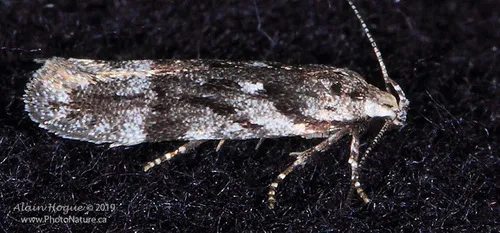
Carpatolechia belangerella - Hodges#1869
Carpatolechia belangerella
Includes as a synonym Carpatolechia proximella of authors (not Hübner, 1796)
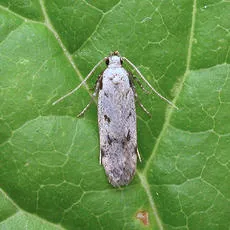
Carpatolechia decorella
Carpatolechia decorella
Wingspan about 14mm. Although quite variable in intensity of markings and depth of ground colour, this species generally shows a distinctive black bar at the base of the forewing leading edge, a good identification pointer. In areas where the larval
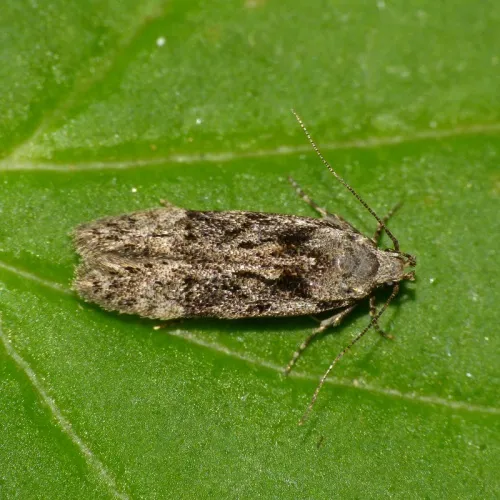
Carpatolechia fugitivella
Carpatolechia fugitivella
The adult moths are on the wing in June and July. They can be found during the day by searching tree trunks but are more often encountered at light. The larva feeds in a spinning on a leaf of Elm from which it is easily beaten. Pupa undescribed. Foun
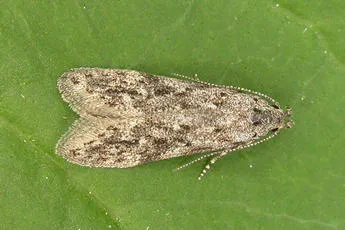
Carpatolechia notatella
Carpatolechia notatella
Wingspan about 14mm. There are a number of rather similar species, and care must be taken in the identification. Occupying woods, heaths and fenland especially damper areas where willow is present. Moths are on the wing in May and June when they can
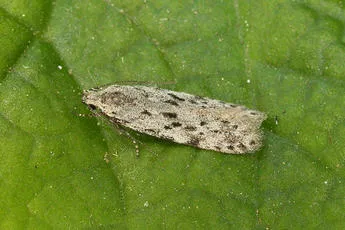
Carpatolechia proximella
Carpatolechia proximella
Wingspan 13 to17 mm. The species is variable in appearance, depending on the amount of brownish scale on the forewing. This moth is found on the wing during May and June. It is widespread and commonly found throughout Britain. In the Butterfly Conser
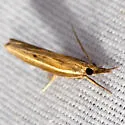
Carpet-grass Webworm Moth - Hodges#5433
Fissicrambus haytiellus
Identification: See the cautionary note on the Fissicrambus genus page .
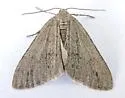
Carphoides inconspicuaria - Hodges#6625
Carphoides inconspicuaria
Identification: The forewing is heavily and evenly peppered with dark brown scales. The transverse lines are usually absent in the males; females often have weak am and pm lines. There are short dark subterminal dashes. The hindwing of the male is wh
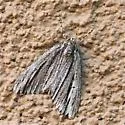
Carphoides incopriarius - Hodges#6624
Carphoides incopriarius
Identification: Rindge stated Carphoides incopriarius "is very different in appearance from Carphoides setigera ." The forewing has longitudinal markings and no transverse lines. The postmedian line is sometimes represented by dark spots.
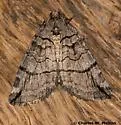
Carptima hydriomenata - Hodges#7281
Carptima hydriomenata
Carptima hydriomenata - Hodges#7281 (Carptima hydriomenata) is a species in the family Geometridae, commonly known as geometrid moths, belonging to the order Lepidoptera (Butterflies and Moths). It is classified within the subfamily Larentiinae, trib
Carrionflower Moth - Hodges#2490
Acrolepiopsis incertella
Identification: Adult: forewing slender, grayish-brown with reddish iridescence and small white triangular patch part-way along inner margin; distinct notch part-way along outer margin; hindwing brownish-gray, paler than forewing, with dark veins and
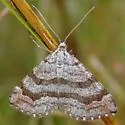
Carsia sororiata - Hodges#7626
Carsia sororiata
Identification: The lines may be prominent or indistinct.
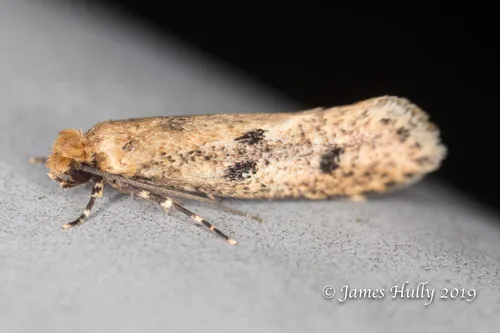
Case-bearing Clothes Moth
Tinea pellionella
Wingspan 9 to16 mm. The head is orange-brown and the forewings are plain brown but with 1 to 3 spots. Often found indoors in woollen carpets and clothes. The adults are generally on the wing between June and October, but may appear outside this perio
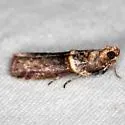
Cassia Webworm Moth - Hodges#5704
Anabasis ochrodesma
Identification: Anabasis ochrodesma , the sole representative of this genus, has a wing length of 5.0-7.0mm and forewing am. band with a well developed ridge of pale scales. The combination of small size and the ridge of pale scales should eliminate
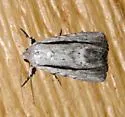
Catabenoides terminellus - Hodges#10037
Catabenoides terminellus
At BOLD there are specimens listed in two BINS for Catabenoides terminellus, BOLD:AAB4195 and BOLD:ABW8287. Barcode separates the two by slightly over 3%. Specimens cannot currently be placed to BIN using observable external characteristics and it do
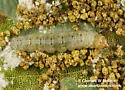
Catastega nebula - Hodges#3333.2
Catastega nebula
Identification: See original description in print references below .
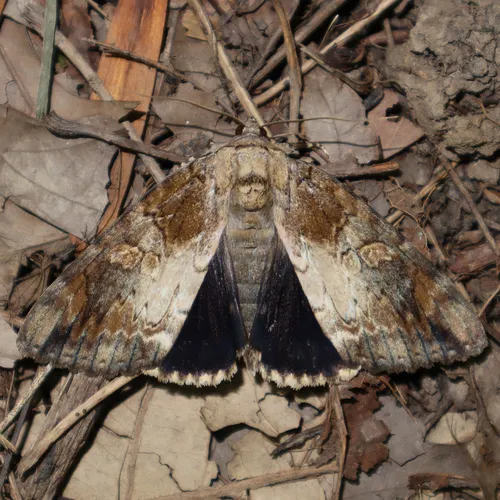
Catocala atocala - Hodges#8787.1
Catocala atocala
Formerly treated as a form of Strecker's Catocala agrippina . Strecker illustrated the form in the original description ( fig.3 ) of that species.
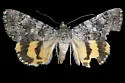
Catocala benjamini - Hodges#8837.1
Catocala benjamini
Identification: Specimen determined by DNA analysis (BOLD). ( 3 )
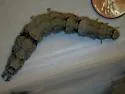
Catocala ilia or umbrosa
Catocala ilia-umbrosa
Identification: Since often specimens of ilia and umbrosa cannot be distinguished by photo alone, this page serves as a (temporary?) home for those for which the best identification that can be made, is " ilia or umbrosa ." If this page is objectiona
Catocala lineella - Hodges#8879
Catocala lineella
Identification: Member of the Catocala amica complex in which species lack a black medial hindwing band; see Gall & Schweitzer for full description. Caution : In Gall & Schweitzer figure 2, the specimen labeled A is a lineella and not a pinicola (err
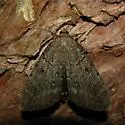
Catocala obscura or residua
Catocala obscura-residua
This is the page for specimens that are either Catocala obscura or Catocala residua , but which cannot be determined due to the hind-wing fringe not being visible in the photo.
Catocala pinicola - Hodges#8879.1
Catocala pinicola
Identification: Member of the Catocala amica complex in which species lack a black medial hindwing band; see Gall & Schweitzer for full description. Caution : In Gall & Schweitzer figure 2, the specimen labeled A is a lineella and not a pinicola (err
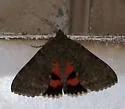
Catocala texanae - Hodges#8830
Catocala texanae
Identification: Hindwing inner black band is thin and comes to a point before reaching the inner margin. Fringe of hindwing is white, except a area of reddish-orange at the apex.
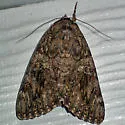
Catocala umbrosa - Hodges#8801.1
Catocala umbrosa
Identification: Adult - exhibits very little variability. Forewings of nearly all Louisiana specimens are somewhat drab woody-like gray, grayish-brown or brown in appearance. (Brou, 2003)
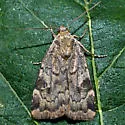
Catocaline Dart - Hodges#11012
Cryptocala acadiensis
Identification: forewing olive-green or various shades of brown with light gray costal border expanding downward to include reniform spot; median area grayish brown, bordered by sharply-scalloped AM and PM lines; pale subterminal area has wavy gray S
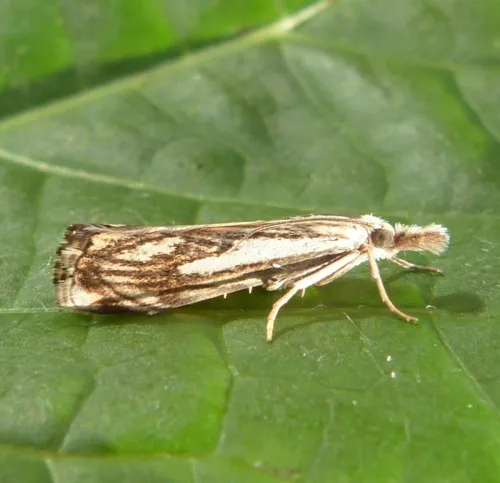
Catoptria falsella
Catoptria falsella
Wingspan18-22 mm. This is rather a creamy brown looking well marked moth with a distinct pale patch running about half the length of the wing. July and August, when it can be attracted to light. The larva feeds on mosses growing on walls, especially
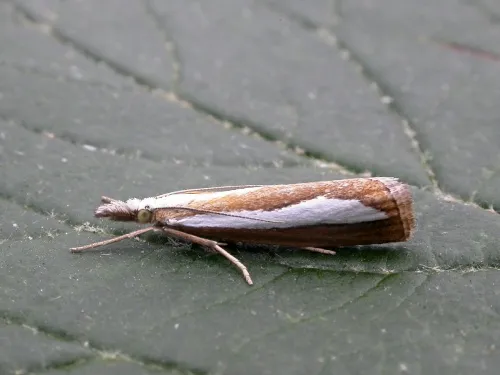
Catoptria margaritella
Catoptria margaritella
Wingspan 20 to 23 mm. The broad, unbroken white longitudinal mark on this species is quite distinctive. It occurs in boggy and heathland habitats. The nocturnal adult is on the wing in July and August, and can be attracted to light. At present the ea
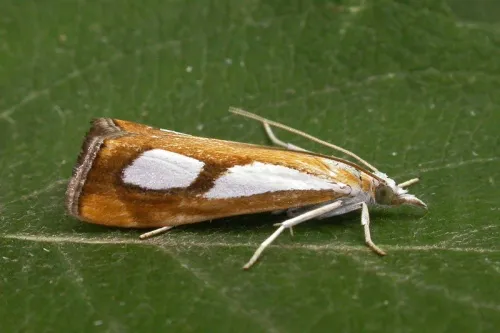
Catoptria pinella
Catoptria pinella
Wingspan 18-24 mm. An attractive and distinctively marked moth, the orange wings having two large white discs. Damp areas, boggy heath land, fens and marshes. It flies by night in July and August and tends to rest in trees by day. The larvae feed on
Cauchas dietziella sp. grp. - Hodges#0212
Cauchas dietziella
Cauchas dietziella (Kearfott, 1908) and Cauchas cyanella (Busck, 1915) can be determined only by dissection.
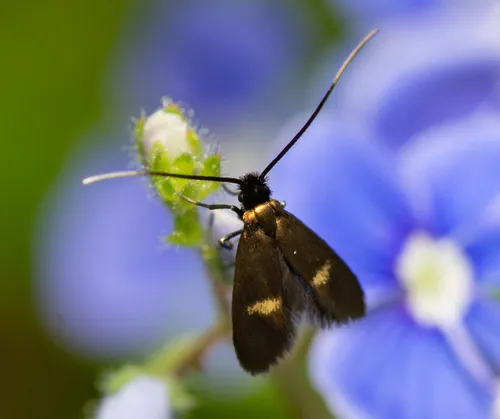
Cauchas fibulella
Cauchas fibulella
Wingspan 8 to 11 mm. The smallest of the British Adelinae, with a distinctive pale mark on the centre of the forewing, and often a second, smaller pale blotch nearer the base. Unlike some of its relatives, the antennae of the male are only slightly l
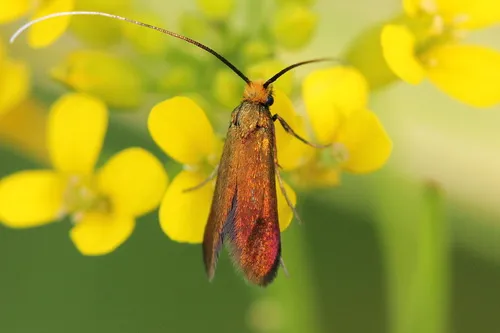
Cauchas rufimitrella
Cauchas rufimitrella
Wingspan 9 to12 mm. Another of the longhorn moths, this species can be identified by the combination of the brassy green forewings and what has been described as an orange collar or yellow crown. As with the other moths of the genus, the antennae are
Cauchas sedella - Hodges#0214
Cauchas sedella
Identification: Original description: Incurvaria [now Cauchas] sedella n. sp. Labial palpi yellow with black terminal point and black setae. Antennae bronzy black with white tips. Face and head yellowish white. Thorax dark bronzy brown. Forewings dar