
Catocala ilia or umbrosa
Catocala ilia-umbrosa
This record describes Catocala ilia-umbrosa (species). Recorded family: Erebidae. Recorded order: Lepidoptera.
Identification and Appearance
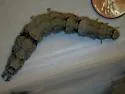
Since often specimens of ilia and umbrosa cannot be distinguished by photo alone, this page serves as a (temporary?) home for those for which the best identification that can be made, is ilia or umbrosa . If this page is objectionable, please feel free to delete it. -JDR ilia : Adult has several named forms whose forewing color varies from grayish-brown to completely black; forewing usually with some whitish in median area; reniform spot usually outlined with white (or solid white in form conspicua); AM line broad, black, and relatively straight, contrasting against paler median area; hindwing median band reddish-orange or dark pink with deep scallops near anal angle; sometimes rests with wings partly open, revealing parts of two colored bands and two black bands; fringe pale orangish, narrow except at apex. Per Wagner, most caterpillars are gray and essentially bark-colored, but very occasionally spectacular lichen mimics are encountered. Examples of each larval form: , umbrosa : Nearly indistinguishable from ilia but is said to lack the white around reniform spot, however, this is not supported as 100% diagnostic when applied to DNA identified specimens, and often the two are inseparable by photo alone where season/distribution overlap. ilia : Per Wagner, this is one of the East's most abundant underwings.
Classification
- Kingdom
- Animalia
- Phylum
- Arthropoda
- Class
- Insecta
- Order
- Lepidoptera (Butterflies and Moths)
- Superfamily
- Noctuoidea
- Family
- Erebidae
- Subfamily
- Erebinae
- Tribe
- Catocalini
- Genus
- Catocala (Underwings)
Imported taxonomy record. Source availability varies; see the source references and editorial policy below.
Habitat and Range
Habitat
Deciduous forests
Geographic Range
ilia : eastern and central North America: Newfoundland to Florida, west to Texas, north to Saskatchewan (plus two recent records from California, 1999 and 2004, reported in Lepidopterists Society Season Summary ) umbrosa : Eastern North America, west to Texas, appears to be primarily coastal plain species
Seasonal Activity
ilia : March through September umbrosa : April through September
Diet and Behavior
Diet: Larvae feed on leaves of oak
About Butterflies and Moths: the wider group
Order-level background for Lepidoptera, the group containing Catocala ilia-umbrosa. Species-specific details appear above.
Group overview
Lepidoptera includes approximately 180,000 described species of butterflies and moths. Moths outnumber butterflies roughly 10:1. The monarch butterfly's eastern population has declined by more than 80% since the mid-1990s, and the western population by over 95% since the 1980s. The IUCN lists the migratory monarch as Vulnerable.
Ecological role of the group
Butterflies and moths are essential indicators of ecosystem health. As caterpillars, they are a primary food source for birds - a single nest of blue tit chicks requires ~10,000 caterpillars. Adult moths pollinate many night-blooming plants.
Economic and practical significance of the group
Lepidoptera are critical pollinators. In Europe, grassland butterfly species have declined by almost 50% since the early 1990s. In the UK, three-quarters of butterflies are in decline. In the U.S., five butterfly species have gone extinct since 1950, with 29 listed as endangered.
Recorded sources for this group: IUCN Red List, Xerces Society, USFWS, PNAS, WWF. Imported estimates may describe particular regions or reporting periods.
Photos of Catocala ilia or umbrosa (5)
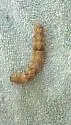
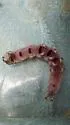
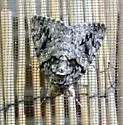
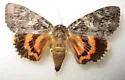
Photo credits: Contributed by Jason D. Roberts; Additional contributions by Steve Nanz
Frequently Asked Questions About Catocala ilia or umbrosa
What is Catocala ilia or umbrosa?
Catocala ilia or umbrosa (Catocala ilia-umbrosa) is a species in the family Erebidae, within the order Lepidoptera.
How big is Catocala ilia or umbrosa?
65-82mm
How do you identify Catocala ilia or umbrosa?
Since often specimens of ilia and umbrosa cannot be distinguished by photo alone, this page serves as a (temporary?) home for those for which the best identification that can be made, is ilia or umbrosa . If this page is objectionable, please feel free to delete it. -JDR ilia : Adult has several named forms whose forewing color varies from grayish-brown to completely black; forewing usually with some whitish in median area; reniform spot usually outlined with white (or solid white in form conspicua); AM line broad, black, and relatively straight, contrasting against paler median area; hindwing median band reddish-orange or dark pink with deep scallops near anal angle; sometimes rests with wings partly open, revealing parts of two colored bands and two black bands; fringe pale orangish, narrow except at apex. Per Wagner, most caterpillars are gray and essentially bark-colored, but very occasionally spectacular lichen mimics are encountered. Examples of each larval form: , umbrosa : Nearly indistinguishable from ilia but is said to lack the white around reniform spot, however, this is not supported as 100% diagnostic when applied to DNA identified specimens, and often the two are inseparable by photo alone where season/distribution overlap.
Where is Catocala ilia or umbrosa found?
| Feature | Details |
|---|---|
| Habitat | Deciduous forests |
| Range | ilia : eastern and central North America: Newfoundland to Florida, west to Texas, north to Saskatchewan (plus two recent records from California, 1999 and 2004, reported in Lepidopterists Society Season Summary ) umbrosa : Eastern North America, west to Texas, appears to be primarily coastal plain species |
What does Catocala ilia or umbrosa eat?
The diet of the Catocala ilia or umbrosa includes Larvae feed on leaves of oak.
When is Catocala ilia or umbrosa active?
Catocala ilia or umbrosa: seasonal activity - ilia : March through September umbrosa : April through September.