
Butterflies and Moths
Order Lepidoptera
The Butterflies and Moths (Order Lepidoptera) includes 11,813 species across 112 families and 2,787 genera in our directory.
About Butterflies and Moths
Lepidoptera includes approximately 180,000 described species of butterflies and moths. Moths outnumber butterflies roughly 10:1. The monarch butterfly's eastern population has declined by more than 80% since the mid-1990s, and the western population by over 95% since the 1980s. The IUCN lists the migratory monarch as Vulnerable.
Economic Impact
Lepidoptera are critical pollinators. In Europe, grassland butterfly species have declined by almost 50% since the early 1990s. In the UK, three-quarters of butterflies are in decline. In the U.S., five butterfly species have gone extinct since 1950, with 29 listed as endangered.
Ecological Role
Butterflies and moths are essential indicators of ecosystem health. As caterpillars, they are a primary food source for birds - a single nest of blue tit chicks requires ~10,000 caterpillars. Adult moths pollinate many night-blooming plants.
Families in Lepidoptera (112)
Species in Lepidoptera (11,813)
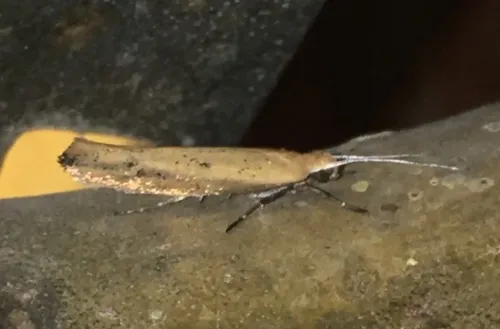
Ypsolopha ochrella - Hodges#2391
Ypsolopha ochrella
Identification: The descriptions of the larva and adult as Cerostoma rubrella Dyar, is available online in the print references below, but Dyar's description is (as is typical of the era and his work) very brief. Specimen identified by DNA analysis (
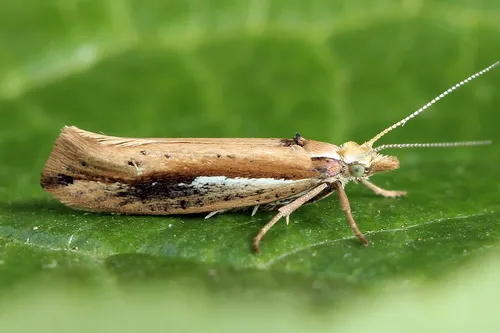
Ypsolopha parenthesella
Ypsolopha parenthesella
Wingspan 16 to 20 mm. This moth exhibits a number of variations in wing pattern and colour. Flies from late July to September. A night flying species, it is often attracted to light. The larva feeds on a variety of trees, including oak and hazel. It
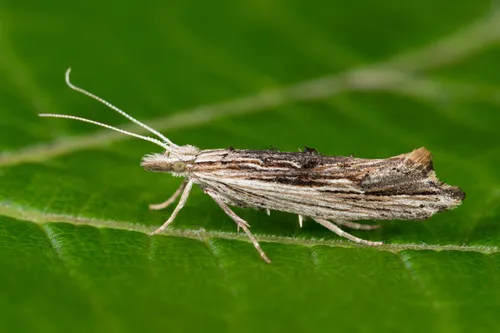
Ypsolopha scabrella
Ypsolopha scabrella
Wingspan 20-22 mm. Three raised tufts of scales are visible when the moth is at rest. Nocturnal, it flies in July and August and is attracted by light. This species is sporadically common over much of England and parts of Wales. In the Butterfly Cons
Ypsolopha senex - Hodges#2392
Ypsolopha senex
Identification: For some detail information about this species see E.H. Strickland Entomological Museum
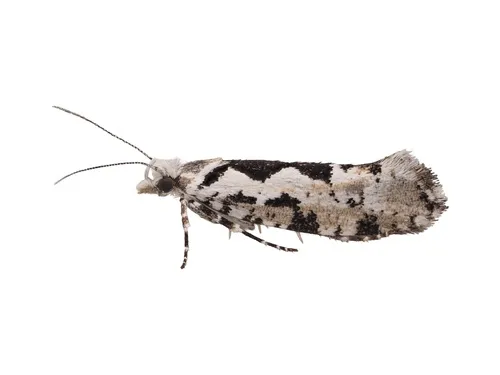
Ypsolopha sequella
Ypsolopha sequella
Wingspan 18-20 mm. This is a highly distinctive species with its pied appearance. The dark patterning on the moth's shoulder is said to resemble the head of a Rabbit. Woodland and urban areas, especially where Field Maple is planted. It flies at nigh
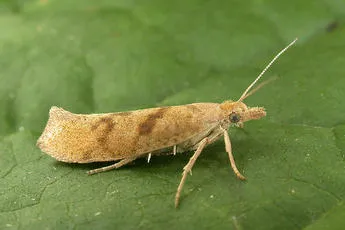
Ypsolopha sylvella
Ypsolopha sylvella
Wingspan 18 to 20 mm. It closely resembles the slightly commoner Y. alpella , so care has to be taken with identification. Oak woods and other areas with mature Oaks. The adult moths occur during August and September and can be attracted by light. Th
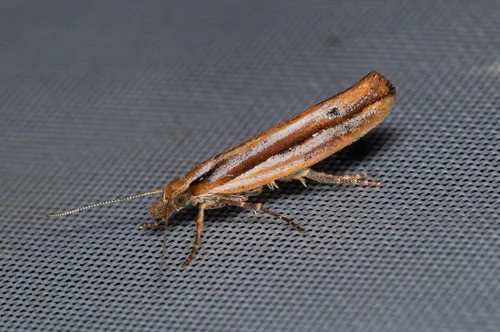
Ypsolopha ustella
Ypsolopha ustella
Wingspan 15 to 20 mm. Exhibiting numerous colour forms, this moth is easy to confuse with some of the other members of the Ypsolopha genus. However it can often be distinguished by the narrower forewings. One of few species which can be found on the
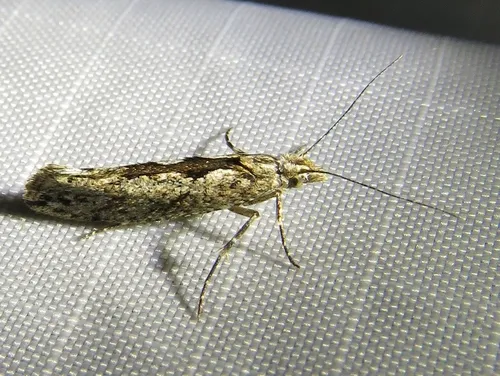
Ypsolopha vittella
Ypsolopha vittella
Wingspan 16 to 20 mm. The appearance of the adult can vary, with some showing rather more blackish suffusion on the dorsal region. A photograph is required to support records for this species. This species inhabits woodland and copses. The larvae fee
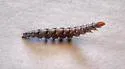
Ypsolopha walsinghamiella - Hodges#2400
Ypsolopha walsinghamiella
Identification: A partial account is given by Busck.
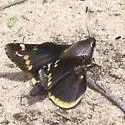
Yucca Giant-skipper - Hodges#4145
Megathymus yuccae
Identification: A very large and robust skipper. Variable, dark brown with frosty marking on wing margin. Caterpillar is light tan with reddish brown head A spectacular species.
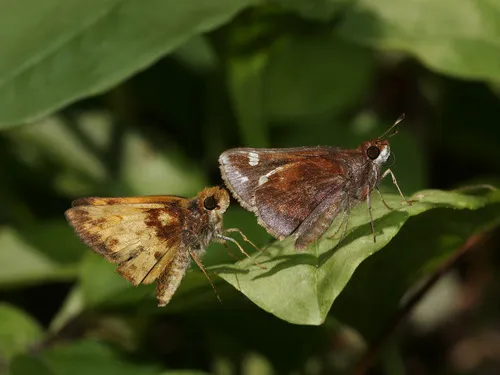
Zabulon Skipper
Lon zabulon
The Zabulon skipper (Poanes zabulon) (sometimes called the southern dimorphic skipper) is a North American butterfly first described by the French naturalists Jean Baptiste Boisduval and John Eatton Le Conte from the state of Georgia, United States.
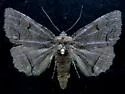
Zale buchholzi - Hodges#8706
Zale buchholzi
Identification: Similar to Zale helata but more uniformly brown.
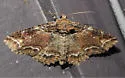
Zale clandestina - Hodges#8697.1
Zale clandestina
Identification: Description by Troubridge (2020) can be found at link in citations below. Genitalia: ♀ ♂
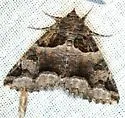
Zale colorado - Hodges#8715
Zale colorado
Identification: See original description linked under print references below. Key characteristics include: AM line even brown band, only a little irregular outwardly; beyond AM line is a whitish/pale area merging gradually into darker outer portion o
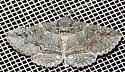
Zale edusina - Hodges#8693
Zale edusina
Identification: See description by Smith linked in print references below. Determined Ed Knudson, Texas Lepidoptera Survey. Genitalia: ♀ ♂ Ann Hendrickson April 5, 2022: I have been dissecting this easily recognizable species trying to see if I can f
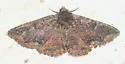
Zale insuda - Hodges#8696
Zale insuda
Identification: See original description linked under print references below. Key characteristics: females are much darker than males; substantial blue bands of shading along outside of AM and ST lines (can be more difficult to see on the darker fema
Zale obsita - Hodges#8686.1
Zale obsita
Identification: Male has distinctive contrasting wing patterns. Female is very similar to females of Z. lunata and Z. fictilis, probably inseparable from photos alone.
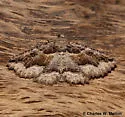
Zale rubiata - Hodges#8710
Zale rubiata
Identification: Smith original description linked below in print references. Specimen identified by DNA analysis (BOLD).
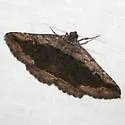
Zaleops umbrina - Hodges#8677
Zaleops umbrina
Identification: Larve - blackish with a pale mid-dorsal stripe; head pale with black reticulation (Crumb, 1956). Adult - forewing orangish-brown with dark brown bands; AM line consists of dark wedge projecting from inner margin half-way to costa; dar
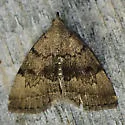
Zanclognatha dentata - Hodges#8349.1
Zanclognatha dentata
Identification: Adult: "Diagnosis (habitus). Dark tooth-like spots along costa, marking beginning of antemedial and postmedial lines, distinguish Z. dentata from all but Z. lituralis , Z. martha , and some Z. protumnusalis . The presence of a third (
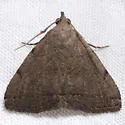
Zanclognatha martha - Hodges#8350
Zanclognatha martha
Identification: Photo from Ken Childs identified by Don Tangren. (BAMONA) Adult: "Compared to most species of the genus, this is a relatively large (25-30 mm), uniformly brownish-gray species with a violet tinge. The forewings and hindwings are about
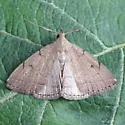
Zanclognatha protumnusalis - Hodges#8349
Zanclognatha protumnusalis
Identification: Adult: antemedian (AM) and postmedian (PM) lines wavy & jagged - thickened and dark near the costa, but thin and faint across the rest of the wing; bold dark reniform spot; subterminal (ST) line thin & inconspicuous, bordered by darke
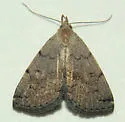
Zanclognatha theralis - Hodges#8341
Zanclognatha theralis
Identification: Larvae: See key This species is part of the Zanclognatha gypsalis-minoralis-theralis complex
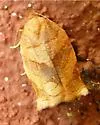
Zapulata Moth - Hodges#3634
Choristoneura zapulata
Identification: Very difficult to distinguish from Choristoneura rosaceana Lacks the small triangular costal fold (males) found in C. rosaceana
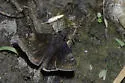
Zarucco Duskywing - Hodges#3956
Erynnis zarucco
Identification: One of the larger Duskywings. Dorsal, both males and females have a reddish brown patch near the white cell end spots. Trailing edge of the wings have a pale tan fringe, sometimes white in the Florida Keys. Ventral, dark with little t
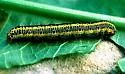
Zebra Caterpillar Moth - Hodges#10293
Melanchra picta
Identification: Adult: head, thorax, and forewing deep reddish-brown; upper half of forewing dark brown from base to reniform spot; reniform spot gray-filled and indistinct; broken whitish subterminal line is only line clearly visible hindwing white
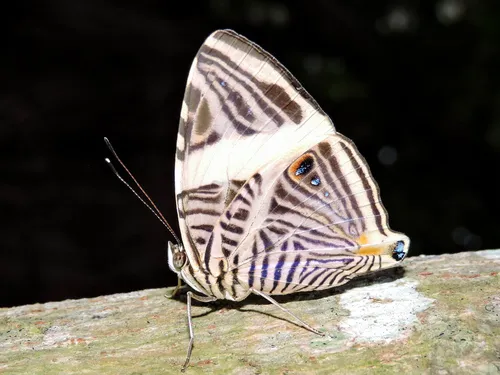
Zebra Mosaic
Colobura dirce
Identification: See discussion under Colobura . Very similar to Colobura annulata , differing in ventral wing pattern. With the lighter brown stripes on the apical half of the ventral front wings wider than in C. annulata , and narrowing distinctly
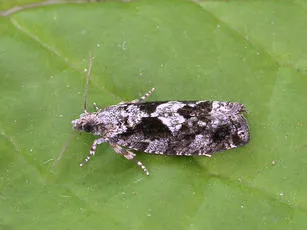
Zeiraphera isertana
Zeiraphera isertana
Wingspan about 17mm. A variable moth, some showing a distinct pale dorsal blotch and well defined markings, and others with a more obscure appearance. There is often a greenish or olive tinge to some of the markings. The adults fly in July and August
Zelicodes linearis - Hodges#8410
Zelicodes linearis
Identification: Specimens identified by DNA analysis:
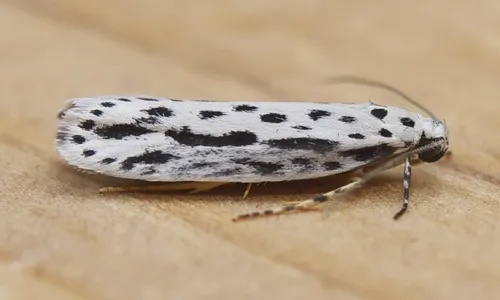
Zeller's Ethmia Moth
Ethmia zelleriella
Zeller's ethmia moth (Ethmia zelleriella) is a moth in the family Depressariidae. It is found in eastern North America, from southern Ontario and Quebec through the Ohio Valley and southern Appalachian regions to central Texas.
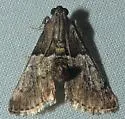
Zeller's Macalla - Hodges#5579
Macalla zelleri
Identification: Adult : Head/thorax has low longitudinal "crest" of raised brown scales in two parallel rows; forewing basally dark brownish-gray; black AM line nearly perpendicular to costal and inner margins, wavy, with sharply contrasting white o
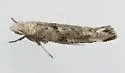
Zelleria celastrusella - Hodges#2425
Zelleria celastrusella
Identification: Adult/Larva/Pupa - see original description in Print References.
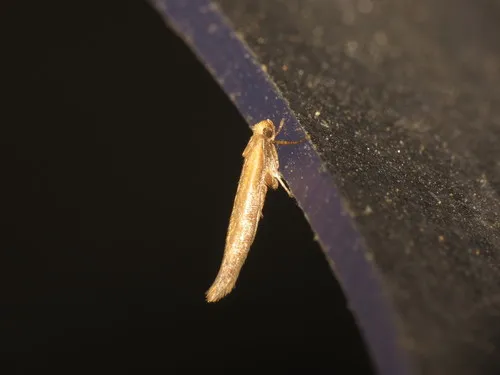
Zelleria hepariella
Zelleria hepariella
Wingspan around 12 mm. The combination of the rufous or chestnut forewing colour and the 'nose-down' Argyresthia-like resting posture make this species quite distinctive. There is one generation, the adults emerging in July or August and overwinterin
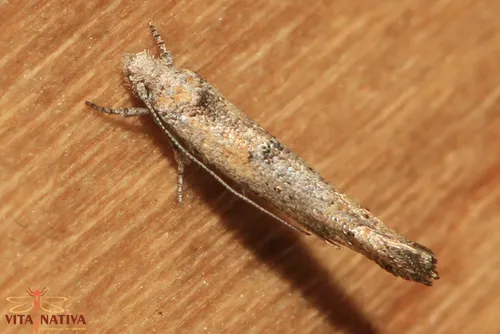
Zelleria oleastrella
Zelleria oleastrella
Wingspan between12 and 15mm. This species is much paler than the related Zelleria hepariella. Due to the rarity of this species in our area, your record should be supported by a good close-up photograph, and the specimen should be retained until conf
Zenodoxus sidalceae - Hodges#2520
Zenodoxus sidalceae
Identification: Adult - see Duckworth & Eichlin in Print References. Engelhardt plate 32 , f.182-183.
Zenophleps alpinata - Hodges#7408
Zenophleps alpinata
Identification: Original description by Cassino is linked below.
Zenophleps lignicolorata - Hodges#7406
Zenophleps lignicolorata
Identification: Specimens identified by DNA Analysis:
Zestos Skipper - Hodges#3869
Epargyreus zestos
Not seen in the last six years of Florida surveys conducted for the US Fish and Wildlife Service and the Florida Keys Mosquito Control District - Liston, 2013 As of June 2013, considered likely extinct: U.S. Fish & Wildlife Service
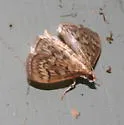
Zigzag Herpetogramma - Hodges#5277
Herpetogramma thestealis
Identification: "Forewing with high contrast between dark brown or beige marginal shade and basal areas" (Solis, 2010) , but see update in Handfield & Handfield .
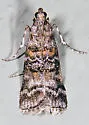
Zimmerman Pine Moth - Hodges#5852
Dioryctria zimmermani
Identification: Revised description by Heinrich, is online. Dioryctria zimmermanni was first found in Indiana in 1956 and has become a serious pest concern for Christmas tree growers. There are many websites with information on the pest status.
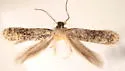
Zimmermannia grandisella - Hodges#0109
Zimmermannia grandisella
Identification: · Internet References Representative Images Show images of: caterpillars · adults · both Classification Kingdom Animalia (Animals) Phylum Arthropoda (Arthropods) Subphylum Hexapoda (Hexapods) Class Insecta (In
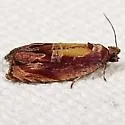
Zomaria rosaochreana - Hodges#2751
Zomaria rosaochreana
Identification: Adult - see original description in Print References.
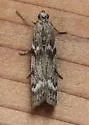
Zophodia grossulariella - Hodges#5968
Zophodia grossulariella
Identification: Genitalia: Distribution is holarctic (in North America and Europe at least to the Urals). Some state this species was introduced to North America from Europe (see here ). Others state it may have been introduced in the old world. Powe
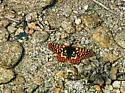
anicia-like
Euphydryas chalcedona--a
This [perhaps artificial] category is created for those populations that have the genitalia of E. chalcedona , but with an over-all orange appearance more comparable to that of E. anicia . These populations occur primarily in the higher mountains to
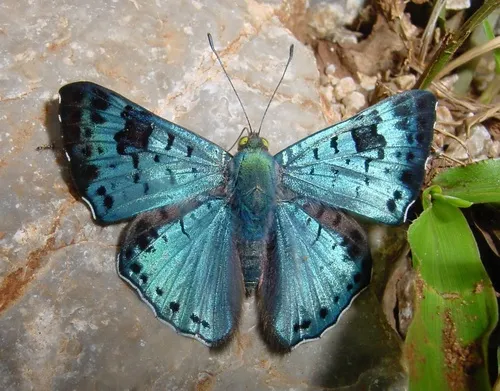
black-patch bluemark
Lasaia agesilas
Lasaia agesilas, known as the glittering sapphire, black-patch bluemark or Narses metalmark is a species of Lasaia metalmark butterfly in the family Riodinidae that is native to Central America and the north of South America. It ranges from Costa Ric
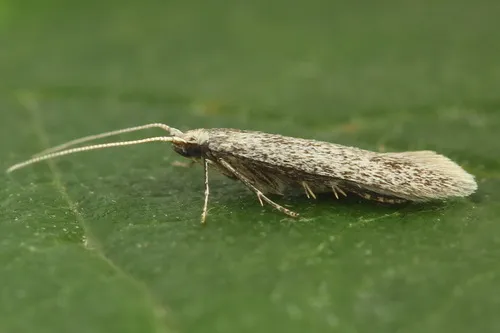
black-stigma case-bearer
Coleophora hemerobiella
The fruit tree case moth (Coleophora hemerobiella) is a moth of the Coleophoridae family. It is found in western Europe, except Ireland and the Iberian Peninsula.
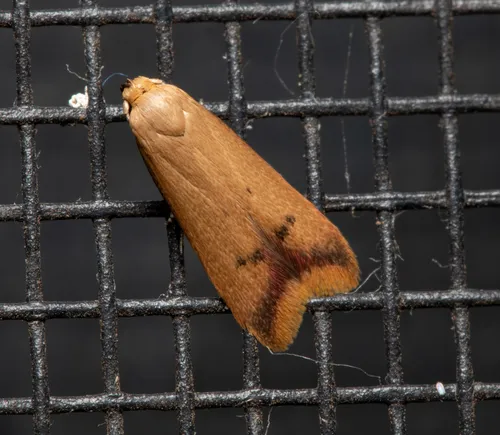
cf. Tachystola hemisema - Hodges#1069.5
Tachystola hemisema
Tachystola hemisema is a moth of the family Oecophoridae. It is native to Australia, but is an invasive species in New Zealand and the United States, probably imported with Australian plants.
chalcedona-like
Euphydryas anicia--c
This grouping is for populations which look different from the bulk of E. anicia , and which sometimes seem to intergrade with populations of E. chalcedona to the west and south. They have male genitalia that are of the E. anicia type. These popula
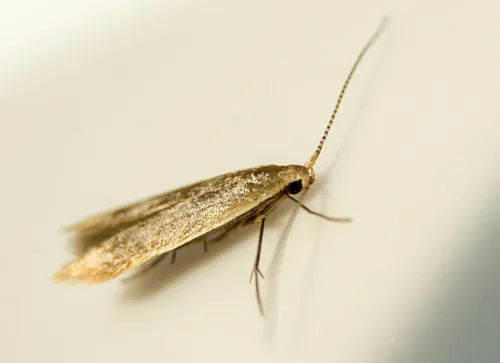
cherry casebearer
Coleophora pruniella
The cherry casebearer moth (Coleophora pruniella) is a moth of the Coleophoridae family. It is found in North America, including New York, Oklahoma, Utah, Ontario and British Columbia.
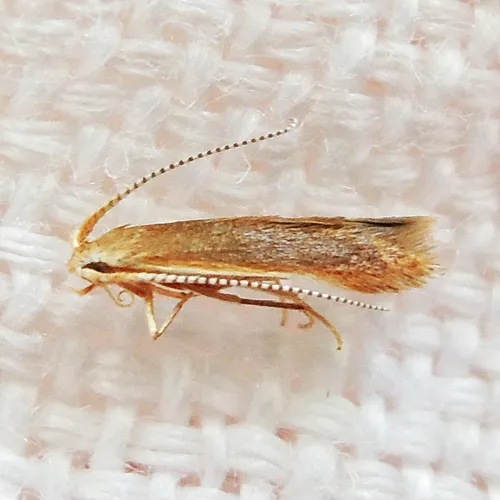
dark elm case-bearer
Coleophora limosipennella
Coleophora limosipennella is a moth of the Coleophoridae family described by Philogène Auguste Joseph Duponchel in 1843. It is found in Europe from Fennoscandia to the Pyrenees, Italy and the Balkan Peninsula and from Great Britain to the Baltic Stat
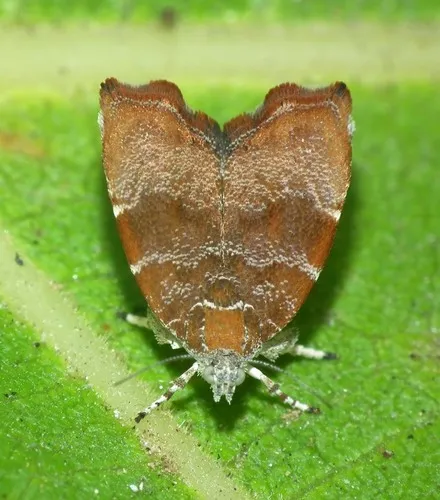
fig-tree skeletonizer moth
Choreutis nemorana
Choreutis nemorana, the fig-tree skeletonizer moth or fig leaf roller, is a species of moth of the family Choreutidae.
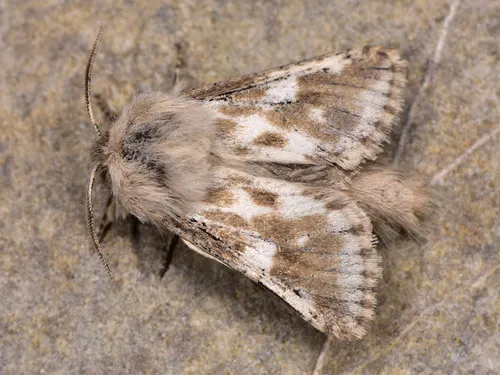
garlic mottled
Dyspessa ulula
Dyspessa ulula is a species of moth of the Cossidae family. It is found from central and southern Europe through Russia to central Asia. It is also found in Syria, Iran, Iraq and parts of North Africa.
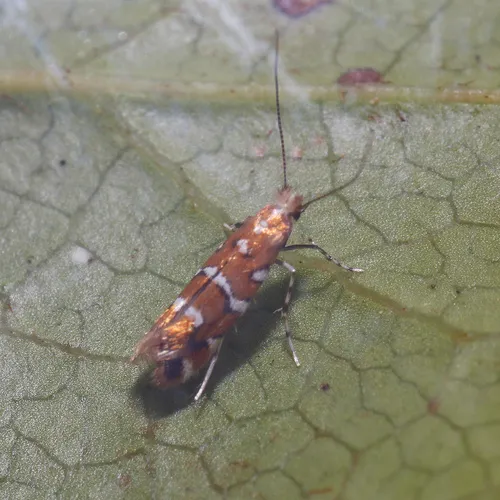
gaultheria leafminer moth
Cameraria gaultheriella
Cameraria gaultheriella is a moth of the Gracillariidae family. It is known from British Columbia, Canada, and California, Oregon and Maine in the United States. It is an adventive species in the Netherlands and the United Kingdom, but is not establi
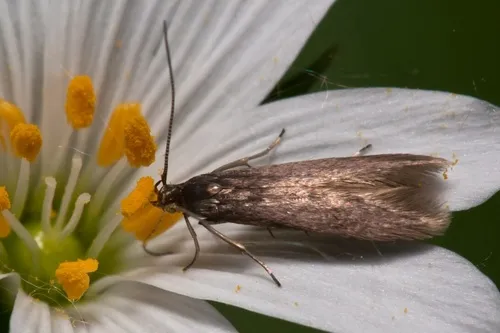
stitchwort case-bearer
Metriotes lutarea
Metriotes lutarea is a moth of the family Coleophoridae. It is found in most of Europe (except the Iberian Peninsula and most of the Balkan Peninsula) and Turkey.
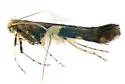
undescribed Ribes feeder
Caloptilia undescribed-ribes
Identification: This moth resembles the maple-feeding C. umbratella , but the two are clearly distinguishable on male genital morphology.
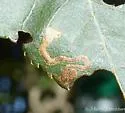
undescribed hickory-mining species
Stigmella undescribed-species-on-carya
This species is represented in the Barcode of Life Database (BOLD) as "Stigmella carya_usa." The specimens in the database are from Connecticut and Mississippi; an iNaturalist observation from New York here .
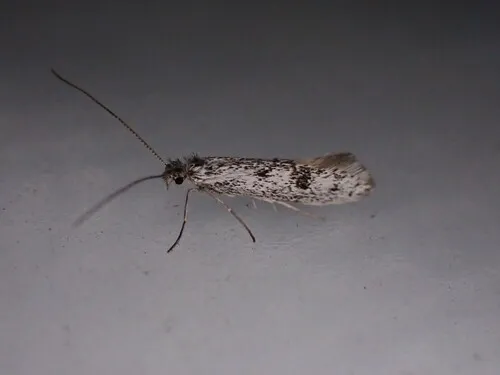
Acanthopteroctetes bimaculata
Acanthopteroctetes bimaculata
Acanthopteroctetes tripunctata
Acanthopteroctetes tripunctata
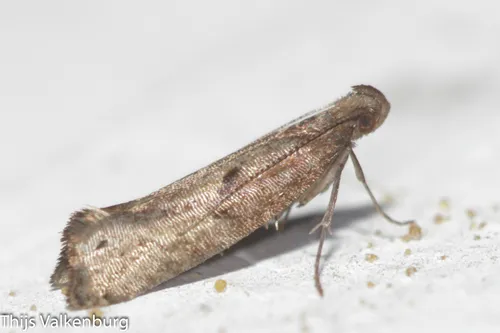
Acrolepiopsis vesperella
Acrolepiopsis vesperella
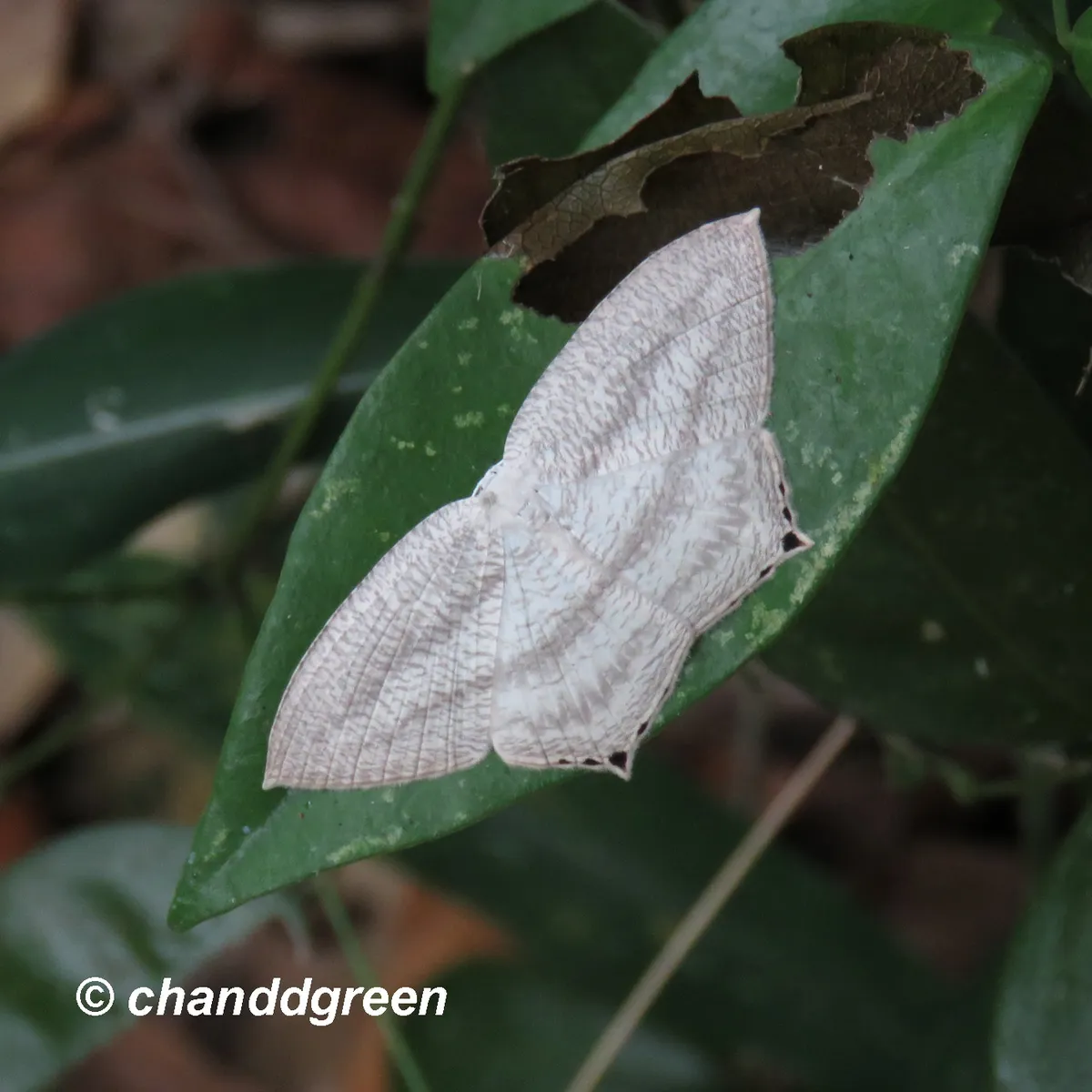
Acropteris ciniferaria
Acropteris ciniferaria
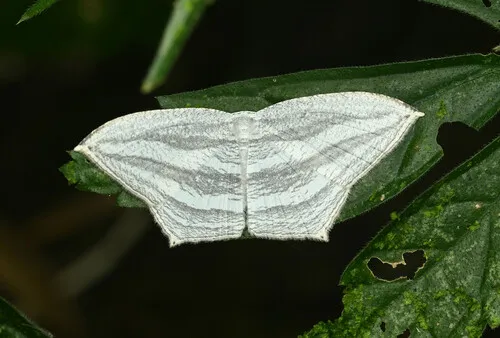
Acropteris leptaliata
Acropteris leptaliata
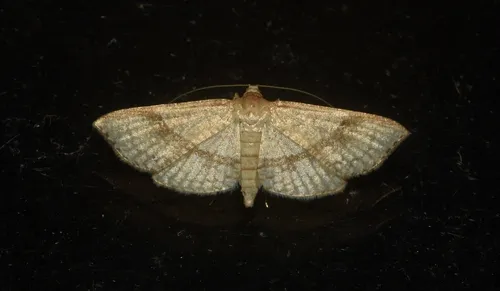
Addaea subtessellata
Addaea subtessellata
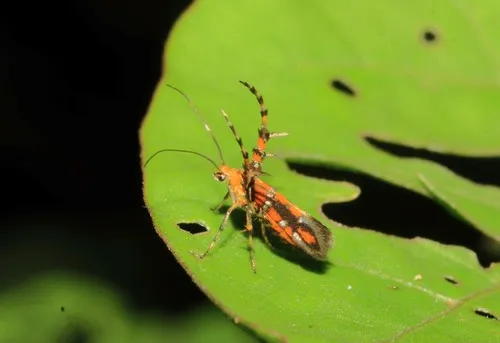
Aetole calcifer
Aetole calcifer
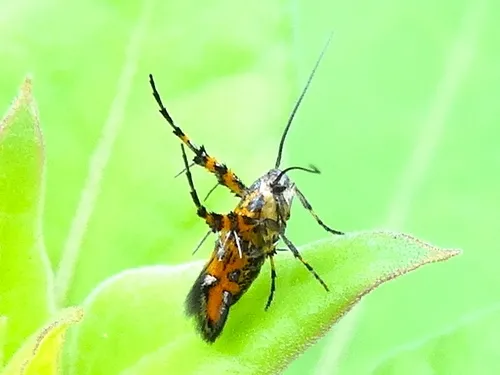
Aetole fulgida
Aetole fulgida
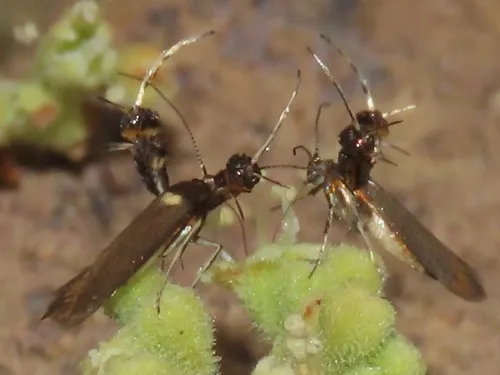
Aetole galapagoensis
Aetole galapagoensis
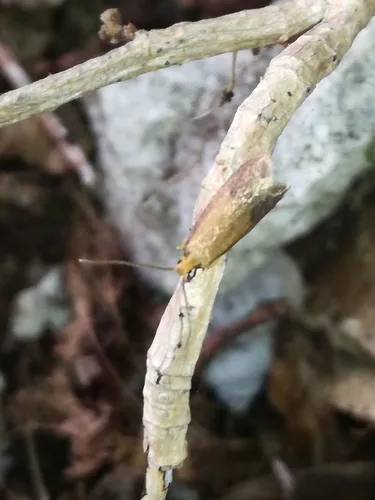
Agnoea colurnella
Agnoea colurnella
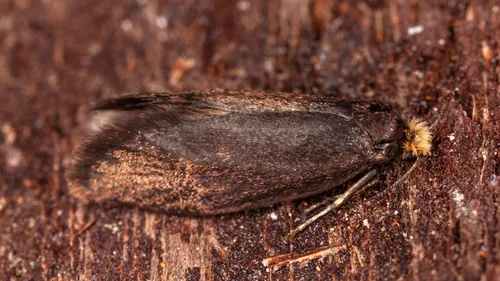
Agnoea elsae
Agnoea elsae
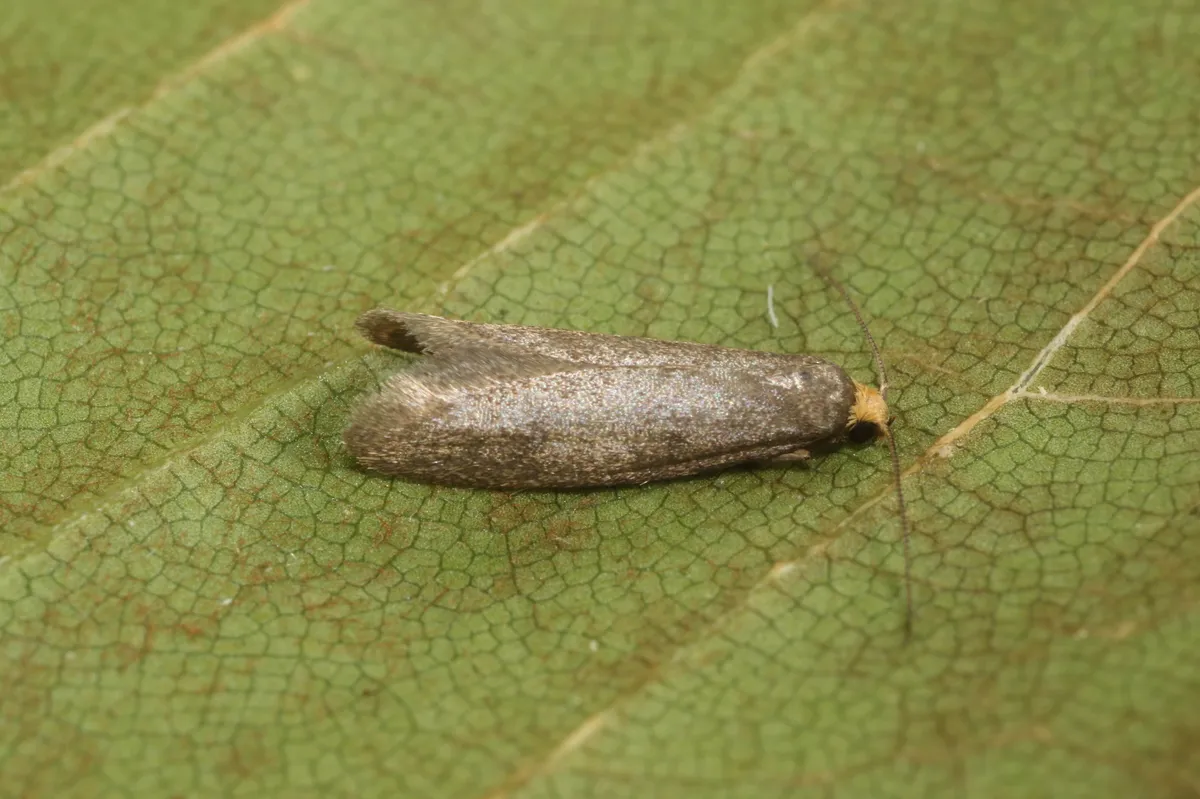
Agnoea langohri
Agnoea langohri
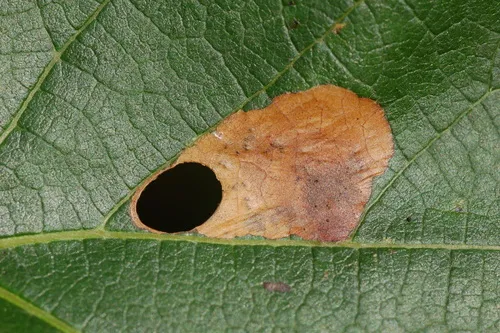
Antispila isabella
Antispila isabella
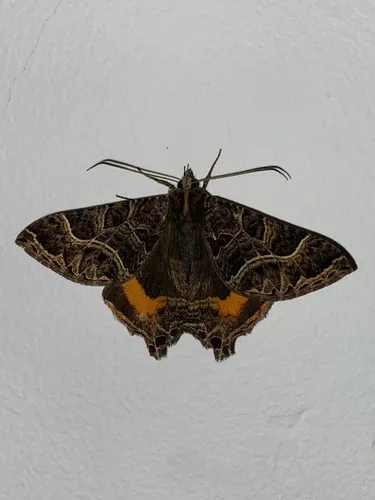
Anurapteryx interlineata
Anurapteryx interlineata
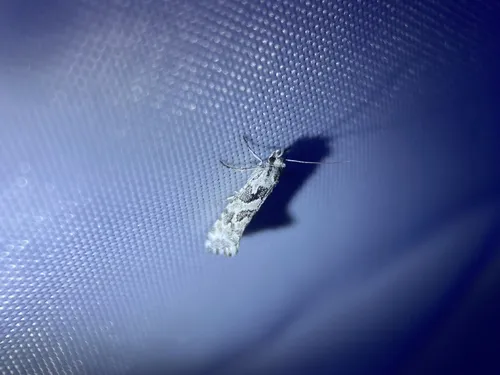
Araeolepia subfasciella
Araeolepia subfasciella
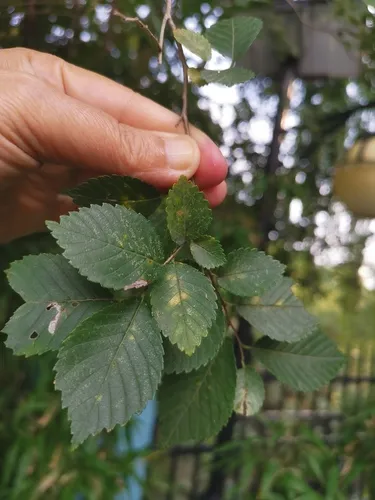
Atemelia fusca
Atemelia fusca
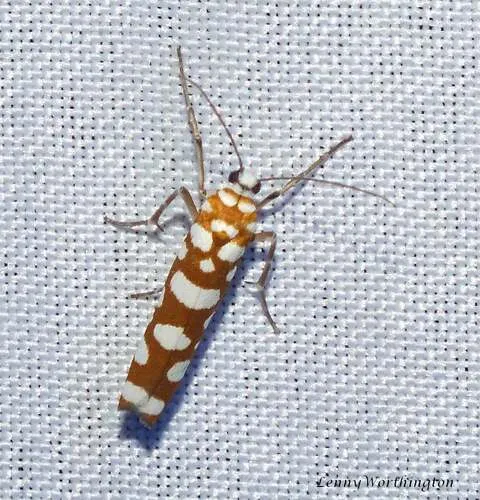
Atteva sciodoxa
Atteva sciodoxa
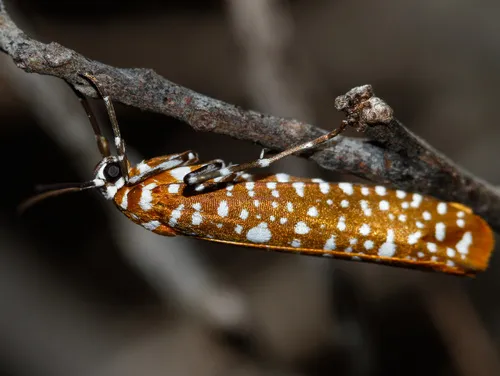
Atteva sphaerotrocha
Atteva sphaerotrocha
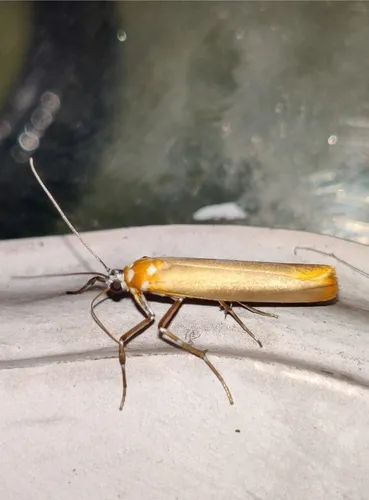
Atteva subaurata
Atteva subaurata
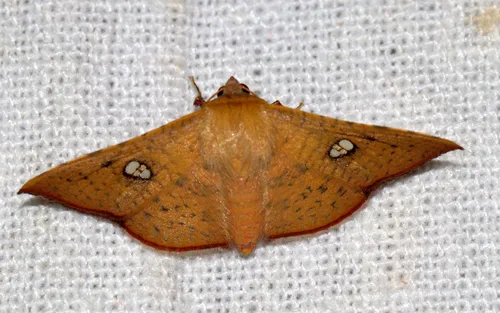
Banisia fenestrifera
Banisia fenestrifera
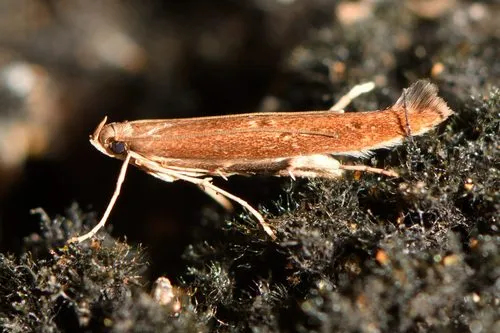
Batrachedra agaura
Batrachedra agaura
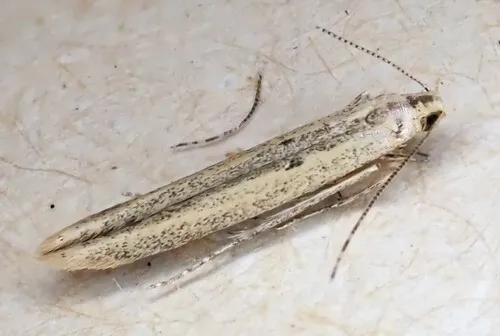
Batrachedra arenosella
Batrachedra arenosella
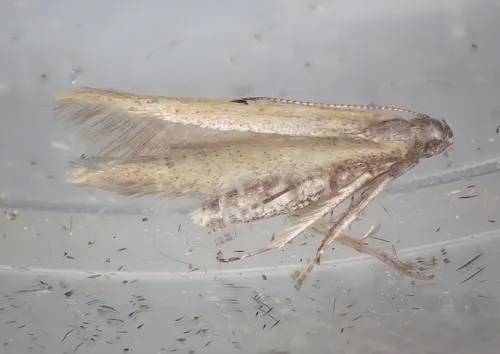
Batrachedra confusella
Batrachedra confusella
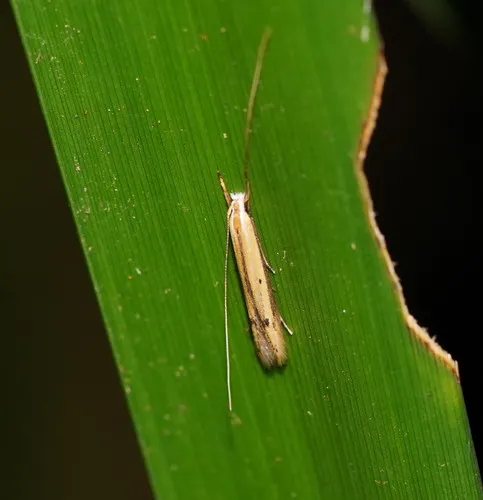
Batrachedra eustola
Batrachedra eustola
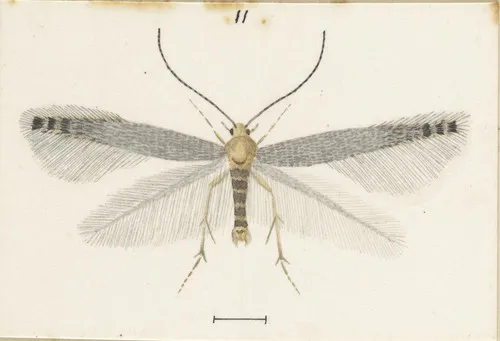
Batrachedra filicicola
Batrachedra filicicola
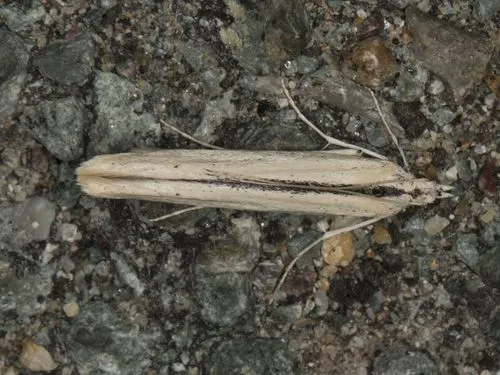
Batrachedra hageter
Batrachedra hageter
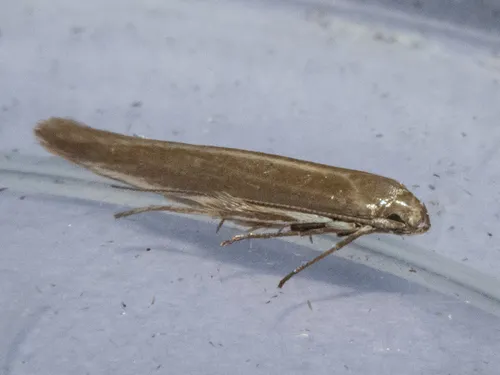
Batrachedra liopis
Batrachedra liopis
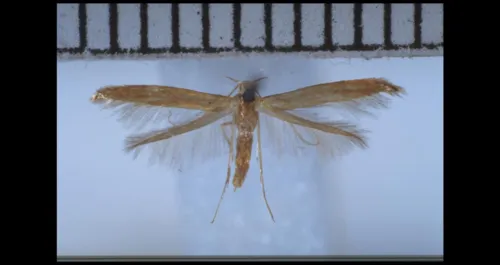
Batrachedra litterata
Batrachedra litterata
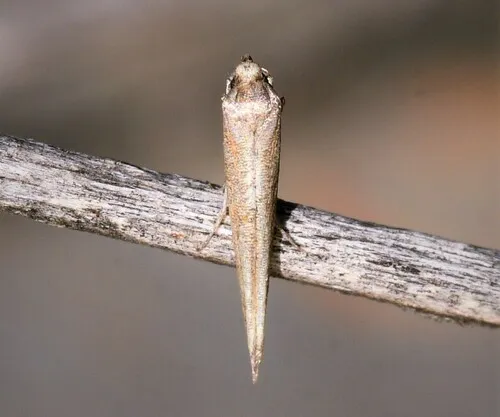
Batrachedra parvulipunctella
Batrachedra parvulipunctella
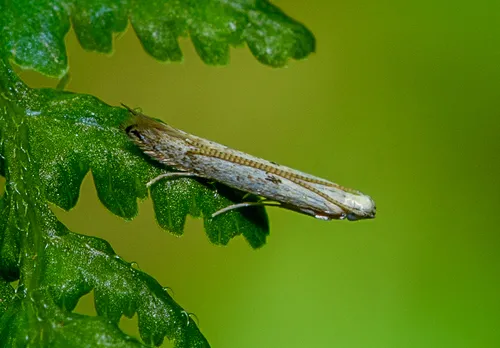
Batrachedra psithyra
Batrachedra psithyra
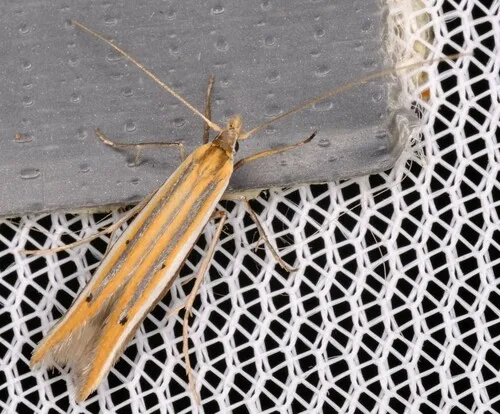
Batrachedra trimeris
Batrachedra trimeris
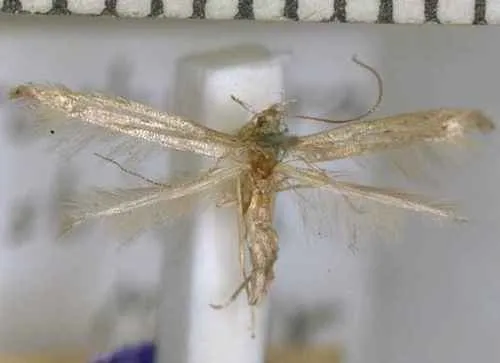
Batrachedra tristicta
Batrachedra tristicta
Bedellia boehmeriella
Bedellia boehmeriella
Bedellia cathareuta
Bedellia cathareuta
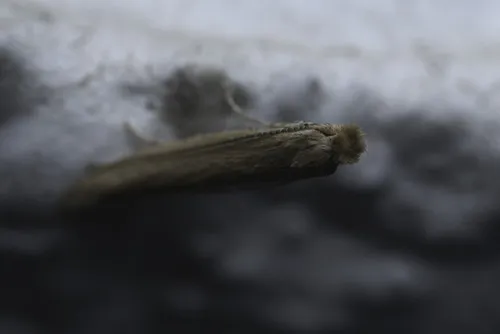
Bedellia ehikella
Bedellia ehikella
Bedellia enthrypta
Bedellia enthrypta
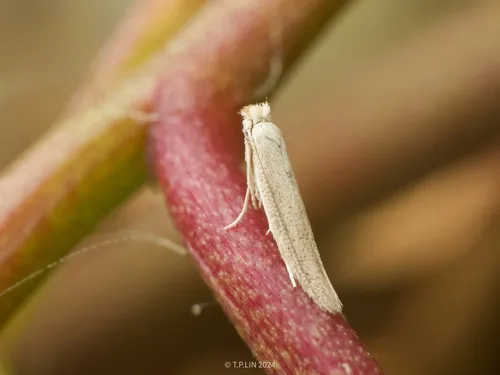
Bedellia ipomoella
Bedellia ipomoella
Bedellia luridella
Bedellia luridella
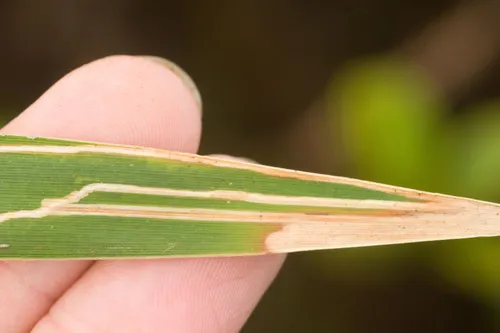
Bedellia oplismeniella
Bedellia oplismeniella
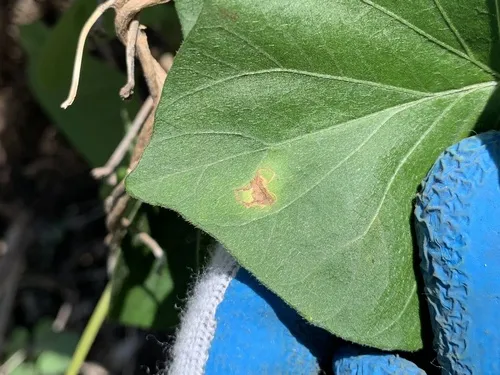
Bedellia orchilella
Bedellia orchilella
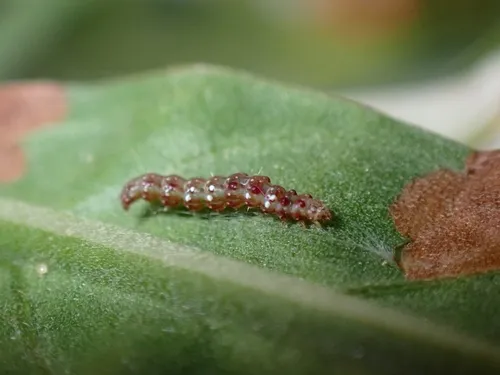
Bedellia silvicolella
Bedellia silvicolella
Bedellia spectrodes
Bedellia spectrodes
Bedellia struthionella
Bedellia struthionella
Bedellia terenodes
Bedellia terenodes