
Zanclognatha martha - Hodges#8350
Zanclognatha martha
This record describes Zanclognatha martha (species). Recorded family: Erebidae. Recorded order: Lepidoptera.
Identification and Appearance
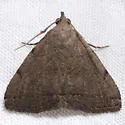
Photo from Ken Childs identified by Don Tangren. (BAMONA) Adult: Compared to most species of the genus, this is a relatively large (25-30 mm), uniformly brownish-gray species with a violet tinge. The forewings and hindwings are about the same color and the outer portion beyond the postmedian line is darker than the basal and median portions of the wings. The dark spot on the forewing varies in intensity. There is otherwise little variation and the species is well illustrated by Rings et al. and on the Georgia Lepidoptera website. Specimens on which the ground color is not a virtually exact match for those illustrations are some other species. Forbes also provides a good key, but occasional specimens of the Zanclognatha protumnusalis complex are difficult. They will be browner and not violet tinged but some may approach the size of Z. martha. - New York Natural Heritage Program. 2013. Online Conservation Guide for Zanclognatha martha. Larvae: See Preliminary key to Zanclognatha larvae It is very common in parts of New Jersey and uncommon to rare in most other areas.
Classification
- Kingdom
- Animalia
- Phylum
- Arthropoda
- Class
- Insecta
- Order
- Lepidoptera (Butterflies and Moths)
- Superfamily
- Noctuoidea
- Family
- Erebidae
- Subfamily
- Herminiinae
- Genus
- Zanclognatha
Imported taxonomy record. Source availability varies; see the source references and editorial policy below.
Habitat and Range
Habitat
Scrub oak and pitch pine woodlands.
Geographic Range
Eastern North America. ( 3 ) , ( 4 ) Moth Photographers Group - large range map with collection dates.
Seasonal Activity
The main flight period appears to be May through September.
Diet and Behavior
Diet: The larvae are detritus feeders utilizing decomposing Quercus ilicifolia Wangenh. (bear oak) leaves.
Life History
The larvae overwinter on the forest floor
About Butterflies and Moths: the wider group
Order-level background for Lepidoptera, the group containing Zanclognatha martha. Species-specific details appear above.
Group overview
Lepidoptera includes approximately 180,000 described species of butterflies and moths. Moths outnumber butterflies roughly 10:1. The monarch butterfly's eastern population has declined by more than 80% since the mid-1990s, and the western population by over 95% since the 1980s. The IUCN lists the migratory monarch as Vulnerable.
Ecological role of the group
Butterflies and moths are essential indicators of ecosystem health. As caterpillars, they are a primary food source for birds - a single nest of blue tit chicks requires ~10,000 caterpillars. Adult moths pollinate many night-blooming plants.
Economic and practical significance of the group
Lepidoptera are critical pollinators. In Europe, grassland butterfly species have declined by almost 50% since the early 1990s. In the UK, three-quarters of butterflies are in decline. In the U.S., five butterfly species have gone extinct since 1950, with 29 listed as endangered.
Recorded sources for this group: IUCN Red List, Xerces Society, USFWS, PNAS, WWF. Imported estimates may describe particular regions or reporting periods.
Photos of Zanclognatha martha - Hodges#8350 (5)
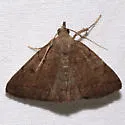
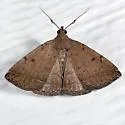
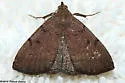
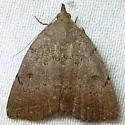
Photo credits: Contributed by Maury J. Heiman; Additional contributions by Steve Nanz
Frequently Asked Questions About Zanclognatha martha - Hodges#8350
What is Zanclognatha martha - Hodges#8350?
Zanclognatha martha - Hodges#8350 (Zanclognatha martha) is a species in the family Erebidae, within the order Lepidoptera.
How big is Zanclognatha martha - Hodges#8350?
Wingspan 25-29 mm.
How do you identify Zanclognatha martha - Hodges#8350?
Photo from Ken Childs identified by Don Tangren. (BAMONA) Adult: Compared to most species of the genus, this is a relatively large (25-30 mm), uniformly brownish-gray species with a violet tinge. The forewings and hindwings are about the same color and the outer portion beyond the postmedian line is darker than the basal and median portions of the wings. The dark spot on the forewing varies in intensity. There is otherwise little variation and the species is well illustrated by Rings et al. and on the Georgia Lepidoptera website. Specimens on which the ground color is not a virtually exact match for those illustrations are some other species. Forbes also provides a good key, but occasional specimens of the Zanclognatha protumnusalis complex are difficult. They will be browner and not violet tinged but some may approach the size of Z. martha. - New York Natural Heritage Program. 2013. Online Conservation Guide for Zanclognatha martha. Larvae: See Preliminary key to Zanclognatha larvae
Where is Zanclognatha martha - Hodges#8350 found?
| Feature | Details |
|---|---|
| Habitat | Scrub oak and pitch pine woodlands. |
| Range | Eastern North America. ( 3 ) , ( 4 ) Moth Photographers Group - large range map with collection dates. |
What does Zanclognatha martha - Hodges#8350 eat?
The diet of the Zanclognatha martha - Hodges#8350 includes The larvae are detritus feeders utilizing decomposing Quercus ilicifolia Wangenh. (bear oak) leaves..
When is Zanclognatha martha - Hodges#8350 active?
Zanclognatha martha - Hodges#8350: seasonal activity - The main flight period appears to be May through September..
What is the life cycle of a Zanclognatha martha - Hodges#8350?
The larvae overwinter on the forest floor