
Butterflies and Moths
Order Lepidoptera
The Butterflies and Moths (Order Lepidoptera) includes 11,813 species across 112 families and 2,787 genera in our directory.
About Butterflies and Moths
Lepidoptera includes approximately 180,000 described species of butterflies and moths. Moths outnumber butterflies roughly 10:1. The monarch butterfly's eastern population has declined by more than 80% since the mid-1990s, and the western population by over 95% since the 1980s. The IUCN lists the migratory monarch as Vulnerable.
Economic Impact
Lepidoptera are critical pollinators. In Europe, grassland butterfly species have declined by almost 50% since the early 1990s. In the UK, three-quarters of butterflies are in decline. In the U.S., five butterfly species have gone extinct since 1950, with 29 listed as endangered.
Ecological Role
Butterflies and moths are essential indicators of ecosystem health. As caterpillars, they are a primary food source for birds - a single nest of blue tit chicks requires ~10,000 caterpillars. Adult moths pollinate many night-blooming plants.
Families in Lepidoptera (112)
Species in Lepidoptera (11,813)
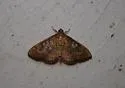
Obscure Psara - Hodges#5268
Psara obscuralis
Identification: Adult: forewing dull yellowish to brown with dark AM and PM lines; AM line almost straight, slightly curved near inner margin; PM line convoluted, situated fairly close to outer margin, with convex multi-toothed lobe in upper half and
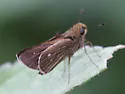
Obscure Skipper - Hodges#4117
Panoquina panoquinoides
Identification: Our smallest long-winged grass skippers. Dorsal, brown with several FW light spots that are variable from bold to absent. HW plain brown. Ventral, plain brown with light veining. Postmedian HW with 3 spots that can vary from bold to n
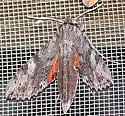
Obscure Sphinx - Hodges#7837
Erinnyis obscura
Identification: This small species can always be distinguished from E. ello , which it resembles in having dark longitudinal shade through the fore wings (males only), by its much smaller size, and by the absence of the white and black lateral stripe
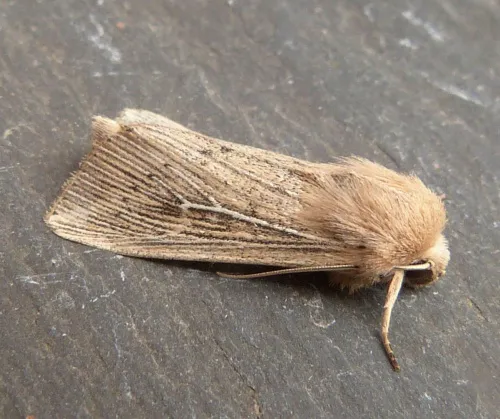
Obscure Wainscot
Leucania obsoleta
Occupying reedbeds, marshes and fenland. The adults fly from May to July, and are attracted to light. The dull, brownish caterpillars feed nocturnally on the stems of Common Reed (Phragmites australis), hiding internally in the stems during the day.
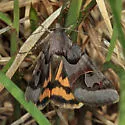
Occult Drasteria Moth - Hodges#8619
Drasteria occulta
Identification: Adult - the only similar Drasteria in D. occulta's range is D. graphica atlantica, which can be differentiated by the well-defined ST line on the forewings. D. occulta's ST line isn't so much a "line" as it is a boundary between the d
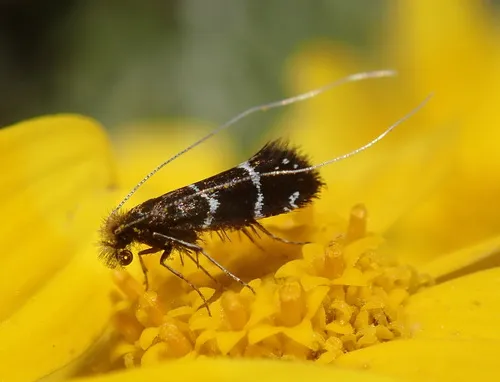
Ocean Spray Fairy Moth
Adela septentrionella
Adela septentrionella is a moth of the family Adelidae or fairy longhorn moths. It was described by Walsingham in 1880. It is widespread from southern British Columbia and north-western Idaho to the Transverse Range in southern California.
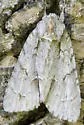
Ochre Dagger Moth - Hodges#9236
Acronicta morula
Identification: Adult: orangish-yellow patch in center of thorax is diagnostic; forewing pale to dark gray with orangish-yellow strip bordering inner edge of basal dash, and the same coloration beyond PM line and covering obscure reniform spot; anal
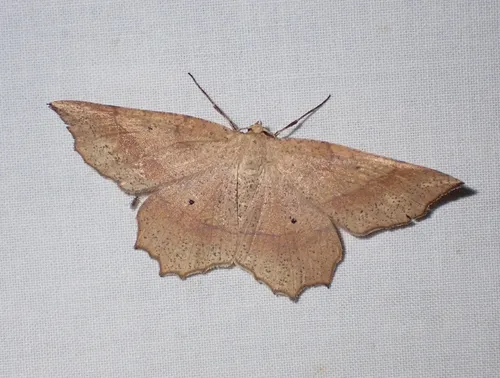
Ochre Euchlaena - Hodges#6734
Euchlaena marginaria
Identification: Adult: wings light to dark brown with extensive dark speckling but lack black patches in subterminal area seen in E. tigrinaria ; AM and PM lines more diffuse than in E. madusaria ; black discal spots small, well defined; in eastern N
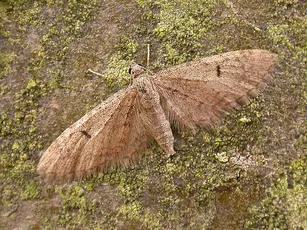
Ochreous Pug
Eupithecia indigata
Wingspan 15 to18 mm. This species often looks distinctly greyish, rather than ochreous, and has a distinctive resting aspect (among the pugs), with the wings held slightly below the horizontal. Flies early in the year, during April and May. The cater
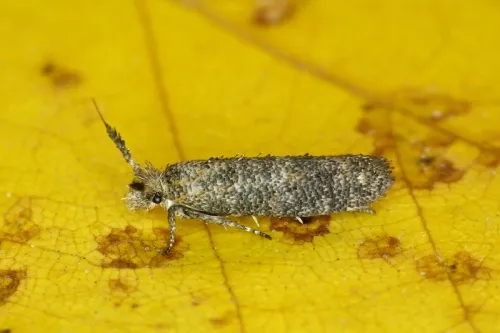
Ochsenheimeria urella
Ochsenheimeria urella
Wingspan about 11mm. The females of this species have their antennae thickened with elongated scales for about three-fifths of their length, creating a noticeably 'shaggy' appearance. Males have slightly thickened antennae over three fifths, though w
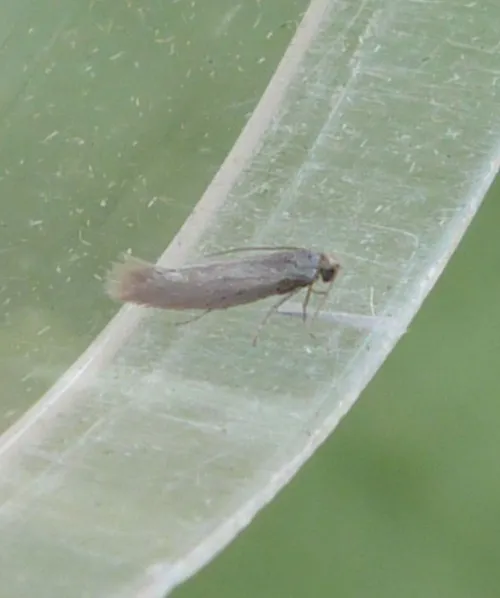
Ocnerostoma friesei
Ocnerostoma friesei
Wingspan 8 to 10 mm. The males and females of this moth have different colourations. The males have pale grey forewings and those of the female are white. Various habitats but especially where Scots Pine is present. The species is bivoltine or even
Ocola Skipper - Hodges#4119
Panoquina ocola
Identification: Adult: dark brown with elongated pointed forewings that project far beyond hindwings when at rest; a series of white patches on forewing upperside, the largest in a distinct V-shape hindwing unmarked above and beneath; female has purp
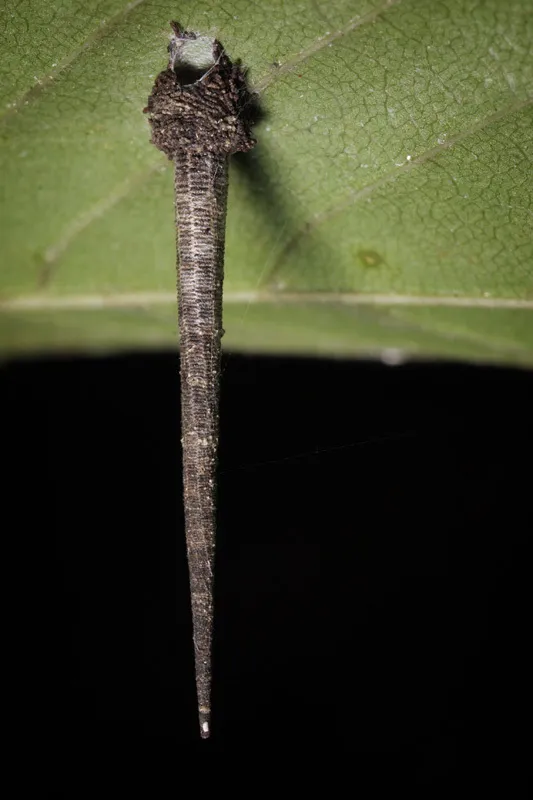
Octagonal Casemaker Moth - Hodges#1398
Homaledra octagonella
Identification: Adult and larval case - see original description in Print References. Dr. Jean-François Landry wrote this in response to a request for confirmation that these are Coleophora octagonella : "...although the species name is correct, it i
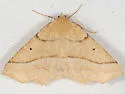
October Thorn - Hodges#6954
Tetracis jubararia
Identification: Adult - Base color generally tan and dark brown-tan (males) and orange-tan (females). FW apex falcate. AM and PM lines brown; PM line narrow, sinuate, sometimes with very narrowpale outer edge, bending basad at vein M3; MB colored as
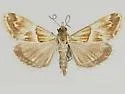
Odontivalvia radialis - Hodges#4829
Odontivalvia radialis
Type locality: USA, Texas, Big Bend NP, Chihuahuan Desert near Nugent Mt
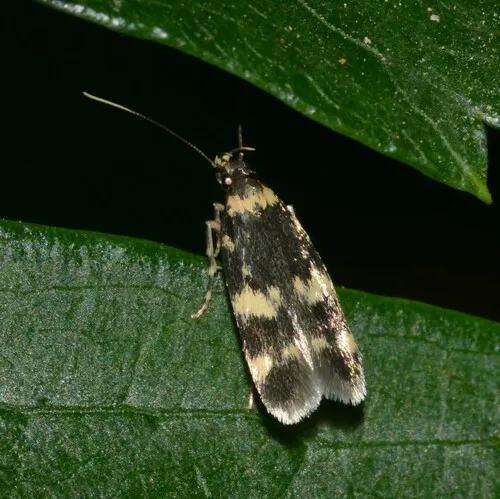
Oegoconia deauratella
Oegoconia deauratella
Oegoconia quadripuncta, Oegoconia caradjai and Oegoconia deauratella can only be reliably separated by genitalia dissection . Where this examination process has not been carried out records should be submitted as Oegoconia quadripuncta agg. The larva
Oegoconia quadripuncta
Oegoconia quadripuncta
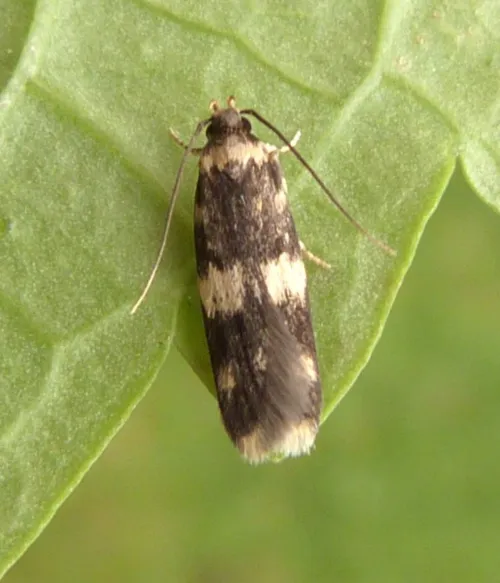
Oegoconia quadripuncta , Oegoconia caradjai and Oegoconia deauratella can only be reliably separated by genitalia dissection. Where this examination process has not been carried out records should be submitted as Oegoconia quadripuncta agg. The adult
Oegoconia quadripuncta agg.
Oegoconia quadripuncta agg.
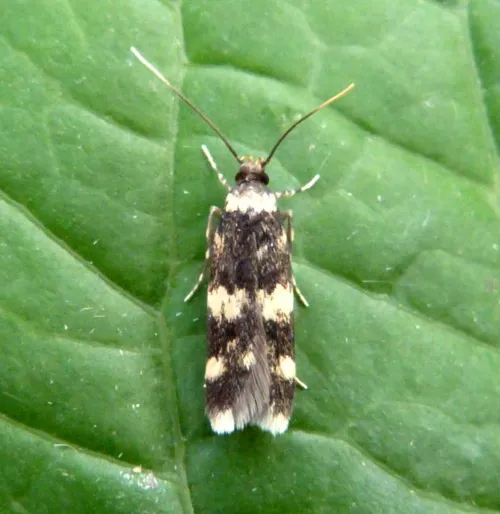
Oegoconia quadripuncta, Oegoconia caradjai and Oegoconia deauratella can only be reliably separated by genitalia dissection. Where specimens have not been confirmed by this means they should be recorded as Oegoconia quadripuncta agg. Common as an agg
Oenobotys texanalis - Hodges#4941
Oenobotys texanalis
Identification: From Munroe & Blanchard's original description : Similar in general appearance to O. vinotinctalis , but larger (FW 9 mm); FW wider, with apex sharper and termen less strongly convex; transverse lines of FW finer and less blurred; bot
Oenoe hybromella - Hodges#0283
Oenoe hybromella
Identification: Head: Yellowish-white, long haired (scaled). Top of head with some brown. Palpi long, folded; brown and silver gray mixed. Antenna: 2/3 as long as wings. Grayish-brown, lighter at tips. Thorax: Purplish-brown. Wings: Base half of wing
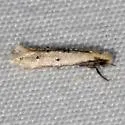
Oenoe species-three
Oenoe species-three
Labeled " Oenoe sp. 3" in the Florida State Collection of Arthropods, McGuire Center for Lepidoptera and Biodiversity, Gainesville (FSCA/MGCL). A male and female were identified by dissection (J. Hayden, pers. comm. to A.S. Hunt, 24 xi 2024).
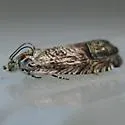
Ofatulena duodecemstriata - Hodges#3444
Ofatulena duodecemstriata
Identification: Adult - see original description in Print References. Ofatulena luminosa can be separated by color and pattern. However, there are three BINs at BOLD for O. duodecemstriata and O. luminosa : AAD3346 - Ofatulena duodecemstriata AAD3348
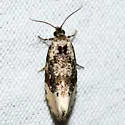
Off-white Hedya - Hodges#2861
Hedya ochroleucana-of-authors
Identification: Adult - rather similar in appearance to some of the other Hedya species, this moth can usually be distinguished by the relatively clean-looking creamy outer part of the forewing. Note: true Hedya ochroleucana is a strictly Palearctic
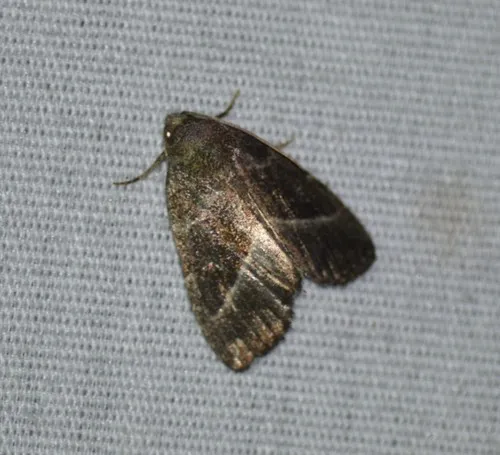
Ogdoconta altura - Hodges#9723
Ogdoconta altura
Ogdoconta altura - Hodges#9723 (Ogdoconta altura) is a species in the family Noctuidae, commonly known as owlet moths, belonging to the order Lepidoptera (Butterflies and Moths). It is classified within the subfamily Condicinae, tribe Condicini, supe
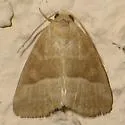
Ogdoconta moreno - Hodges#9721
Ogdoconta moreno
Identification: Adult: forewing light grayish-brown with paler shading in subterminal and antemedial areas, which makes the median area appear darker by comparison; reniform and orbicular spots diffuse, indistinct, barely paler than ground color; AM
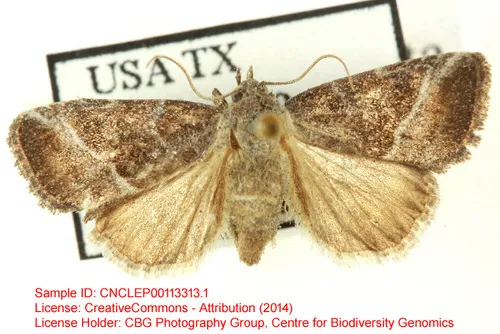
Ogdoconta sexta - Hodges#9722
Ogdoconta sexta
Identification: The pm. line of O. sexta diverges toward the apex. "The main thing I notice, without dissecting the specimens, is the postmedial line in altura is basically parallel to the outer edge of the wing (ignoring the convexity of the outer m
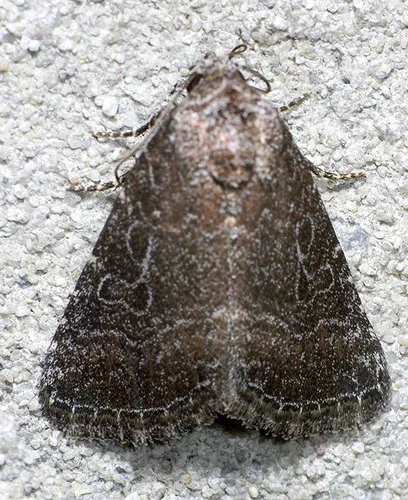
Ogdoconta tacna - Hodges#9724
Ogdoconta tacna
Identification: The original description as Caradrina tacna (Barnes) is available in the print references below.
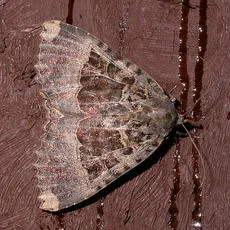
Old Lady
Mormo maura
Wingspan 55-65 mm. A large broad winged dark brown moth. It hides by day in old buildings and sheds, and frequents damp localities as well as waste ground and gardens. On the wing in July and August. The adults are not readily attracted to light, but
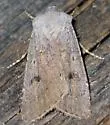
Old Man Dart - Hodges#10641
Agrotis vetusta
Identification: Adult : FW light powder- grey or grey-brown, with a dark reniform spot. PM is a series of black dots. Terminal line is a series of black dots. HW and abdomen white. Antennae simple and sexes similar. Larva : Gray with longitudinal dar
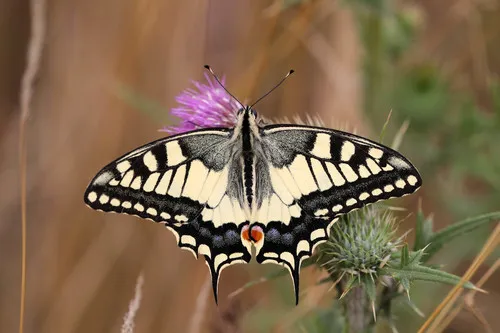
Old World Swallowtail
Papilio machaon
Papilio machaon, the Old World swallowtail, is a butterfly of the family Papilionidae. The butterfly is also known as the common yellow swallowtail or simply the swallowtail (a common name applied to all members of the family, but this species is the
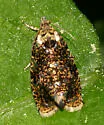
Olethreutes albiciliana - Hodges#2832
Olethreutes albiciliana
One of several Nearctic Olethreutes s. l. species with iridescent spots on the forewings: [missing] [missing] [missing] astrologana coruscana ferrolineana metallica nordeggana sordidana galaxana [missing] sider
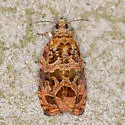
Olethreutes appalachiana - Hodges#2797
Olethreutes appalachiana
Identification: Similar to Olethreutes hippocastanum but browner in appearance. See comment for below:
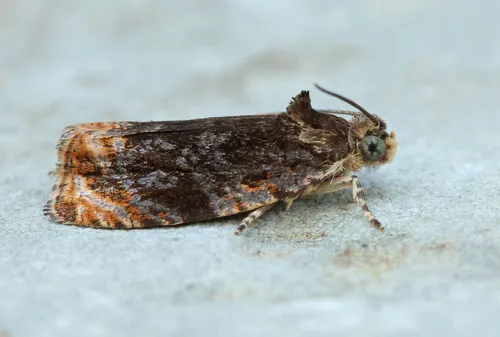
Olethreutes concinnana - Hodges#2822
Olethreutes concinnana
Olethreutes concinnana - Hodges#2822 (Olethreutes concinnana) is a species in the family Tortricidae, commonly known as tortricid moths, belonging to the order Lepidoptera (Butterflies and Moths). It is classified within the subfamily Olethreutinae,
Olethreutes coruscana - Hodges#2838
Olethreutes coruscana
One of several Nearctic Olethreutes s. l. species with iridescent spots on the forewings: [missing] [missing] [missing] astrologana coruscana ferrolineana metallica nordeggana sordidana galaxana [missing] sider
Olethreutes corylana - Hodges#2805
Olethreutes corylana
Identification: The original description as Eccopis corylana Fernald is available online in the print references below. Dark brown subapical spot. Fringe is purple mixed with brownish gray.
Olethreutes diallacta - Hodges#2798
Olethreutes diallacta
Identification: See Heinrich (1926) ( zelleriana ) and Zeller (1875) ( nitidanum ). Locally common
Olethreutes exaeresimum - Hodges#2825
Olethreutes exaeresimum
Identification: Specimen identified by DNA analysis (BOLD). ( 3 )
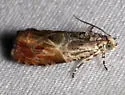
Olethreutes fagigemmeana - Hodges#2809
Olethreutes fagigemmeana
Olethreutes fagigemmeana - Hodges#2809 (Olethreutes fagigemmeana) is a species in the family Tortricidae, commonly known as tortricid moths, belonging to the order Lepidoptera (Butterflies and Moths). It is classified within the subfamily Olethreutin
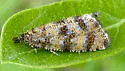
Olethreutes galaxana - Hodges#2835
Olethreutes galaxana
One of several Nearctic Olethreutes s. l. species with iridescent spots on the forewings: [missing] [missing] [missing] astrologana coruscana ferrolineana metallica nordeggana sordidana galaxana [missing] sider
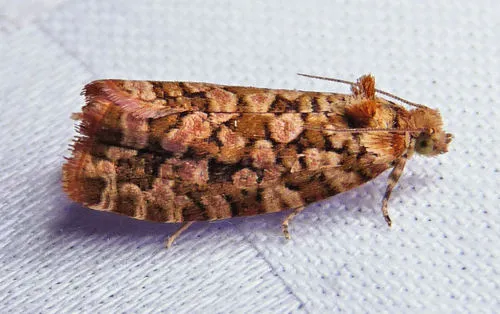
Olethreutes monetiferanum - Hodges#2774
Olethreutes monetiferanum
Olethreutes monetiferanum - Hodges#2774 (Olethreutes monetiferanum) is a species in the family Tortricidae, commonly known as tortricid moths, belonging to the order Lepidoptera (Butterflies and Moths). It is classified within the subfamily Olethreut
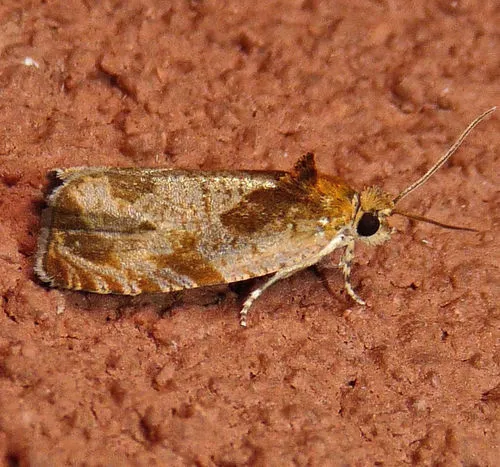
Olethreutes ochrosuffusanum - Hodges#2806
Olethreutes ochrosuffusanum
Olethreutes ochrosuffusanum - Hodges#2806 (Olethreutes ochrosuffusanum) is a species in the family Tortricidae, commonly known as tortricid moths, belonging to the order Lepidoptera (Butterflies and Moths). It is classified within the subfamily Oleth
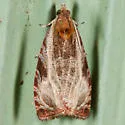
Olethreutes quadrifidum - Hodges#2794
Olethreutes quadrifidum
Identification: Adults - olivaceous brown in color with somewhat darker apical and mid costal patches.
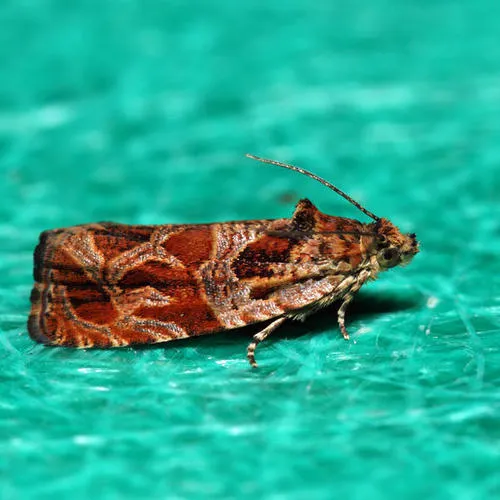
Olethreutes sericoranum - Hodges#2810
Olethreutes sericoranum
Pohl, et al. (2016) list O. myricana as a synonym. However, there is taxonomic confusion with those names and baccatana , and synonymization may be unwarranted (M. Sabourin, pers. comm.) For now, I have placed my specimens reared from bayberry ( Myri
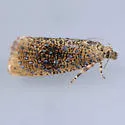
Olethreutes sordidana - Hodges#2834
Olethreutes sordidana
Identification: McDunnough, 1922) original description, "Size and general maculation of glitranana Kft. but of a much darker appearance, due to the fact that the pale areas between the dark bands are only slightly lighter in color than the bands them
Olethreutes turfosana - Hodges#2851
Olethreutes turfosana
For over 120 years known as O. intermistana (Clemens) in North America. Synonymy with O. turfosana (Herrich-Schäffer) in Jalava & Miller (1998).
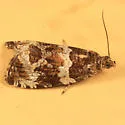
Olethreutes valdanum - Hodges#2812
Olethreutes valdanum
Identification: Adult - easily recognized by the narrow, clear white antemedian and postmedian areas bordering the broad median fuscous band.
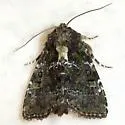
Oligia chlorostigma - Hodges#9402
Oligia chlorostigma
Identification: Distinctive white spot on antemedian line at the inner margin.
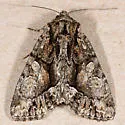
Oligia divesta - Hodges#9559
Oligia divesta
Identification: Adult: forewing dark brownish-gray with black-rimmed reniform and orbicular spots filled with ground color; black basal dash; thick black bar runs from AM to PM line near inner margin; AM line scalloped; PM line toothed; several black
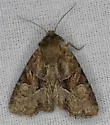
Oligia obtusa - Hodges#9418
Oligia obtusa
Identification: Original description as Helotropha obtusa Smith. , Adult: The darker median area is trapezoid shaped. Reniform and orbicular spots lined with light scales. Hindwing is brownish gray with a diffused darker discal spot.
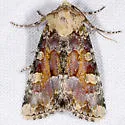
Oligia rampartensis - Hodges#9414.1
Oligia rampartensis
Identification: Forewings are a mix of purple, maroon, orange, and cream colors. The orbital spot is round and the reniform spot is oblong and are pale yellowish. The head and thorax are a pale creamy or pinkish buff color. Hind wings are white, wi
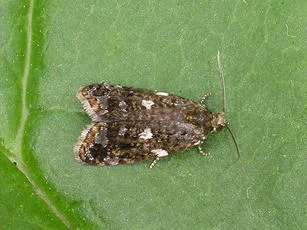
Olindia schumacherana
Olindia schumacherana
Wingspan 11 to 16 mm. A characteristically-patterned species which cannot easily be mistaken for any other, although the extent of the markings does vary somewhat. The adults are on the wing in June and July, the males flying in sunshine, the females
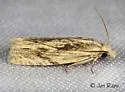
Olivaceous Eucosma - Hodges#2998
Eucosma olivaceana
Riley reported that the larvae are parisitized by the wasp Pimpla annulipes
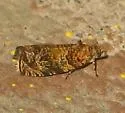
Olivaceous Olethreutes - Hodges#2778
Olethreutes olivaceana
Identification: Adult - forewing variably greenish-yellow to overall brownish with greenish cast; noticeable greenish-yellow patch midway along inner margin; AM band slight paler than ground color but shows little contrast against it; several short o
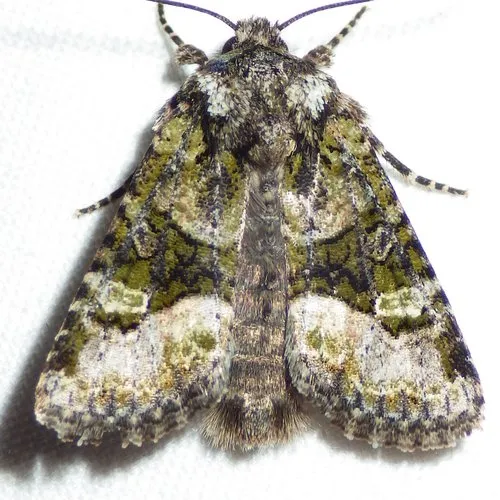
Olive Arches - Hodges#10406
Lacinipolia olivacea
Identification: An extremely variable species, more so than any other species within the genus. Adult - forewing gray tinged with yellowish-green and white; some pink shading in basal and lower subterminal areas; median area dark gray except reniform
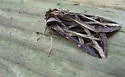
Olive Green Cutworm - Hodges#10428
Dargida procinctus
Identification: Adult: forewing ground color dark brown, crossed by two pale prominent intersecting lines and several smaller/shorter pale lines Larva: head reddish-brown; body varies from pale green to blackish olive green with alternating lateral s
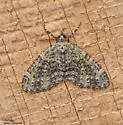
Olive-and-black Carpet - Hodges#7635
Acasis viridata
Identification: Adult: forewing a mix of brownish-gray and yellowish-green shading with broken transverse lines and many black longitudinal dashes along veins; hindwing light brownish-gray with faint median line and discal dot but appearing virtually
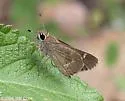
Olive-clouded Skipper
Lerodea dysaules
Identification: Very similar to Lerodea arabus , distinguished by range. See Zhang et al. 2023 P.85 for more in depth identification by physical features
Olybria furciferella - Hodges#5769
Olybria furciferella
Identification: The winter season Pima County, Arizona photos in this guide were tentatively identified as Olybria furciferella by Brian G. Scholtens . He stated these could be another species possibly something undescribed.
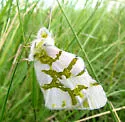
Olympia Marble - Hodges#4202
Euchloe olympia
Identification: Adult: forewing upperside chalky white with gray bar at end of cell, and light gray tip; hindwing underside with greenish-yellow marbling forming three distinct bands with large white spaces between; fresh specimens have pinkish tinge
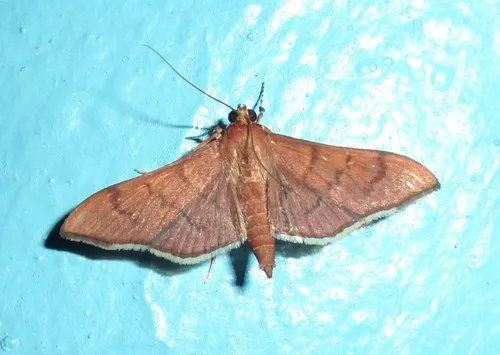
Omiodes martyralis - Hodges#5214.1
Omiodes martyralis
Identification: "100. Coenostola martyralis. 28 mm. Dusty reddish brown, the fringes on the forewings from the middle to the inner angle, whitish on the back. Both blemishes small, dull gray-brown; across the round a dusty brown, slightly curved tran
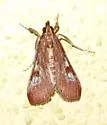
Omiodes stigmosalis - Hodges#5214
Omiodes stigmosalis
Identification: Warren (1892) original description as Tholeria stigmosalis is available online in the print references.
Omnivorous Leaf-roller - Hodges#3736
Platynota stultana
Identification: ♂ ♀ Larvae - mature larvae are translucent, cream colored, and approximately 12-15mm long. The head and prothoracic shield are yellowish brown to dark brown. Pupae - Fully developed pupae are dark brown
Omnivorous Platynota Moth - Hodges#3745
Platynota rostrana
Identification: ♂ ♀ Four BINs form a clade within Platynota : BOLD:AAB6119 (FL) BOLD:AAC4170 (OK, TX, Yucatan, Jamaica) BOLD:ACZ4871 (Mexico (Jalisco)) BOLD:ABA5666 (TX) Additionally, the following two sister species ar
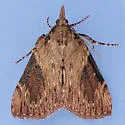
Omphalocera cariosa - Hodges#5625
Omphalocera cariosa
Omphalocera cariosa has dimorphic larvae. "Adults look very much the same but the caterpillars that feed on Agarita in the spring look a little different than those that feed on Snailseed in the fall. Wagner thinks there are probably two different sp
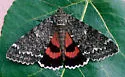
Once-married Underwing - Hodges#8805
Catocala unijuga
Identification: Adult: forewing mottled pale to dark gray and white; black PM and white ST lines zigzag; orangish-red band on hindwing only slightly irregular; fringe mostly white [description by Charles Covell). Larva: dark gray with very irregular
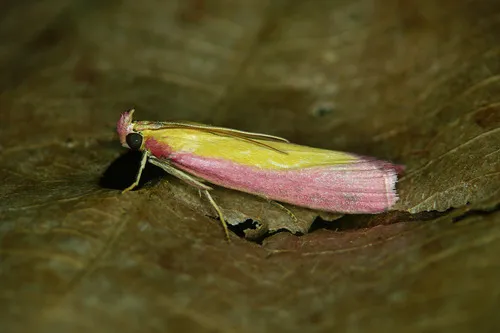
Oncocera semirubella
Oncocera semirubella
Wingspan 17 to 29 mm. A beautifully coloured little moth, with pink and yellow forewings, sometimes exhibiting a whitish stripe along the leading edge of the forewing. Unless identified by a recognised expert, a photo is required. If the photo doesn'
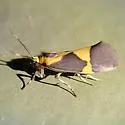
One-banded Lichen Moth - Hodges#8060
Cisthene unifascia
Identification: Adults can be recognized by the shape of the PM band which is in the form of two broad-based triangles which meet thinly--or not at all--in the middle; the forward margin of the PM band is thus deeply indented, irregular, and rather r
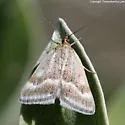
One-banded Pyrausta - Hodges#5068
Pyrausta unifascialis
Identification: Adult: forewing brown with scattered black scales and whitish S-shaped band across subterminal area; diffuse white discal spot or patch, and partial pale terminal band that fades before reaching apex; hindwing dark gray with large whi
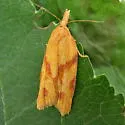
One-banded Sparganothis - Hodges#3711
Sparganothis unifasciana
Identification: Adult: forewing yellow, crossed by diagonal orangish-brown band; orangish-brown blotch along costa about two-thirds distance from base; another blotch near middle of subterminal area; hindwing pale gray.
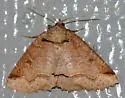
One-lined Zale - Hodges#8716
Zale unilineata
Identification: Adult: See Smith, John B. 1908 under Print References below. Larvae: See Clark, H. L., 1917 under Print References below.
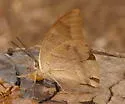
One-spotted Prepona - Hodges#4551.5
Archaeoprepona demophon
Identification: · · Print References · Internet References · Works Cited Representative Images Show images of: caterpillars · adults · both Classification Kingdom Animalia (Animals) Phylum Arthropoda (Arthropods) Subphylum H
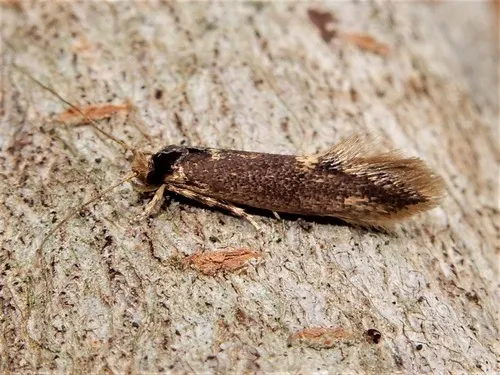
Opogona omoscopa
Opogona omoscopa
Wingspan 15 to 17 mm. The depth of dark purplish brown forewing colouration and distinctness of the pale tornal and dorsal spots all seem to fade with wear. Records for this species must be confirmed by genitalia examination. Various habitats, but nu
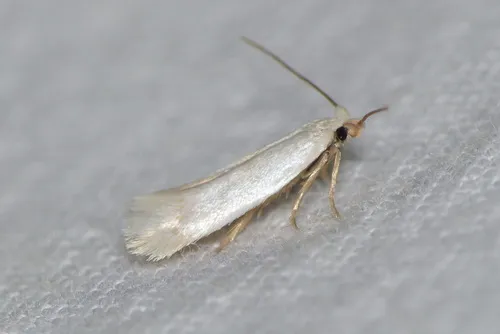
Opostega salaciella
Opostega salaciella
Wingspan about 10 mm. The only all-white member of the Opostegidae in Britain, it is fairly easy to identify due to its very large eye caps. It inhabits open areas where the suspected foodplant, Sheep's Sorrel (Rumex acetosella) occurs, although the
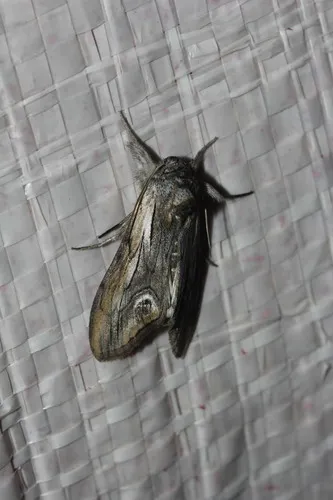
Opsigalea Moth - Hodges#10216
Opsigalea blanchardi
Identification: Adult - forewing light yellowish-brown on upper (costal) half, gray on lower half, with thin black streaks separating the halves; large blackish blotch near anal angle, bordered basally by black semicircle (which constitutes the lower
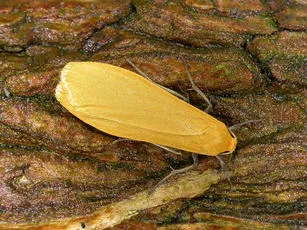
Orange Footman
Eilema sororcula
Wingspan 27 to 30 mm. Noticeably orange in colour. The single brood flies in May and June, when it can be attracted to light. The larvae live on lichens growing on the trunks of Oak and Beech trees. This moth is distributed in the southern half of Br
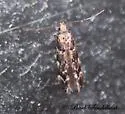
Orange Larch Tubemaker Moth - Hodges#1816
Coleotechnites laricis
Identification: Description and photo of larva in PDF.
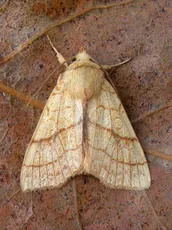
Orange Sallow
Tiliacea citrago
Wingspan 28 to 33 mm. Forewing is broad, pointed, orange-yellow finely speckled with orange-red, and with orange brown cross lines and veins, the central one thicker and fairly straight, diagonal and passing between oval and kidney mark touching the
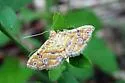
Orange Silver-Spot - Hodges#5294
Ommatospila narcaeusalis
Identification: This distinctive species is unlikely to be confused with others. Det. M. J. Heiman, 2008
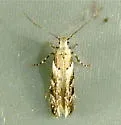
Orange Spruce Needleminer Moth - Hodges#1826
Coleotechnites piceaella
Identification: Original description is online as Recurvaria piceaella Kearfott. Specimen identified by DNA analysis (BOLD). Considered a pest of blue spruce.
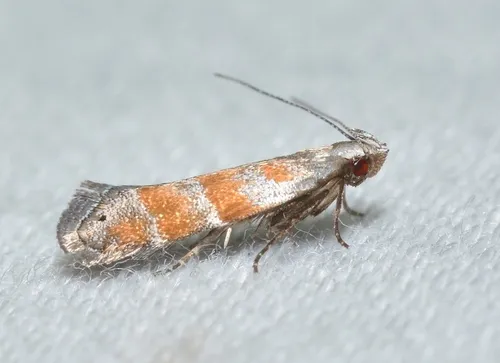
Orange Stripe-backed Moth
Battaristis vittella
Battaristis vittella, the stripe-backed moth, is a species of moth in the Gelechiidae family. It is found in North America, where it has been recorded from the eastern United States and southern Canada.
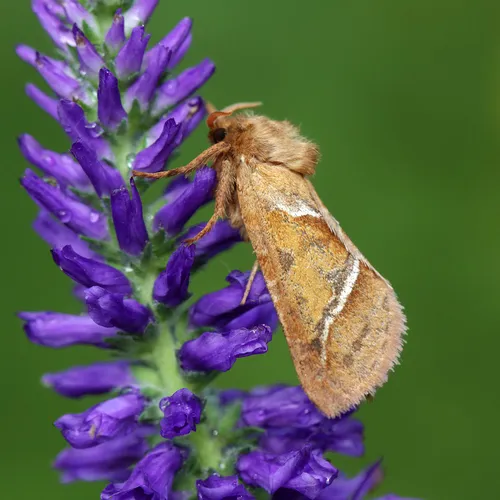
Orange Swift
Triodia sylvina
Wingspan 32-48 mm. The moth exhibits marked sexual dimorphism, the males being smaller and more brightly coloured than the females. This species inhabits gardens, woodland and rough grassland, roadside verges, moorland and other wild places. Flying l
Orange Tortrix - Hodges#3612
Argyrotaenia franciscana
Identification: Adult - sinuate costa, grey with whitish antemedial band, dorsal area and outlining the distal costal spot. Females have broader forewing and diffuse markings. ( 3 ) Larva - larval head and prothoracic shield are light brown and unmar
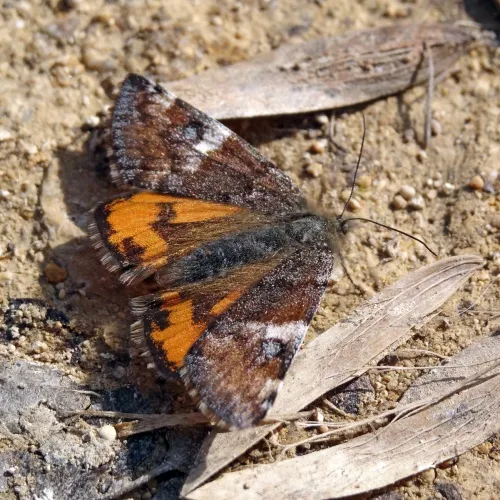
Orange Underwing
Archiearis parthenias
Light Orange Underwing (Boudinotiana notha) Specimens need to be netted and examined closely including the hindwing – especially if taken where both Aspen and Birch are present. If the moth has bipectinate (feathery) antennae it will be a male Light
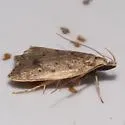
Orange webworm moth - Hodges#2292
Dichomeris citrifoliella
Identification: Per ventral photograph. The ventral side of the palps is black. Ann Hendrickson. Also can be noticed in a lateral view.
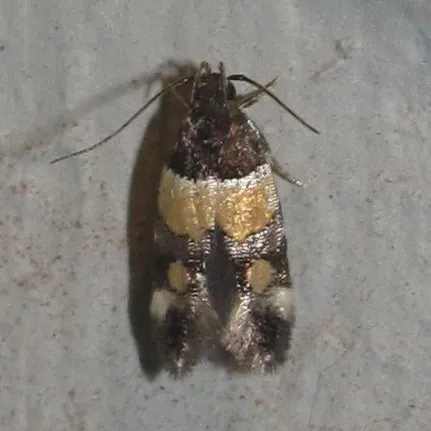
Orange-banded Triclonella
Triclonella determinatella
Triclonella determinatella is a moth in the Cosmopterigidae family. It is found in North America, where it has been recorded from Alabama, Arkansas, Florida, Illinois, Kansas, Louisiana, Mississippi, Oklahoma and Texas.
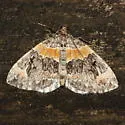
Orange-barred Carpet - Hodges#7189
Dysstroma hersiliata
Identification: Adult: typical form has basal and medial areas of forewing gray, with solid orange bar in AM area; upper portion of PM line with deep cleft (inward-pointing tooth), beyond which is an orange & cream patch in subterminal area other for
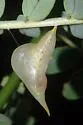
Orange-barred Sulphur - Hodges#4229
Phoebis philea
Identification: Below, similar to the more widespread Cloudless Sulphur, but more orange, especially at the rear of hindwings (female). Slightly larger than Cloudless Sulphur. The male has few markings but the upperside of the forewing has an orange
Orange-edged Roadside-skipper - Hodges#4110
Amblyscirtes fimbriata
Identification: Dark brown with orage head and palpi and orange (occasionally grey) fringe along edge of wings.
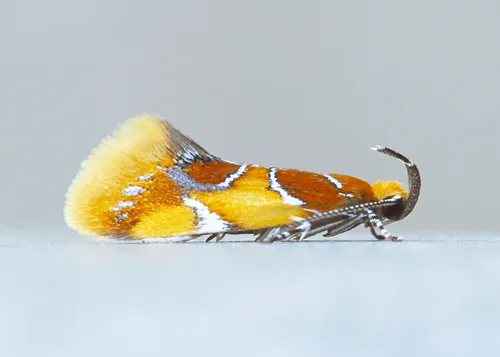
Orange-headed Callima Moth
Callima argenticinctella
Epicallima argenticinctella, the Orange-headed Epicallima Moth, is a moth of the Oecophoridae family. It is found in North America, where it has been recorded from Nova Scotia to South Carolina, west to Kansas and Texas. The habitat consists of decid
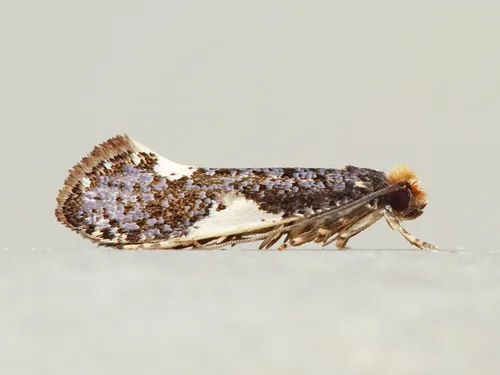
Orange-headed Monopis - Hodges#0421
Monopis spilotella
Identification: Head: Head pale orange-yellow, long haired (scaled). Palpi pale yellowish, long, folded; underside dark brown. Antenna: 1st half dark, rest lighter. Thorax: Dark brown with a pale spot at tip. Wings: Blue-black. Smaller white triangul
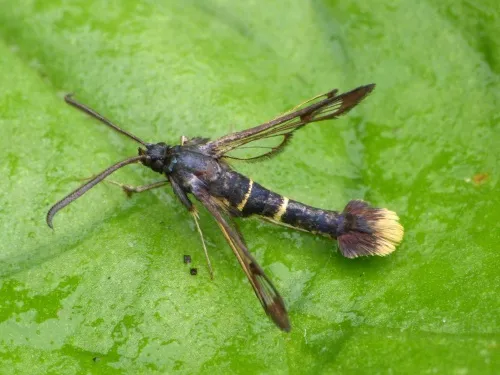
Orange-tailed Clearwing
Synanthedon andrenaeformis
When adding a record please state whether a pheromone lure was used. Usually found on chalk downland, preferring the edges of woodland. The adults fly in May and June, but are very difficult to locate unless a lure is used. The larva lives for two ye
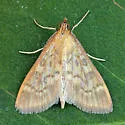
Orange-toned Mecyna - Hodges#5135
Mecyna submedialis
Identification: Adult: forewing light orangish-yellow with jagged brown AM and PM lines; reniform spot a short horizontal brown bar; orbicular spot small and solid brown; area between reniform spot and AM line clear yellow, surrounded by orangish-bro
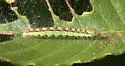
Oreana unicolorella - Hodges#5767
Oreana unicolorella
Identification: Specimens identified by DNA analysis: Genitalia: ♀ ♂ This species is represented on BOLD by a pair of closely related BINs with about 3% sequence divergence, indicating that there is an undescribed cryptic species in this genus.
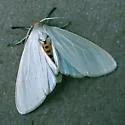
Oregon Cycnia - Hodges#8231
Cycnia oregonensis
Identification: forewing pale whitish-gray with white wing veins and no yellow along costa; top of head yellow; dorsal surface of abdomen orangish-yellow with large black spot on each segment.
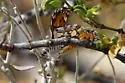
Organ Mountain Metalmark - Hodges#4402.3
Apodemia duryi
Identification: Similar to A. mejicanus and A. virgulti , but with the upper side almost entirely suffused in orange, and with the white spots below very large. White spots above are mostly missing. A member of the Apodemia mormo complex or "supersp
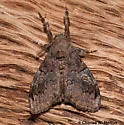
Orgyia falcata - Hodges#8317
Orgyia falcata
Identification: Specimen identified by DNA analysis: dimorphic species with females having reduced or no wings
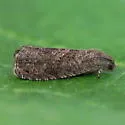
Oriental Fruit Moth - Hodges#3426
Aspila molesta
Identification: Adult : FW dull grayish brown with a row of black dots near the apex and termen. Larva : Last instar larvae are approximately 10-12 mm in length with a pinkish abdomen and large pale pinacula. The head and prothoracic shield are yello
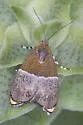
Ornarantia dyari - Hodges#2654
Ornarantia dyari
Identification: See original description in print references below.
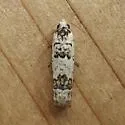
Ornate Eucosma - Hodges#2951
Eucosma ornatula
Identification: The original description as Thiodia ornatula Heinrich, is available in PDF and online in the print references below.
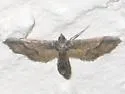
Ornate Hydriris Moth - Hodges#5127
Hydriris ornatalis
Identification: Adult: forewing brownish-gray in basal area and beyond PM line; median area yellowish with shiny metallic orbicular and reniform spots; PM line black, thick, slightly wavy; diffuse blackish subapical streak extends from PM line to out